


Awakening a Masterpiece
A 1930s home brought into the 21st century
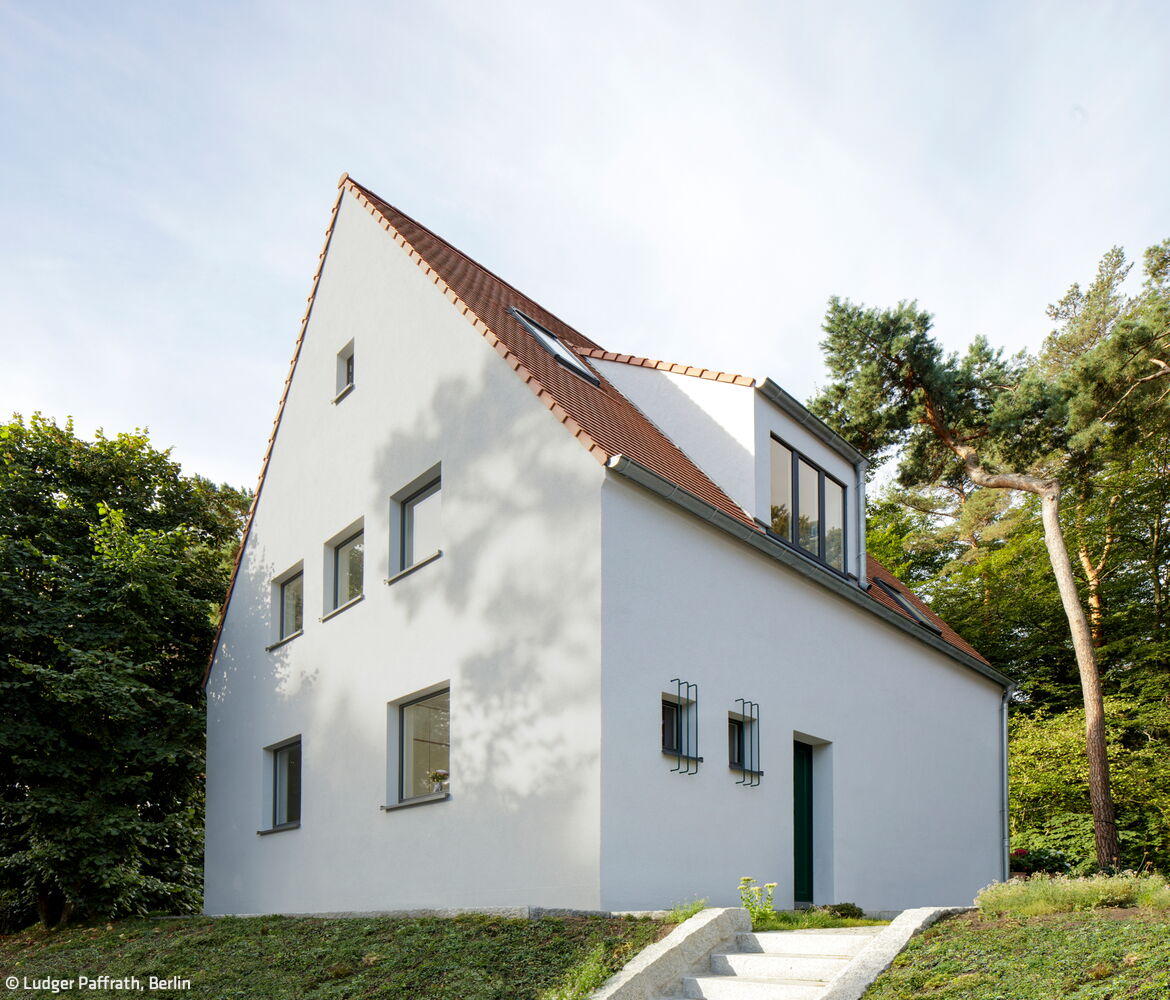
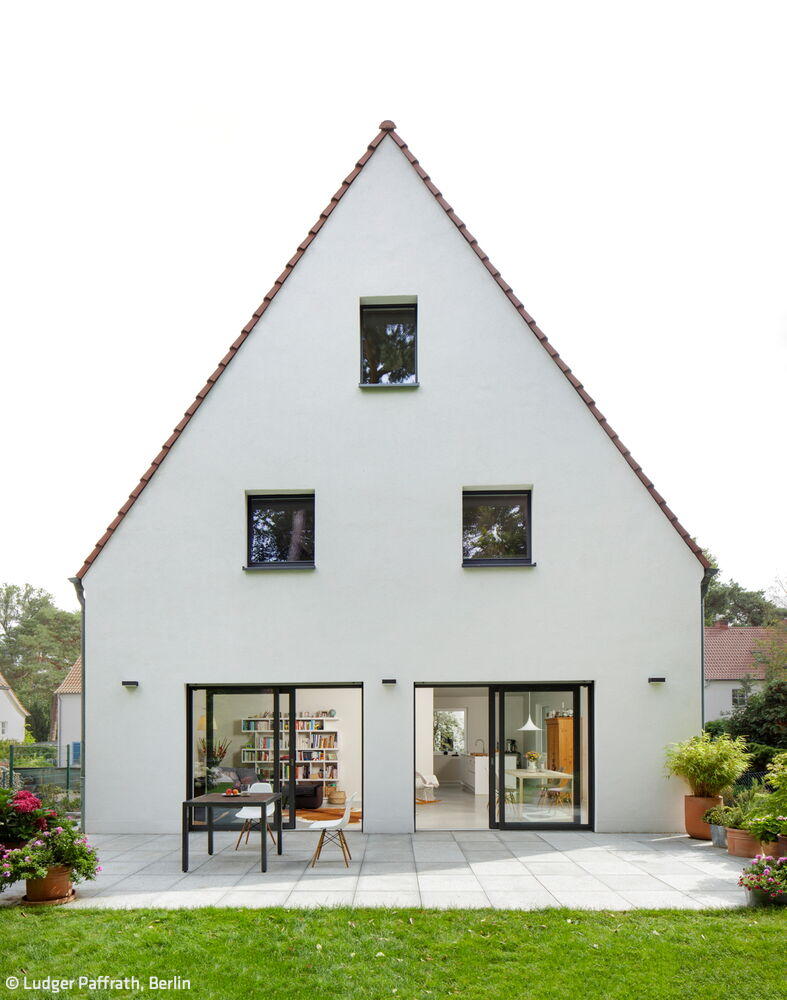
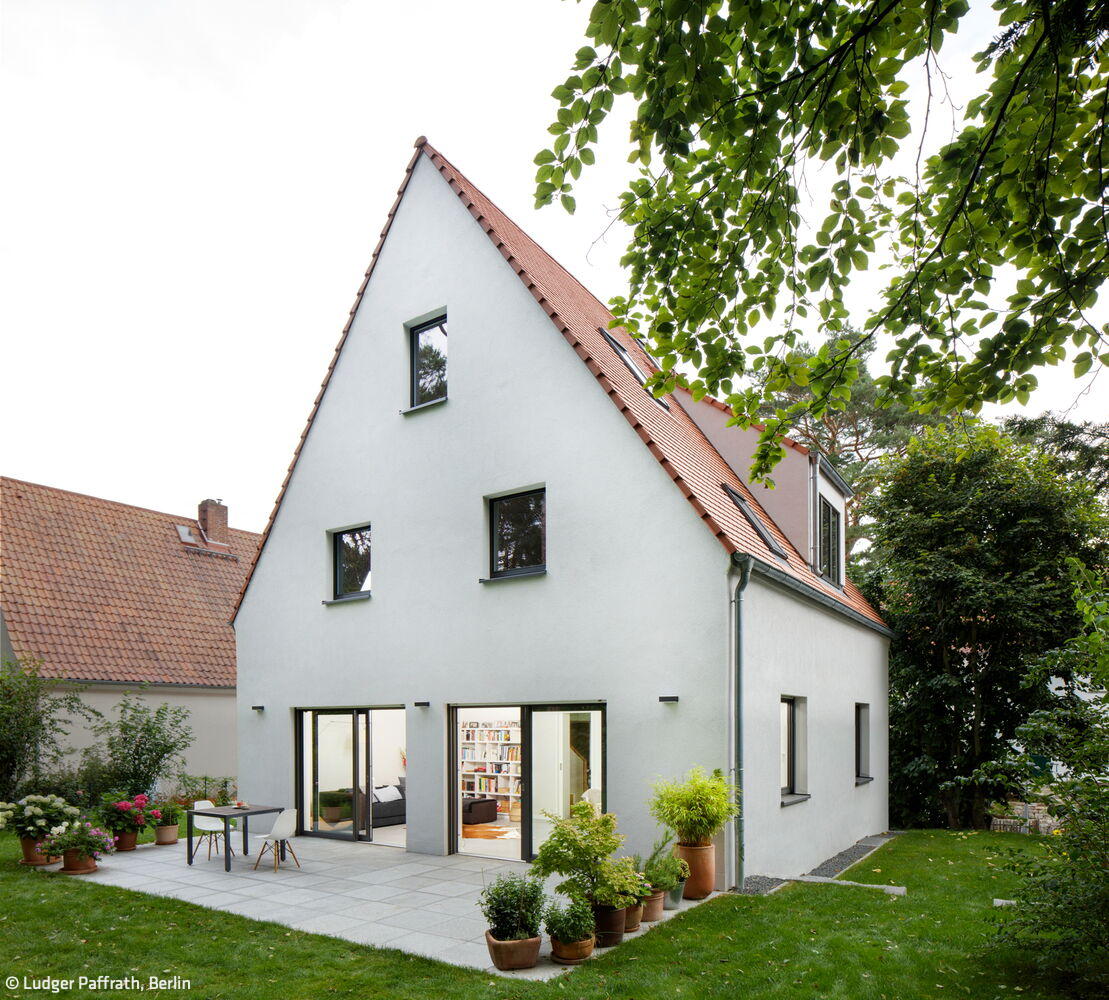
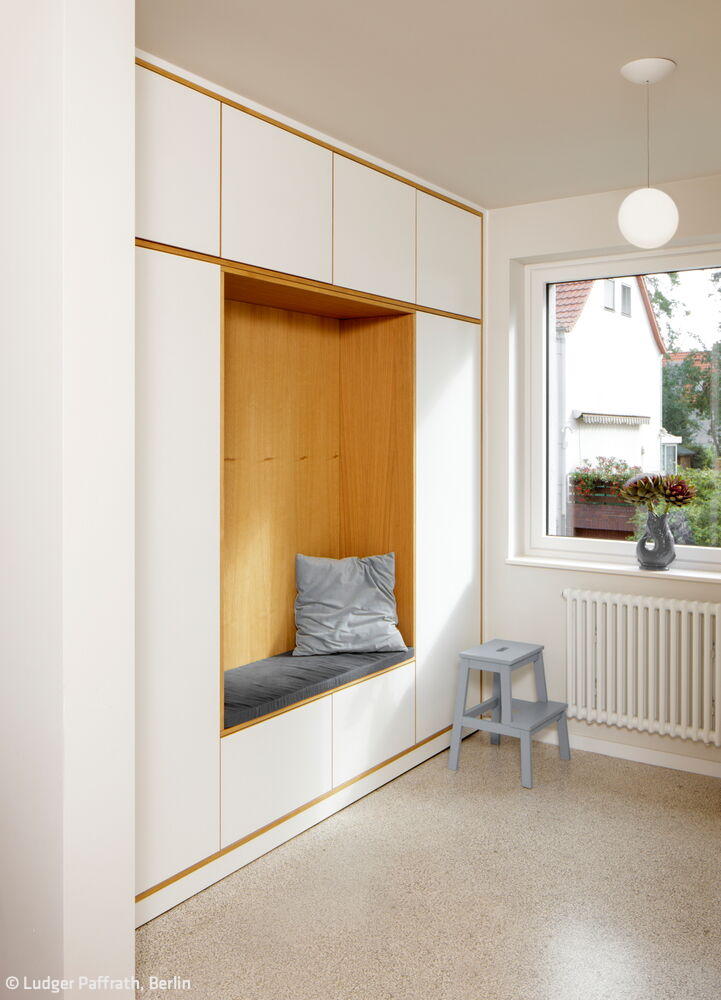
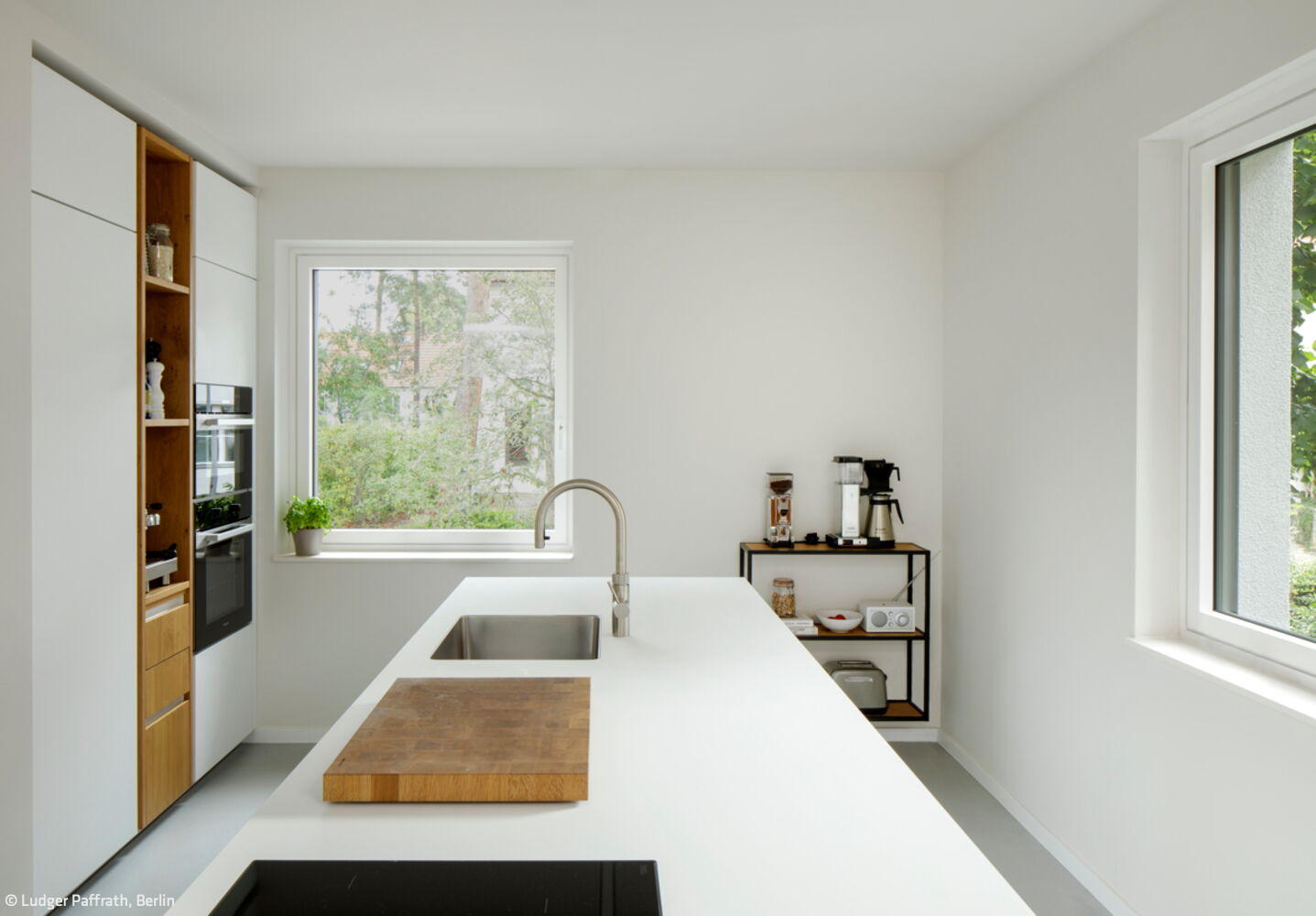
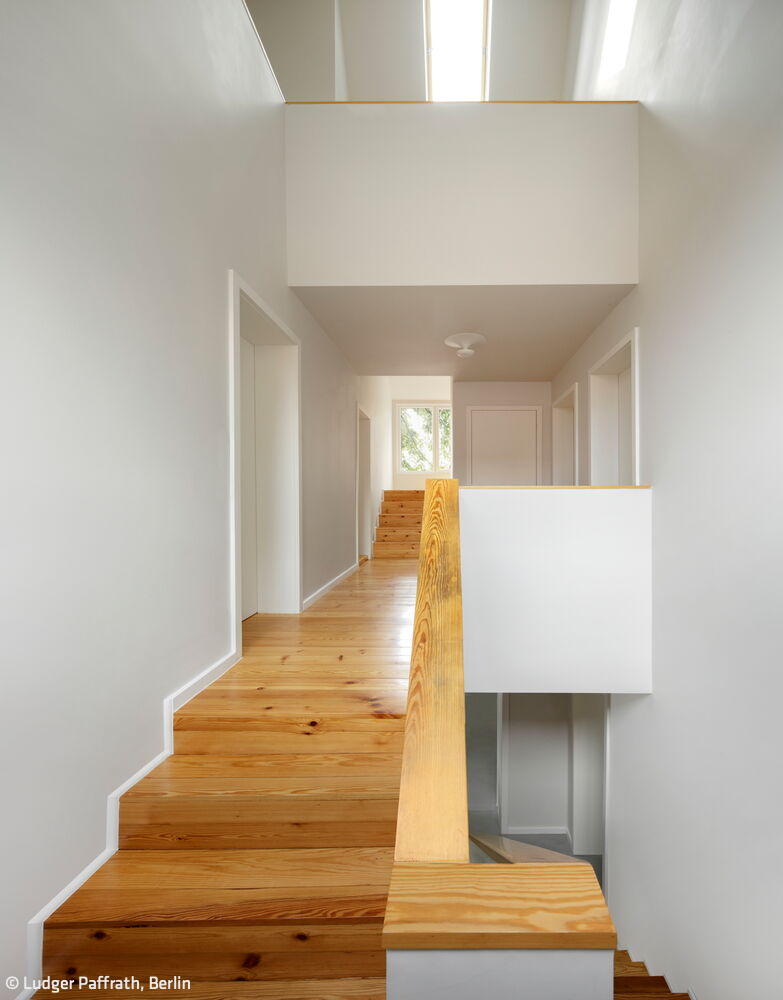
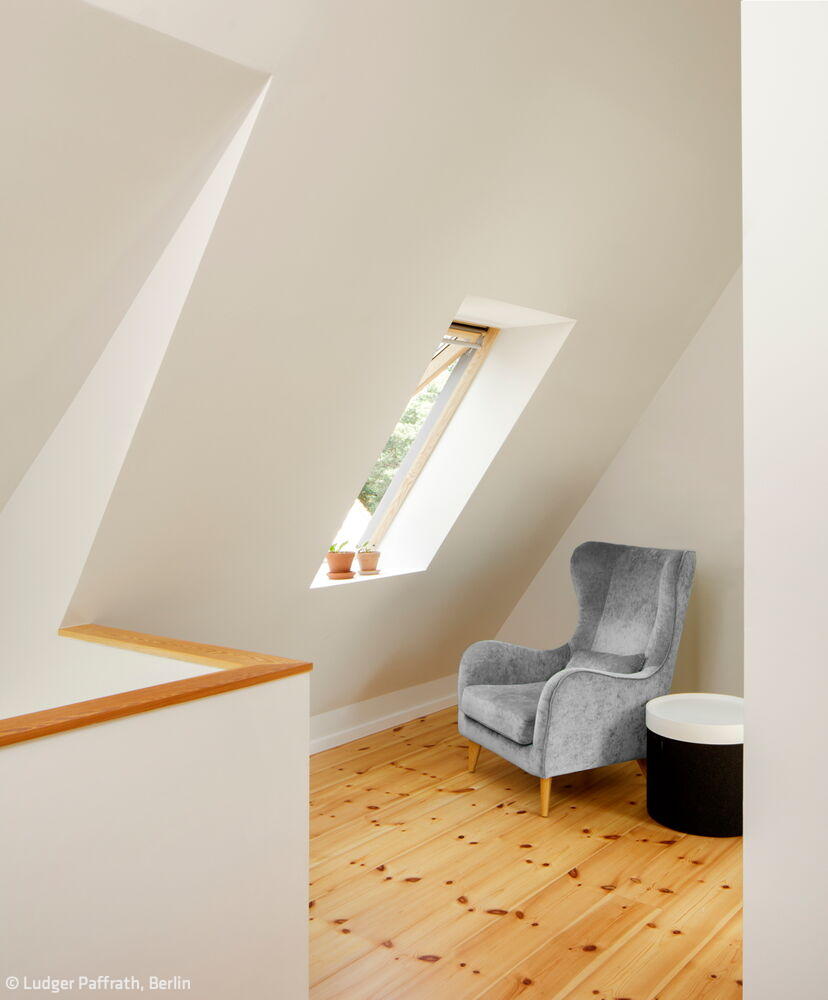
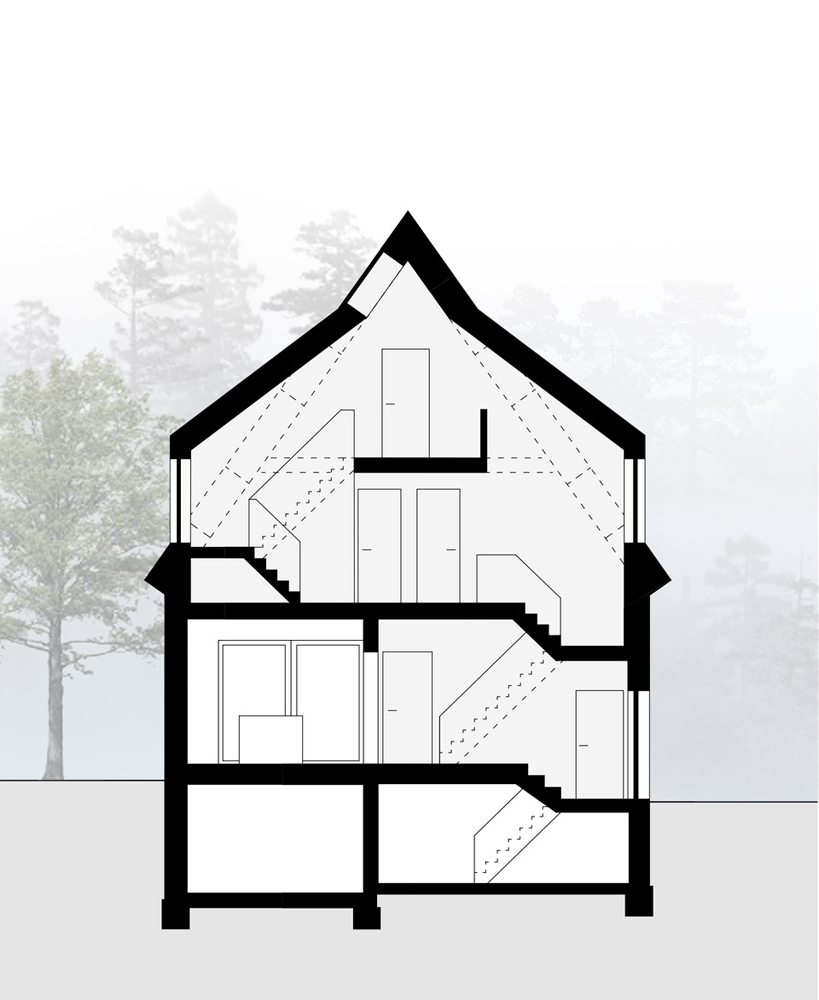
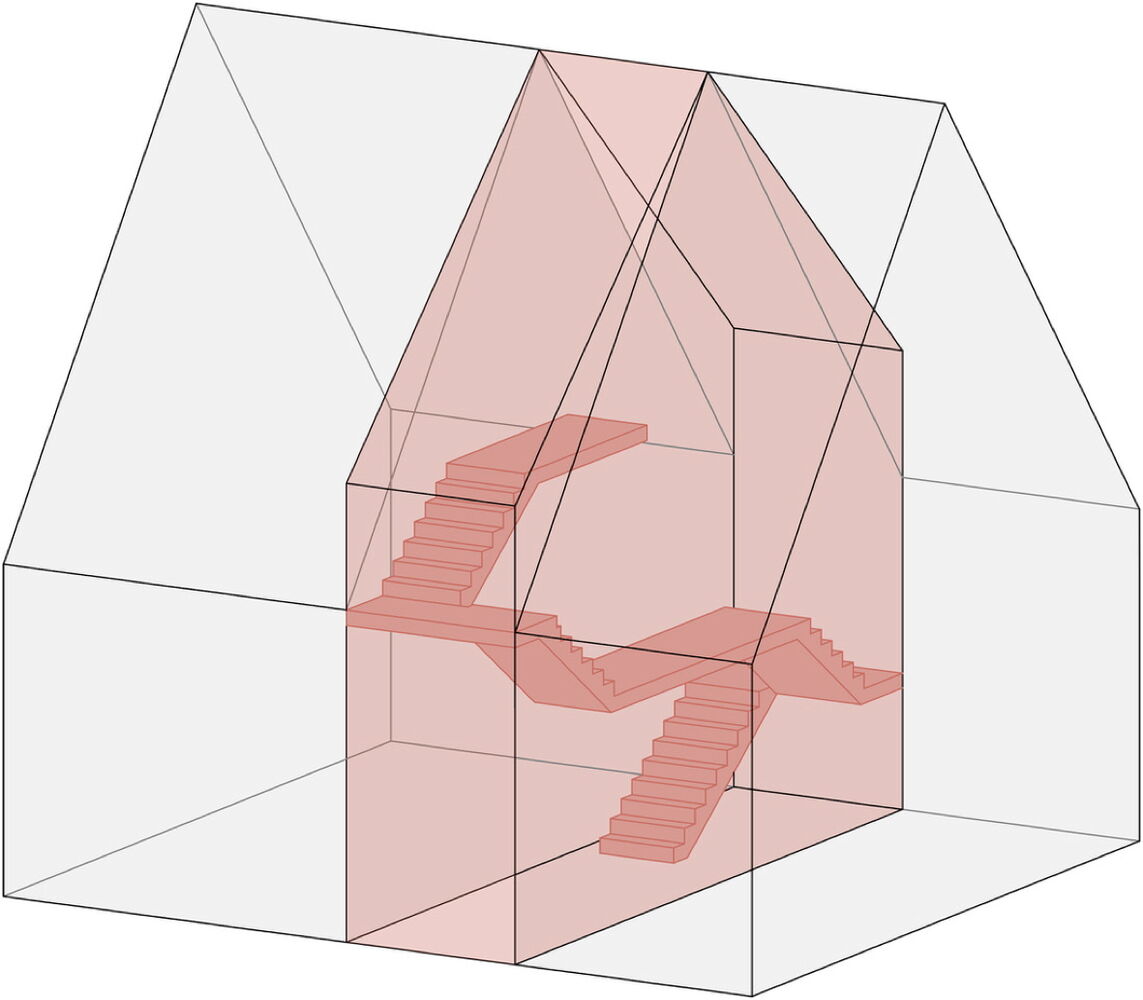
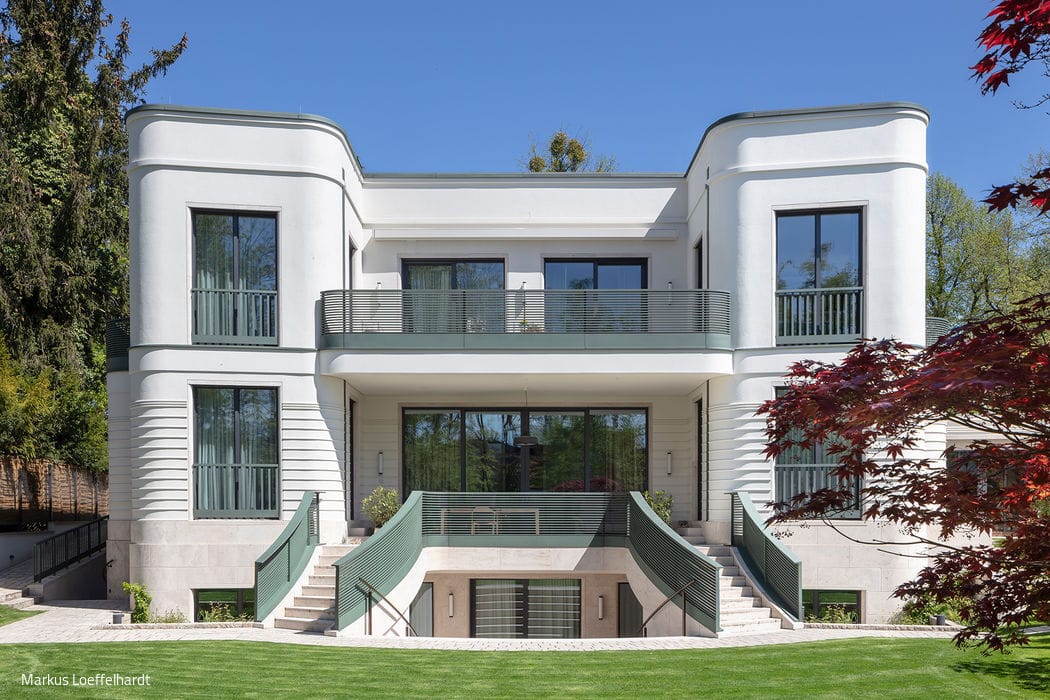
For decades before its rediscovery, this 1930s detached house sat vacant—apparently forgotten by everyone. The striking pointed gable that once defined its era held little appeal. Perched at the forest's edge in Zehlendorf, it seemed to be waiting for resurrection. The young, interdisciplinary team at Berlin-based Naice saw something entirely different: a stylish, ultra-modern dwelling with genuine potential—needing only the right moves to bring it into the 21st century. The renovation began with a complete gutting down to the foundation walls. The roof structure was strategically raised, allowing the interior to gain valuable living space while preserving the external roofline. Two new dormers flood the interiors with additional light. A central staircase now unifies all floors, while strategically placed mezzanine galleries carve out even more livable area. Wherever possible, original materials were salvaged and reintegrated—original floor beams among them.
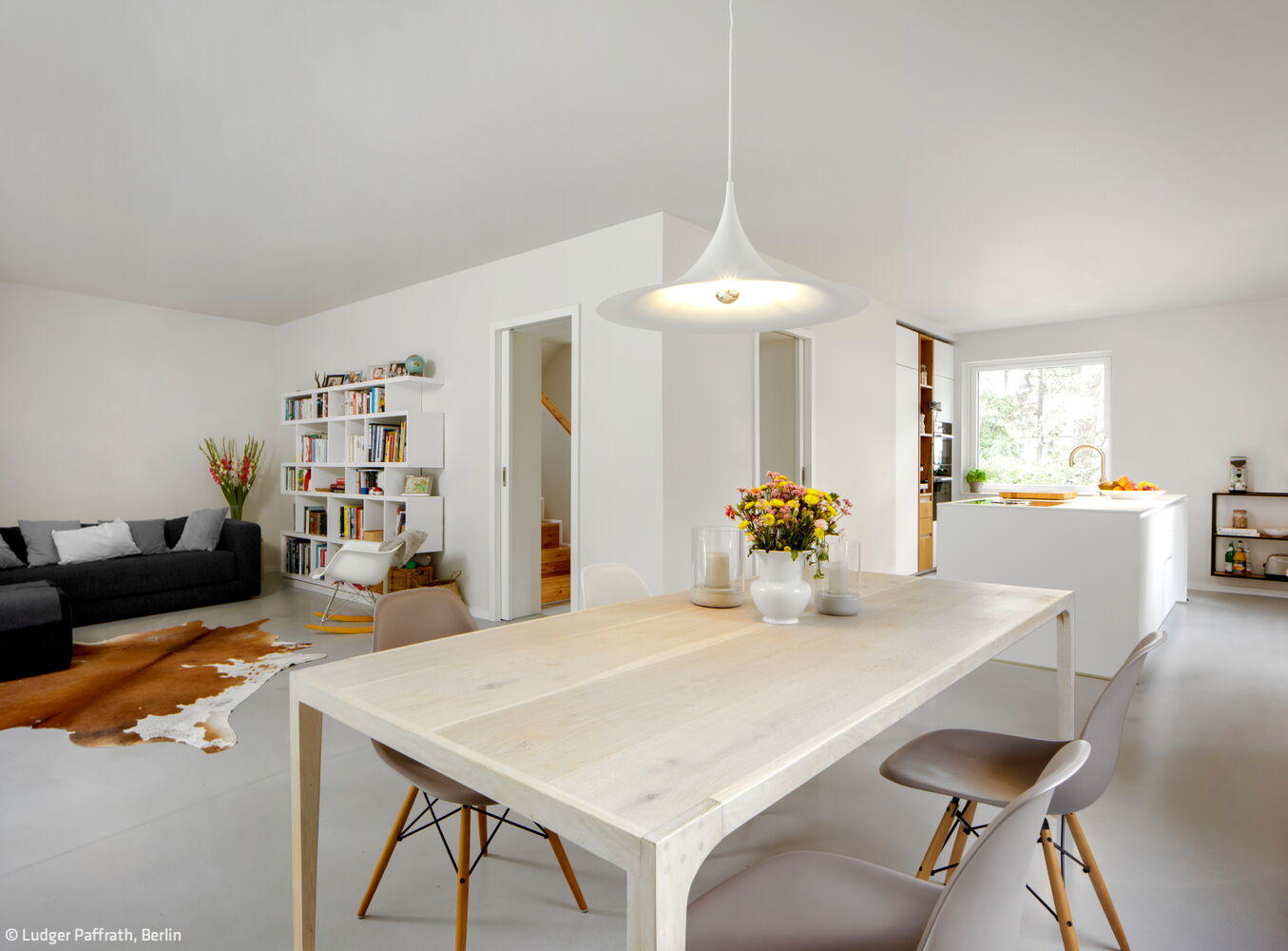
Creating an open, flowing ground floor with living, kitchen, and dining areas meant removing the cramped compartmentalized rooms of the original layout. This required carefully supporting all walls above with concealed structural elements—maintaining visual clarity without exposed beams. The kitchen, once cramped and dark, now opens gracefully toward the stairwell and has been reimagined as an entry vestibule, its original terrazzo flooring preserved. Expansive floor-to-ceiling sliding doors on the garden side flood the interior with natural light. Bright white plaster now envelops the exterior—a striking counterpoint to the decades of neglect it endured. Beyond its visual and aesthetic transformation, the home was brought to modern energy standards. The deliberate dialogue between old and new gives this Berlin family's residence a distinctive character all its own.
Photography:
Ludger Paffrath
www.ludger-paffrath.com
(Published in CUBE Berlin 01|25)

Child-Friendly Design
A School Playground Within an Industrial Heritage Landmark
Hidden Champion
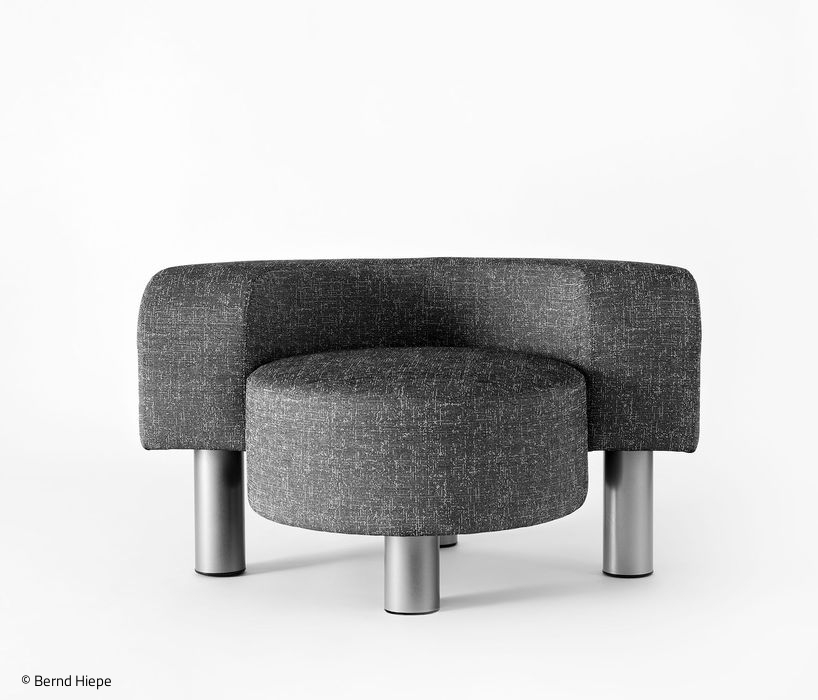
For years, Hermann August Weizenegger has ranked among Berlin's most accomplished designers.
Ideas for Sustainable Change
Design Concept and Interior Architecture, Flawlessly Realized
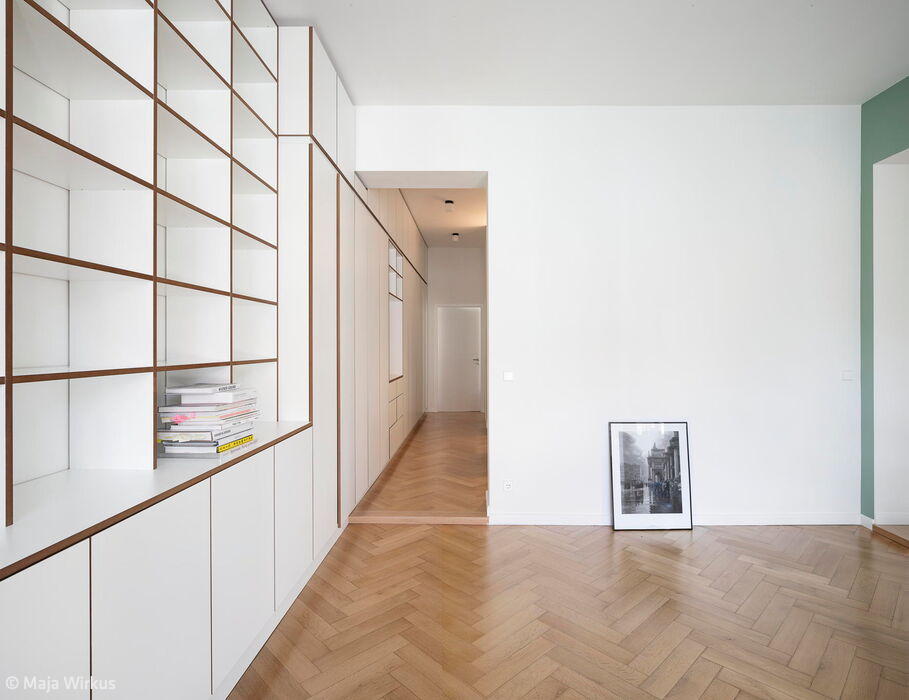
A New Lease on Life
A historic Gründerzeit apartment receives a complete makeover and contemporary redesign.