


Island Essence Reimagined
Meliá Paradisus Fuerteventura: Where Architecture, Craft, and Landscape Converge
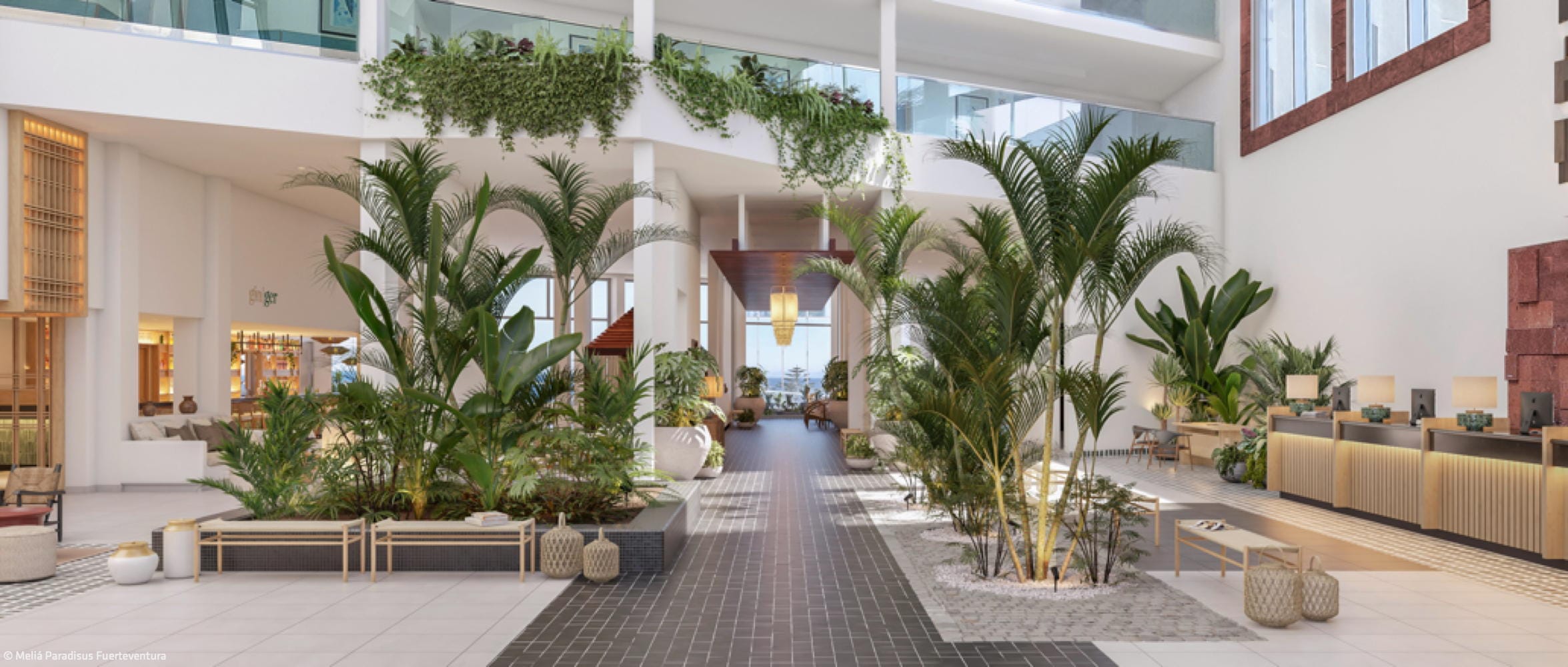
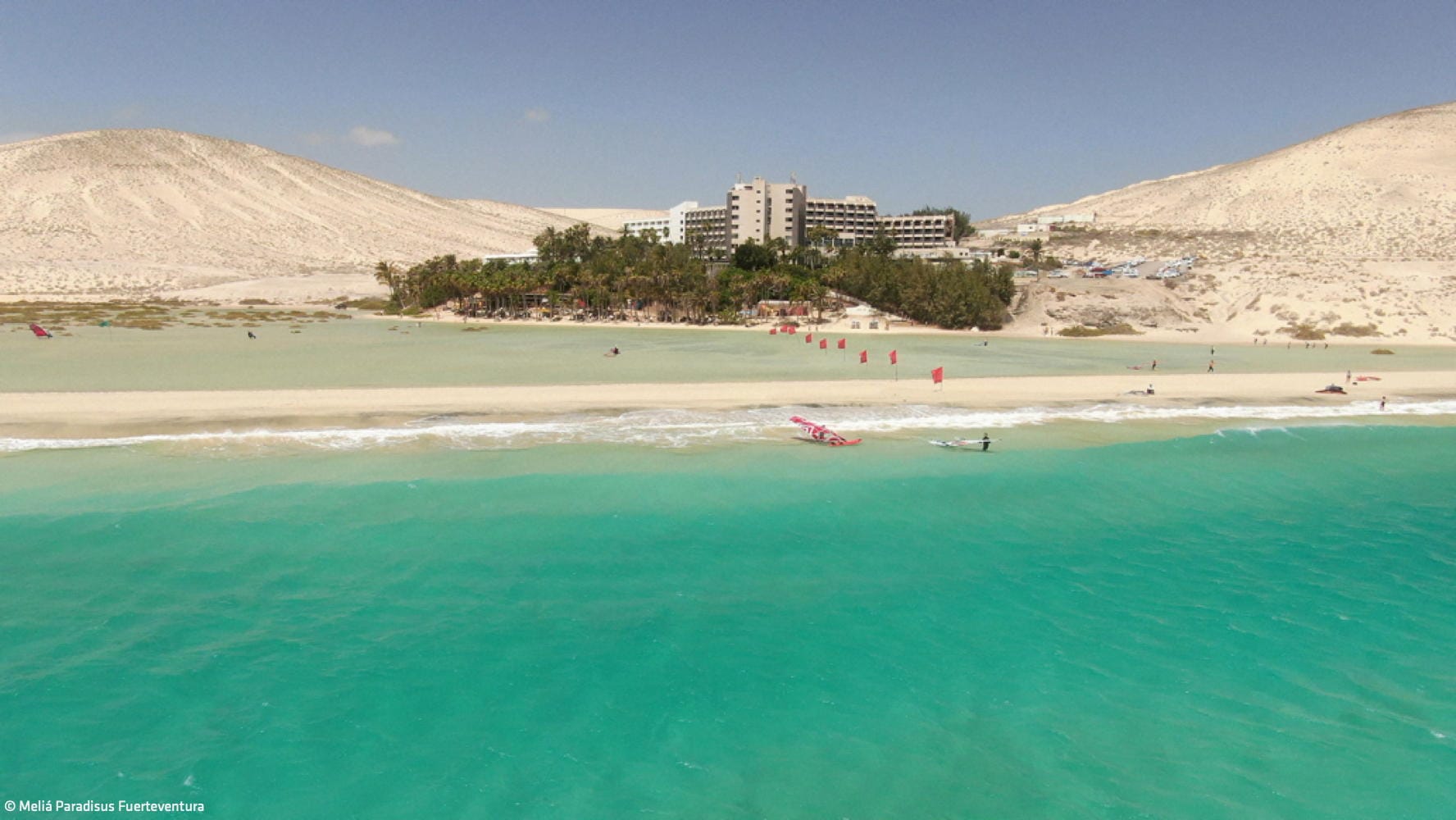
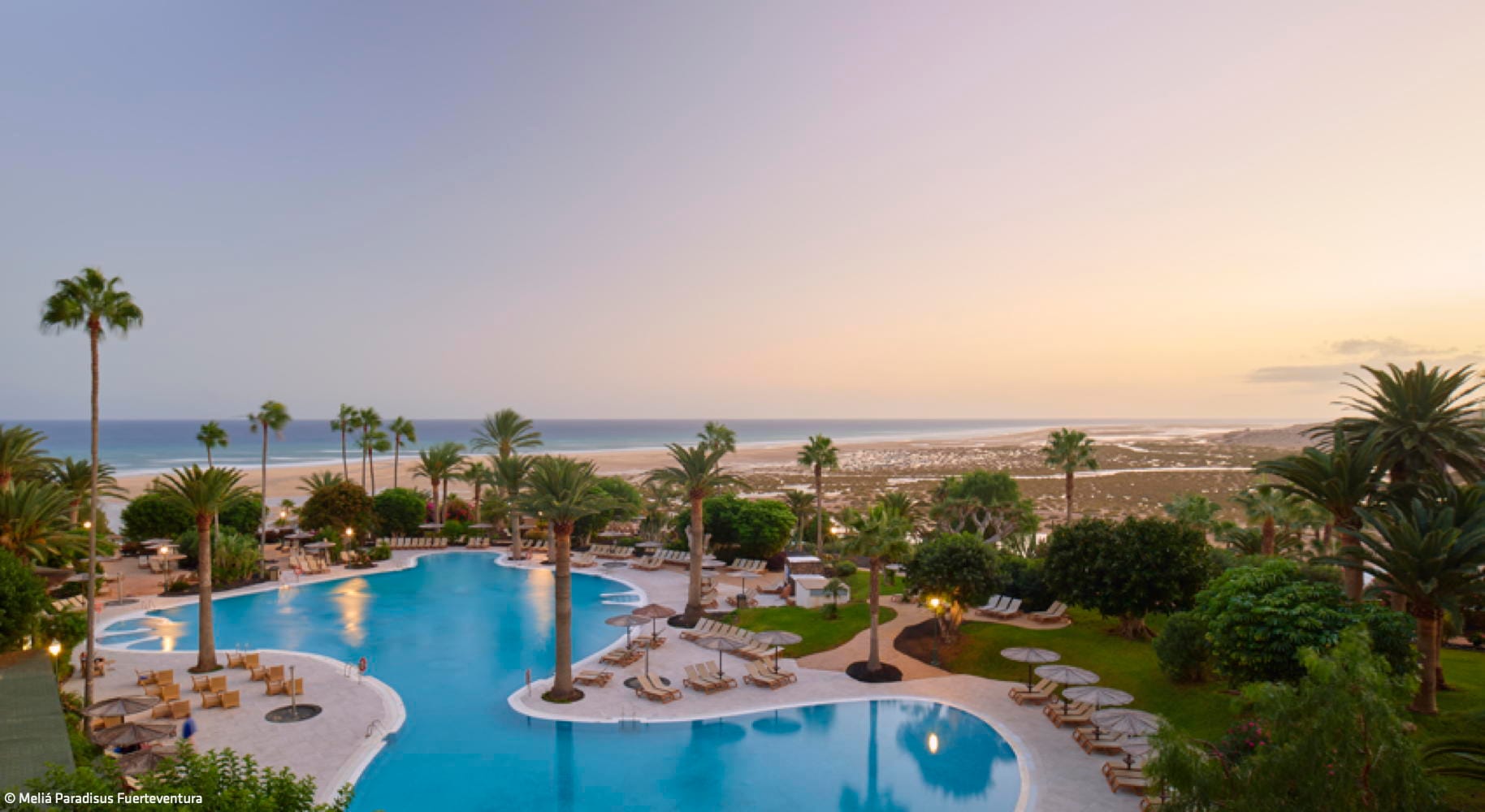
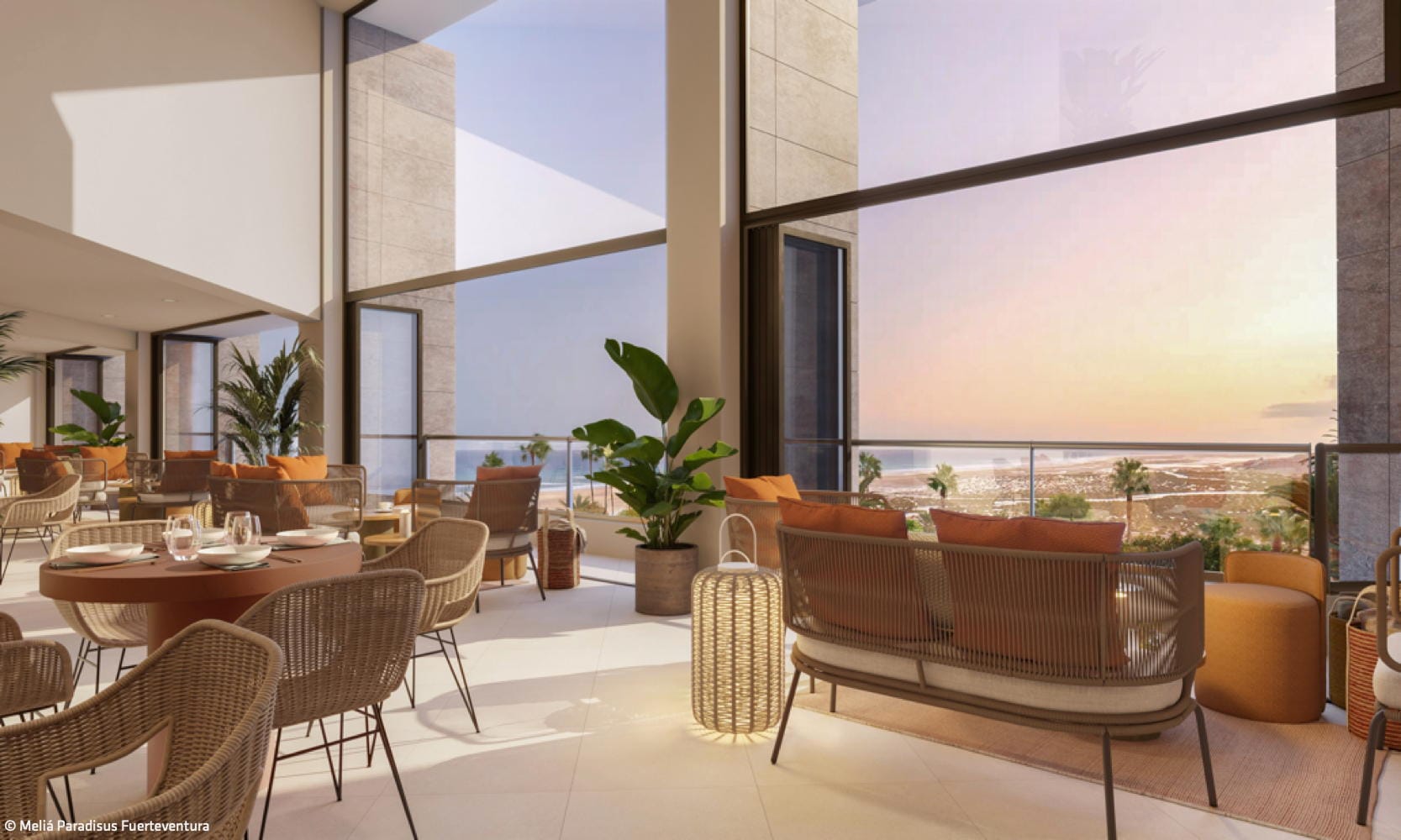
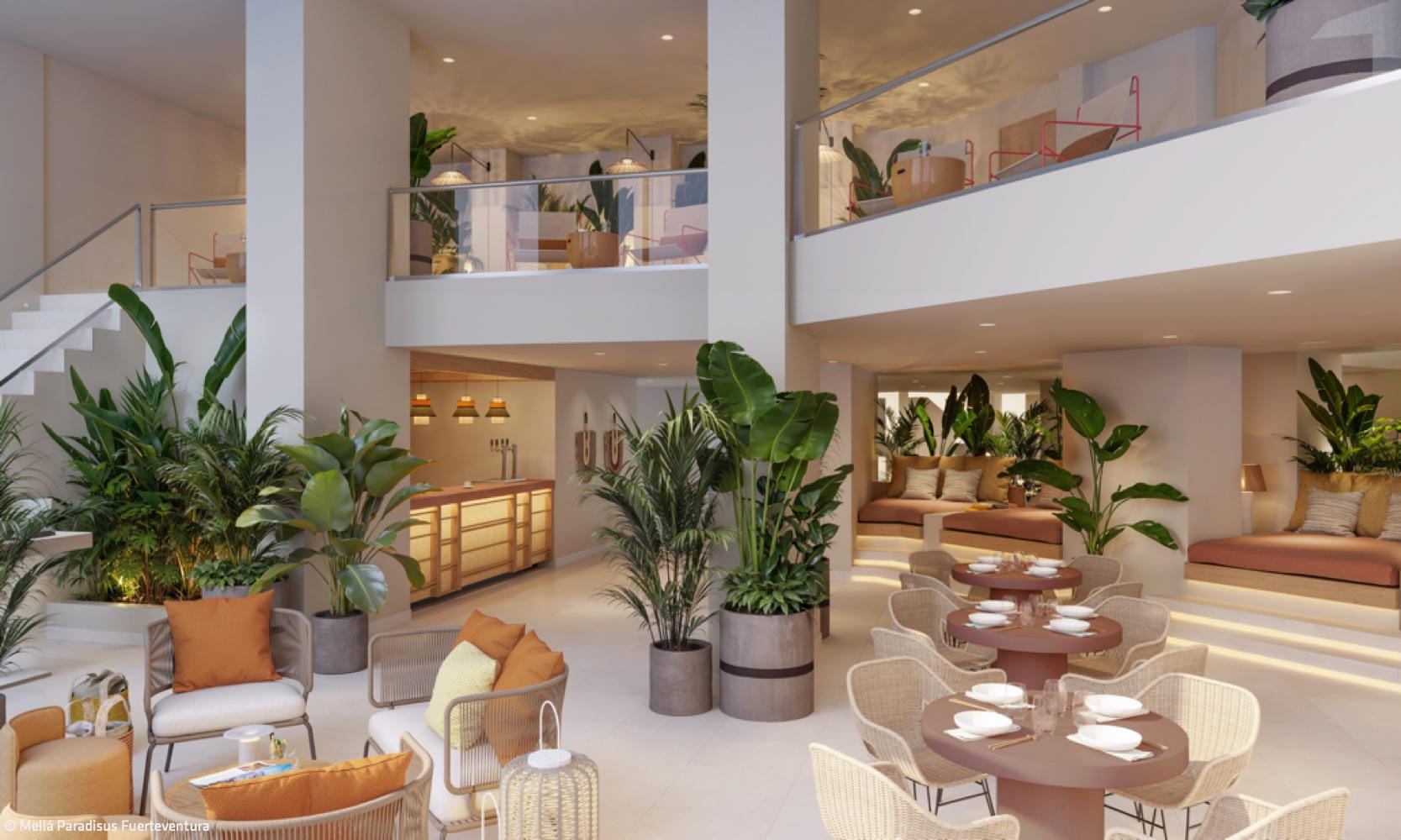
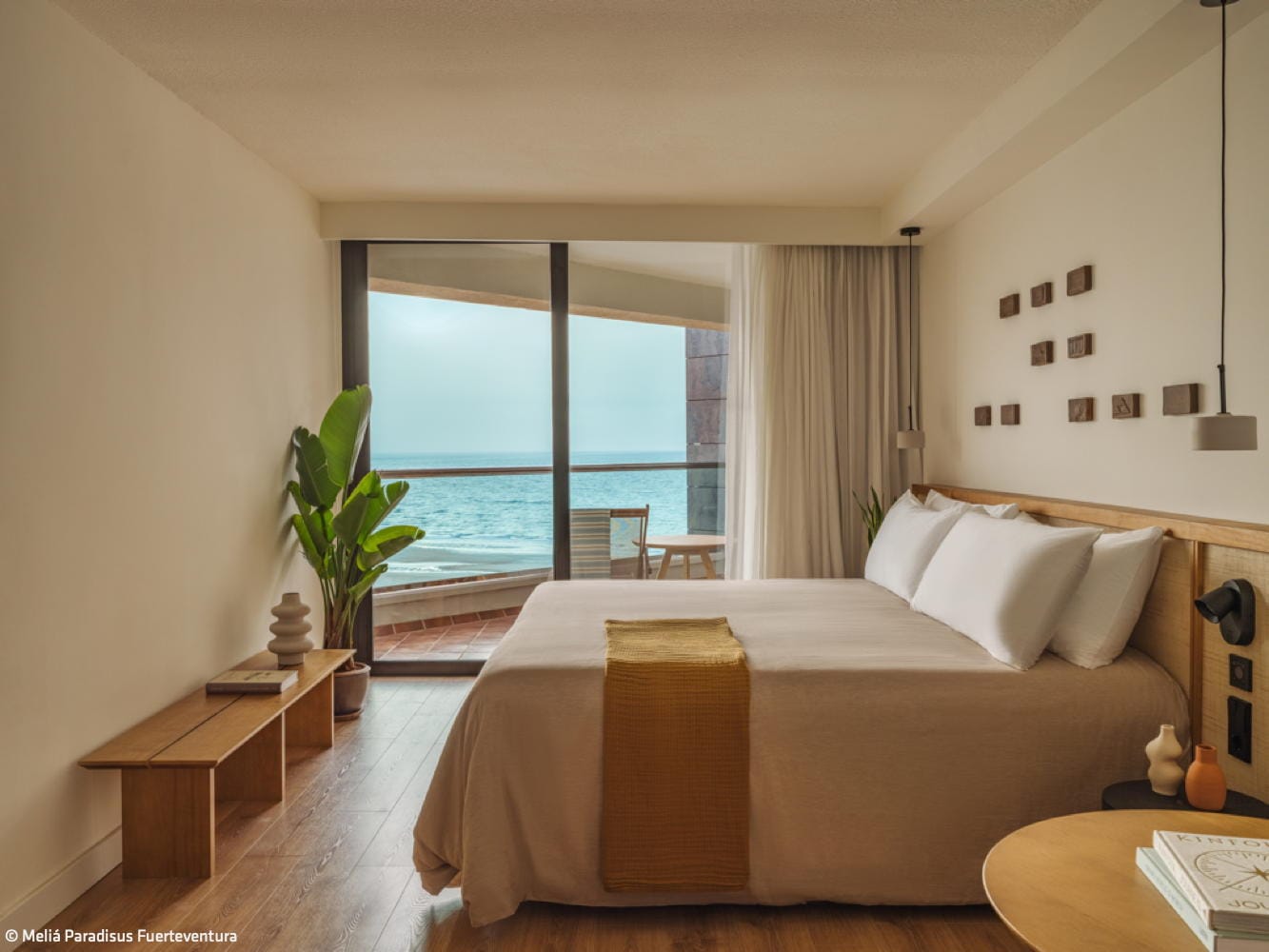
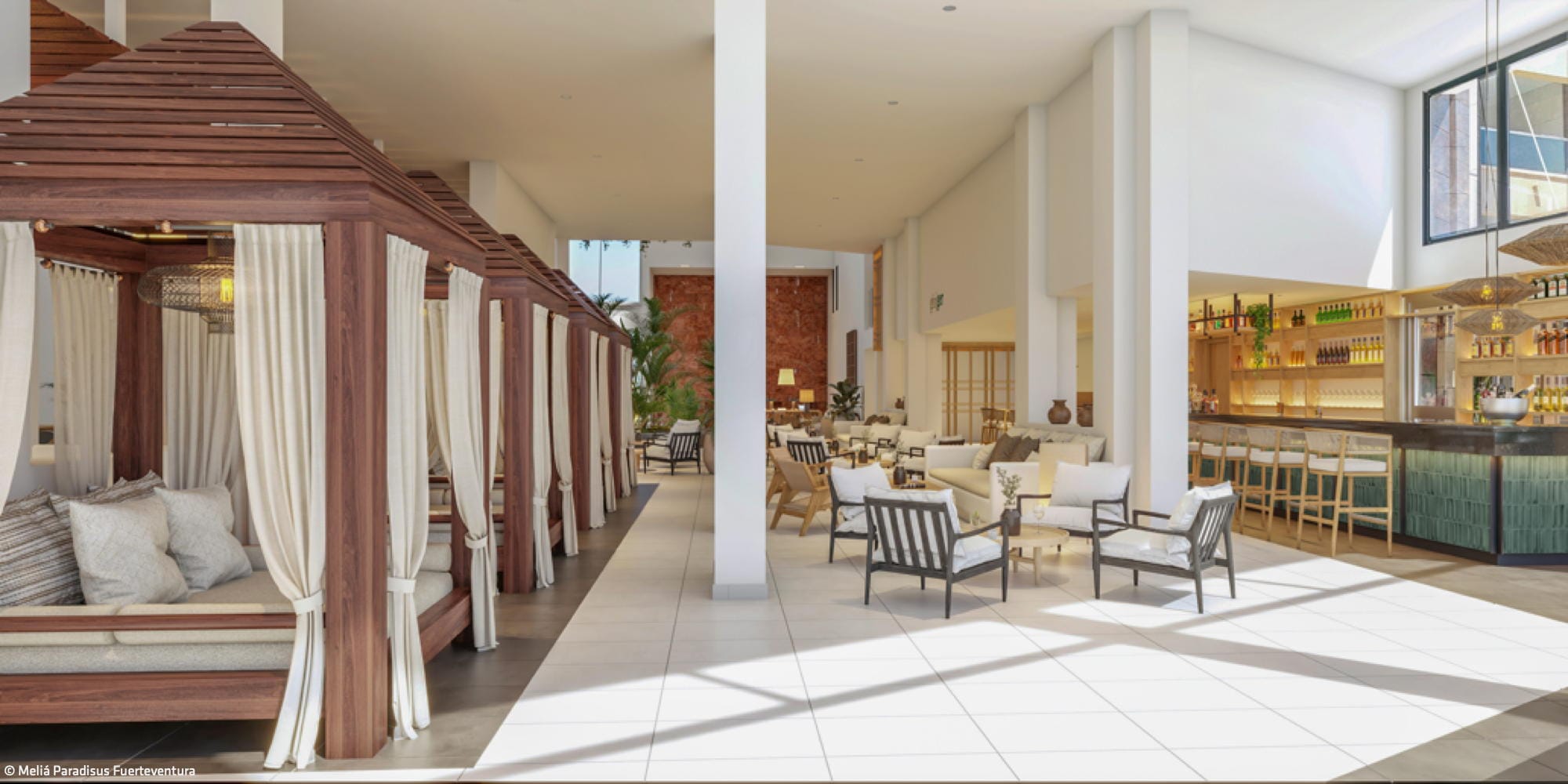
Fuerteventura is famous as the Canary Islands' "island of the wind," but the Sotavento Beach on Costa Calma in the south reveals a different character entirely: a sheltered lagoon with crystalline turquoise waters and pristine white sand dunes that evoke an almost authentic Caribbean escape. At its heart lies the Meliá Paradisus Fuerteventura. The resort emerges from the landscape like an oasis, framed by palms and verdant gardens. Originally built in the 1970s—when its lush tropical gardens were first established—the hotel has undergone a striking transformation and truly lives up to its "Paradisus" namesake. The moment you step into the soaring five-storey entrance hall, vacation begins. Flooded with natural light, the bright, open reception area welcomes you with verdant accents and welcoming lines. A bar punctuates the space with comfortable daybeds and uninterrupted sea views. Through the expansive glass frontage, the landscape unfolds like a framed masterpiece: the beach, the turquoise waters beyond, and windsurfers dancing across the surface with their vibrant sails. Let the vacation begin.
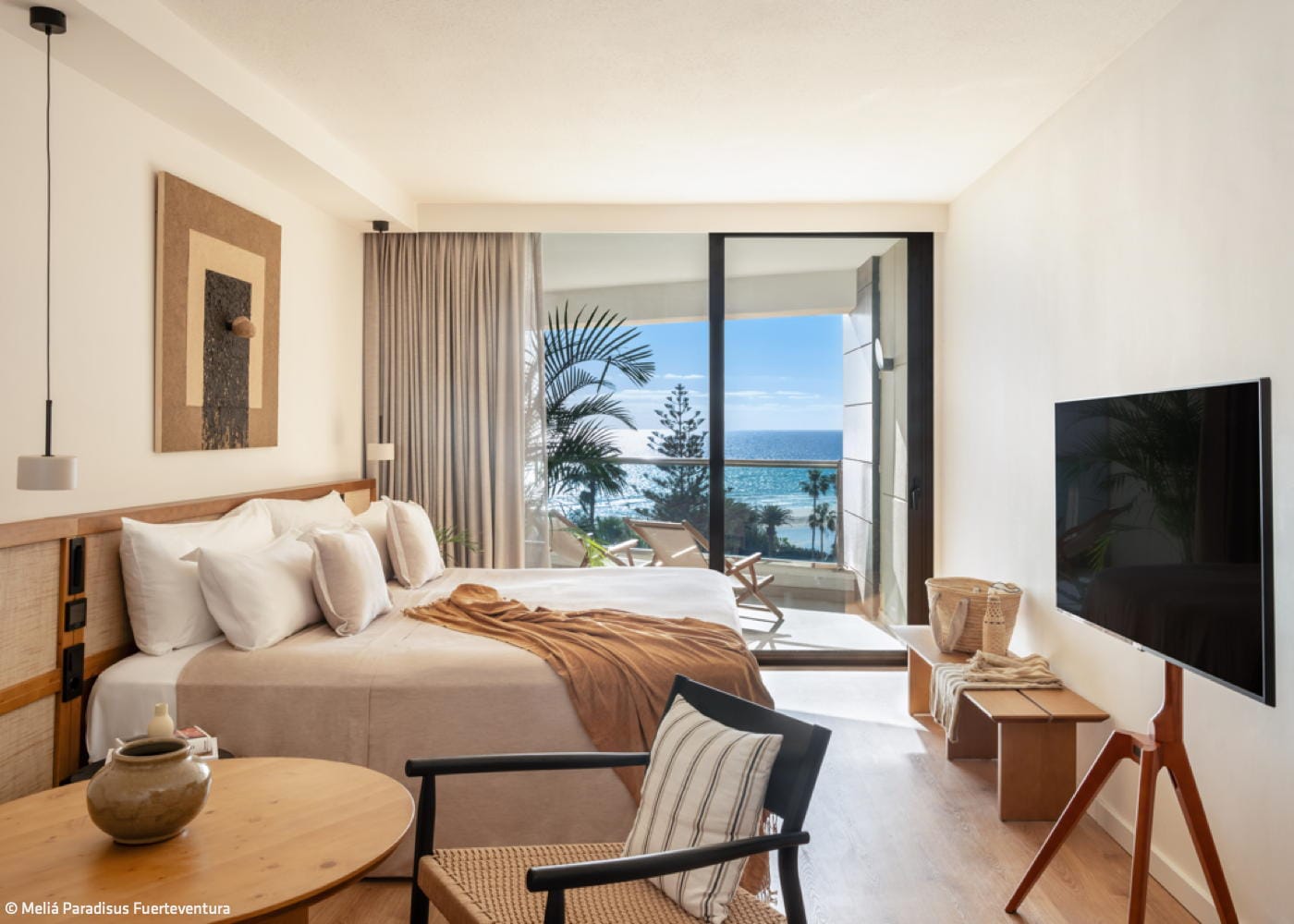
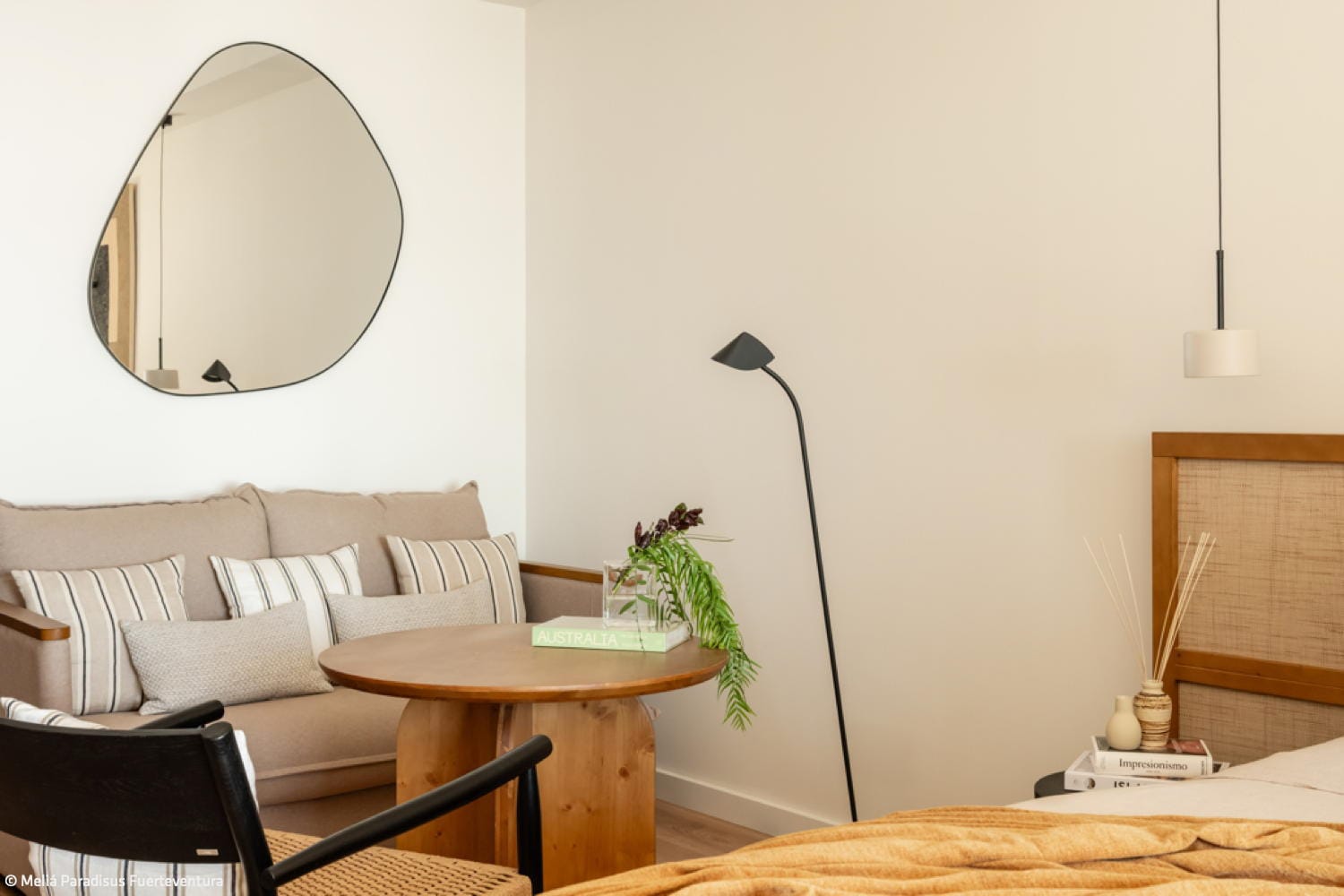
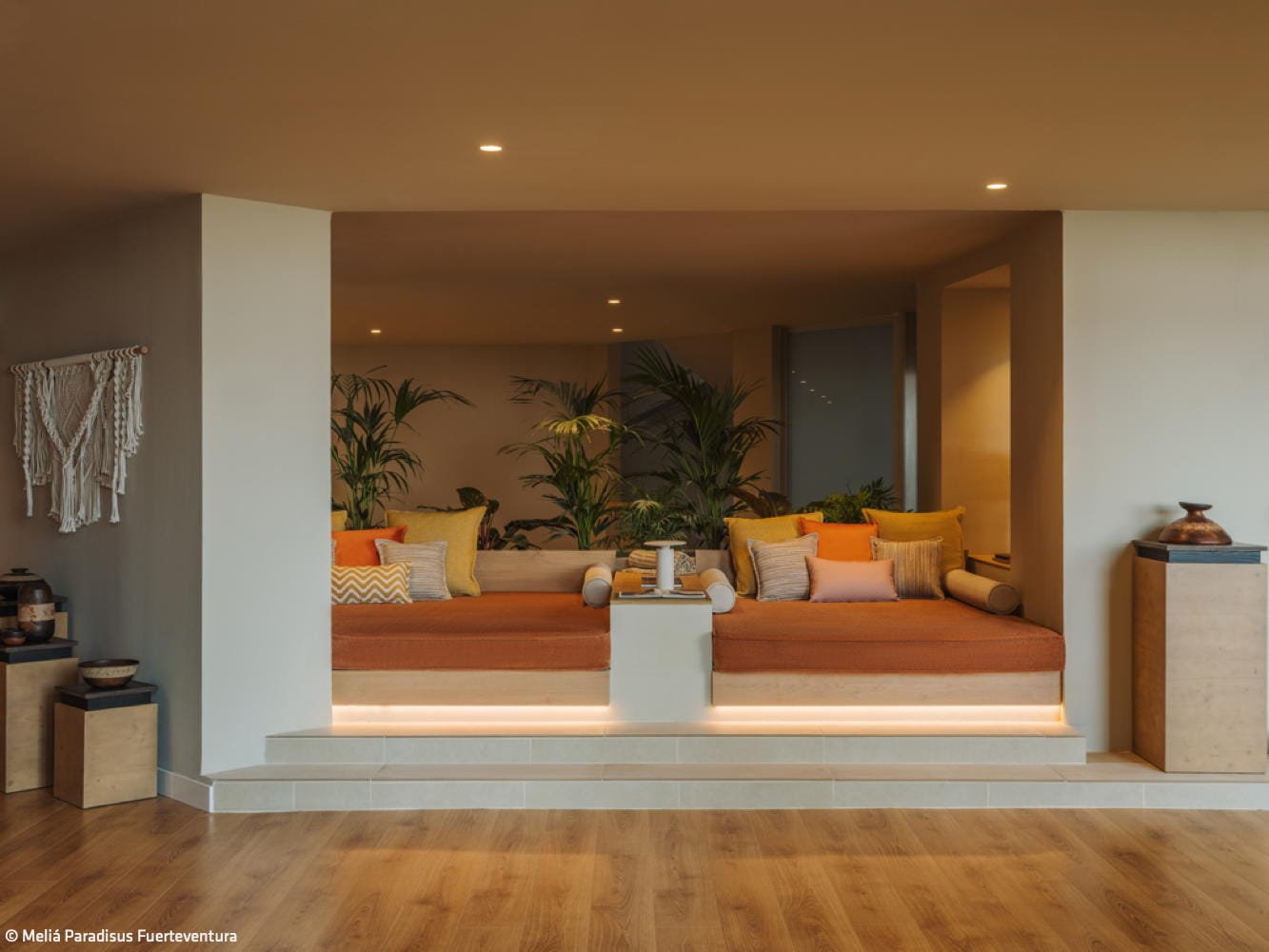
The interior design comes from ASAH – Álvaro Sans Arquitectura Hotelera, developed in collaboration with studios dot.arch and HAD-Arquitectos. Every element is rooted in Fuerteventura's distinctive nature and culture: volcanic landscapes, earthy tones, traditional building methods, and local craftsmanship form the design foundation. Rather than simply referencing the surrounding landscape, the team sought to weave it into the spatial experience itself. Natural materials—wood, stone, ceramics, linen, and plant fibres—define the tranquil yet refined atmosphere of this all-inclusive resort, a design thread that flows seamlessly from the exclusive private club "The Reserve" through themed restaurants to the generous rooms and suites. The colour story draws directly from the island: sand, stone, and lava tones echo the raw terrain, while turquoise and terracotta accents nod to sea and sun. Restrained forms paired with carefully considered textures establish an atmosphere of harmony and relaxed elegance. The rooms and suites embrace understated design—clean lines, light designer furnishings, generous beds dressed in crisp white linens and pale throws—creating bright, serene spaces that allow the striking dune landscape beyond to take centre stage.
The dining experience is equally rooted in the island's character. Seven restaurants span the spectrum—from relaxed poolside venues to refined international cuisine in sophisticated settings—each inviting culinary discovery. Standouts include Lemon Fish Nikkei, devoted to ceviche mastery, and Mahos, helmed by Canarian Michelin-starred chef Germán Ortega. His signature menu champions local ingredients and sustainable practices, setting a distinctive standard. This exclusive restaurant is reserved for adults and accessible only to "The Reserve" guests—an adults-only collection offering elevated experiences: personal concierge service, a private lounge, exclusive pools, and priority access to activities and dining.
Equally compelling is the 'Destination Inclusive' concept championed by Spain's Meliá Group—repeatedly recognised as the world's most sustainable hotel operator. At its Paradisus resorts, this philosophy comes alive through partnerships with local artists and suppliers who bring authentic regional culture into focus. Guests experience this through everything from local goat's cheese to workshops with artisan Maria Hernández, where visitors learn the centuries-old craft of palm-frond weaving. Central to this approach is close collaboration with local female artists and craftspeople, whose work gives the resort its authentic character and cultural identity. Take Leticia Arévalo (Arenas Cerámicas): her ceramic pieces, inspired by traditional Canarian stone structures, were created exclusively for the hotel, translating historic building techniques into modern, abstract forms. Studio Dot Arch transforms the island's organic shapes into decorative design objects, while ceramicist Juan Sánchez (Cerámicas Nopal) works with local clay and experimental glazes infused with volcanic stone particles. Much of the hotel's collection of vases, bowls, and wall installations originates from his studio in La Oliva.
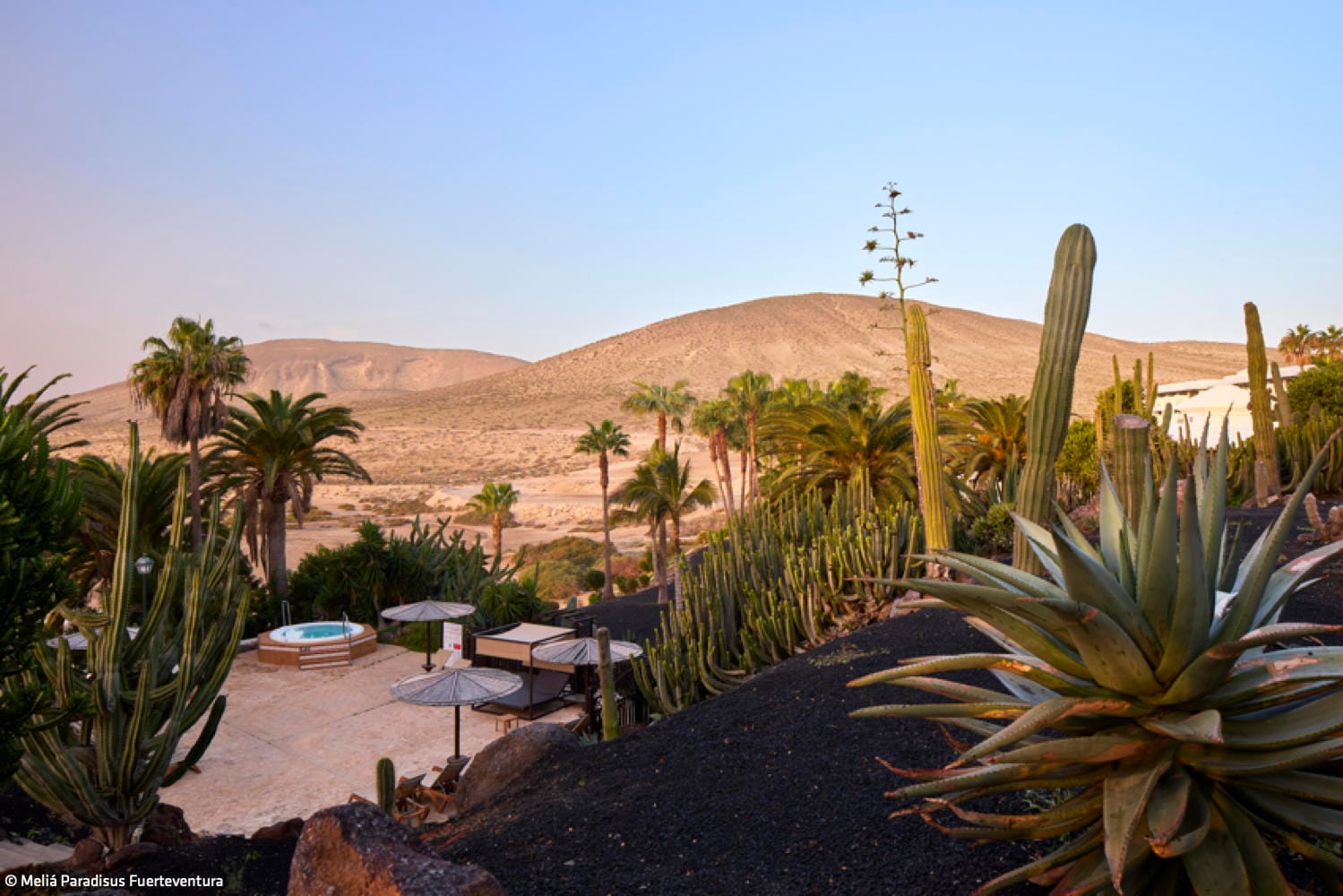
Tucked within a protected biosphere reserve, Paradisus Fuerteventura captivates with its distinctive setting: expansive beaches, gentle dunes, and unspoilt wilderness. For water enthusiasts, the partnership between Meliá Fuerteventura and the René Egli Surf Centre—located steps from the resort—offers ideal conditions for windsurfing, wingsurfing, and kitesurfing. Landscape architecture plays an equally vital role in this sun-blessed lagoon sanctuary: native plantings weave indoor and outdoor spaces into an organic whole. Atmospheric lighting design—built from natural materials and warm luminescence—completes the vision, shifting in rhythm with daylight to craft evolving moods and a deeply sensory experience that anchors guests to the island in a singular way.
Text: Barbara Brubacher

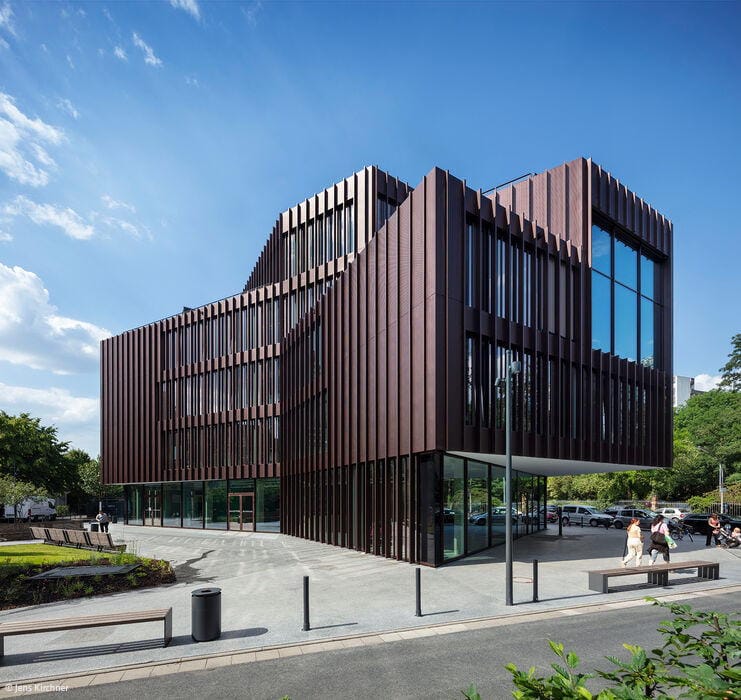

Anything is Possible!
Focus delivers bespoke fireplaces engineered to meet even the most stringent emission standards.

Comfort Offices for Every Industry – from Steel Construction to Rail to Logistics
ASSMANN crafts customized workplaces across industries
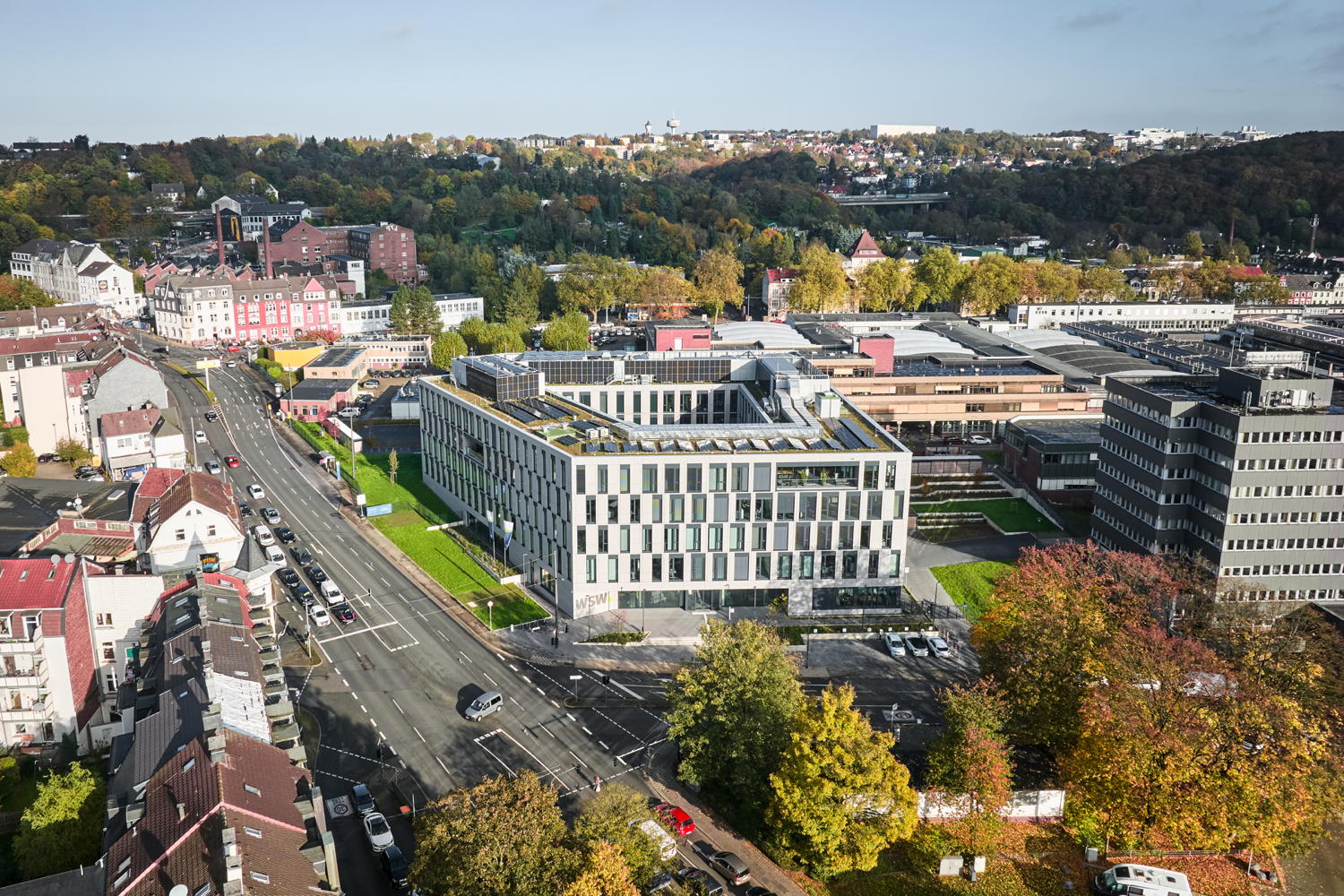
Landmark for Wuppertal
Dekton Kovik by Cosentino adorns the façade of the new WSW headquarters at the city's gateway
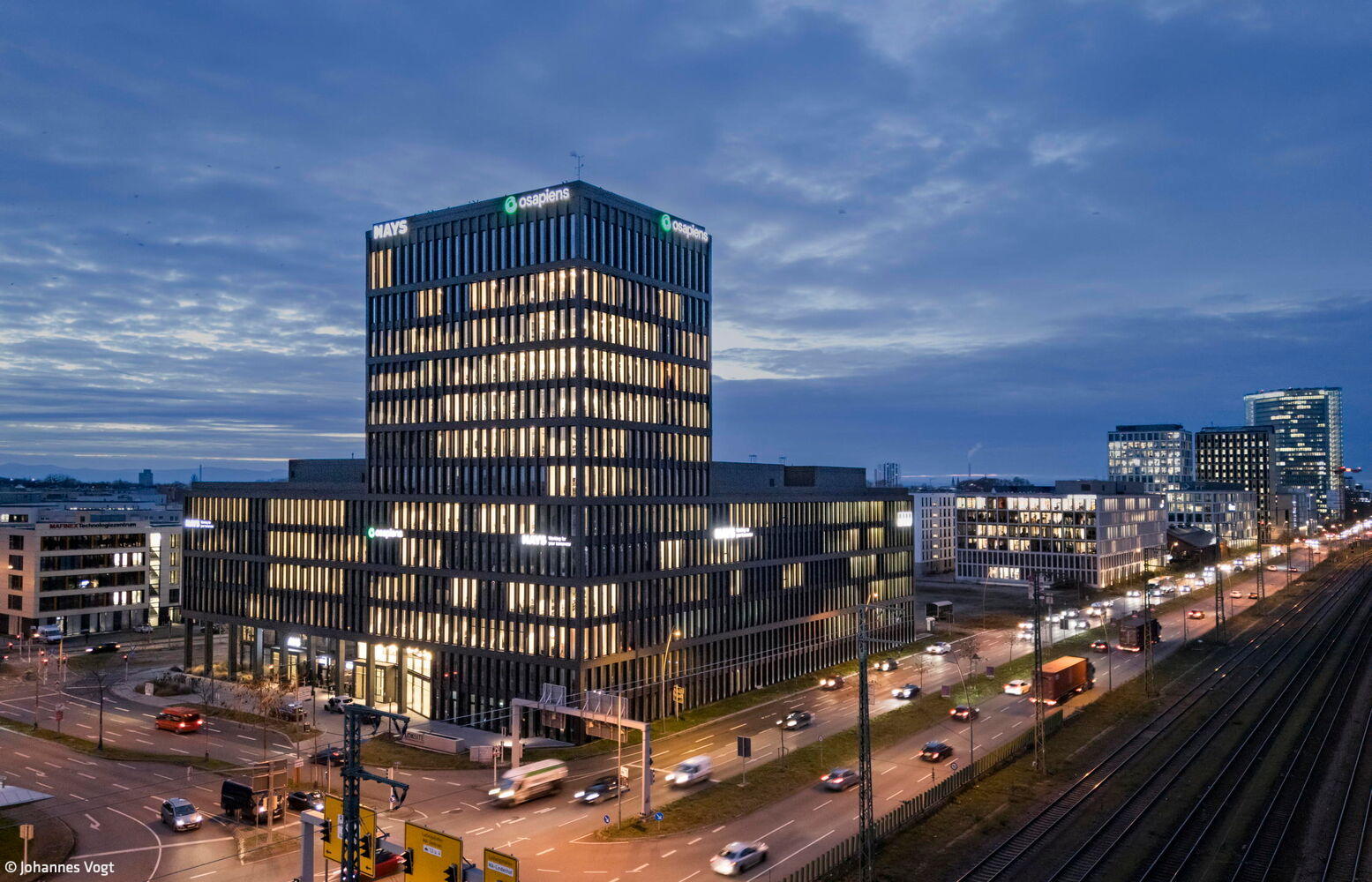
Agile Landmark
The Loksite office building stands out for its exceptional adaptability and functional flexibility.