


The Real Reason Behind the Climate Target
The warming we've already caused will persist forever

CUBE: You frequently challenge empty rhetoric and imprecise language. Take "renewable energies," for instance. What's the problem?
Werner Sobek: Energy cannot be renewed – that's the issue. If we'd claimed renewable energy existed during our oral A-level exams, we'd have failed. Energy transforms from one state to another, but the total energy in a closed system remains constant. It's neither renewable nor destructible. I stress this because we encounter empty phrases constantly in daily life – terms that mean different things to different people. When confronting challenges like global warming, runaway material consumption, and excessive waste generation, we first need a shared, unambiguous language. And second, a concrete strategy to address these problems.
Last year, you and scientists Dietmar Wahlberg, Elisabeth Endres, Manfred Norbert Fisch, and Dirk Hebel founded the initiative "Practical CO2 Reduction in the Building Sector." Where are we today in achieving CO2 reductions in buildings?
Unfortunately, nowhere near where we should be. Following the first oil crisis, Germany and other European nations introduced building energy standards in 1976, which introduced the concept of energy efficiency. But this concept was misinterpreted: the focus became minimizing heat transmission loss – reducing how much warmth escapes from inside to outside. Manufacturing impacts were ignored. Emissions were ignored. Even after the 1995 Kyoto Protocol established emissions as the paramount global concern, Germany's response was simply to say: tighten energy efficiency standards in construction, and emissions will fall. The result was labyrinthine regulations filled with pages of legally mandated heat transfer coefficients for building components. Yet the core issue was sidestepped: no one actually committed to limiting climate-damaging emissions. Instead, they pursued efficiency as a backdoor solution. This represents a fundamental conceptual error – less a political failure than a failure of scientific advisory guidance.
In late June, the Bavarian Chamber of Architects invited you to speak on "The Aesthetic Design of Climate Change." How can climate change be aesthetic?
Well, aesthetics means the study of sensory perception – or more narrowly, the study of beauty. But what is beauty, really? What should planners actually be pursuing? In the end, architecture – borrowing from the philosopher Ernst Bloch, whom I deeply admire – is simply humanity's attempt to create a sense of home.
My entire practice has been driven by this mission: creating spaces where people feel at home. With buildings featuring innovative materials or construction methods, I'd often stand back after opening day and watch how people interact with them. Do they touch the walls? Do they pause to observe? For me, design quality isn't validated by academic aesthetes—it's measured by whether people embrace it, care for it, feel genuine affection for it. When we introduce innovations like wind turbines into our built landscape, we're proposing something genuinely new. We must then engage people in understanding their design merit, helping them see that a wind turbine might be their children's lifeline. Yes, they can resist it. But resist long enough, and in twenty or thirty years, their children will inherit the social and environmental consequences we failed to prevent.
Werner Sobek, thank you for your time.
Interview by Kelly Kelch.
Hear the complete interview – of which this is an excerpt – as a podcast.
Prof. Dr. Dr. E.h. Dr. h.c. Werner Sobek
Key milestones: Born in Aalen in 1953, he studied architecture and civil engineering in Stuttgart. He founded his own practice in 1992, which now operates globally with over 450 staff. In 2001, he established the Institute for Lightweight Design and Construction (ILEK) at the University of Stuttgart, and in 2007 co-founded the German Sustainable Building Council (DGNB). Among numerous other roles, he has served on the Board of Overseers at Harvard University. He was recently appointed a Fellow of the Institution of Structural Engineers (IStructE).
(Published in CUBE 03|25)

A Monument in New Light
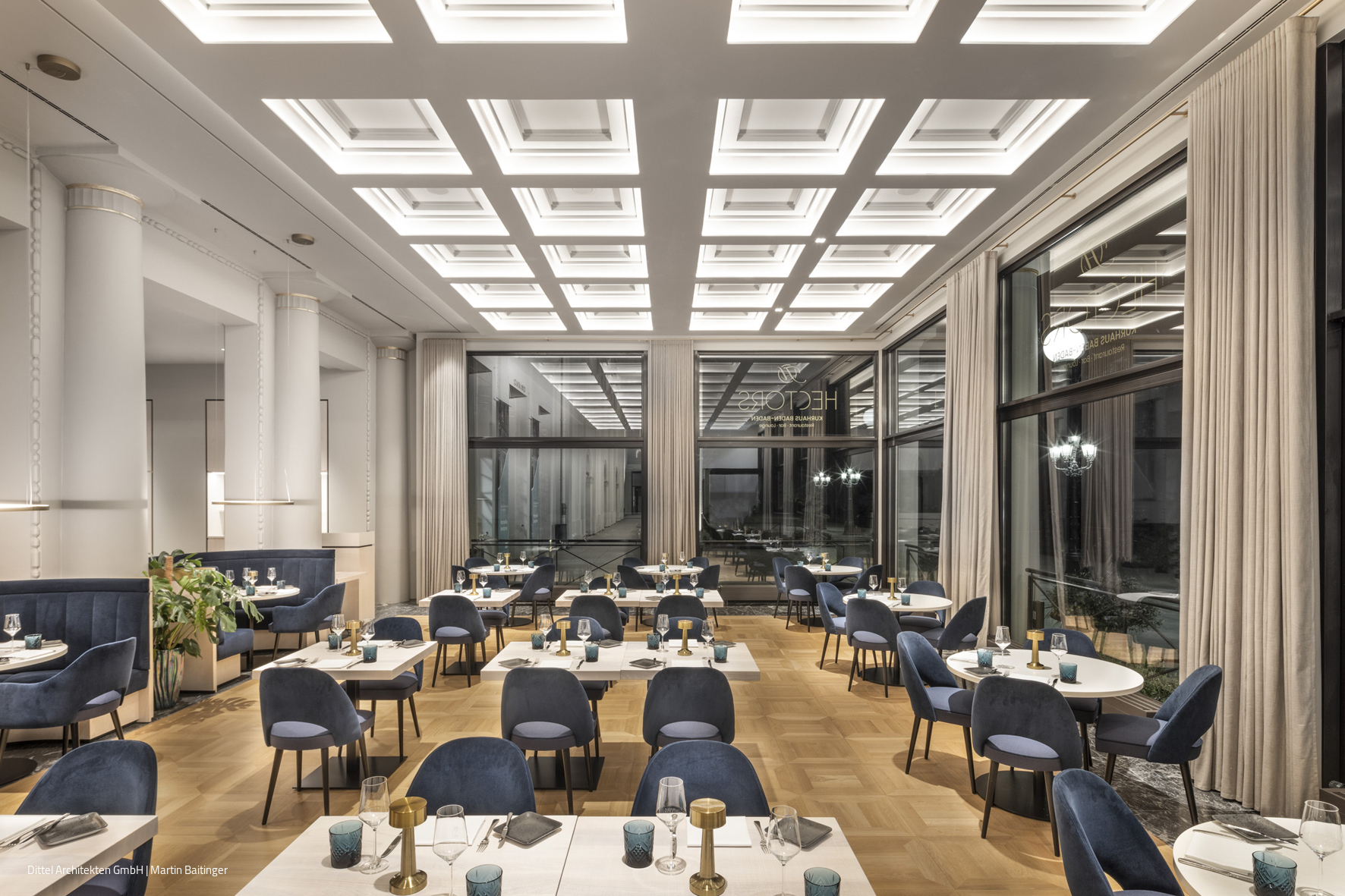
The renovated Kurhaus in Baden-Baden showcases its finest qualities in an entirely new light: heritage renovation, adaptive reuse, refurbishment, lighting design, luminaires, gastronomy, and more.
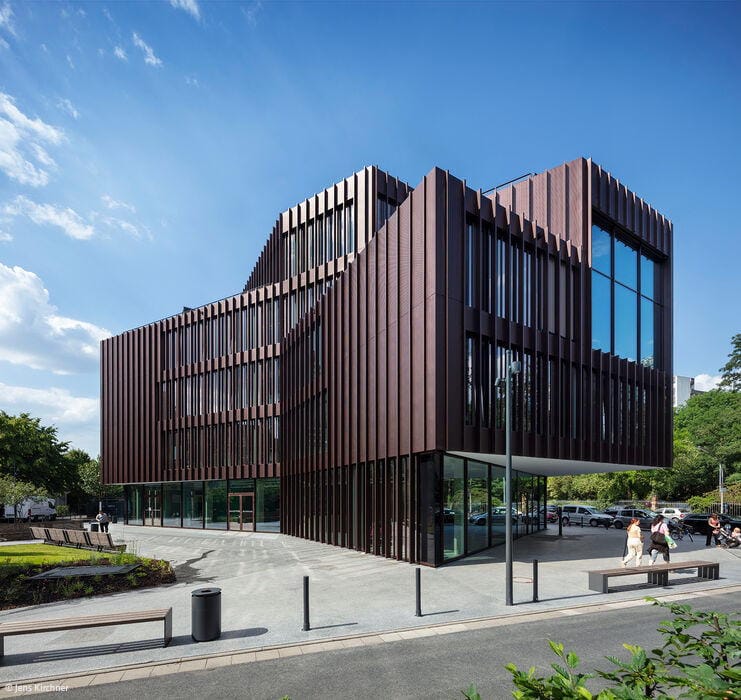
The Like-It Think Tank
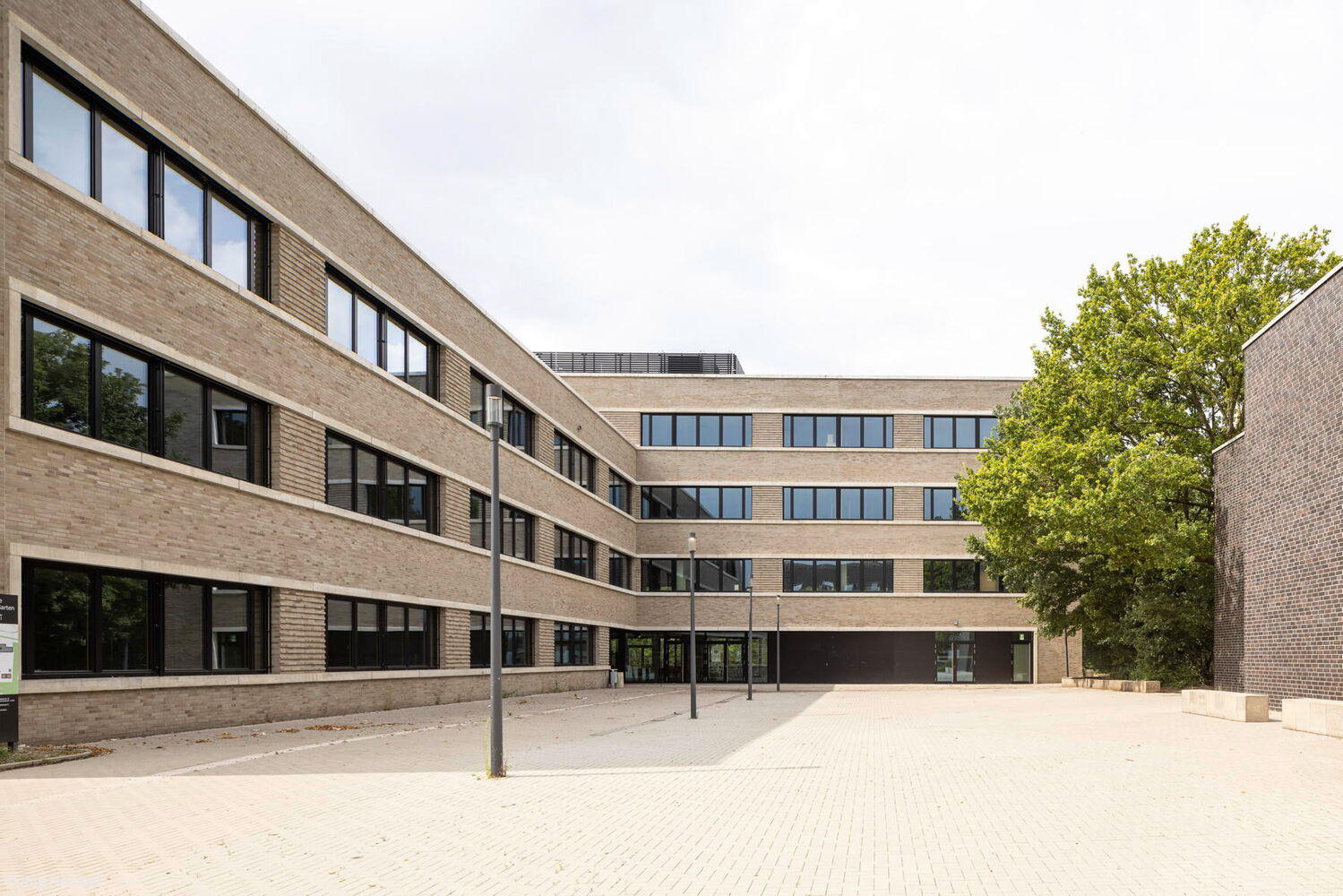
InnoDom in Lindenthal: A dynamic workspace designed for university startups.

The Possibilities Are Endless
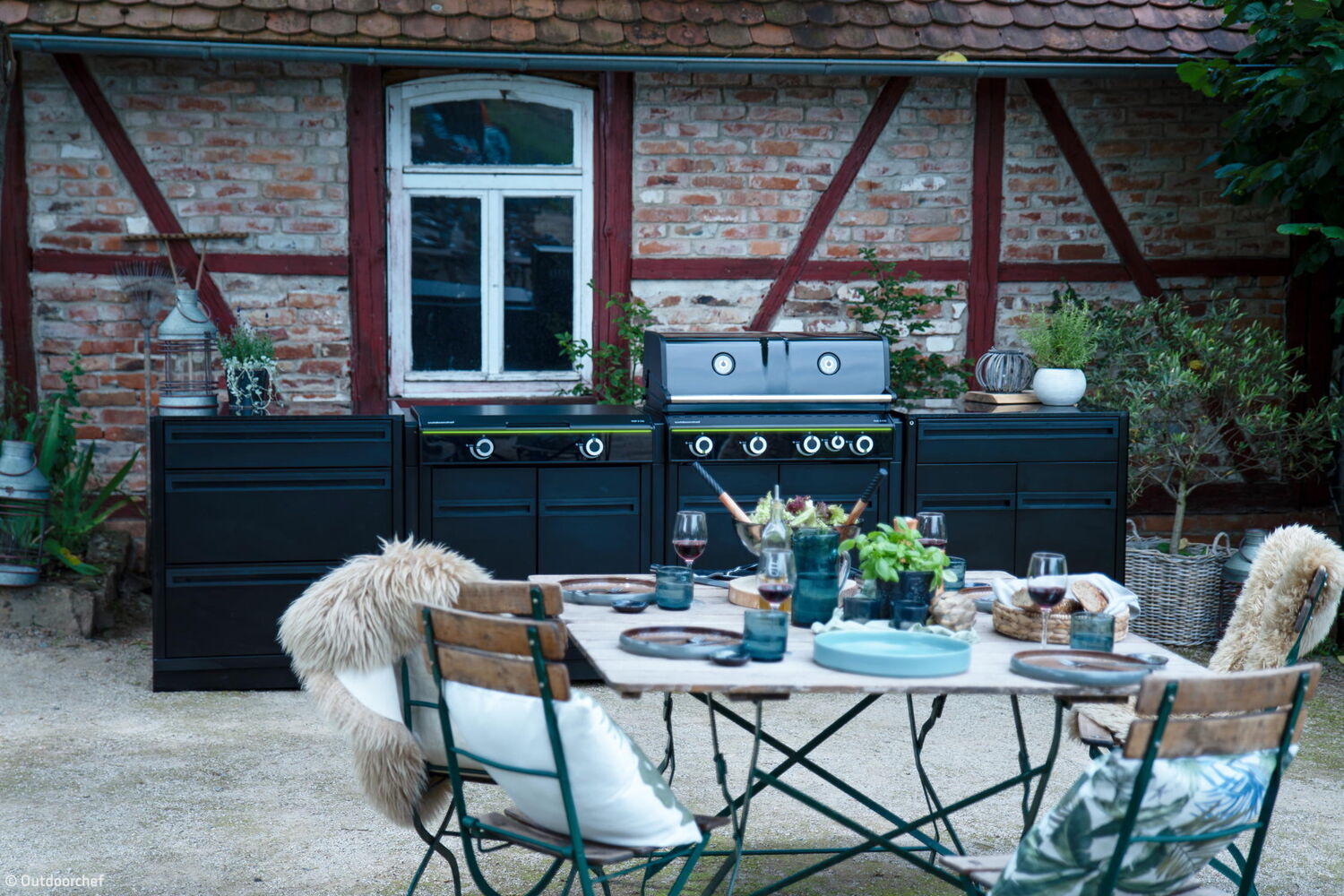
Focus delivers bespoke fireplaces engineered to meet even the most stringent emission standards.
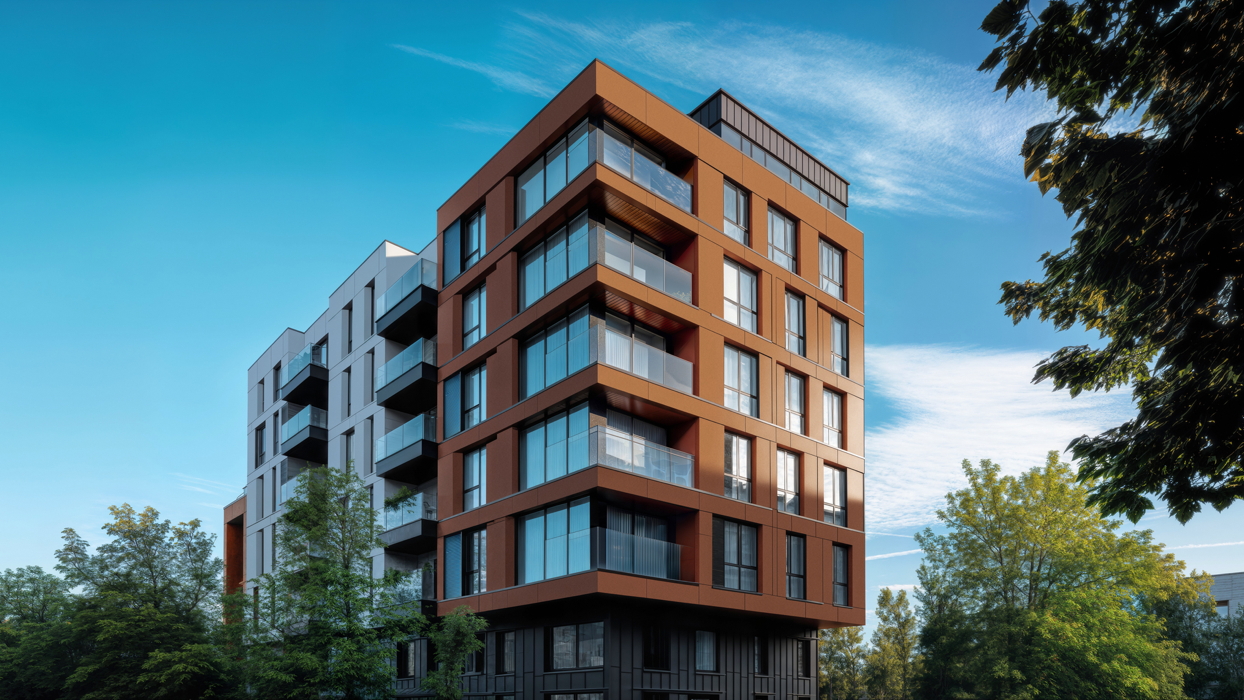
Refined Luminance: Elevating the Façade
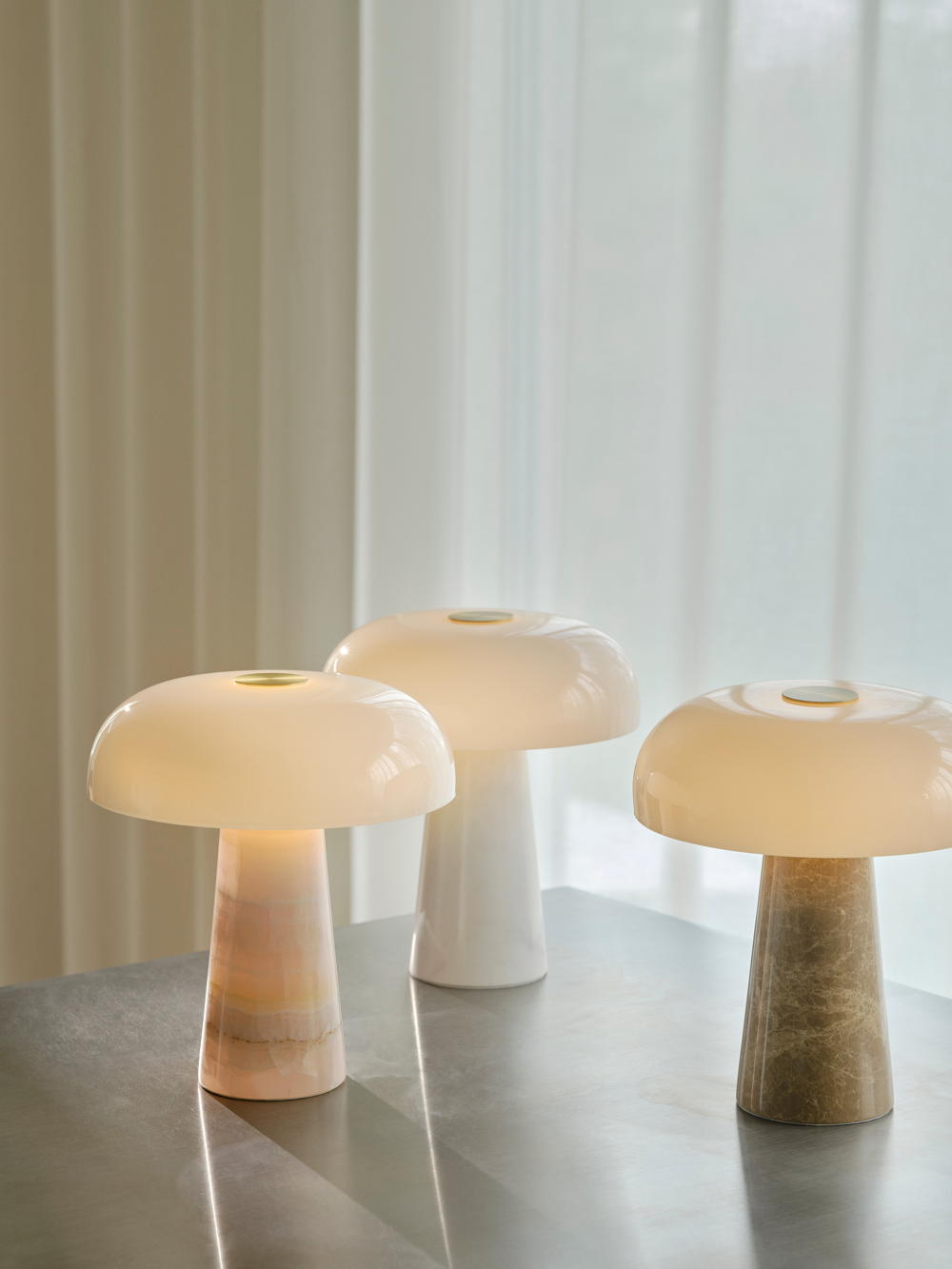
The new Hardie® Architectural Panel Metallics façade panels combine the proven benefits of fibre cement cladding with an eye-catching metallic aesthetic.