


A House You Build Yourself—Within a House
Hidden within an industrial shed lies a "House in Progress"
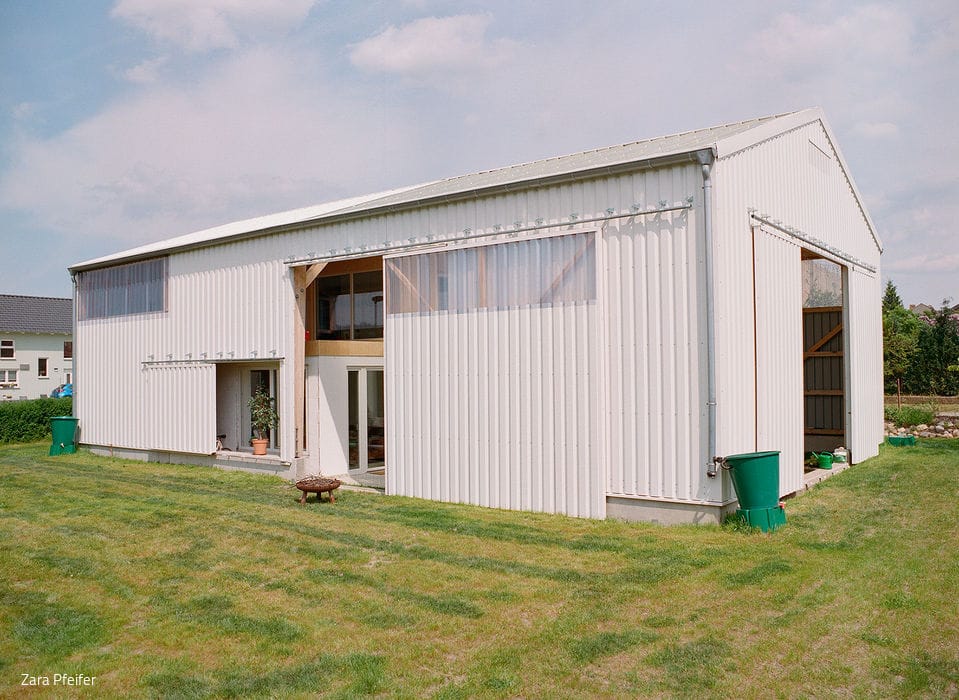
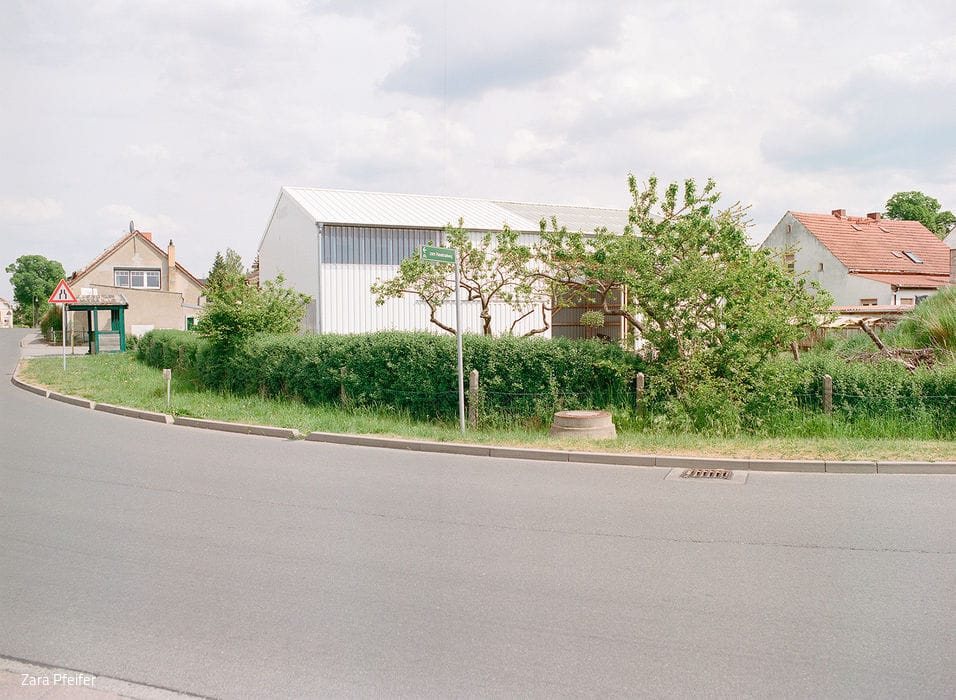
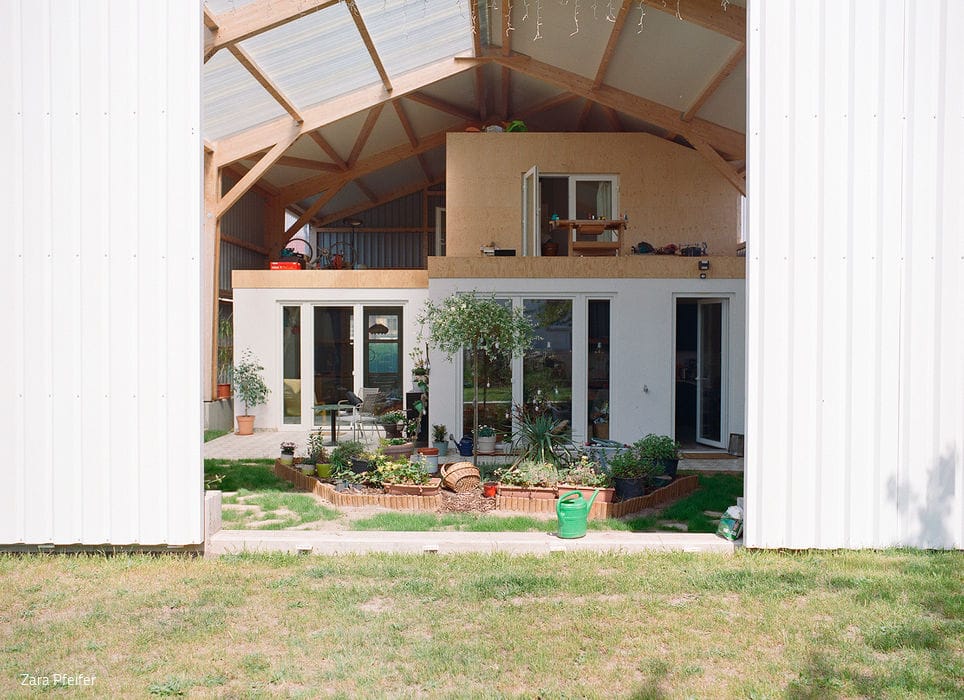
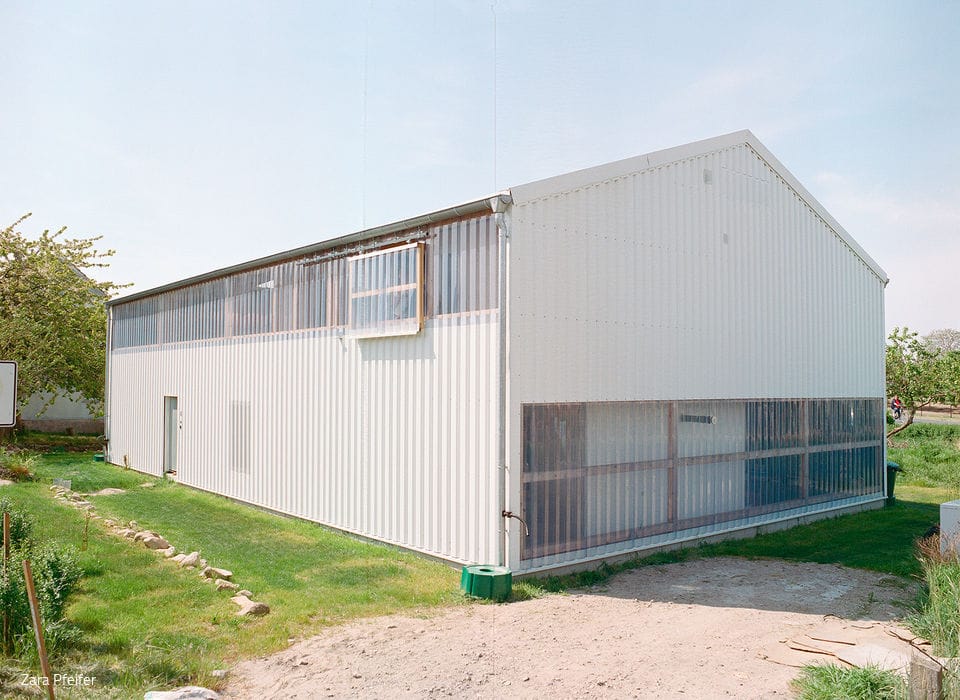
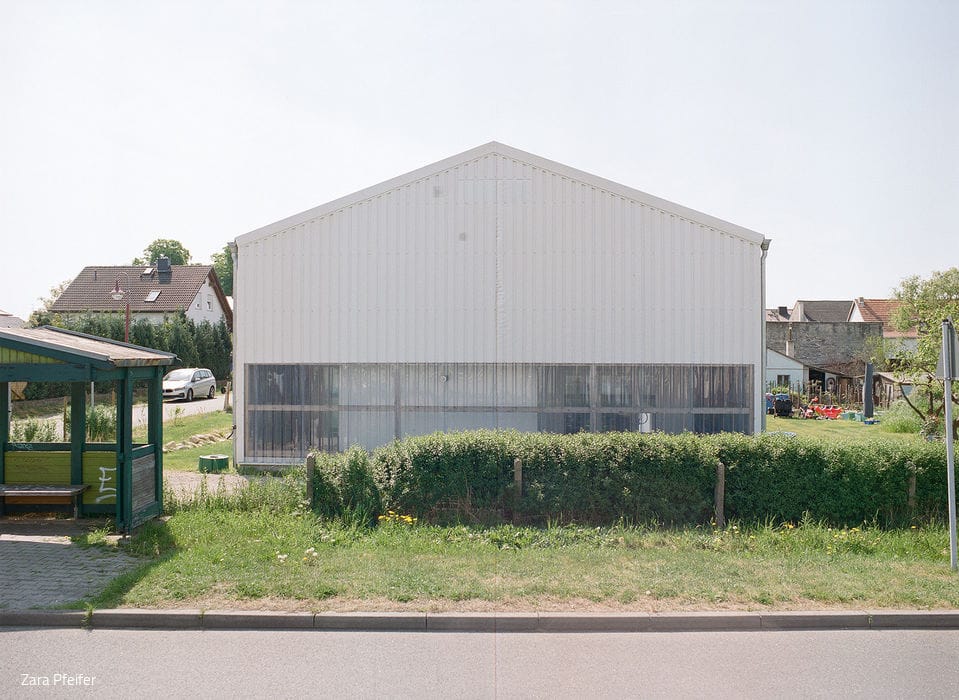
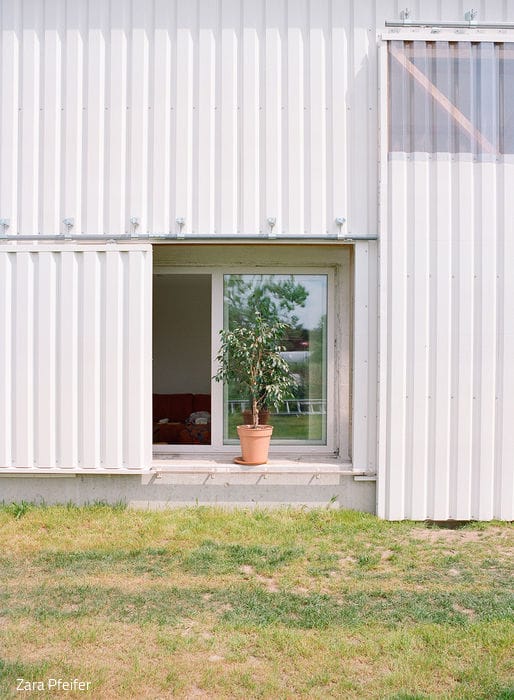
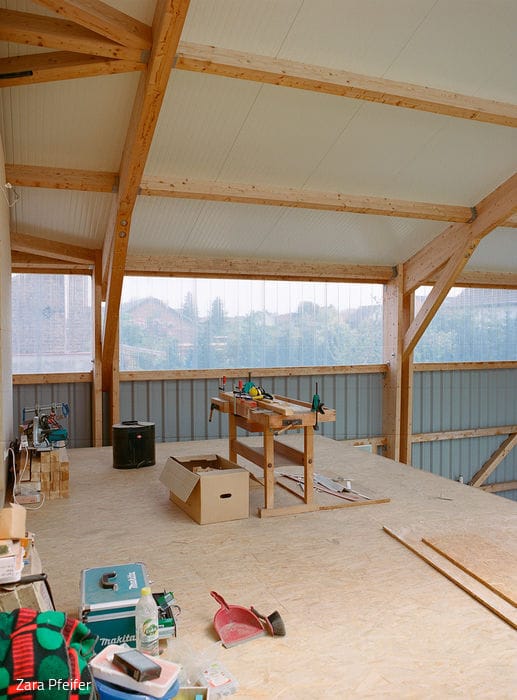
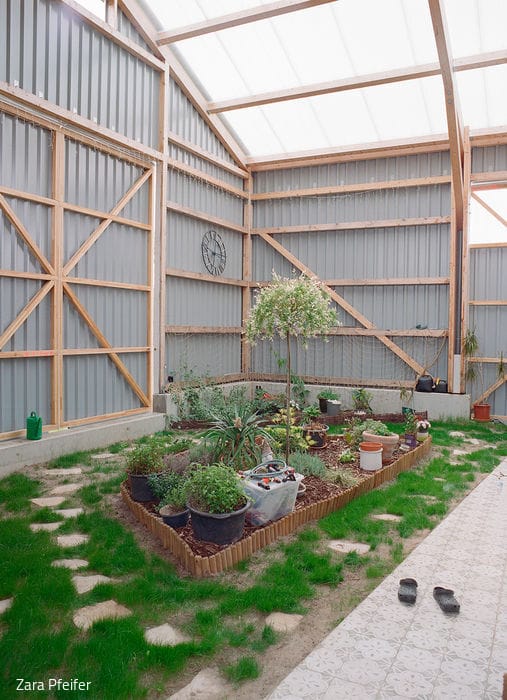
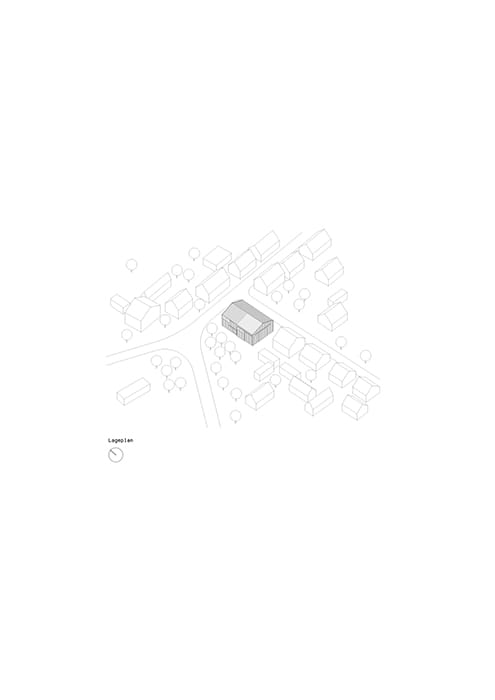
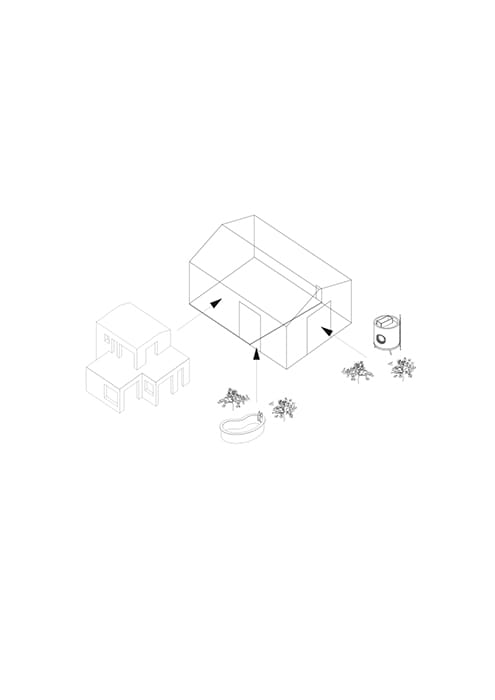
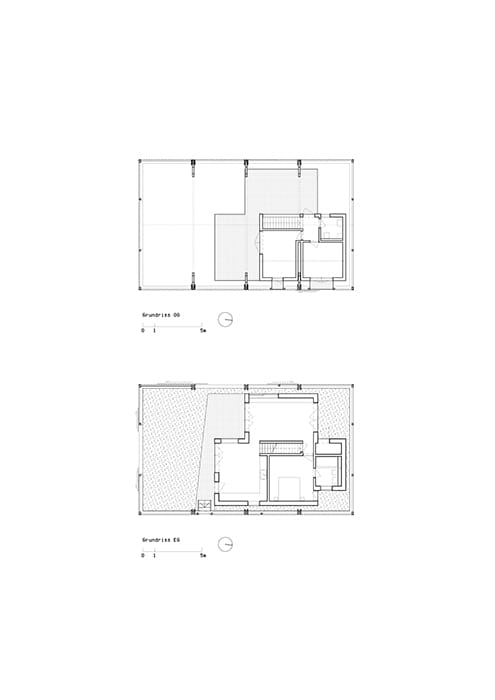
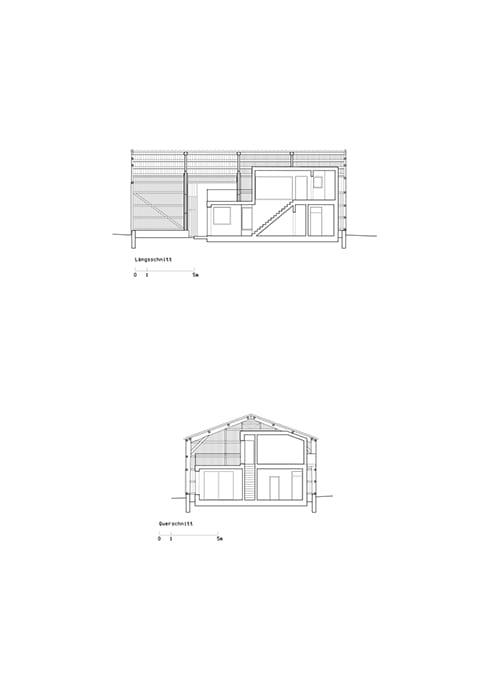
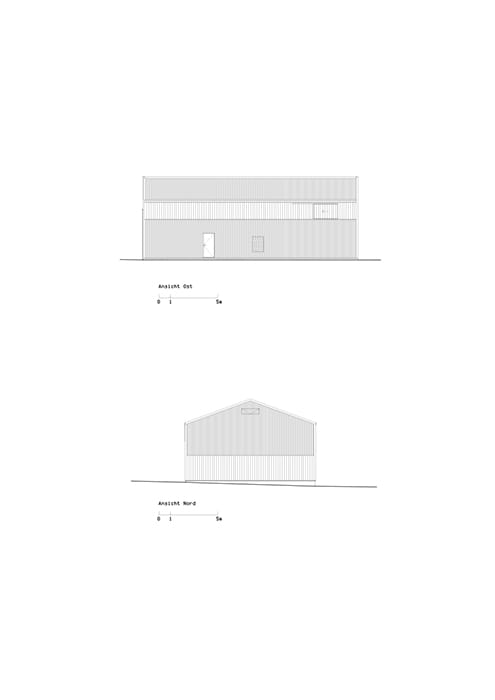
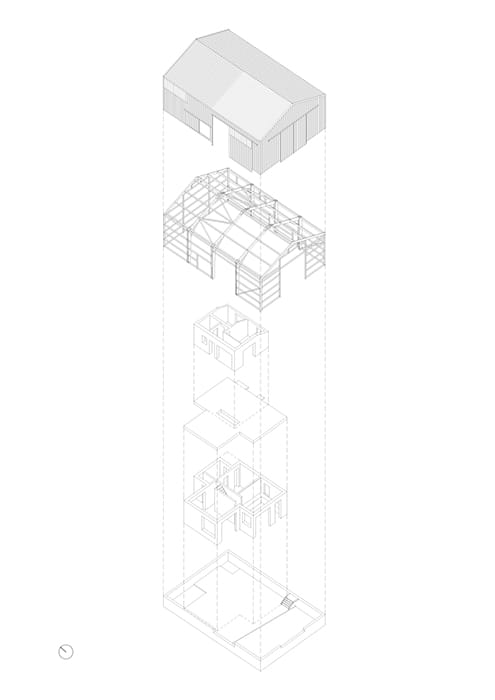
A white industrial hall made from prefabricated components sits on a plot near Schmergow, just west of Berlin. A family chose this location out of necessity—housing affordable to middle-income earners has all but vanished in the capital. Working with Berlin's c/o now architectural firm, they made a bold move: constructing a timber-framed prefab hall clad in white trapezoidal metal on this greenfield site. The result is striking. Drawing inspiration from French architects Lacaton & Vassal and Jourda & Perraudin—who revolutionized social housing in the 1980s and 90s by reimagining industrial greenhouses as expandable homes—this young family and their architectural partners are building a dwelling as a deliberate "work in progress." The foundation is a 90 m² core residence: solid masonry walls on the ground floor, timber-frame construction above. From here, the home can grow incrementally—whether the outer shell eventually remains or comes down is a question for later. The financial advantage is clear: rather than overextending themselves with a complete new build, the owners can add modules incrementally, expanding as their needs and means allow.
"Where the Wild Morels Grow"—that's what c/o now calls this residence. Two large sliding gates open generously toward the garden, creating a weatherproof yet unheated climate envelope that shelters the heated core house. Starting with 90 m² of living space across two floors, the design incorporates 65 m² of loggias and terraces, plus 60 m² of indoor garden space. The structure can ultimately expand from its initial 200 m² footprint (partially sealed) to as much as 400 m² of finished living area—all built incrementally by the owners themselves. In winter, the family retreats to the warm core; in warmer months, the house dissolves into its planted climate shell: dinner is served in the hall, children play outdoors even as rain falls.
By offering straightforward possibilities for expansion and modification, c/o now challenges the rural typology that defaults to single-family homes, opening the door to alternative housing models. This compelling vision recently earned recognition on the DAM Prize 2023 shortlist.
Photography Credits:
Zara Pfeifer
www.zarapfeifer.com
(Featured in CUBE Berlin 04|22)


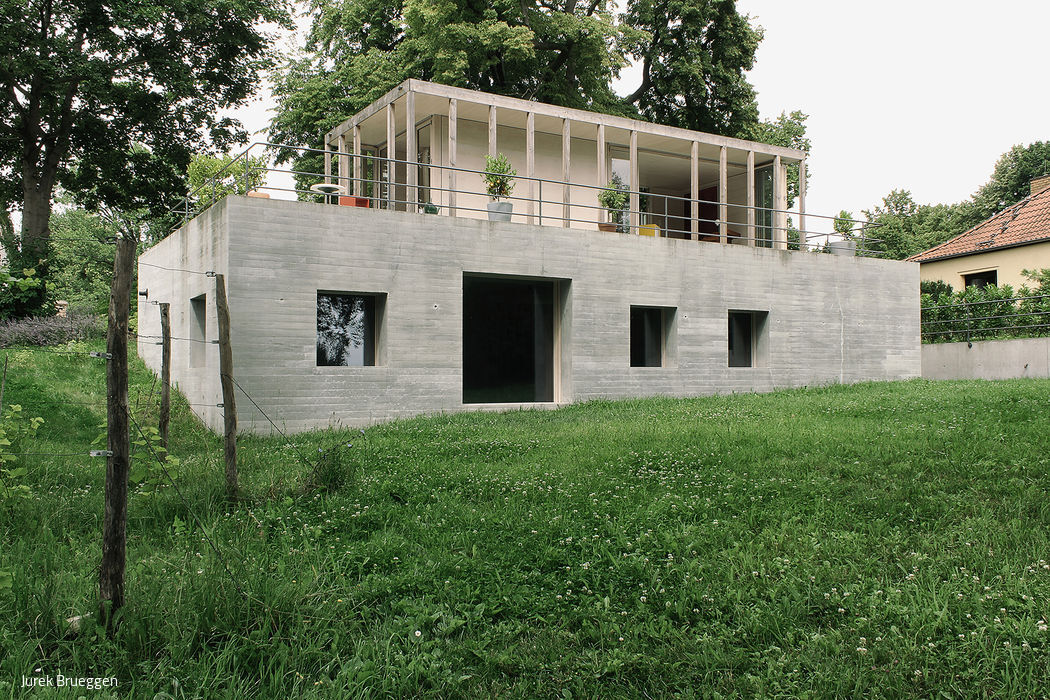
The Seasonal House
A house that expands and contracts with the seasons
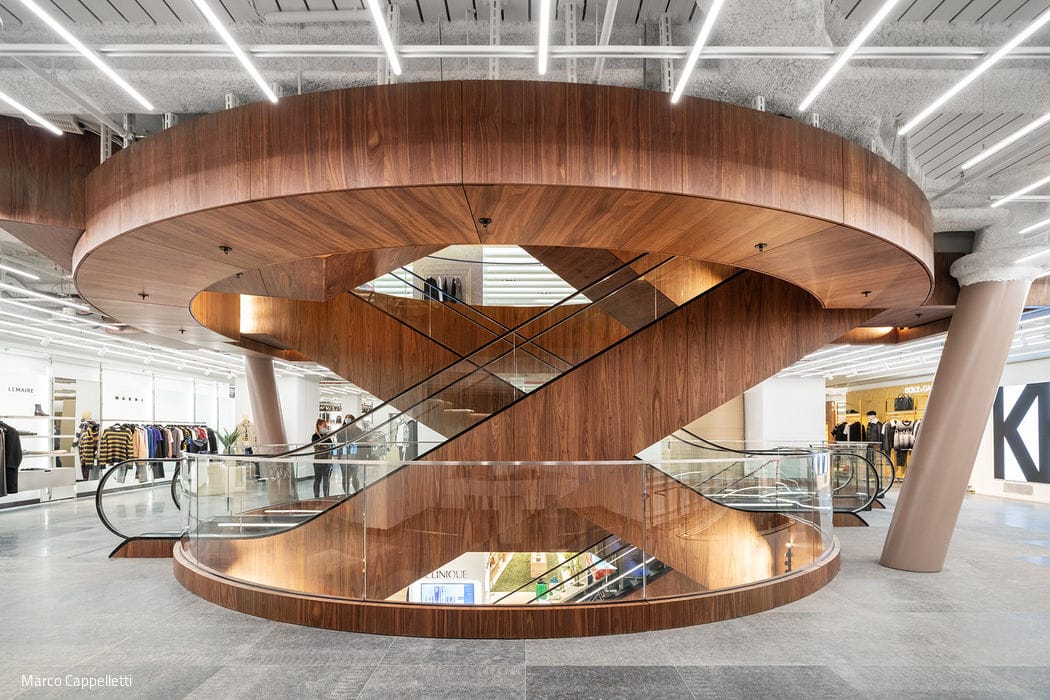
Vertigo
KaDeWe's Vertigo-Inducing Escalators Transform the Department Store
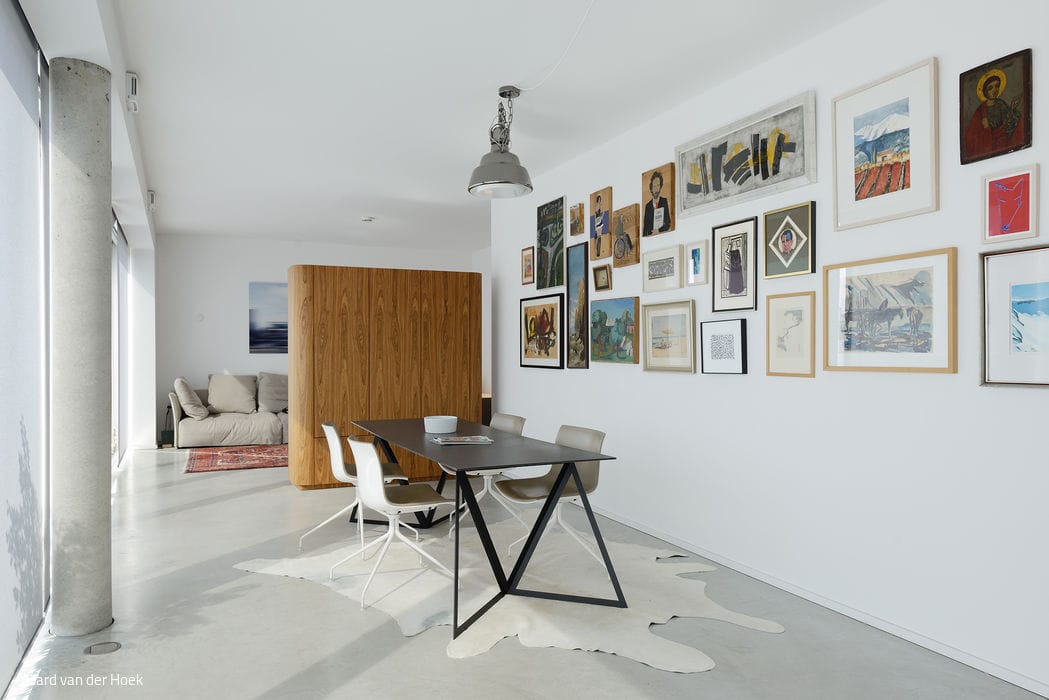
Timeless modern: Mies-inspired elegance
An apartment furnished with the refined minimalism of Mies van der Rohe.
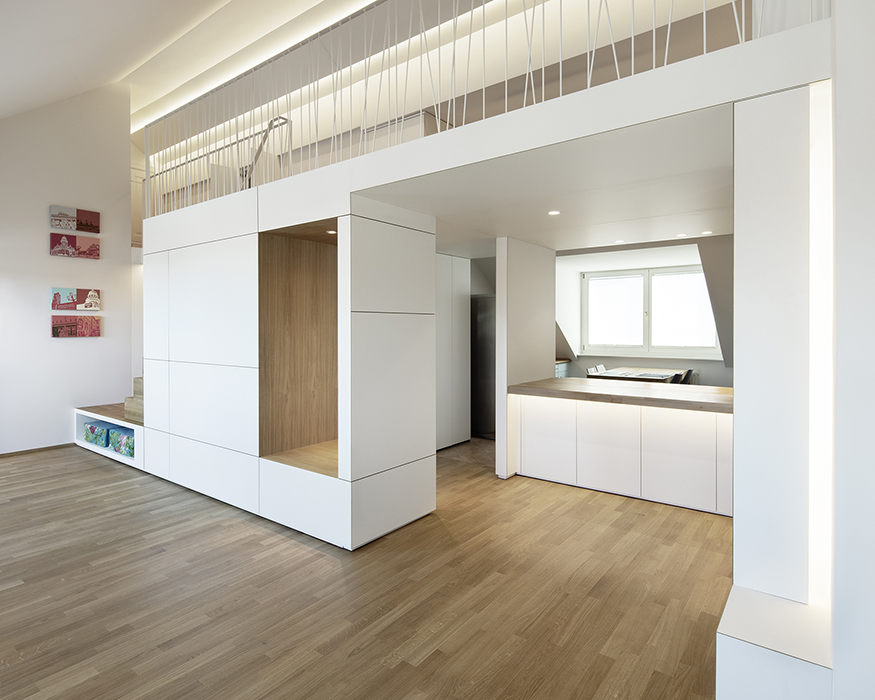
Brilliantly Conceived
Add one smart piece of furniture, remove a few unnecessary walls—and the magic happens.