


Sculptures Along the Elbe
A Residence and Studio in an Exceptional Setting
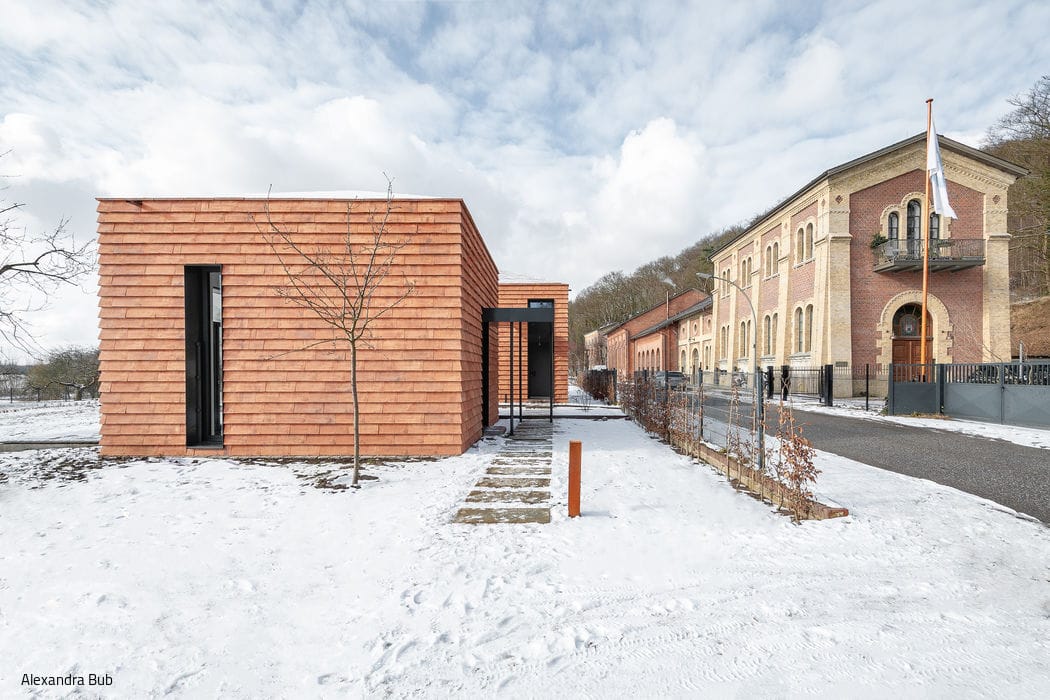
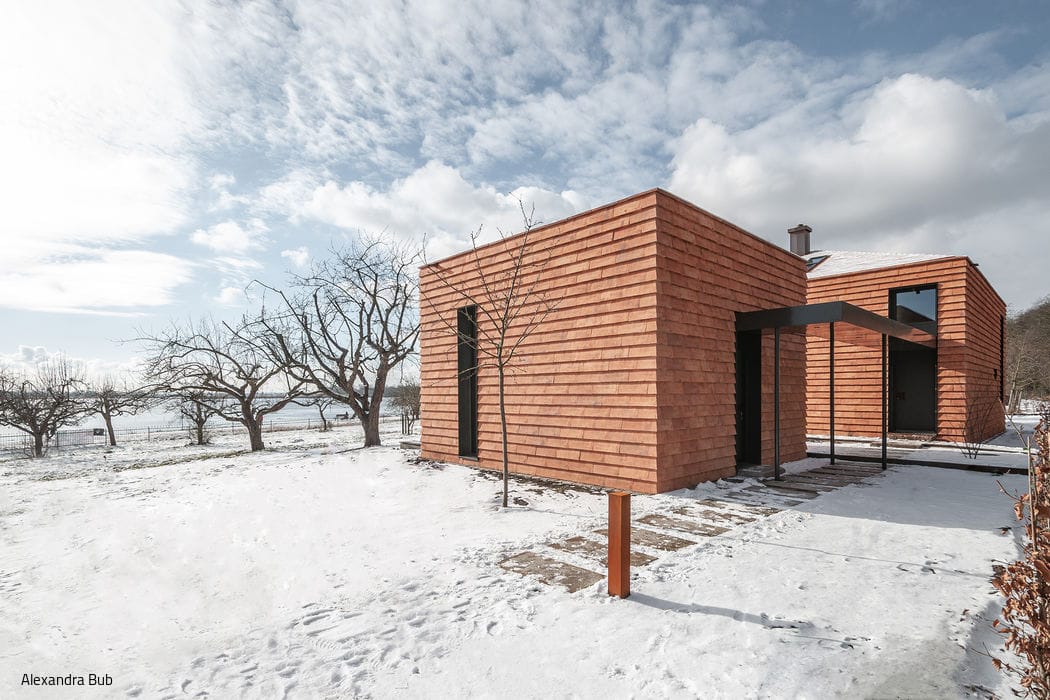
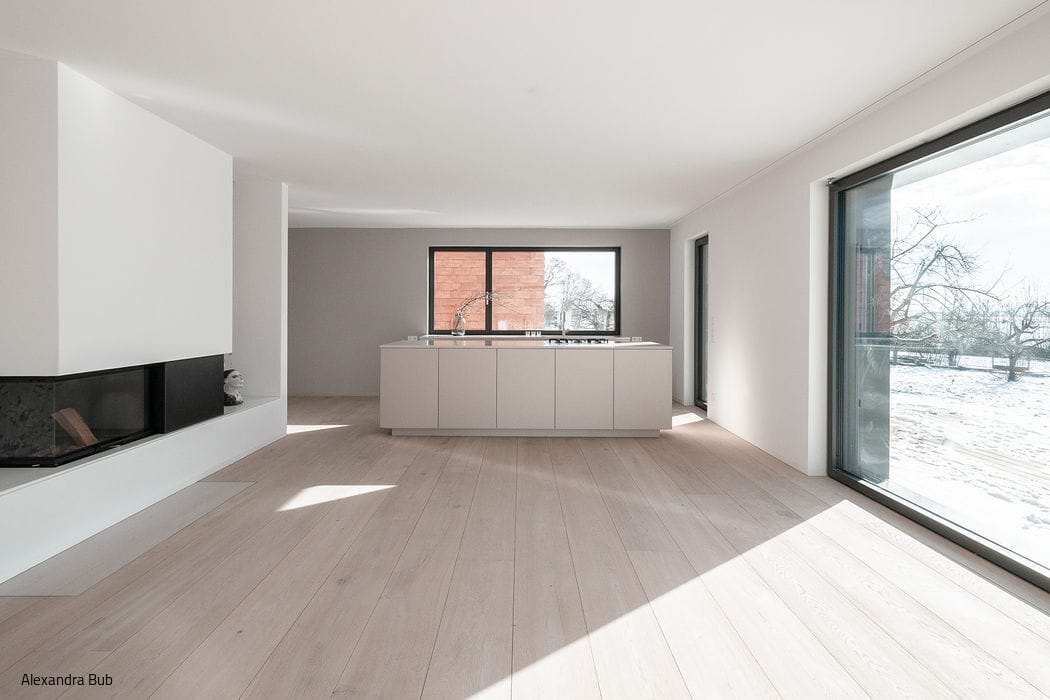
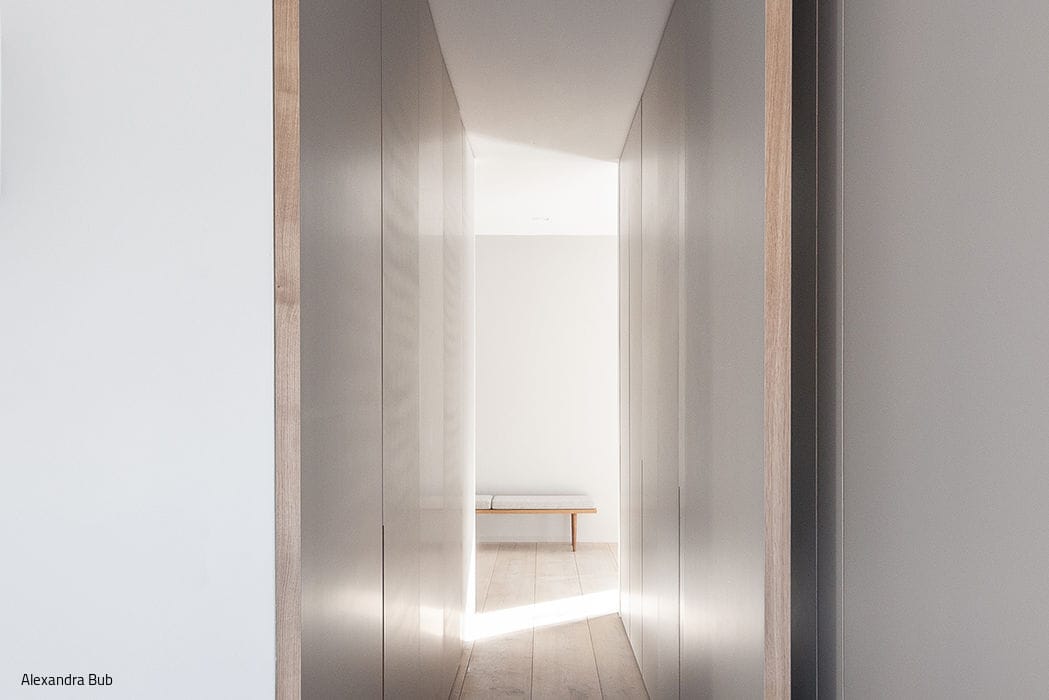
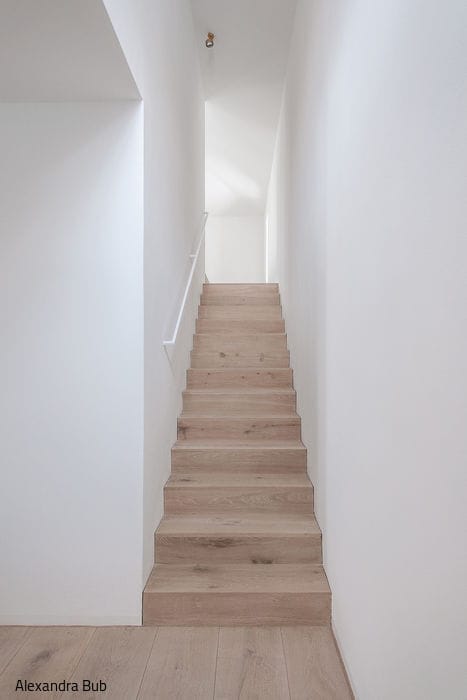
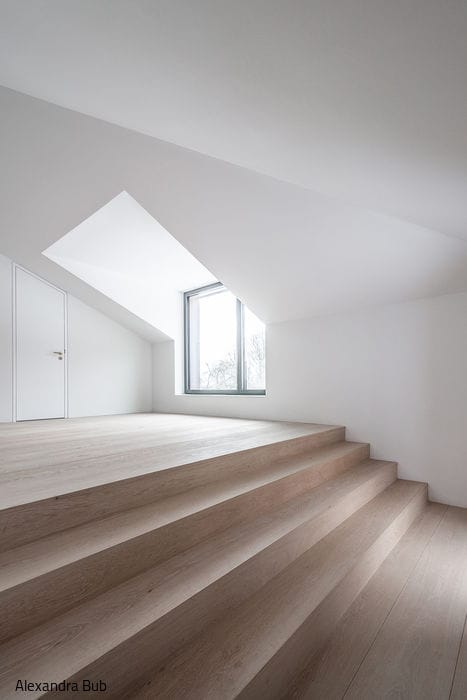
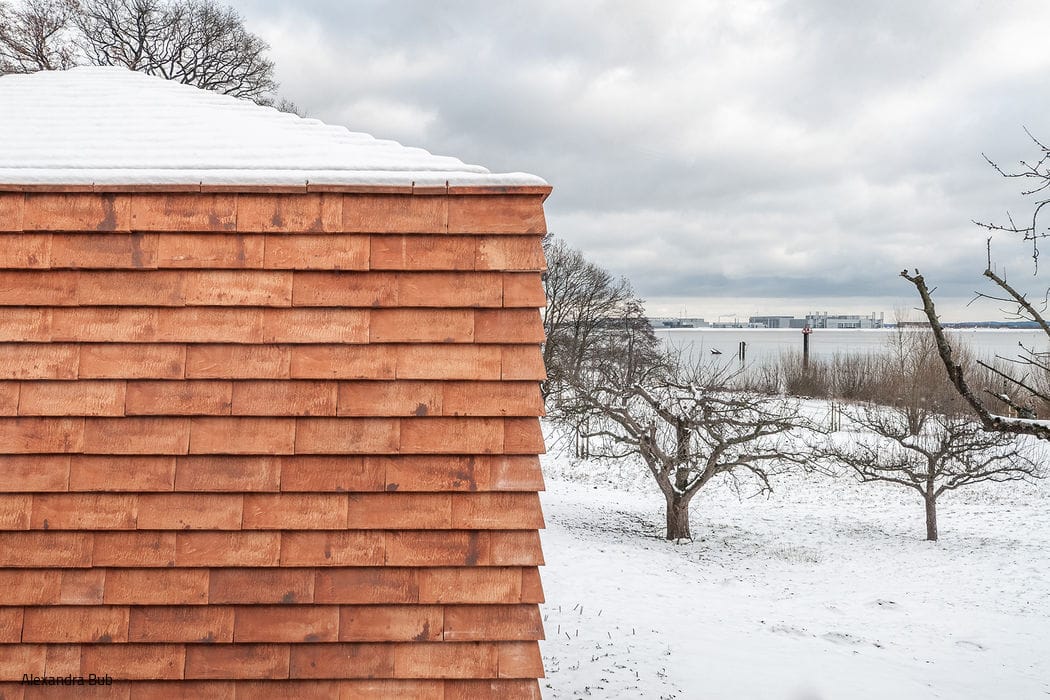
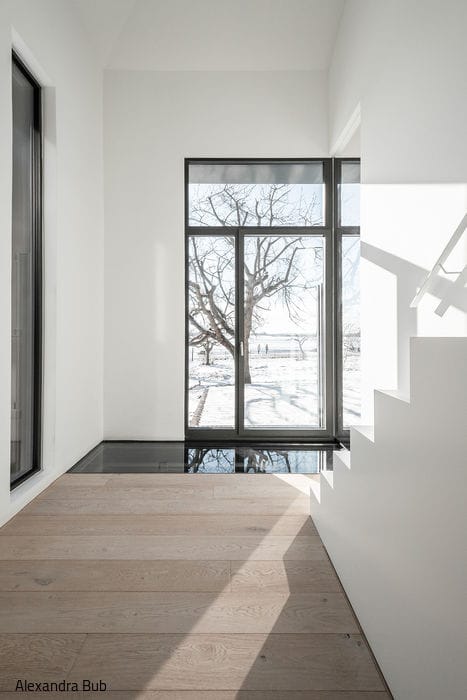
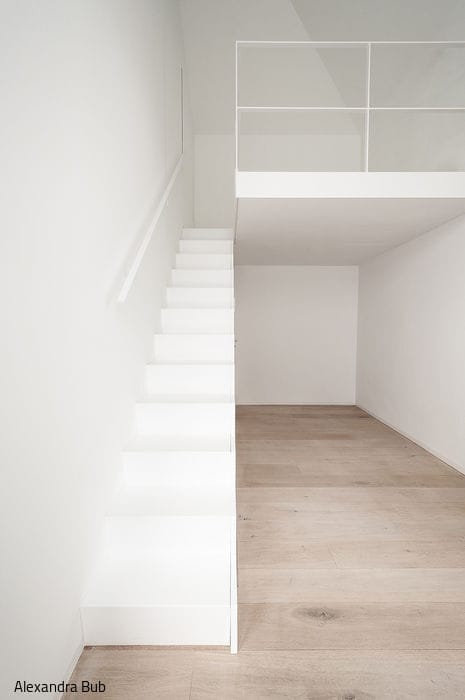
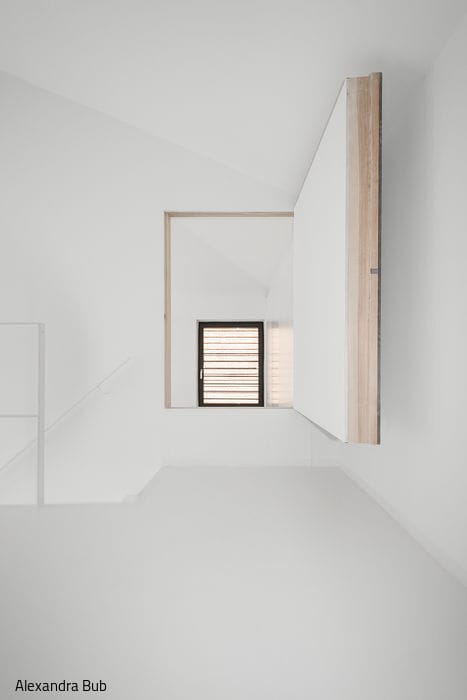
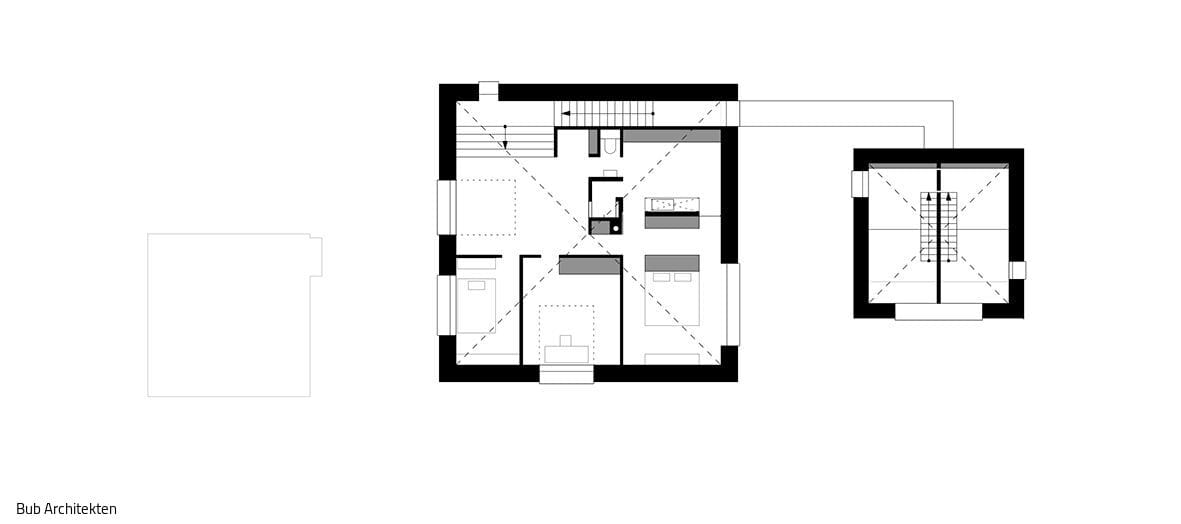
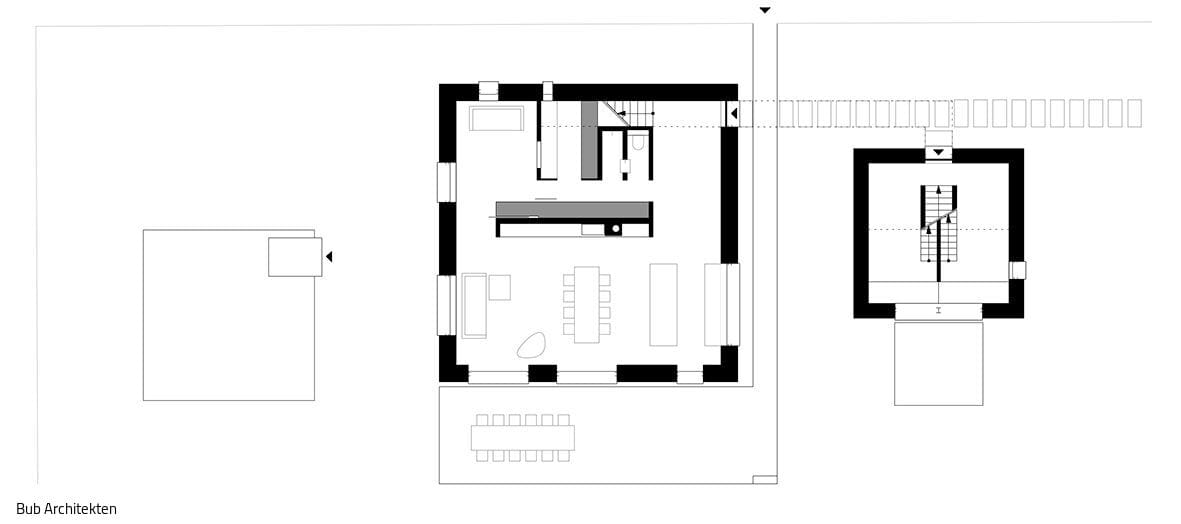
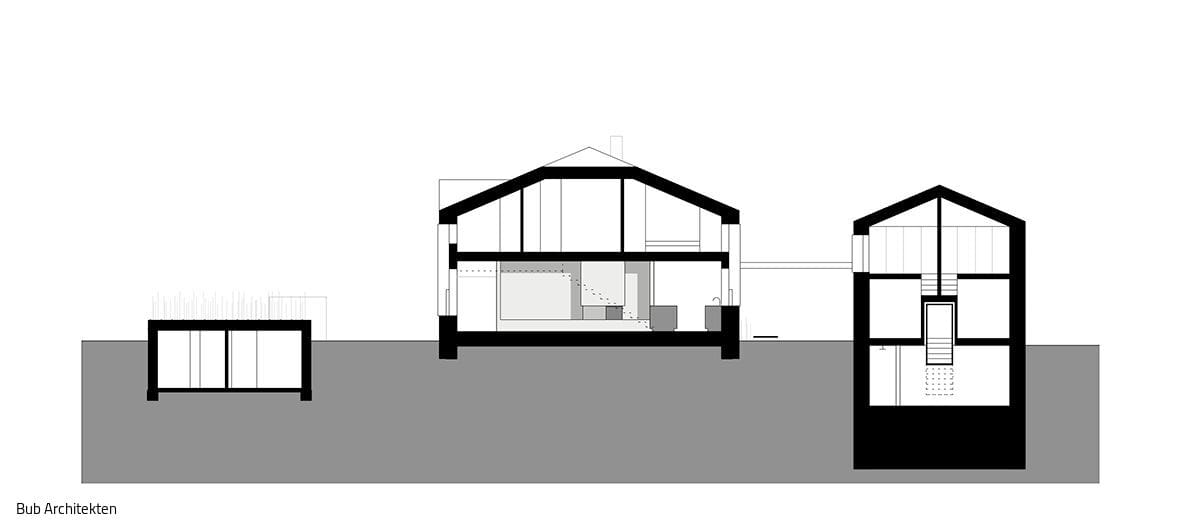
Set in an idyllic location facing the heritage-listed Falkensteiner Ufer pumping station and nestled within a protected landscape area along the Elbe River, two structures originally built as staff housing and a pump house have been given a new purpose. BUB Architects was tasked with creating both contemporary living quarters and dedicated studio space for an artistically active client. Since new construction would have been impossible in this landscape protection zone, the architects rehabilitated the existing buildings while respecting their historical integrity and improving their energy performance. The result: the former residential building now features generous, flowing interiors with sweeping views on all sides, while the pump house contains two adaptable artist studios.
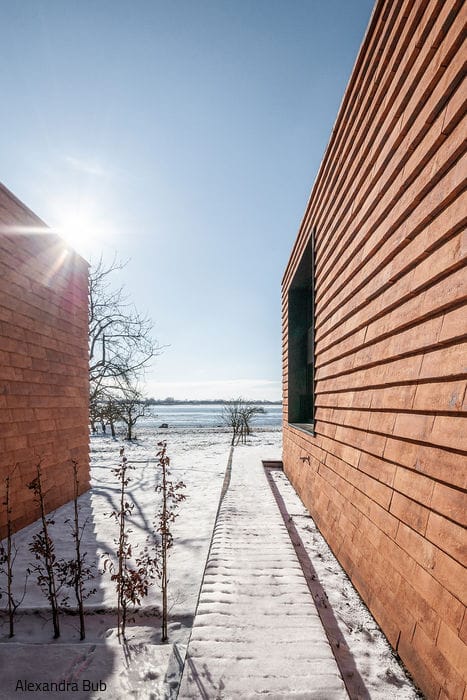
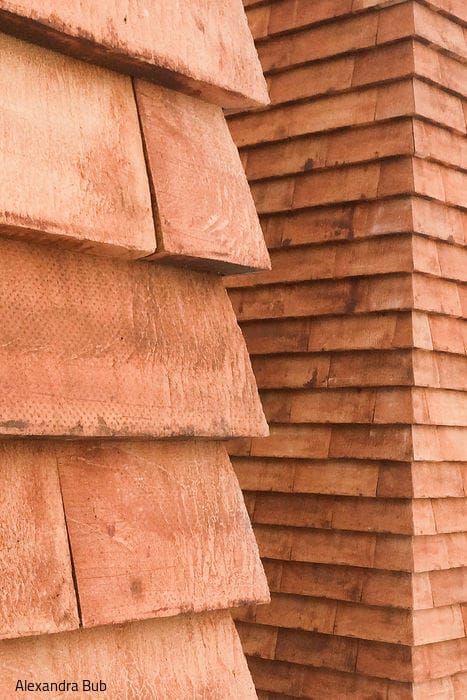
The design treats the structures as sculptural forms within the landscape—substantial volumes inspired by the island of Hombroich, yet enveloped in vibrant handmade brick that wraps continuously across façades and rooflines. Precisely articulated openings provide subtle visual rhythm. The Danish clay tiles, meticulously assembled through exceptional craftsmanship, reveal their beauty both from afar and upon close inspection. Their warm orange-red tones echo the heritage building opposite, creating a natural dialogue. An arbour connecting the two cubic volumes reinforces their relationship while preserving each building's distinct character. The design strategy—transforming the existing structures into worthy counterparts to the listed monument—succeeds through a timeless formal language that dissolves the boundary between private grounds and public park. The landscaping draws inspiration from native vegetation, benefiting the owner, neighbors, and visitors alike in the adjacent public realm.
Flood protection emerged as a critical design consideration, given the site's location within the Elbe's flood zone. Exterior walls were sealed to withstand water pressure up to the calculated flood level, with all openings equipped with flood barriers. The solution includes concealed drainage channels at grade-level openings, supplementary pumping systems, and flood gates to prevent backflow—technical measures integrated throughout the structure with minimal visual impact. Building systems were relocated to the top floor, emergency egress routes were strategically planned, and every material choice was deliberately considered to preserve the building's visual integrity.
Living space: 150 m²
Plot size: 2,656 m²
Construction: 2019–2020
Build method: Solid construction
Energy standard: Retrofit to EnEV compliance
(Published in CUBE Hamburg 01|21)
Barn to Office
The heritage-protected Crescent House on Elbchaussee: a masterclass in sensitive restoration.

Innovative Winter Gardens
Edge Elbside sets new standards for office buildings on multiple fronts.
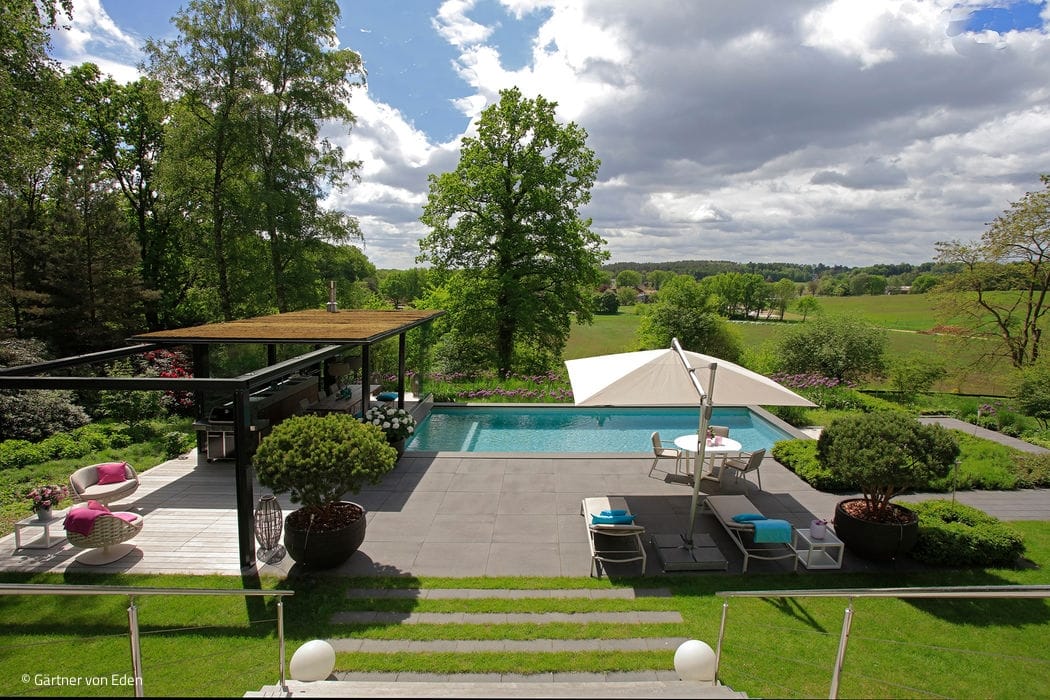
A Sanctuary with Breathtaking Views
Privately Set on a Hillside with Commanding Views Across the Landscape
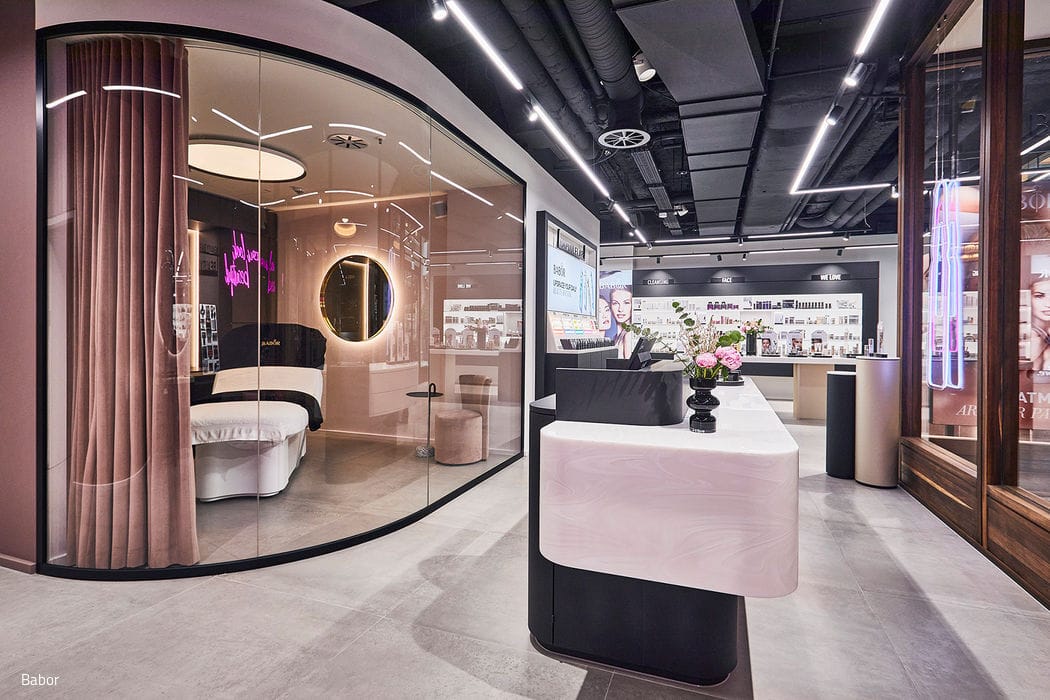
A Sophisticated Beauty Haven
A Flagship Store That Succeeds Through Thoughtful Design