


The charm of a bygone era
Careful renovation of a villa with minimal changes to the building fabric
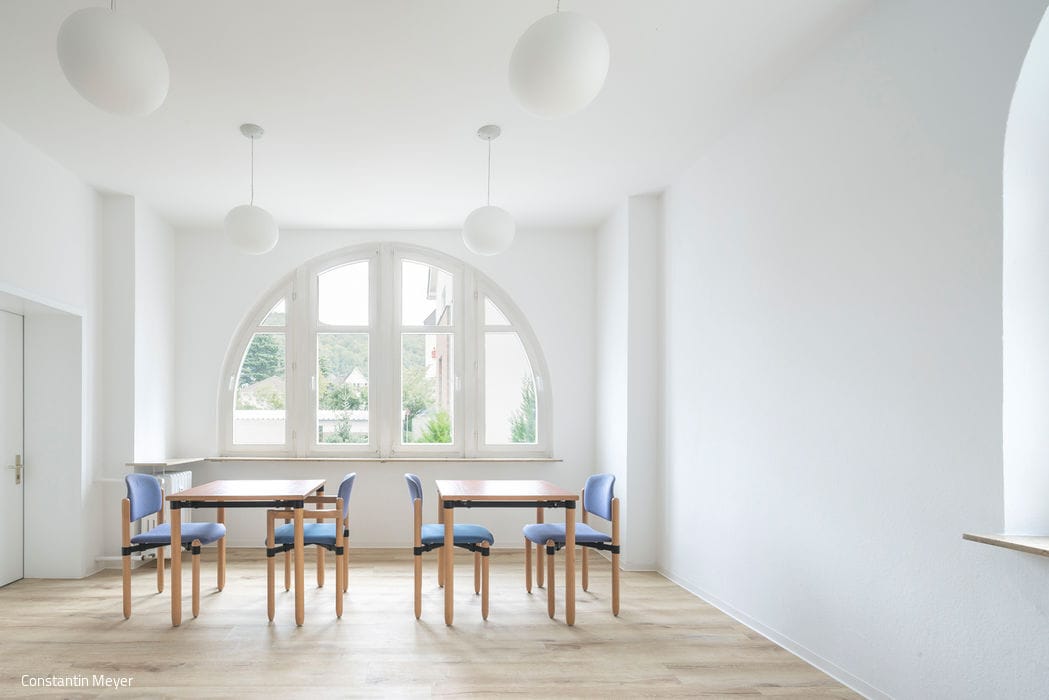
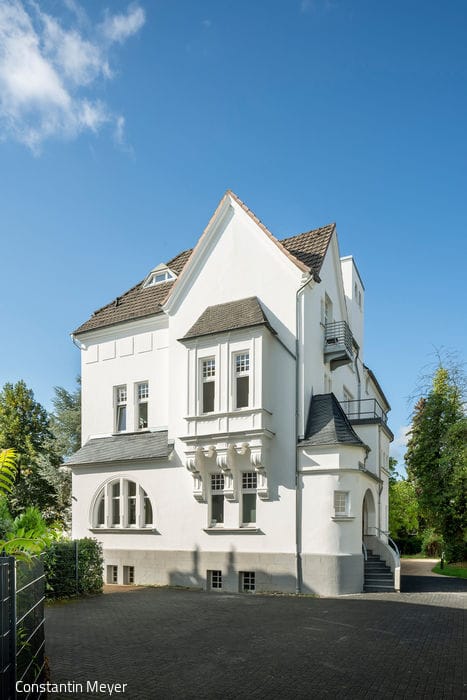
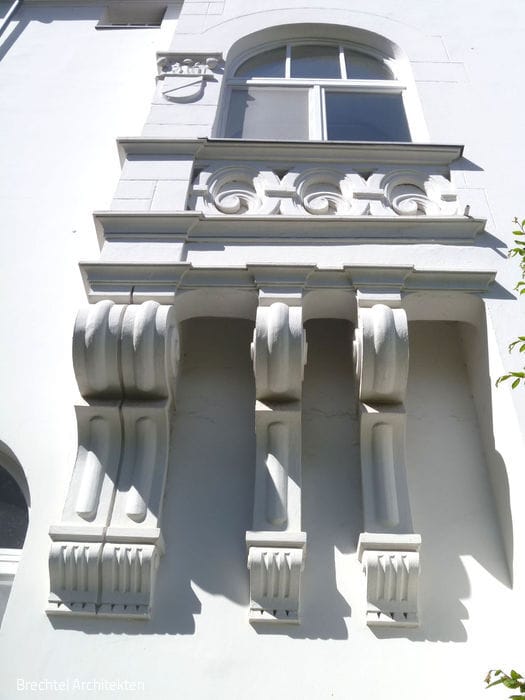
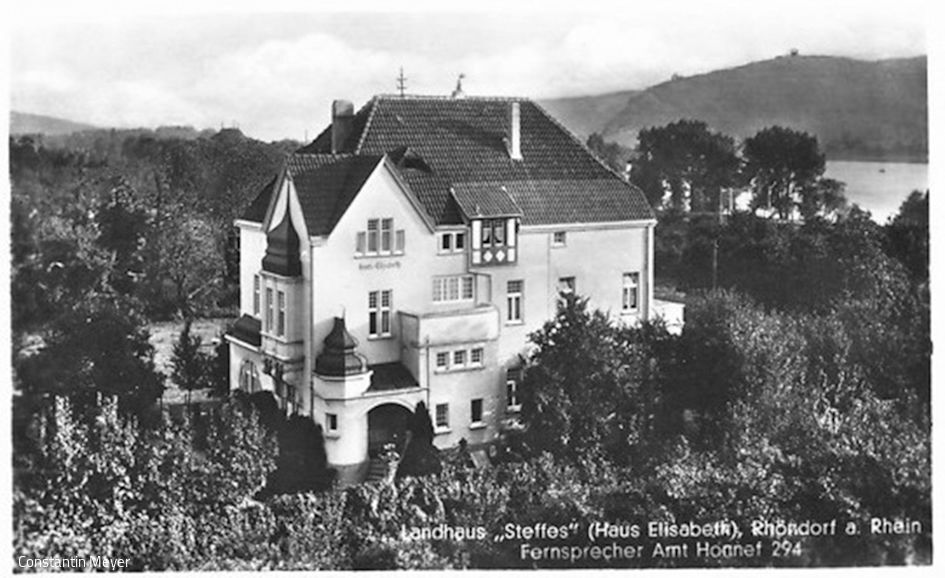
When houses are renovated and extended too often, it can sometimes detract from the original charm of the building. This is not the case with today's Haus Elisabeth in Bad Honnef. The beautiful building has stood proudly and majestically since it was built in 1904 by Himmel & Abels Architects as a residential house. Just seven years later, the first renovation took place, involving a restructuring of the floor plans and the addition of a conservatory and an external staircase leading to the garden. An extension – just as large as the main building itself – with a covered terrace on the garden side followed in 1927.
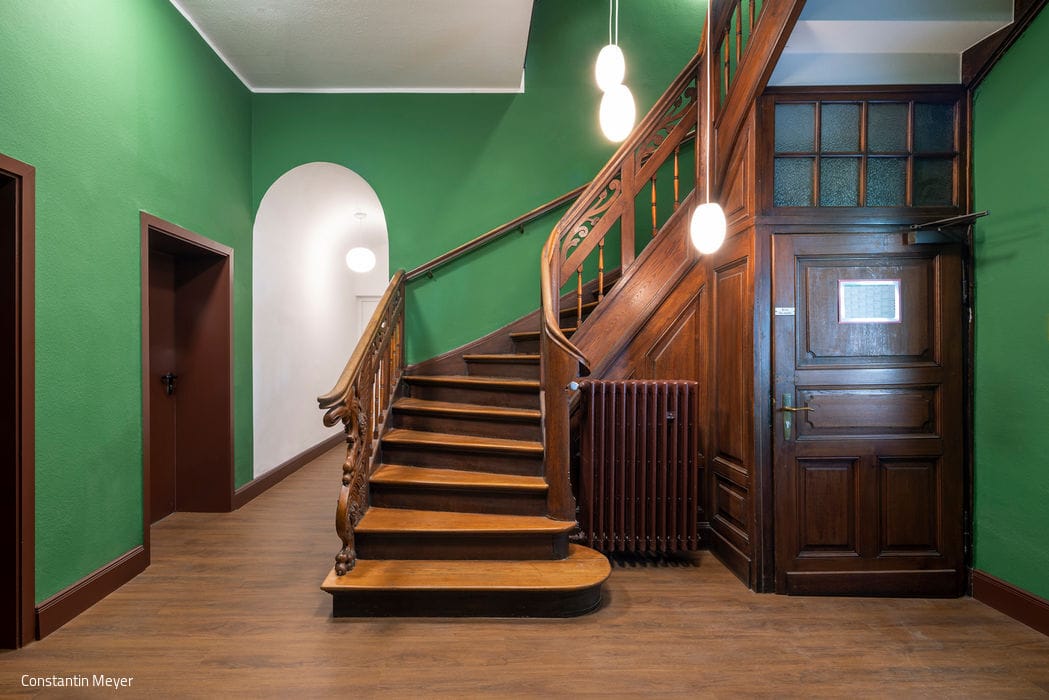
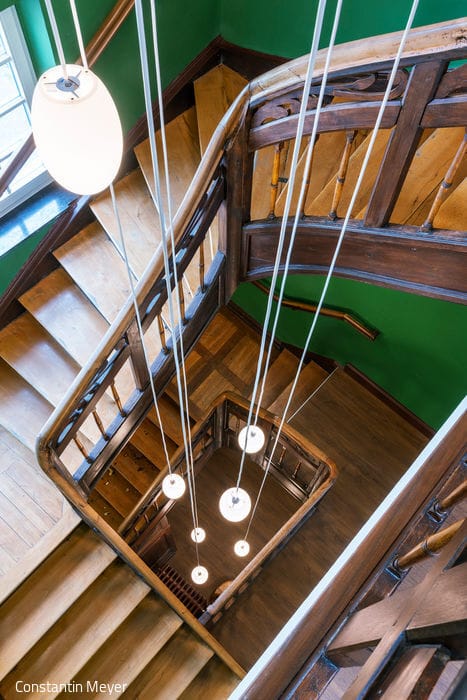
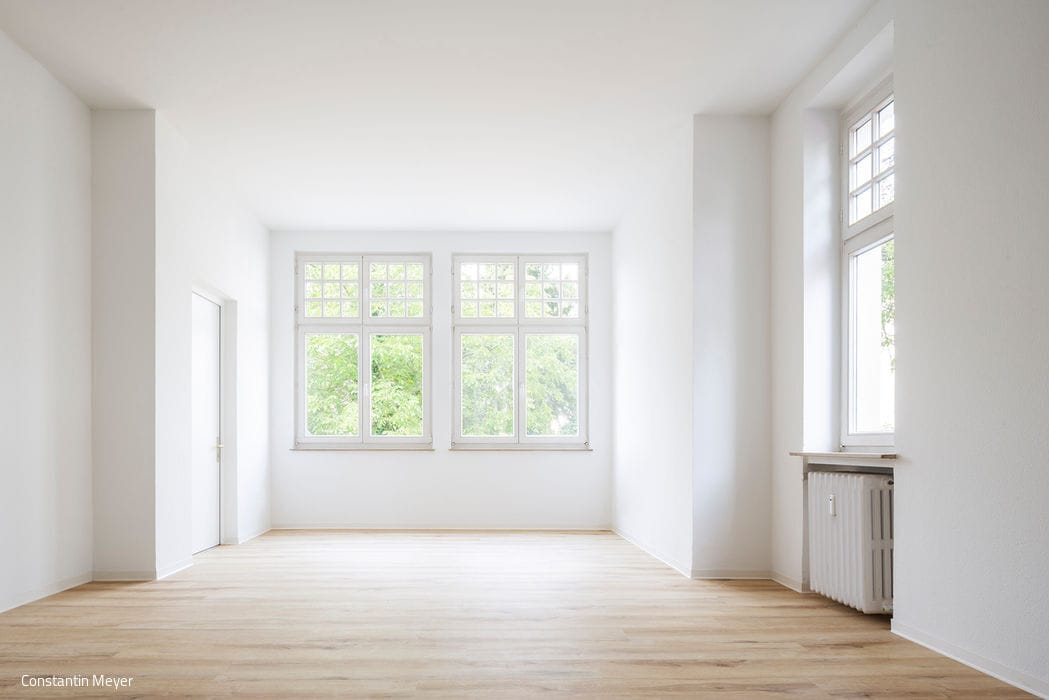
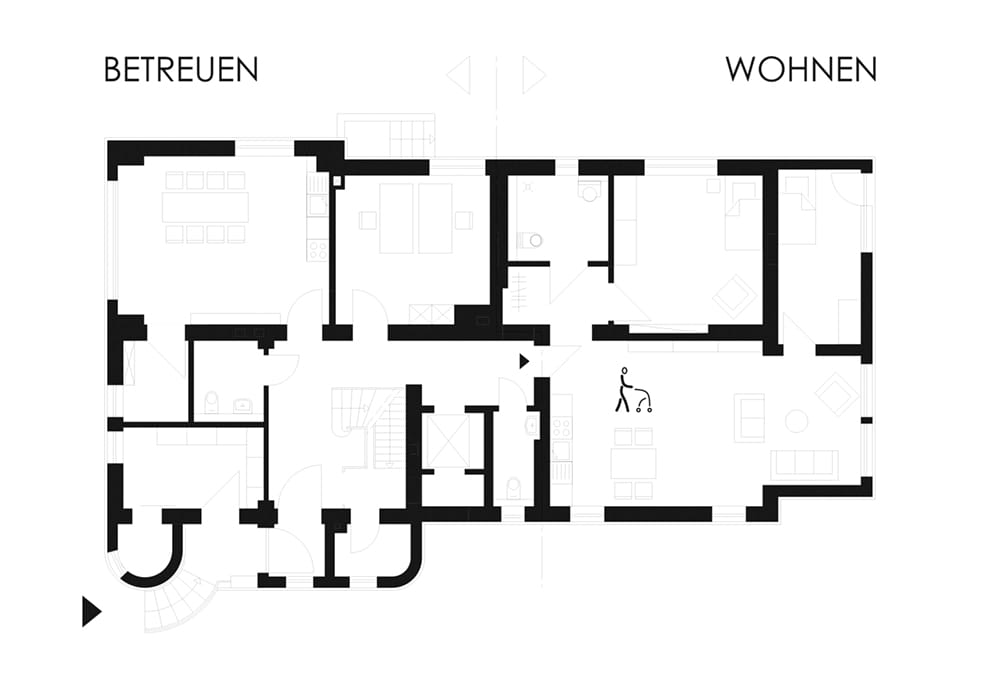
During the most recent renovation, in which Brechtel Architects was tasked with converting the villa, which had most recently been used as a residential home for people with intellectual disabilities, into rental apartments, one of the challenges was the different construction phases with different building materials and varying height levels. This was compensated for by means of a floor structure and sloped panels. "Another challenge was preserving the main staircase and the wooden entrance door," explained architect Andreas Brechtel. However, with the help of a carpenter, both the doors and the staircase were restored to their original condition. The carpenter replaced the defective wooden windows with new ones that he had made based on the old models. The lighting in the stairwell is a real eye-catcher. The suspended chandelier, which spans three floors, was reassembled from egg lights from the existing building. With the charm of bygone times, it sets the scene for the redesigned staircase, which stands out effectively against a green wall. "The colour of the wall is ultimately also a reminder of the original building," explains the architect. "When we removed the wallpaper in the stairwell, the original green wallpaper came to light." Like the renovation of the doors and staircase, the entire conversion is characterised by minimal intervention in the existing structure. And the result is impressive: the five new flats captivate with their light-flooded, friendly atmosphere and, above all, their accessibility, which gives residents a feeling of self-determination, confidence and security. To strengthen the communal life of the tenants, a meeting room was also created on the ground floor.
Photography Credits:
Constantin Meyer
www.constantin-meyer.de
(Published in CUBE Cologne Bonn 03|21)

Timeless and Sustainable
In southern Cologne, a protected heritage villa was thoughtfully restored as a family residence.
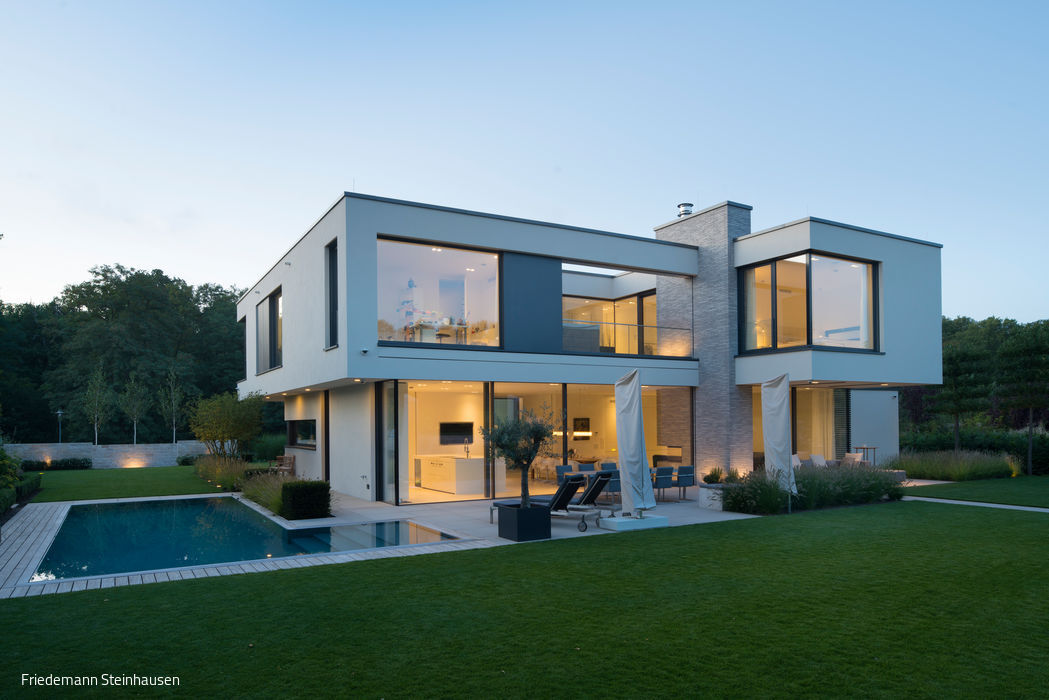
Smart Minimalism
A villa that marries sculptural form with seamlessly integrated building systems.
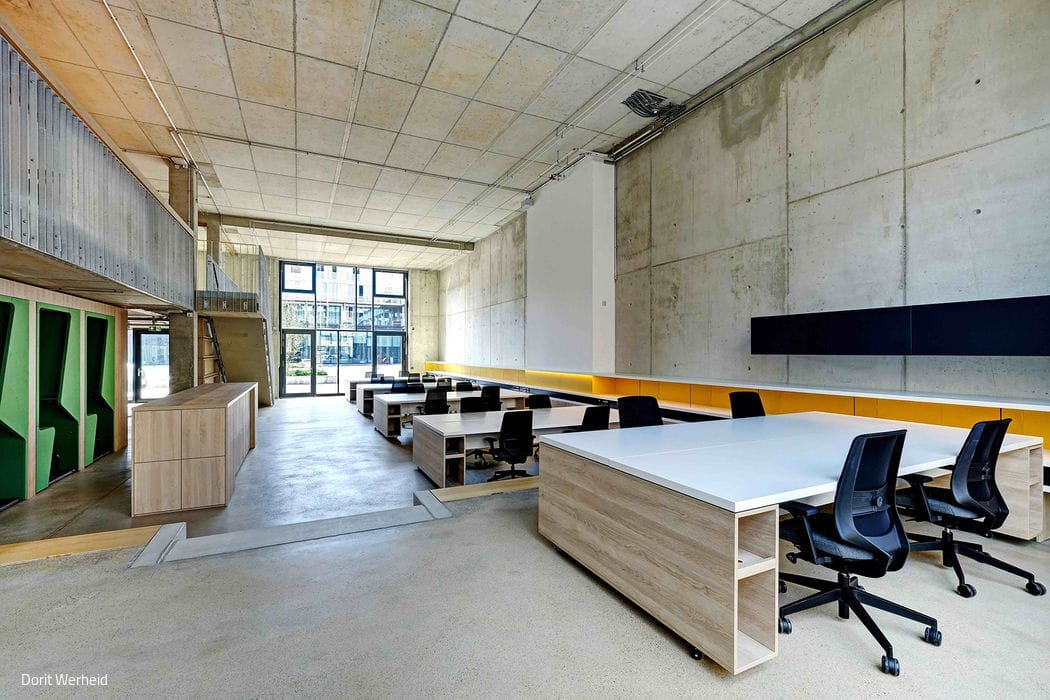
Agile Coworking
A coworking space accommodates diverse usage patterns
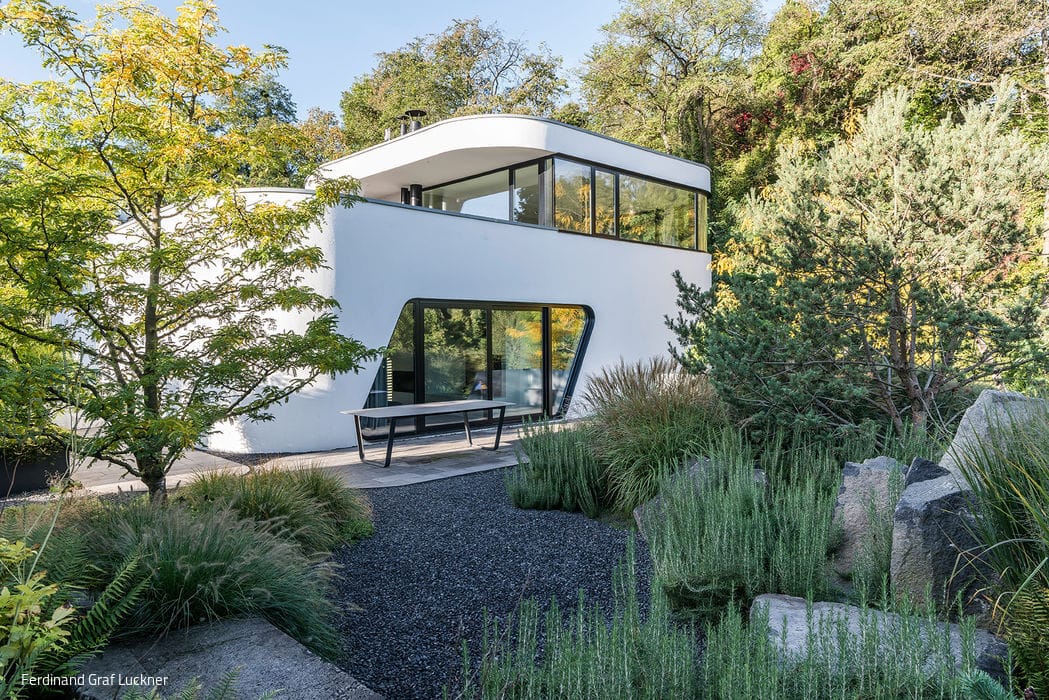
Sustainably Impactful
Contrasts and proportions: the foundation of compelling garden design