


Walking the tightrope with grace
From wartime bunker to forward-thinking home
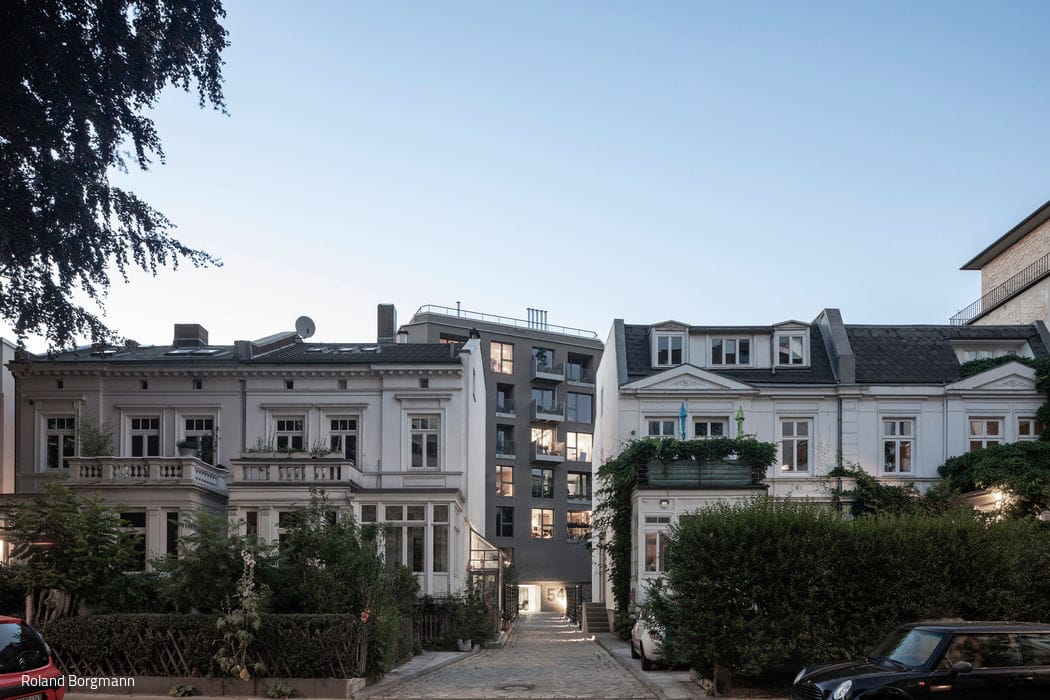
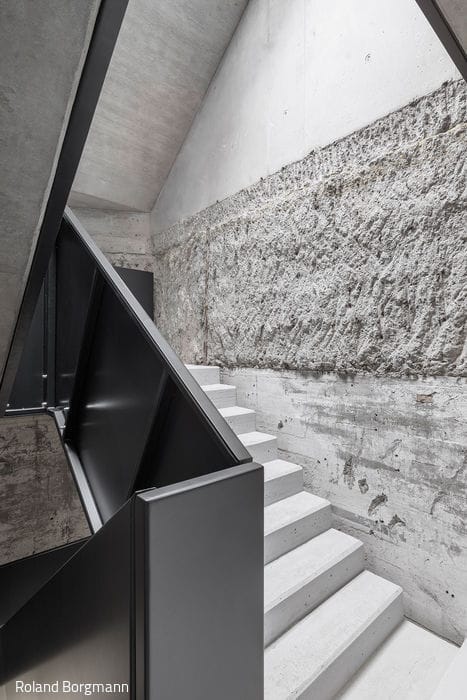
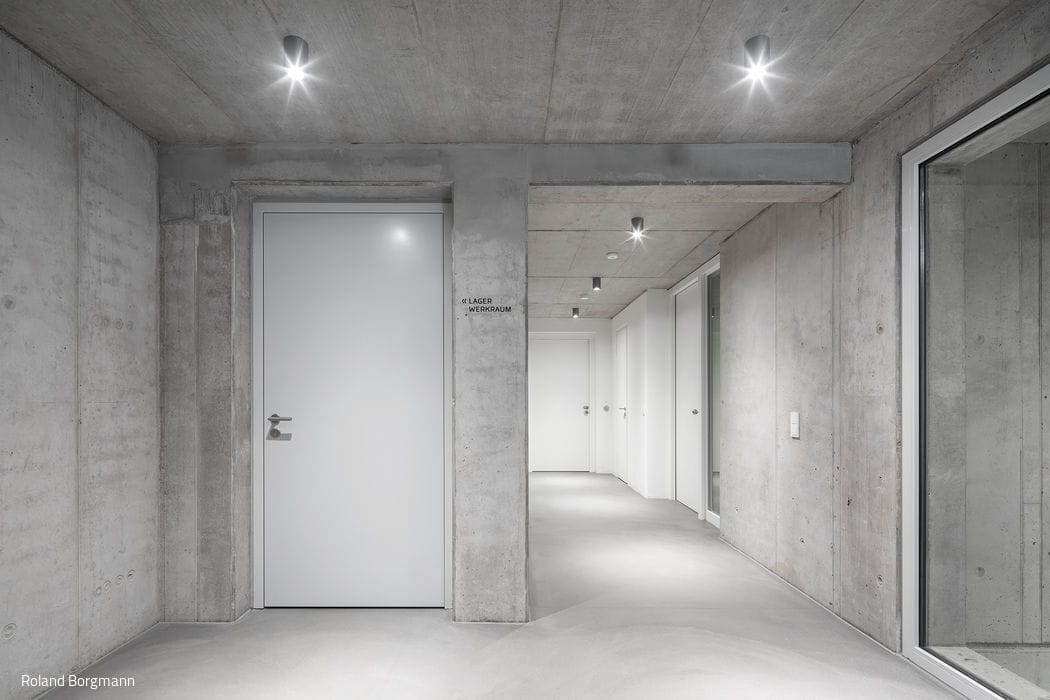
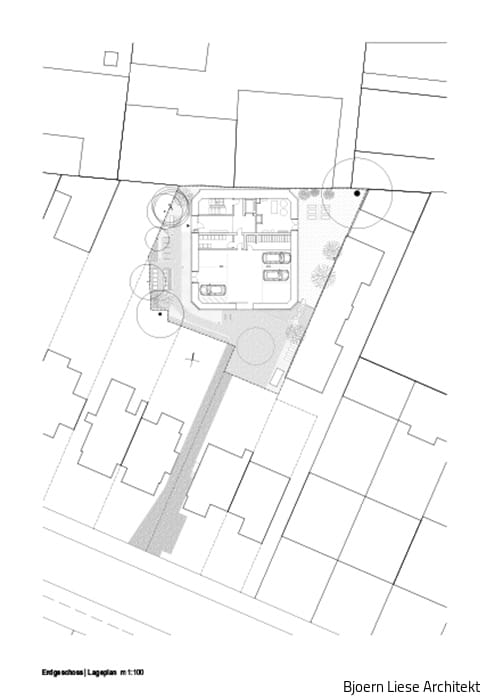
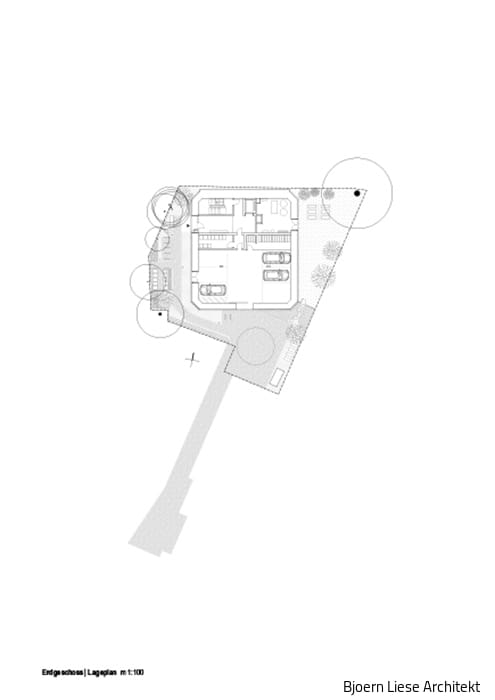
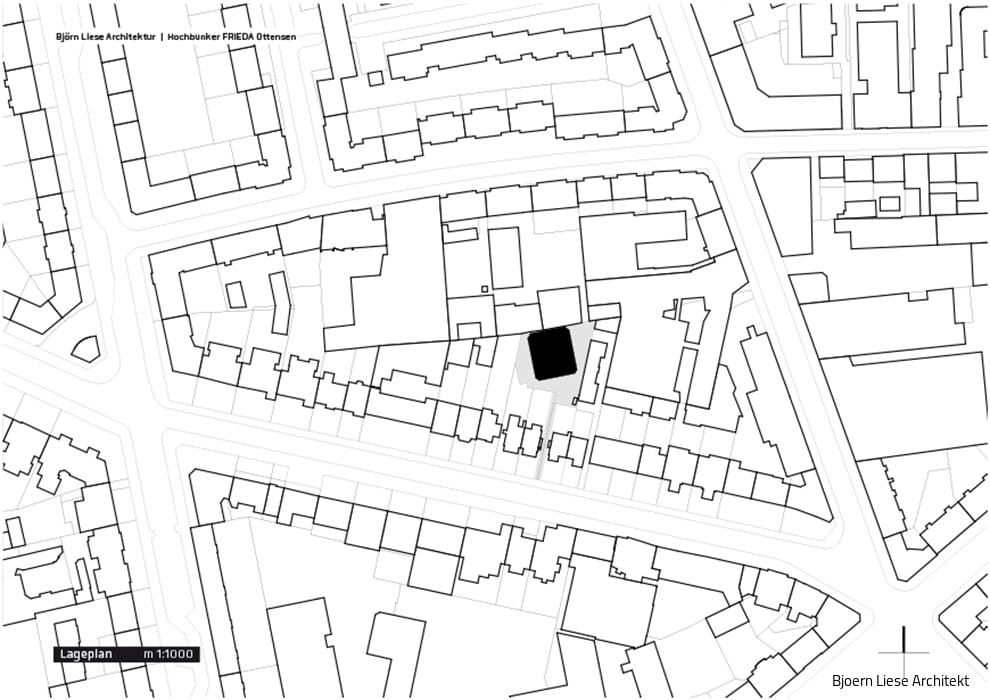
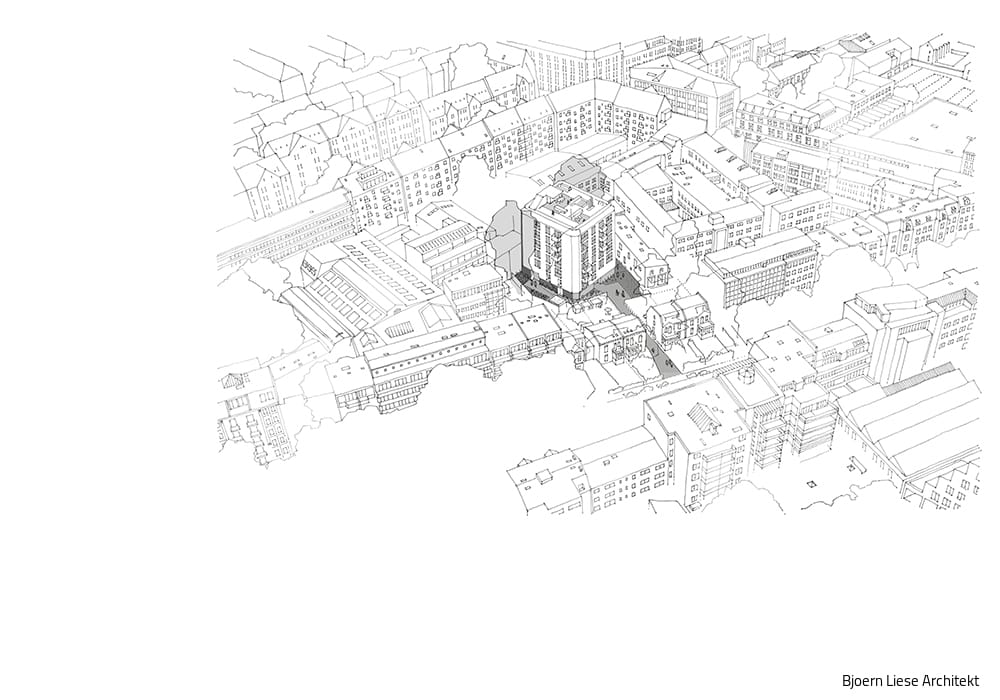
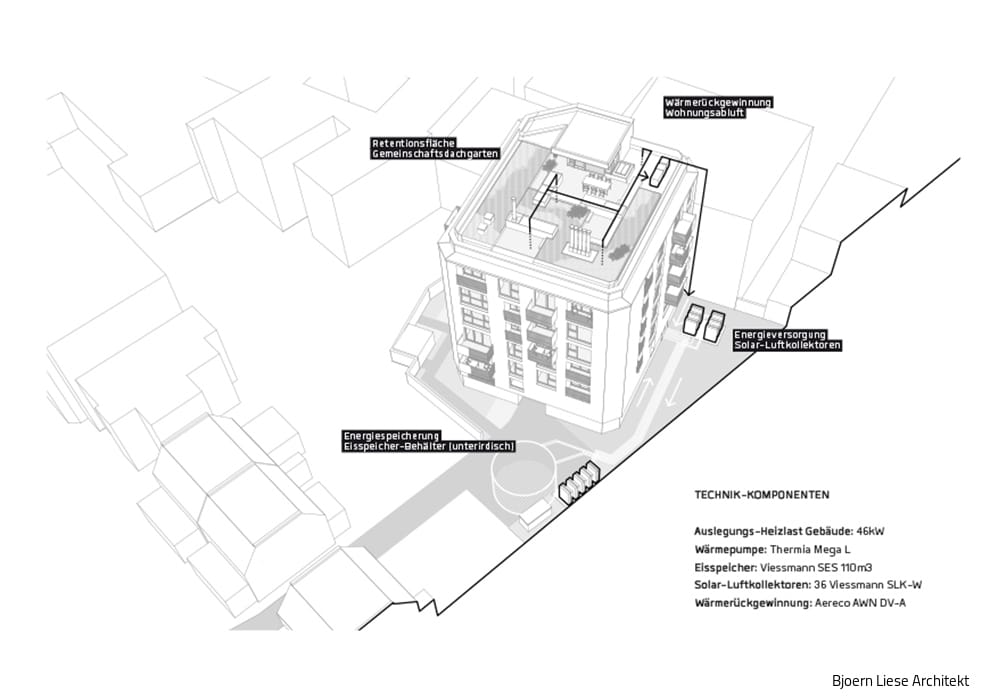
Hamburg still has several hundred bunkers remaining from World War II. In the heart of Ottensen sits a seven-storey high-rise bunker built in 1942, tucked within the shared courtyard of a perimeter block lined with Wilhelminian-era residential buildings along Friedensallee. Given its location, demolition was never an option. Architect Björn Liese set out to create a functional, adaptable, and energy-efficient home while honouring the building's distinctive character. The tight constraints – the bunker is accessible only via a narrow passage between two period houses – and uncertain property access made this ambitious renovation feasible only through close collaboration with neighbouring residents.
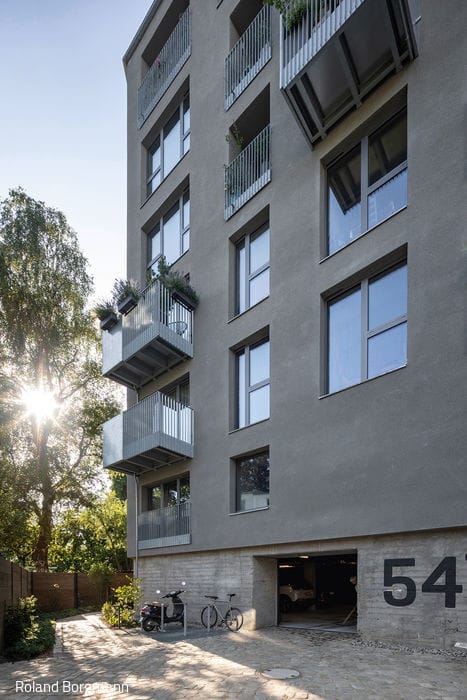
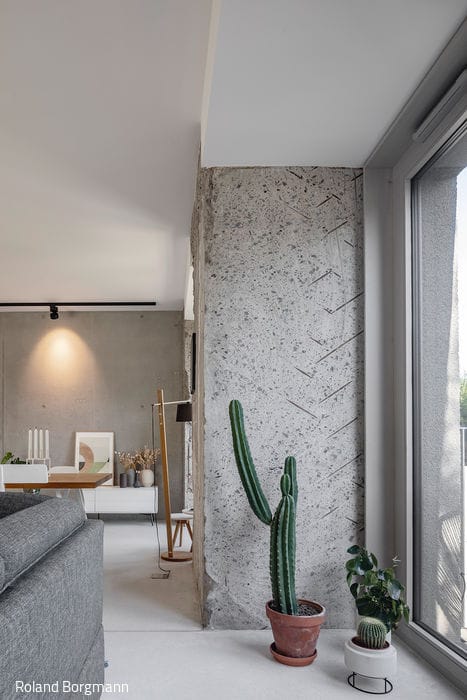
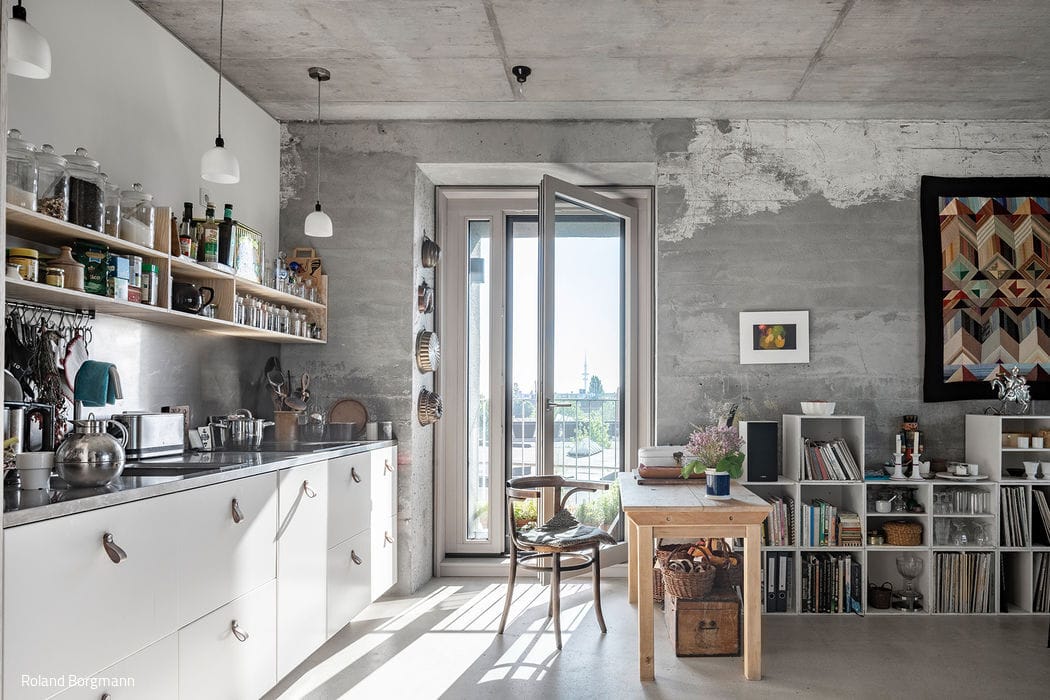
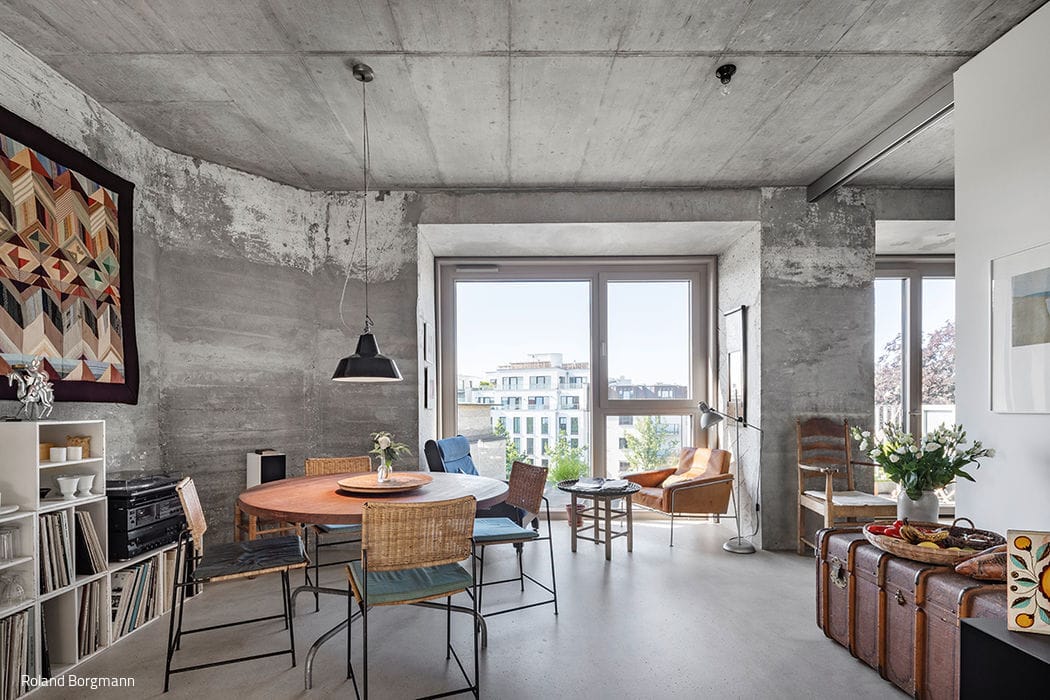
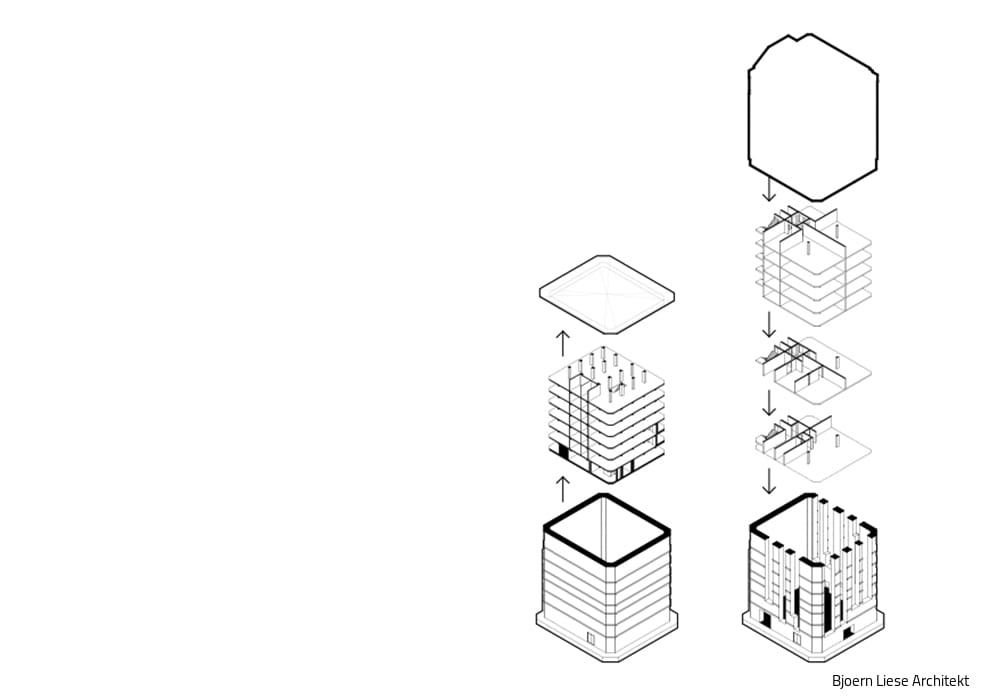
Vertical window strips were carved into the bunker's metre-thick concrete walls and the interior was completely stripped. A new structural framework was then inserted, with the existing outer walls wrapped in an efficient new envelope. Yet the raw concrete façade continues to tell the building's story. Inside, the original structure, conversion traces, and the dialogue between old and new remain visible throughout.
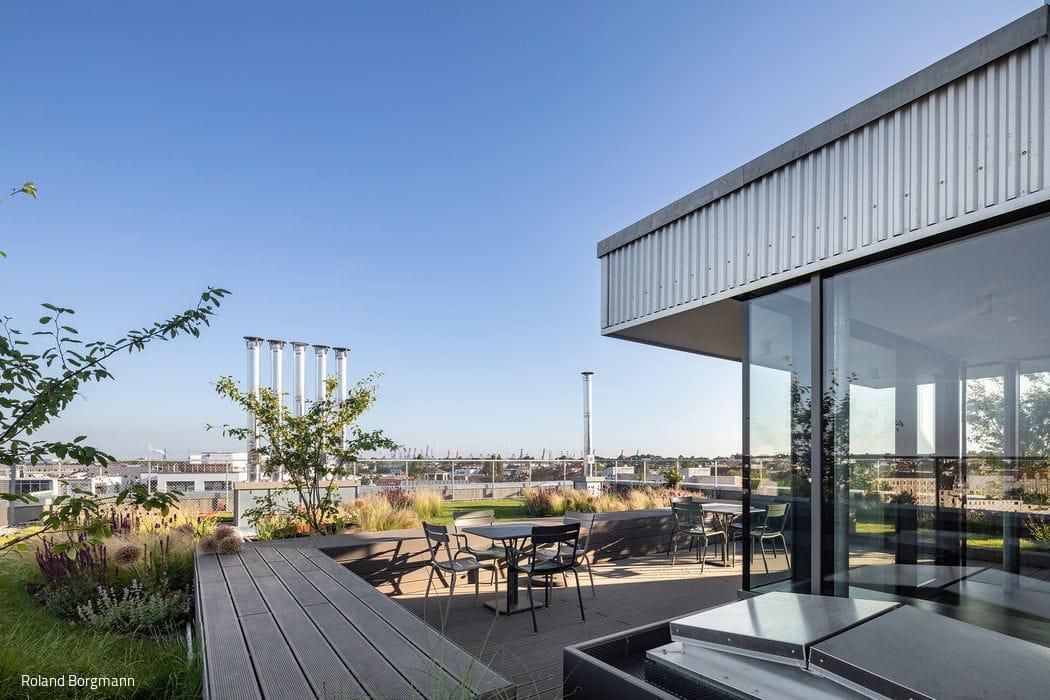
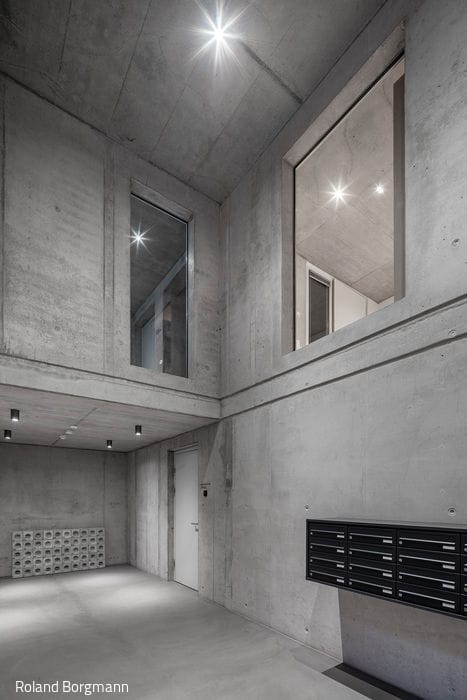
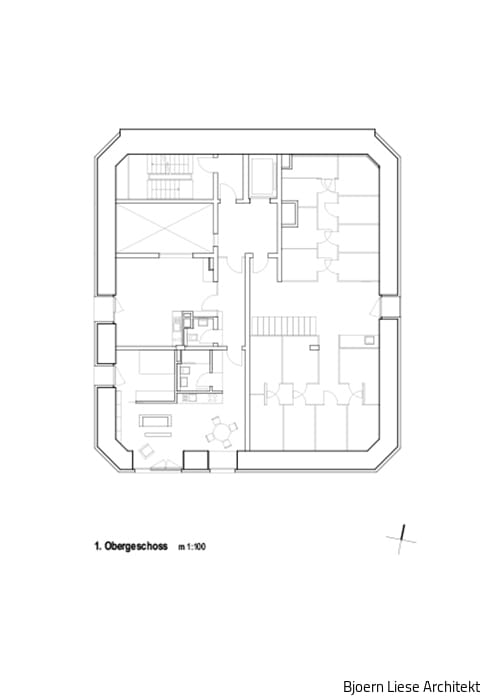
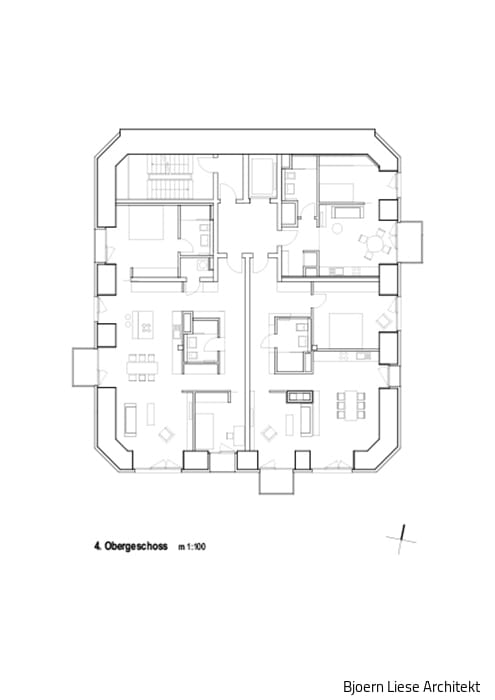
In the circulation spaces and throughout most of the apartments, both existing and new concrete walls and ceilings are left exposed as a design statement. Five of the seven storeys are configured as residential levels accommodating two to four units each. Fifteen owner-occupied apartments range from 44 to 127 m² of living space. The floor plans offer flexible room configurations organised around central service cores, with individual units able to be divided or combined as needed. From the 220 m² rooftop terrace with communal garden, residents enjoy expansive city views.
The building operates on a fully carbon-neutral mechanical system. Heating demands – based on EnEV 2014 standards – are met by a heat pump powered entirely by renewable electricity. A solar ice storage unit functions as seasonal energy storage for the heat pump while providing summer cooling. Heat recovery from apartment exhaust further enhances the system's efficiency.
Photography Credits:
Roland Borgmann
www.rolandborgmann.com
(Published in CUBE Hamburg 04|20)
From Desk to Dinner
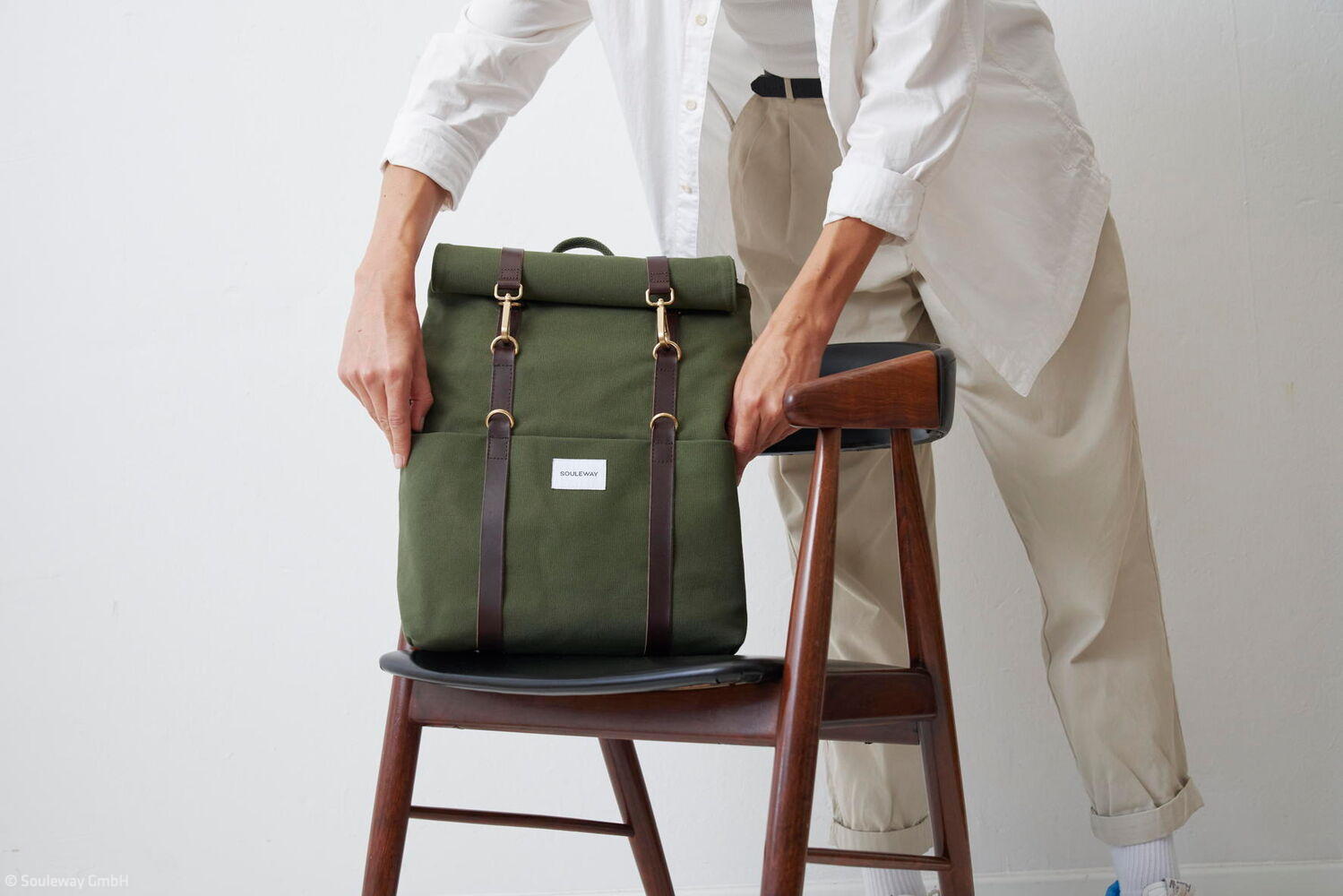
Clean lines and timeless design – bags made in Hamburg
100 Years of SAGA
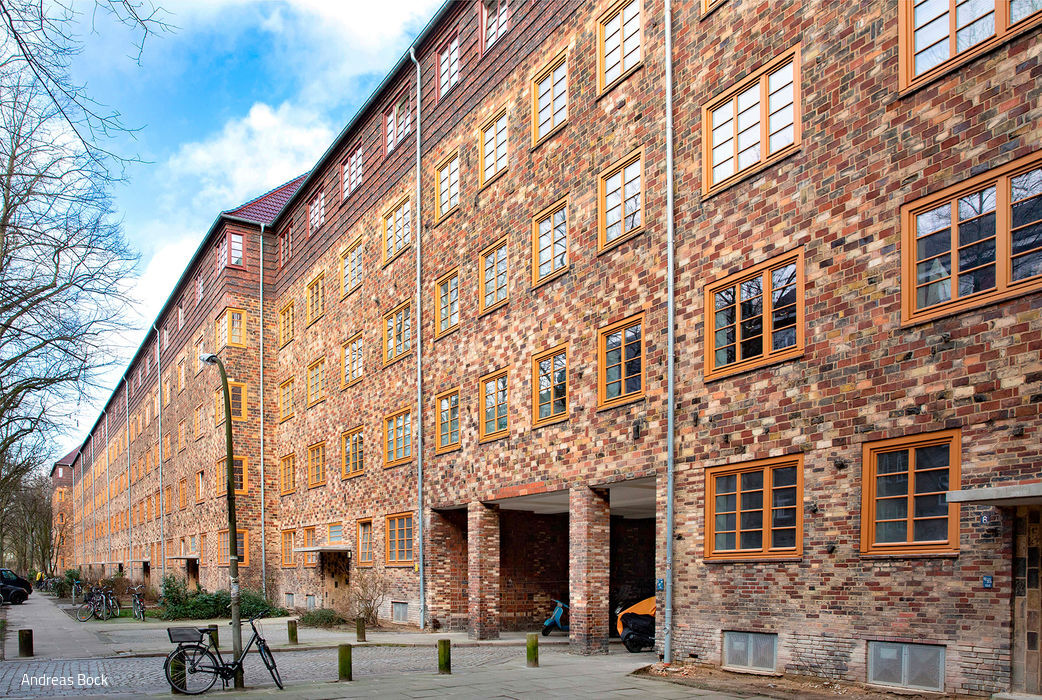
Around 270,000 Hamburg residents call a Saga apartment home.
More Than Meets the Eye
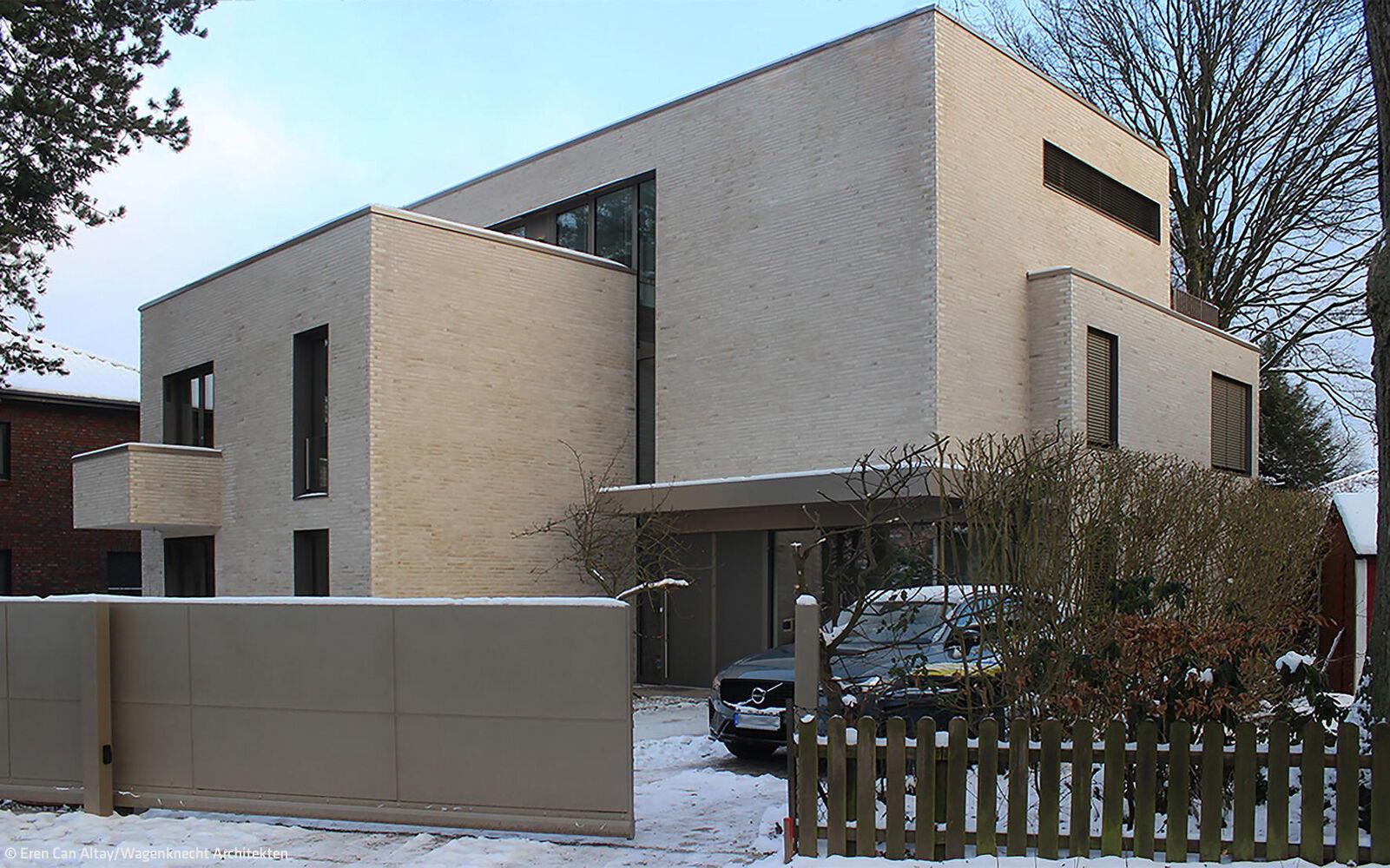
Three Apartments, One Building, Three Separate Entrances
A Break with a View
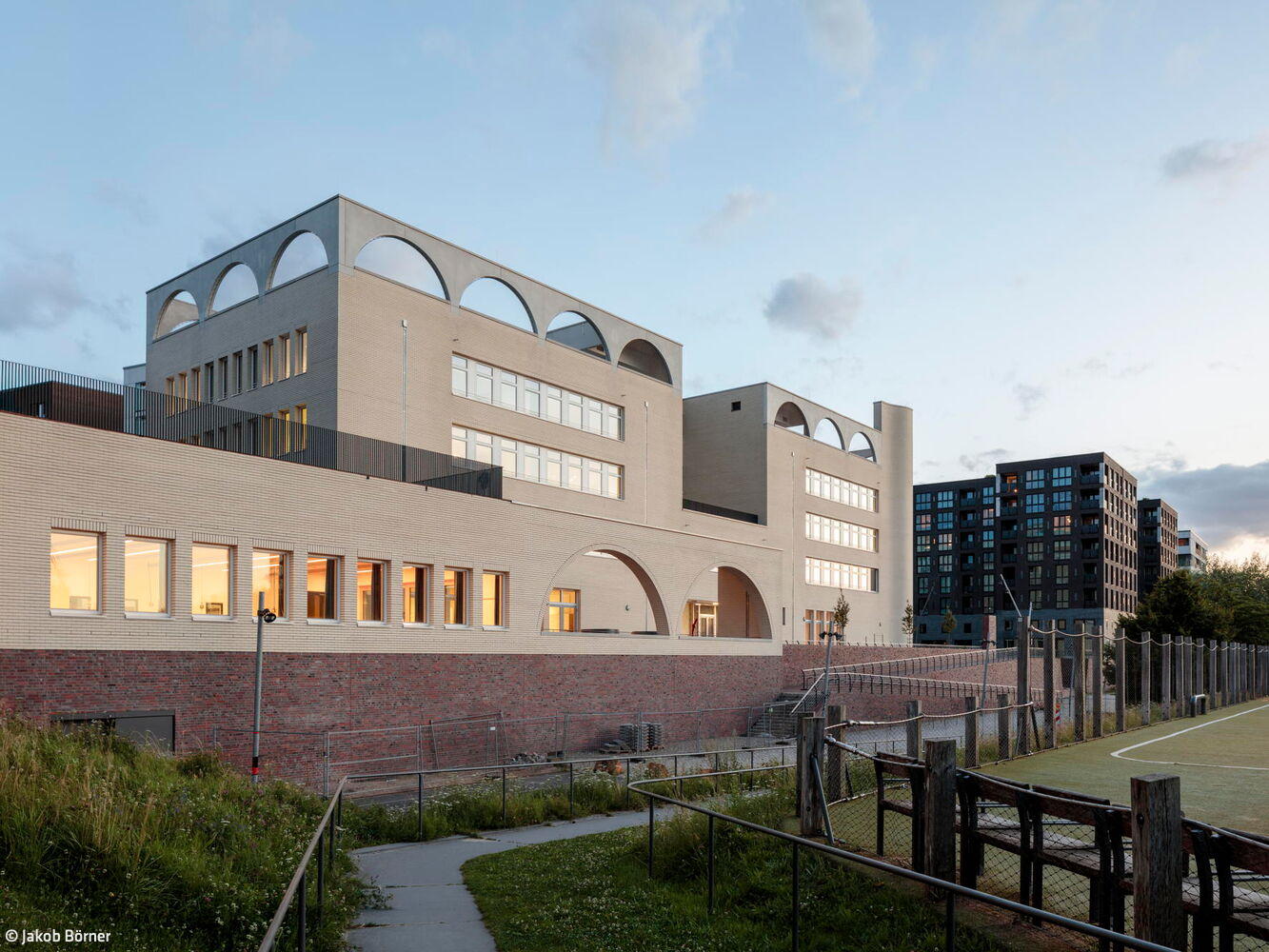
The Am Baakenhafen primary school anchors this densely populated neighbourhood.