


Big Bigger Bergson
Charmingly Ambitious: A New Art and Cultural Hub

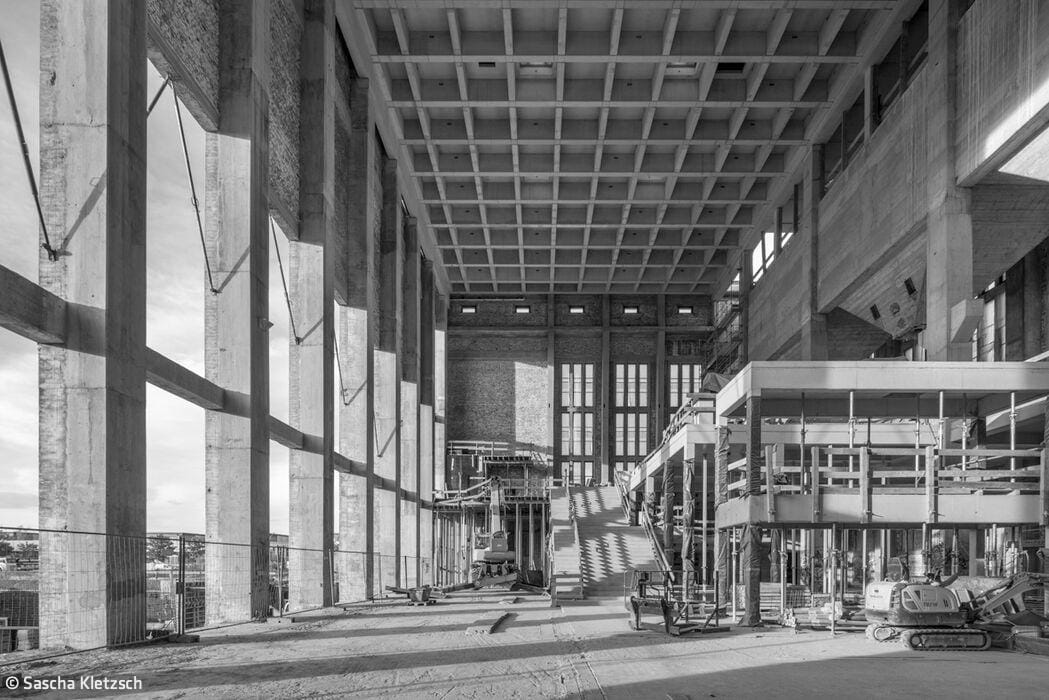


What would drive someone to build a sprawling cultural destination on the outskirts of the city—in an area few would think to venture? The answer lies in creating a compelling anchor, a magnet that draws visitors naturally, sparks curiosity, and builds desire. This is precisely what's unfolding in Aubing, at the western edge of Munich's urban landscape. Any doubts the visionary developers may have harbored have now been swept away. Following a successful opening period and the launch of its daily programming, the Bergson Kunstkraftwerk is firing on all cylinders.
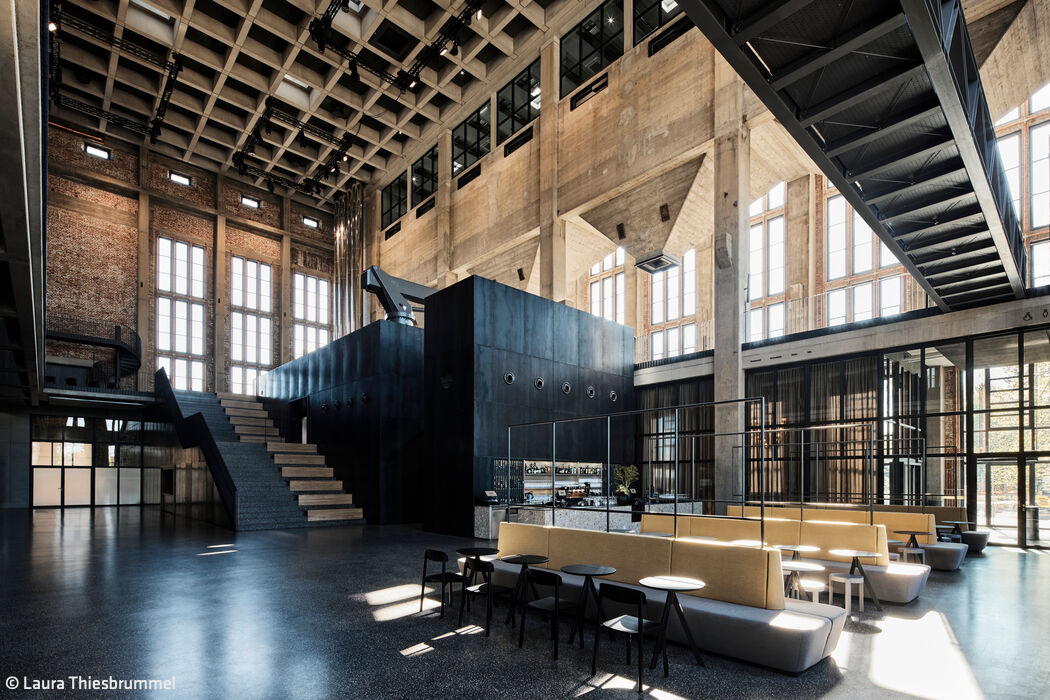
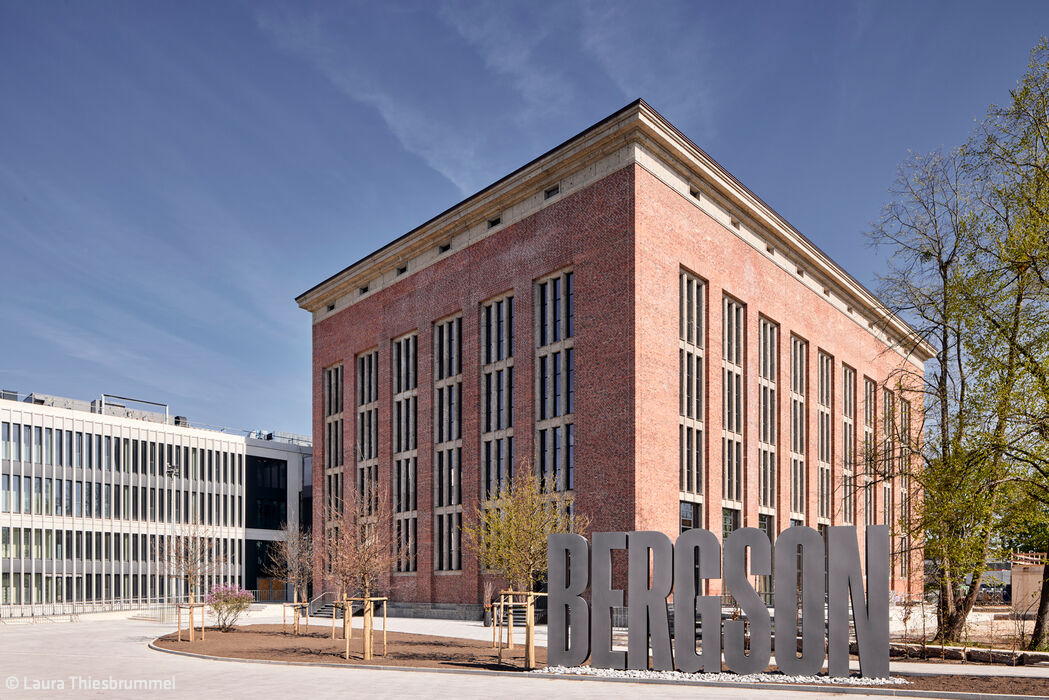
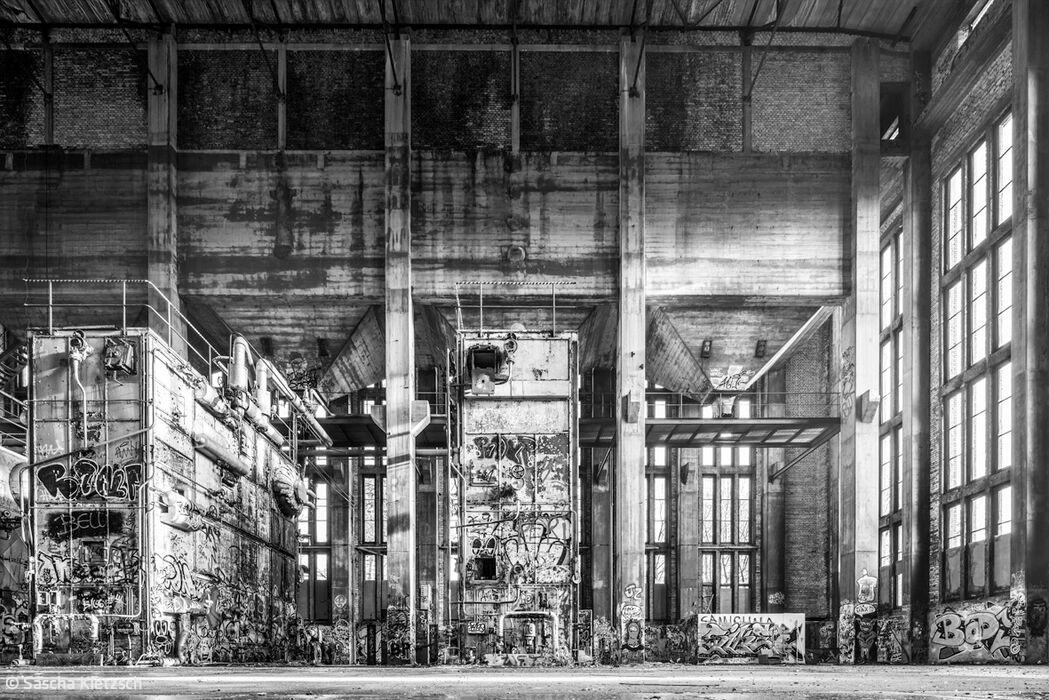
This story reads almost like a fairy tale: In 1940, the Nazi regime envisioned relocating the main railway station to Laim as a central transport hub. To manage the transition, temporary replacement stations were needed—which required a rapid solution: a coal-fired heating plant. The structure that would eventually become the Bergson Kunstkraftwerk was built in Aubing during the war but never completed. After brief post-war operation, it was shut down in 1988 and left to deteriorate—eventually fading into obscurity. The visionary builders acquired the property in 2005. What they inherited was a cube in severe disrepair: structural walls compromised, the roof destroyed, boilers irreversibly corroded, and coal silos requiring complete renovation. After three years of intensive construction, the first phase is now complete. Two additional phases will follow in sequence, with the entire project reaching completion by October. The driving forces behind this monumental undertaking are brothers Christian and Michael Amberger, alongside Stenger2 Architects, whose winning design concept transformed the vision into reality. Upon entering this towering structure—a striking rust-red cube of clinker brick that commands attention from the street—the scale shifts dramatically. Inside, you're dwarfed by the coffered ceiling soaring 25 metres above an expansive atrium. The proportions are breathtaking. The "Anima" day bar, anchored by an impressive counter, welcomes guests. Where massive boiler rooms once stood, a black tower now rises, concealing a central kitchen that services the "Zeitlang" restaurant and multiple satellite culinary spaces.
A generous timber-stepped staircase ascends to the main hall, a flexible venue designed for diverse events and serving as the hub for the entire complex. To the left lies the new construction; to the right, the gallery winds through the former silos in a dramatic tunnel-like passage. A substantial mobile jib crane stands ready for operation, enabling access to every corner of the space.
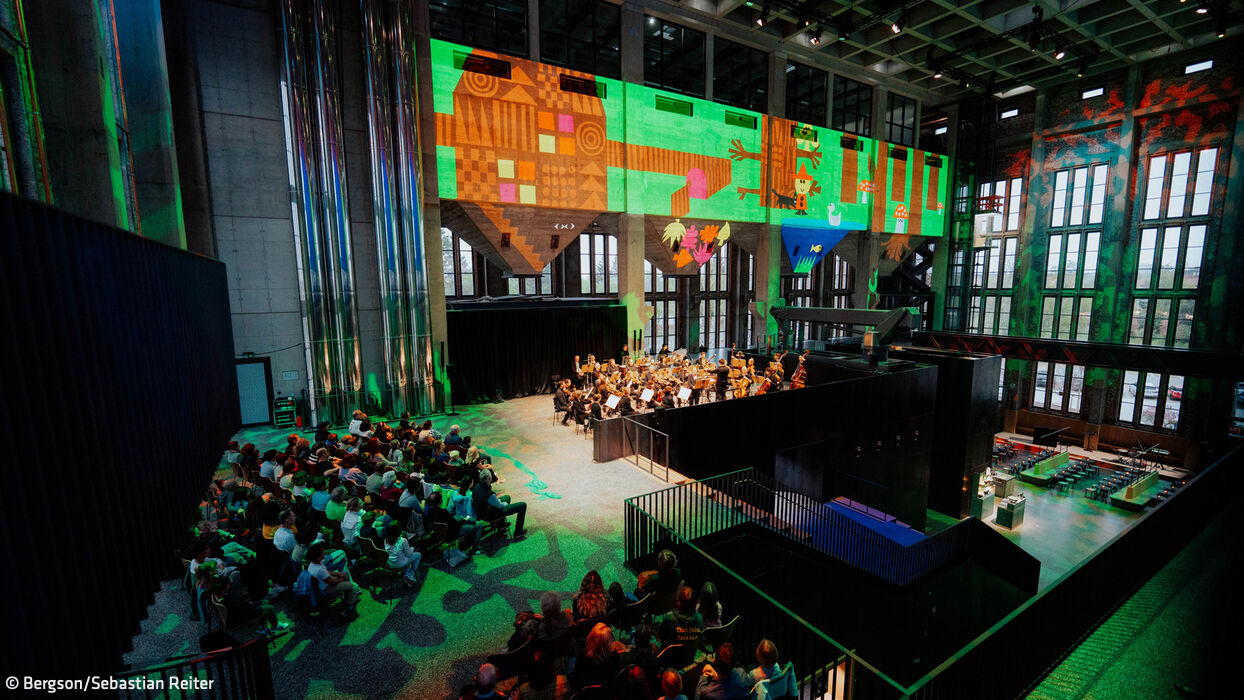
The scope of what's already complete and what's coming across the nearly 15,000 m² campus is remarkable: a welcoming foyer serving as the primary entrance, an acoustically superior concert hall seating nearly 500, a museum, a grand salon, flexible event spaces, a live performance venue, and a rooftop bar overlooking the city. And critically—a beer garden with its own pavilion and customizable spaces, topped with a terrace, perfectly suited for weddings and special occasions.
Photos:
Laura Thiesbrummel
www.lt-architekturfotografie.com
Sascha Kletzsch
www.sascha-kletzsch.de
Bergson/Sebastian Reiter
(Featured in CUBE Munich 02|24)

High-End Living
A 1979 Home Transformed: Premium Audio and Video for Modern Living
Completely Renewed
A church renovation evolves into the realisation of a carefully conceived ensemble
New Addition to the Historic Old Town
An elegant new building seamlessly integrates into the streetscape at Oberanger, nestled among postwar structures
A View Worth Framing
Thoughtful window design elevates an attic apartment into a modern loft.