


School in the Creative Quarter
Where a barracks once stood, a exemplary primary school now thrives
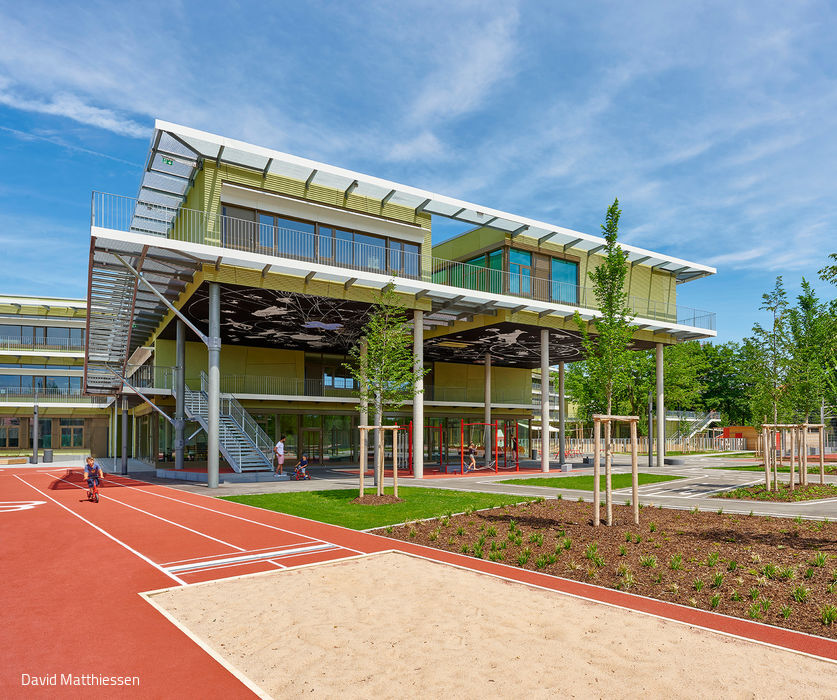
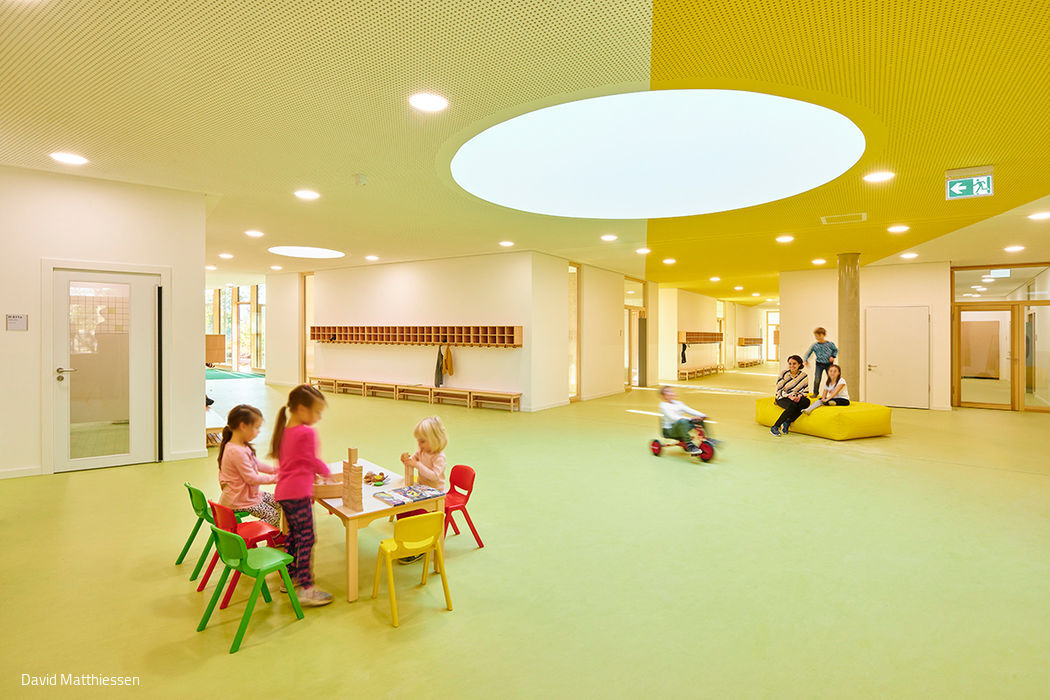
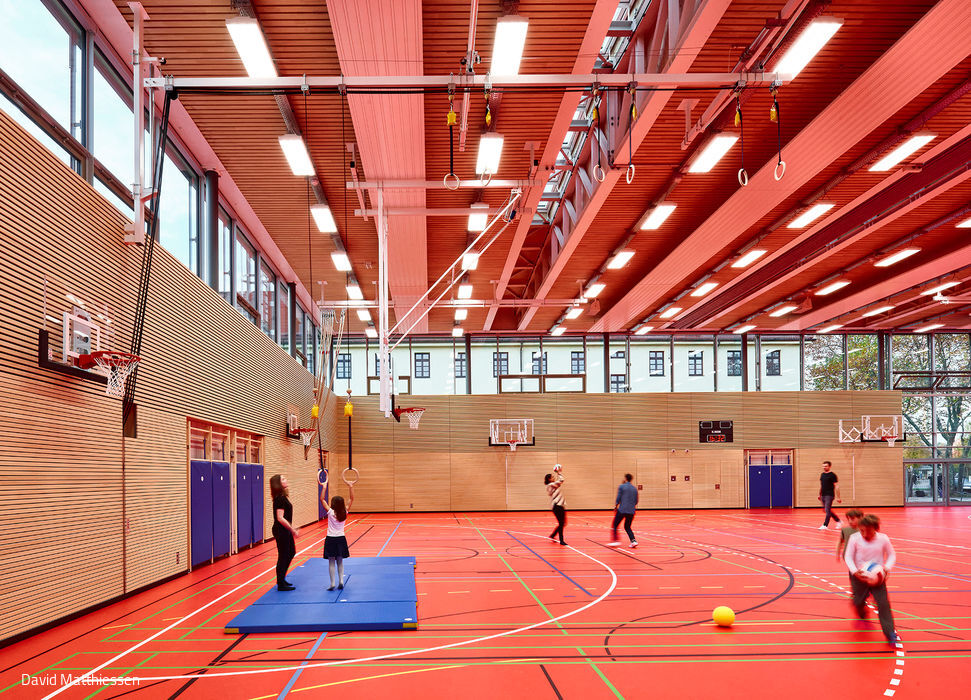
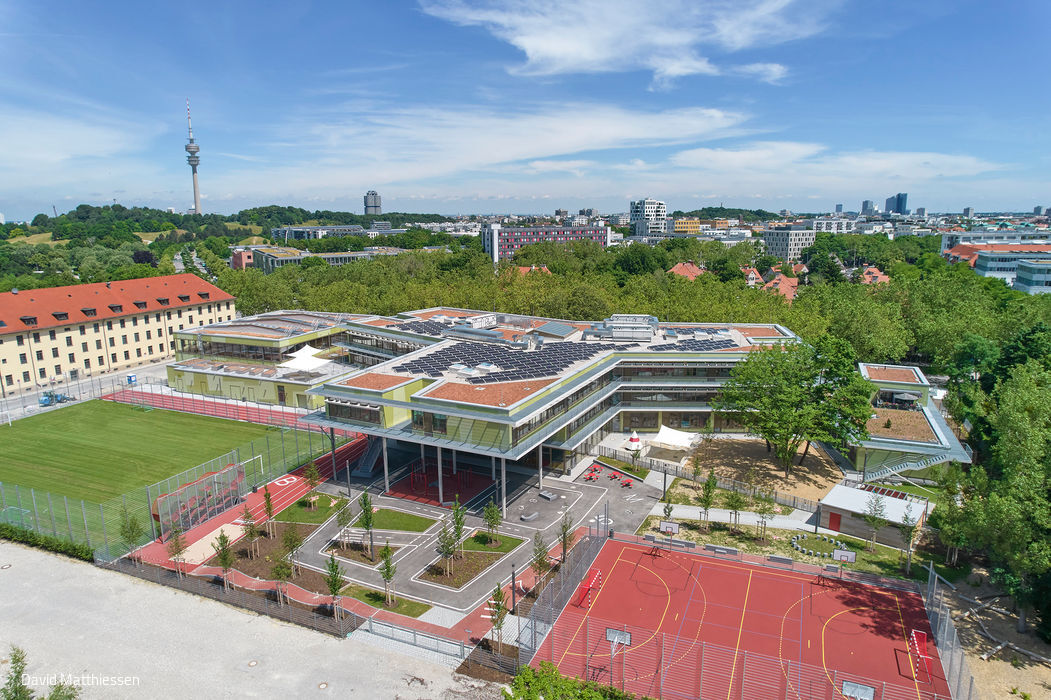
On the grounds of the former Luitpold Barracks—marked by heritage-listed structures and verdant spaces—Munich is developing a vibrant new urban district. South of the Olympic Park, a mixed-use neighborhood is taking shape, seamlessly blending residential, commercial, cultural, and educational functions. The new school sits in the Creative Quarter to the northeast. The surrounding area is pleasantly diverse: the intimate Barbara residential settlement sits alongside university and commercial facilities. The site is bounded by Infanteriestraße to the east, Frei-Otto-Straße to the north, and Günter-Behnisch- and Fritz-Schuster-Straße to the southwest.
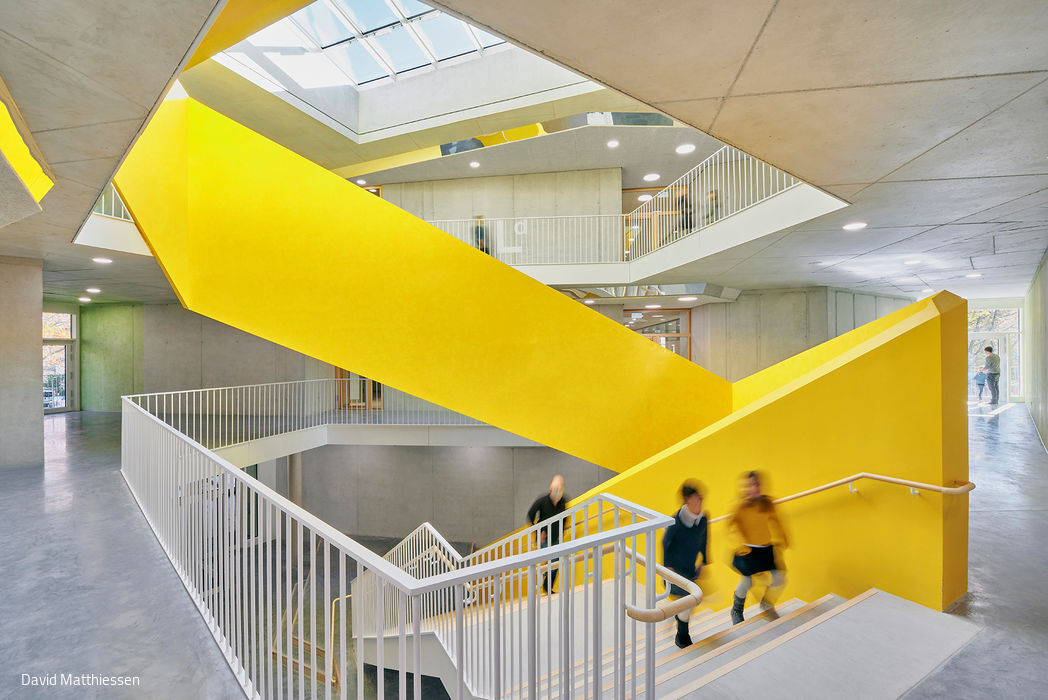
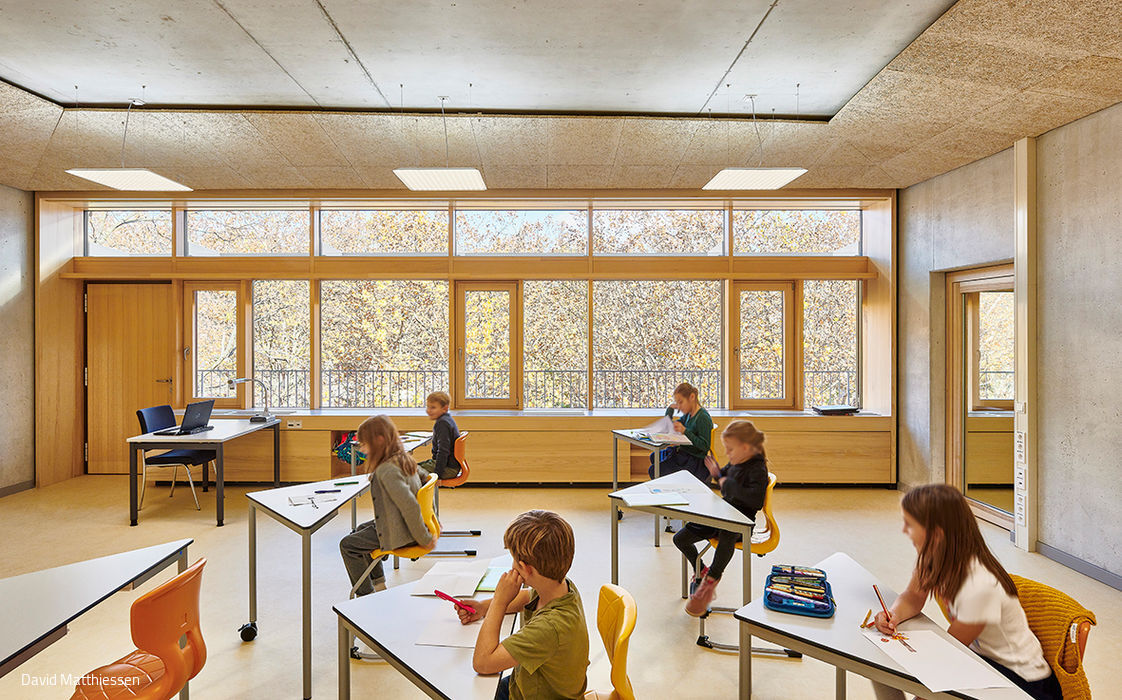
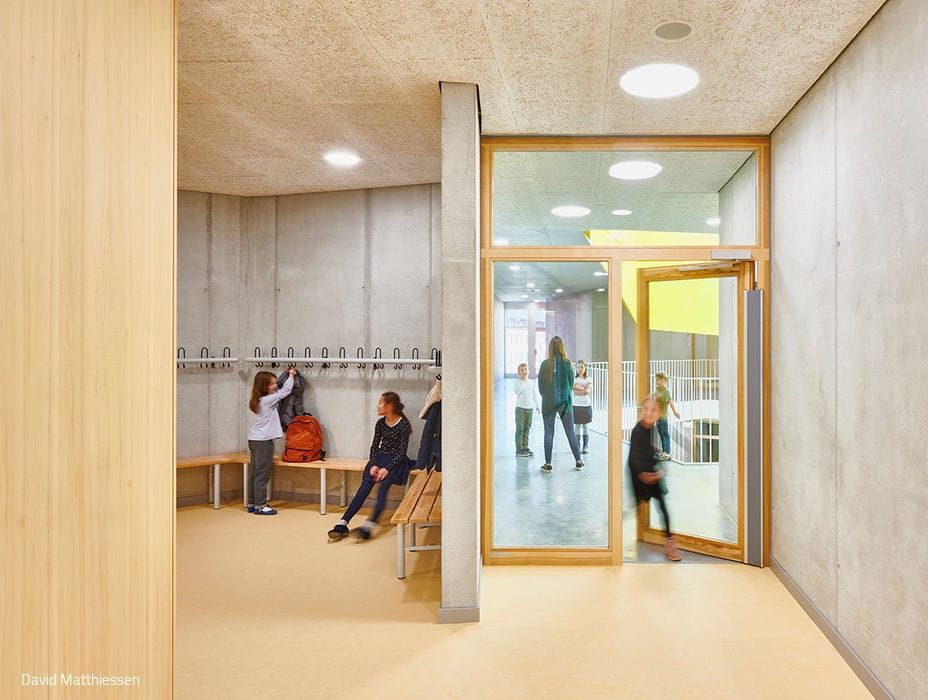
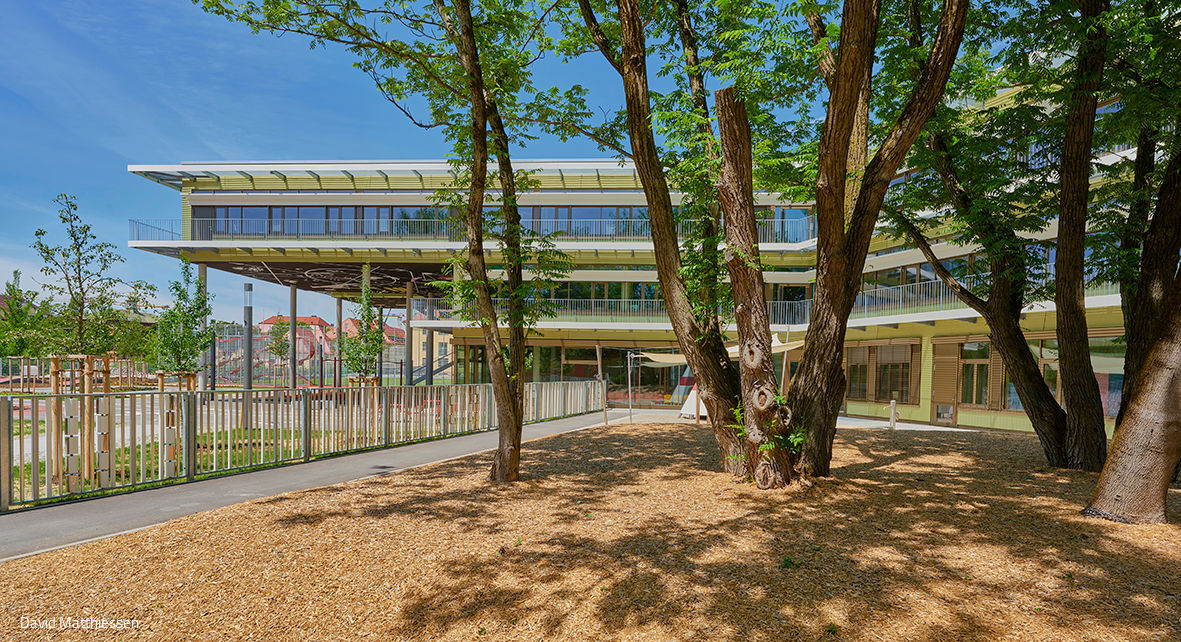
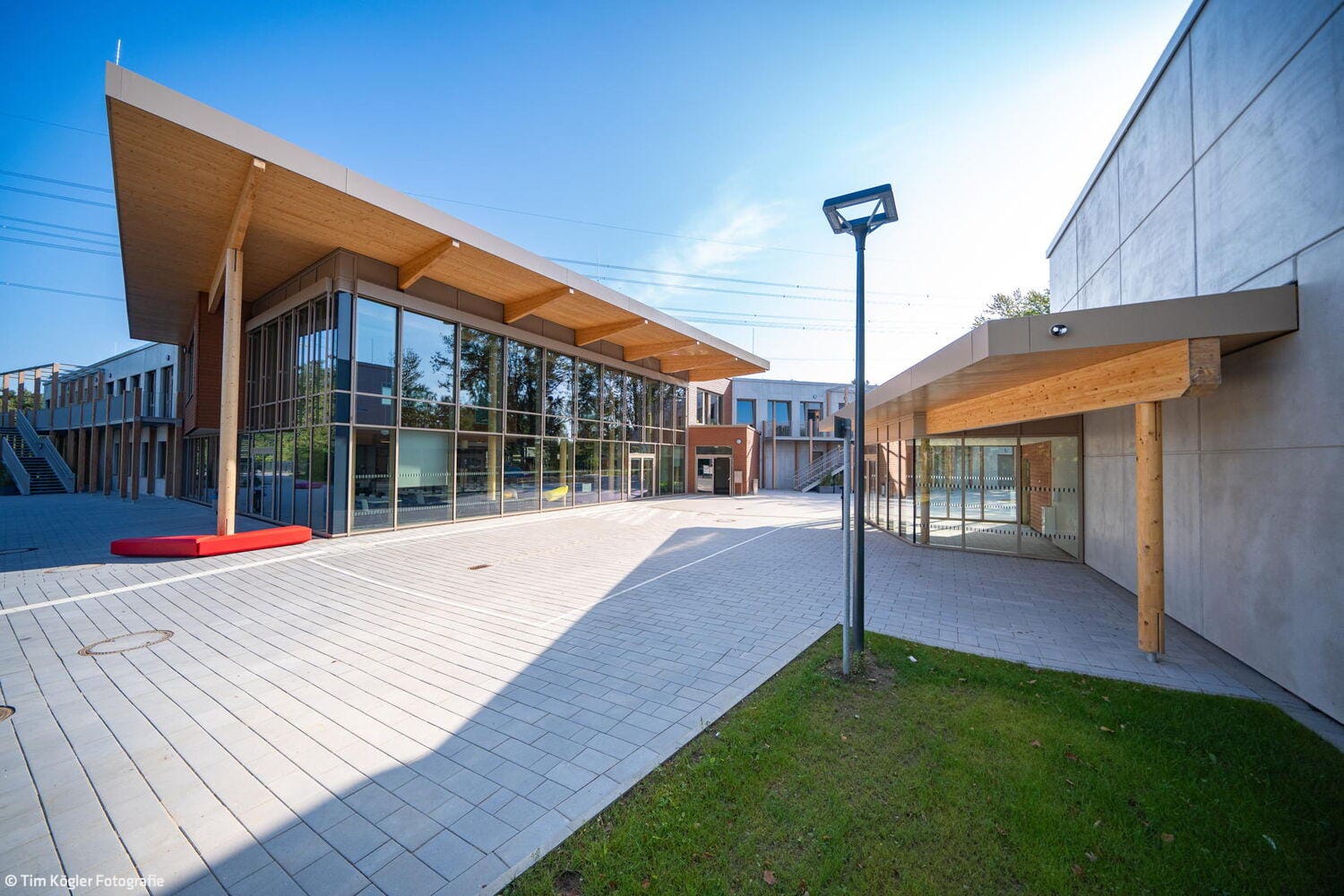
Designed by Behnisch Architekten, this five-stream primary school accommodates up to 500 children and features a double sports hall. The open spatial structures across five learning houses create a versatile, dynamic learning environment. An adjacent children's house—an all-day care facility—serves up to 100 children ages 0 to 6. The three-story building, with its forecourt and mature trees, establishes a defined, protective urban edge along Infanteriestraße. Behind the school, spacious outdoor areas with sports facilities integrate it seamlessly into the neighborhood. The floor plan follows a star-shaped configuration, with three building wings arranged around a central atrium and connecting staircase—the school's true heart, anchoring both vertical and horizontal navigation. The sports hall connects to the north, the children's house to the south. Following Munich's learning house concept, the school divides into five smaller units of up to 100 students across mixed age groups, maintaining human-scaled proportions throughout. Communal spaces—dining hall and multi-purpose rooms—occupy the ground floor, while learning houses spread across the first and second floors, each organized around a shared central hub. A rooftop landscape atop part of the sports hall provides additional outdoor learning space.
Beyond the main building, a traffic course, climbing landscape, and sports fields beckon children into active play, while a wide building overhang shelters break areas. The sustainability strategy integrates light-reflecting shelves, projecting sun-shading balconies, a green roof, retention areas, and rooftop photovoltaic panels—creating a climate-conscious learning environment.
Photography:
David Matthiessen
www.davidmatthiessen.com
(Published in CUBE Munich 03|23)
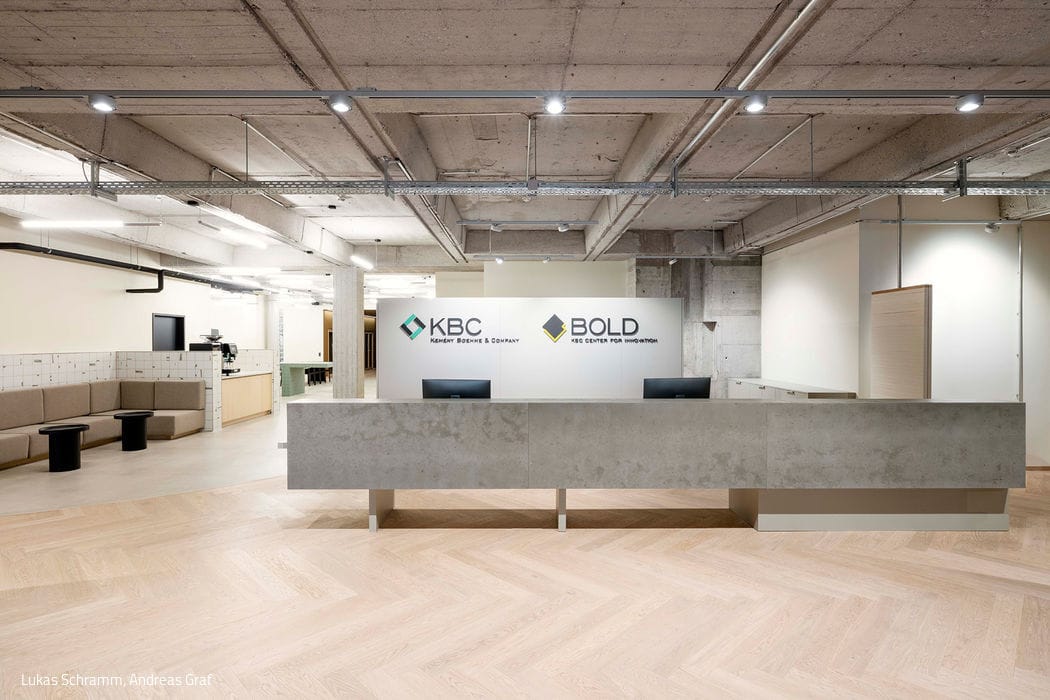
Where industrial heritage meets contemporary design
A Munich Consultancy Gets a Custom-Designed Workspace
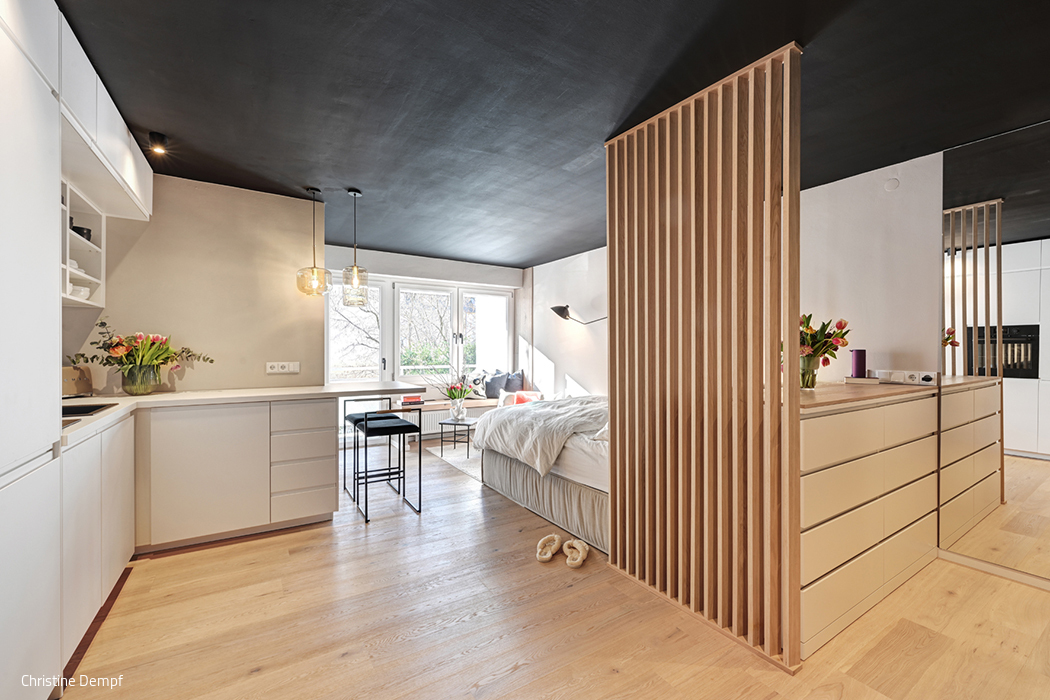
A Universe Within
How a Tiny Laim Apartment Became an Urban Marvel
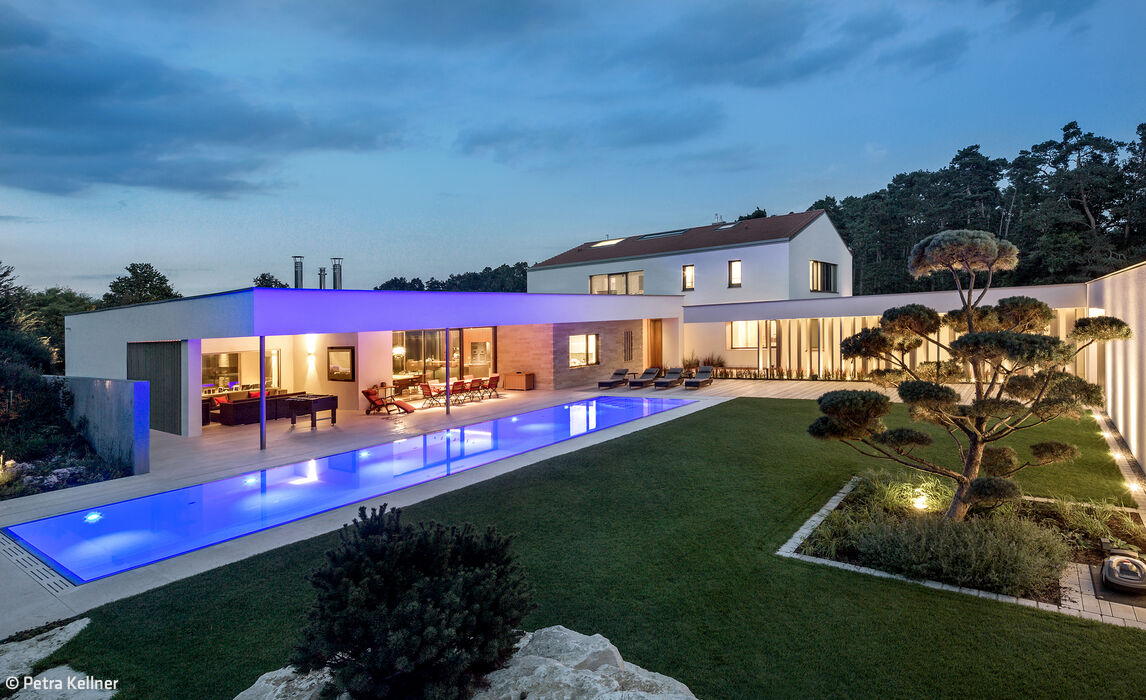
Seamless Integration
This is the guiding philosophy behind this distinctive architectural approach.
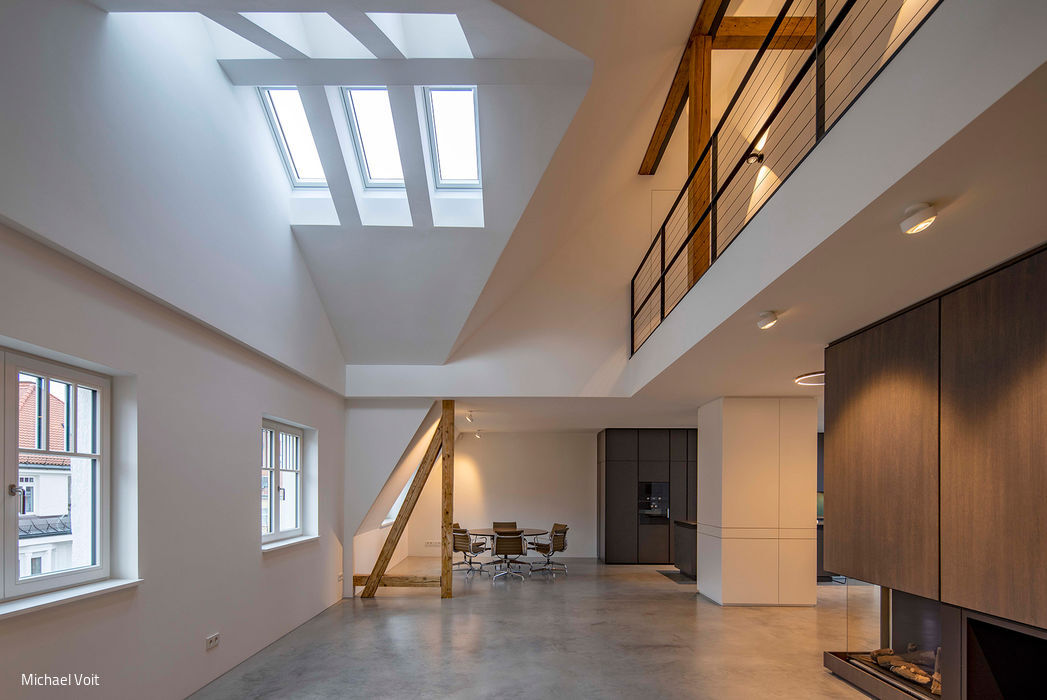
A Hidden Gem Under the Roof
An overlooked attic storage space reimagined as a sophisticated, timeless maisonette