


Building with Purpose and Permanence
Renovation breathes new life into existing structures while creating flexible living spaces


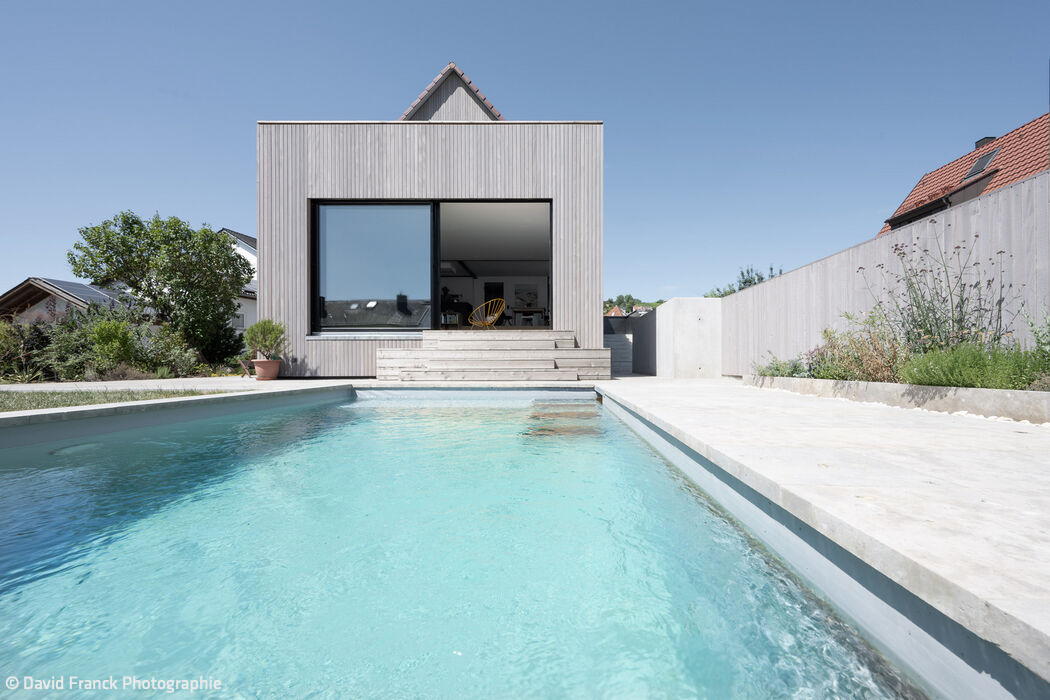


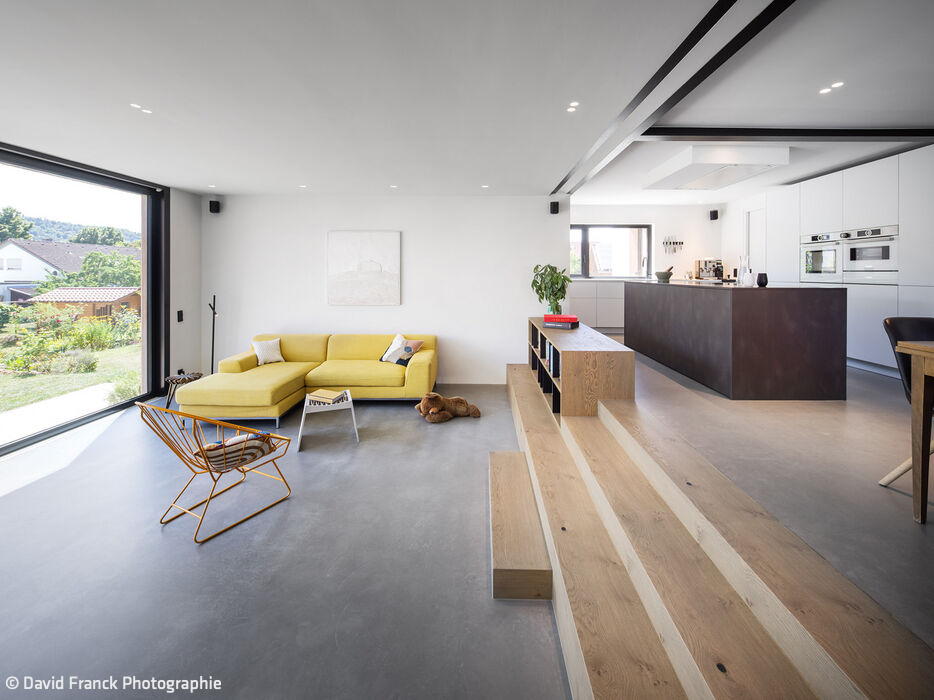


Renovation is fundamentally about rethinking. Unlocking the potential of a historic building and breathing contemporary life into it demands openness to change, responsible stewardship, and space for creative innovation. The goal: transforming existing structures into buildings ready for the future while preserving valuable resources.
This 3.5-storey structure has evolved considerably over the past century: a threshing barn was added in 1936, the roof expanded in 1960, and countless refinements have followed. Stuttgart-based studio Seebald. wove these distinct building phases into a coherent whole through a unified façade design, then revealed their character within. The renovation stripped the building down to its vaulted cellar, exposing the original timber framing. The existing staircase was rotated 180 degrees to improve circulation. To create seamless flow between the residence and barn—and introduce a gallery level—the barn floor was lowered 1.20 metres and now functions as the winery's private tasting room. When selecting materials, the architects were deliberate about capturing the identity of the young family behind this nature-focused vineyard, established just six years ago. Natural materials thus define the spaces: a pre-greyed solid silver fir façade wraps the exterior, while timber appears throughout the interior—in custom furniture, staircases, windows, and the striking exposed framework. The living room extension is similarly crafted from wood.
Raw black steel elements provide striking counterpoint to these natural materials: sculptural spiral stairs that corkscrew downward and a stele bearing the winery's laser-cut logo. Despite its age, the structure has been transformed into a sustainable smart home through innovative technology and energy systems: fuel cell heating generates both warmth and electricity. A cistern captures rainwater to ease demand on groundwater reserves, while a biofilter naturally cleans the garden's swimming pond. Notably, not every space is fully finished—rooms remain adaptable to future needs. The attic could accommodate additional bedrooms; the barn might become a studio or guest suite. With minimal architectural intervention, this 300 m² building retains the flexibility that has defined it for the past century.
Photographs:
David Franck Photography
www.davidfranck.de
(Published in CUBE Stuttgart 02|24)
Moving Intuitively Through Space
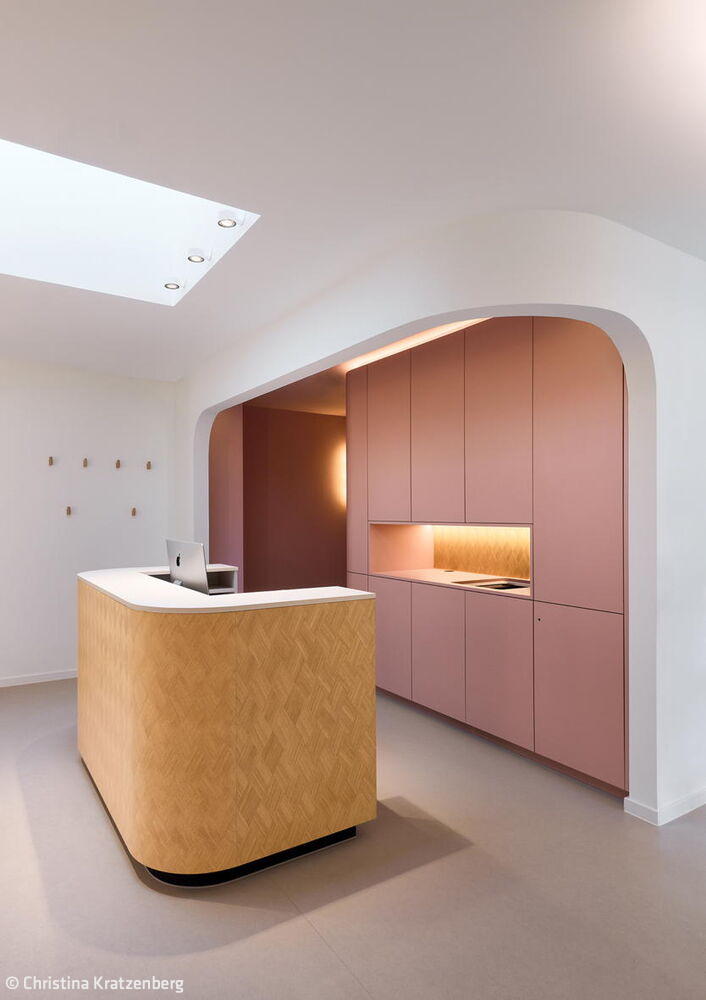
Design as wellness: how zoning, form, colour, and material create an inviting practice
Sustainable and human-centered
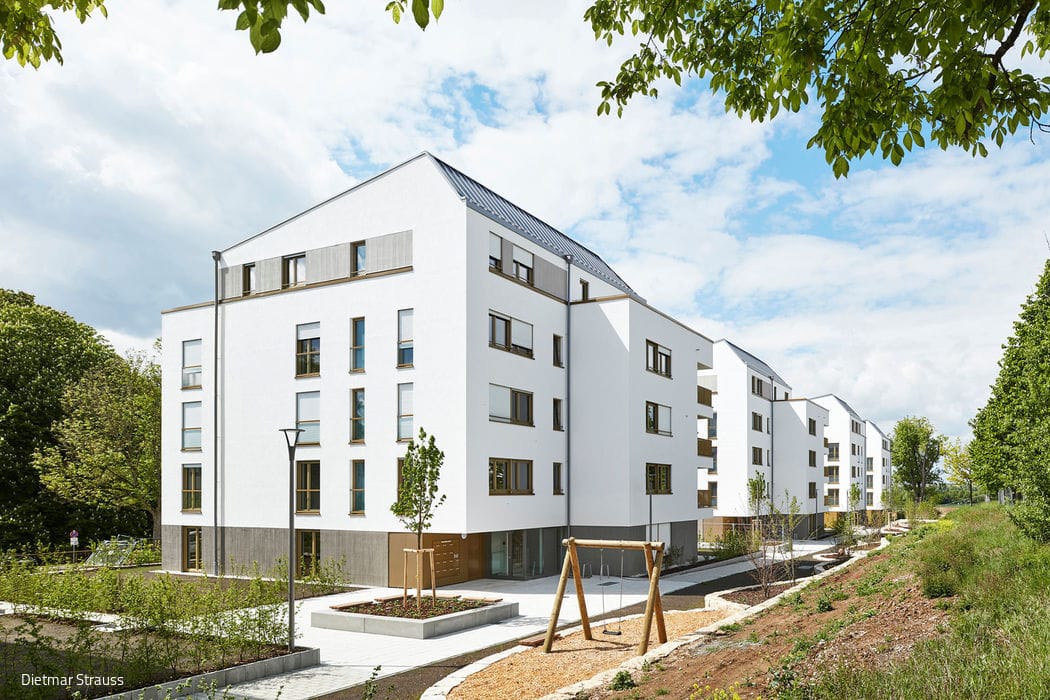
Developer Chooses Climate-Friendly Brick and Innovative "Fair Housing" Model
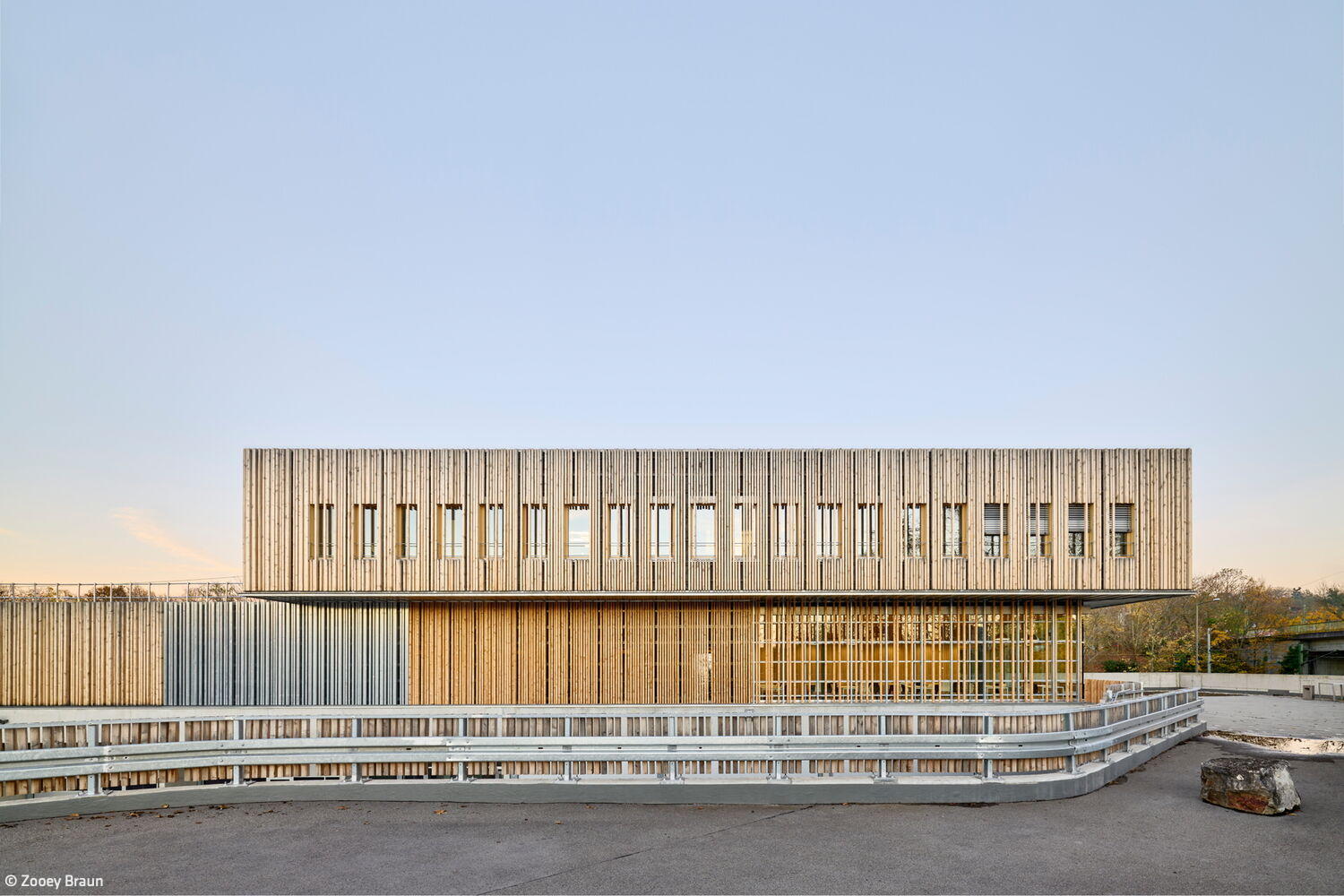
Integrated Design
A "Garden Wall" Unites the Depot's Diverse Functions
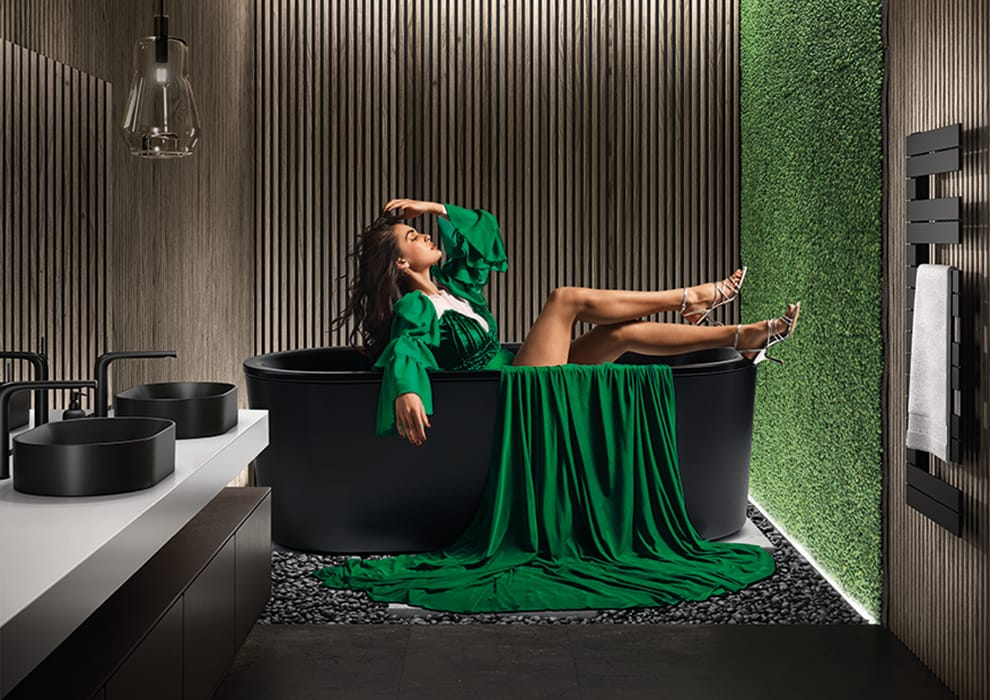
Express your individual style
Your Bathroom, Not Just a Bathroom—REISSER AG's New Campaign