


Cubic, Healthy, Sustainable
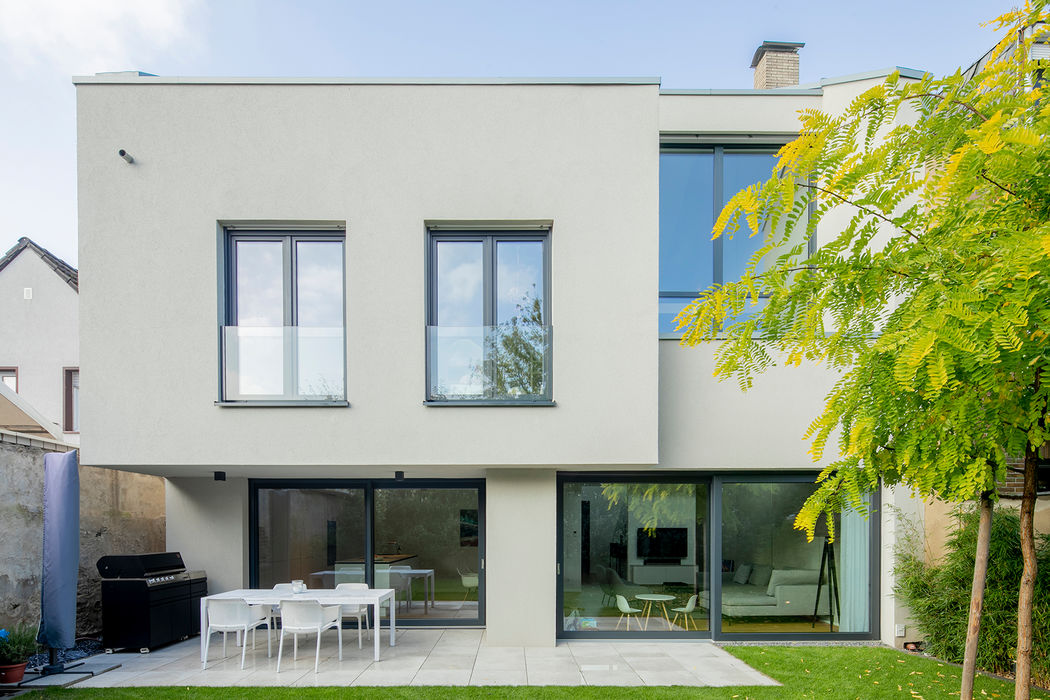
A passive house merges ecological responsibility, living comfort, and aesthetic appeal into one cohesive design.
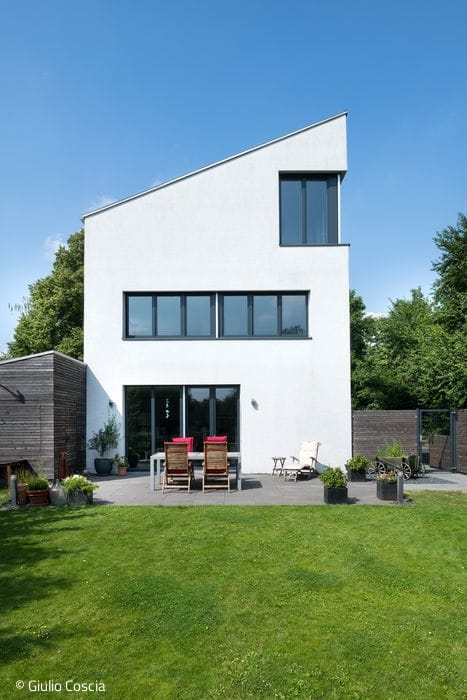
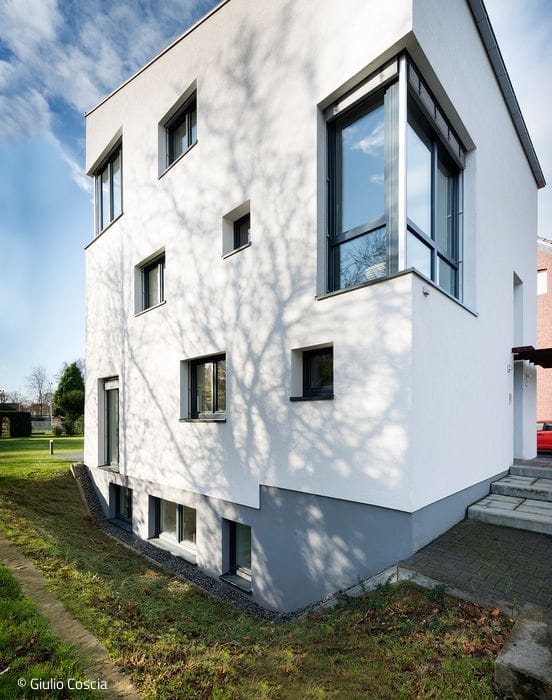
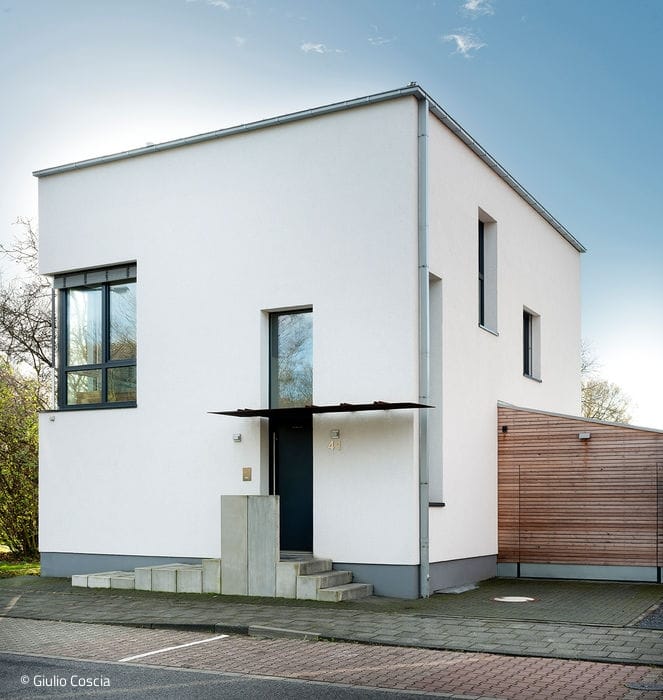
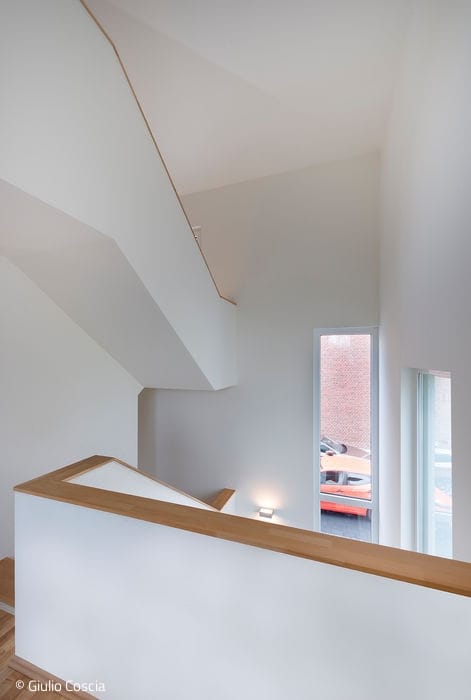
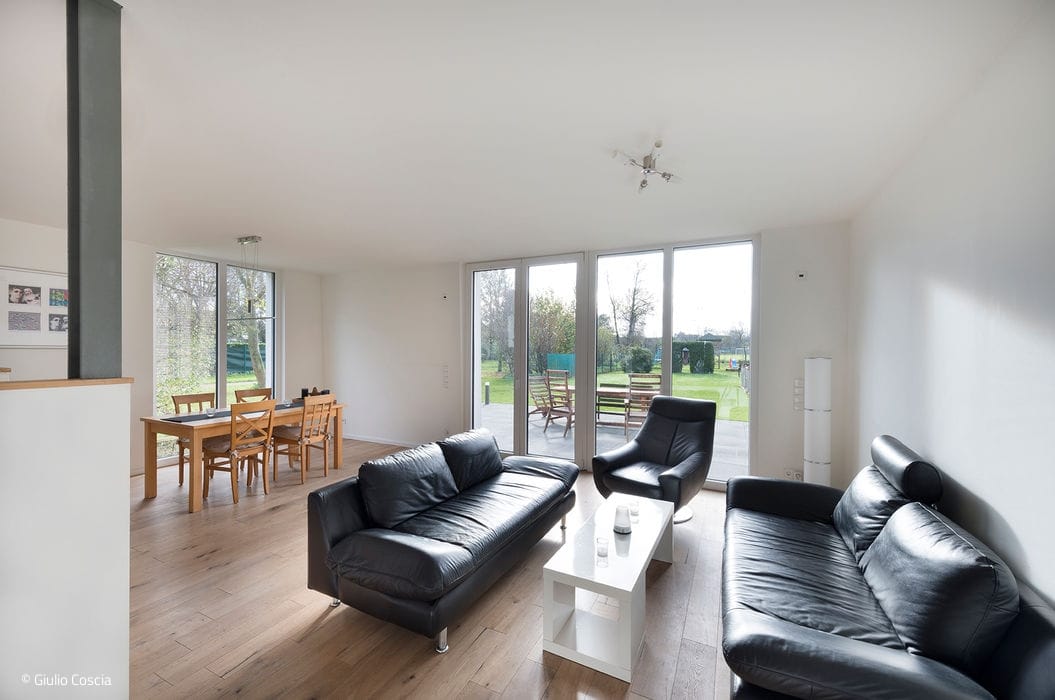
In the heart of Mönchengladbach-Bettrath, a family with two children sought to build their dream home—one that prioritized energy efficiency. After consulting with several architects, they chose bau grün!, the only firm that promised to seamlessly balance ecological and economic sustainability with the home's functional and aesthetic requirements. The architect's proposal to construct the building in timber frame (except the basement) with a plaster façade and wood fiber external thermal insulation initially sparked debate. Yet the advantages became clear: prefabrication would accelerate construction, ensure precision, create a pleasant living environment, and significantly reduce the carbon footprint. All exterior and interior walls, ceilings, and the roof structure above the basement were built from locally sourced pine and spruce. Designed as a passive house, the building achieves its energy performance through 42 cm of cellulose blow-in insulation, wood fiber insulation, and triple-glazed passive house windows—providing excellent thermal performance and airtightness. The minimal energy loss meant a conventional heating system wasn't necessary; underfloor heating alone covers base needs. A brine-water heat pump handles hot water and supplementary heating. A central ventilation system with building management controls delivers active and passive heat recovery while maintaining a healthy indoor environment—particularly valuable since one resident has dust allergies. The home's 147 m² feels surprisingly spacious: the ground floor flows from an entrance through a compact living, dining, and kitchen area into an open stairwell. Upstairs, the children's floor features a private bathroom and open play area with a gallery. The master suite sits directly under the roof with bathroom and dressing room.
(Featured in CUBE Düsseldorf 03|19)
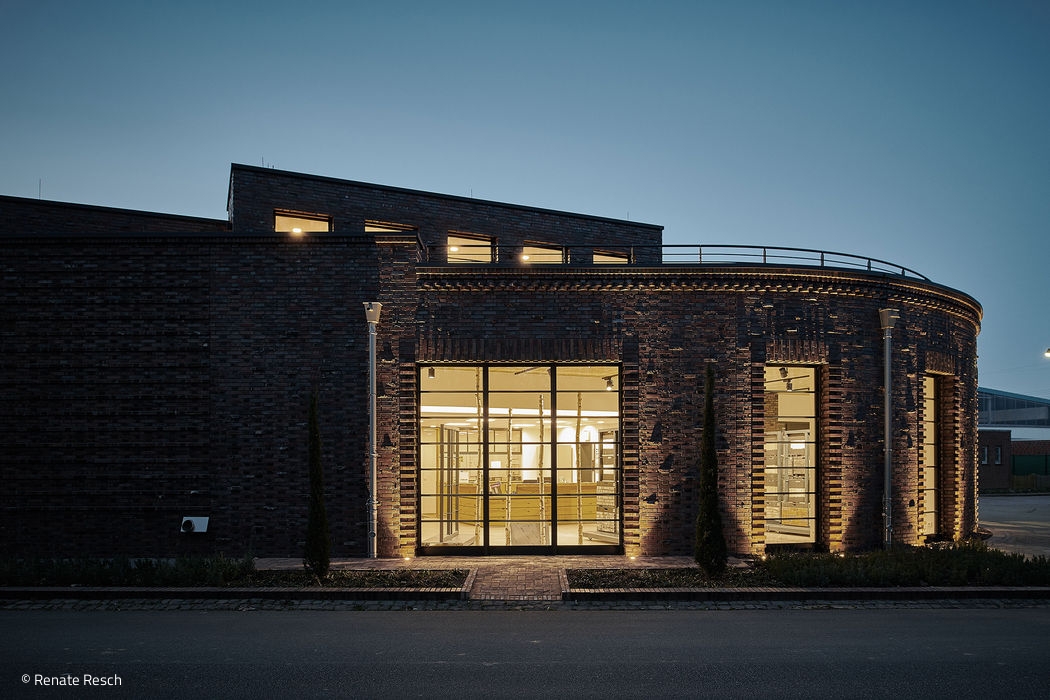
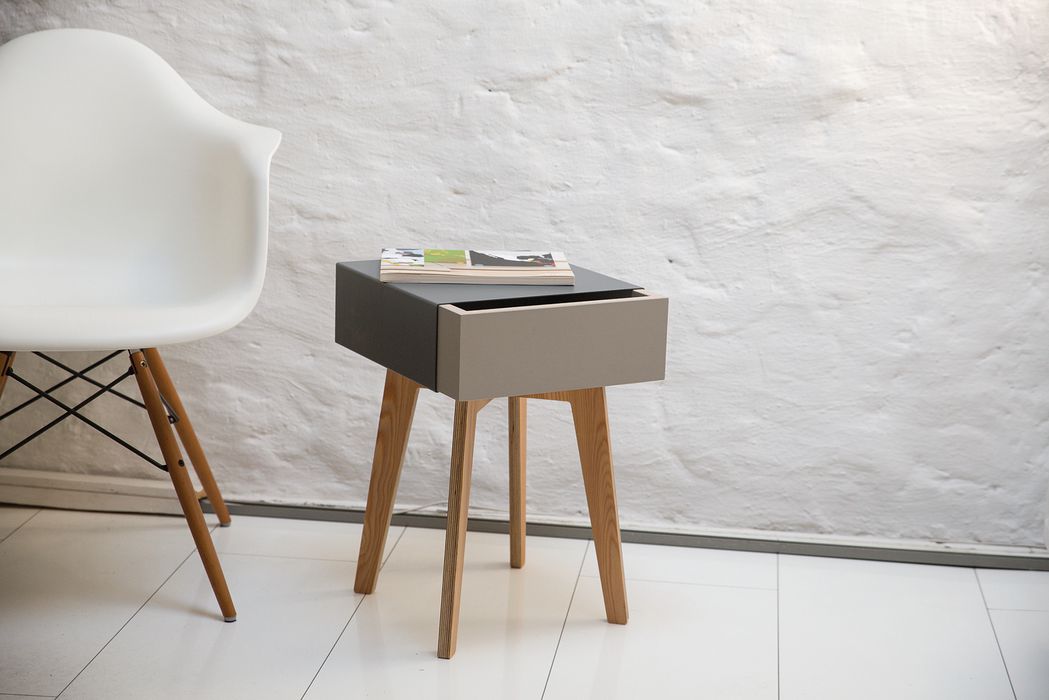
Design for Daily Living
Christian Lessing designs furniture and products—from concept to market-ready production.

Clean Lines, Timeless Elegance
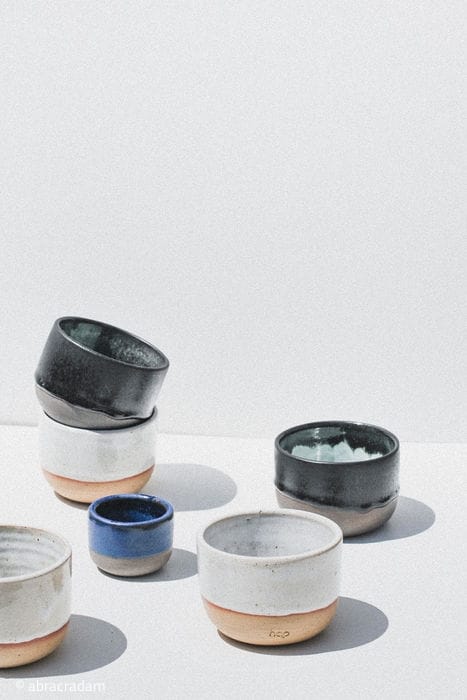
Tanja Branisavljevic creates contemporary ceramics
Distinctive Design
In her designs, Hoffmann deliberately contrasts smooth surfaces with raw, textured ones.
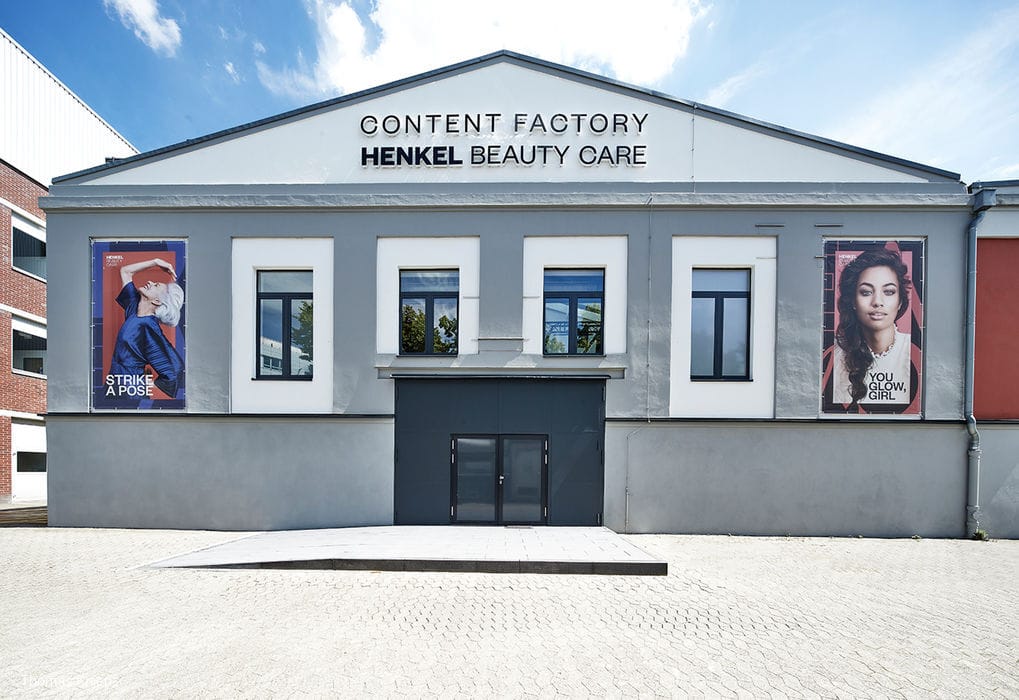
The Content Forge
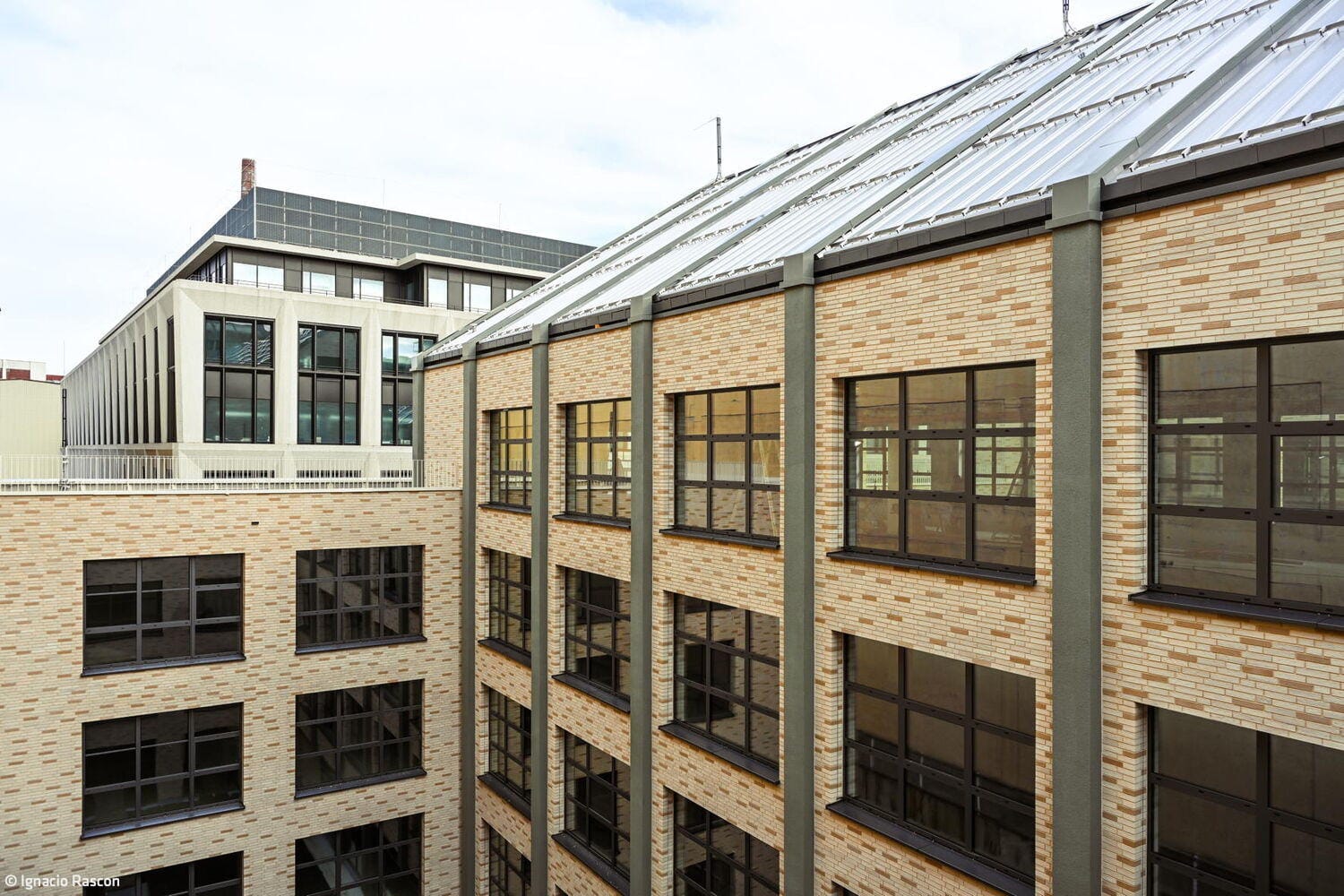
A former warehouse building in Reisholz becomes Henkel's creative studio