


A Piece of Neighborhood History
Drawing inspiration from the district's historic brick architecture, Bahners opted to rebuild the site as a seven-unit residential building.
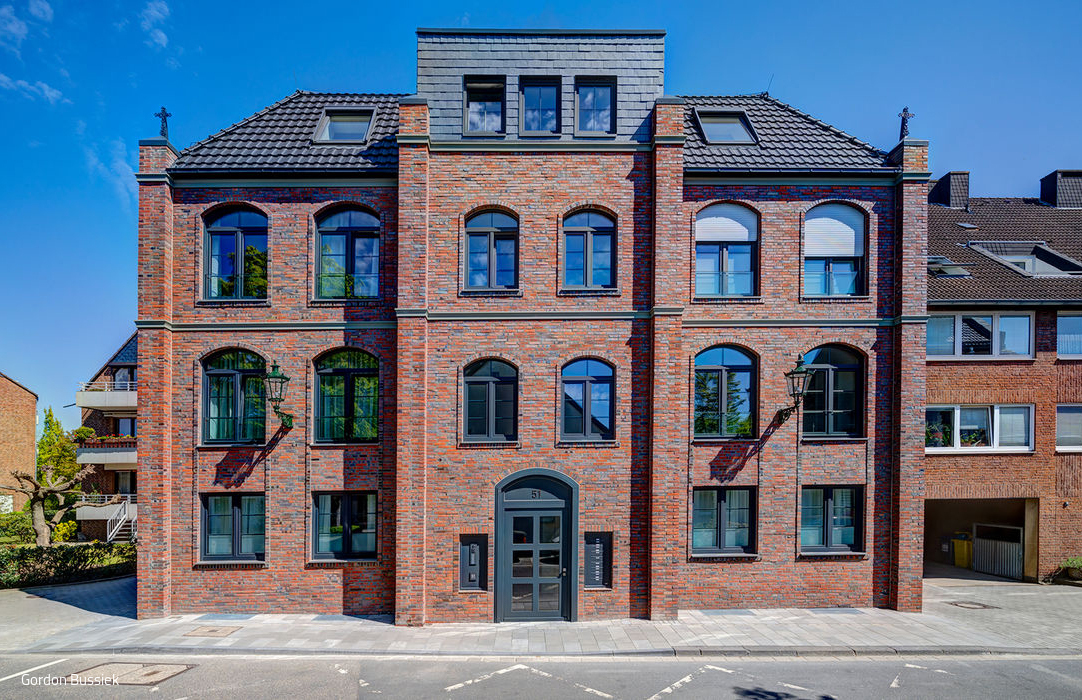
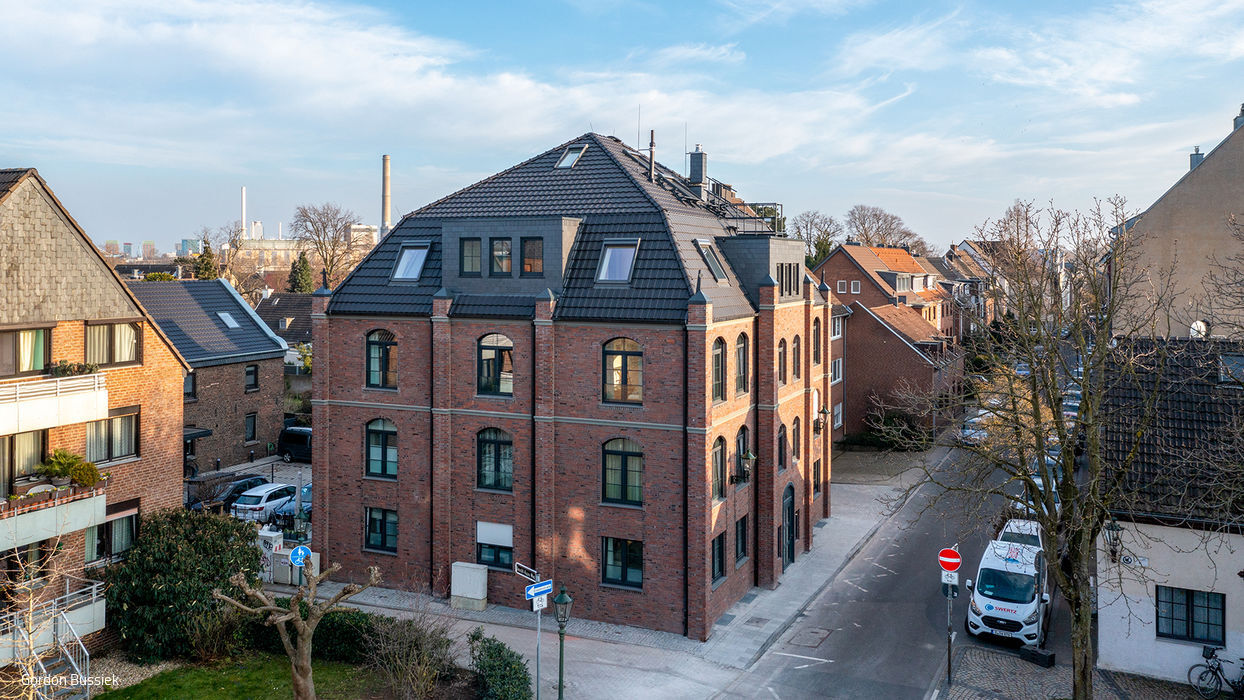
"Greetings from Heerdt" reads a postcard from nearly a century ago. Featured on it is the former Heerdt Town Hall—a commanding, dignified structure that once served as the civic hub for the left-bank Rhine community. Though the building was torn down in 1929, it continues to embody the neighborhood's identity. This heritage inspired Andreas Bahners, a lifelong Heerdt resident and civic-minded entrepreneur like his entire family, to undertake a meaningful mission: together with his development company Bahners & Schmitz and architect Klobusch, he set out to restore a vital piece of the district's story—for the neighborhood and its residents.
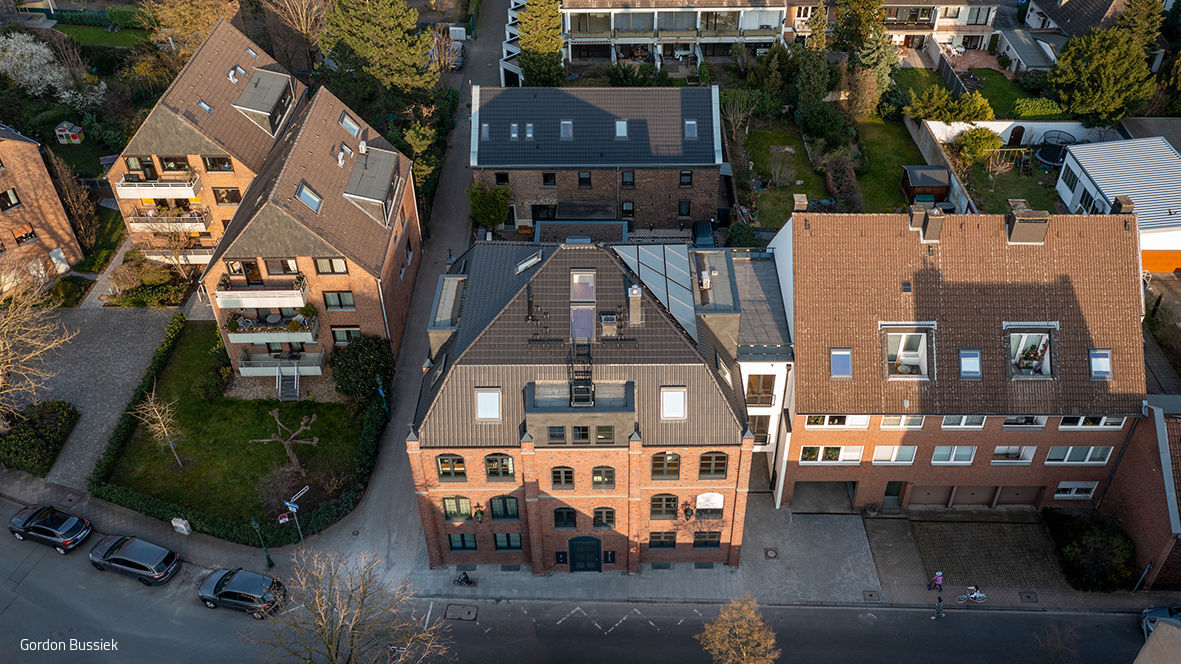
Honoring the area's historic brick character, Bahners chose to rebuild as a seven-unit residential complex. While the original site on the vibrant Nikolaus-Knopp-Platz—named for a former mayor—now hosts an striking kinetic sculpture by artist Jörg Wiele, an equally promising location emerged nearby: the former village square at the generous intersection of Alt-Heerdt and Pestalozzistraße. Even today, this plaza-like space radiates an openness that stands apart from the narrow lanes that otherwise define the historic core.
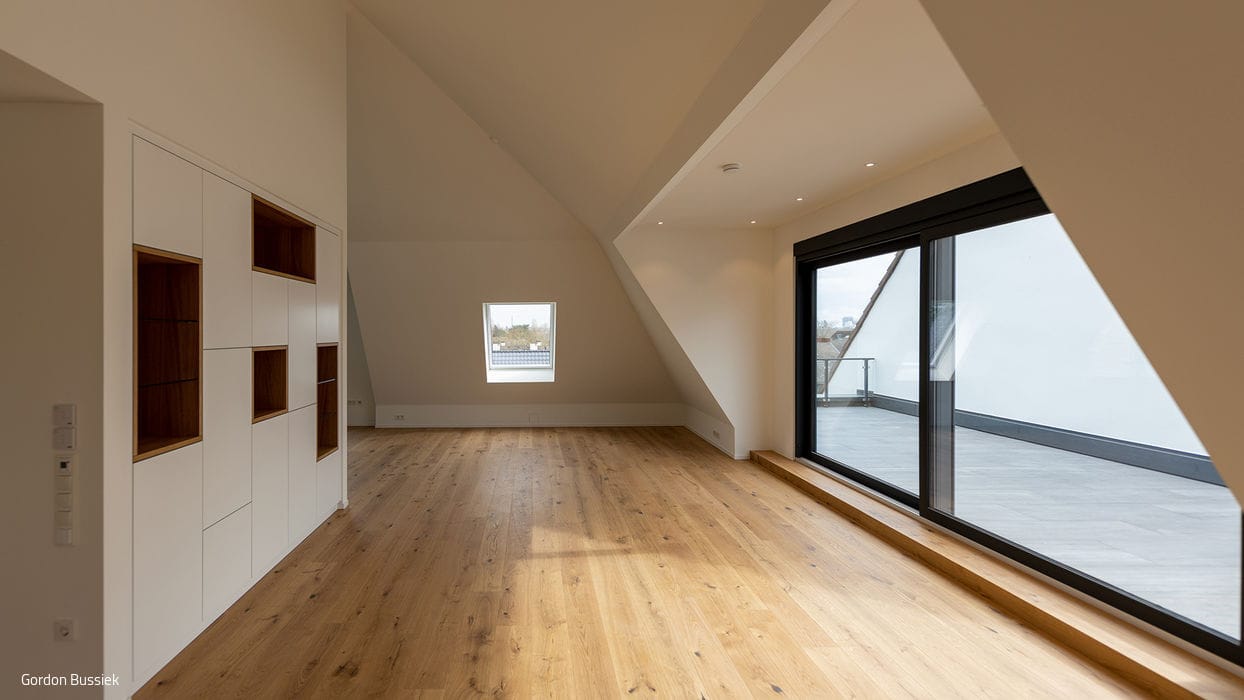
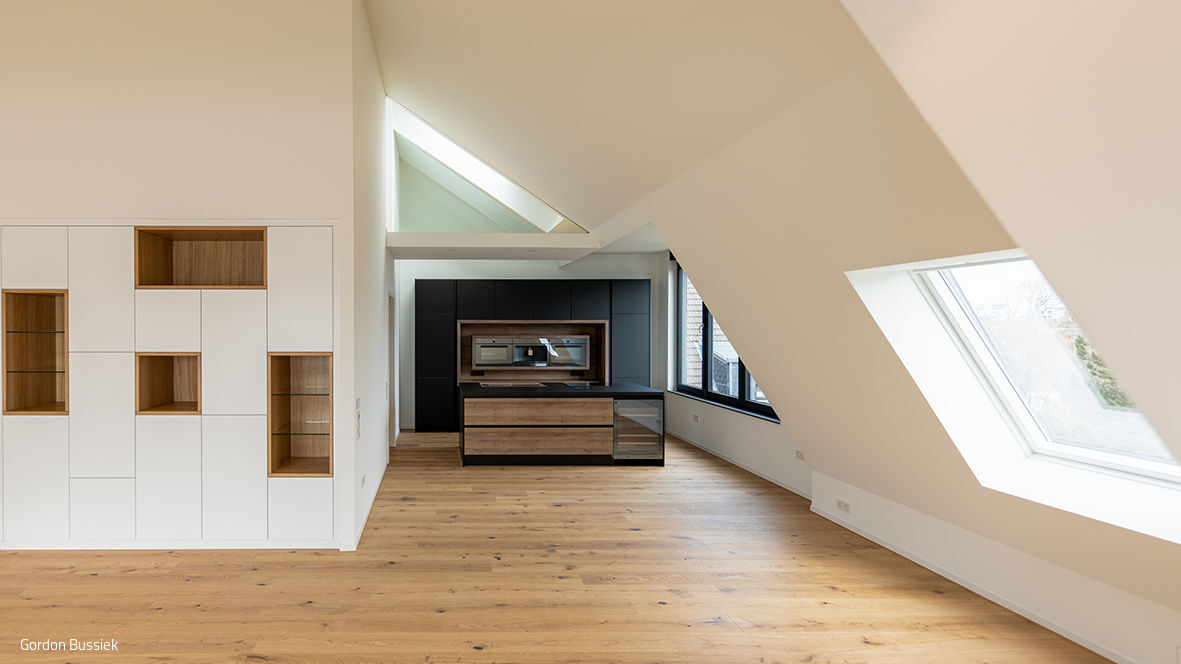
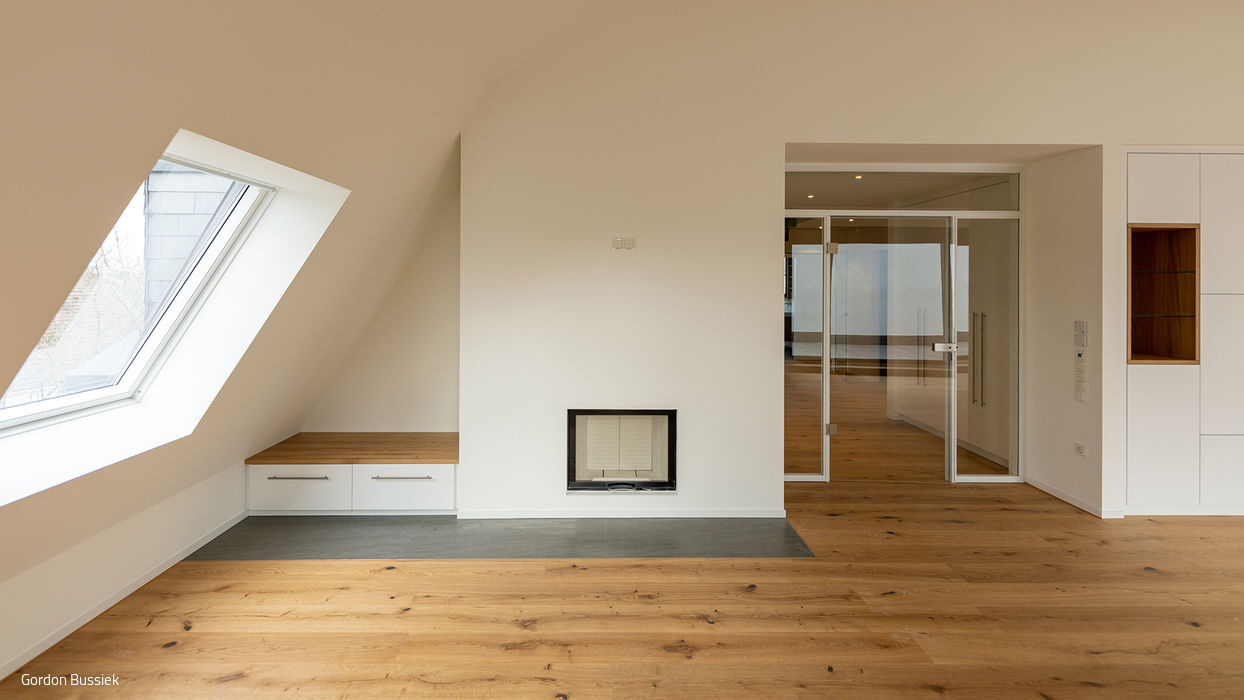
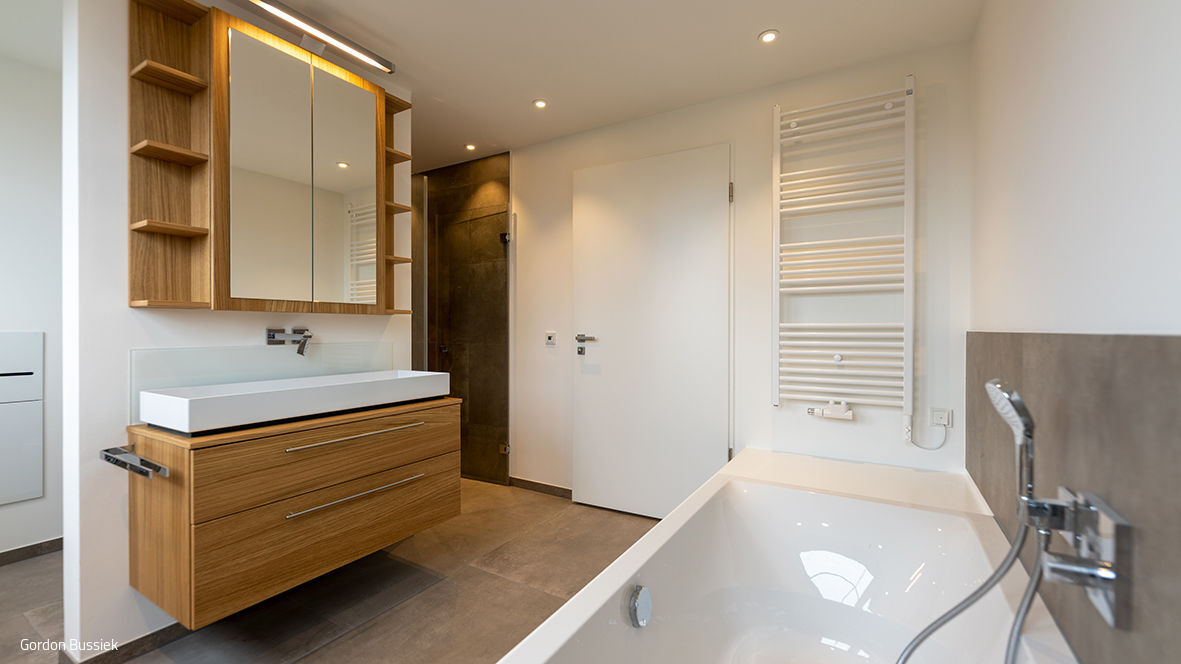
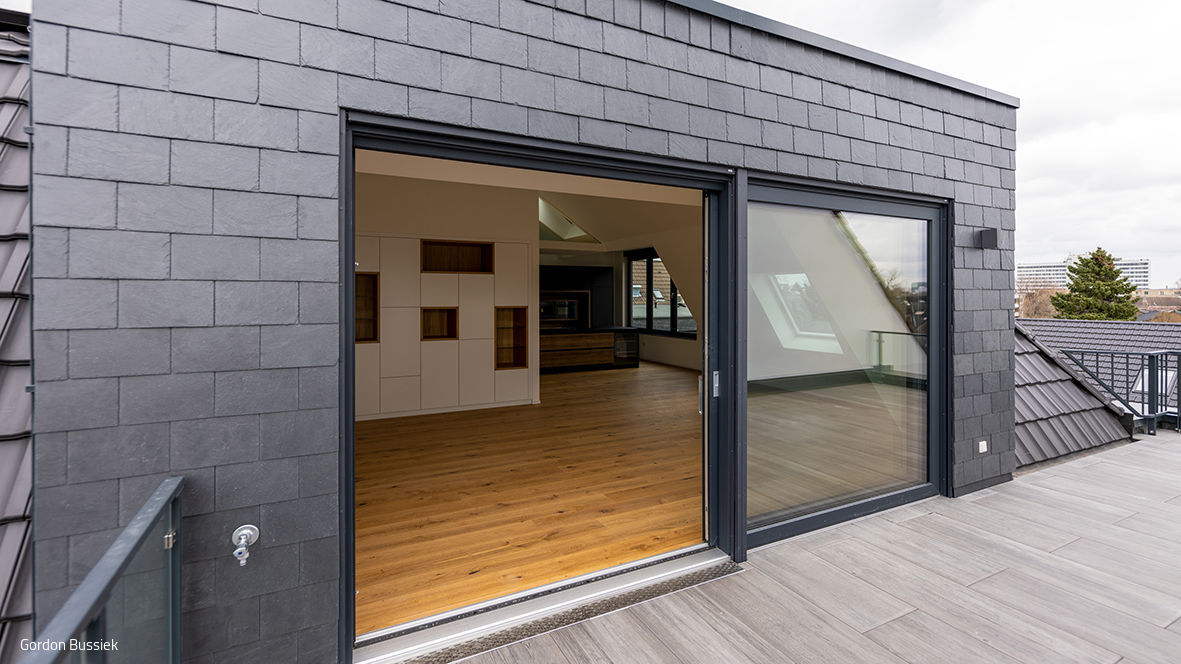
The façade was composed stone by stone, much like its historic predecessor: rounded arches, pilasters, portals, and ornamental crosses create rhythm, detail, and visual emphasis. Inside, the apartments marry contemporary design with understated elegance—white walls and ceilings paired with wild oak parquet establish the palette. Bathrooms feature large-format tiles in warm earth and anthracite tones. High-quality cabinetry in white and natural wood creates visual coherence throughout. Every unit includes a modern fitted kitchen with natural stone countertops. Generously proportioned windows flood the spaces with light, complementing the bright interiors. The penthouse—a hidden gem at the top—offers its own roof terrace and a breathtaking view across the Rhine to Düsseldorf's skyline. The building settles seamlessly into its urban context. This success stems from a thoughtful design strategy: respecting the historic façade's character while fully embracing contemporary living standards.
www.klobusch.de
www.bahners-schmitz.com
Photography Credits:
Gordon Bussiek
www.gordonbussiek.de
(Published in CUBE Düsseldorf 02|21)

Remove Walls, Bring in Light
Comprehensive renovations turn a semi-detached dwelling into a spacious single-family home.

Housing First Düsseldorf
Unhoused people receive a new home without preconditions
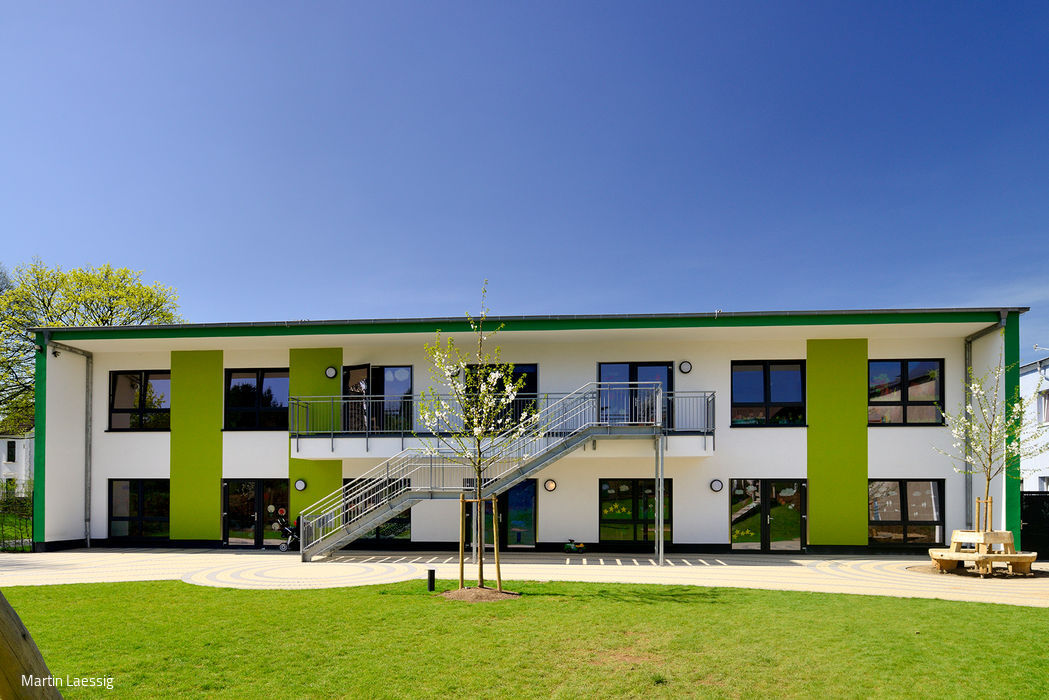
Kindergarten as Desired
Stadtwerke Solingen brought its distinctive childcare vision to life through modular construction.
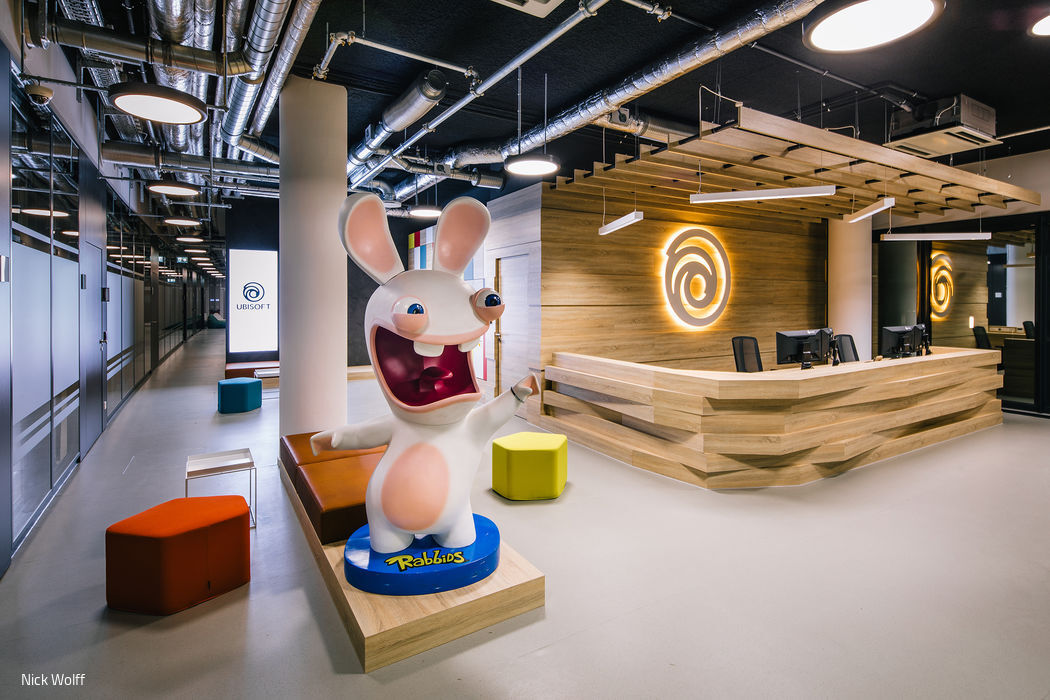
Creative new work
A game developer's headquarters that leaves nothing out—this Flingern-Nord location delivers every space imaginable.