


Research at Living Rivers
A New Water Engineering Lab Embraces Sustainability
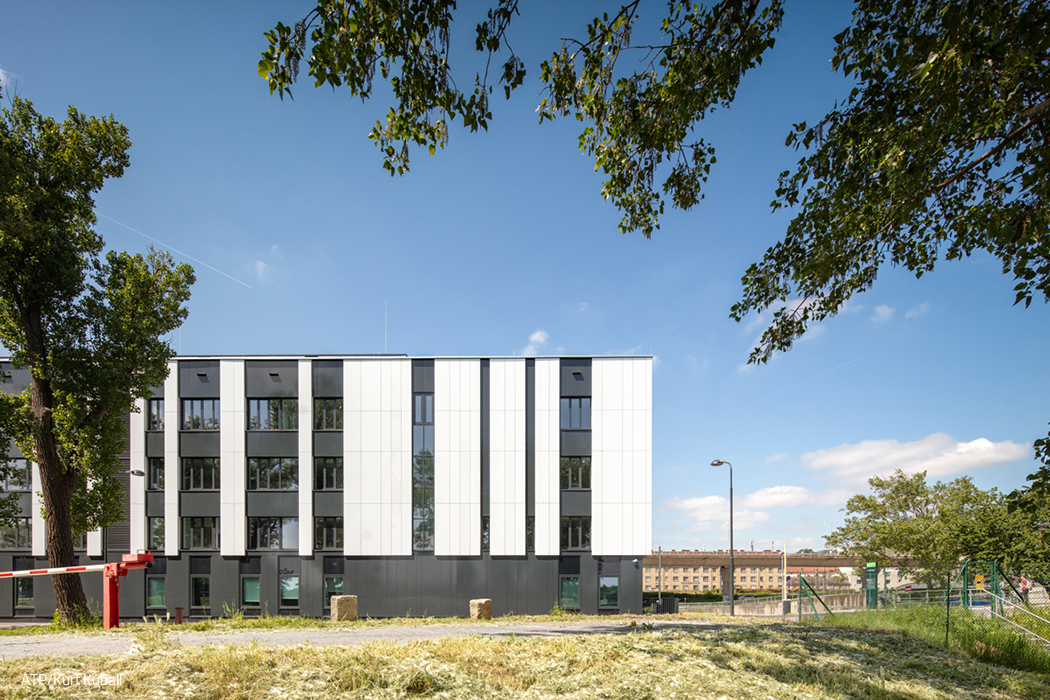
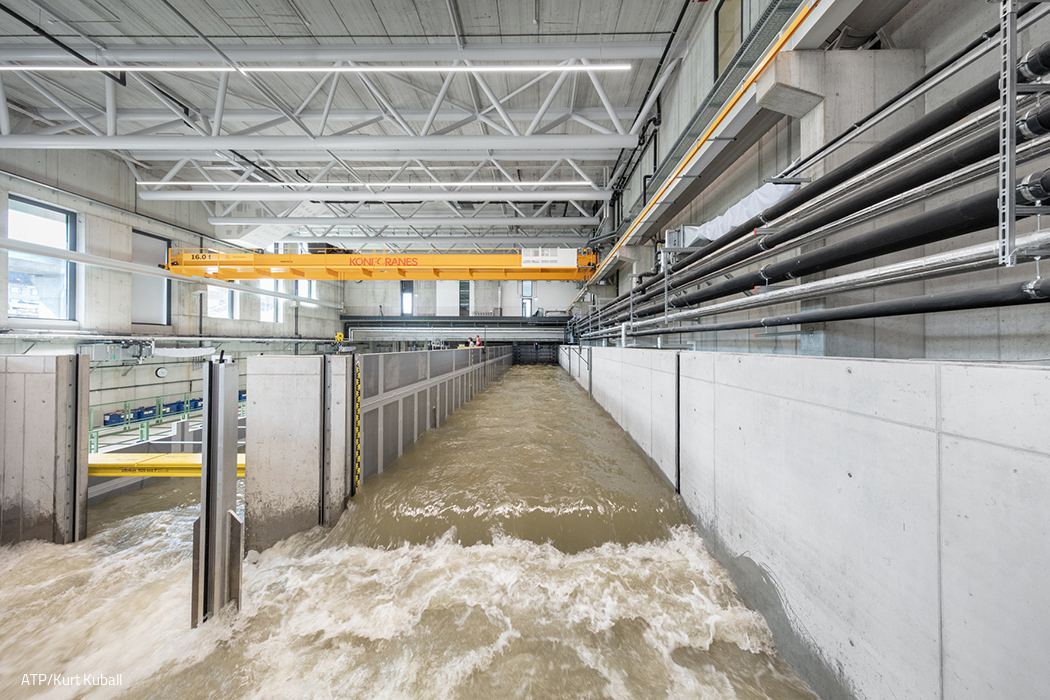
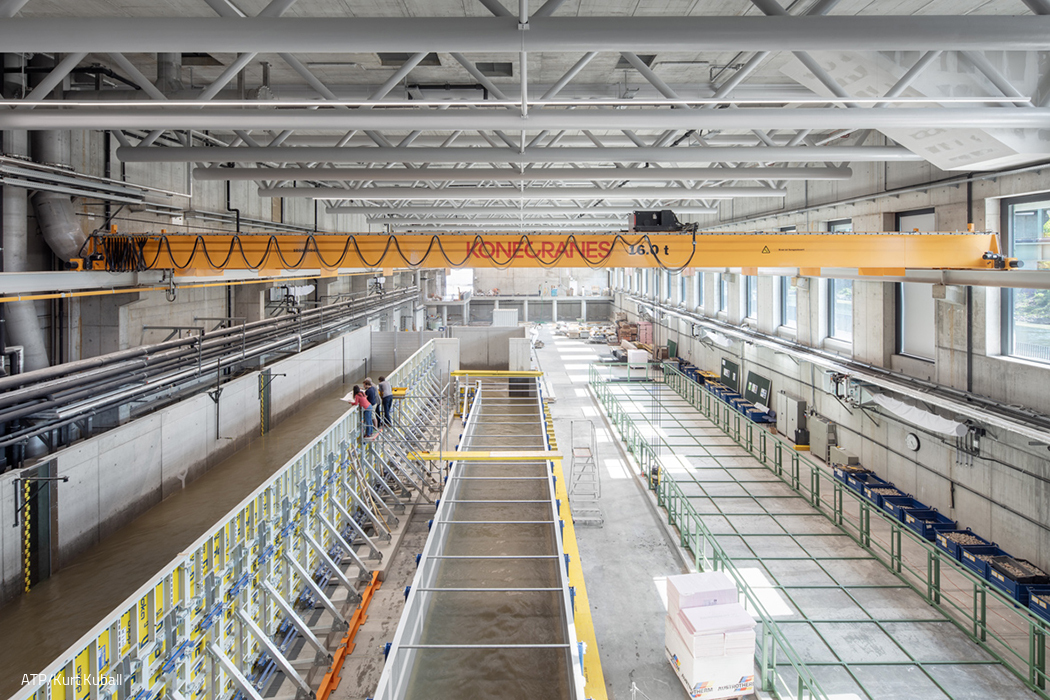
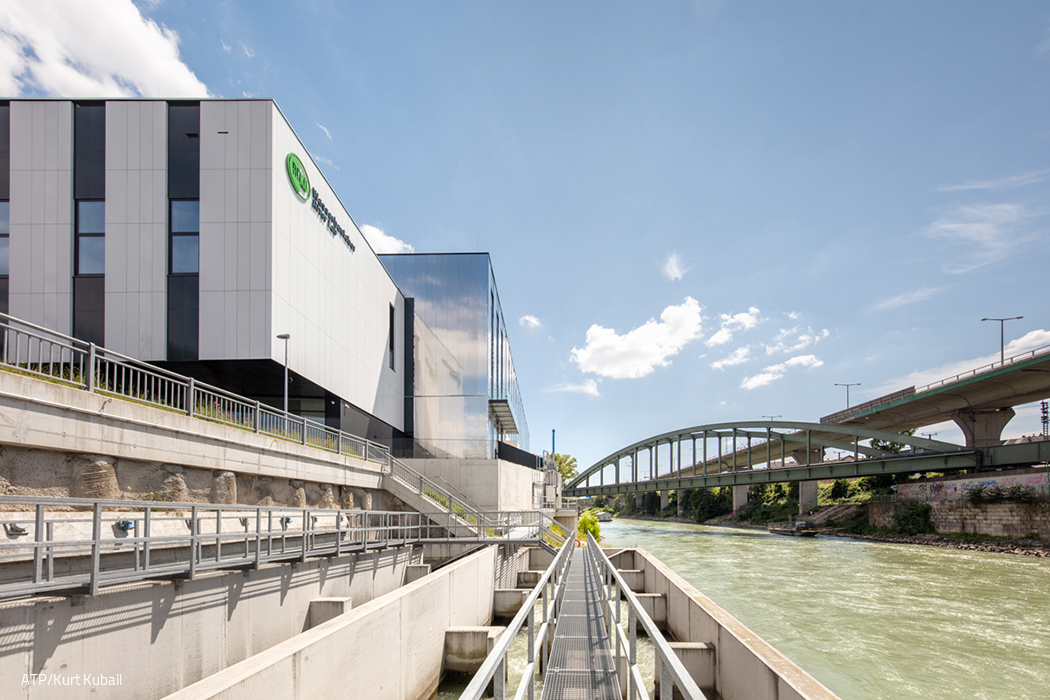
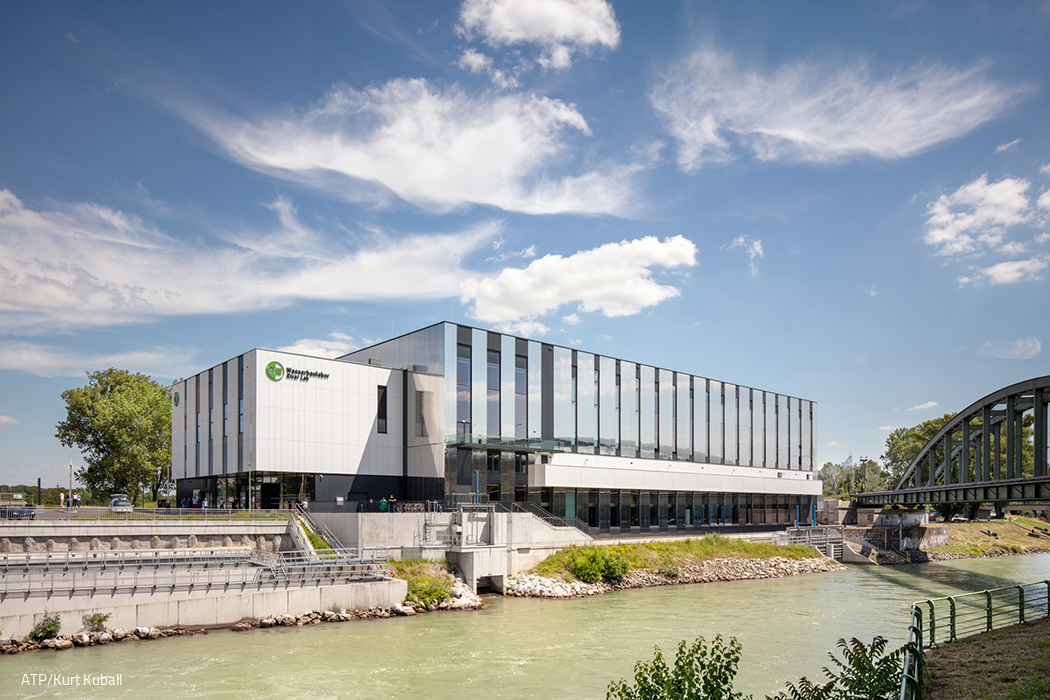
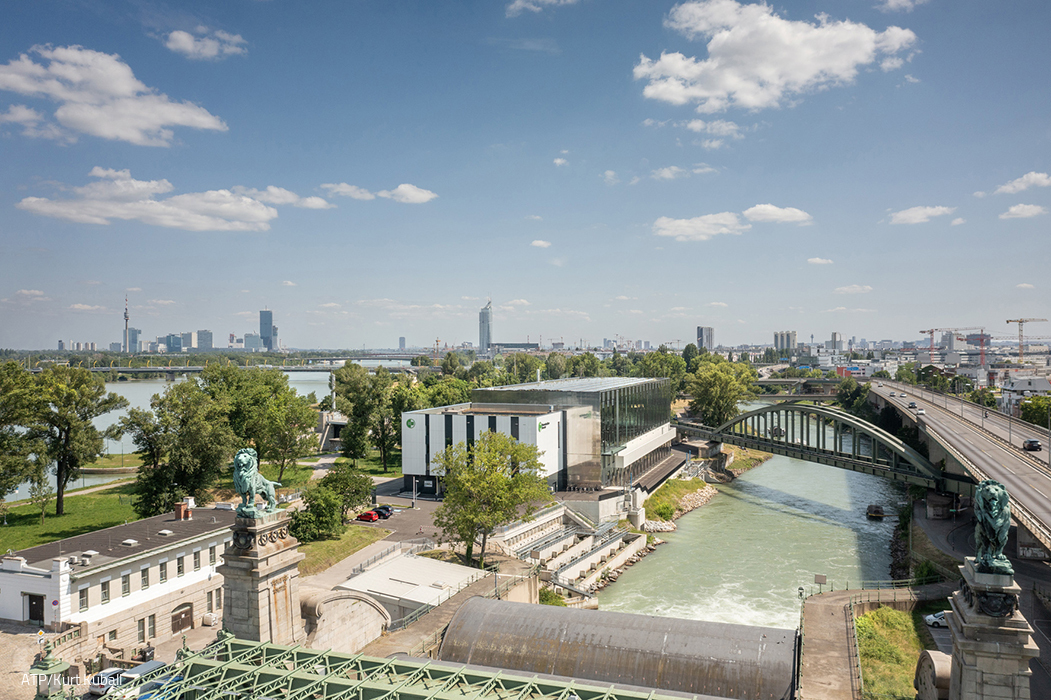
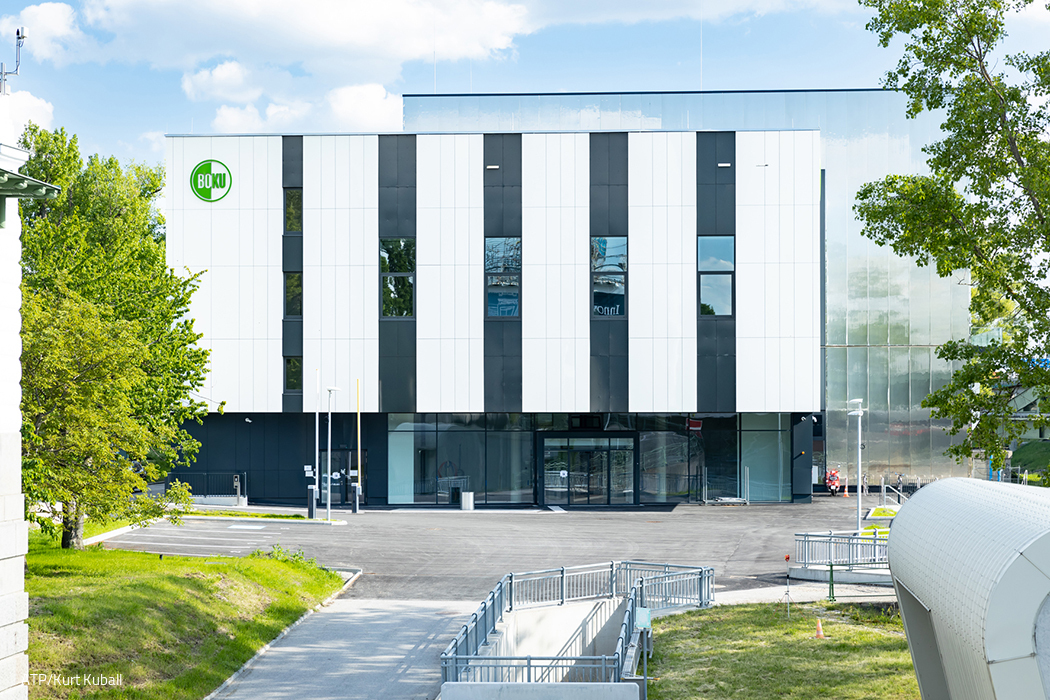
Ten thousand liters of Danube water flow through a 90-meter-long, 25-meter-wide artificial channel every second—gravity alone, no pumps required. These are ideal conditions for advancing our understanding of water systems, including full-scale model experiments. And that's precisely what the new Hydraulic Engineering Laboratory at the University of Natural Resources and Life Sciences (BOKU) in Vienna's 20th district makes possible. Researchers here can tackle pressing questions: flood risk management, river restoration, sustainable hydropower—just to name a few. With climate change bringing both extreme rainfall and prolonged droughts, this research has never been more urgent. ATP Architekten Ingenieure, an integrated planning firm, designed the facility in collaboration with iC Consulenten.
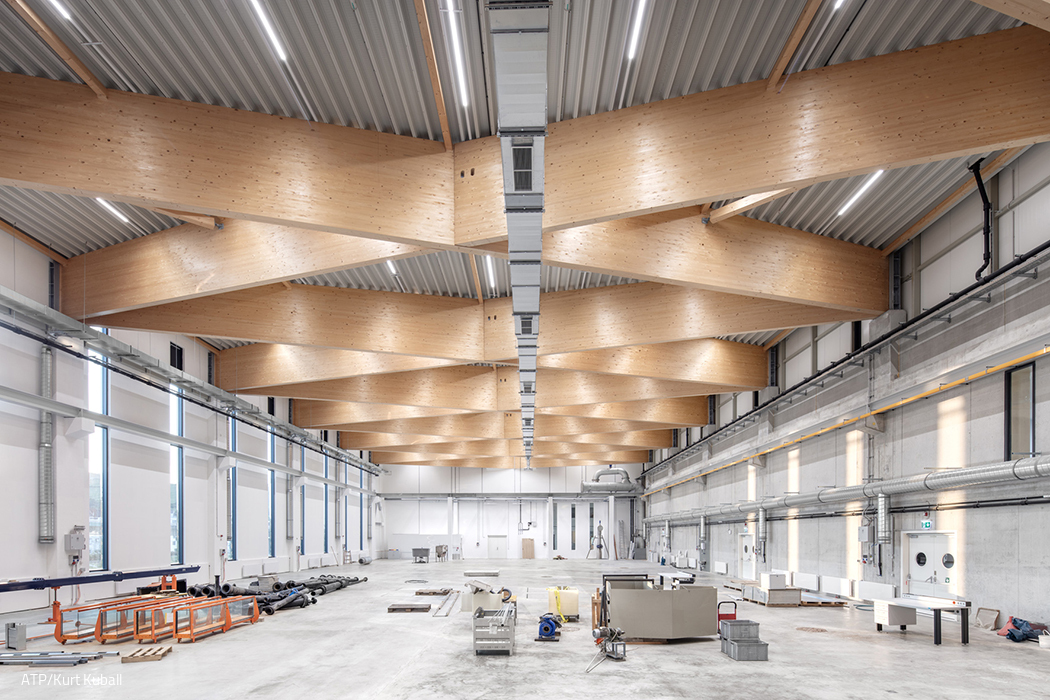
The water engineering laboratory spans 12,300 m² and will serve as a hub for both foundational and applied research. The facility accommodates around two hundred students across a lecture hall and seminar rooms, with additional meeting spaces, a library, and one hundred office workstations distributed across three floors of the office wing. Beyond serving the university's institutes, the facility also supports the Federal Office for Water Management. The centerpiece, however, is its comprehensive laboratory infrastructure—notably two expansive lab spaces designed for large-scale experimentation.
Climate research meets sustainability in action here. That commitment is woven throughout the new laboratory's design. The building was strategically sited on previously developed land—eliminating the need for new land conversion. A rooftop photovoltaic system powers the facility, while turbines and generators in the hydropower test rig will contribute additional energy. External sunshades, an intelligent façade system, and smart ventilation prevent summer overheating. The reversible heat pumps used for winter heating double as cooling systems in summer, drawing thermal energy from the canal's foundation and concrete structure. Beyond its walls, the facility connects seamlessly to public transport and cyclists alike, with EV charging stations—powered by those same solar panels—completing the picture. True environmental research means protecting the environment in every detail, every day.
Photography Credits:
ATP/Kurt Kuball
www.kurtkuball.com
(Published in CUBE Vienna 04|23)


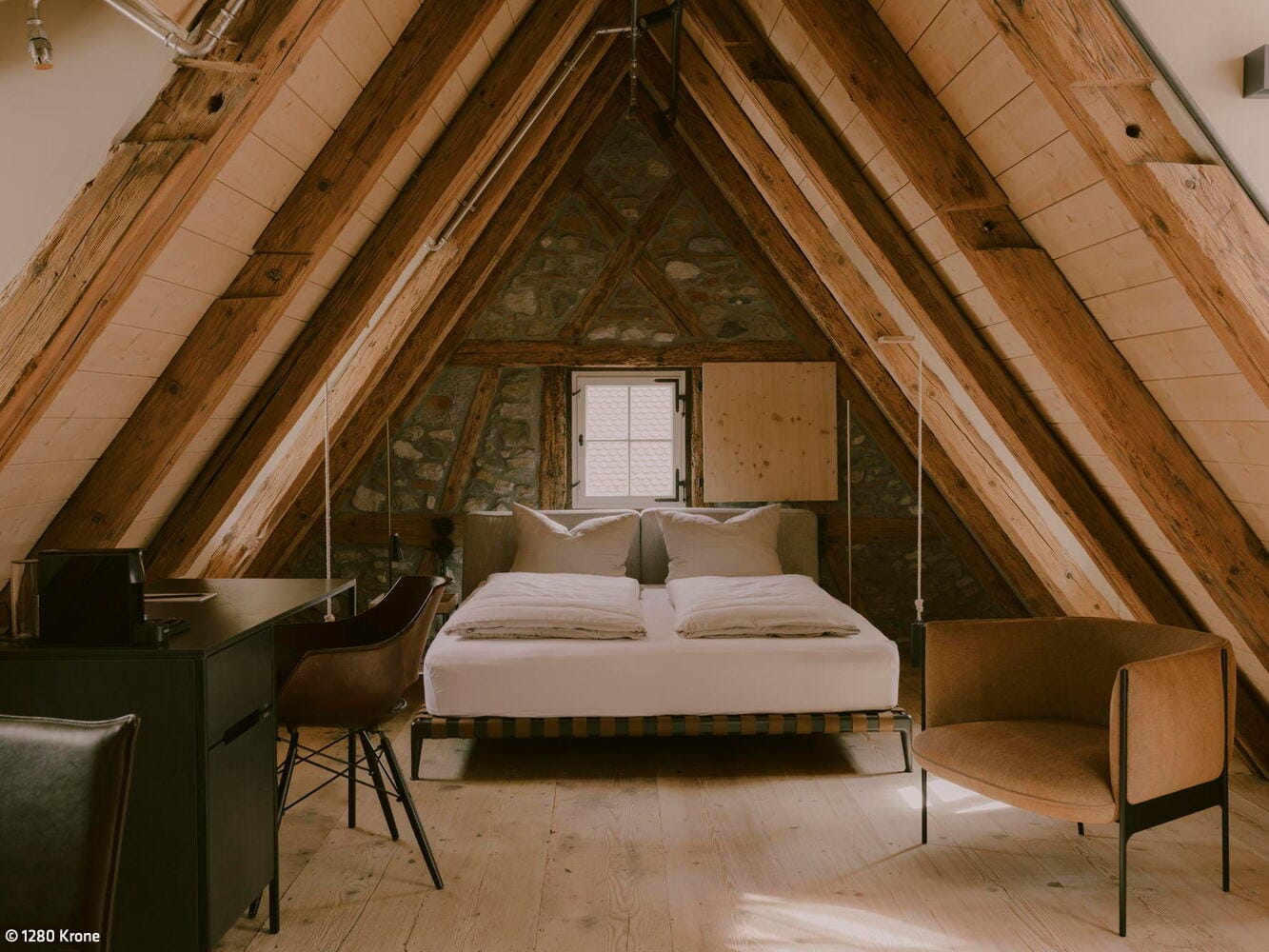
Historic Walls, Contemporary Vision
This striking new boutique hotel draws its heritage from 1280—a legacy reflected in its evocative name: 1280 Die Krone.
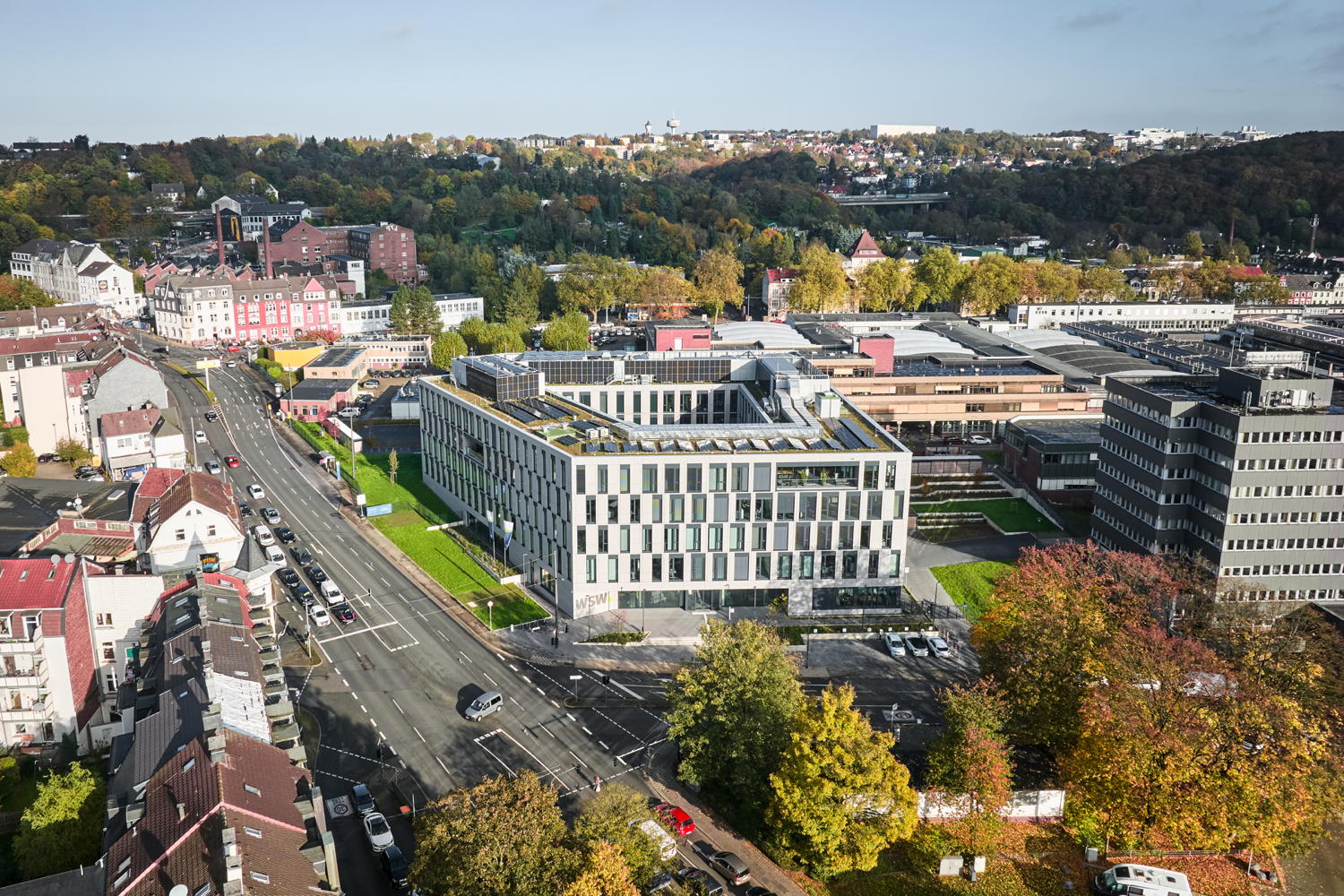
A Landmark for Wuppertal
Dekton Kovik by Cosentino adorns the façade of the new WSW headquarters at the city's gateway
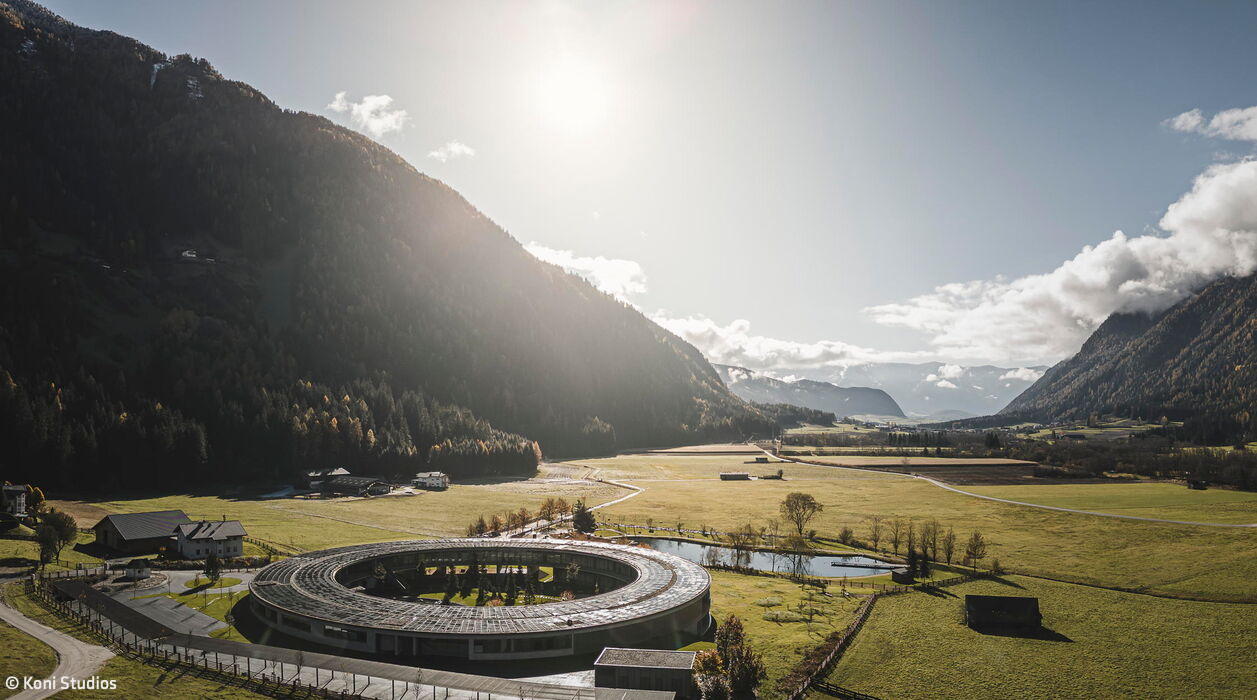
Mountain Retreat: Alpine Ambiance Awaits
The newly opened "Olm Nature Escape" is redefining South Tyrol's eco-hospitality scene with a bold vision...
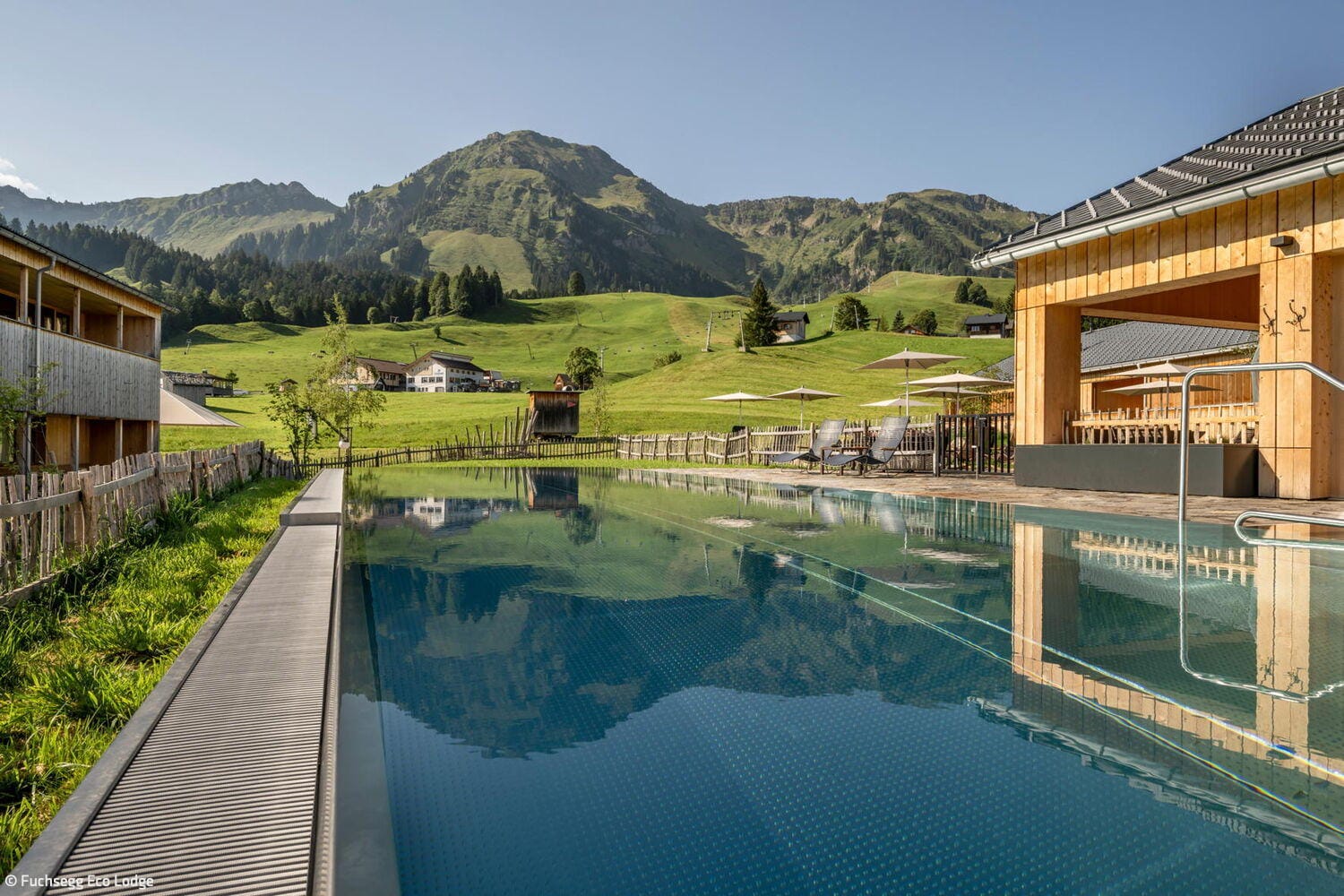
Harmony with Nature
The Fuchsegg Eco Lodge in the Bregenzerwald merges sustainable design with the healing power of regional materials and colours.