


Calming clarity
24 consultation and treatment rooms, five procedure suites, four waiting areas, bathing facilities, laboratory, research centre, and cosmetic institute
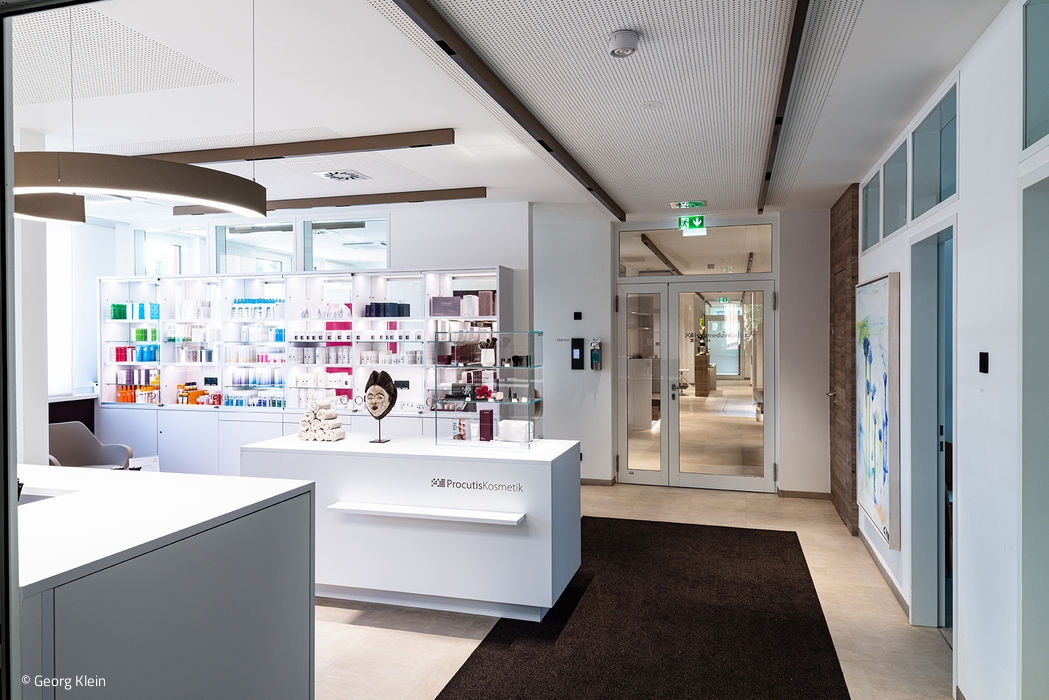
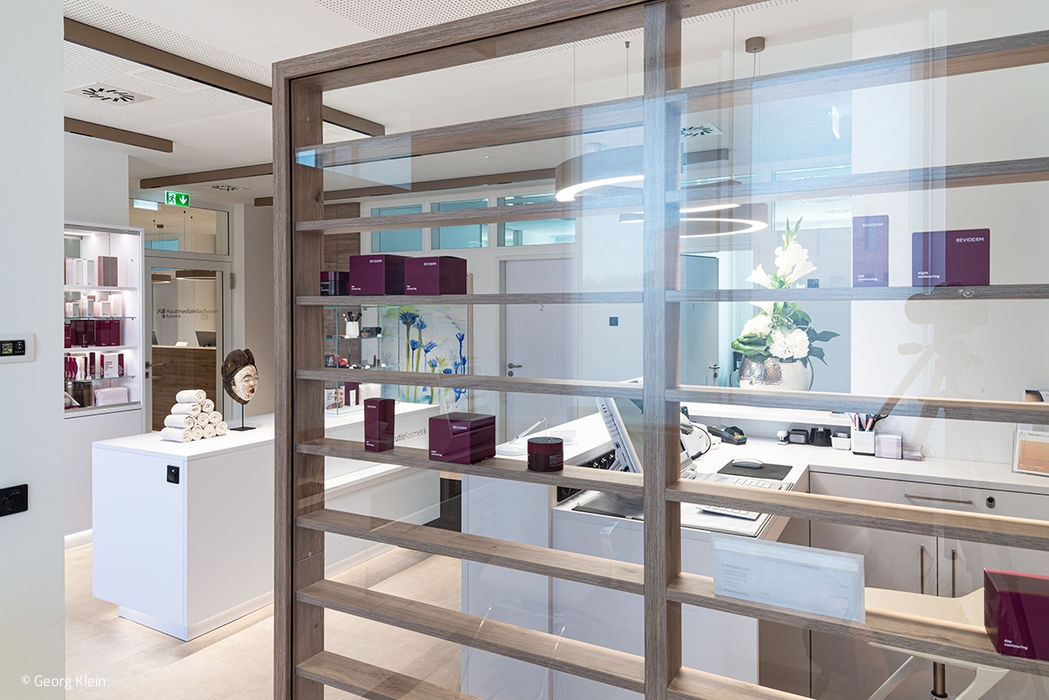
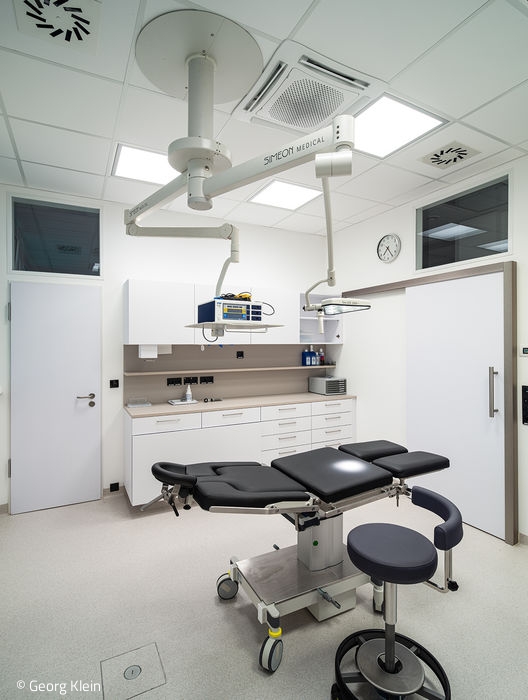
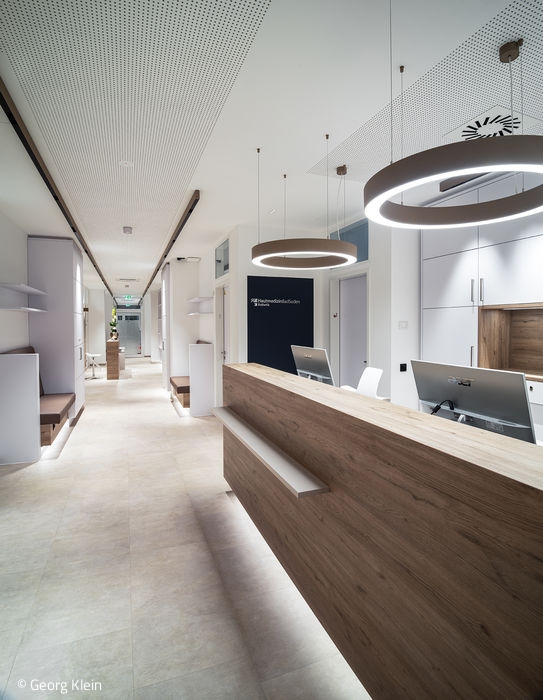
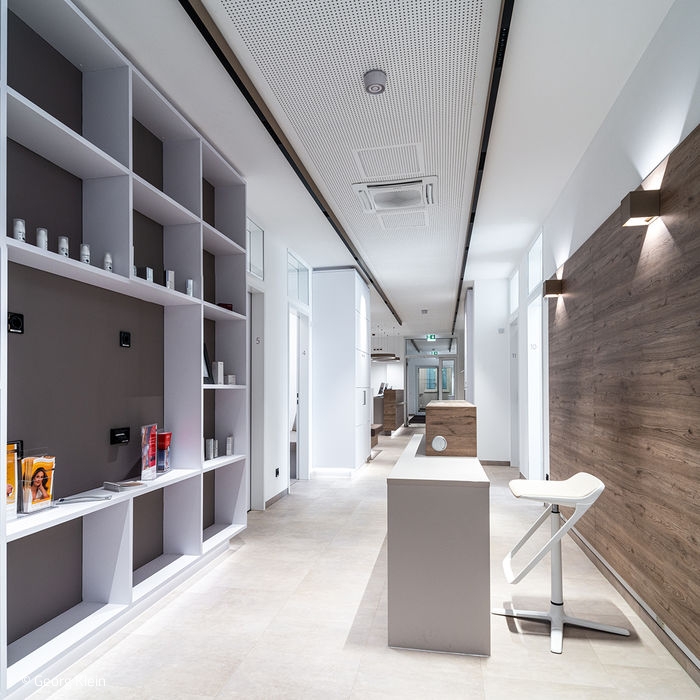
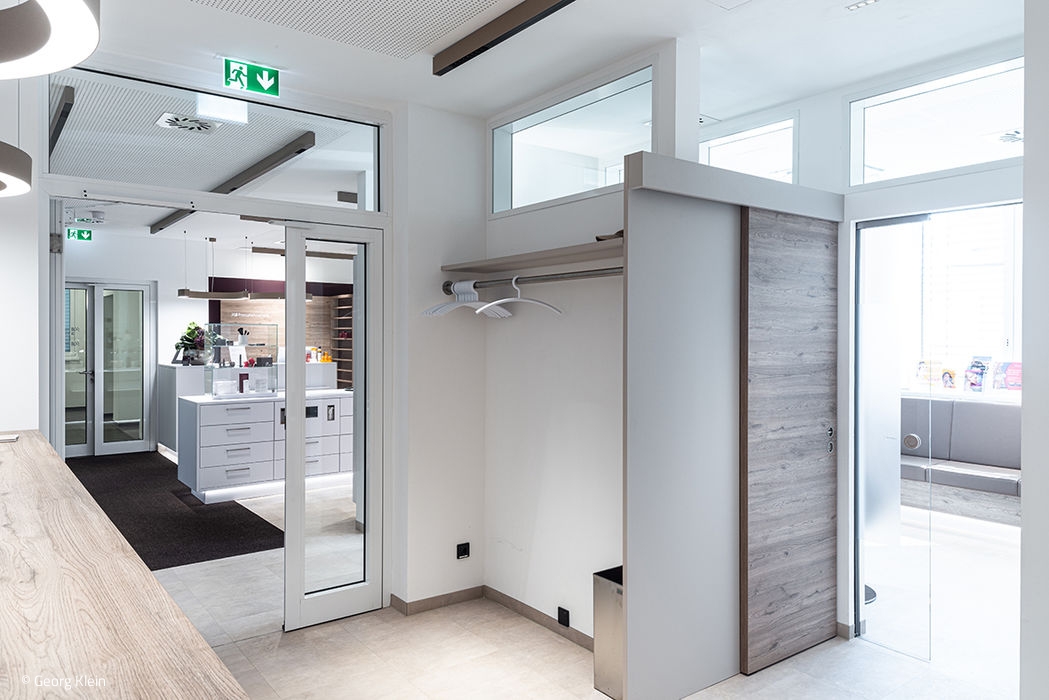
Die Hautmedizin Bad Soden ist eine der größten Hautarzteinrichtungen in Deutschland. 14 Ärzte und rund 80 Mitarbeiter arbeiten hier unter einem Dach. Neben der klassischen und ästhetischen Dermatologie, medizinischer Kosmetik und ambulanten Operationen führt das Unternehmen auch klinische Studien durch. Bis 2018 war es auf drei Standorte in Bad Soden verteilt. Seit dem Umzug in das neue Torhaus auf dem Gelände der Main-Taunus-Kliniken finden sich alle fachärztlichen Kompetenzen auf rund 1.300 m² und drei Etagen unter einem Dach.
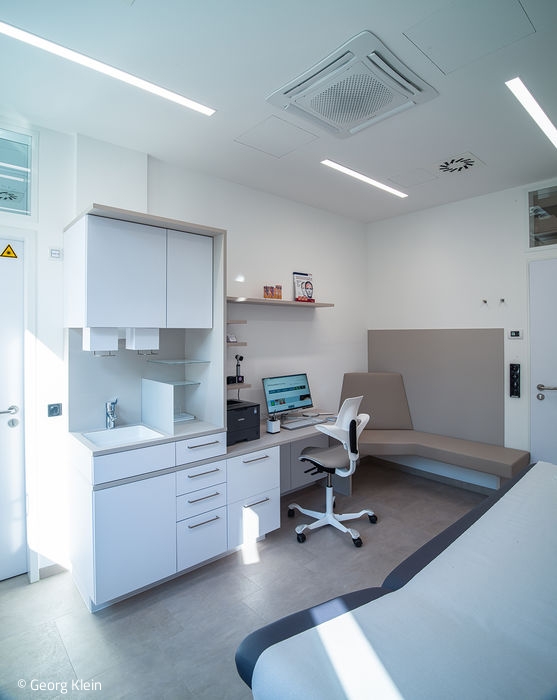
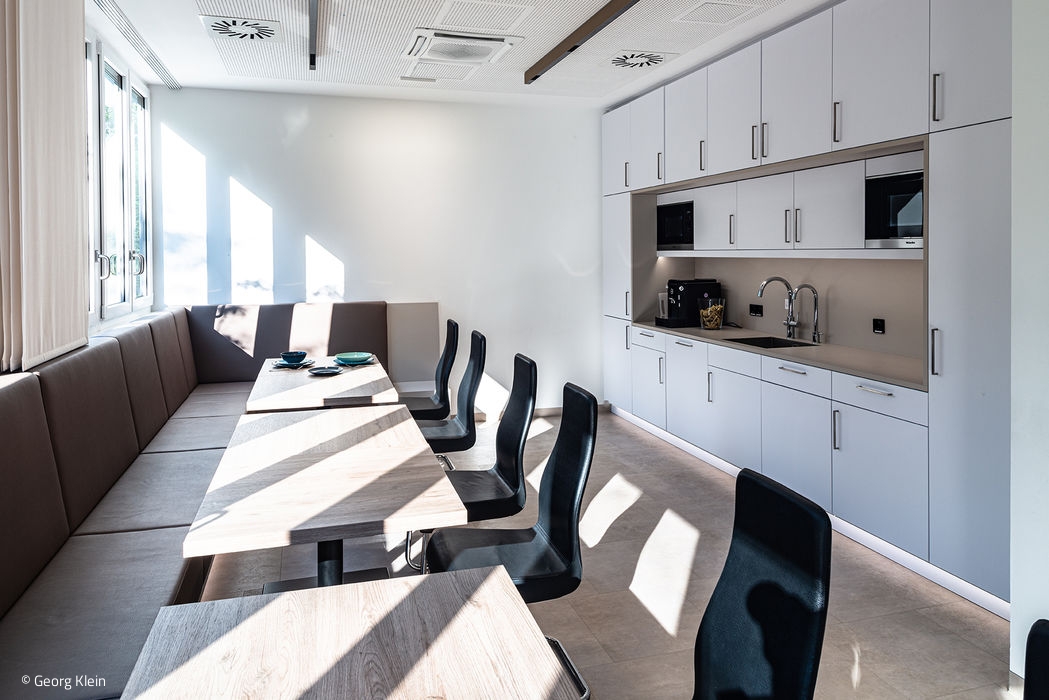
Damit die Patienten von kürzeren Wegen profitieren, die Kommunikation leichter wird und alle nötigen Geräte, Laser, Behandlungs- und Eingriffsräume ebenso effizient wie ansprechend angeordnet und eingerichtet werden konnten, brauchte es einen guten Plan. Verantwortlich für den Masterplan, der 24 Sprech- und Behandlungsräume, fünf Eingriffsräume, vier Wartezimmer, Badeabteilung, Labor, Studienzentrum und Kosmetikinstitut umfasst, ist das Bad Homburger Büro AT Atelier Tappeiner. Auch wenn auf den drei Etagen zahlreiche und sehr unterschiedliche Nutzungsbereiche untergebracht wurden, hat die Architektin Margit Tappeiner auf eine einheitliche Gestaltung geachtet: „Durch ein durchgängiges Farb- und Materialkonzept, das auf die Corporate Identity der unterschiedlichen Abteilungen abgestimmt ist, entstand eine beruhigende Atmosphäre“, erläutert sie. Und ergänzt: „Alle verwendeten Materialien sind dabei pflegeleicht und beständig, trotz naturnaher Optiken wie Holz und Beton.“ Das ist wichtig. Denn die Architektin musste nicht nur zertifizierte Arbeitsabläufe des Qualitätsmanagements und Hygienerichtlinien berücksichtigen. Sie musste auch die strengen, fachspezifischen Vorschriften zur Betreibung einer medizinischen Einrichtung mit Eingriffsräumen umsetzen, wie u. a. die Richtlinien des Robert-Koch-Instituts und des örtlichen Gesundheitsamtes.
Trotz der komplexen Planung ist es gelungen, alle Räume so zu verteilen, dass sie von natürlichem Licht profitieren. Eine klare und übersichtliche Wegeführung leitet etwa 500 Patienten pro Tag zum richtigen Behandlungsraum. Die LED-Beleuchtung sorgt für zusätzliches Licht in Fluren, Wartezimmern und Pausenräumen und setzt feine Akzente. Damit die Farbwiedergabe der zu behandelnden Haut nicht verfälscht wird, hat die Architektin in den Behandlungsräumen besondere Lichtwerte und Farbtemperaturen eingehalten. In Flure und Behandlungsräume integrierte sie Einbauschränke. Zur leichteren und schnelleren Orientierung für das Personal und die Ärzte sorgte die Architektin schon bei der Planung für die gleiche Einrichtung in nutzungsgleichen Behandlungsräumen und dafür, dass Arbeitsmaterialien stets an der immer gleichen Stelle aufgefunden werden können: So liegt beispielsweise die Pinzette stets in der zweiten Schublade unten links im ersten Fach.
www.atelier-tappeiner-architektin.eu
(Published in CUBE Frankfurt 01|20)


Living Space in Green
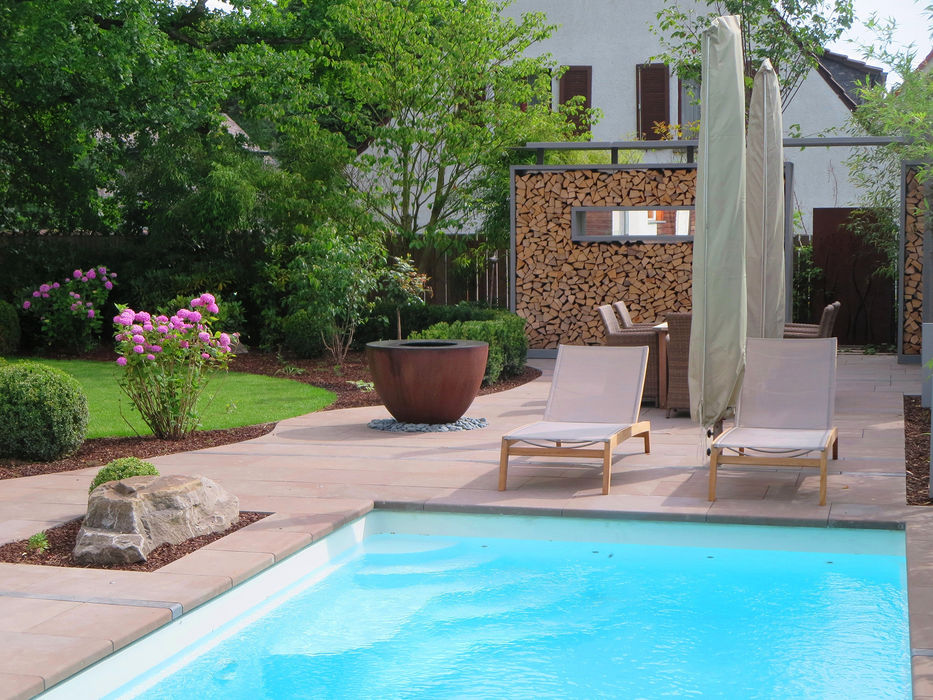
Transforming an Overgrown Garden into a Thriving Green Sanctuary
Sheltered Beneath Soaring Roofs
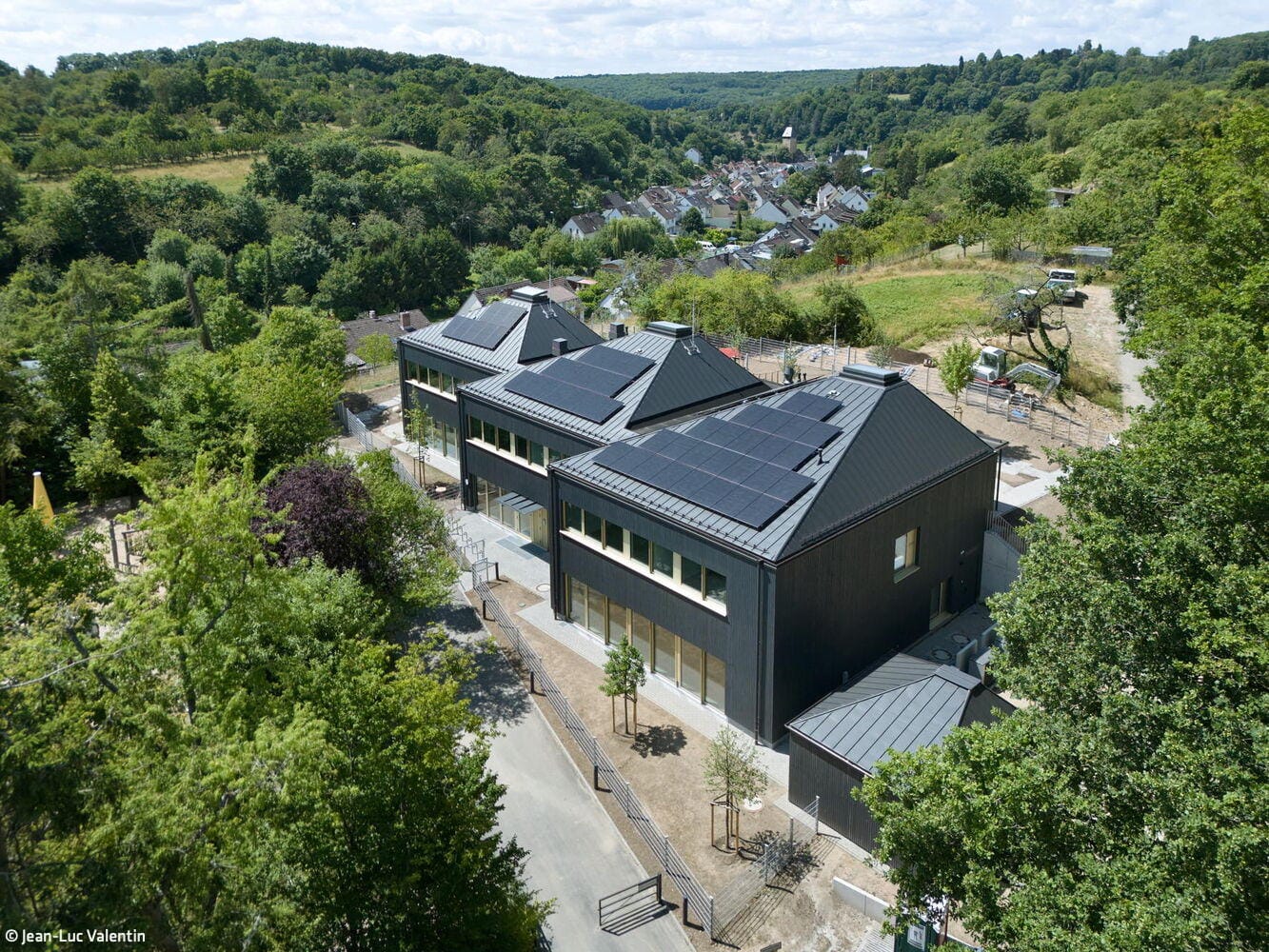
Contemporary kindergarten architecture transforms topography into an educational experience
Seamless Design
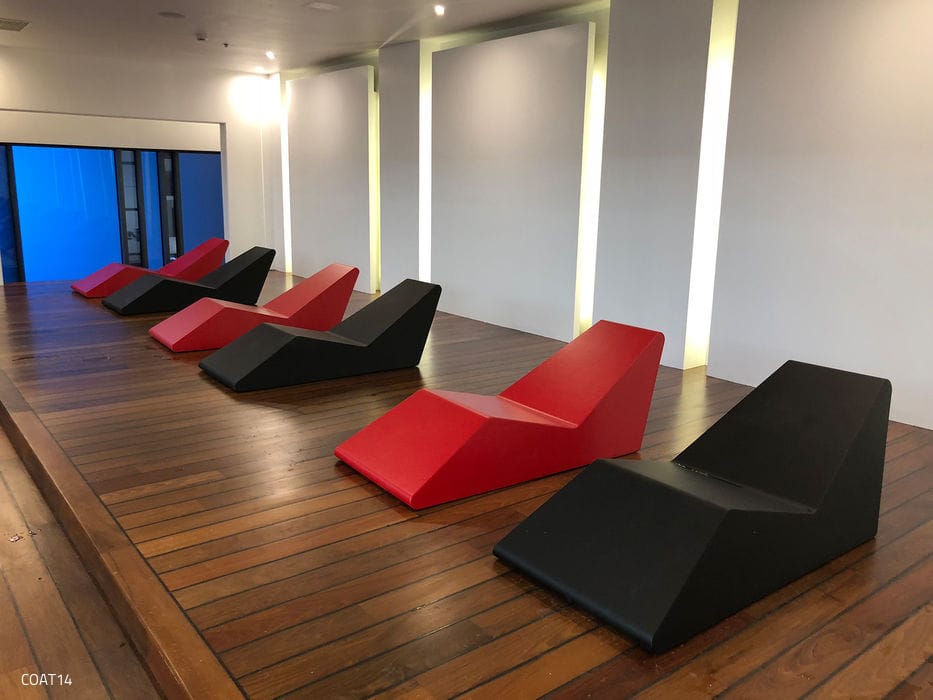
Swen Urban designs seating solutions for indoor and outdoor environments

Inspiring Learning Environment
A school designed for personalized and competency-based learning