


Restored and Reimagined
Heritage preservation and architectural sensitivity guide the transformation of this landmark property.
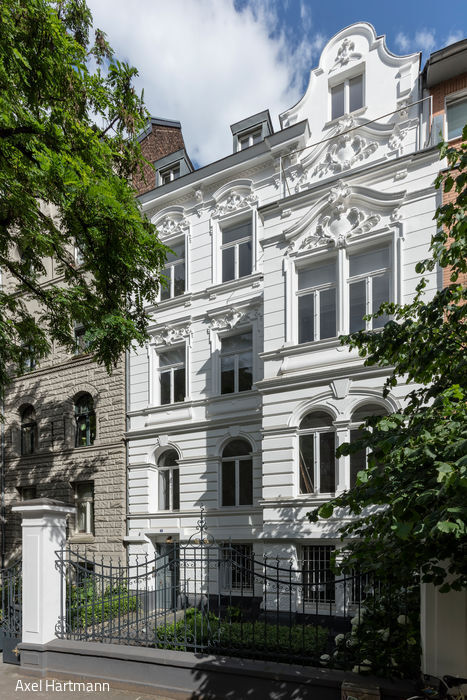
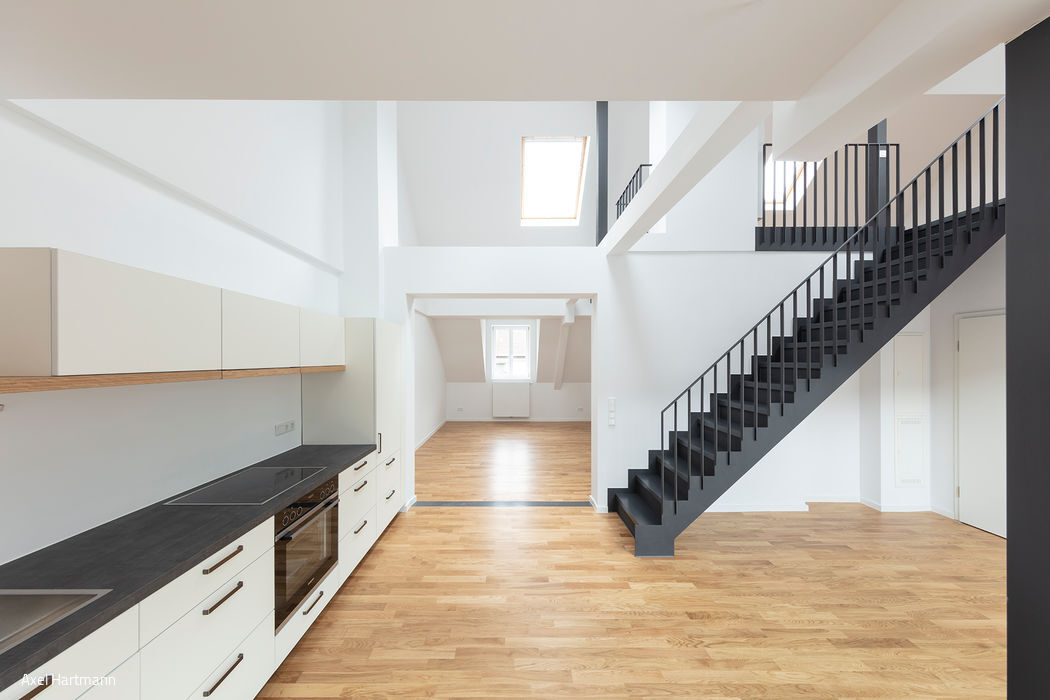
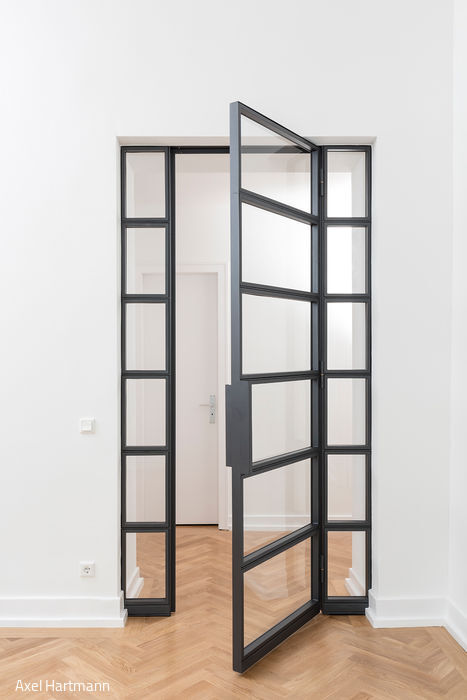
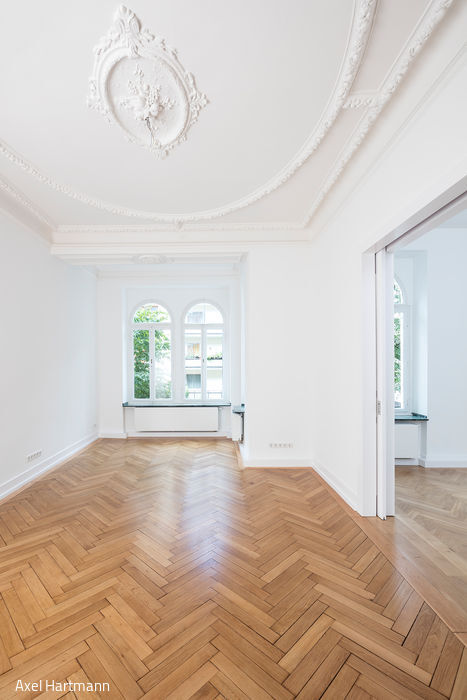
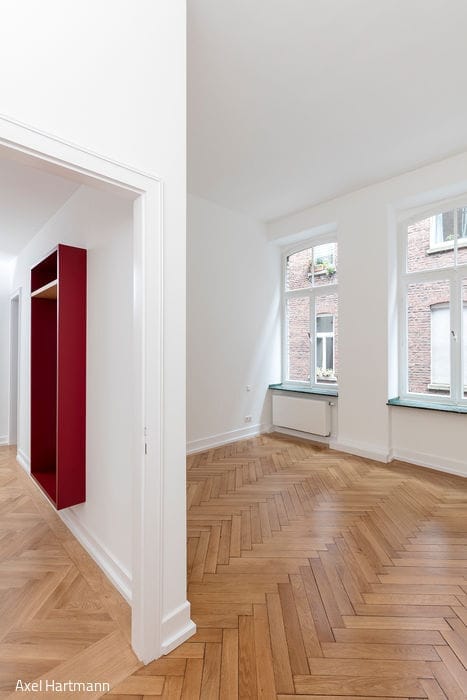
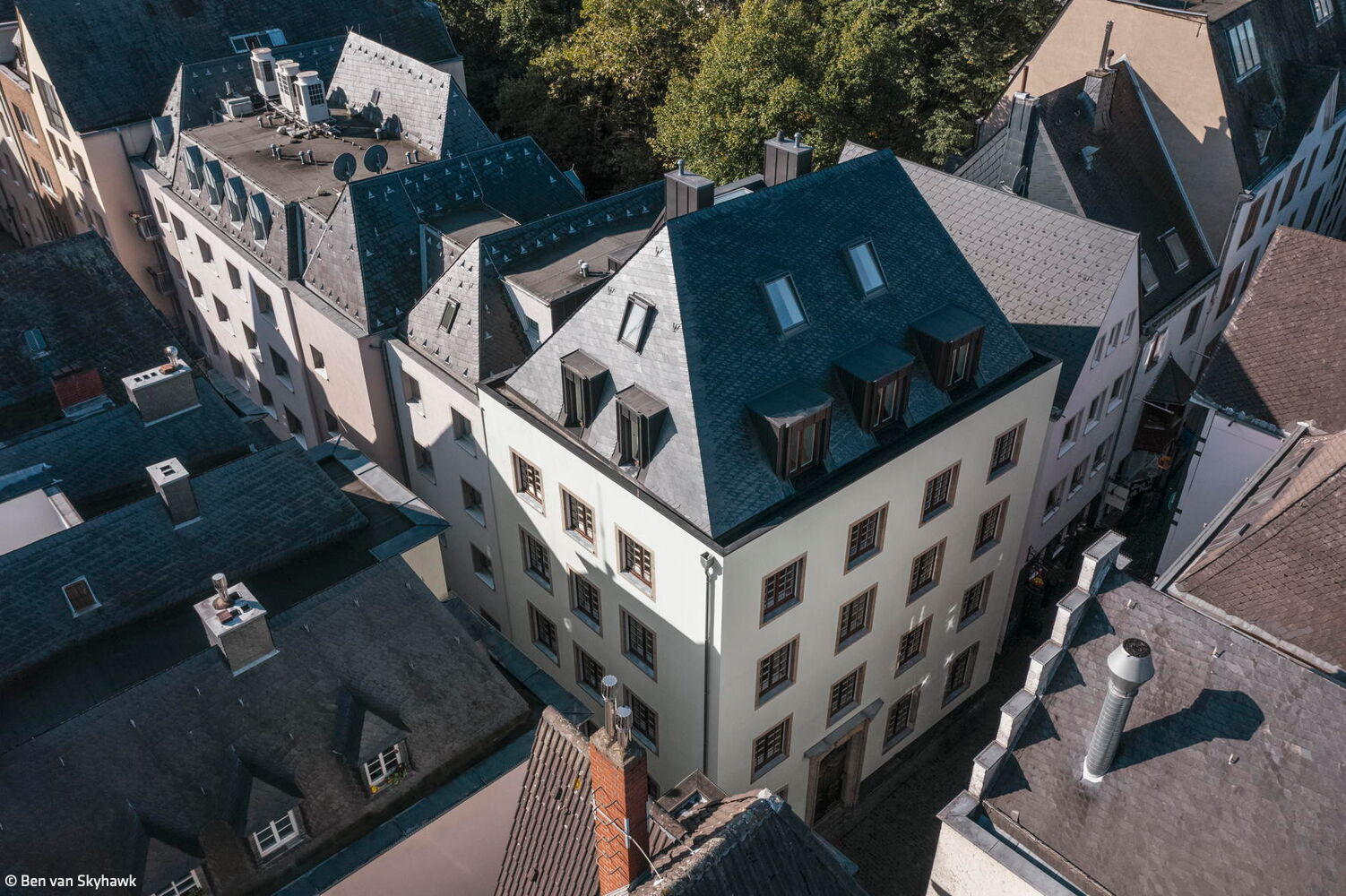
Zülpicher Viertel, Univiertel, Kwartier Latäng – the Rathenau district answers to many names. Each reflects the neighborhood's distinctive character, shaped by the city expansion that began in 1881. The defining reference points shift depending on perspective: the proximity of the university, the cultural scene anchored in theaters and bistros, or perhaps a particularly striking street or plaza. Yet one constant emerges in the streetscape—elegant Wilhelminian-era buildings that whisper of the neighborhood's origins. These structures, conceived on drawing boards over a century ago, carry with them the weight of history. One such building, its luster faded over time, was entrusted to Badtke Architects for restoration. Both exterior and interior demanded careful revival under the watchful eye of heritage conservation authorities.
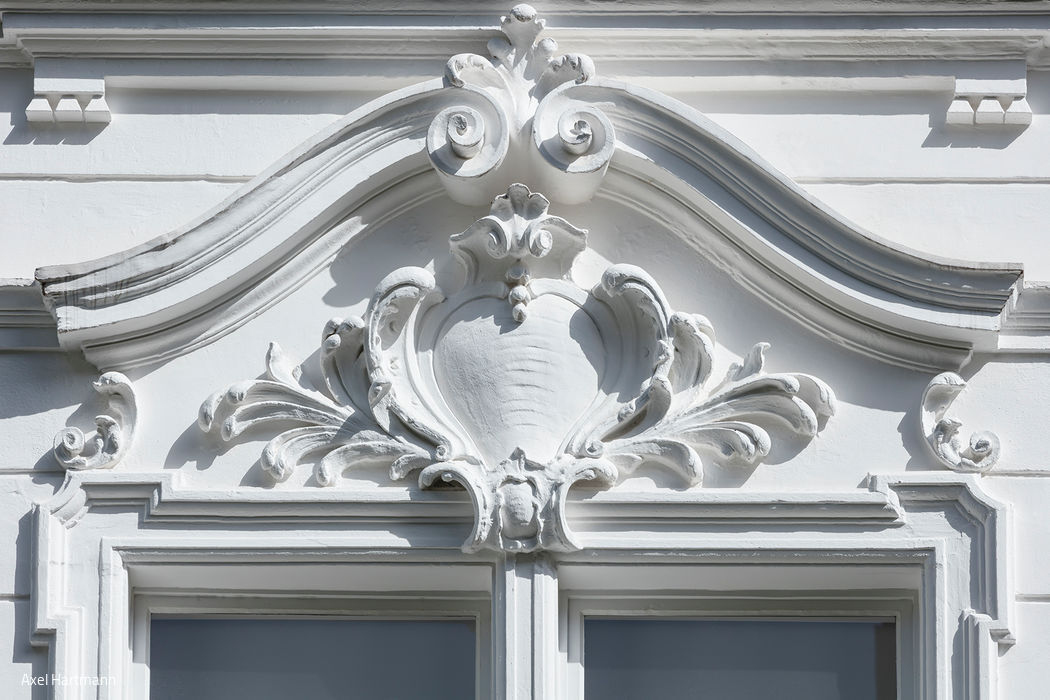
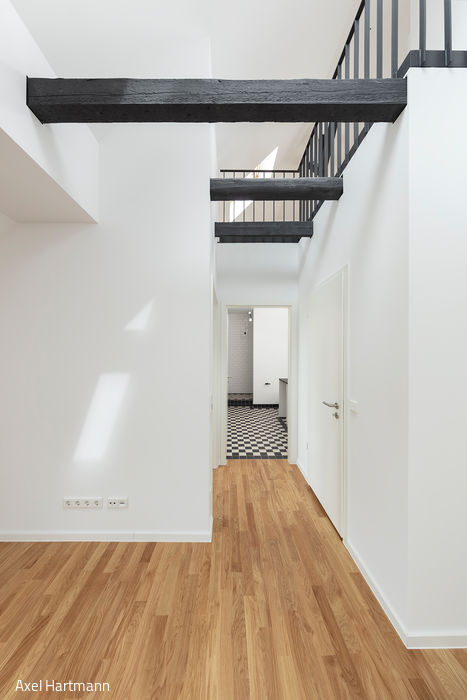
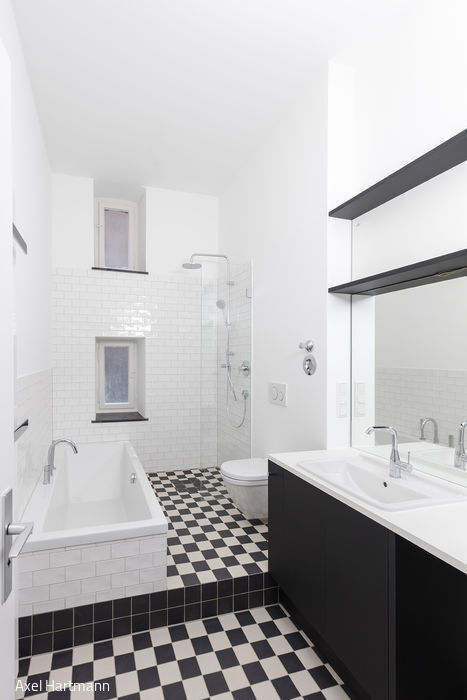
"Historic buildings present architects with unique challenges," explains Stefan Badtke. "We're not rewriting their story—we're continuing it. It's like completing the next chapter of a beloved novel." Navigating this continuation required finesse at every turn: respecting the building's material integrity while managing the complexities of heritage approval. Original stucco detailing on façades and interior ceilings was meticulously conserved, as were all door frames. The flooring scheme honors the building's past: bathrooms feature a classic combination of black-and-white geometric tiles with modern white metro tiles, while living areas showcase parquet throughout—herringbone patterns in the unit apartments, and a sleek ship deck finish in the penthouse.
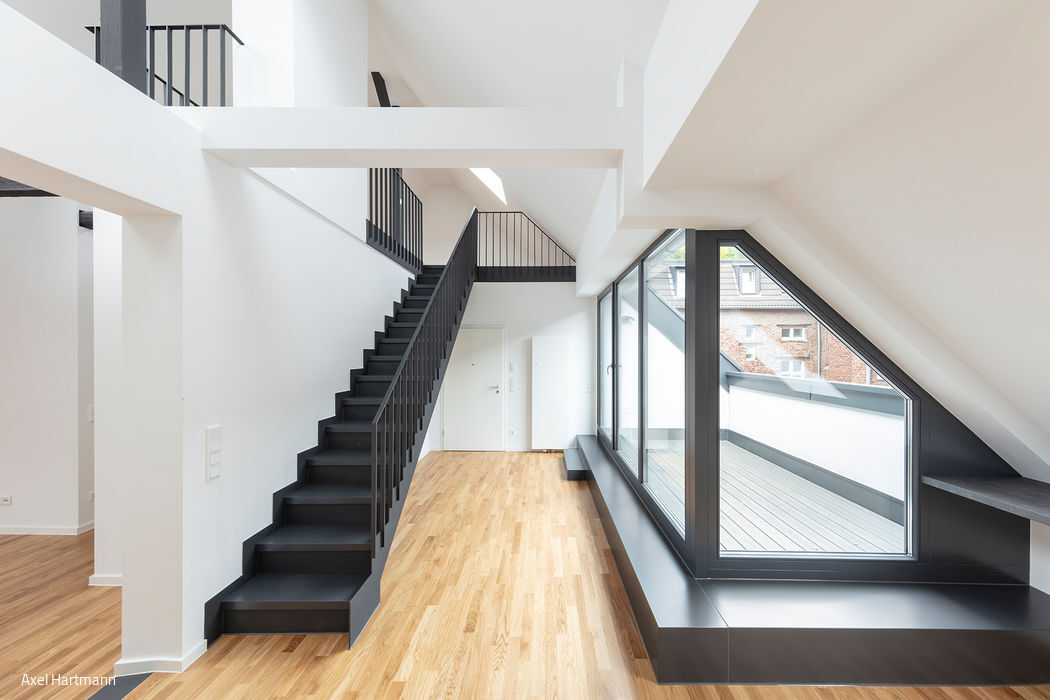
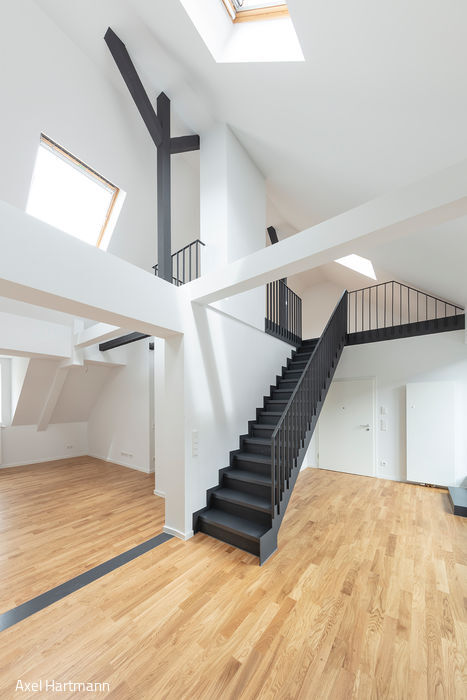
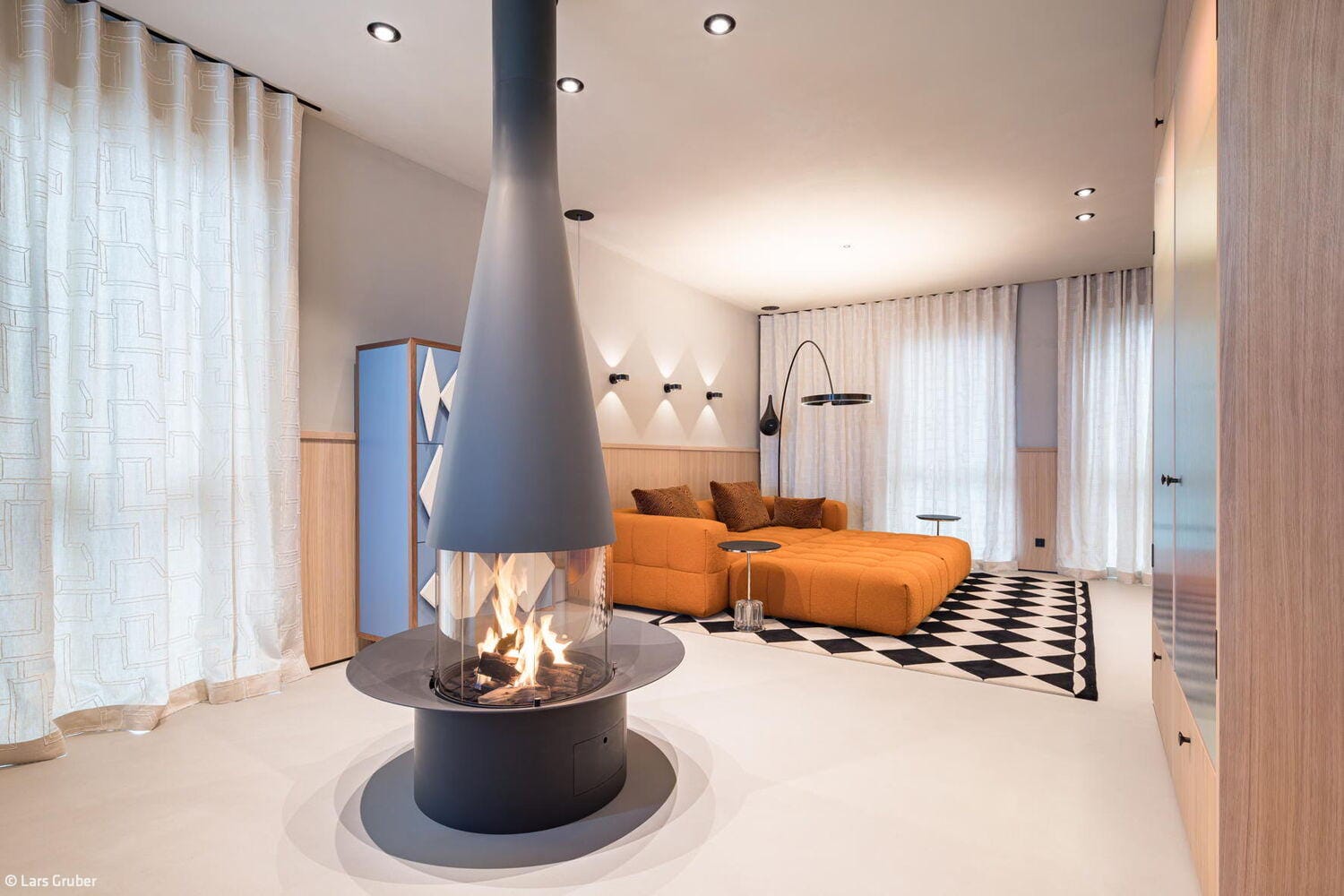
The attic level presented the most formidable structural challenge. Once a deteriorating single unit, this space now gracefully expands across two levels. Multiple openings create flowing air spaces, while generous terraces and expansive windows flood the interior with light and establish a sense of spaciousness. The design language—clean white walls, warm wood flooring, and sculptural steel stairs—reinforces this contemporary sensibility. This transformation appears to command much of the building's 390 m² total living area, yet it represents just one of five carefully renovated and upgraded rental apartments distributed across the structure.
Photography Credits:
Axel Hartmann
www.ah-fotografie.de
(Published in CUBE Cologne Bonn 03|22)



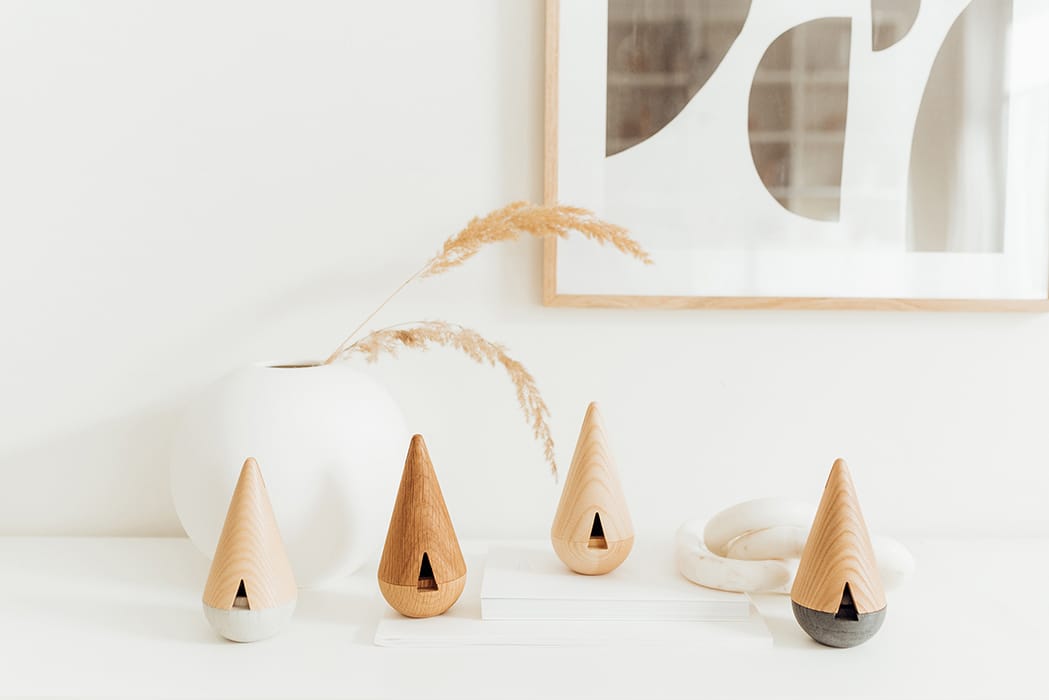
Sustainable and Natural
Erz&Mountain creates wooden home accessories with timeless, enduring design.

Dynamic and Radiant
The "Club '78" at Rheinenergiestadion delivers a truly distinctive event experience.
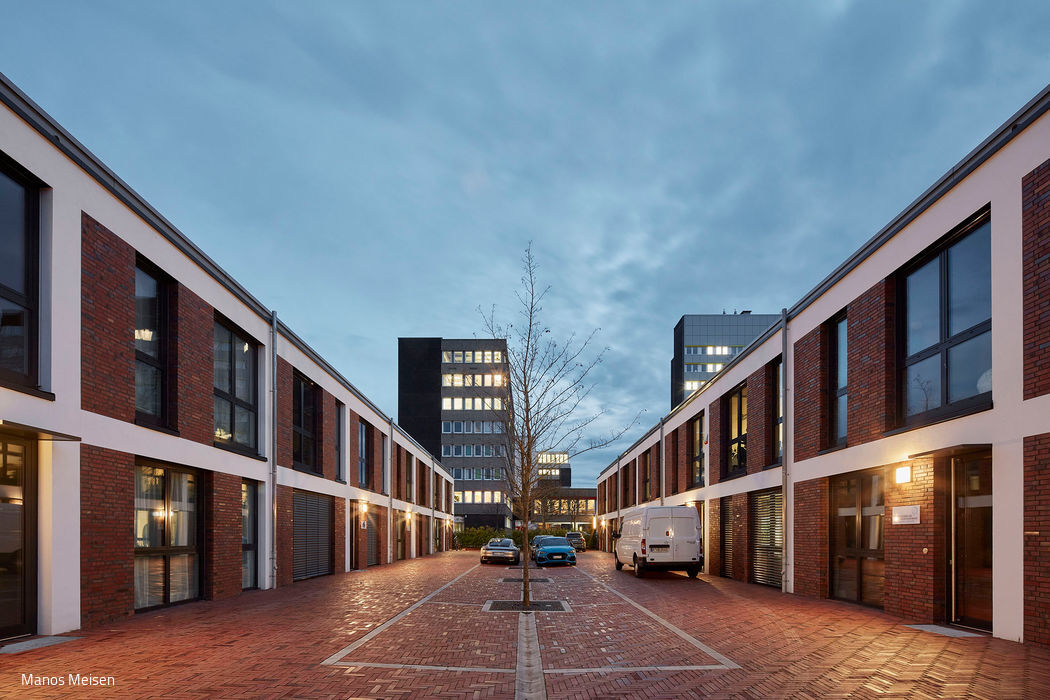
Office Lofts in Braunsfeld
Twin Buildings Create a Calm Haven for Creative Work
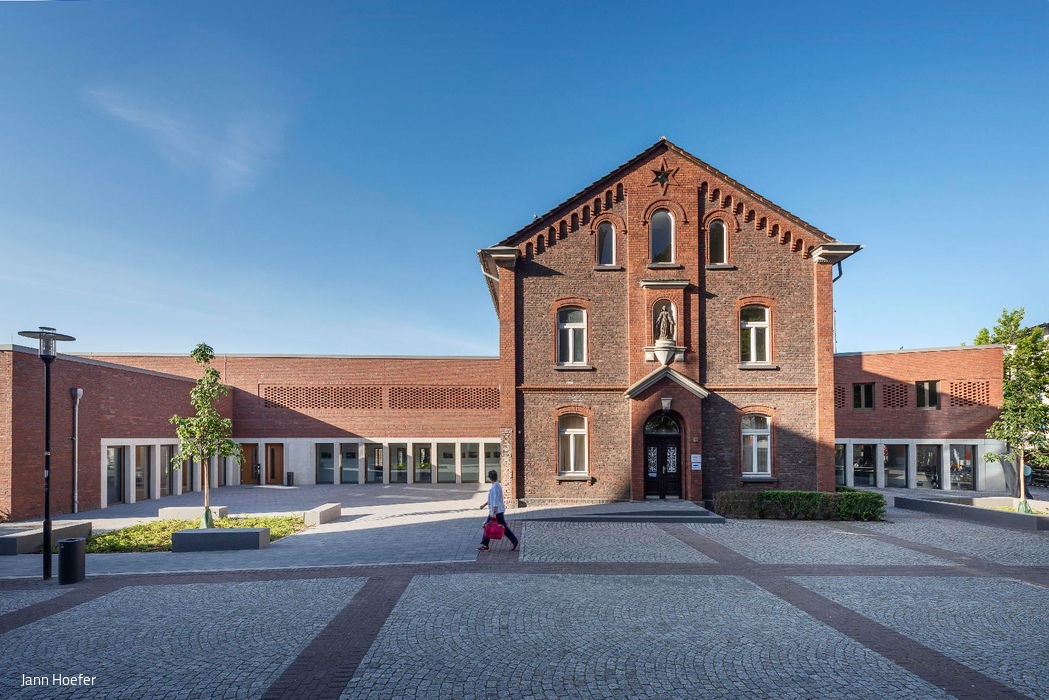
Sculptural Expression
A thoughtful extension reclaims the community's place in the urban landscape