


Three Units, One House
A countryside home that balances contemporary design with regional heritage and historic charm
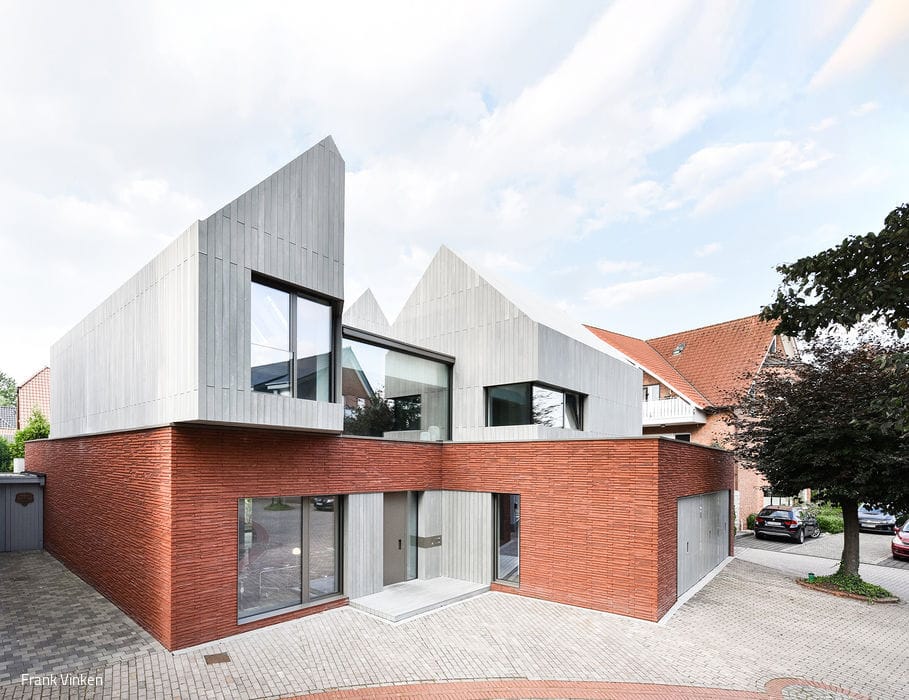
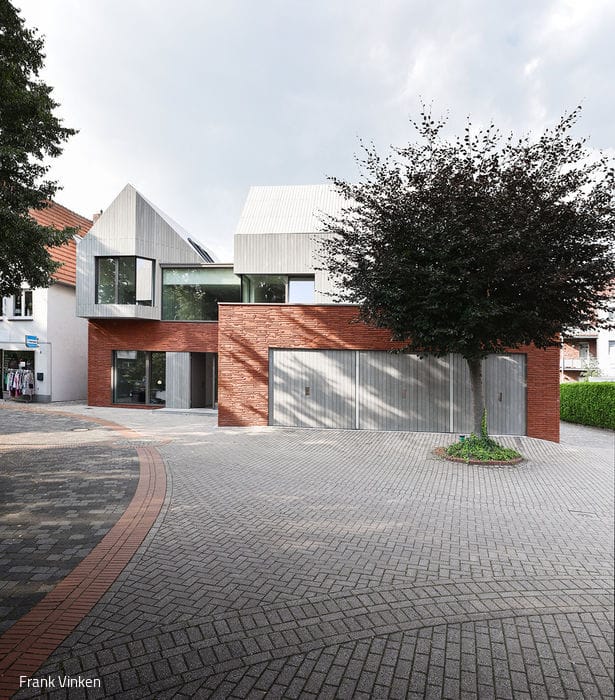
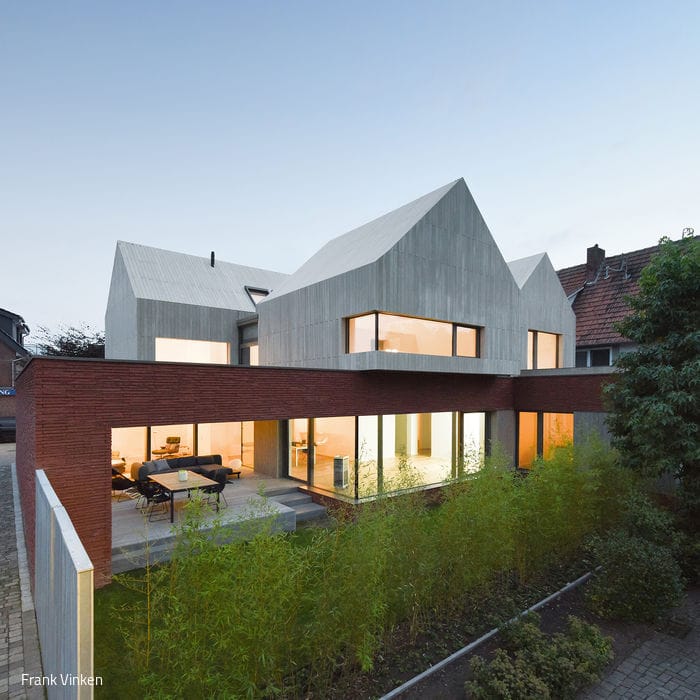
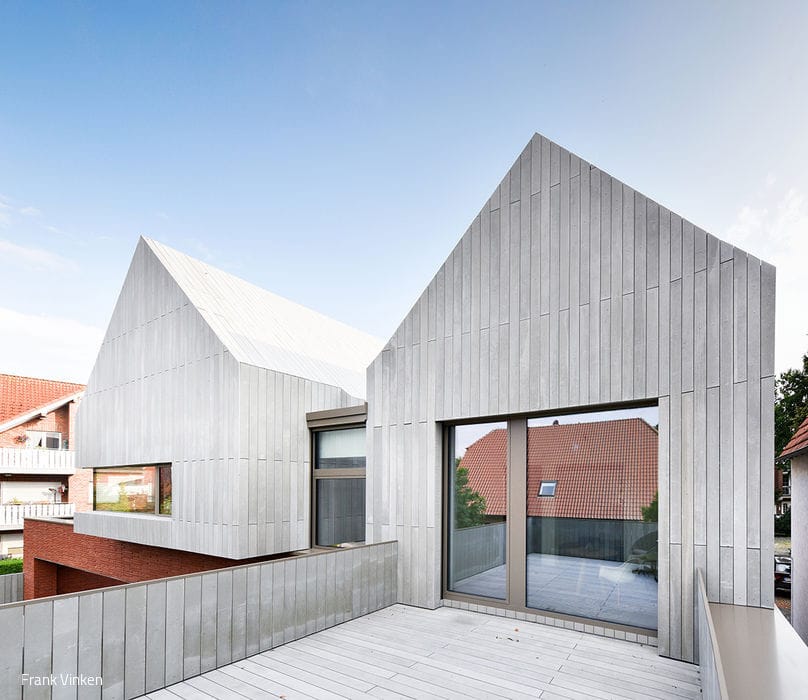
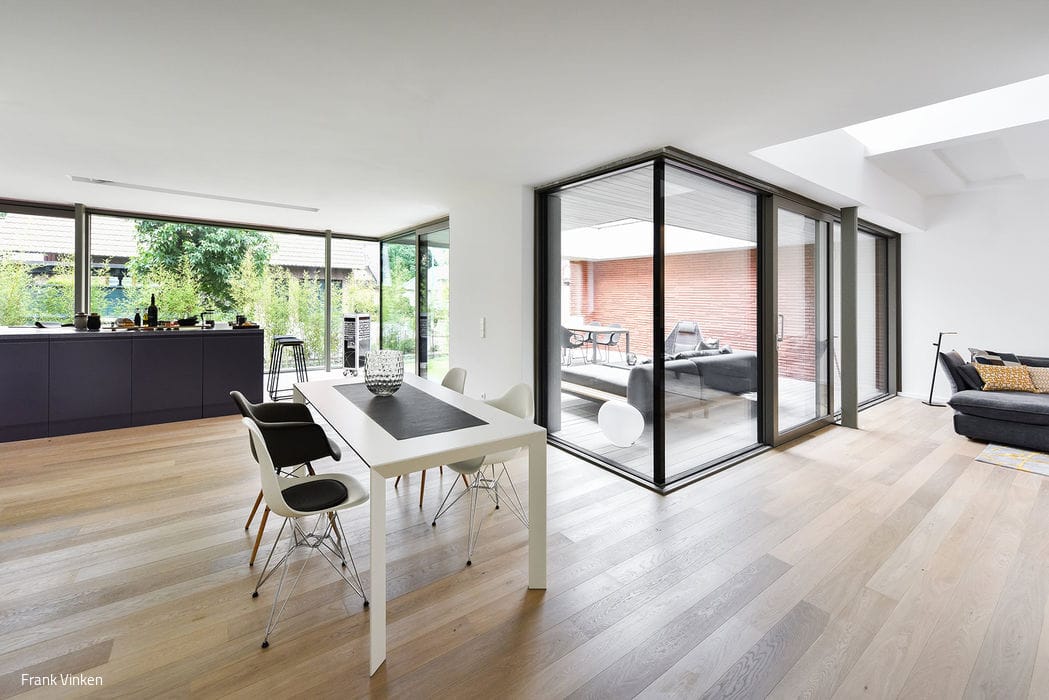
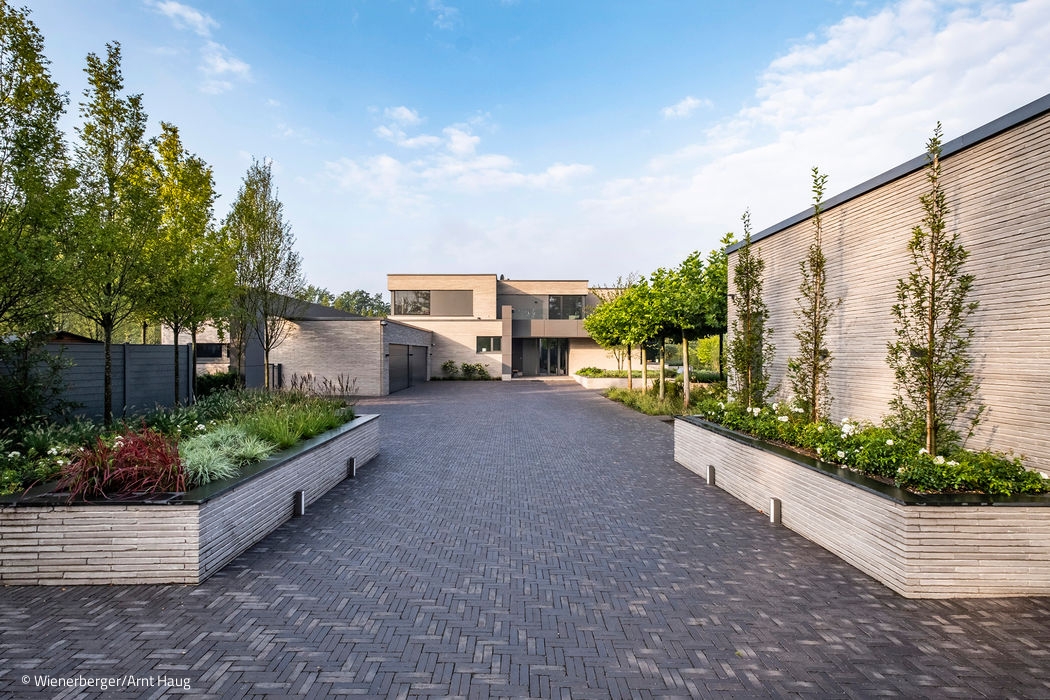
Agricultural estates have long defined the character of rural regions, embodying their history and heritage. This project centers on the church square of a small village—a place name that endures though the church itself was demolished decades ago. Nearby stands a listed half-timbered house, meticulously restored by local architects Spiekermann. Yet the true focus is a residential home, also designed by the same architectural practice, which rises from an existing foundation and reimagines what rural living can be.
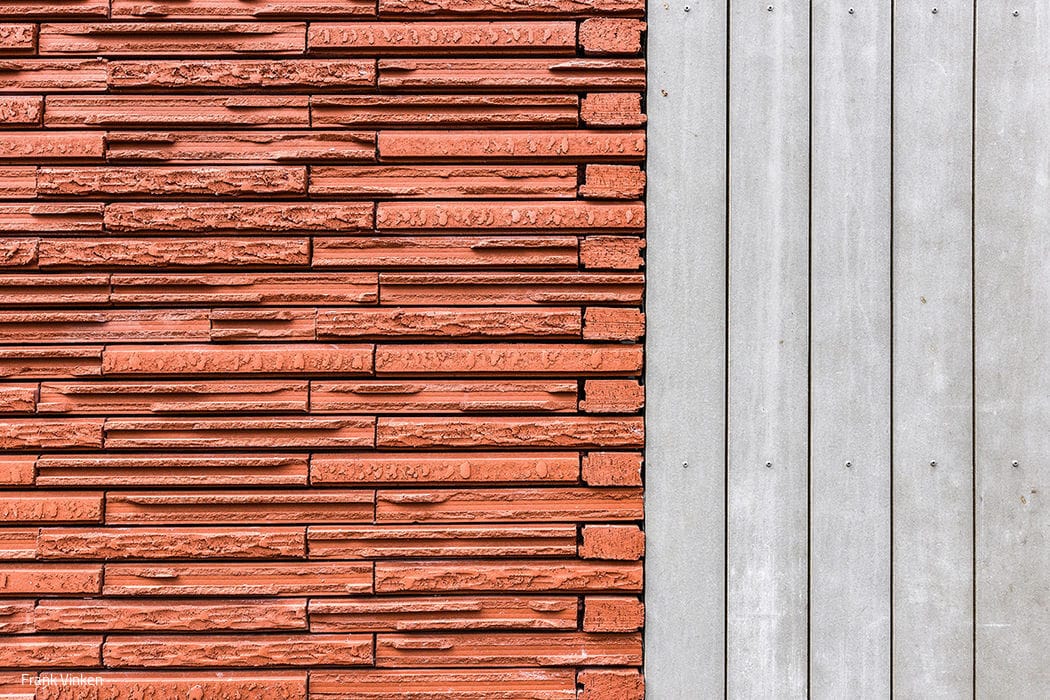
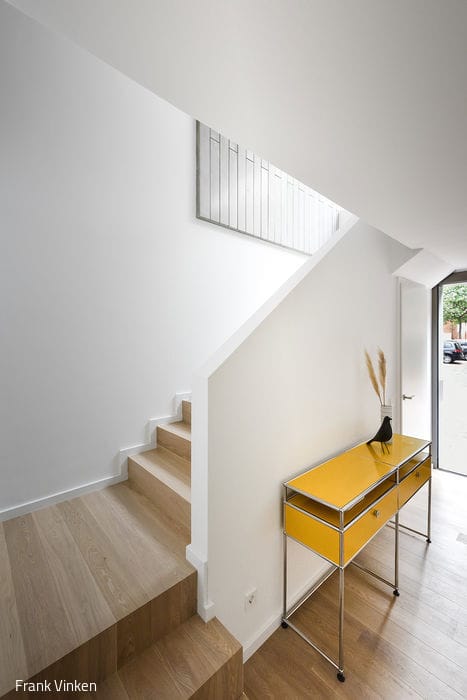
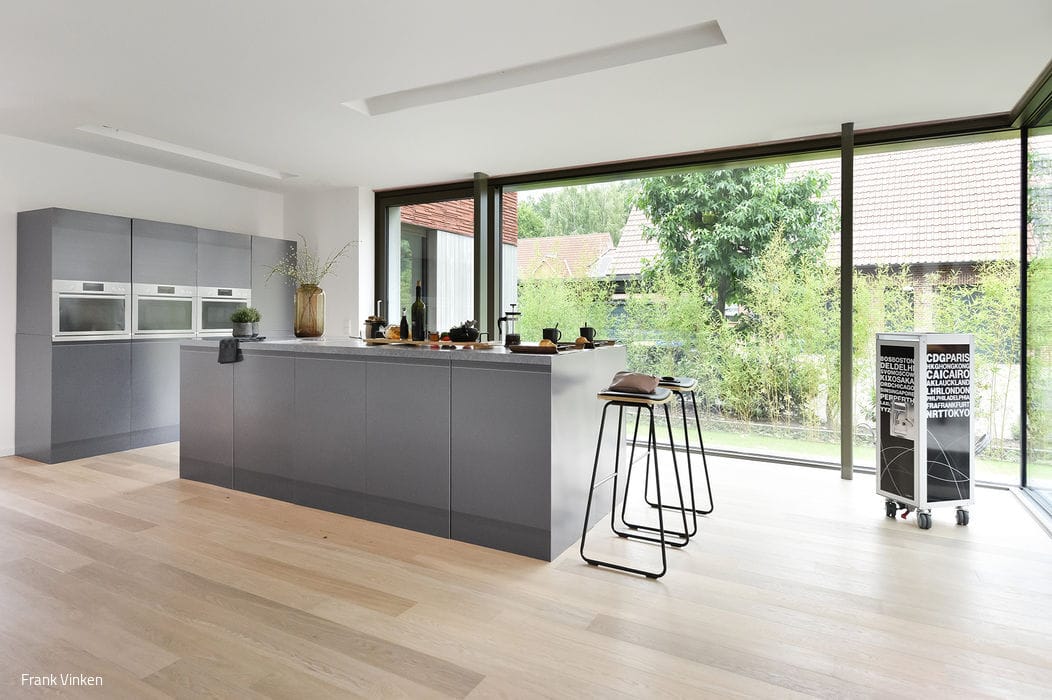
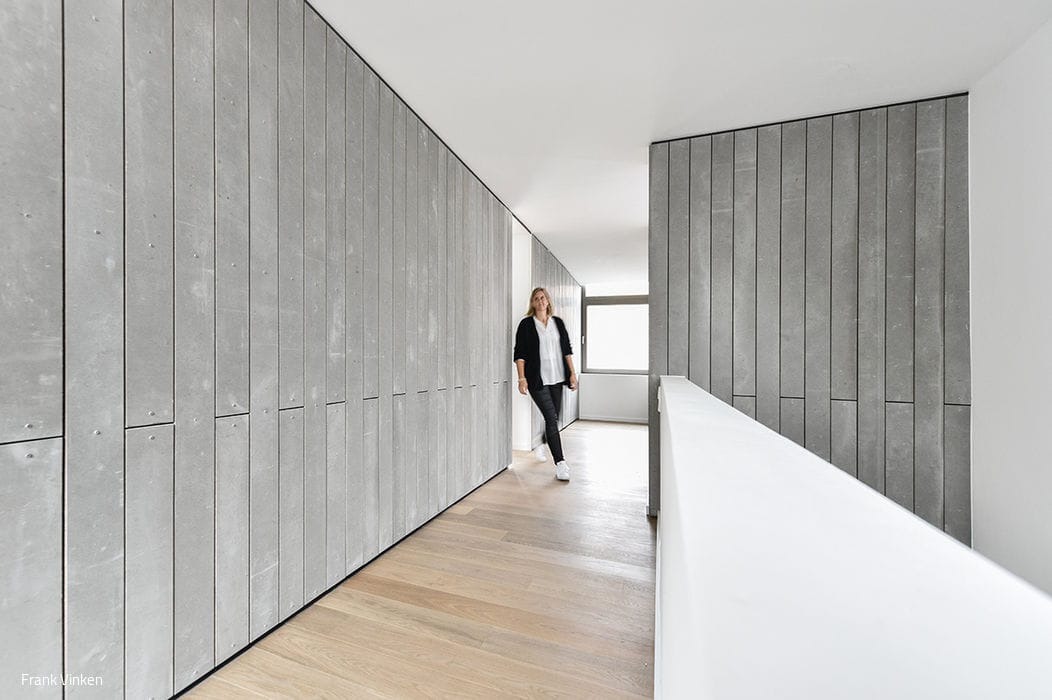
For Oliver Spiekermann, integrating regional architectural language was paramount. The design draws directly from the vernacular farmhouses of the area—their varied heights, distinct building components, and clear functional separation. Three distinct volumes are the result: a modern interpretation grounded in local tradition. The preserved foundation displays regionally characteristic clinker brick; above it, structures crowned with pitched gable roofs—another hallmark of local building—reach skyward, their material palette creating a clear visual hierarchy. Inside, the generously proportioned spaces reveal their sophistication. The ground level, at three metres high, accommodates the kitchen and dining area, both flooded with light through floor-to-ceiling glazing. The living spaces extend upward to seven metres into the gables, creating ideal conditions for intermediate platforms and split-level floors. Here's the strategic brilliance: each building section functions independently, allowing the architecture to adapt as residents' needs evolve. The material choices are equally distinctive. Rather than standard brick, Spiekermann specified a special clinker from Wienerberger's Belgian production—Cassia red, fired in rare kilns using traditional methods. "These bricks, just under half a metre long and double-width format, feature a built-in breaking line," the architect explains. "Each is individually scored on-site before installation." The result is uniqueness: no two bricks are identical, laid to create an intentionally random, irregular surface. This warm red is offset by grey composite panels of wood and concrete that envelope the upper floors and roof planes, creating striking contrast. These same panels transition indoors, where they serve as sculptural accents in spaces like the stairwell, unifying the architectural narrative throughout.
www.architekten-spiekermann.de
Photography Credits:
Frank Vinken
www.frankvinken.com
(Published in CUBE Ruhrgebiet 04|21)
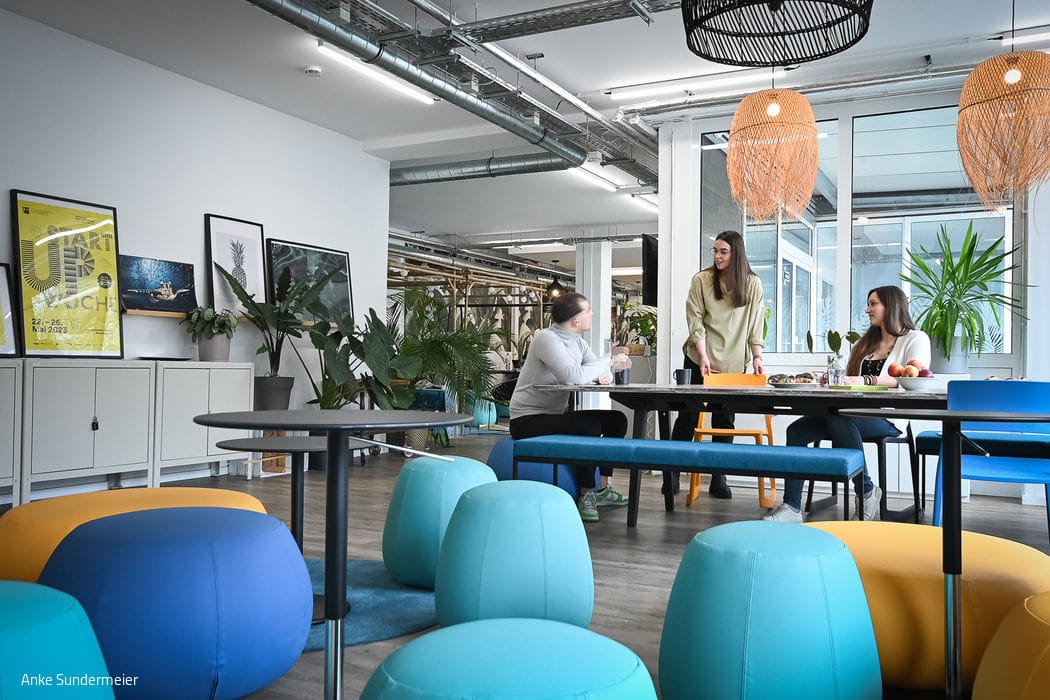
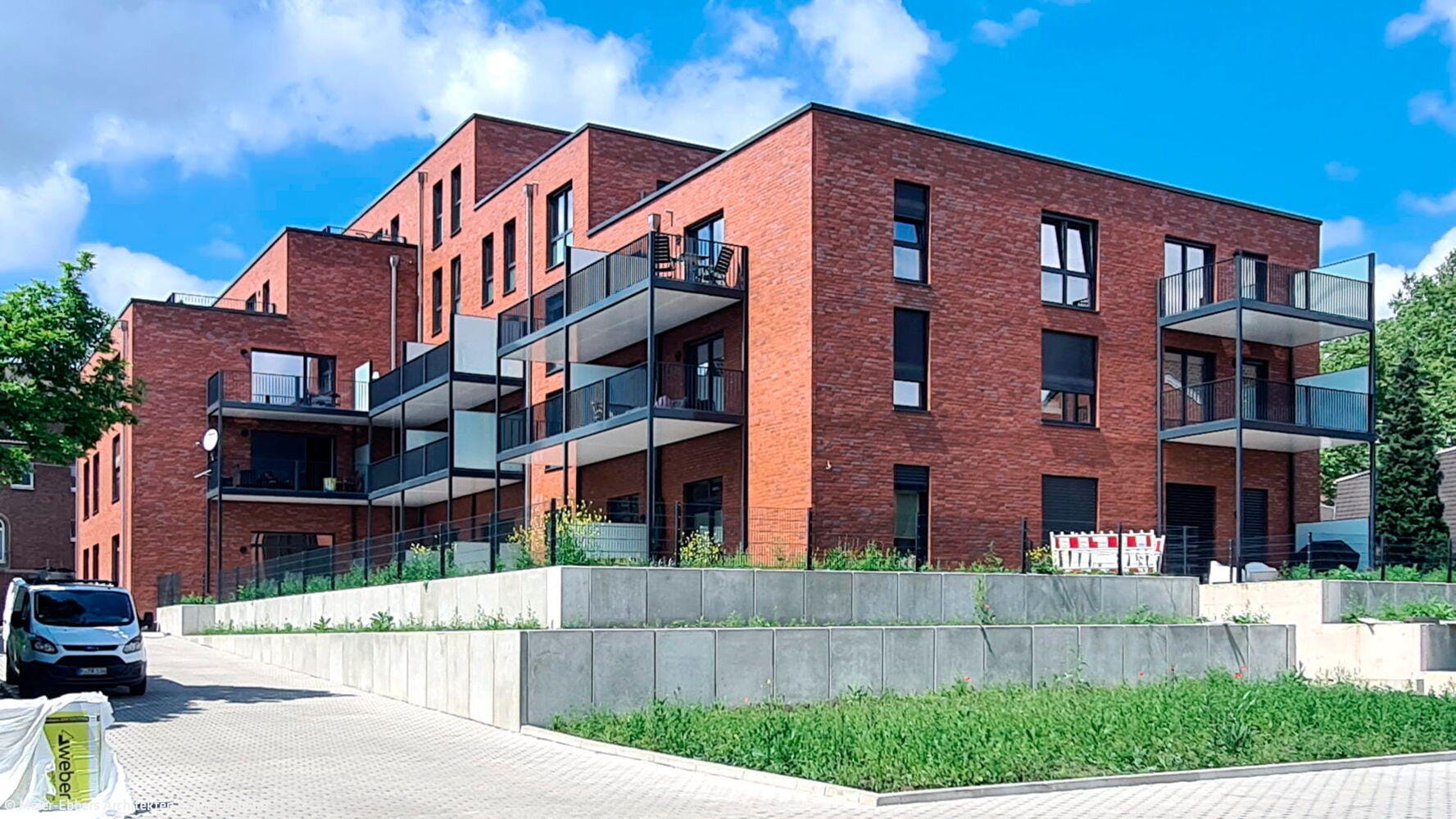
A striking red façade
In Oberhausen, a residential and commercial complex finds its perfect place in the urban fabric
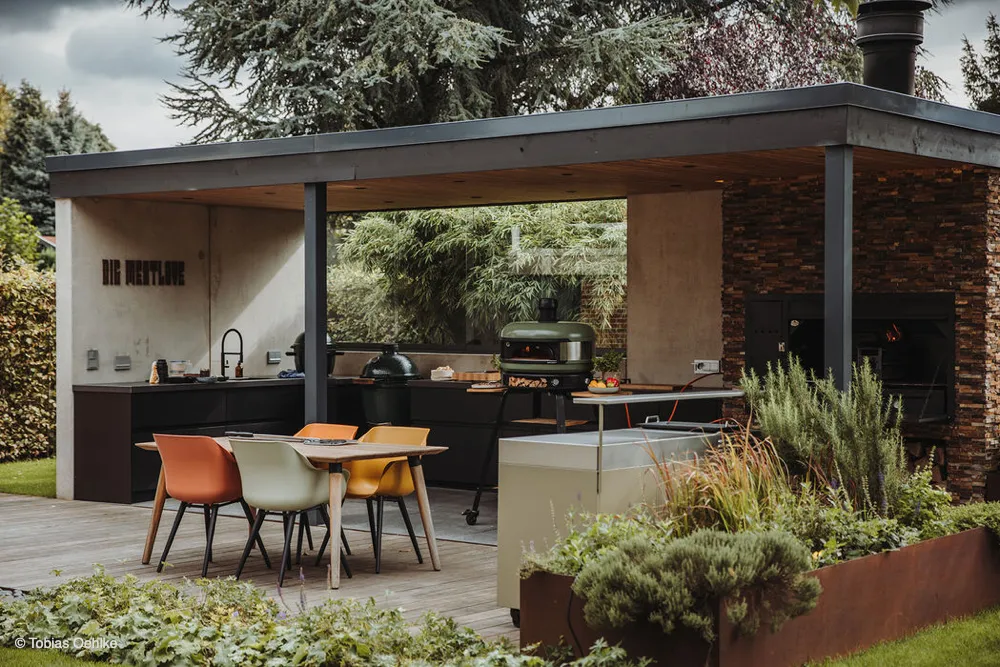
A garden with character
A Kirchhellen garden transformed into a family sanctuary
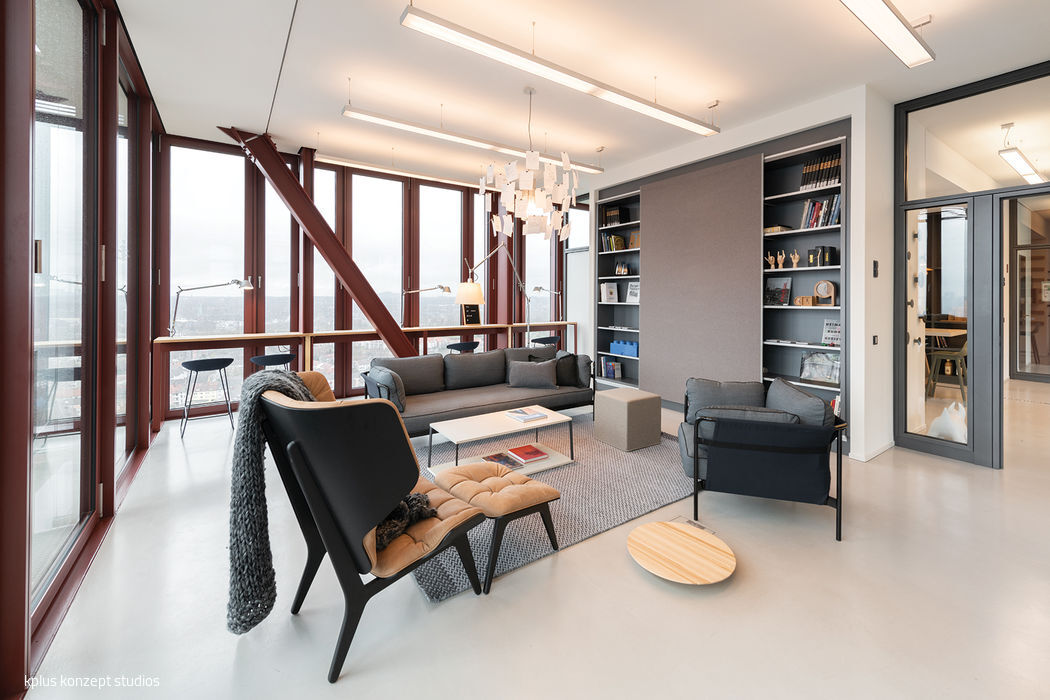
Agile Workspace Design
Creative spaces for teams of all sizes occupy this remarkable setting, fostering collaboration, knowledge sharing, and networking...

Sustainable and Respectful Design
The new Duisburg food bank—designed with both function and fiscal responsibility in mind.