


A Piece of Industrial Heritage
New life breathed into an old transformer tower through adaptive reuse
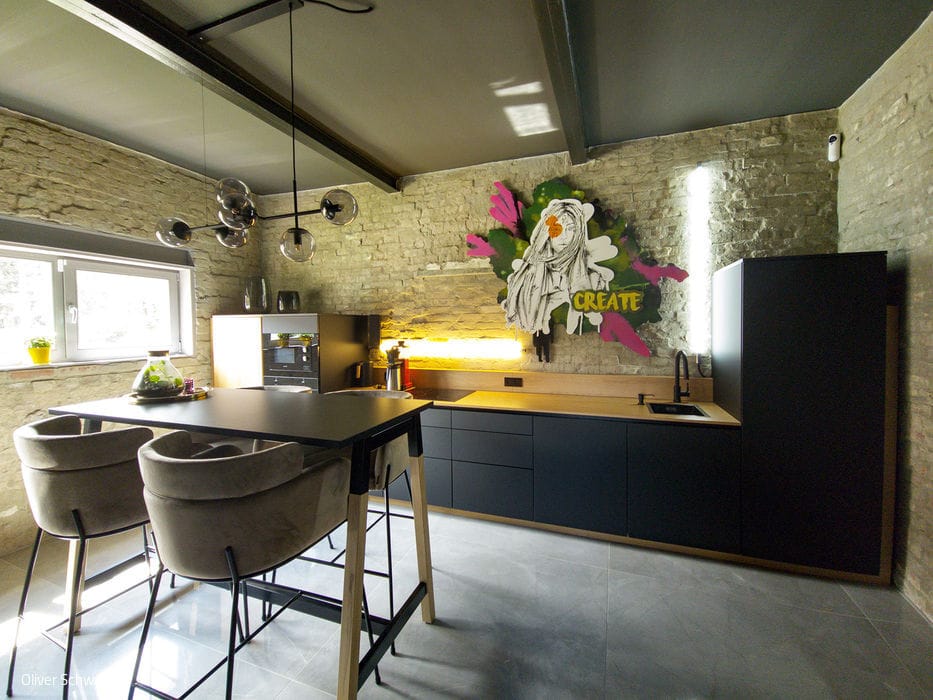
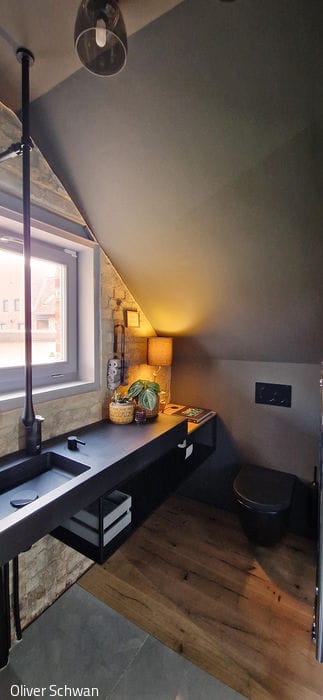
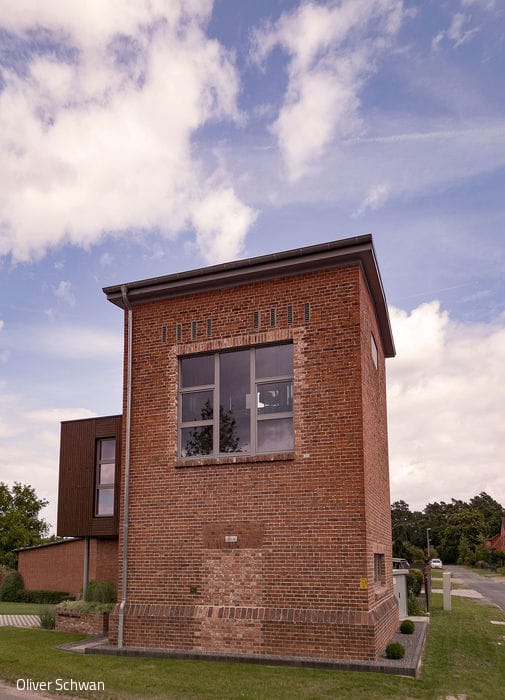
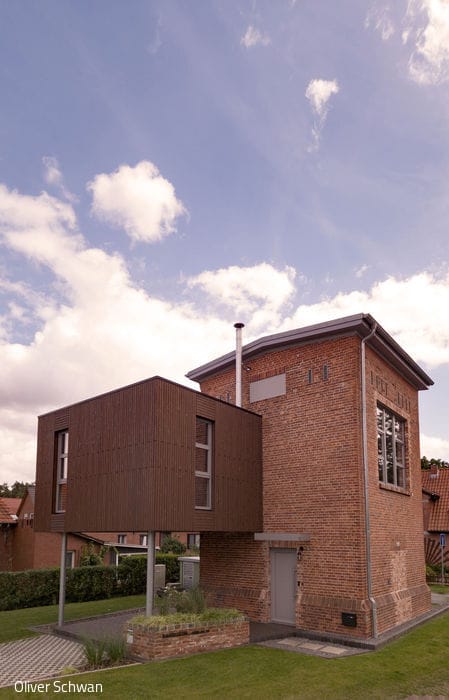
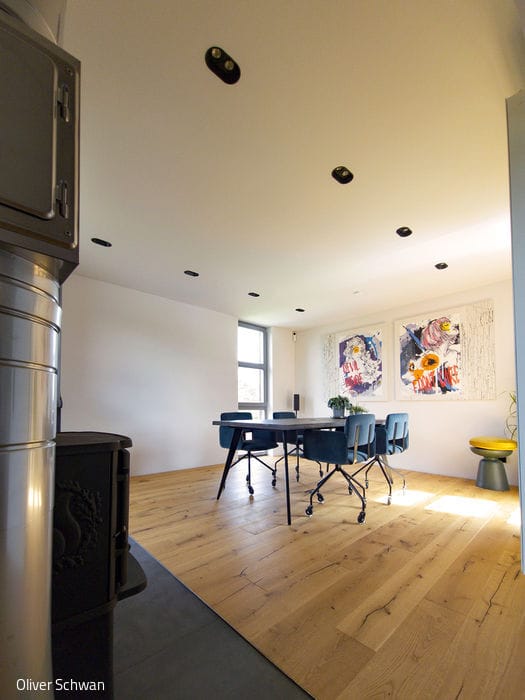
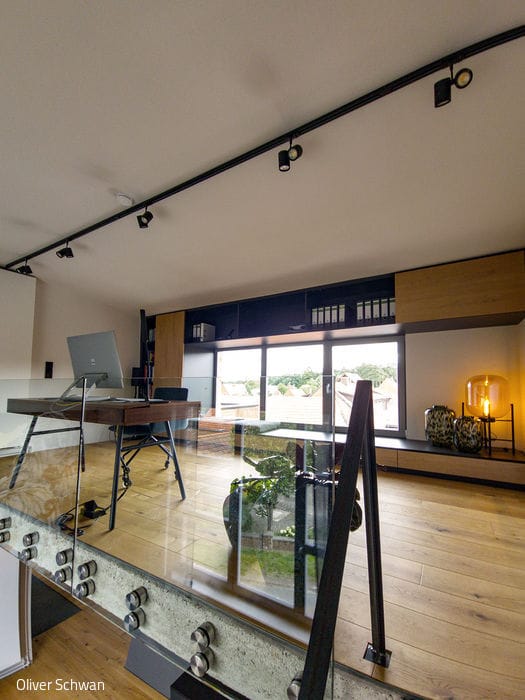
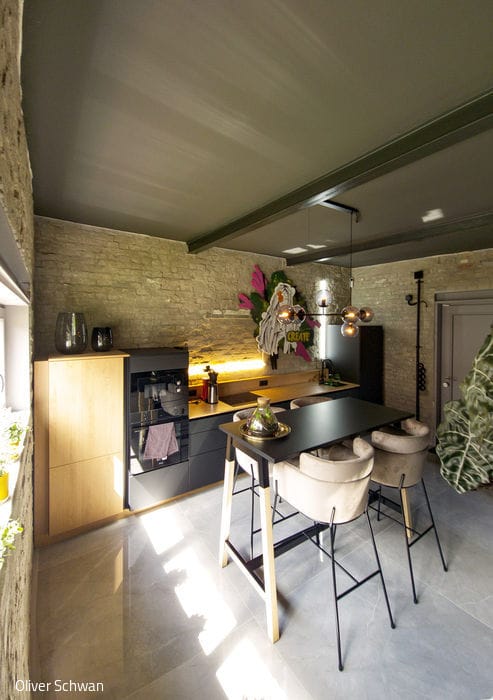
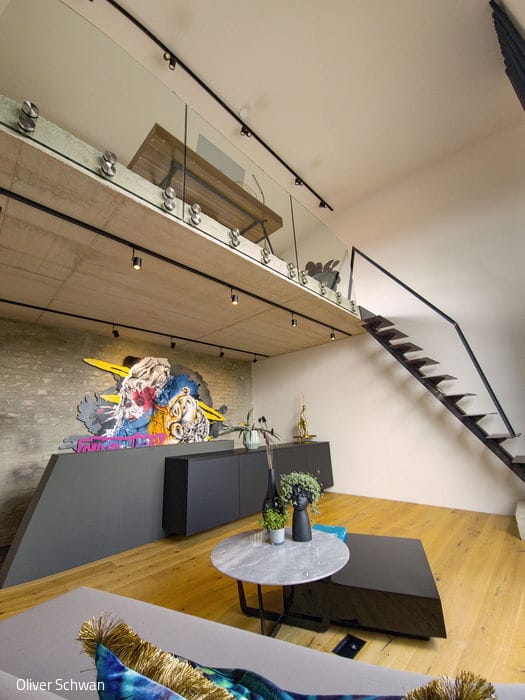
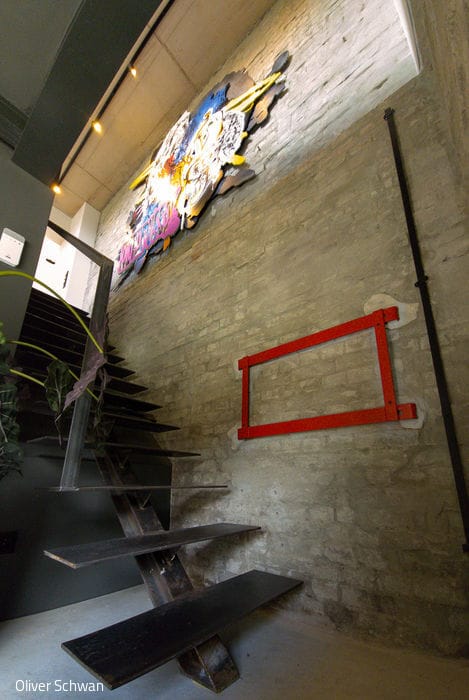
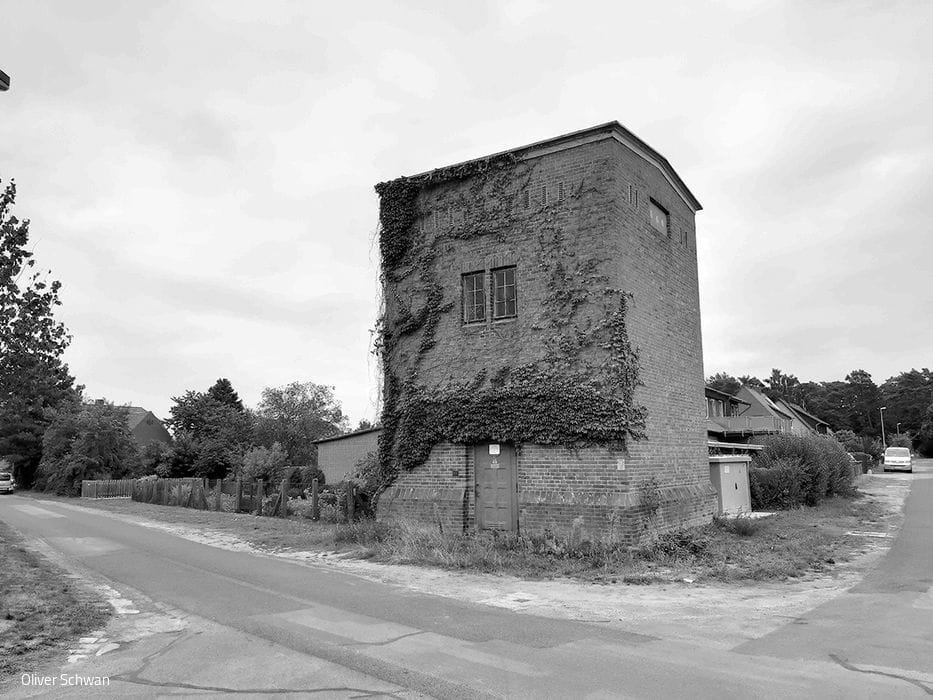
This is a particularly distinctive building—a tower station, commonly known as a transformer tower. This type of transformer substation structure is predominantly found in rural areas throughout Europe and often becomes a defining landmark in its location. Since the early 1980s, transformer towers have ceased to be constructed due to technological advances. The remaining examples stand as testament to over a century of electrification history, extending even to the smallest villages. With their often imaginative architecture, each thoughtfully adapted to its regional context, these towers represent an important part of our industrial heritage. Across Europe, communities, associations, and private individuals have repurposed historic transformer towers for diverse uses: as drying towers for fire departments, cultural venues, cafés, residences, and even as habitats for bats.
This transformer tower, with its distinctive red brick façade, had fallen into disuse and faced demolition. Architect and artist Oliver Schwan purchased it from the regional power company, saving it from destruction. His vision for preservation and adaptive reuse was supported by the municipality and funded by the Regional Development Office as part of its rural development program. By acquiring an adjacent vacant property in private ownership, Schwan was able to meet building code requirements for parking and setback distances. He now operates the exceptional structure as his office and studio. To maximize usable space, a minimalist dark cube with a charred wood façade extends the brick tower—a deliberate contrast between old and new. Inside, custom-designed furniture conceived by the architect maximizes every square meter of space. The integrated mezzanine with glass balustrade, raw steel staircase, oak flooring, and limewashed brick surfaces honor the building's industrial past while creating a loft-like, light-filled spatial experience within just 83 m².
Photography Credits:
Oliver Schwan
(Published in CUBE Hamburg 03|23)

Art for Art's Sake
A staircase transforms an attic into another world
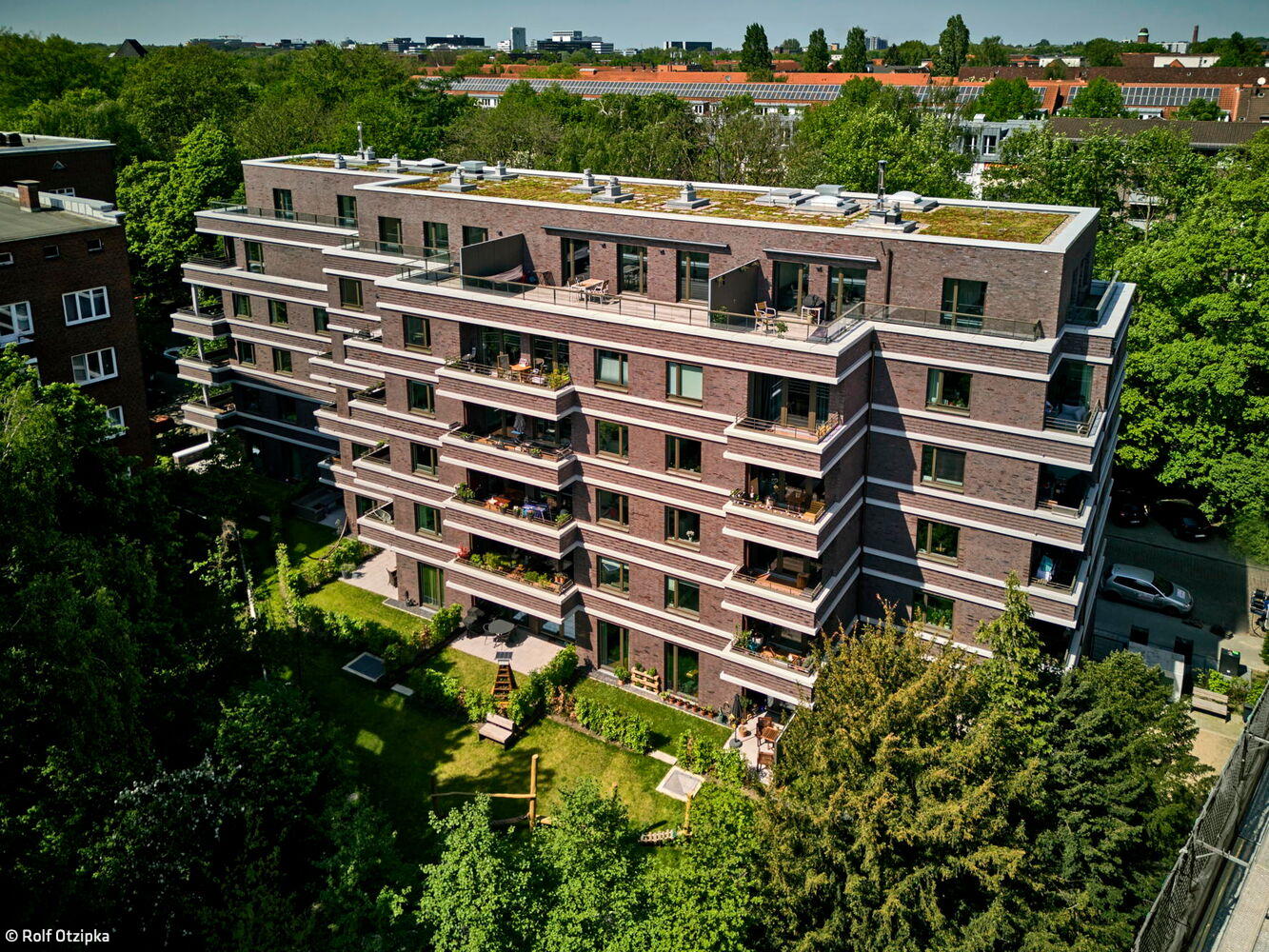
One of Barmbek's own
The new building honors architectural tradition through contemporary design while restoring urban coherence.

The fireplace as your personal warmth sanctuary
Interview with Frank Nehry, Board Member of Vereinigte Ofen- und Kaminwerkstätten Hamburg AG
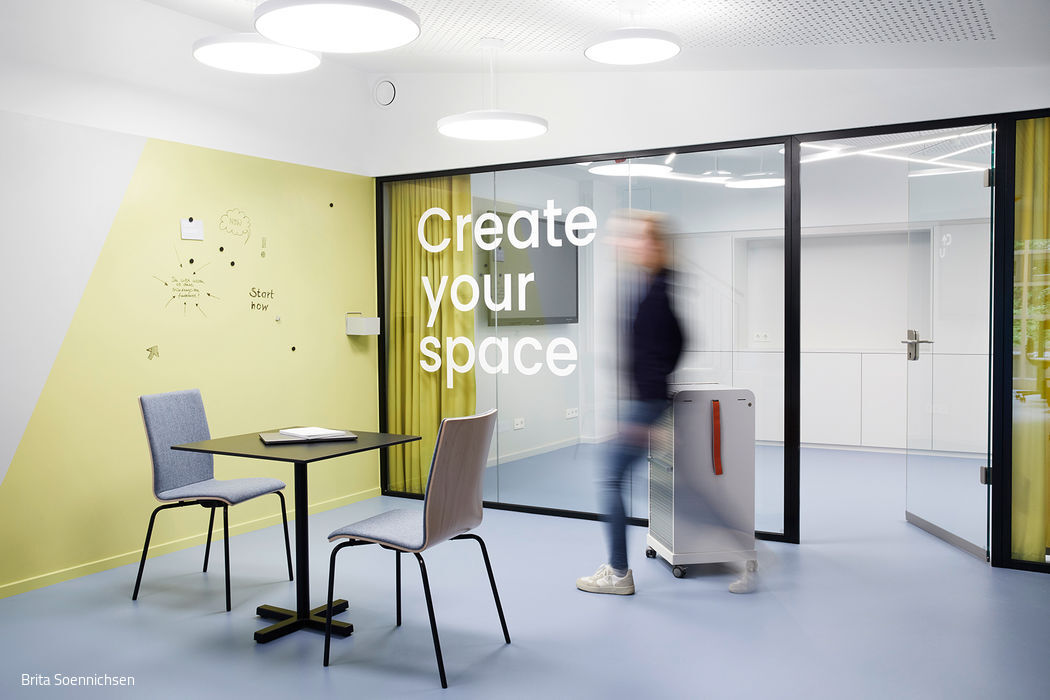
From Hobby Room to Lounge
An Inspiring Space for Students and Entrepreneurs