


Less Is More
An office defined by purposeful organization, crisp white surfaces, and exposed structural elements.
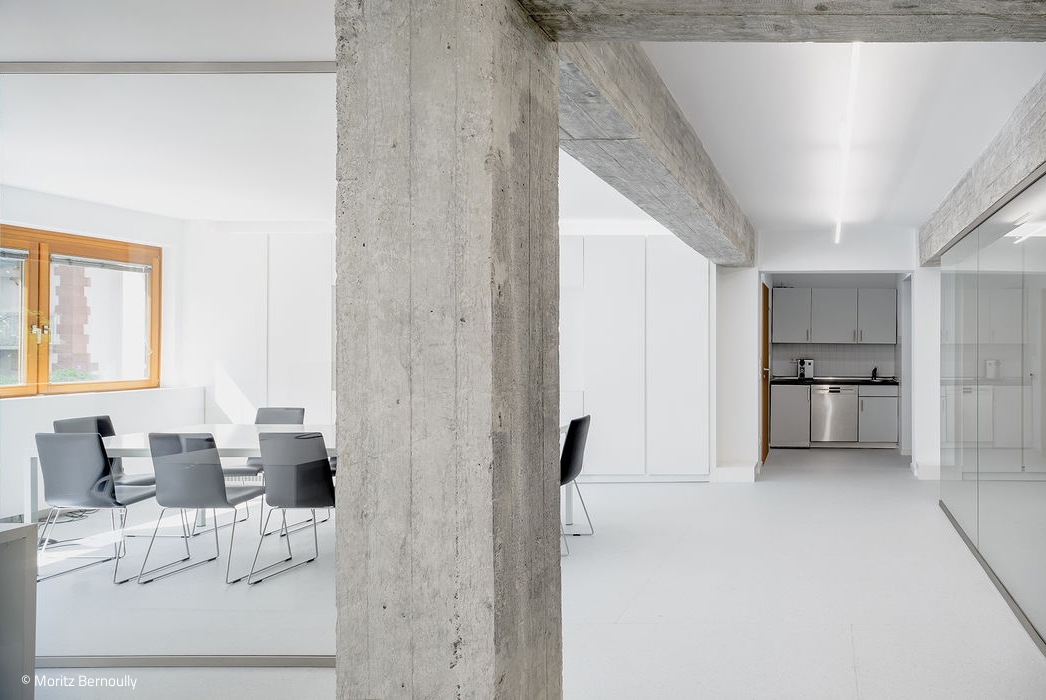
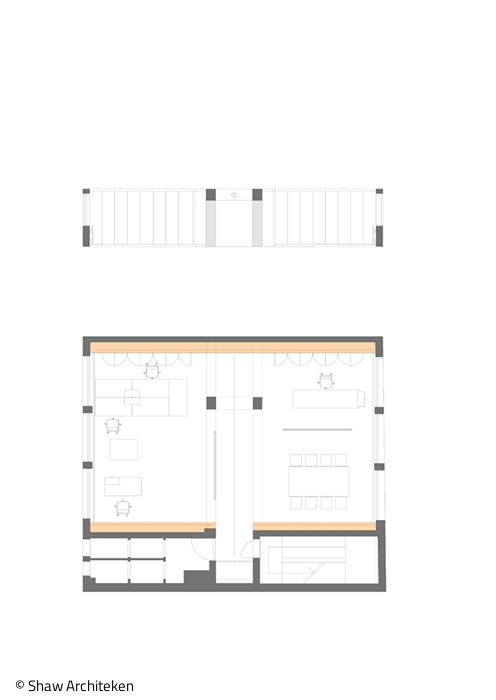
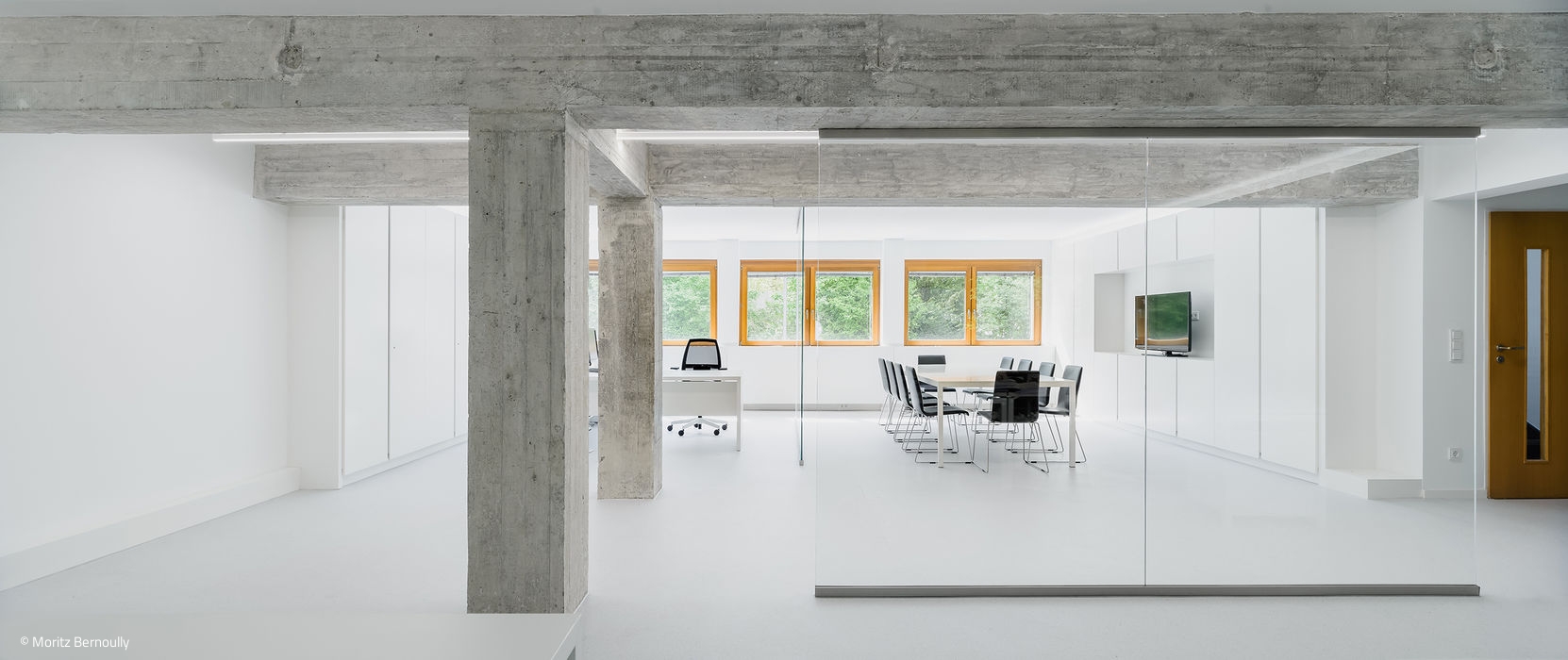
The location: a 1950s office building in need of renewal. The challenge: transform it without disrupting its structural integrity. The result: dynamic workspaces built on simplicity, transparency, and collaboration. Here's how it happened.
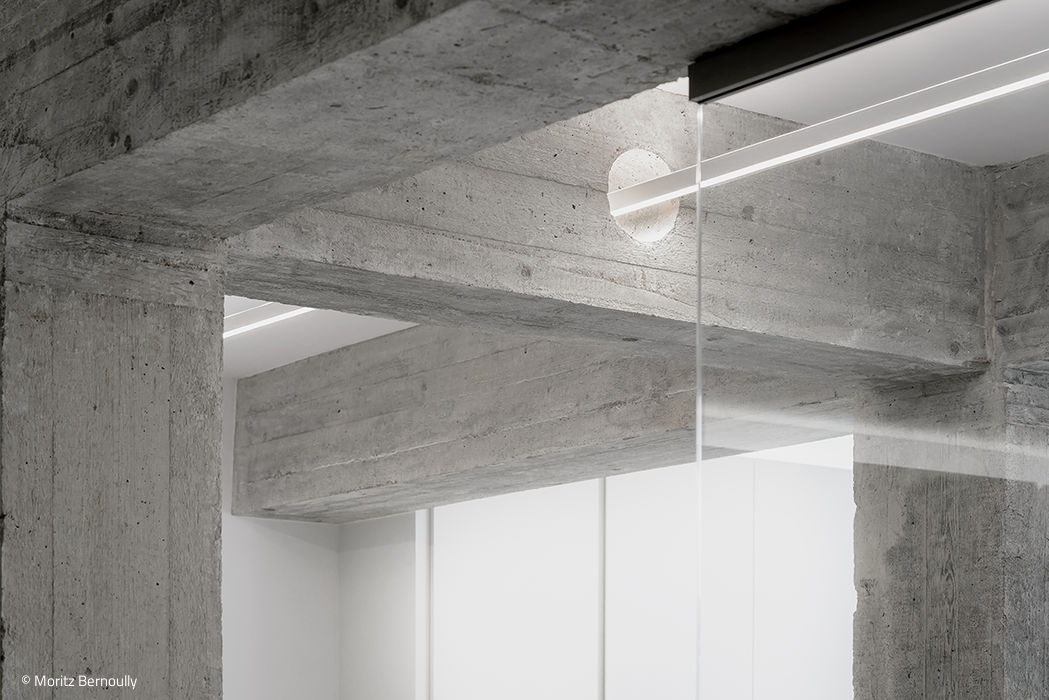
"The client envisioned an open, naturally lit office that would foster teamwork and break down hierarchies," says architect Ian Shaw. Two constraints shaped the project: the building's structure would remain largely untouched, and the budget had to stay tight. Across three floors—ground level and two stories above—145 m² on each level received a complete refresh. The design philosophy was simple: strip everything back to essentials, creating spacious, transparent spaces that breathe. The previous enclosed offices disappeared. Fitted elements were removed. Walls were stripped bare. Now, workstations for executives and staff, meeting rooms, kitchens, and restrooms flow seamlessly into one another, fostering natural communication. The star of the show? The raw concrete structure, boldly exposed—a knowing reference to the client's work as head of a structural engineering consultancy. Even the light slot running through the concrete beam speaks the language of structural design. The result is an office environment where purposeful organization, clean white surfaces, and visible structural logic converge into something greater than the sum of its parts.
Photography Credits:
Moritz Bernoully
www.moritzbernoully.com
(Published in CUBE Frankfurt 01|20)

Allegro
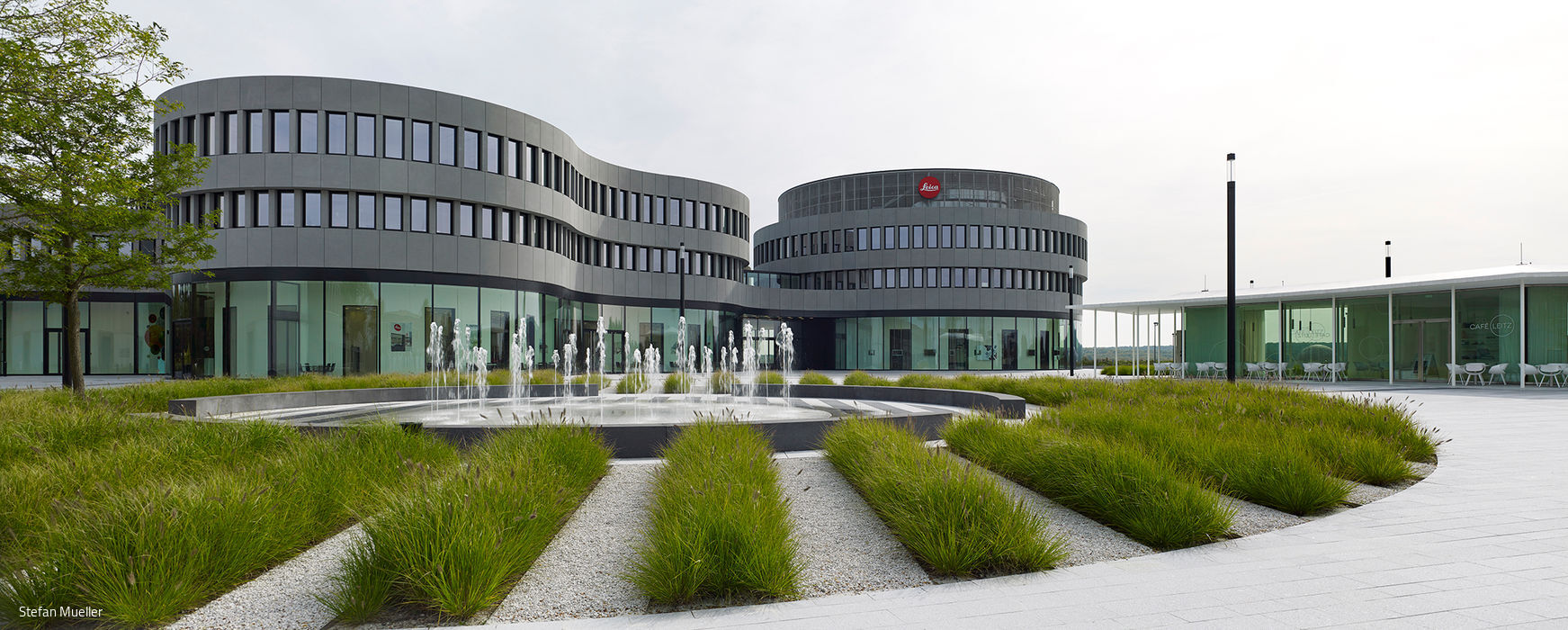
String Instrument Accessory Manufacturer's New Wing Translates Bach into Architecture
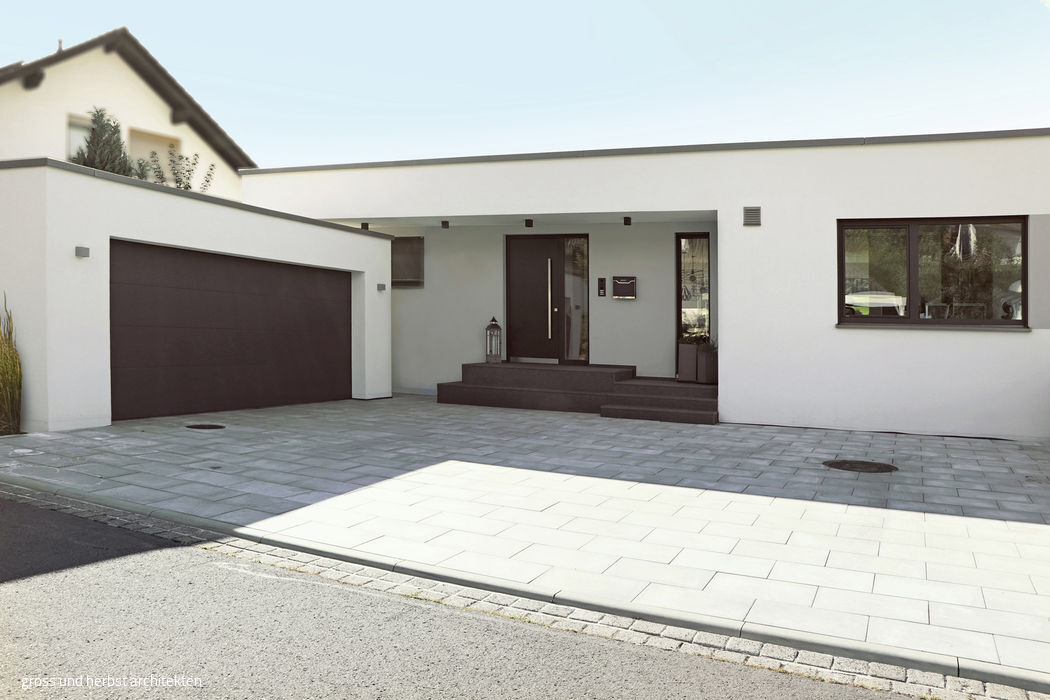
Softly Nestled
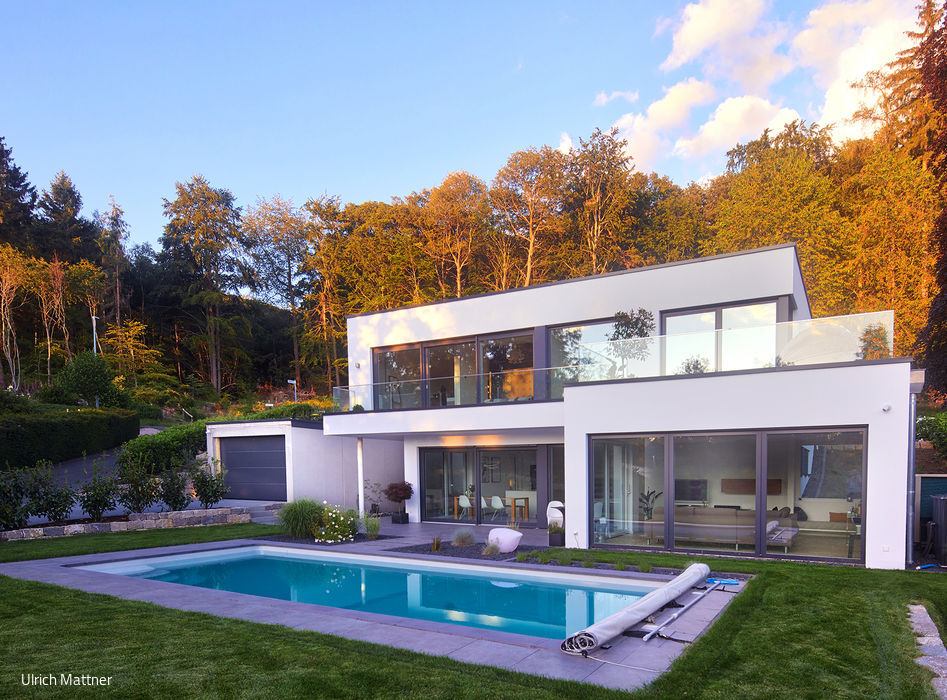
Cubic bungalow makes strategic use of a sloping site
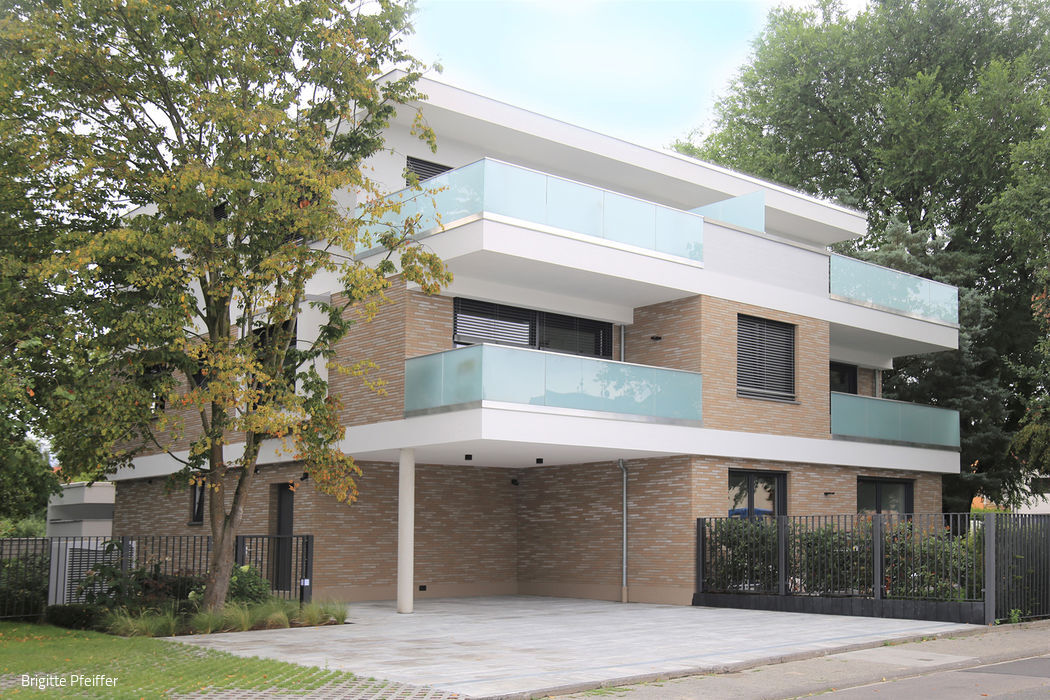
Serene & Harmonious
Elegant, contemporary architecture defined by clean lines and refined geometry, paired with an intelligently designed floor plan that prioritizes accessibility...
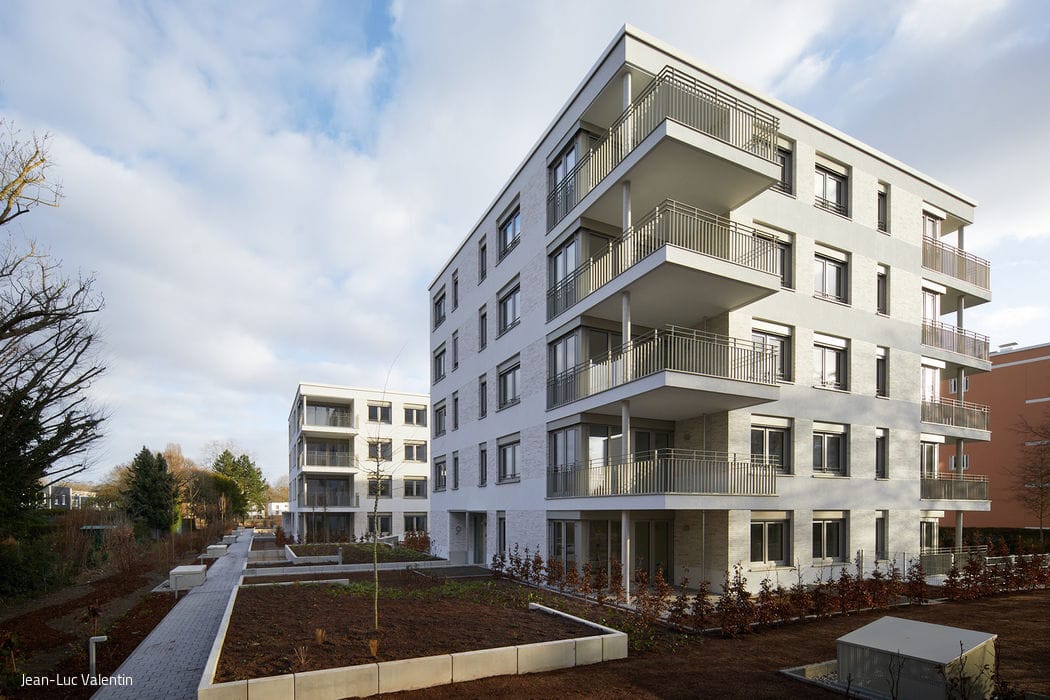
Connected & Flexible
A New Residential Community: Inclusive Living in an Exceptional Setting