


Everything but ordinary
The "Holzrotonda" showcases innovative solutions for the future of single-family home construction


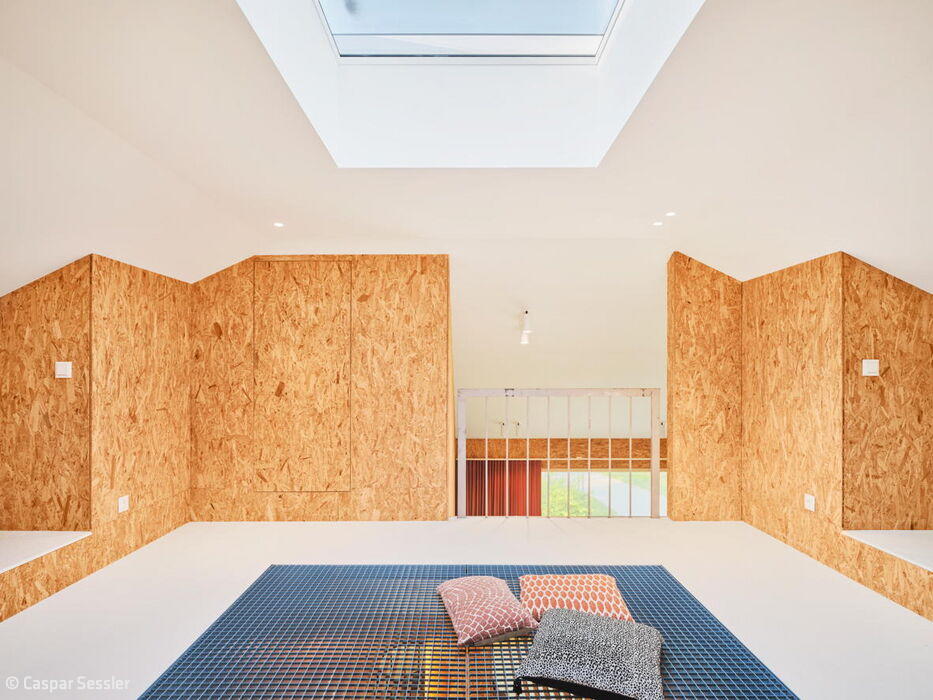
The Bremen-based architectural firm Wirth Architekten is led by two brothers, Jan and Benjamin. One of their projects bears the name Holzrotonda. Rotonda? Isn't that the world-famous 16th-century villa in Italy designed by the equally renowned Palladio? And why Holz—wood? The name of this single-family home in Lower Saxony is far more than a playful nod to history. It speaks directly to the growing debate surrounding detached houses, which remain the dream property for roughly 65 percent of Germans, yet face mounting criticism for their environmental costs: land sealing, climate-damaging materials and energy consumption, and urban sprawl.
The Holzrotonda addresses this challenge head-on, with a footprint—literal and conceptual—that has been deliberately minimized. While conventional houses sit heavily on the ground, often penetrating it with basements, this design radically reduces the ground floor to just 25 square meters. Around a central spiral staircase sit a coat closet, guest bathroom, and storage, leaving the upper floors for living. Upstairs, four bedrooms and a gallery gallery provide generous space for the family.
The Holzrotonda's carbon footprint is equally impressive. Its compact footprint minimized the need for concrete and petroleum-based insulants to near zero. The façade deliberately eschews the region's traditional aesthetic of heavy, fired masonry materials—which would otherwise compromise the building's overall energy performance through manufacturing and transport impacts. Inside, the design forgoes conventional installation layers and gypsum board cladding entirely. This commitment to avoiding composite materials enables future deconstruction and material recovery aligned with cradle-to-cradle principles. To balance sustainability goals with economic reality, the architects rigorously questioned every standard. Rather than wallpaper or intricately finished surfaces, the interiors feature raw chipboard panels. Except for the fiber cement shell and ground-floor cladding of cement-bonded panels, the structure is essentially a fully prefabricated, demountable timber-frame system. Yet echoes of Palladio's Villa Rotonda do emerge: in the upper-floor living spaces arranged around a circular staircase, and in the central oculus that floods the interior with natural light from above.
Photos:
Caspar Sessler
www.casparsessler.com
(Published in CUBE Hamburg 03|24)

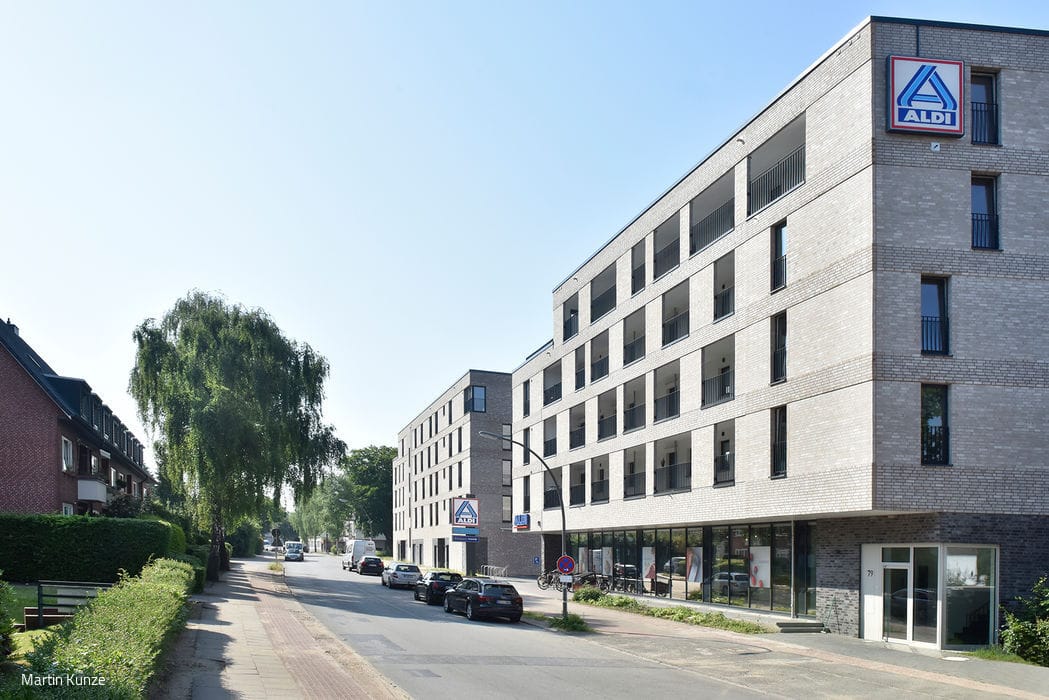
Smart solution
More homes, better shopping: reimagining Randstraße
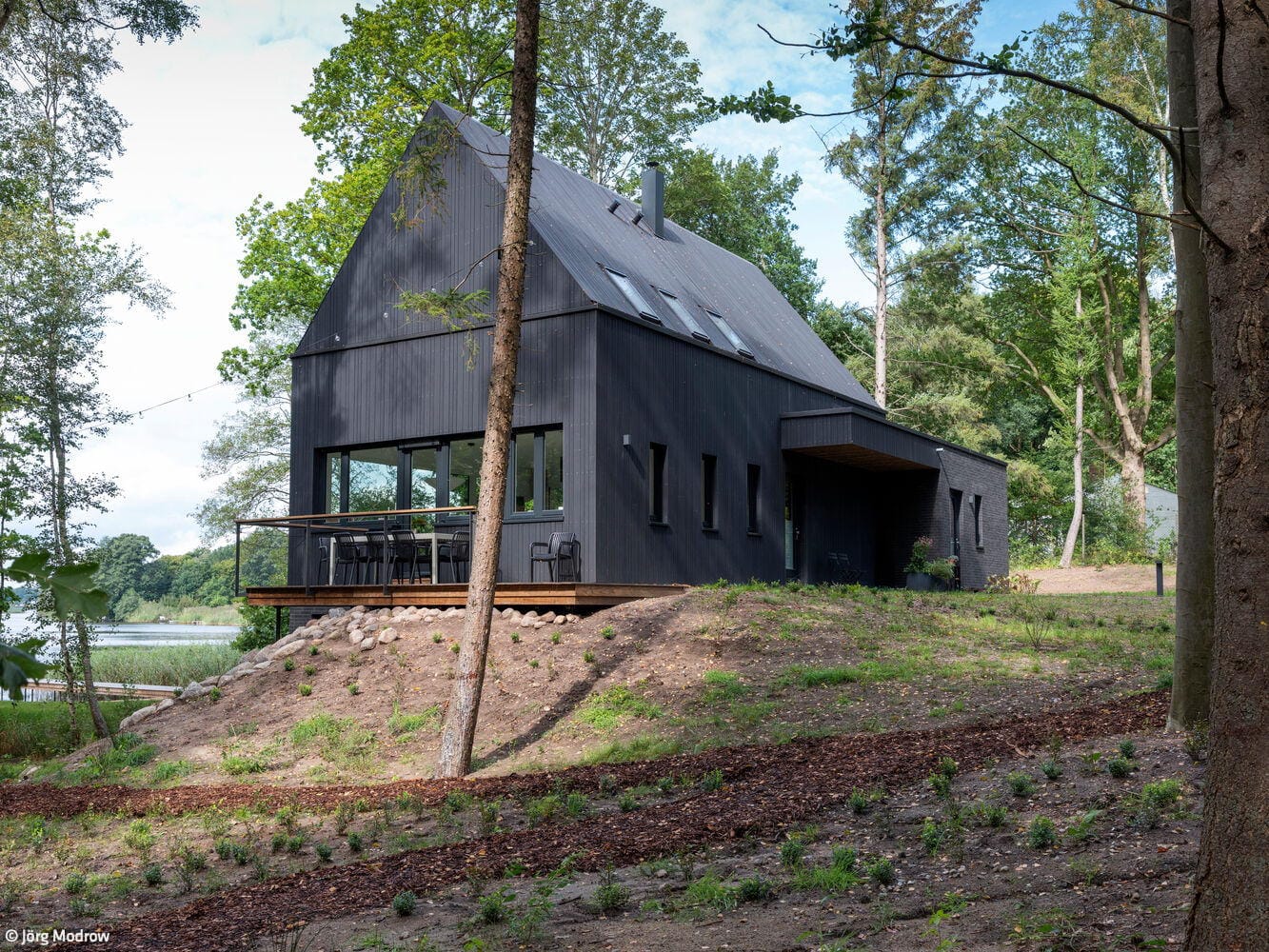
Black Diamond by the Lake
This house embodies a seamless fusion of nature and architecture.
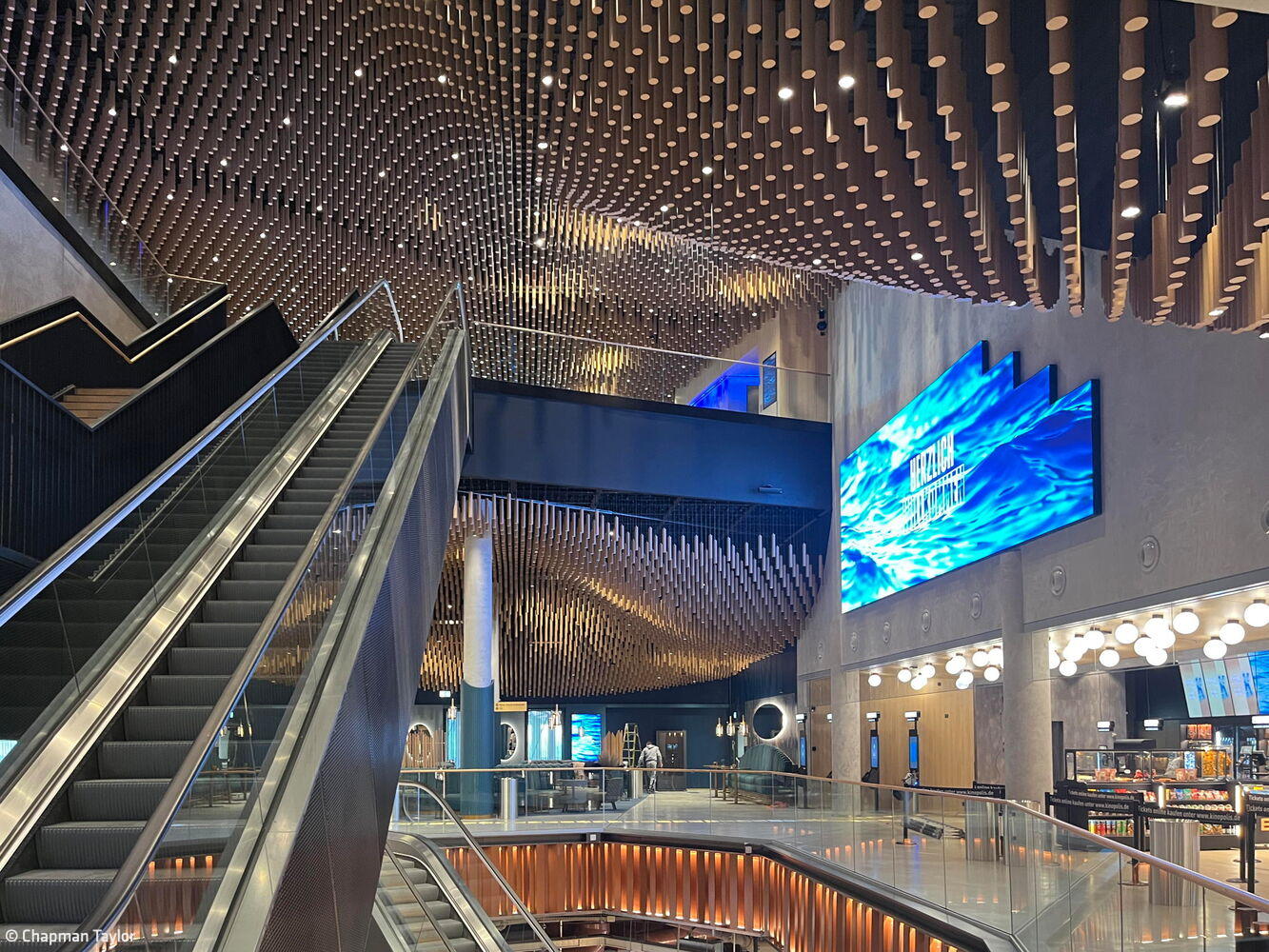
Hamburg's biggest cinema
Where design, service, and cutting-edge technology converge to captivate cinema enthusiasts
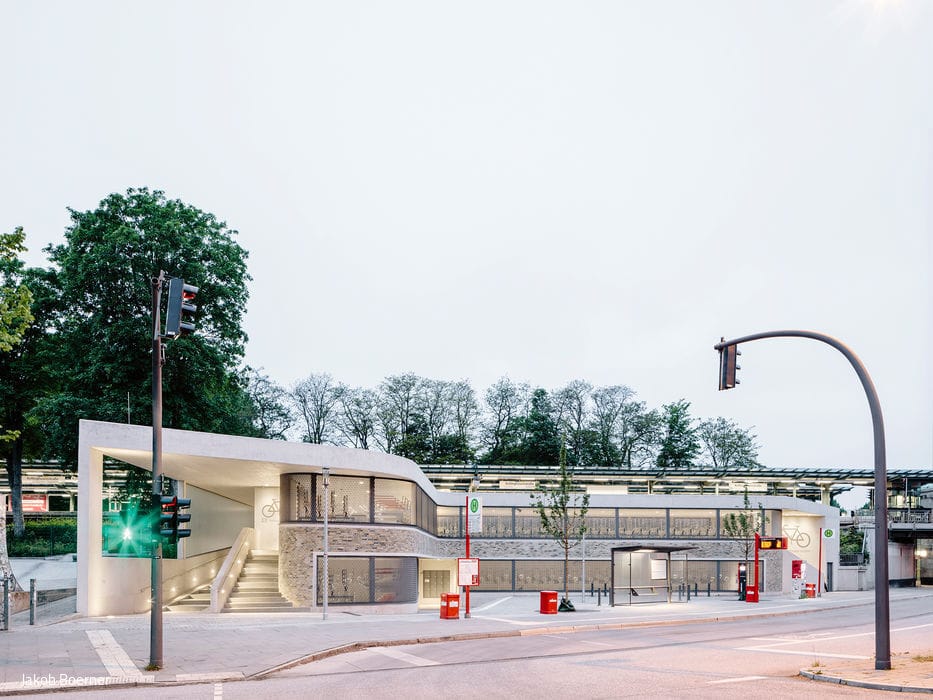
600 new parking spaces
Hamburg's first bicycle parking facility marks a new mobility milestone at Kellinghusenstraße