


Courtyard Within a Courtyard
Transforming rear courtyard garages into a live-work studio building
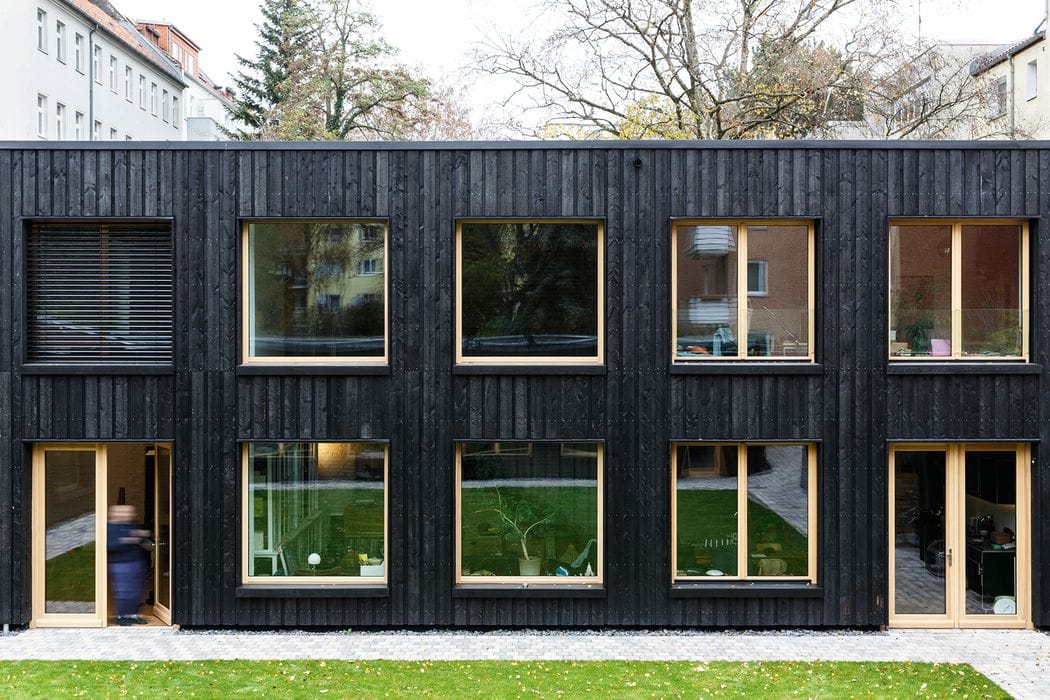
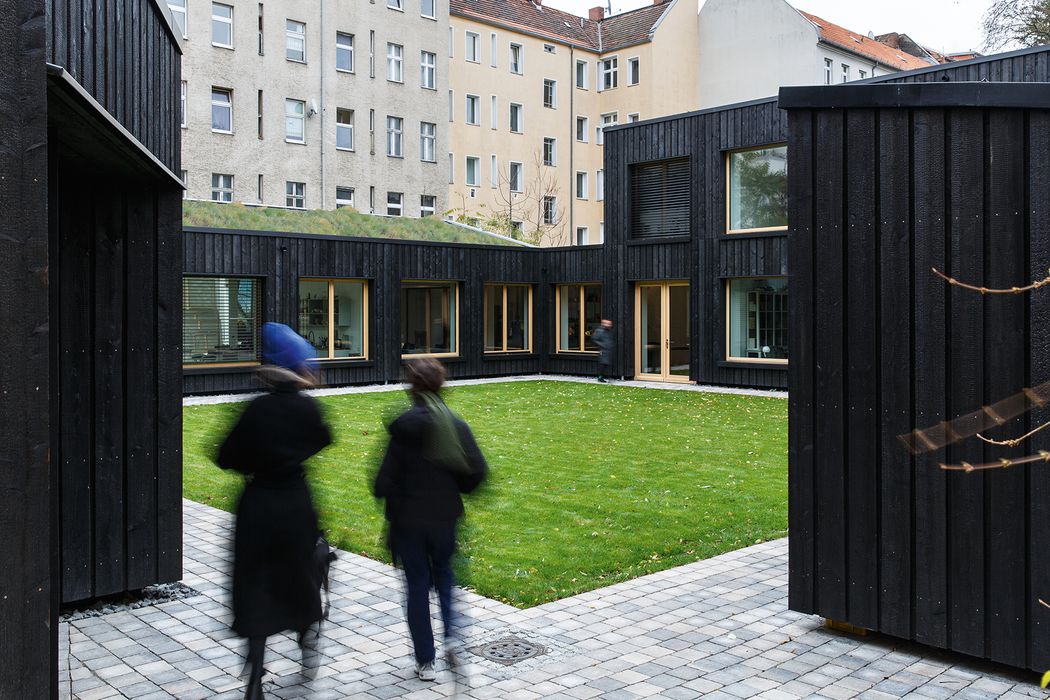
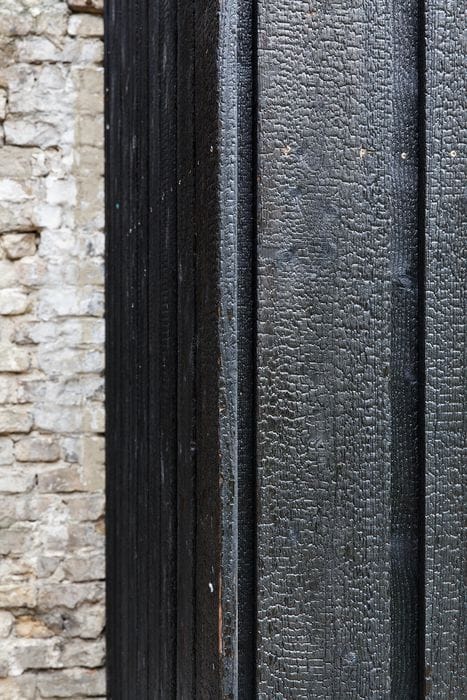
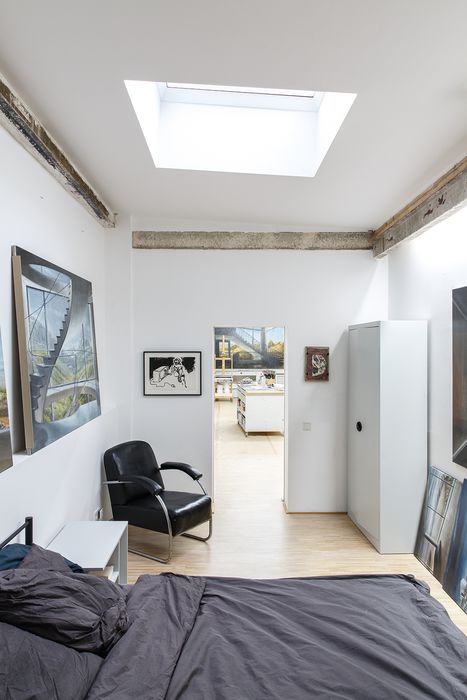
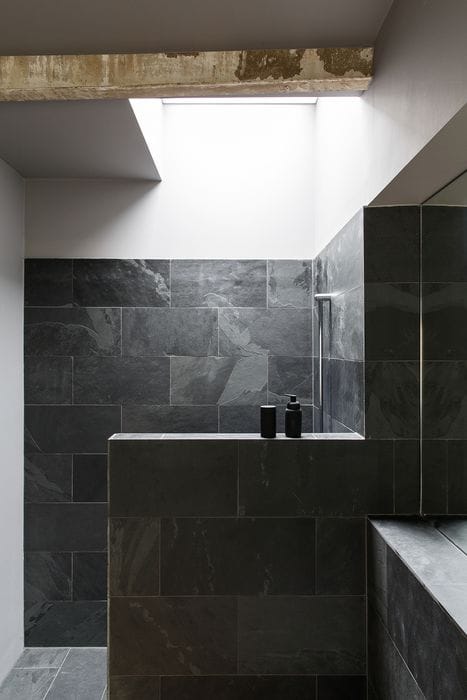
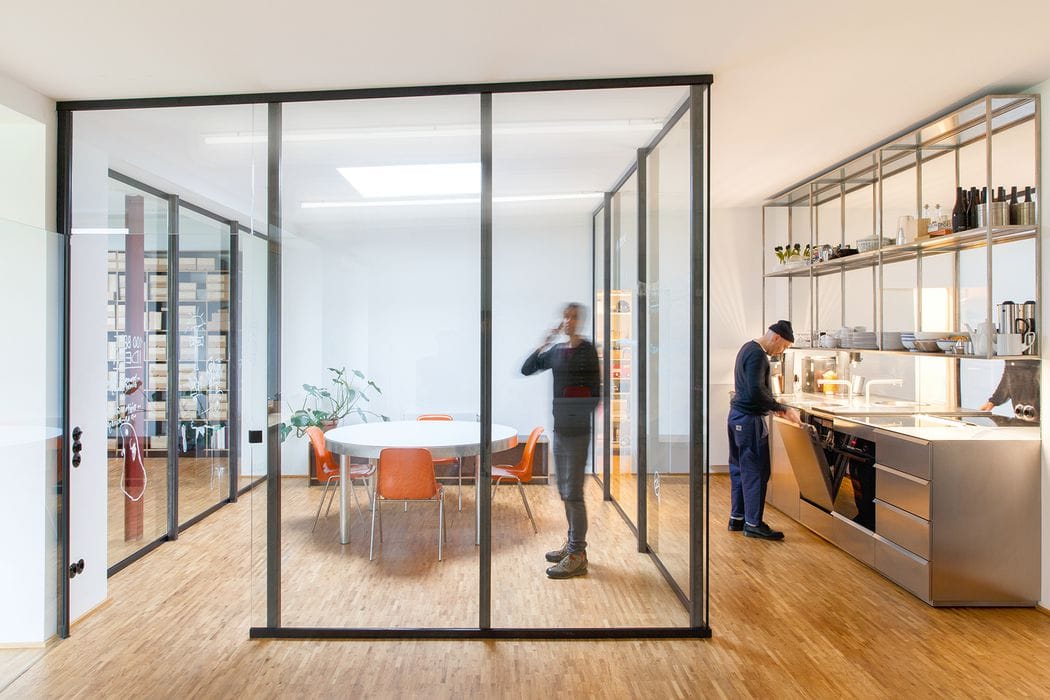
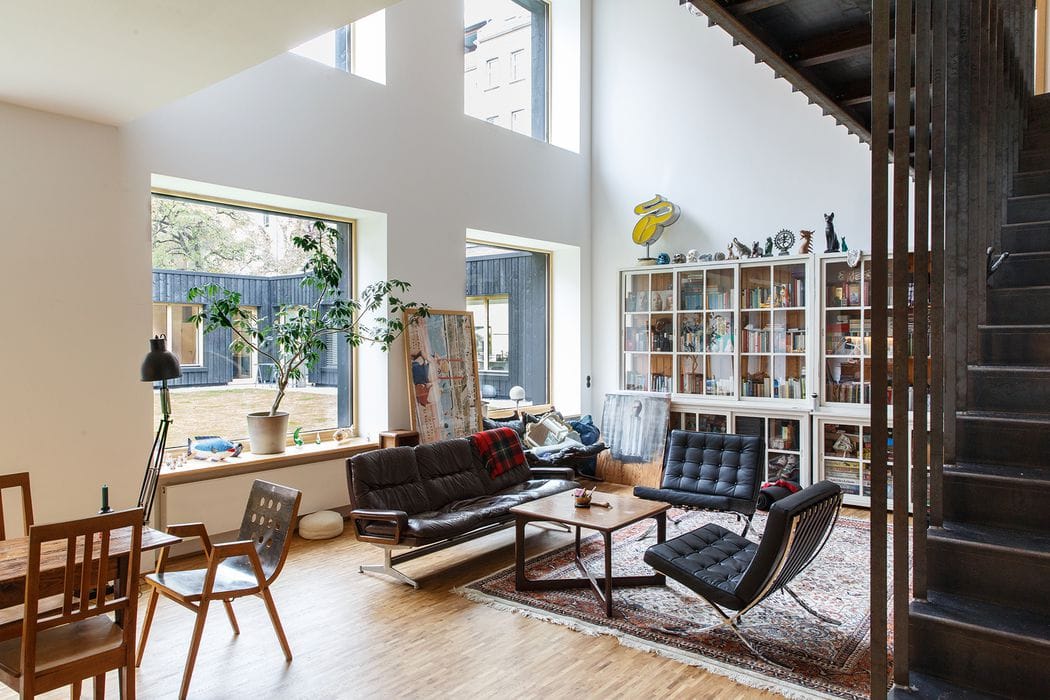
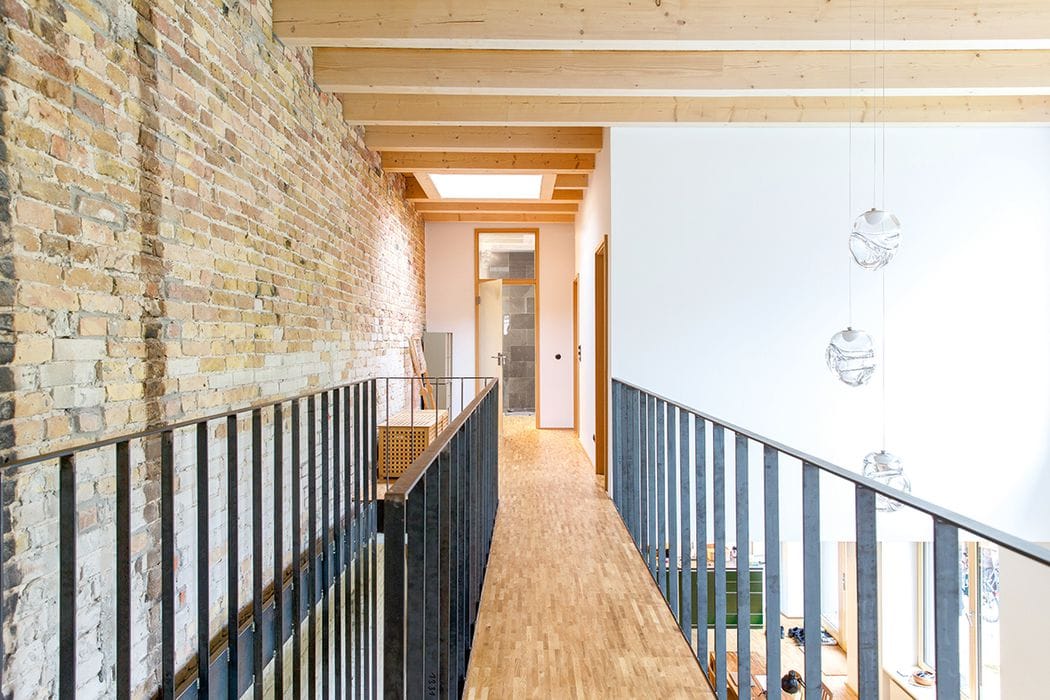
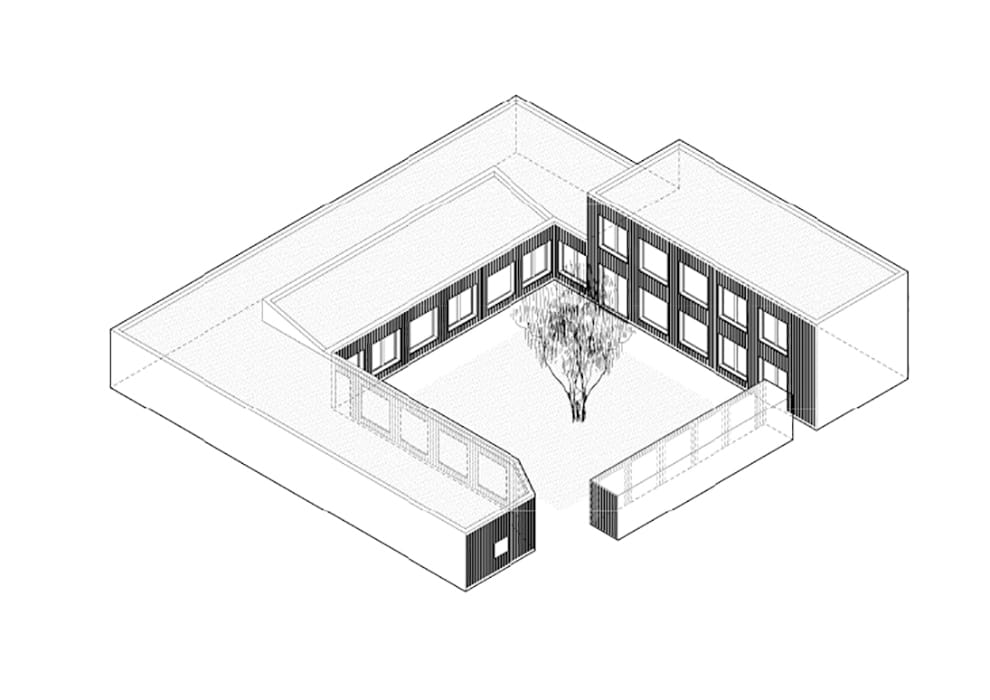
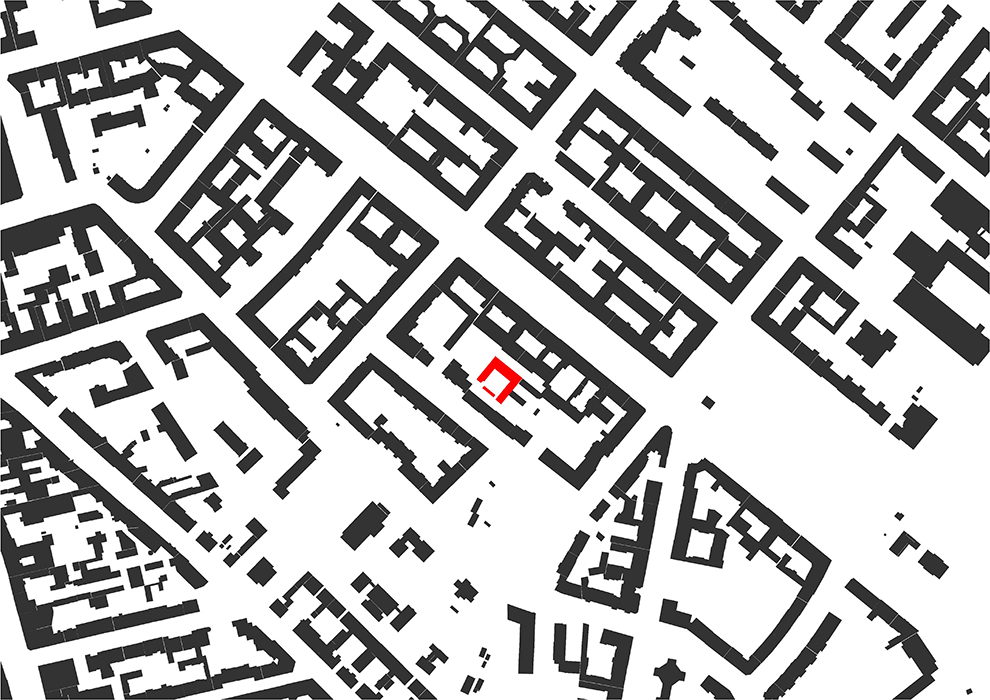
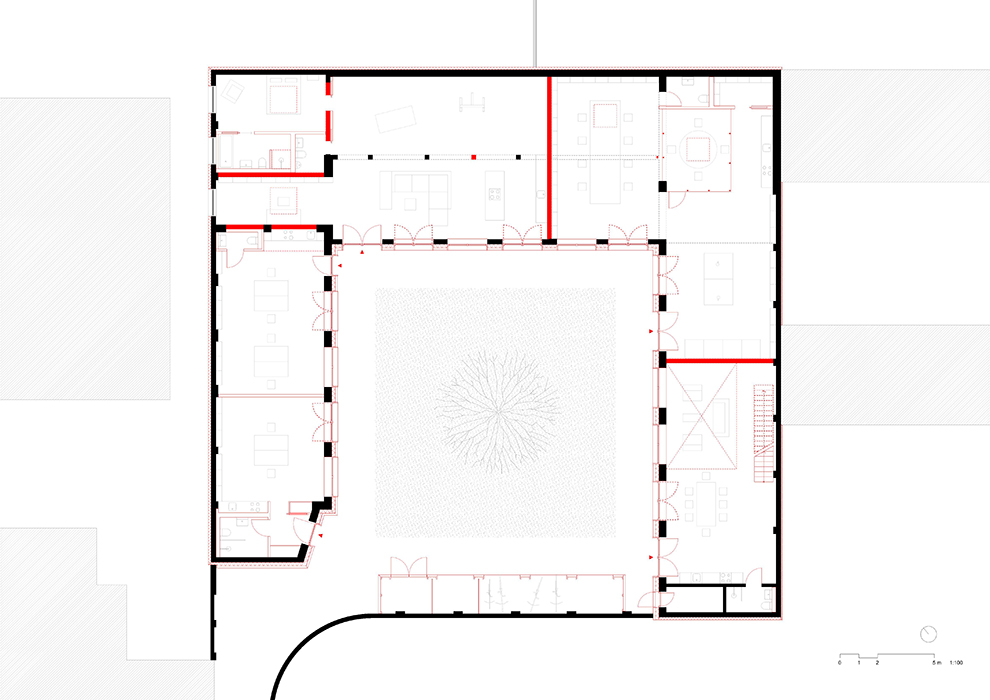
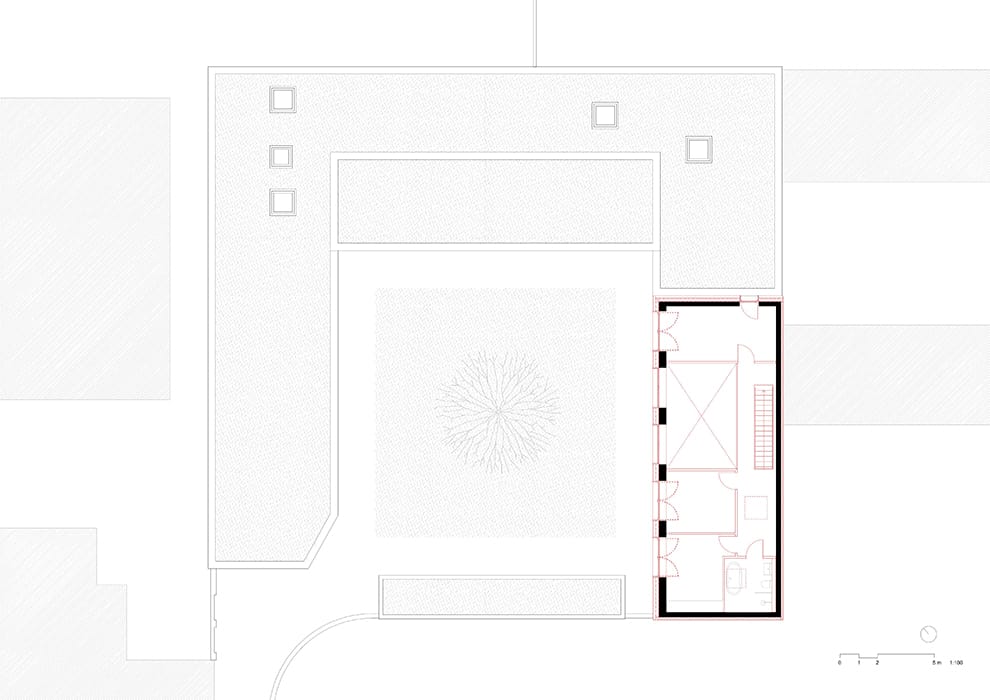
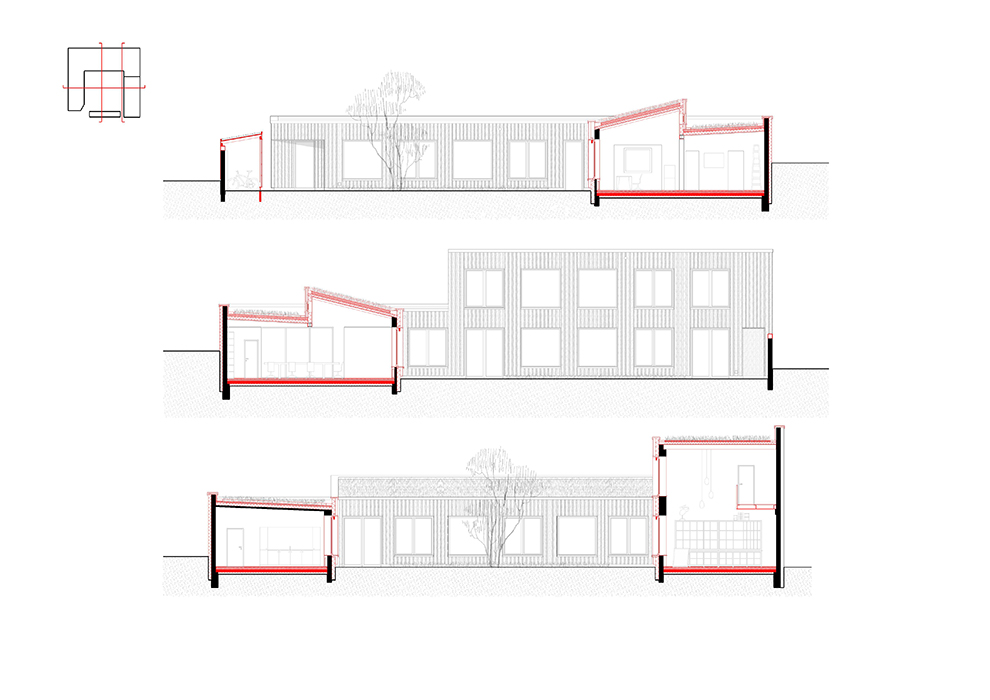
This Neukölln building carries decades of history. Built in 1931 as a functional structure in East Berlin, it was originally designed as a garage compound—a clever solution to a city ordinance that forbade street-side parking. Over time, it evolved into an art storage facility, then a metalworking workshop. In 2018, a collective of artists and creative practitioners saw its potential and established studios and residences within its walls. Last year, the U-shaped structure underwent its most ambitious transformation yet. Architects ALAS (Alarcon Linde Architects) were tasked with reimagining the entire complex for a building cooperative. The three-sided courtyard structure remained fundamentally intact—single-storey on the east and north, double-storey on the west—with only a narrow bicycle shed added to the spatial envelope. The asphalted courtyard was stripped down, filled with fresh topsoil, and replanted with grass. To make the spaces livable and functional, the team introduced new insulation and heating systems, then wrapped the exterior walls in timber cladding. Following a traditional Japanese technique, the wood was surface-charred to provide weatherproofing and natural pest deterrence—an approach that delivers both function and striking visual appeal. The windows were repositioned and enlarged by lowering the sills, creating a contemporary street presence that belies the warm, inviting atmosphere within. The transformation continued through comprehensive renovations that were completed last year. The new 530 m² studio and workshop space is flooded with light through strategically placed skylights, fostering a bright and welcoming environment. A green roof slopes southward, contributing to the building's ecological strategy. Glass sliding doors partition the ground floor, while a central glass pavilion serves as a collaborative meeting hub. Industrial-grade parquet grounds the space. In the western wing, original brick walls were carefully sandblasted to reveal their authentic character. A steel staircase ascends to the first floor and private quarters above. At the courtyard's heart stands a walnut tree—the verdant centerpiece that anchors this dynamic mixed-use community.
Photography Credits:
Ronald Patrick
www.ronaldpatrick.com
(Published in CUBE Berlin 01|23)
Courtyard Architecture Reimagined
Generous Space and Natural Light for Living and Working
Learning Through Eyes and Senses
Extension of the Berlin Academy of Administration in Moabit
A Storied Past
The Federal Ministry of Labour and Social Affairs: New Final Extension
Beyond disposable architecture
"Element & Lingot" – visionary infill development in Moabit