


The Circular Material Revolution
"The Cradle" in the Media Harbour stands as a beacon for circular construction

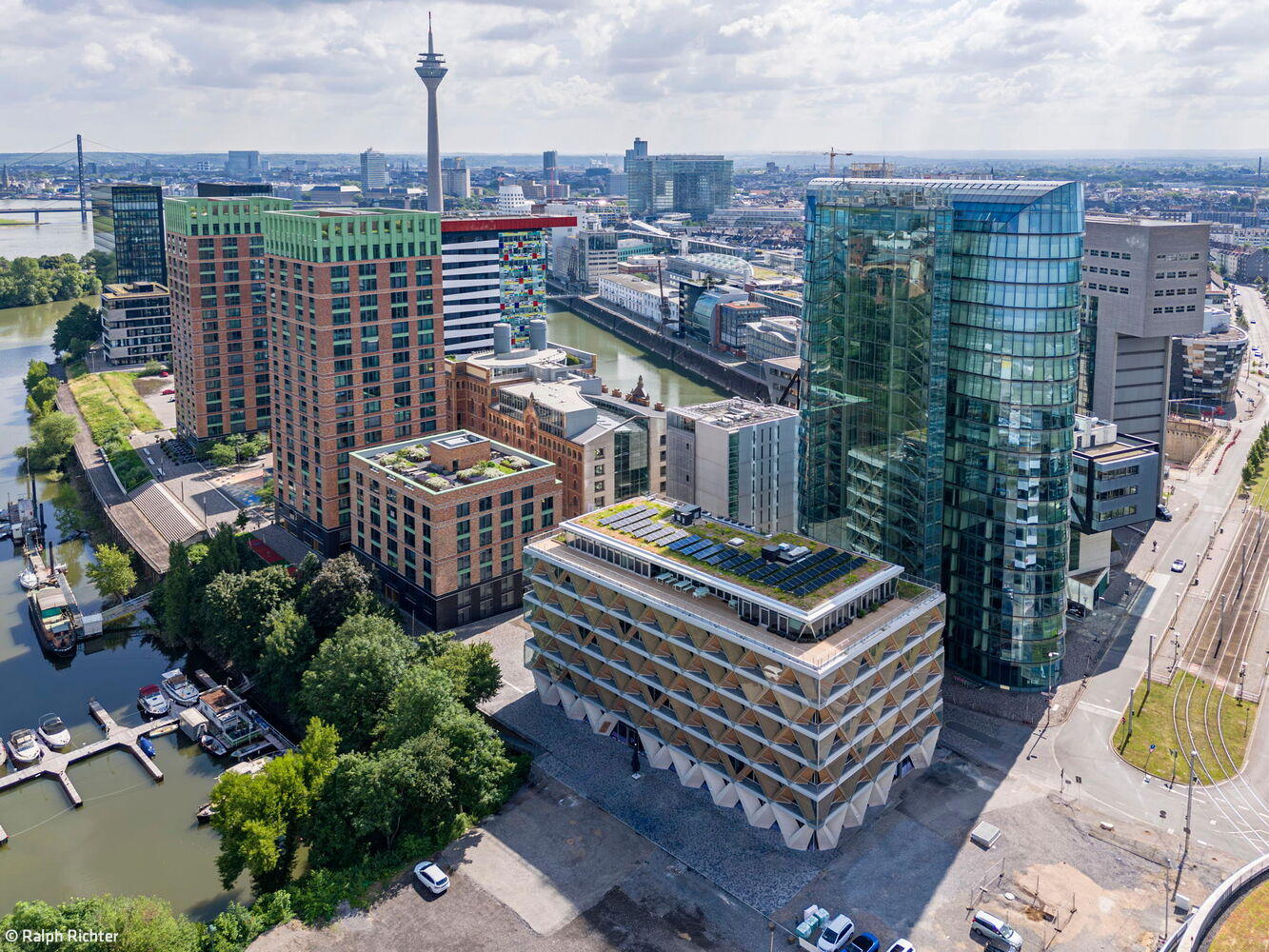


Challenging architectural convention and charting a new course – that's the vision behind "The Cradle," a striking new office building on the edge of Düsseldorf's Media Harbour. A collaborative team of HPP Architects, developer Interboden, and specialist consultants has brought a pioneering circular construction project to life—one that breaks ground without relying on established precedents.
Positioned on the waterfront's final available plot along Speditionsstraße, this office building has become a showcase for what thoughtful, circular design can achieve. It draws visitors and tenants alike into spaces defined by exceptional material quality and inspiring architecture. The façade's interplay of wood, glass, and concrete—anchored by distinctive V-shaped supports that frame panoramic views while creating natural gathering points—creates an atmosphere that feels both impressive and inviting. Thanks to wood's natural filtering properties and the building's floor-to-ceiling green walls, the interior maintains an outstanding climate that actively supports occupant wellbeing, particularly benefiting those with asthma or allergies. The ground floor opens to the public, hosting co-working spaces and the acclaimed Hato restaurant, whose terrace extends toward the water's edge. At its core, circular construction rests on a straightforward principle: nothing becomes waste. Instead, every material finds new purpose in ongoing cycles. Following the Cradle-to-Cradle® framework, The Cradle itself functions as a material repository. Every component was rigorously evaluated for health safety, non-toxicity, and future disassembly potential. The diamond-patterned wooden façade tells this story visually—developed from context, it seamlessly integrates structure, solar shading, and loggias into a single design. Those V-supports, crafted from larch and engineered for disassembly, embody this philosophy perfectly. In total, 2,150 m³ of sustainably harvested European timber—predominantly from certified German forestry—replaced concrete wherever possible. As a renewable resource, wood locks away carbon while dramatically reducing the building's environmental impact. The Circularity Passport®—a comprehensive planning and verification tool—documents this achievement clearly: compared to conventional buildings, The Cradle achieved 56% better material health and a 50% reduction in carbon footprint.
Photos:
Ralph Richter
www.gurkenland.de
(Published in CUBE Düsseldorf 04|24)
Laid-Back and Unconventional
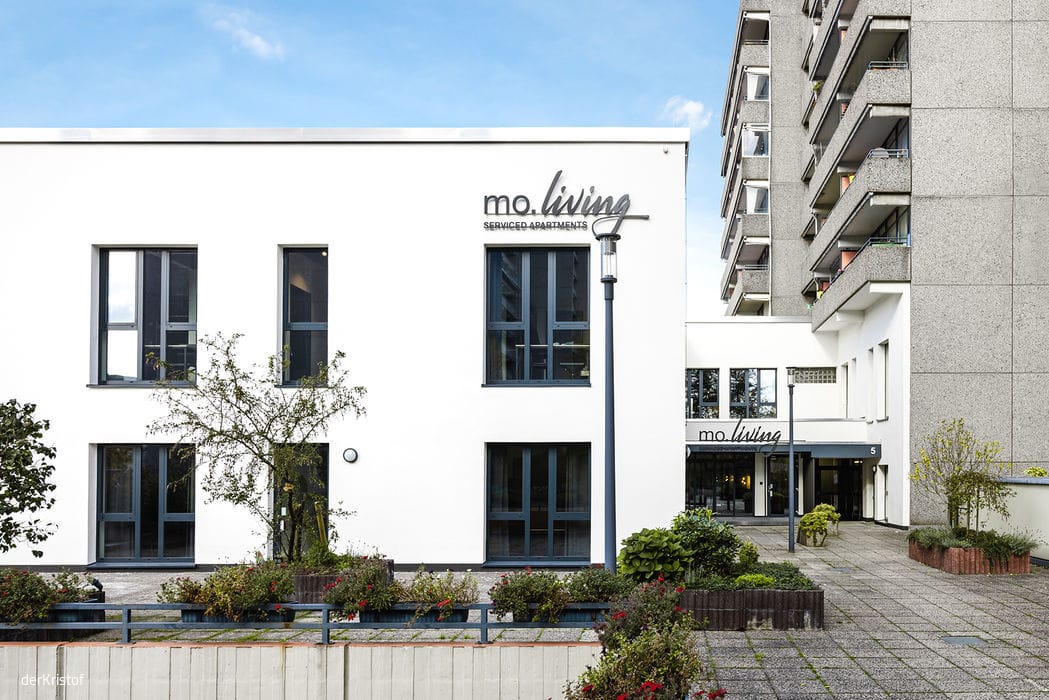
Stylish interiors meet community spirit at serviced apartments in Neuss

An Airy Spatial Marvel
A classic semi-detached home on the Rhine's left bank unfolds generously inward
A bespoke furniture shop
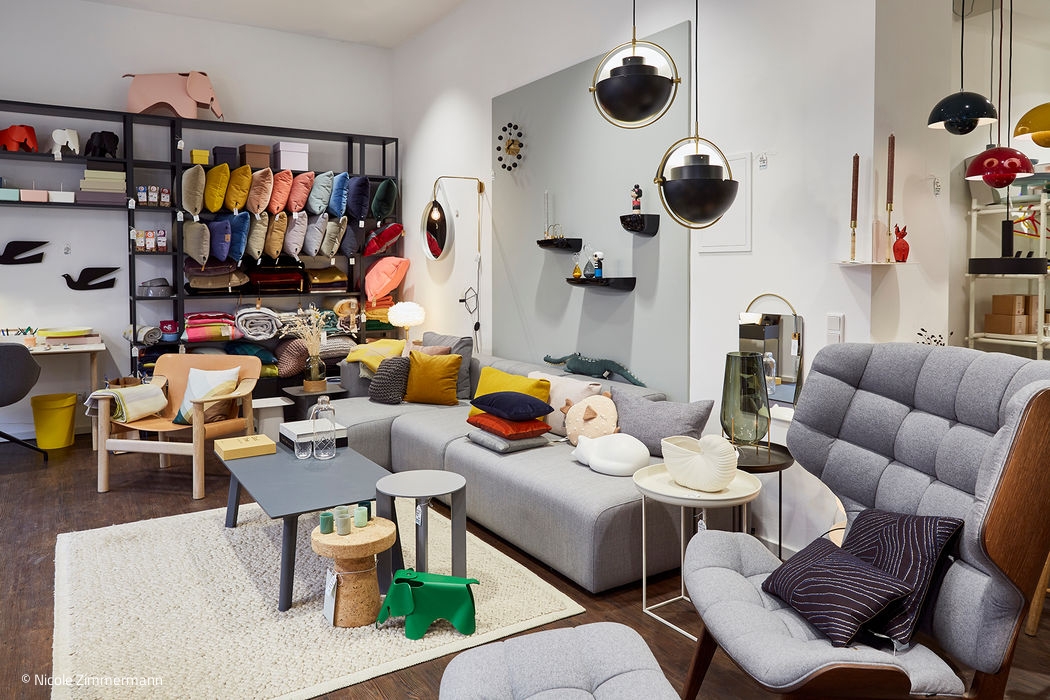
thehomestory showcases curated home and interior design trends in Flingern
Elegance at Luxury Level
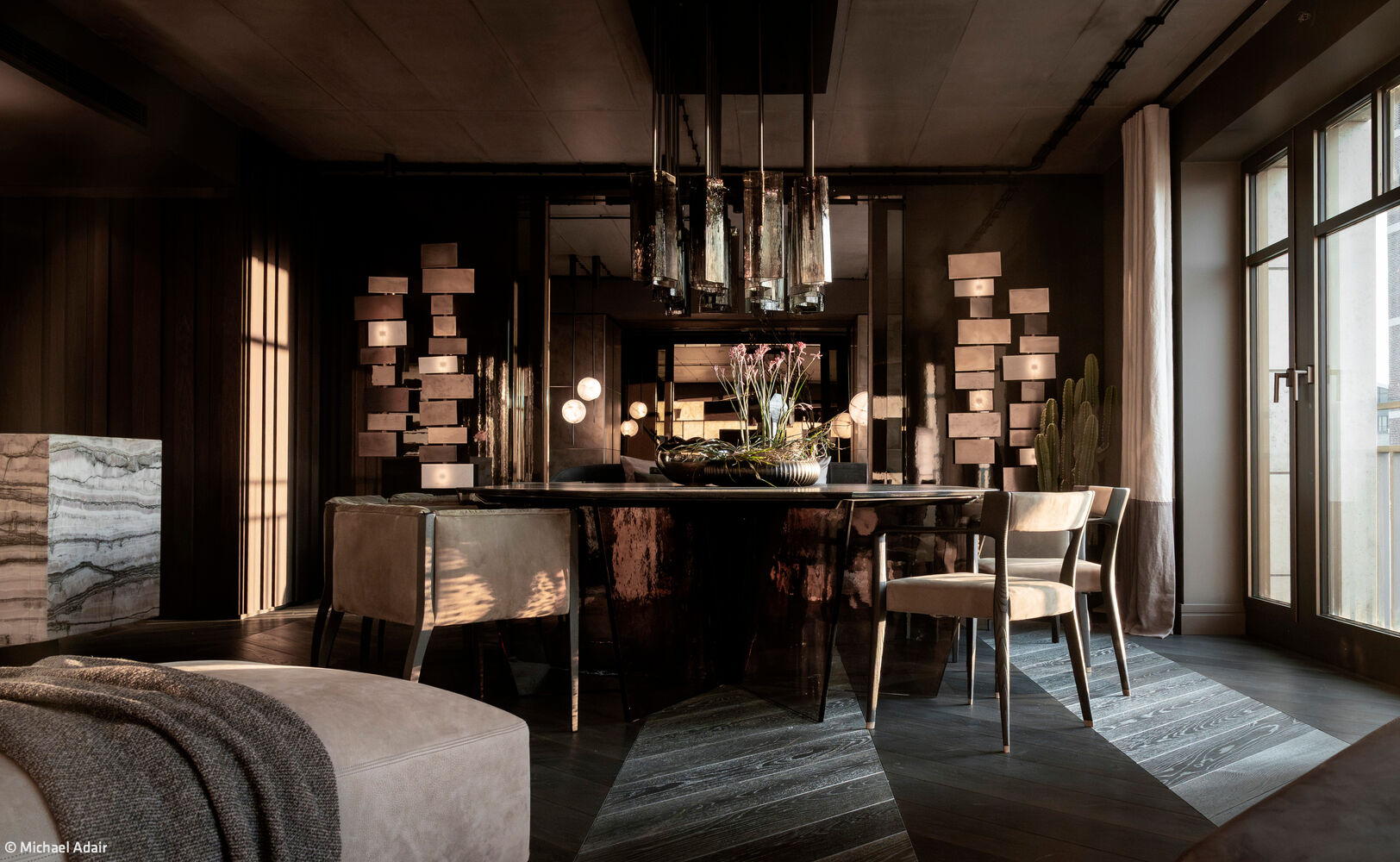
The "Henge Suite by Treutlein" at the Breidenbacher Hof captivates with its seamless marriage of exclusive living and curated design worlds.