


Flexible and Multifunctional
The AOK building in Mönchengladbach sets the standard for modern office design.
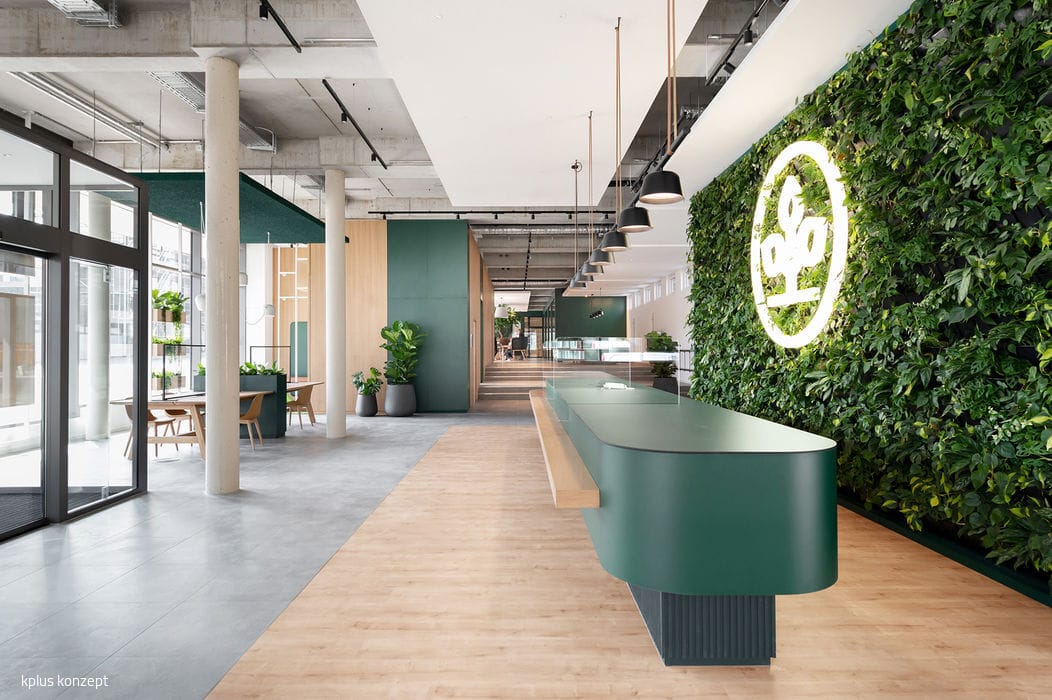
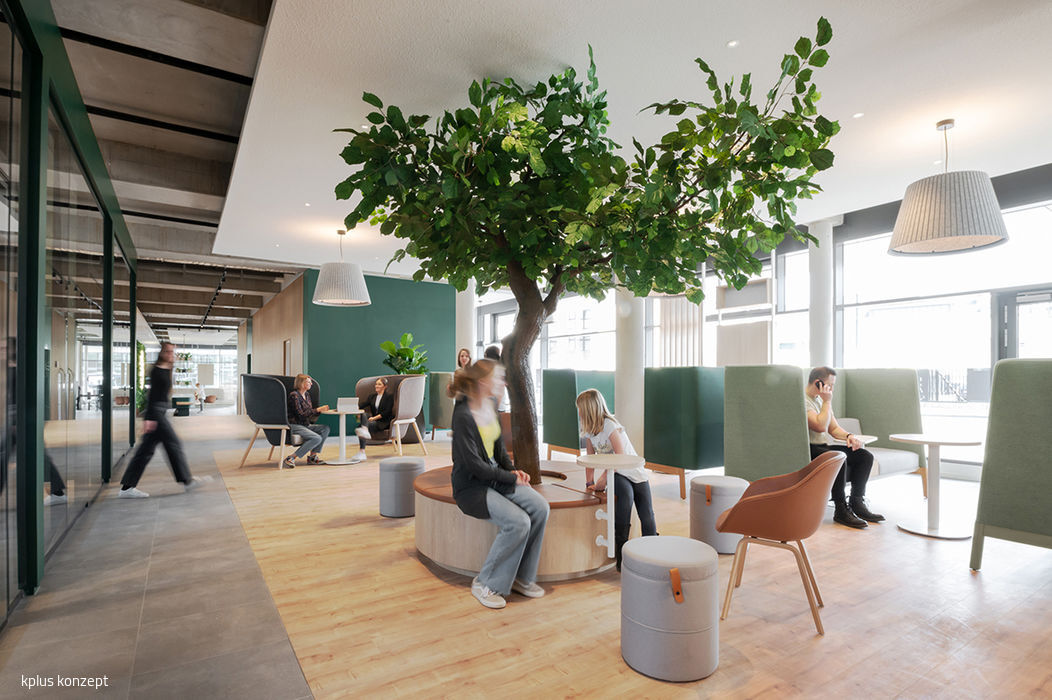
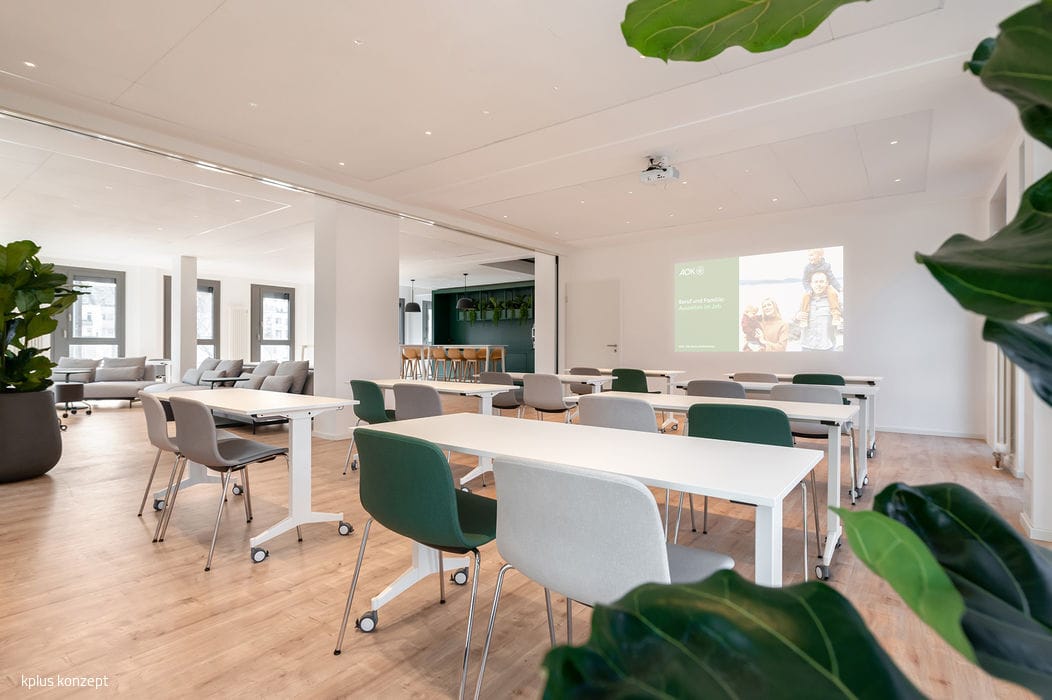
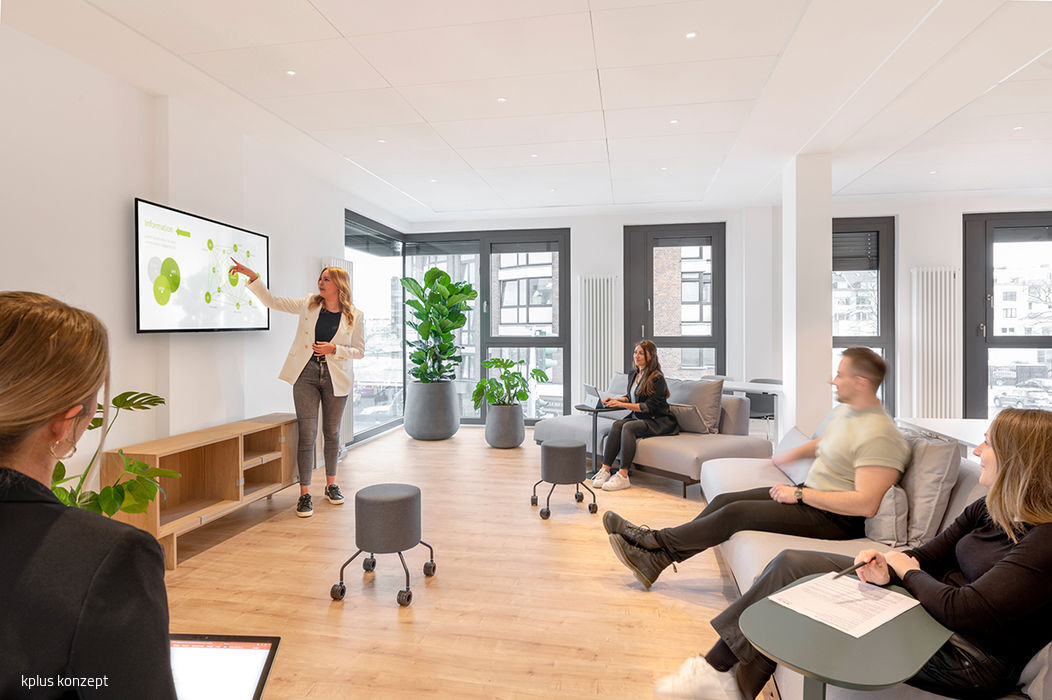
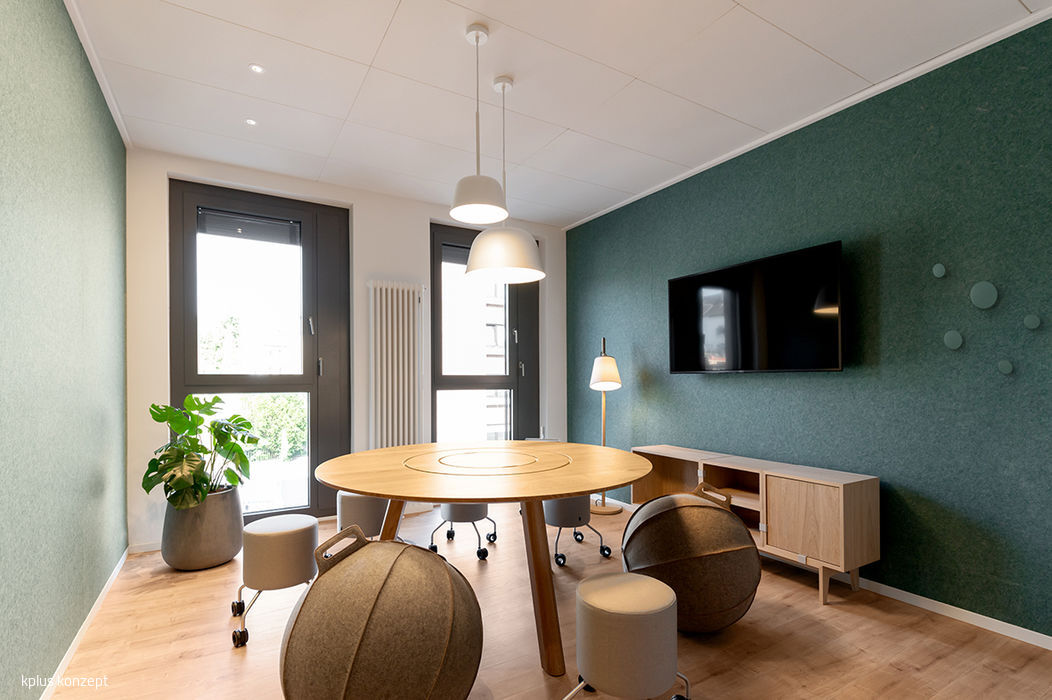
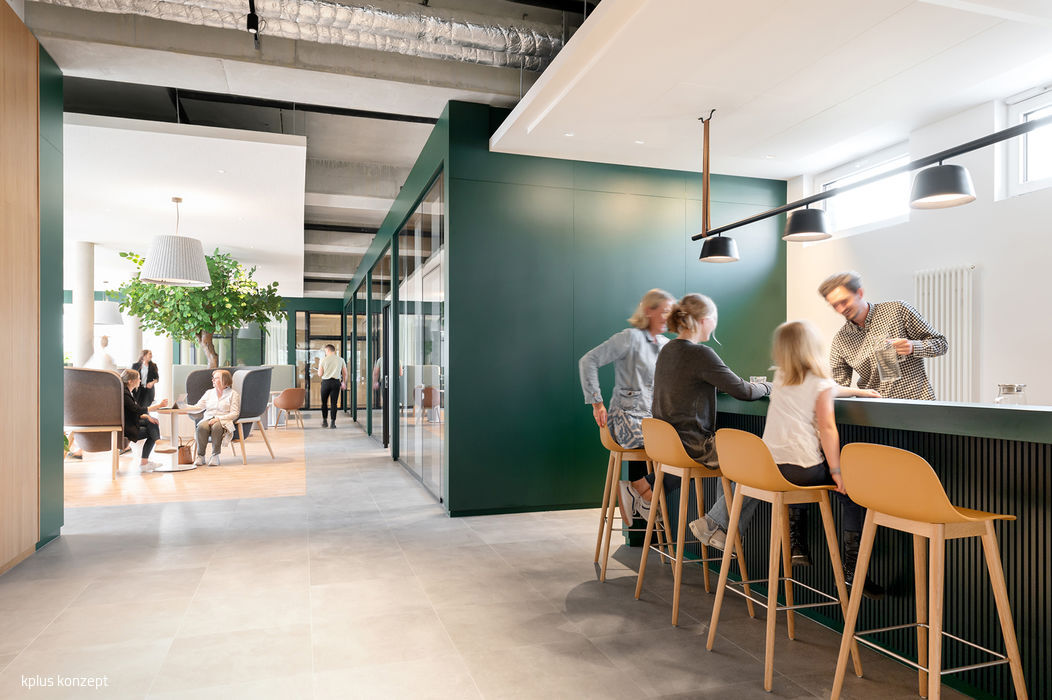
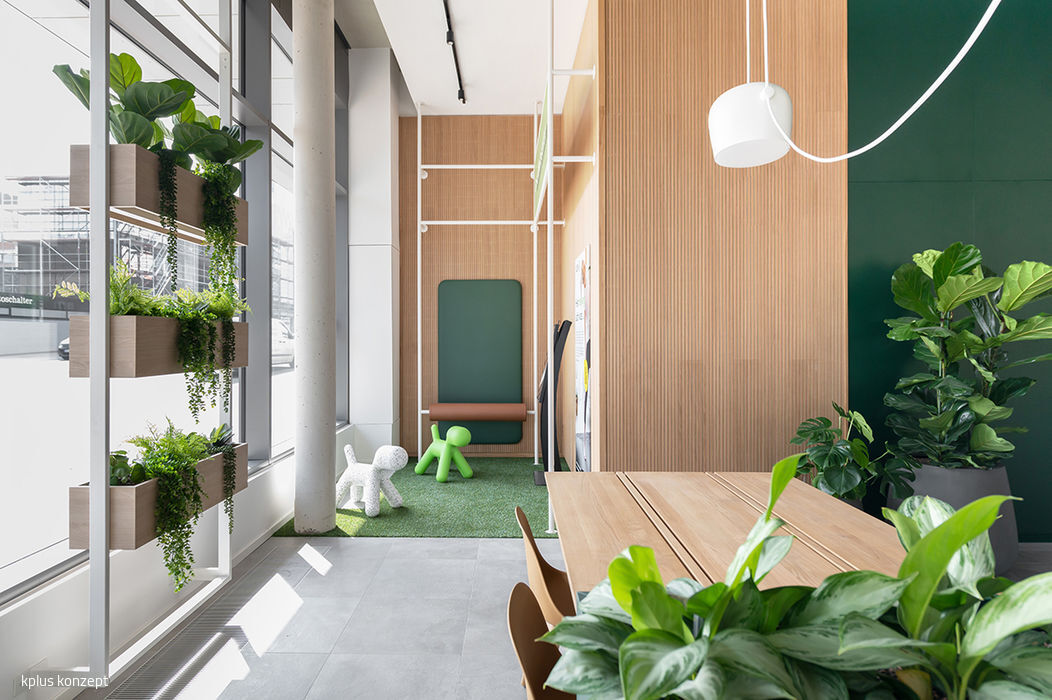
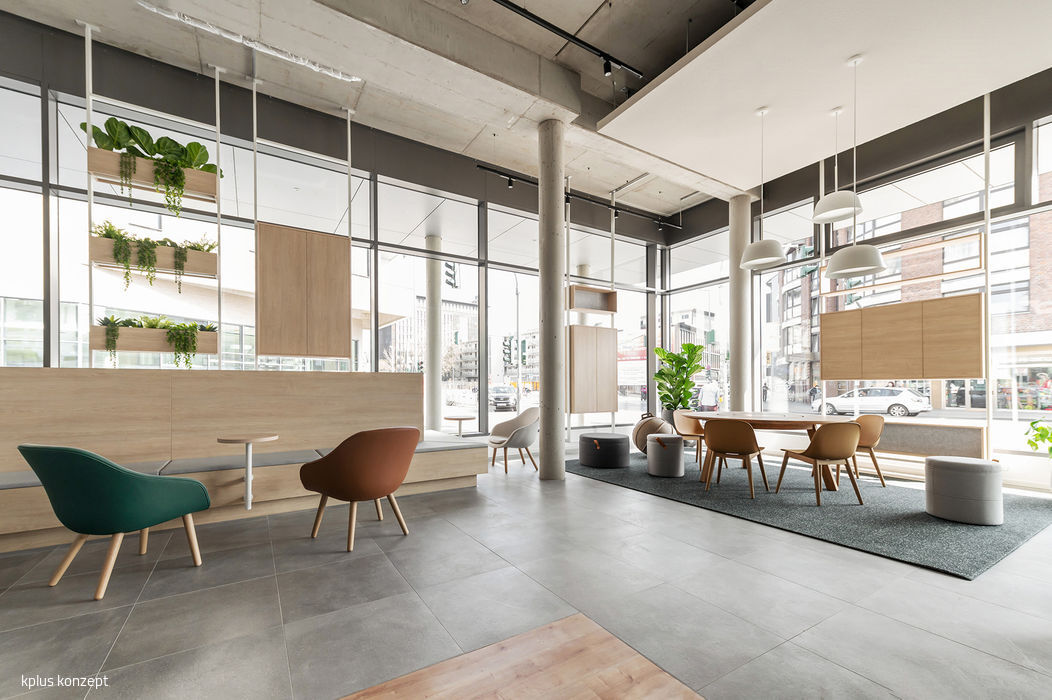
How can companies introduce employees to New Work in an approachable way that empowers them to shape their roles around their own needs—and ultimately delivers more thoughtful client service? This central question guided the development of a groundbreaking interior design concept by Düsseldorf-based kplus konzept for AOK health insurance across the Rhineland/Hamburg region. Now rolling out across approximately 60 branch offices, the approach is already taking shape in the new AOK building in Mönchengladbach—one of the first locations to fully embrace this evolved office culture.
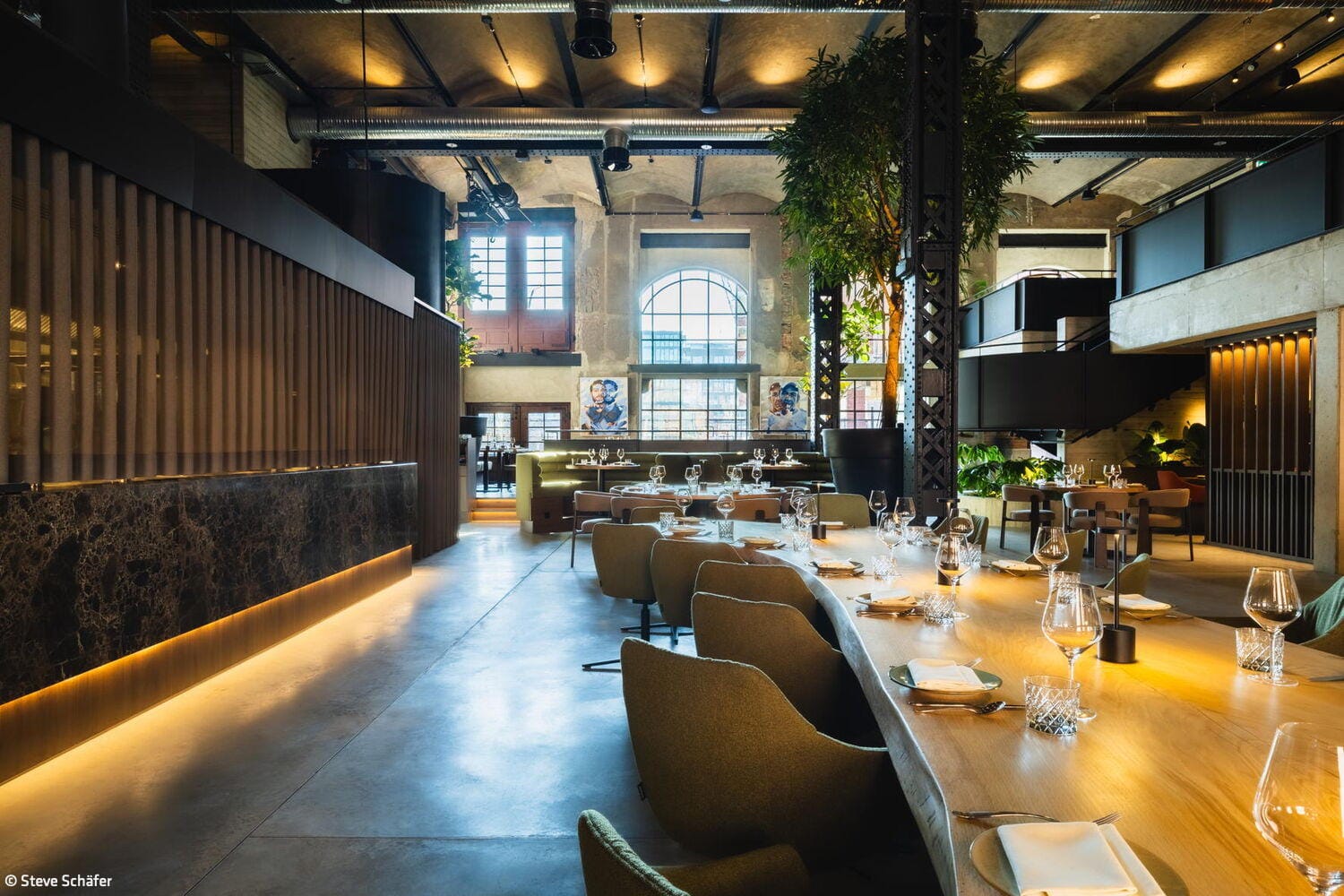
The interior design enables digitally driven workflows while fostering more personal client interactions. Employees move fluidly through a spacious open environment with varied seating configurations, bringing laptops and tablets as needed—supported by strategically placed screens and video walls. Acoustic comfort is paramount: ceiling panels, upholstered surfaces, wall treatments, and partitions all incorporate sound-dampening felt. For confidential consultations, soundproof pods equipped with integrated technology provide the privacy clients deserve, including a "living room lounge" with sofa and Surface tablet. Every piece of furniture was selected to welcome everyone—regardless of age, family size, or mobility—with a mix of seating heights, private consultation spaces, and collaborative tables thoughtfully positioned throughout. The concept extends beyond client-facing areas: back-office workstations, break spaces, training rooms, and informal huddle zones each received dedicated attention. Research confirms what intuition tells us: well-designed social spaces drive employee wellness and company loyalty. Rather than conventional break rooms, the team created an expansive gathering space anchored by a long communal table and a generous relaxation lounge with sofas, pouches, and cushioned alcoves. Flexible seminar rooms seamlessly transition from public events to internal training, while a multipurpose coffee station serves as both event bar and casual consultation space. In selecting materials and furnishings, the design prioritizes a refined palette, natural greenery, and certified environmental standards like the Blue Angel. Every choice emphasized durability, low emissions, and health. Ecological, resource-conscious materials—sourced locally or through recycling—create a workspace that nourishes both people and planet.
Photography:
kplus concept
(Featured in CUBE Düsseldorf 02|23)
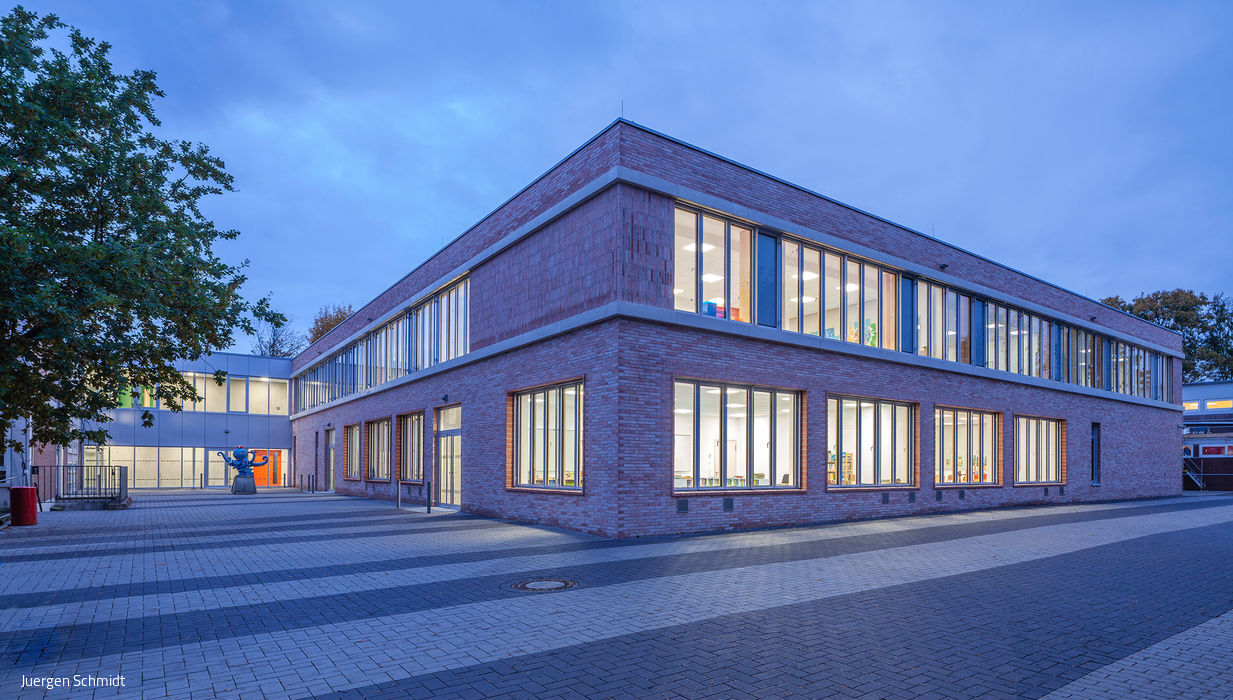
Thoughtfully Complemented and Flexible
GGS Lörick's new extension centers on a multipurpose assembly hall
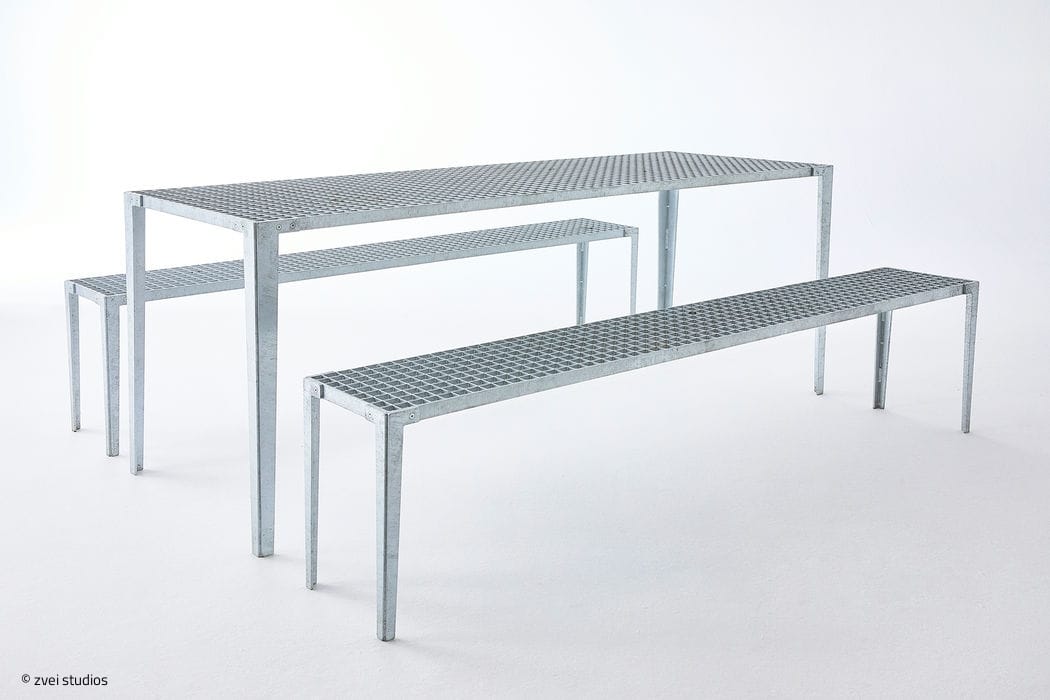
Aesthetics and Atmosphere
Norman Kamp and Birger Schneider create spatial concepts and design custom furniture.
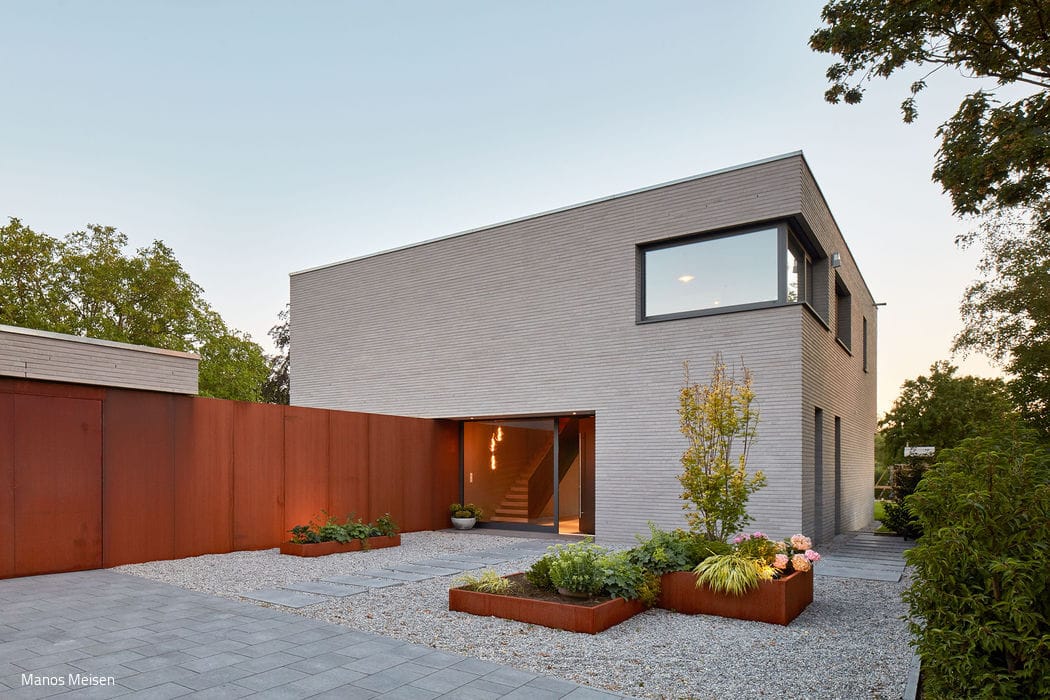
The Wall as the Primary Element
A town villa in Lank-Latum effectively combines openness and privacy.
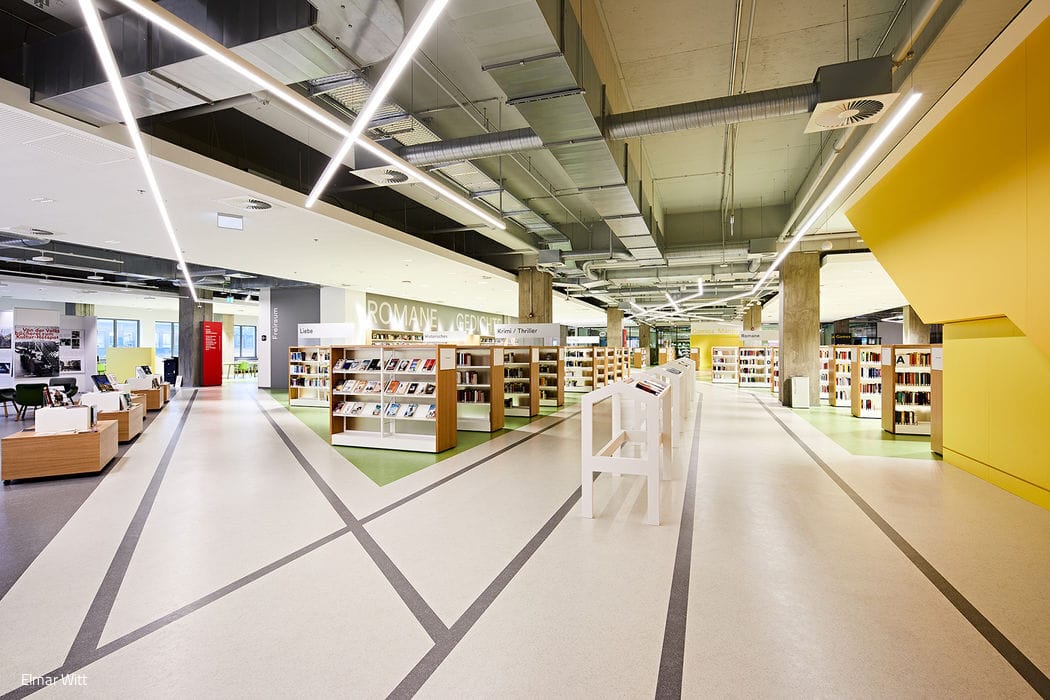
Color Spaces as Design Strategy
The new central library harnesses the floor itself as its primary wayfinding tool.