


Accessible and Beautiful
The modernised Jungfernstieg U1 station is a pleasure to travel through.
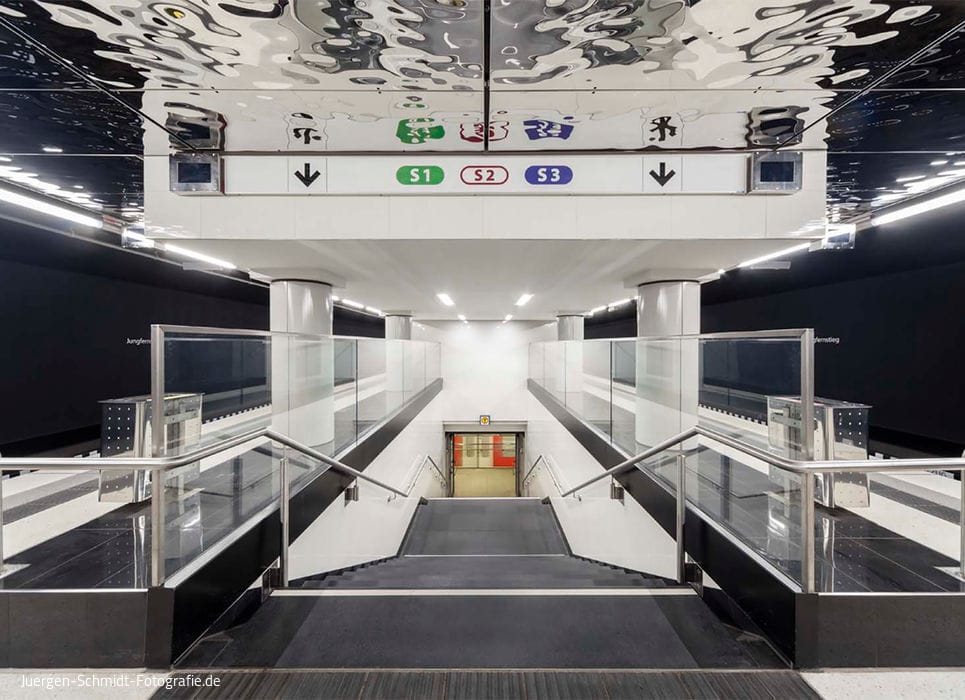

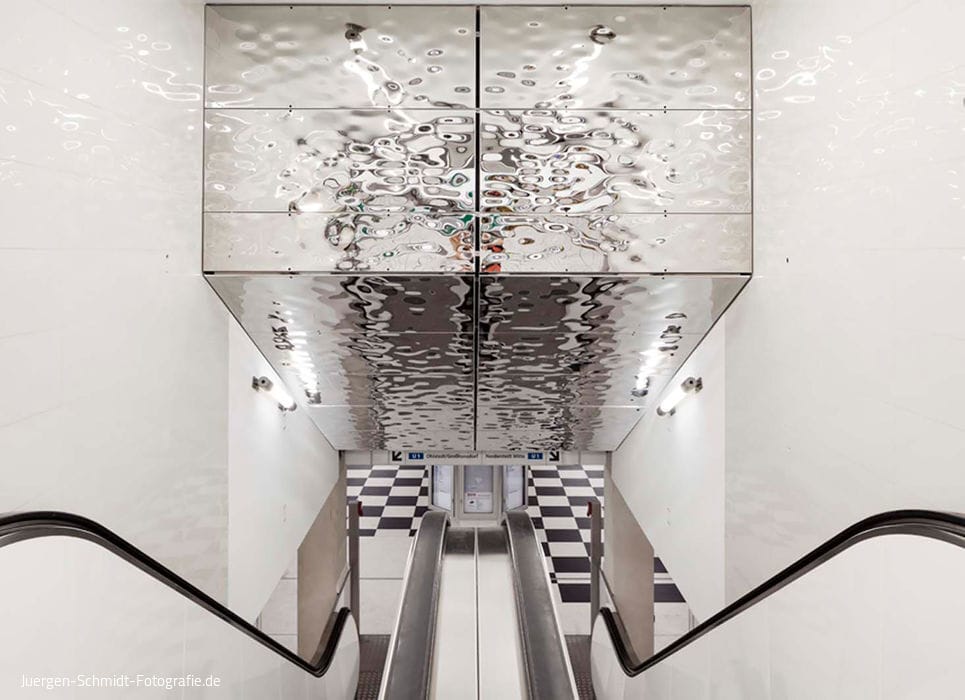
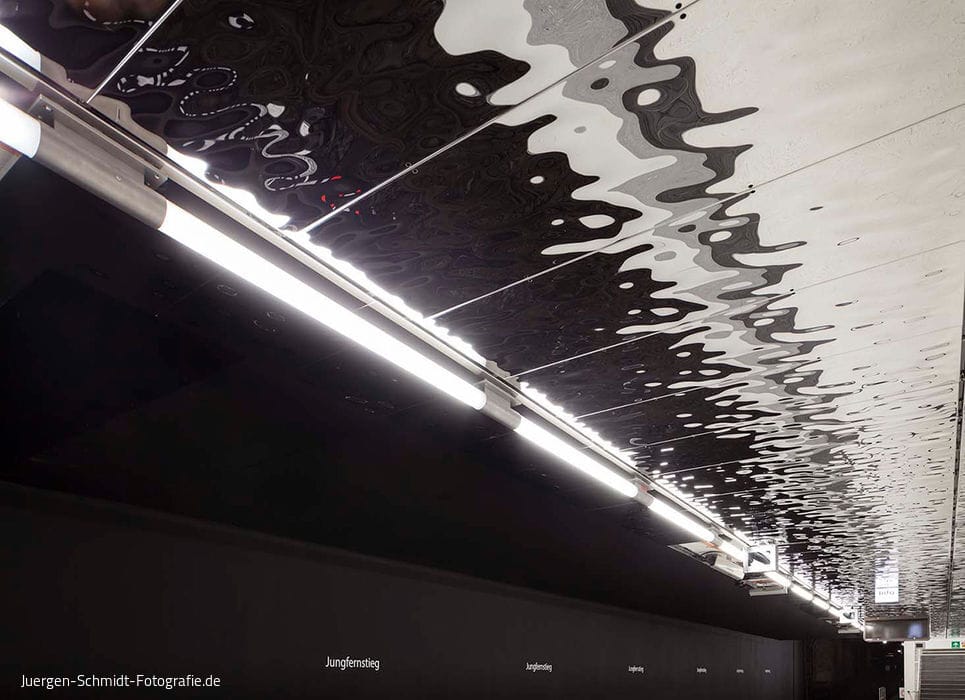
Built through technically demanding construction, Jungfernstieg station opened in 1934 as Germany's first submerged underground station and was among the country's earliest public structures to feature an escalator. The U1 line initially connected Kellinghusenstraße and Jungfernstieg stations; the link to the ring line – today's U3 – wasn't established until 1958 via an underground passage to Rathaus station. Now operated by Hamburger Hochbahn, Jungfernstieg ranks as one of Hamburg's most vital transit hubs, welcoming more than 100,000 passengers daily. The sprawling underground complex spans three levels and accommodates four platforms serving the U1, U2, and U4 lines, plus the S1, S2, and S3 S-Bahn services.
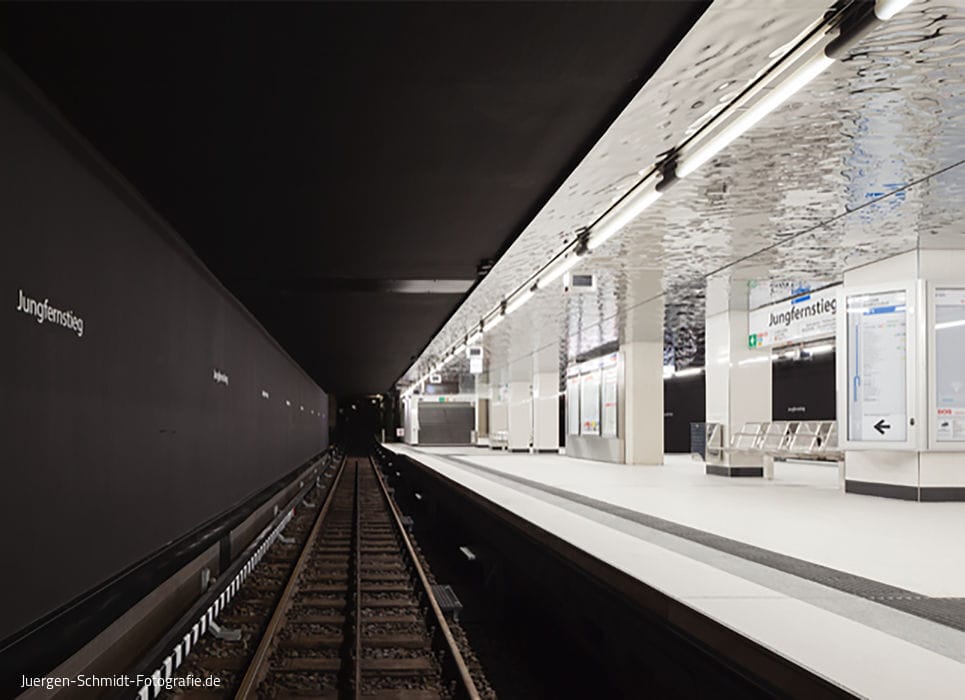
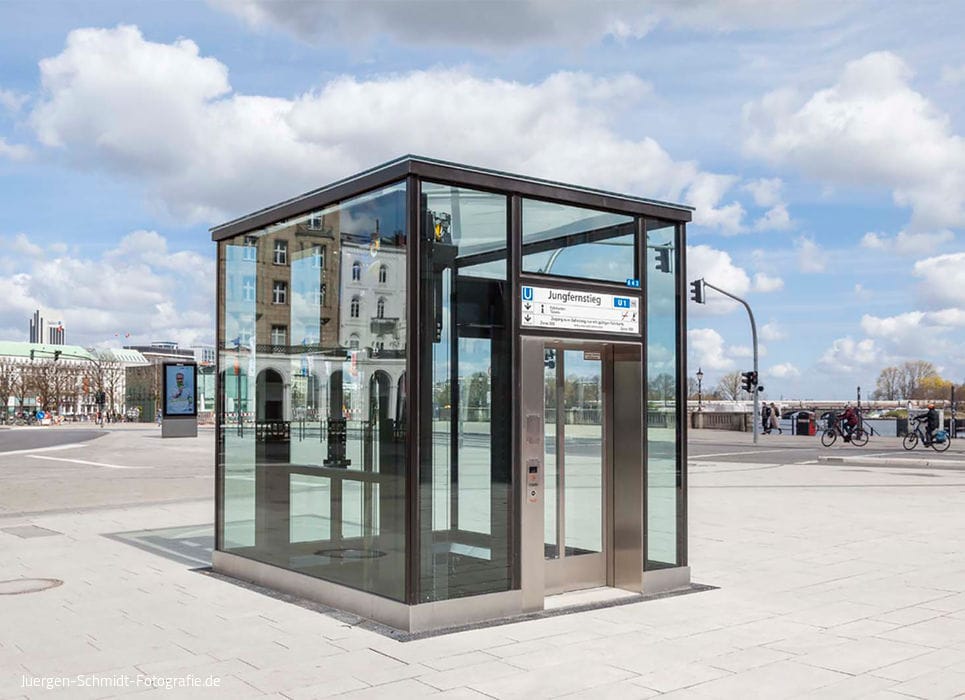
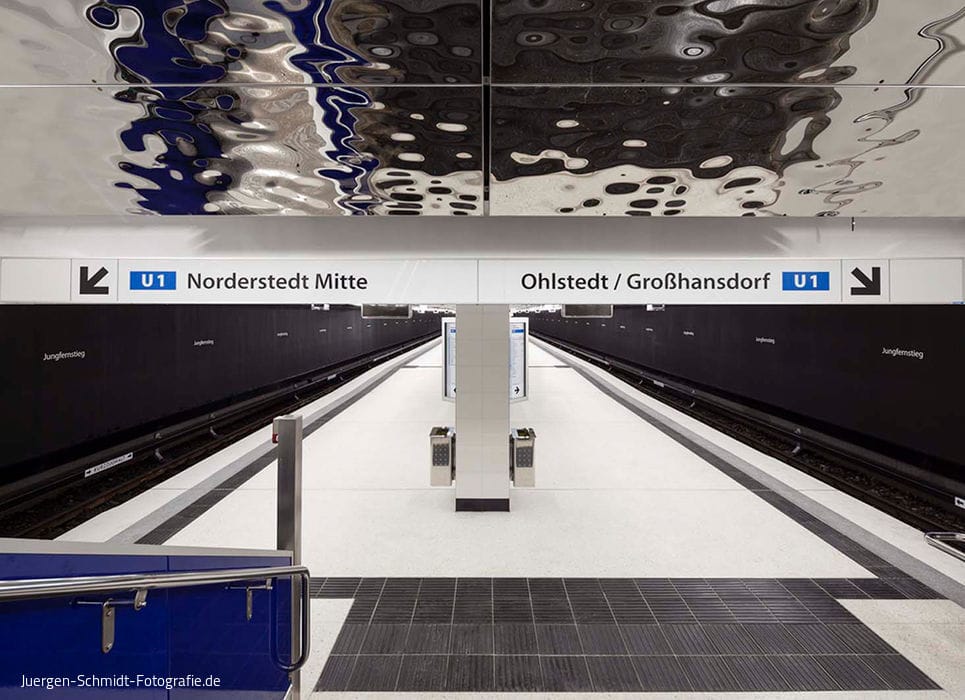
As part of the Senate-backed "Barrier-Free Expansion" initiative, WRS Architects and Urban Planners BDA were tasked with making the U1 platform fully accessible while giving it a contemporary refresh. Their design concept strips the platform back to essentials, eliminating visual clutter and creating a sense of spaciousness and calm. A refined, understated glass structure at street level marks the lift entrance, which conveys passengers to ticket hall C and the platform. The partially elevated platform ensures step-free, barrier-free boarding, while tactile guidance systems safely orient visually impaired and blind passengers to their destination.
In place of the vibrant orange tiles that characterised the 1970s aesthetic, the redesigned platform now embraces minimalism and lightness: raw materials, refined geometry, and striking contrasts. Mirrored surfaces, clear glass, and matte black walls allow the architecture to fade into the background. It's a smart solution to a spatial constraint – the station's original construction left it cramped and low, and the platform elevation consumes an additional 20 cm of height. The matte black walls visually expand the spatial experience, while bold light-dark contrasts open up the view. The ceiling, crafted from corrugated polished stainless steel, lifts the eye upward and enlarges the perceived volume. It subtly guides passengers through the complex layering of levels toward the U1 platform while evoking the shimmering surface of the Alster above. Through this interplay of dissolving and reframing spatial boundaries, the design becomes a distinctive signature of the Jungfernstieg U1 station.
Photography Credits:
Juergen-Schmidt-Fotografie.de
www.juergen-schmidt-fotografie.de
(Featured in CUBE Hamburg 01|22)



Making a Difference in Barmbek
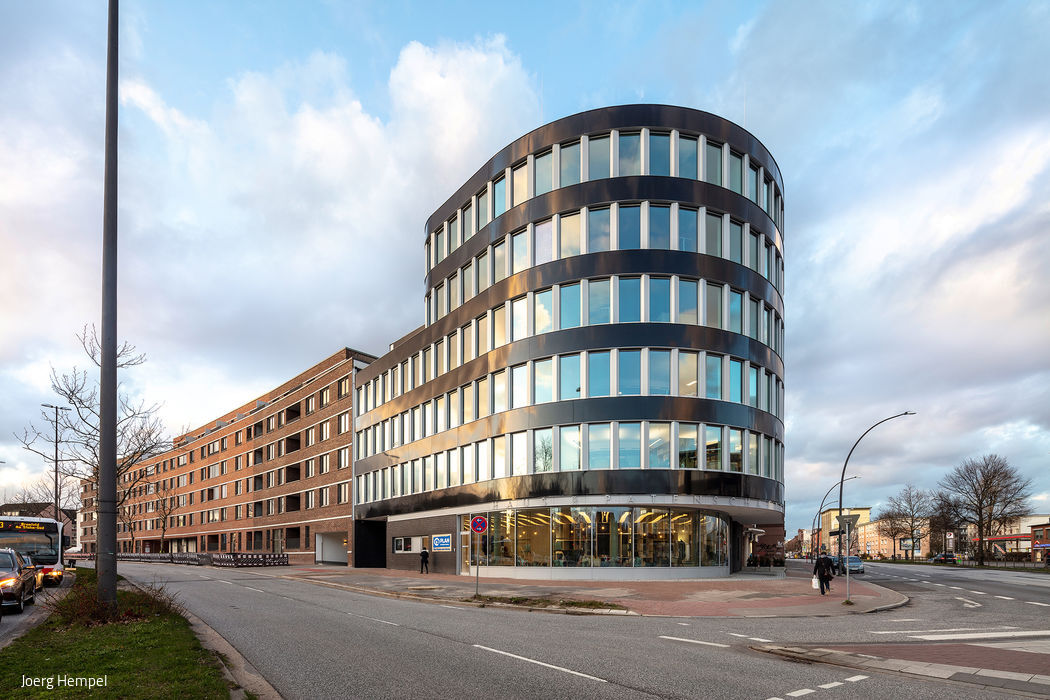
Plan International's House of Sponsorships
Reclaimed Paradise
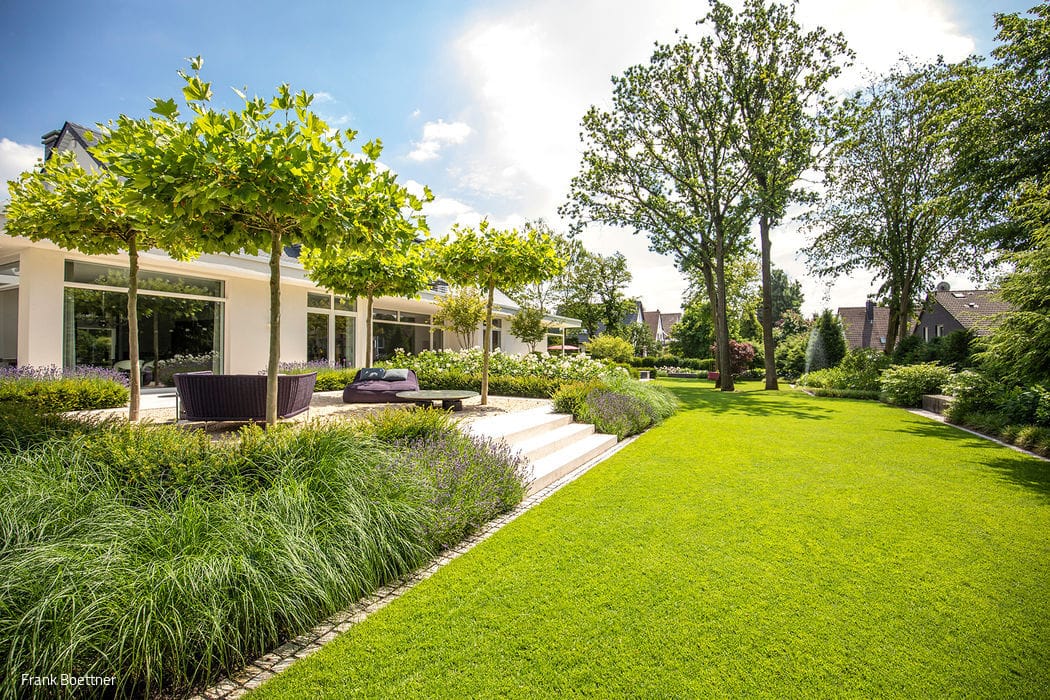
From Mundane Lawns to a Vibrant Family Haven
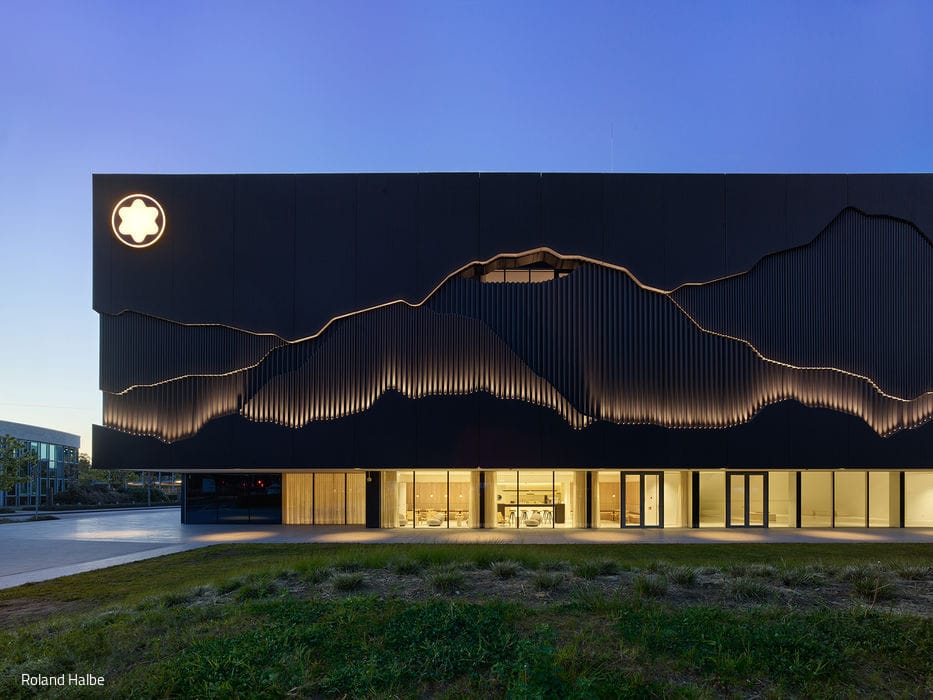
Tribute to Written Heritage
The New Montblanc House: A Defining Moment
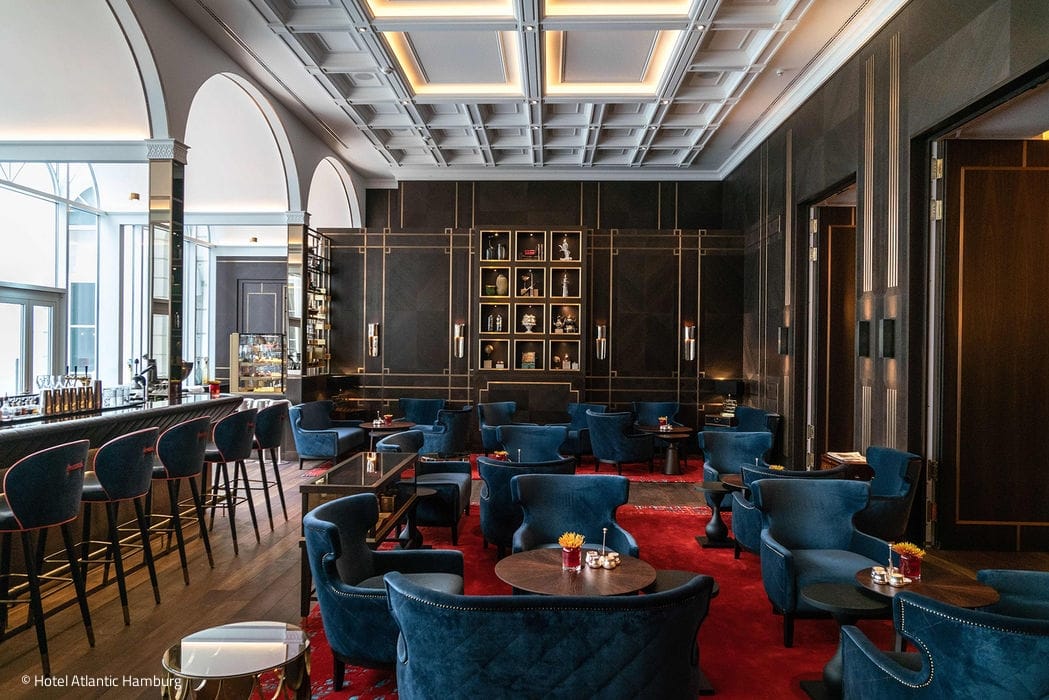
A Bar for Global Explorers
The Atlantic Bar: where Hanseatic heritage meets cosmopolitan sophistication and refined pleasure.