


Where design meets purpose
Germany's most innovative underground parking facility lies beneath the Altstadtring
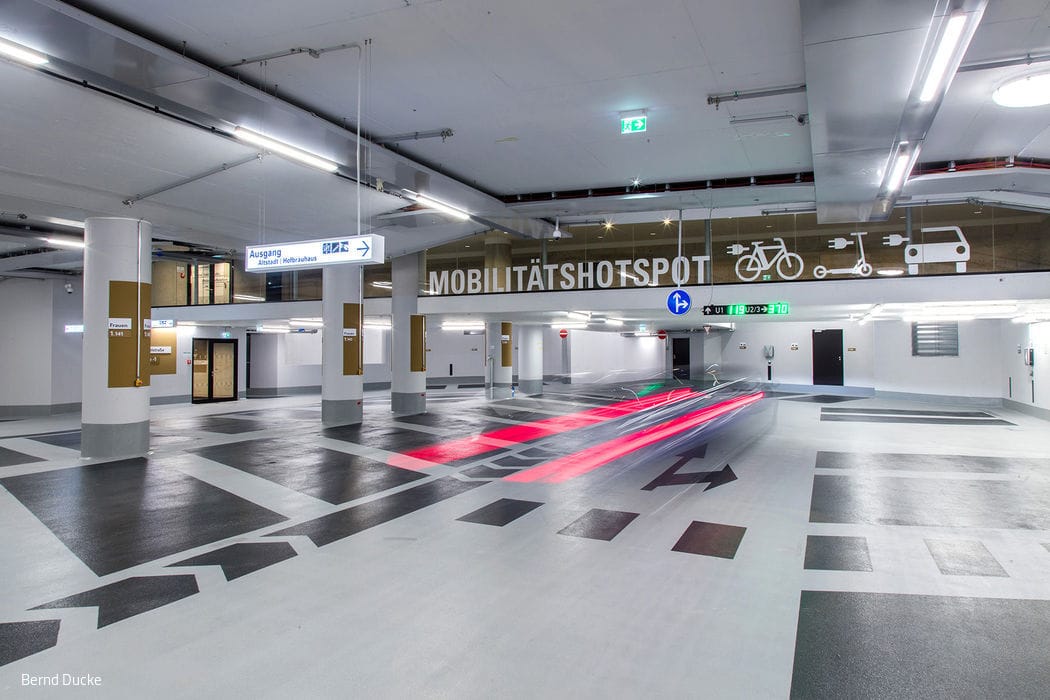
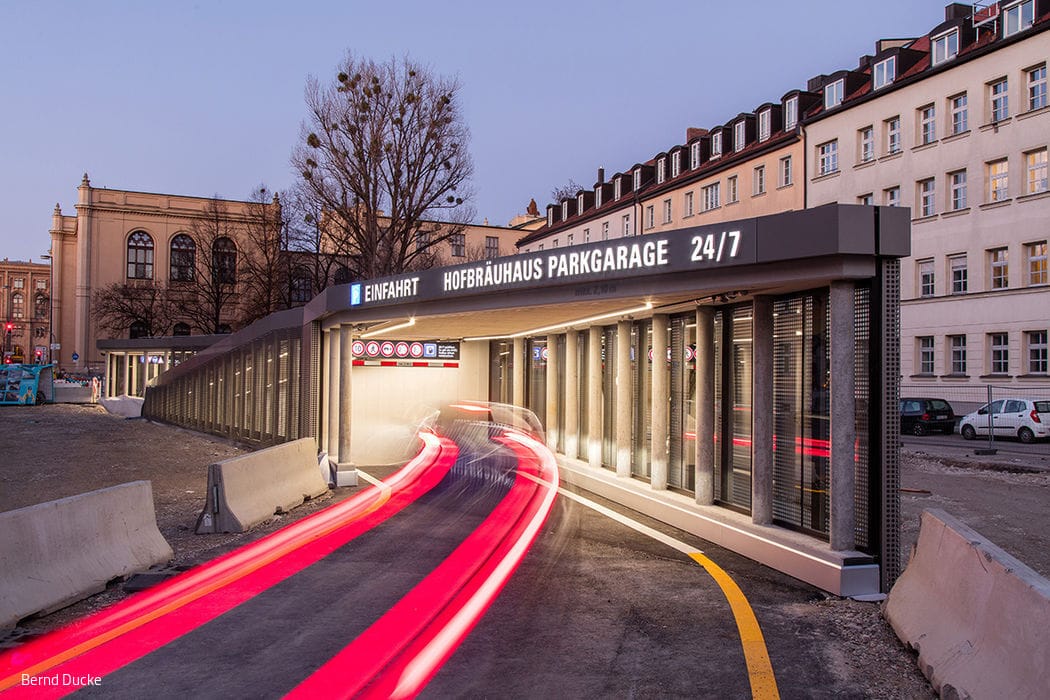



In March 2021, Germany's most innovative and stylish underground car park opened its doors: nestled beneath the Altstadtring between Maximilianstraße and Isartor, Neef Architekten and ISP Scholz Beratende Ingenieure have created the Hofbräuhaus Parkgarage – a modern mobility hub that offers far more than conventional parking. Developed by Wöhr + Bauer, this state-of-the-art facility replaces the aging car park on Hildegardstraße with an innovative parking and sharing concept accommodating around 520 spaces. Beyond its primary function, it serves a strategic purpose: significantly reducing vehicle traffic in Munich's historic city center.
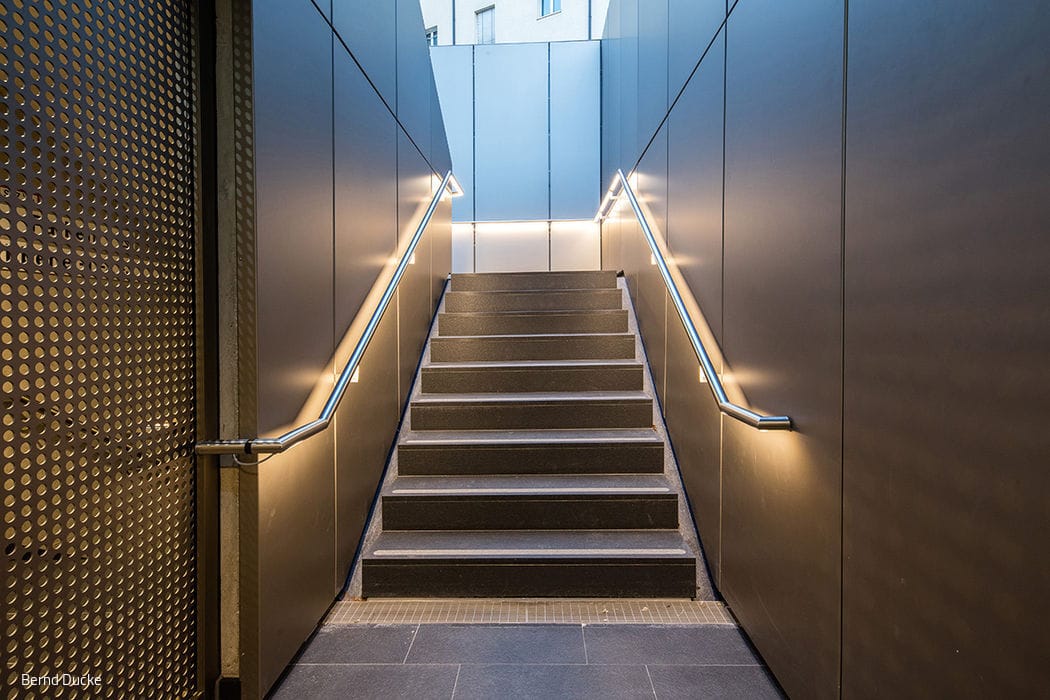
The concept is straightforward: park your car and explore the old town on your own terms—by bicycle, e-bike, or e-scooter, all available for rent through a convenient app. Integrated parcel boxes from DHL and Amazon add practical value for users and local residents alike. The design philosophy shines through in every detail. A refined color palette of soft base tones, punctuated by bold pinks and brass accents, creates visual clarity and intuitive wayfinding. Parking space numbering ensures you'll locate your vehicle effortlessly, while unobstructed sightlines throughout the facility enhance security and peace of mind. Entry via a generously proportioned merge lane leads to column-free parking bays offering exceptional ease of use: at 2.5 meters wide and angled in one-way traffic, even large vehicles can park in a single, fluid motion. Steidle Architects' thoughtfully designed ramps and stairwells integrate seamlessly with the architecture. Natural stone stairwells echo the garage's bright, elegant spatial language, while bronze-toned metalwork with delicate ornamental detailing adorns the glass structures above the ramps, creating a distinctive visual signature. Soft, integrated LED lighting—both energy-efficient and intentional—guides circulation while serving a practical purpose: the weathered enclosures effectively contain noise. Verdant roofs across the access and exit ramps enhance the microclimate and air quality. The surface redesign, conceived by landscape architects Stefanie Jühling, will be completed over the coming months, introducing new green spaces and accommodating the new Altstadt-Radlring cycle route.
Photography Credits:
Bernd Ducke
www.berndducke.de
(Published in CUBE Munich 02|21)
Office with a Marketplace Spirit
An office concept that reimagines New Work with thoughtful design solutions
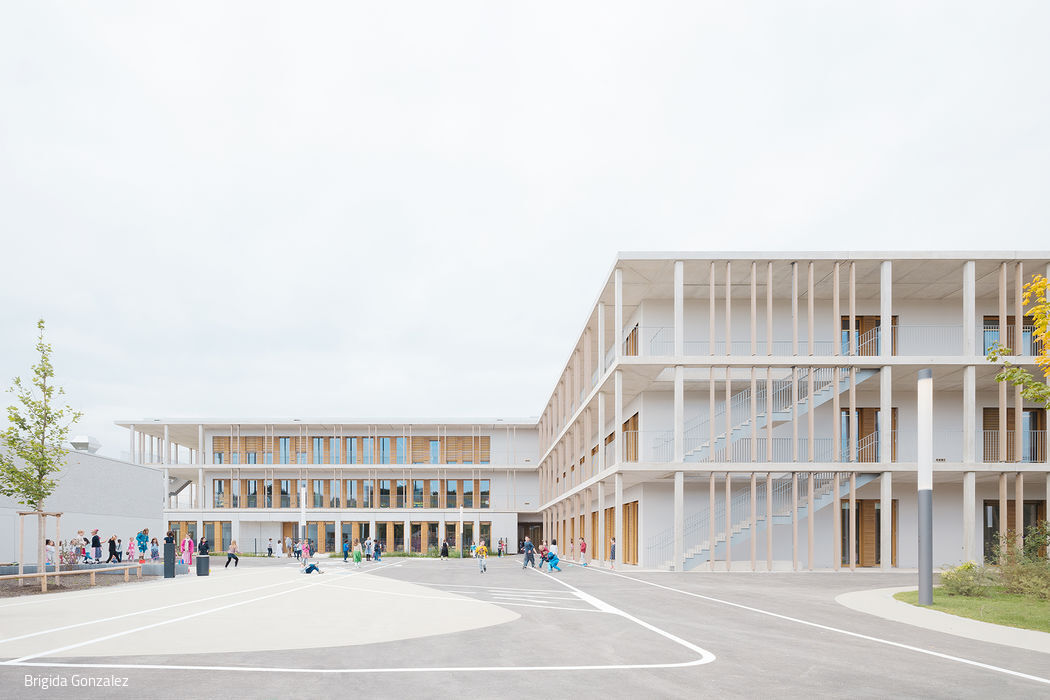
Temporary home with school
Four Primary Schools, Modular Design—Built Fast, Designed Flexible
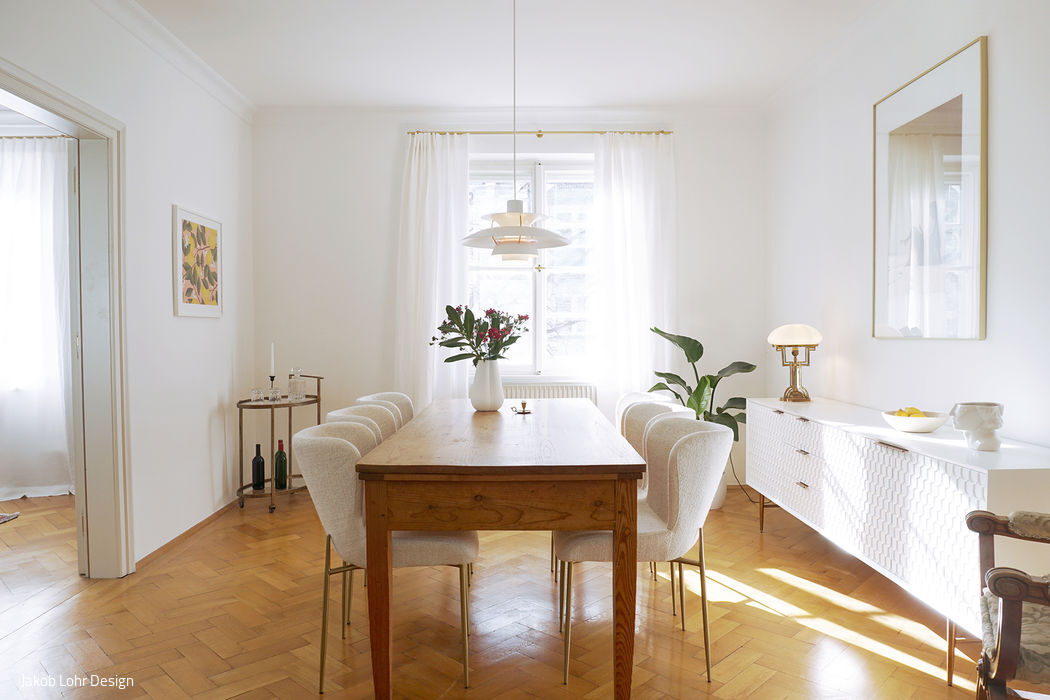
Blending Old and New
The ground floor of a Laim villa transformed into an entirely new spatial experience.
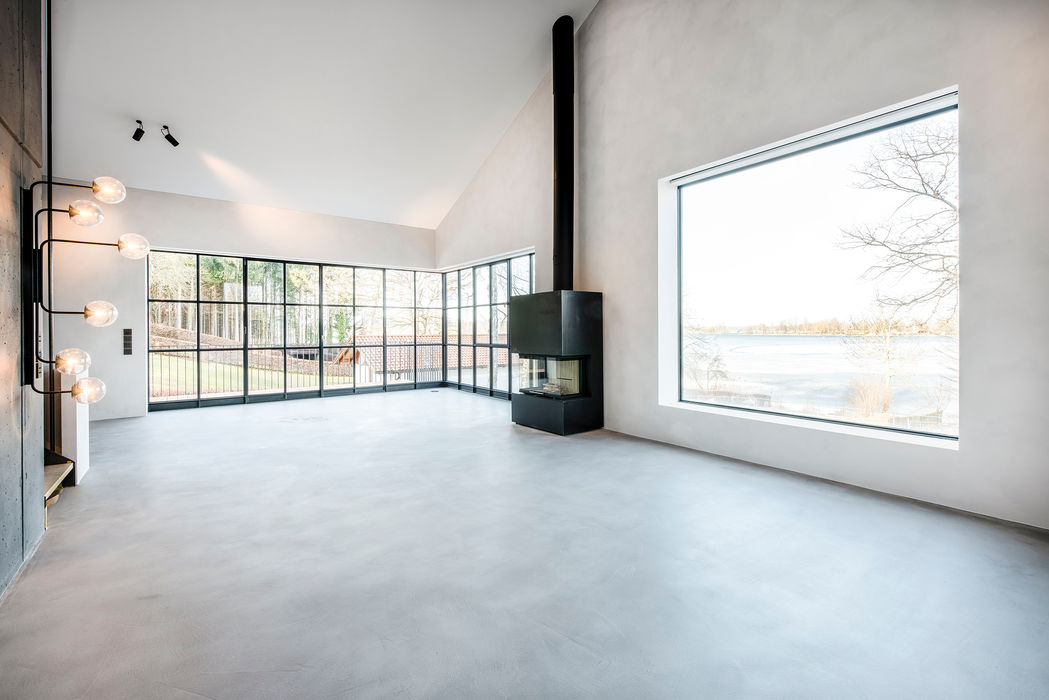
Retro elegance
Edwin Roth Metallbau + Systeme of Grafrath brings extraordinary window solutions to life