


Living space through change
Amazing metamorphosis – from a "discreet house" to a multi-storey residential building
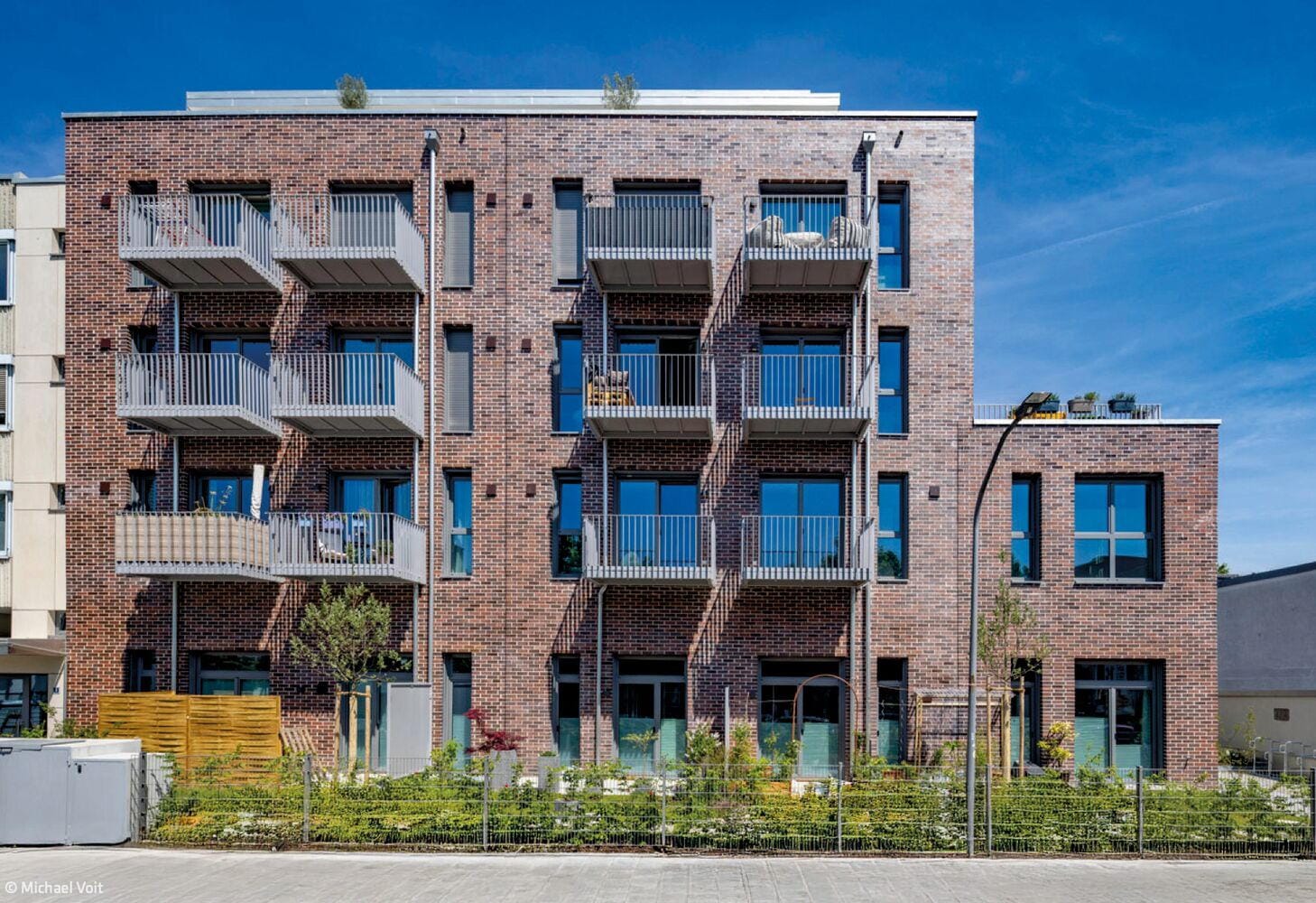
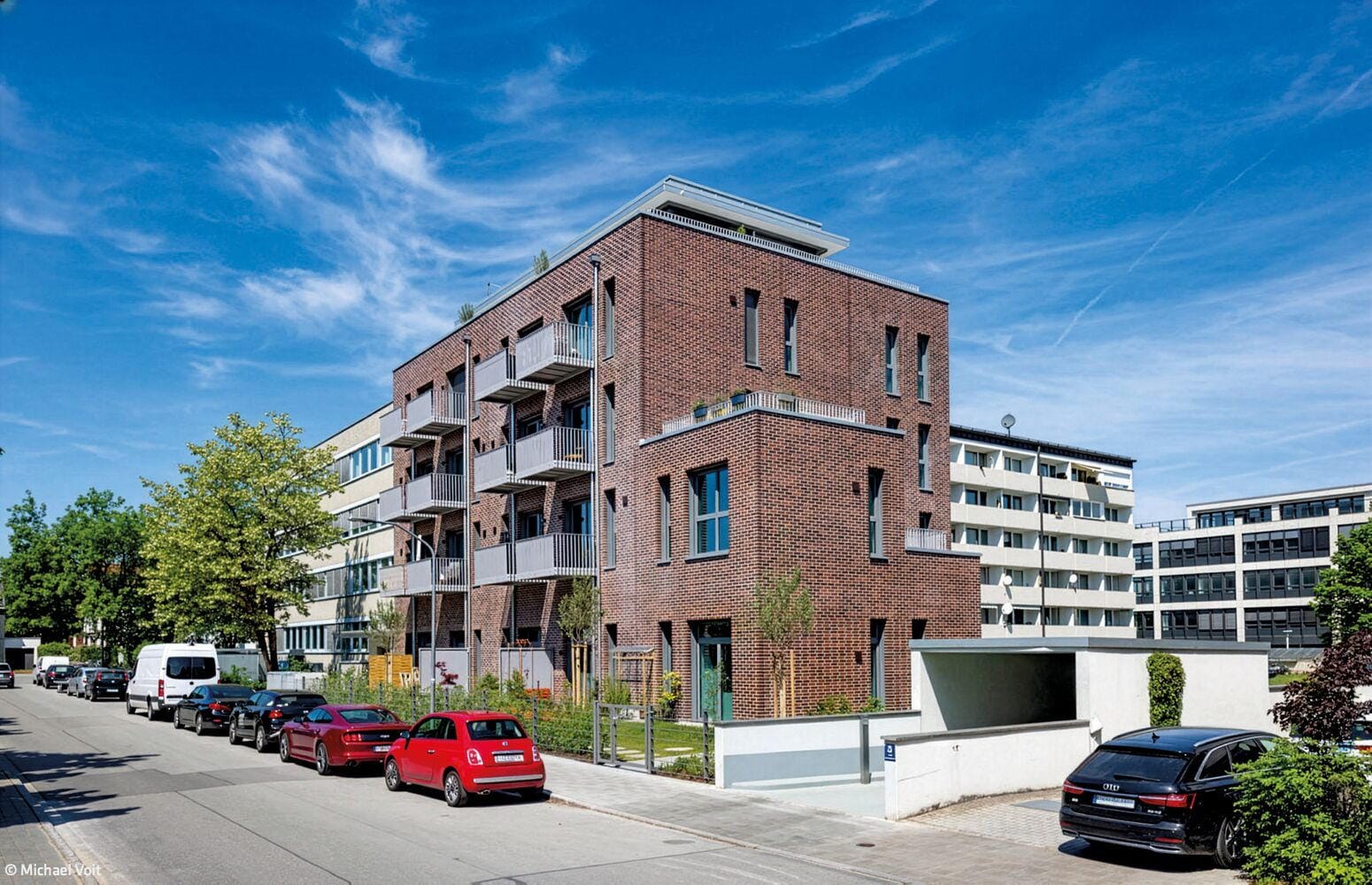
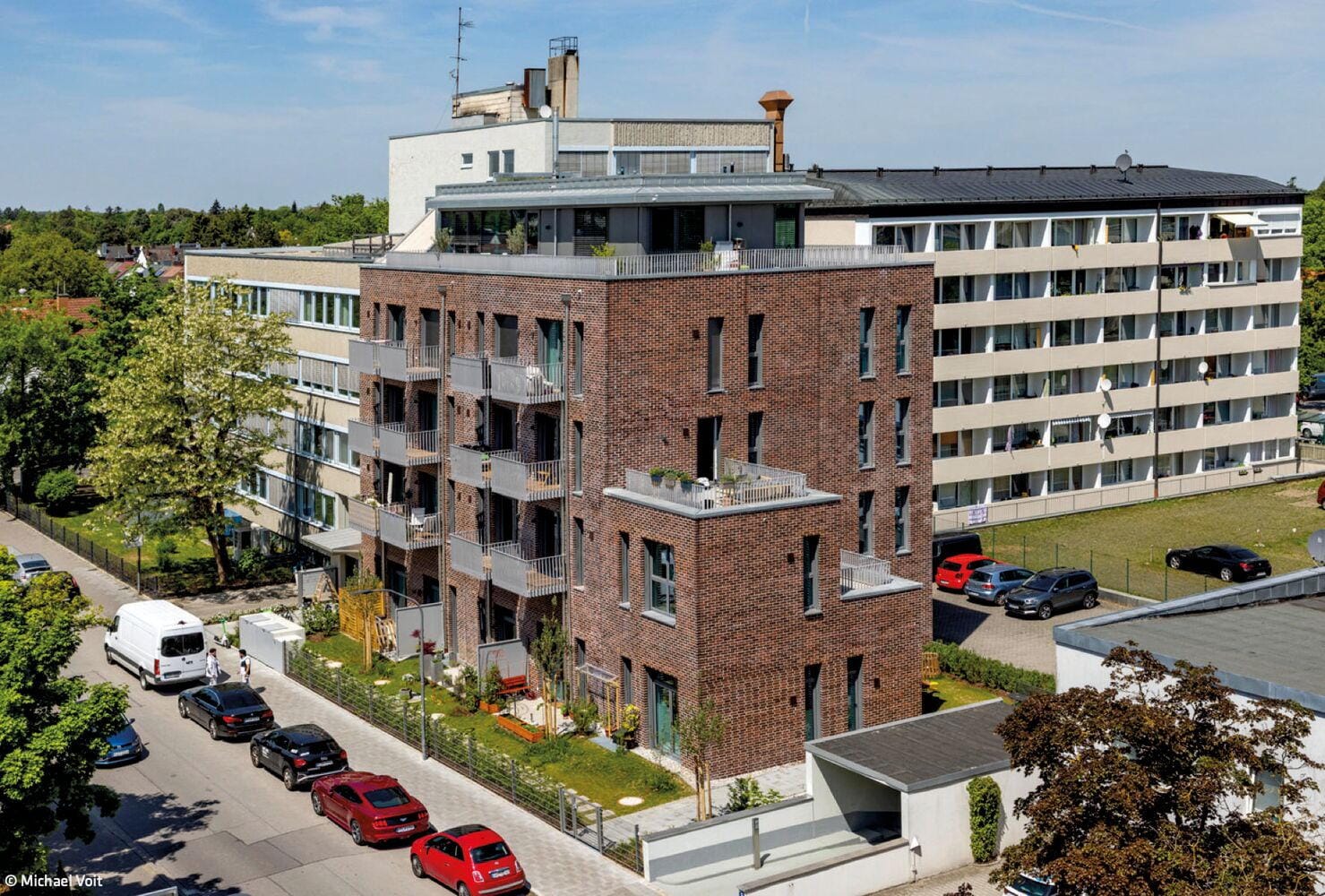
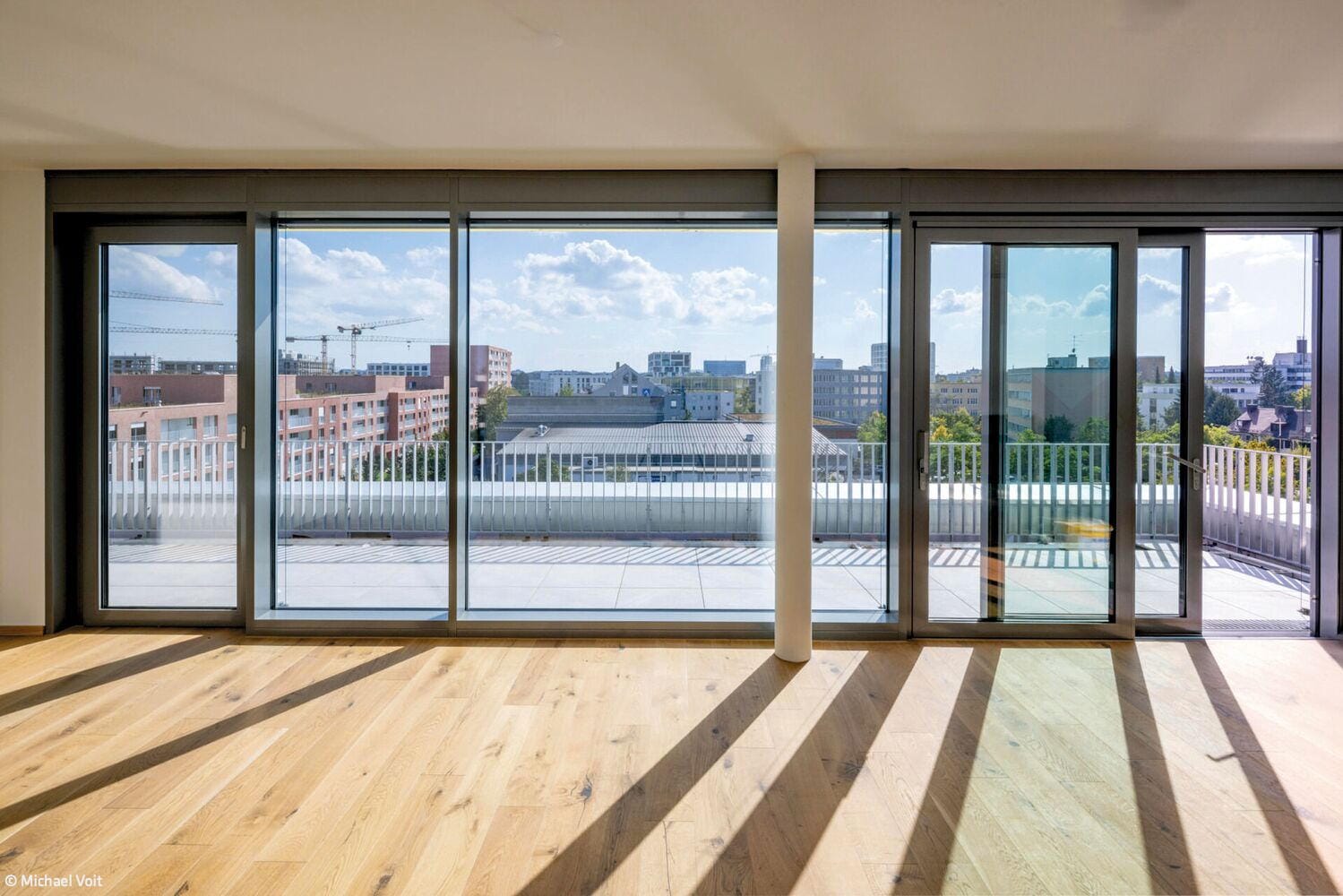
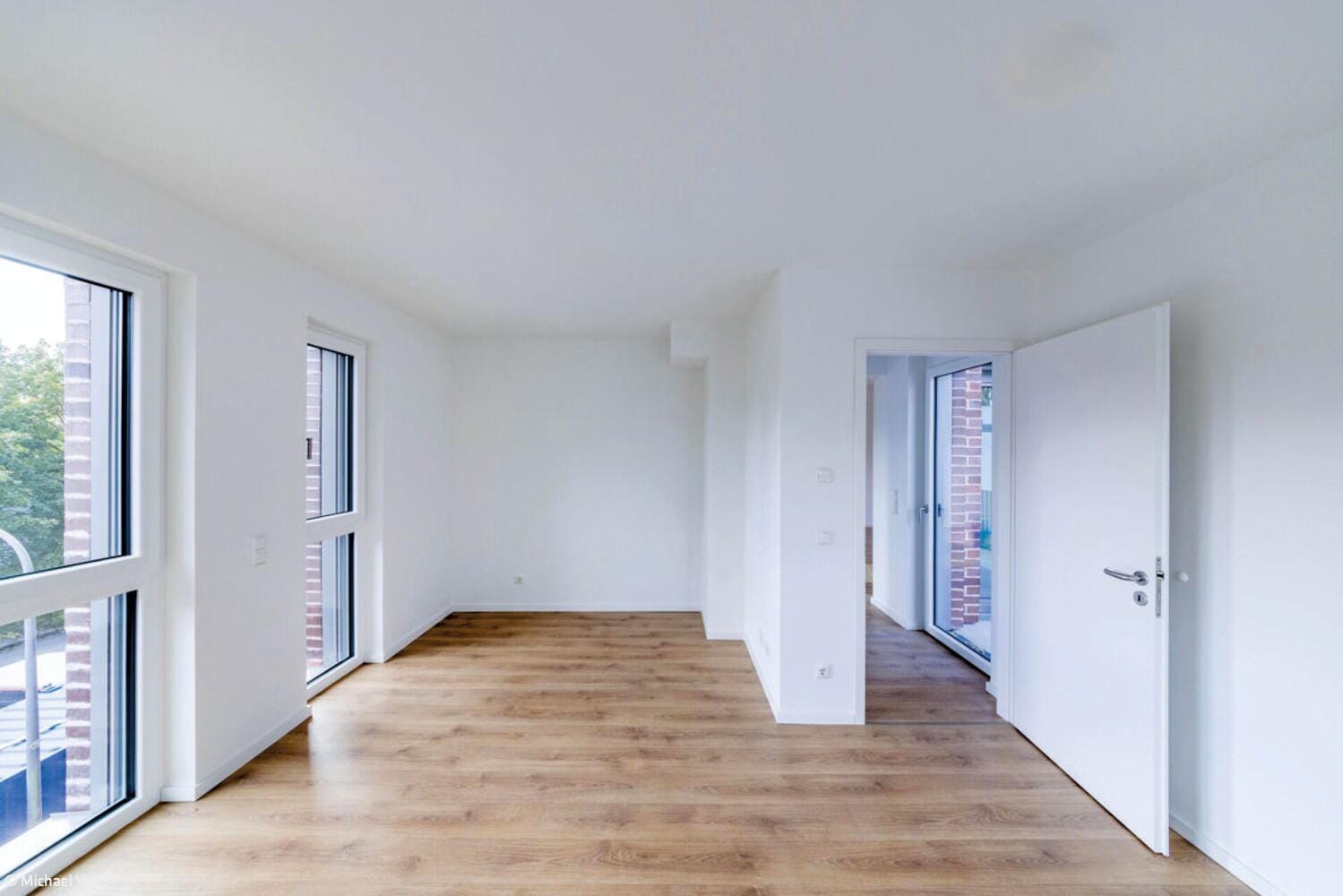
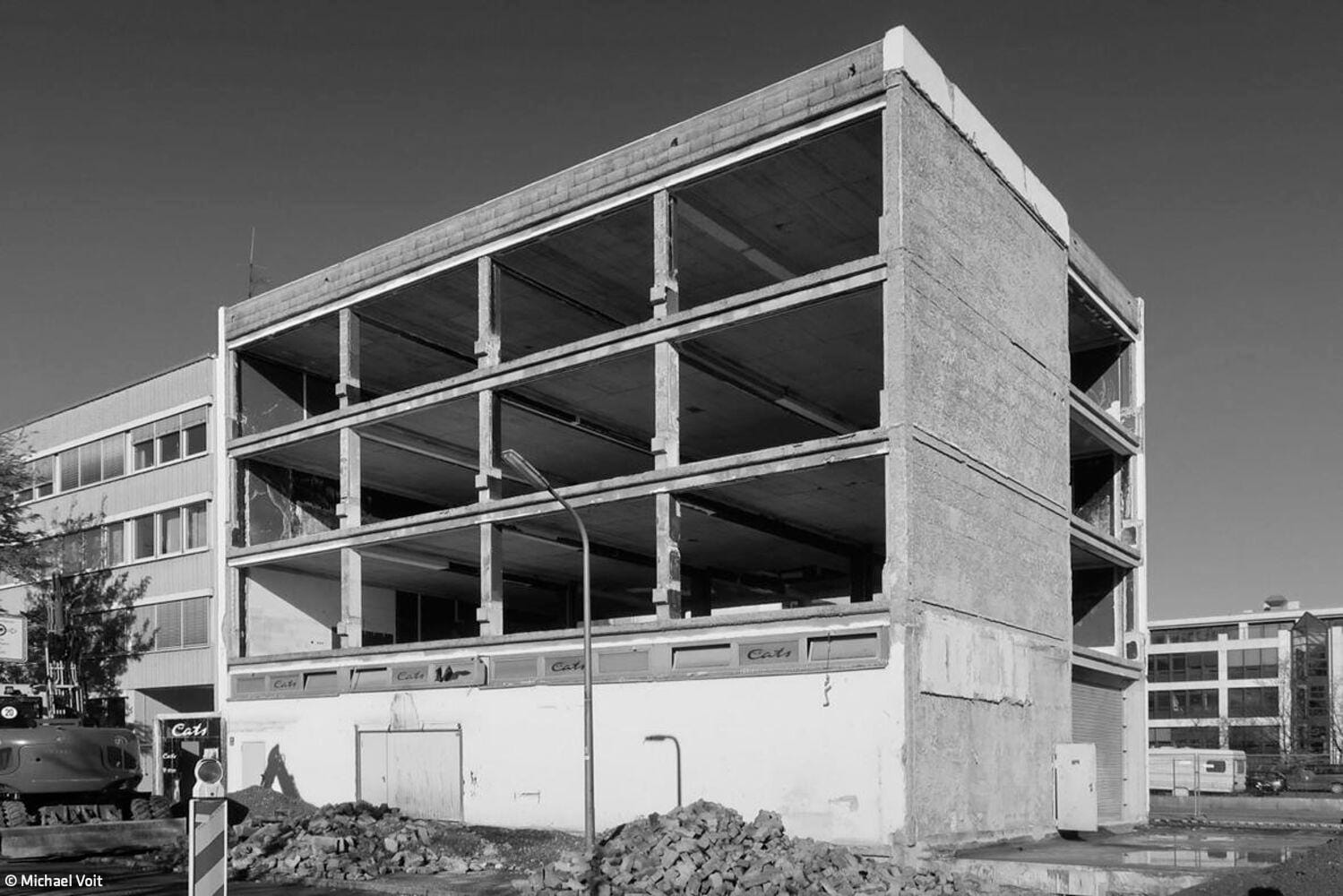
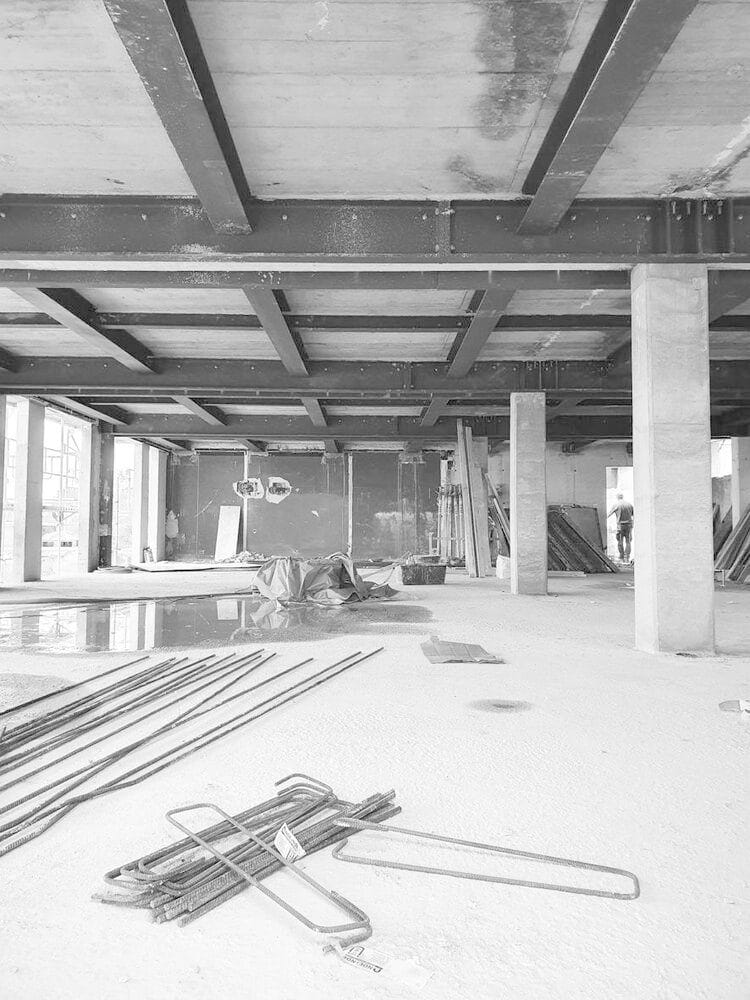
One of the largest new residential development areas is located "behind" Pasing station and the main railway line and extends to the edge of Nymphenburg Palace Park, which can be reached in a few minutes via an underpass beneath the tracks. Until the 2000s, this area was a mixed-use zone, mainly characterised by commercial buildings – but not only that – a few clubs and a brothel had also set up shop here. Since 2008, this area has been undergoing a fundamental redesign as part of urban development planning. Disorganised commercial areas have been transformed into high-quality residential quarters, most of which are designed as blocks with green communal courtyards.
The nightlife and red-light district no longer really fit into the new surroundings, so the client decided to have it converted into a residential building that would blend in better with the new environment of residential buildings, daycare centres, schools and local amenities. The choice fell on a+p Architekten from Munich, who created an attractive multi-storey residential building. The architects had to overcome a number of complications before the building was ready for its new function. They developed a concept with an extension and an additional four storeys. A preliminary decision was made, but not approved. The construction project stagnated until a final building structure could be determined for further planning in consultation with the local building commission.
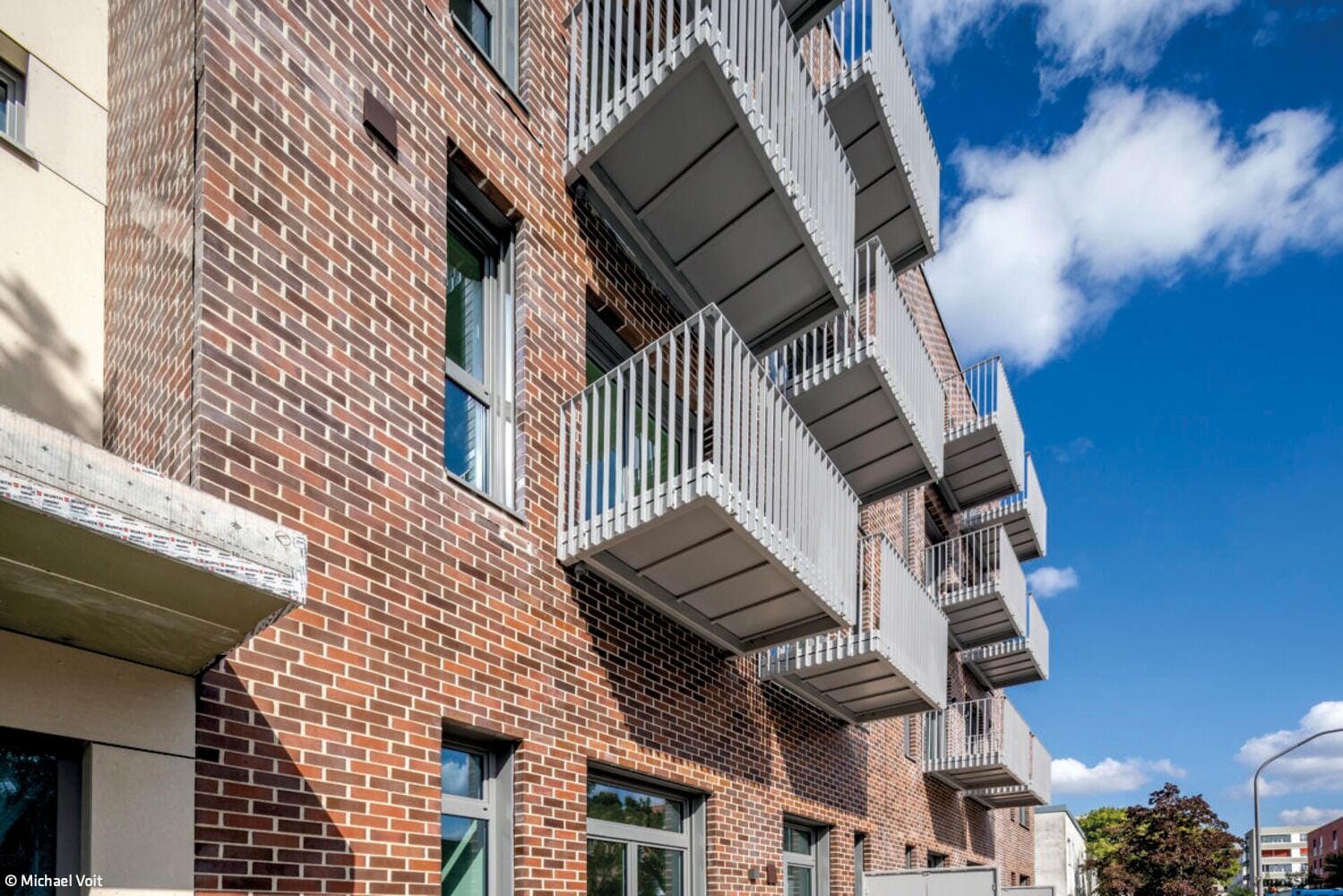
The existing building rights were retained, but additional space was gained through an extension and the addition of a penthouse. First, the reinforced concrete skeleton was gutted to enable the planned high-quality residential use. The reinforced concrete structure was in greater need of renovation than expected. Neither the load-bearing capacity nor the geometry complied with the applicable standards, so extensive structural reinforcement was necessary. In the foundation area, loads had to be redistributed in order to safely transfer existing and new loads. The penthouse extension was constructed using lightweight materials, so the required storage mass had to be achieved through external greening. It was also not possible to attach railings to the existing structure, so ballast railings were used instead.
The generous floor heights were retained despite structural reinforcement, giving the flats an open, loft-like character. The building was given a clinker brick façade made of blue-fired red clinker bricks, which gives the structure a strong presence. All flats face south and have balconies or terraces.
Photos:
Michael Voit
www.michaelvoit.de
(Published in CUBE Munich 04|25)
Unconventional Thinkers and Heritage Preservers
Munich architect Peter Haimerl: bridging past and future
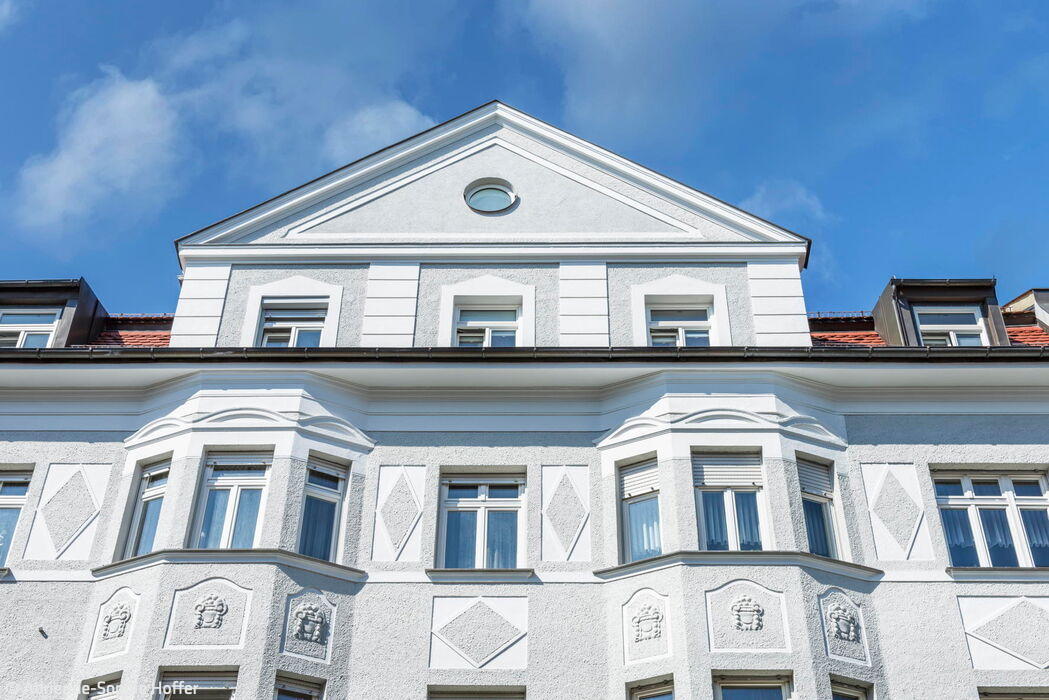
Revitalized and Brand New
A heritage landmark with a splendid façade emerges renewed—preserving history while embracing modern vitality.
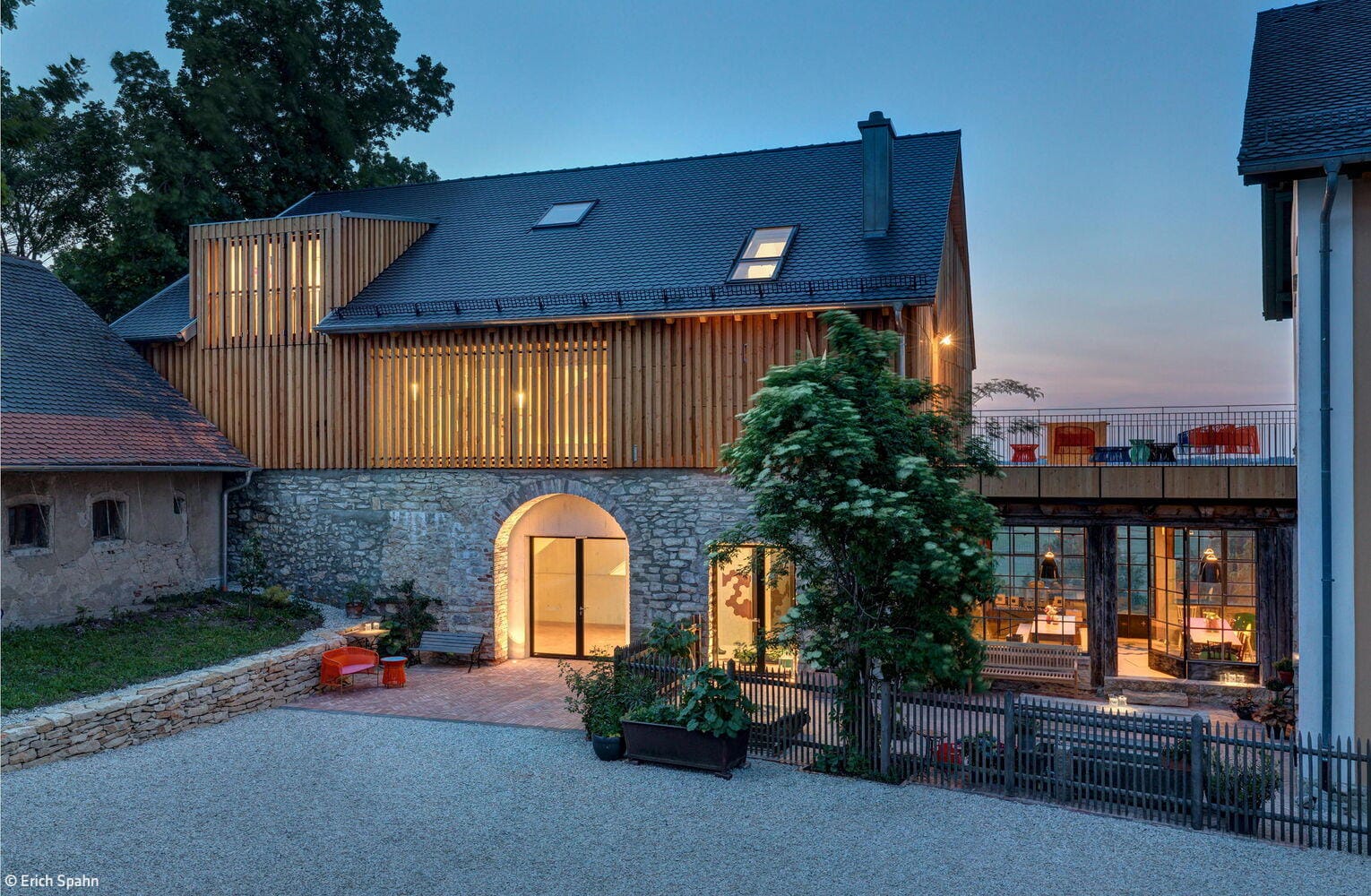
Journeys to Art
A former barn in rural Bavaria becomes a cutting-edge gallery after transformation.
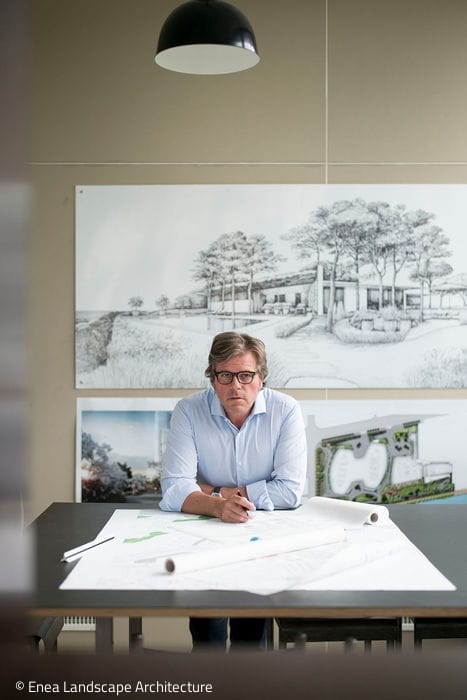
The Tree: Symbol of Life
One of the most accomplished in his field: Swiss landscape architect Enzo Enea