


Living with Shared Purpose
Villa Pillebach in Gerresheim merges individual living spaces with refined architectural form
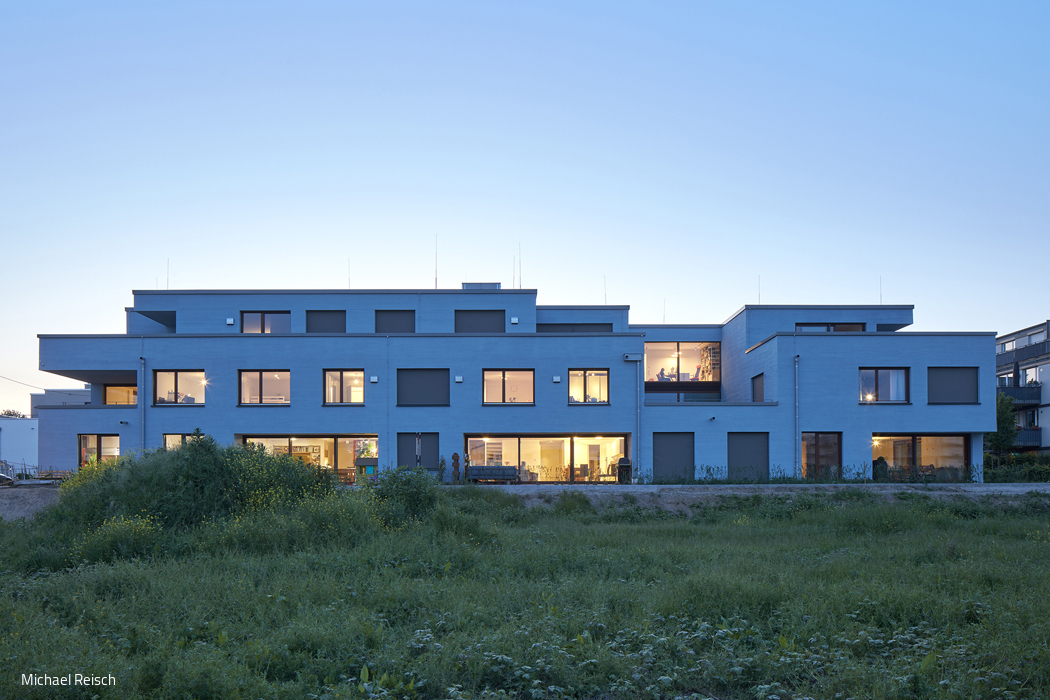


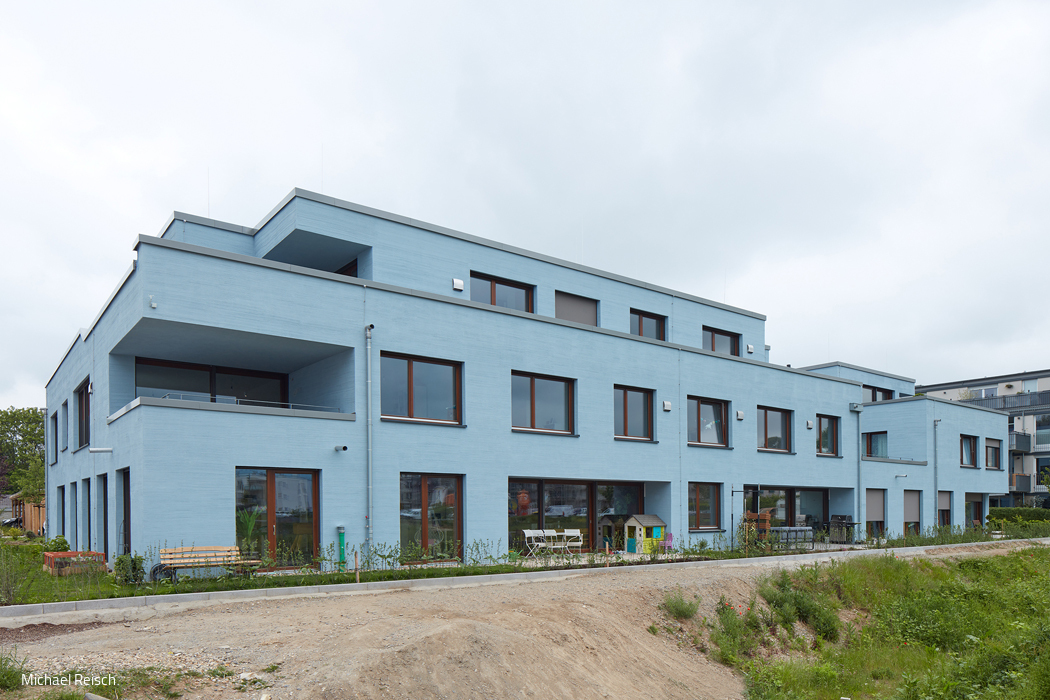

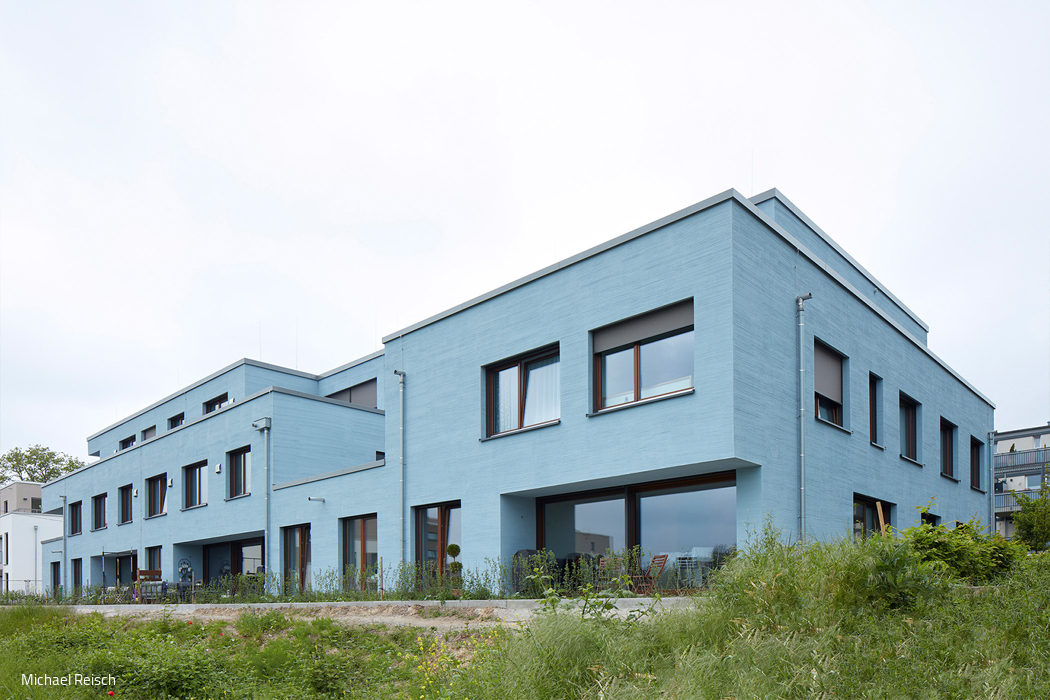

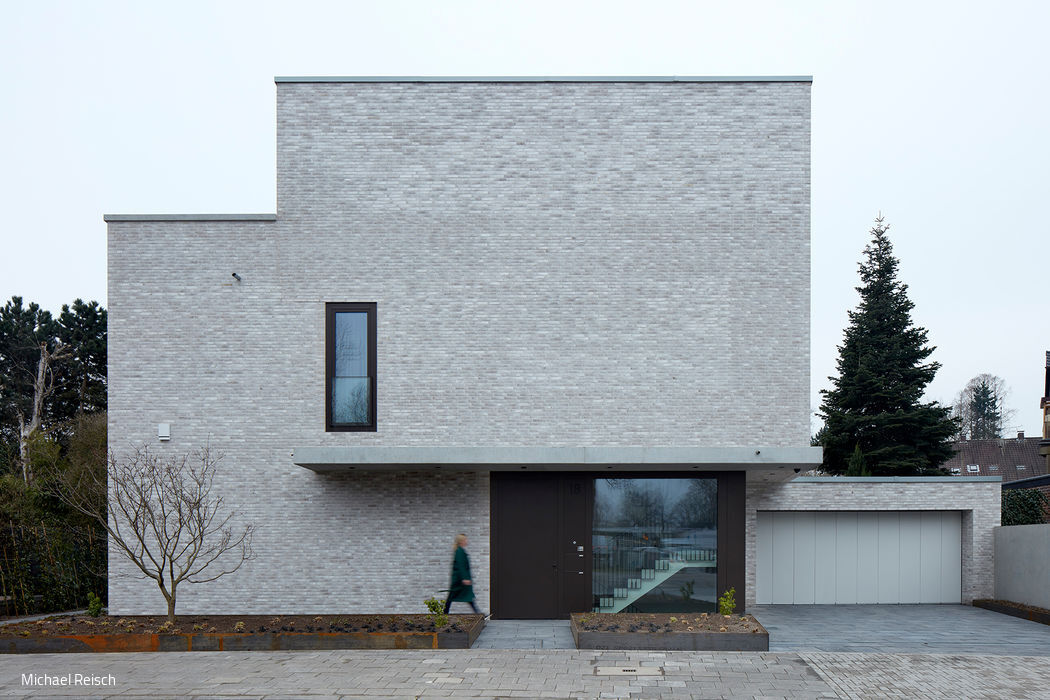
Designing for cooperative housing groups presents architects with a unique challenge: balancing the personal aspirations of individual owners with a coherent, unified vision. When twelve young families—who had spent years searching for their ideal home—came together to form a building cooperative, they enlisted Georg Döring Architects from Düsseldorf to lead the design and construction planning. The result is "Villa Pillebach," a thoughtfully composed ensemble situated in Gerresheim near the stream that inspired its name. The building brings together distinct residential units, shared community spaces, and a refined architectural presence.
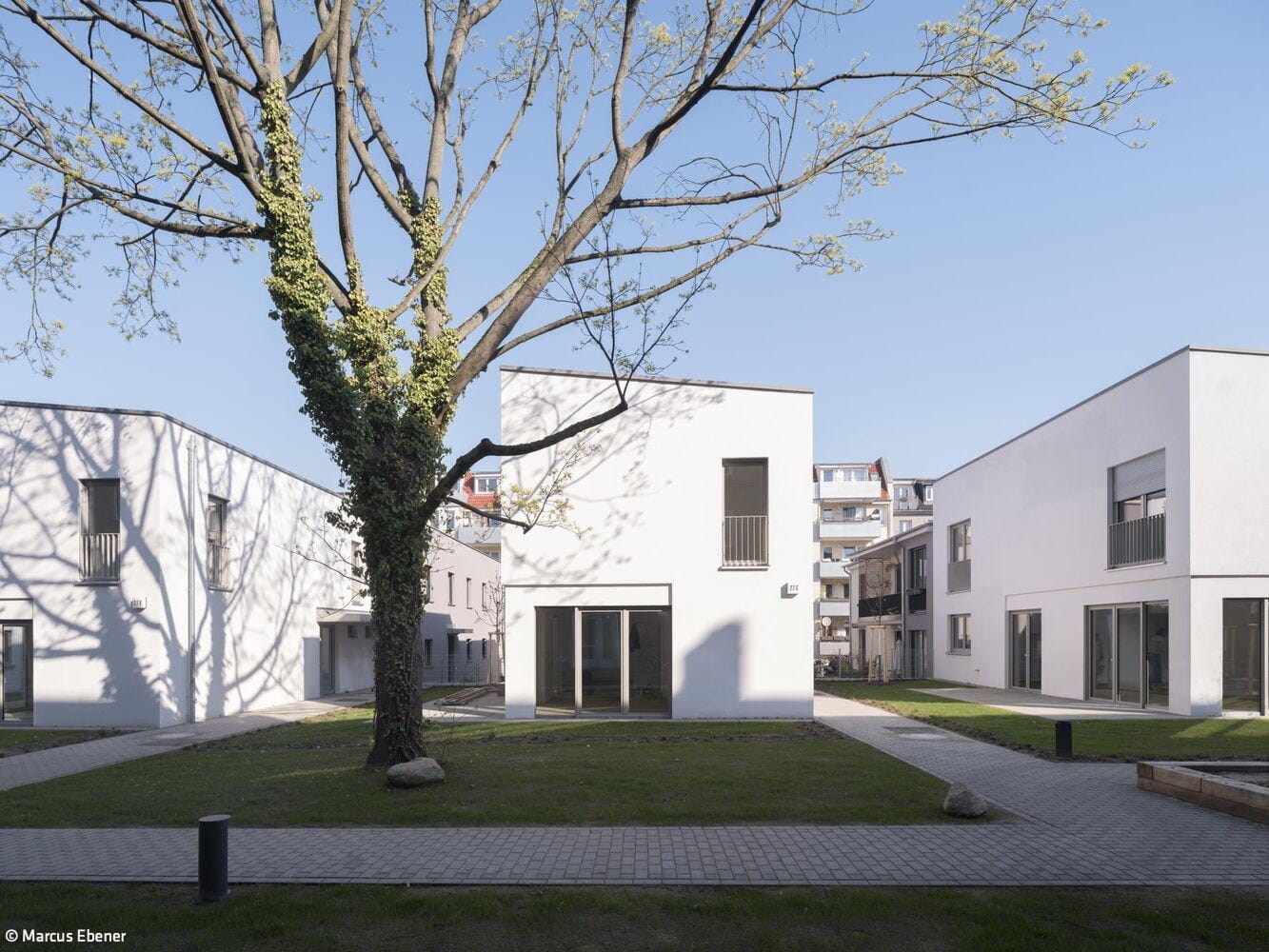
At Villa Pillebach, no two apartments are identical—each has been tailored to its residents' particular needs and lifestyle. The mix includes single-level units and maisonettes, with all layouts designed for flexible adaptation as families evolve. The twelve residences range from 100 to 150 m² and feature three to five rooms, yet externally they form a cohesive, architecturally unified composition. A generous central corridor—imaginatively conceived as a "play street"—connects all units and functions as the building's social spine. A two-storey communal hall complements this, doubling as guest accommodation when needed. The three-storey structure, grounded by a waterproof concrete basement, features two internal courtyards that create a flowing, meandering form. This strategic geometry ensures each adjoining residence benefits from optimized, three-sided natural light. To maximize outdoor space for the community garden, the compact volume sits right at the street edge and along a pedestrian-cycle path, allowing the residents' garden to flow seamlessly into the adjacent neighbour's space—separated only by an access route to a shared playground at the centre. The façade presents a warm, light blue rendered surface articulated by horizontal brushwork, while dark meranti wood windows provide striking contrast. These generous openings serve dual purpose: ensuring excellent daylighting while responding to internal functions, with distinct window types for children's rooms, bedrooms, and living areas. Residents enjoy covered parking and a dedicated bike shelter. Conceived as a KfW55 efficiency building, the structure achieves its environmental performance through a rooftop-mounted air source heat pump.
Photography Credits:
Michael Reisch
www.michaelreisch.com
(Published in CUBE Düsseldorf 01|24)

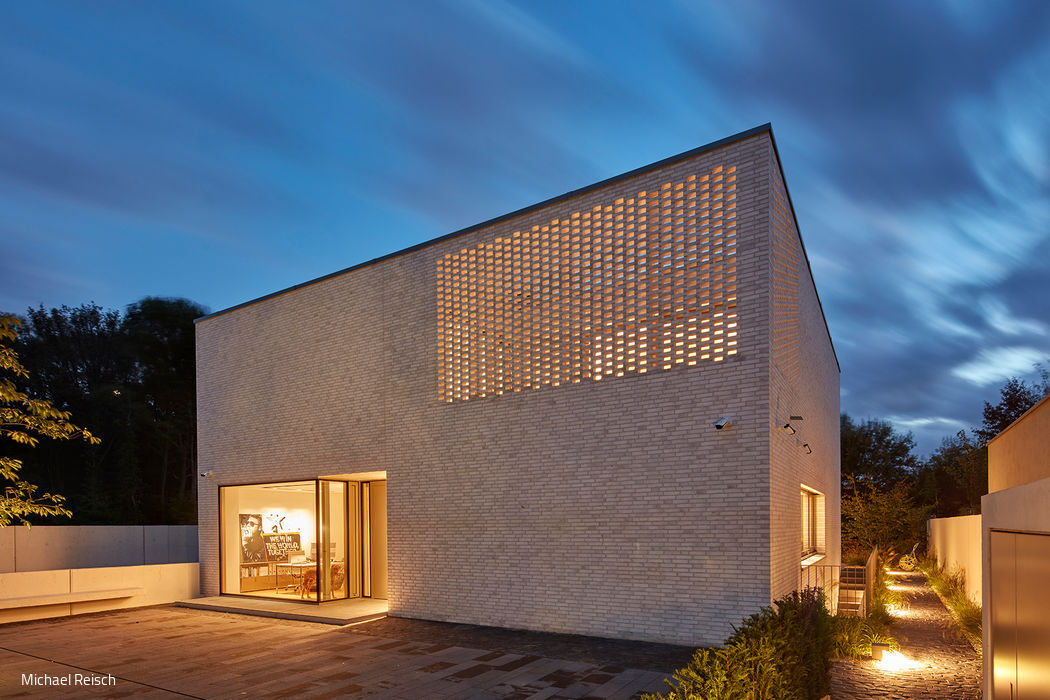

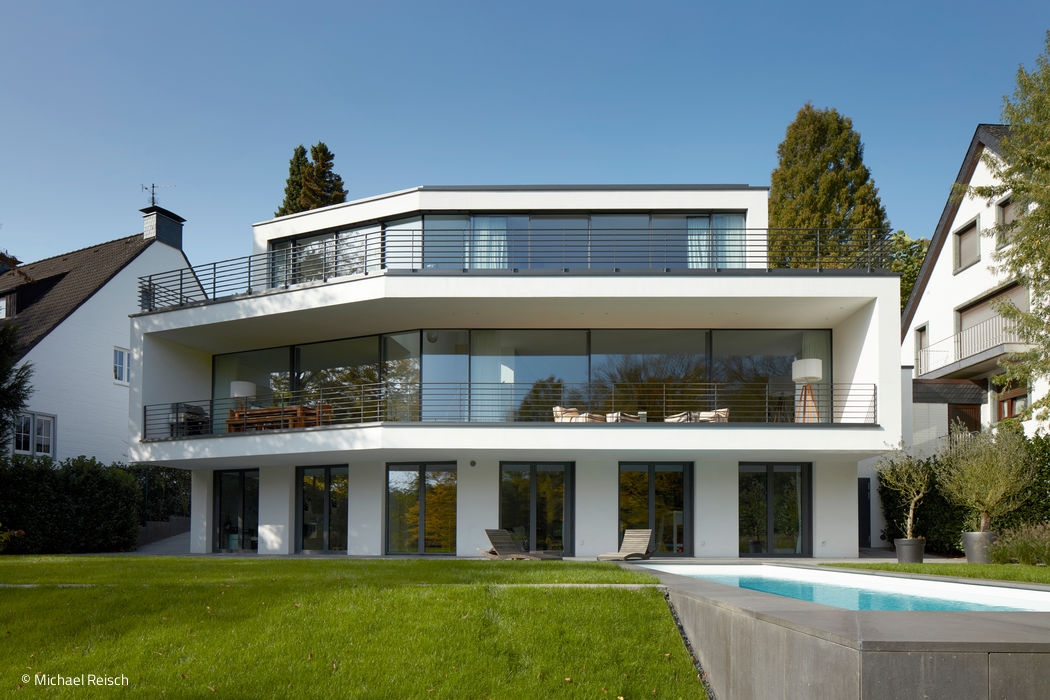
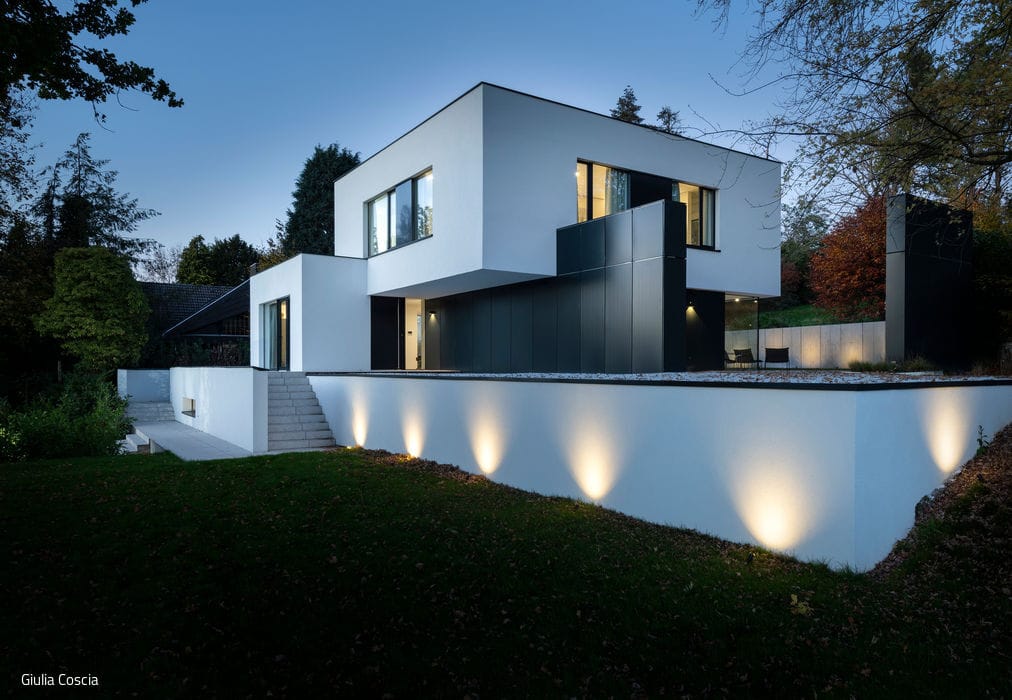
Opening toward the garden
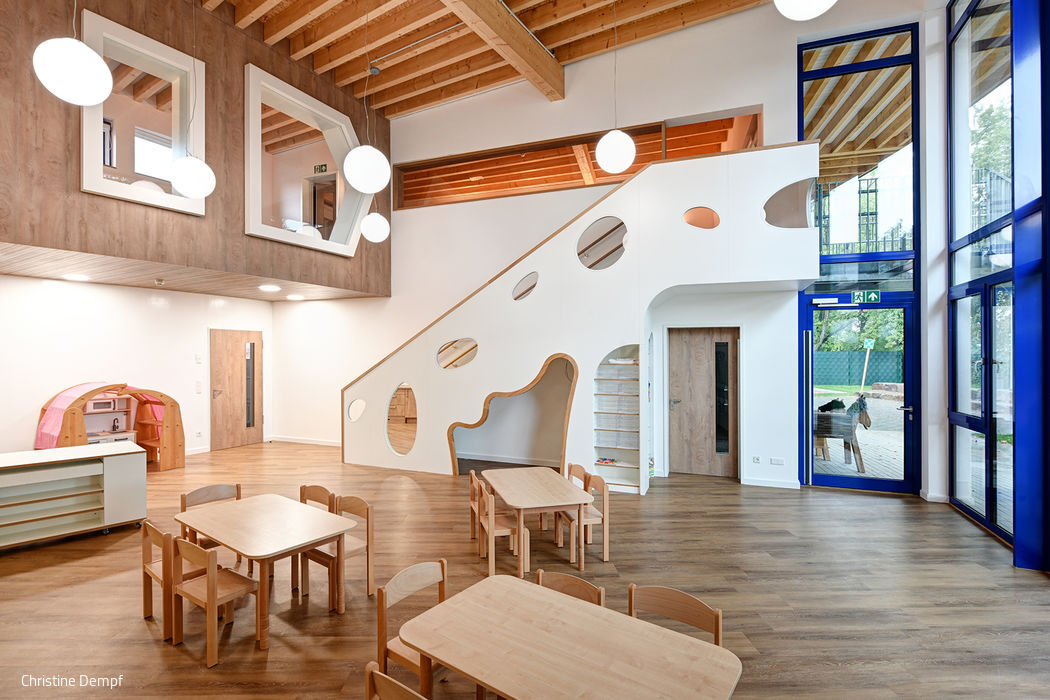
The ISR kindergarten in Niederkassel captivates with thoughtfully designed, individualized spaces.

Innovative Transformation
From Retail Vacancy to Vibrant Homes: Mörsenbroich's Reimagined Future
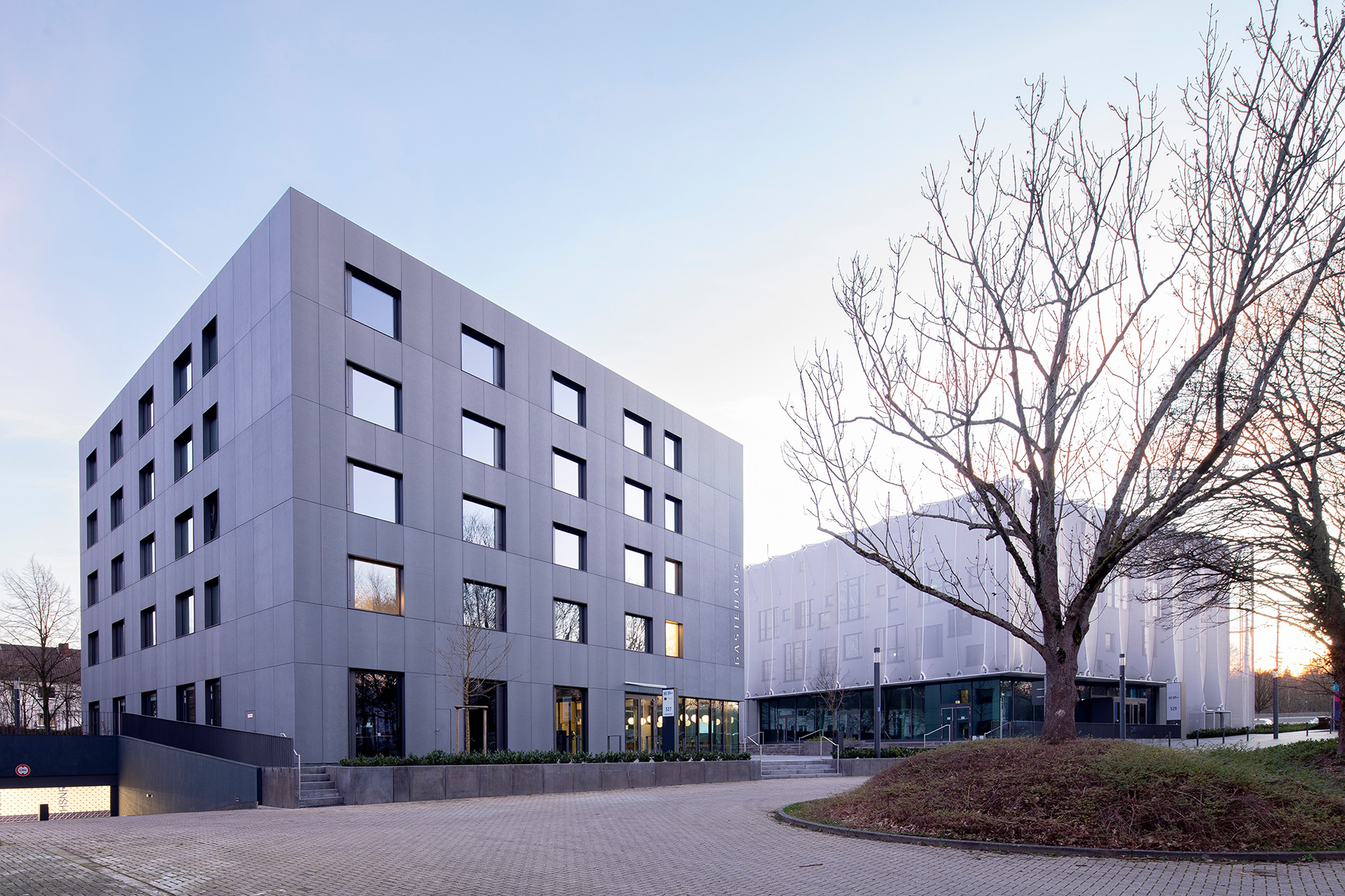
Twins at second glance
A new guest house forms a harmonious companion to the Textile Academy NRW.
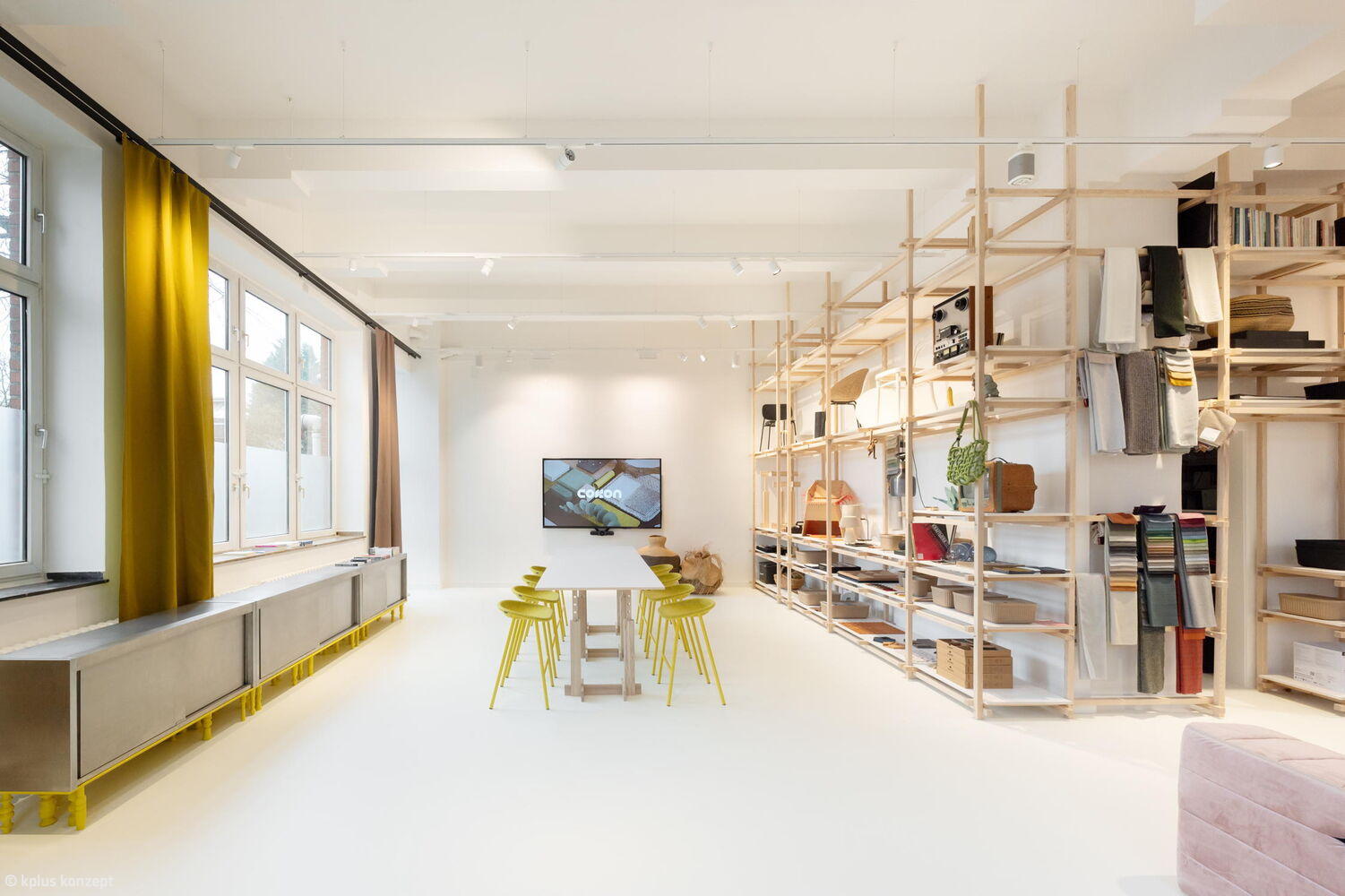
Sustainability Through Collaboration
At the "cokon" Co-Act Space and showroom in Flingern, professionals unite and collaborate