


Timeless Modernism: Style à la Mies
An apartment designed as if Mies van der Rohe had curated every detail.


Few figures revolutionized modern living quite like Mies van der Rohe – or perhaps it's more accurate to say that the world finally caught up with his vision. In the summer of 1927, nearly a century ago, Mies and his collaborators Gropius, Scharoun, Le Corbusier, and Taut unveiled their vision for 20th-century domestic life at the opening of the Weissenhof Estate in Stuttgart: light-filled, functional, stripped of unnecessary ornament. Gone were the heavy velvets and ostentatious décor of the past; in their place came open floor plans, unadorned walls, and tubular steel furniture. The furnishings became the real sensation. Today, iconic pieces like the Barcelona chair and the chaise longue from his tubular steel collection remain quintessential Mies.
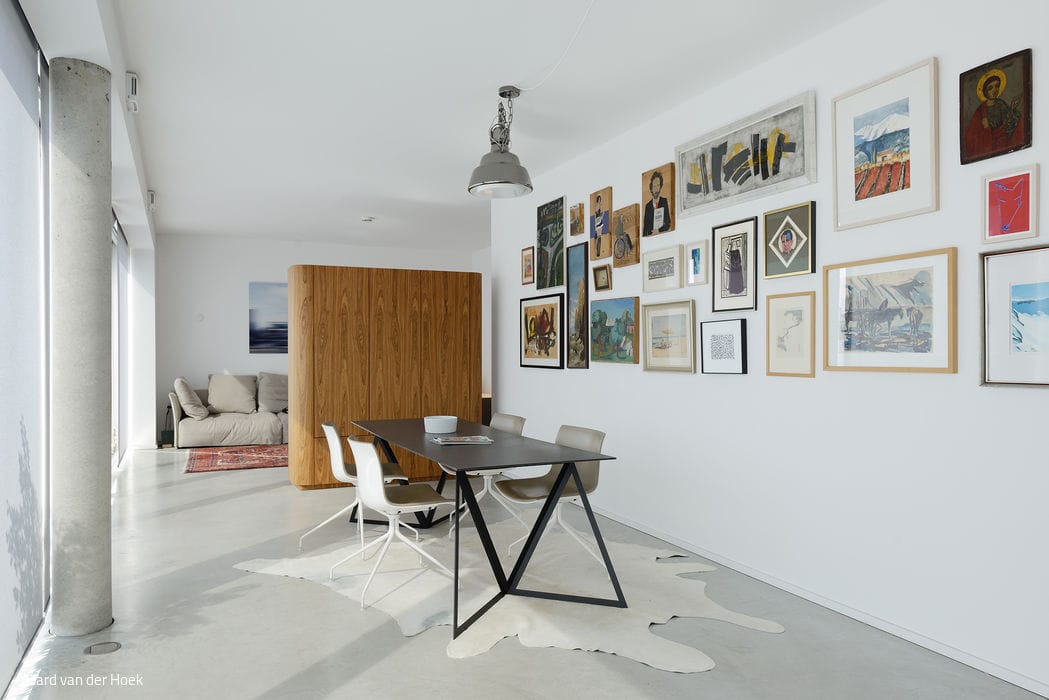
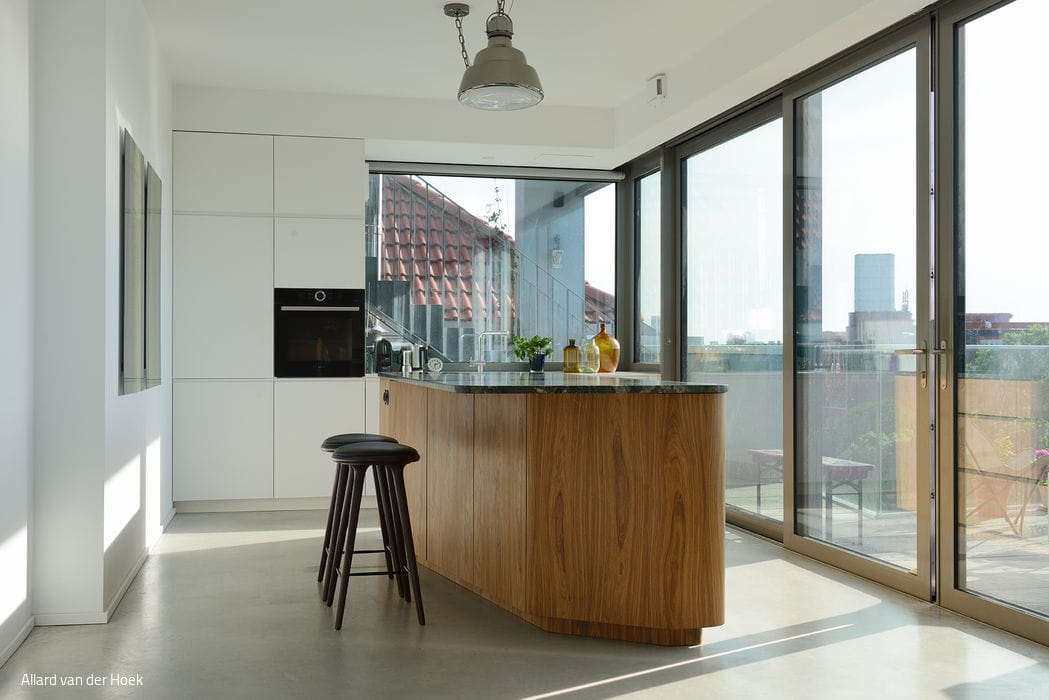
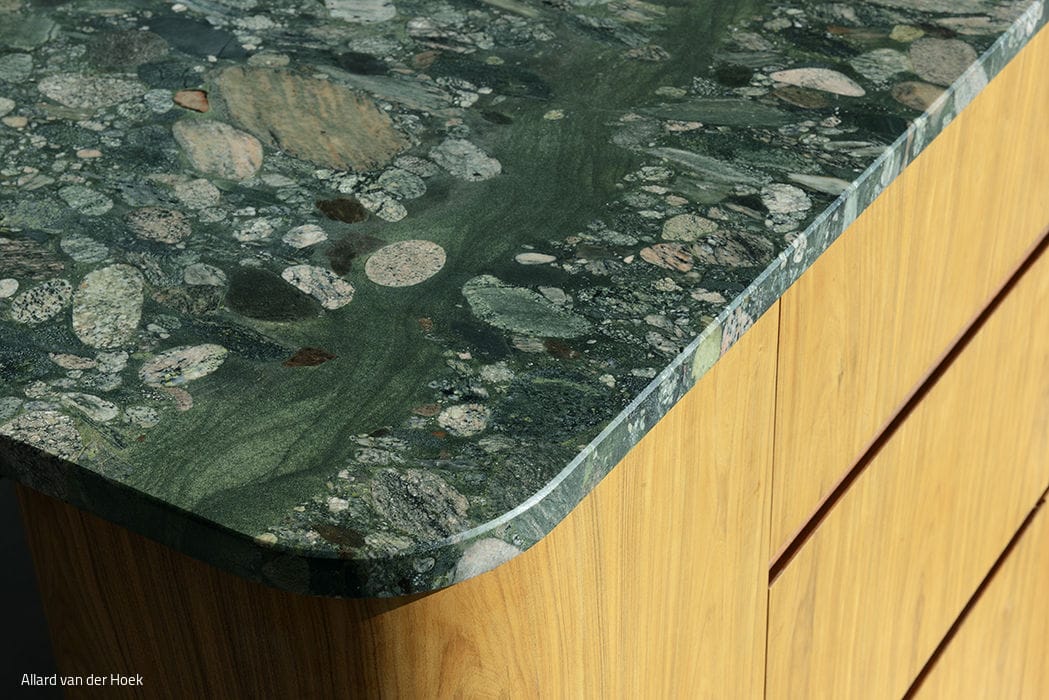
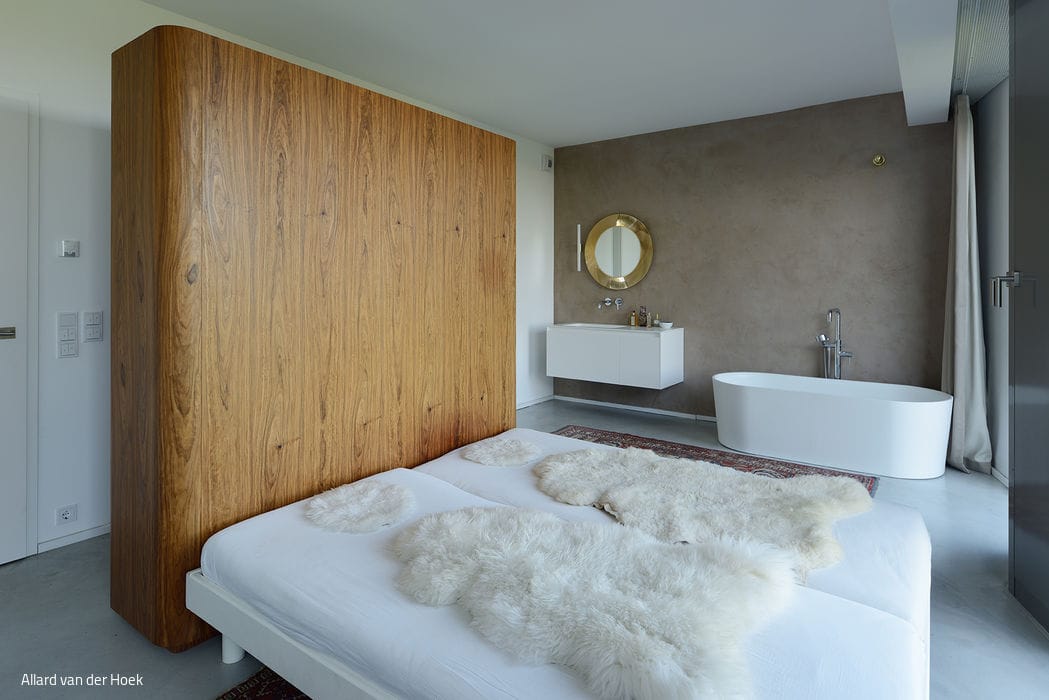
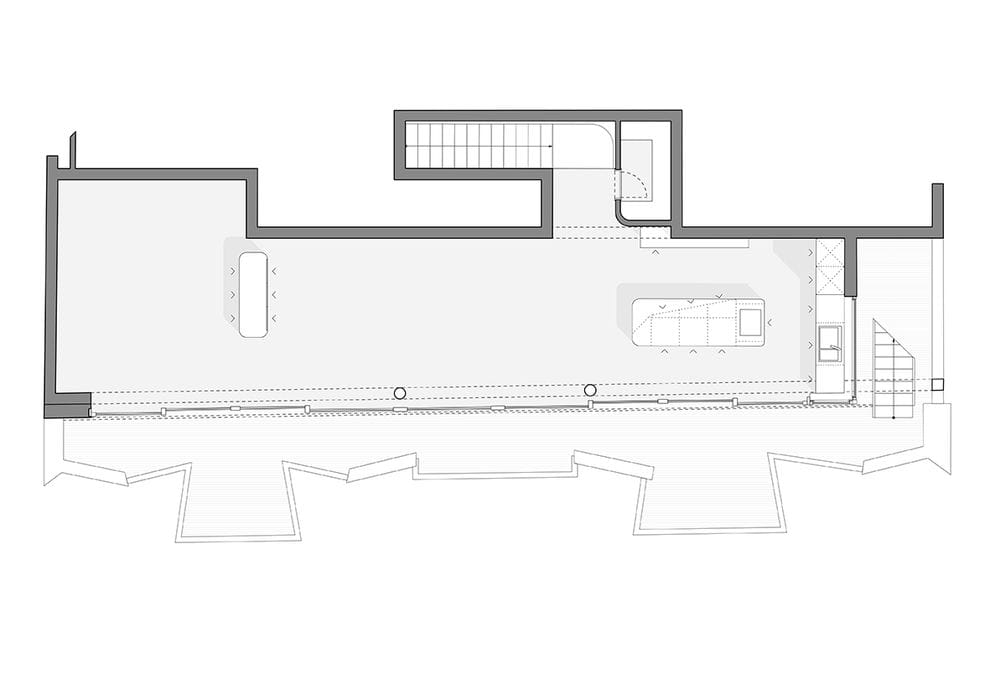
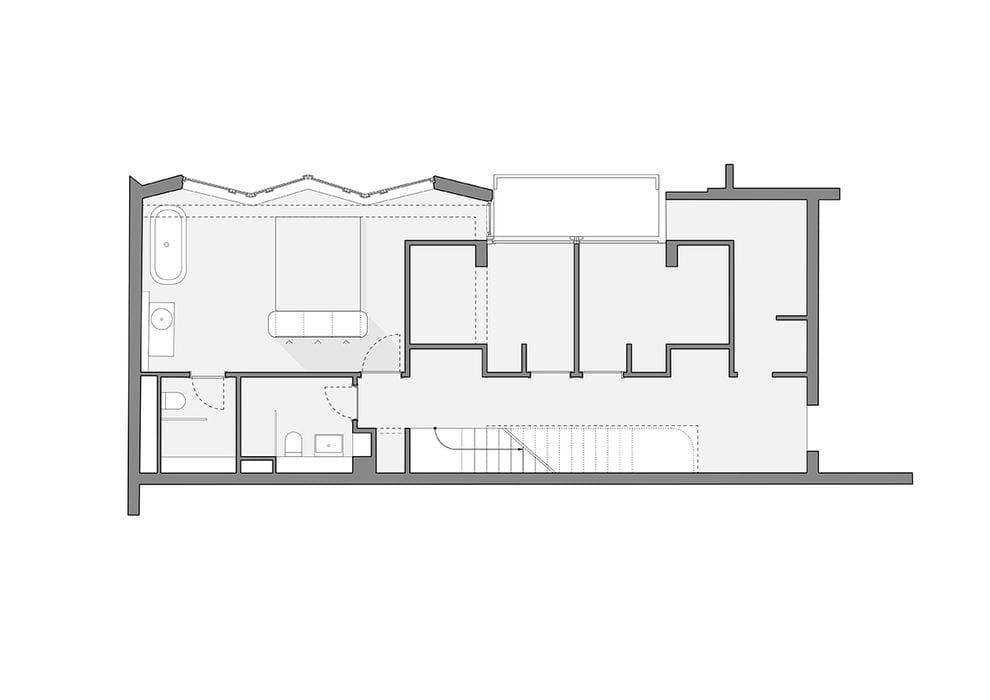
When Wiewiorra Studio in Berlin describes a Prenzlauer Berg penthouse interior as "Wohnung meuble à la Mies," they're channeling the same principles that captivated audiences then: open floor plans, expansive glazing, and refined, elegant furnishings—not just in tubular steel, but also in wood, creating a composed palette of tables, cabinetry, and seating pieces. What keeps Mies van der Rohe perpetually relevant? Because he created something timeless and revolutionary—work that simply refuses to age. This maisonette is Studio Wiewiorra's homage to the master. Its layout unfolds along a tube-like corridor with an open living sequence. Sculptural furniture pieces serve as spatial dividers—a sinuous cabinet, rounded at its narrow ends, separates the kitchen zone and dining area (complete with glass table and shell chairs) from the living realm. Richly grained rosewood and green-pink natural stone punctuate the serene palette. Furniture floats freely within the space like carefully placed art objects. In the living room, storage and a flat-screen integrate seamlessly into the pieces. The kitchen island wears a Brazilian stone top with softened corners, while the bar section recedes to create intimate seating. The bedroom sits one level down, with wardrobes and storage units pulling double duty as spatial organizers and visual screens—the wardrobe even serves as a headboard. From bed, unobstructed views open onto the park beyond. A washbasin and soaking tub occupy the open lower floor. The living level spans 68 m², with the entry and bedroom occupying 64 m². Both levels feature fully glazable walls that open onto an elongated terrace.
Photography Credits:
Allard van der Hoek
www.allardvanderhoek.eu
(Published in CUBE Berlin 02|22)

New Brings the Past into Focus
Thoughtful Transformation of a Historic Apartment with an Art Collection
Ideas for Sustainable Change
Design Concept and Interior Architecture, Flawlessly Realized
Unique Historic Property
A masterpiece of harmony and elegance
Little Zoo Garden
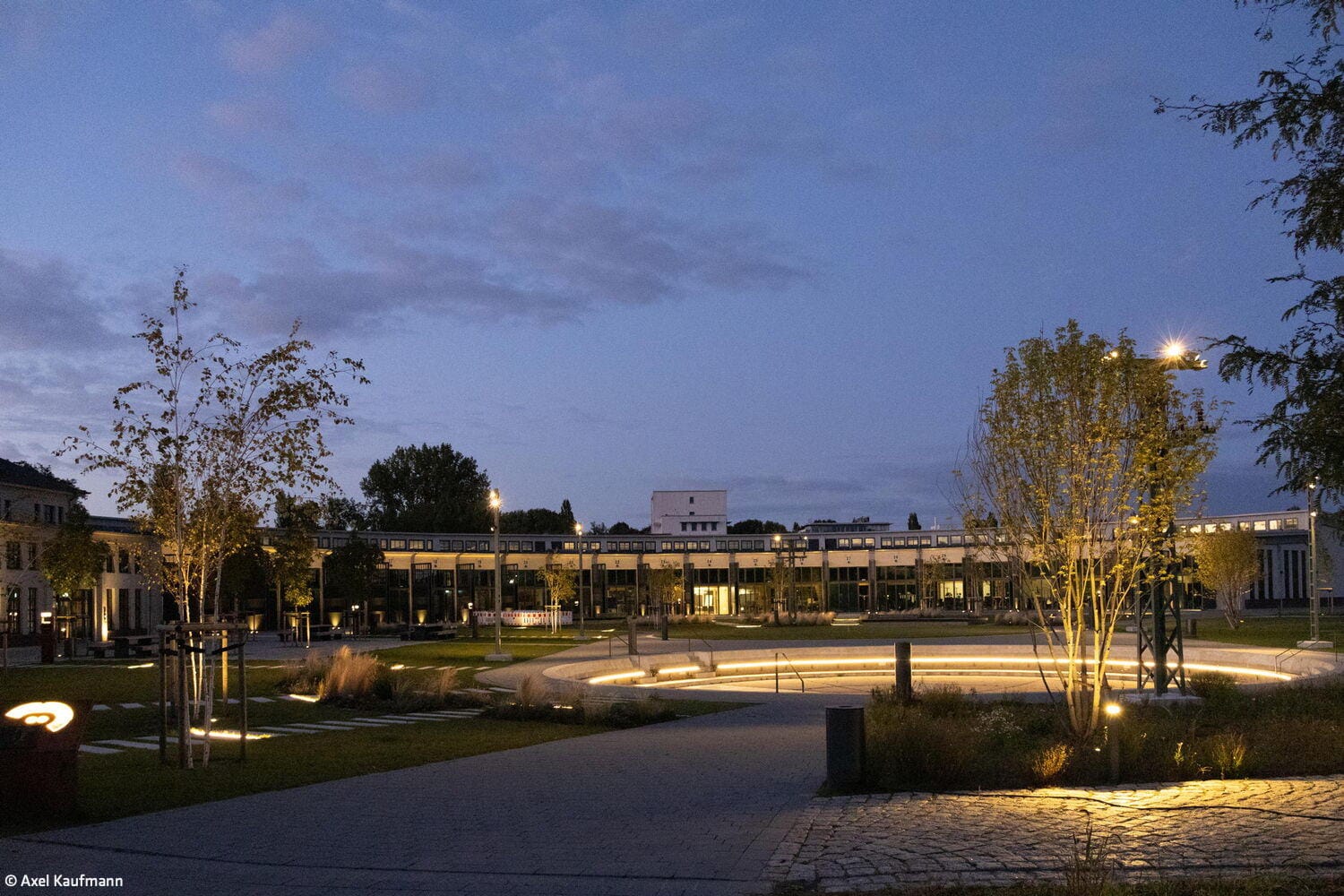
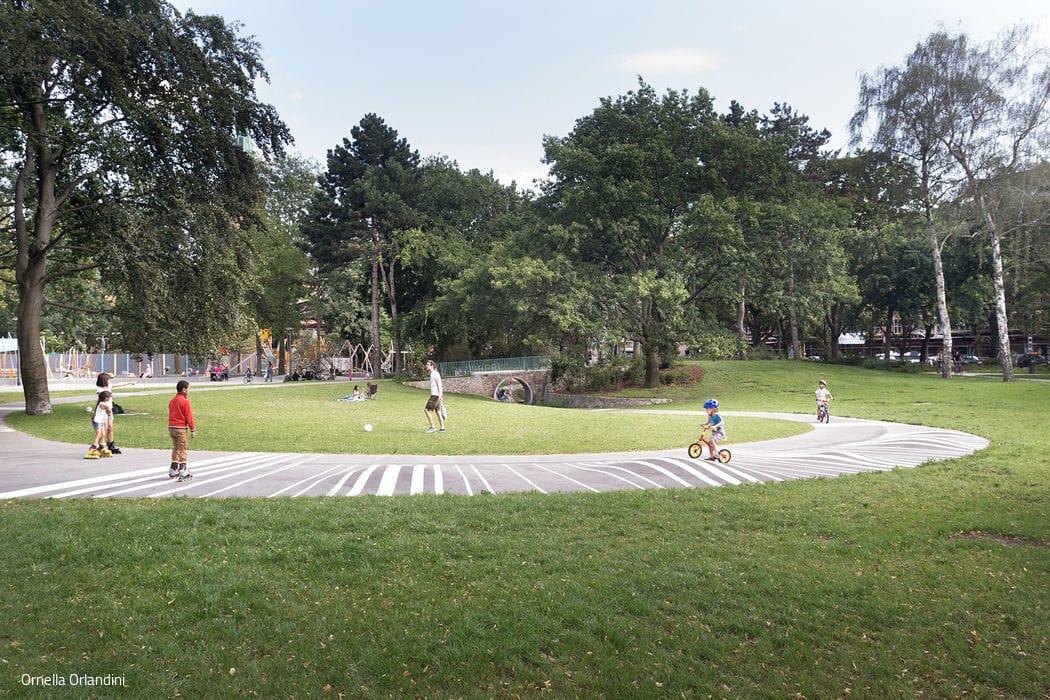
The Ottopark underwent a contemporary overhaul in its most recent phase. Latz + Partner won the implementation competition with its...