


From Telegraph Office to Hotel
Neo-baroque postal architecture reimagined
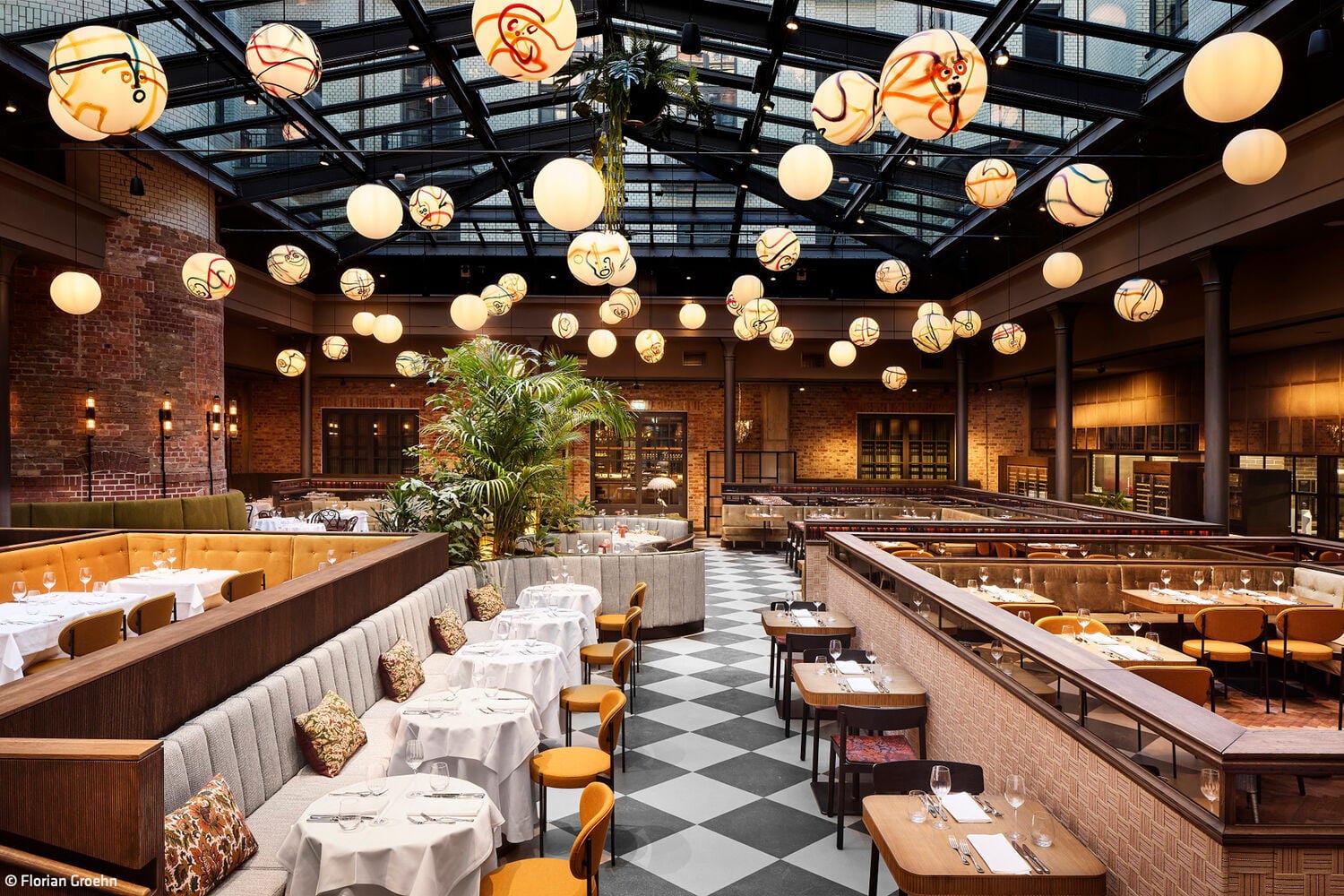
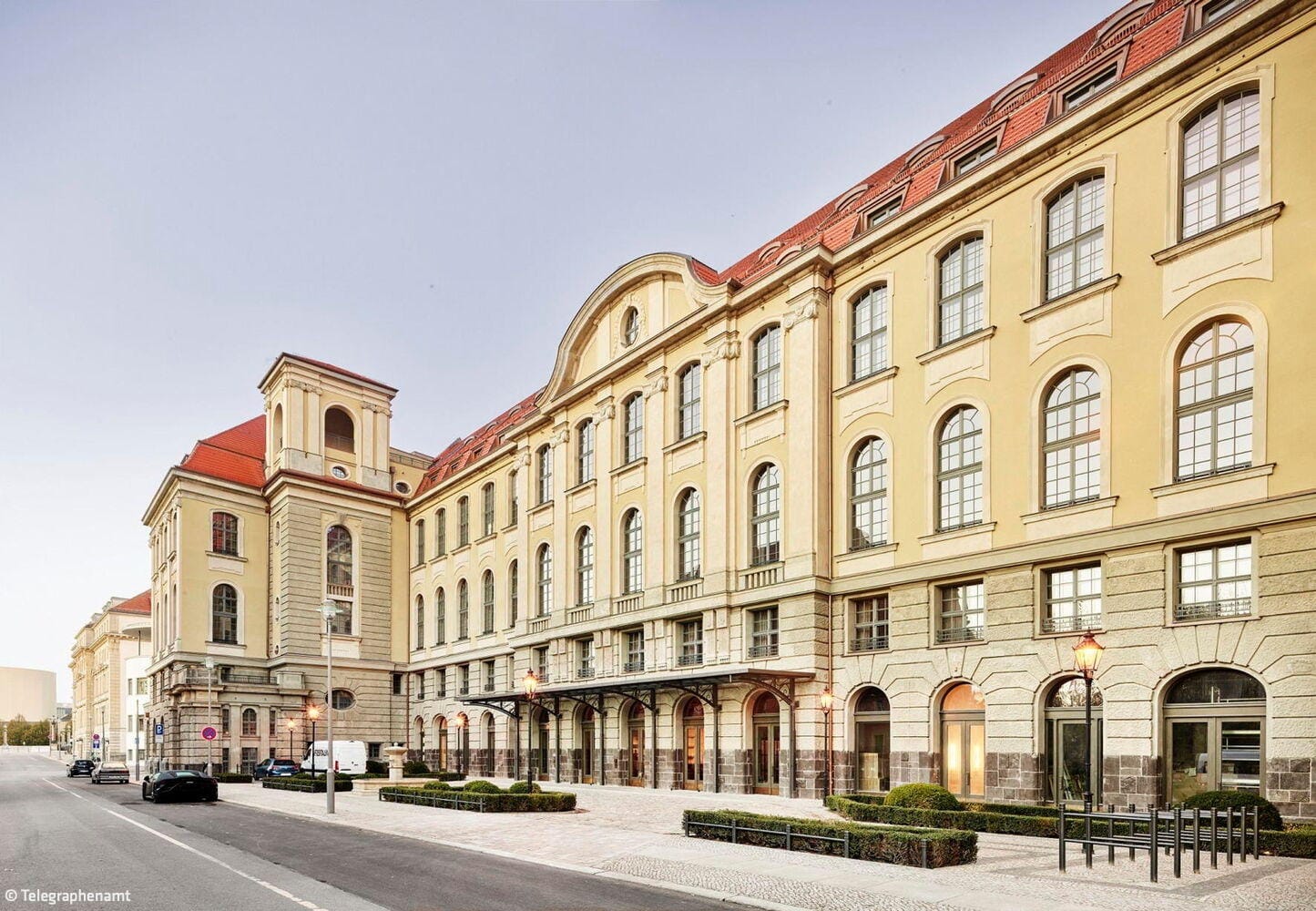
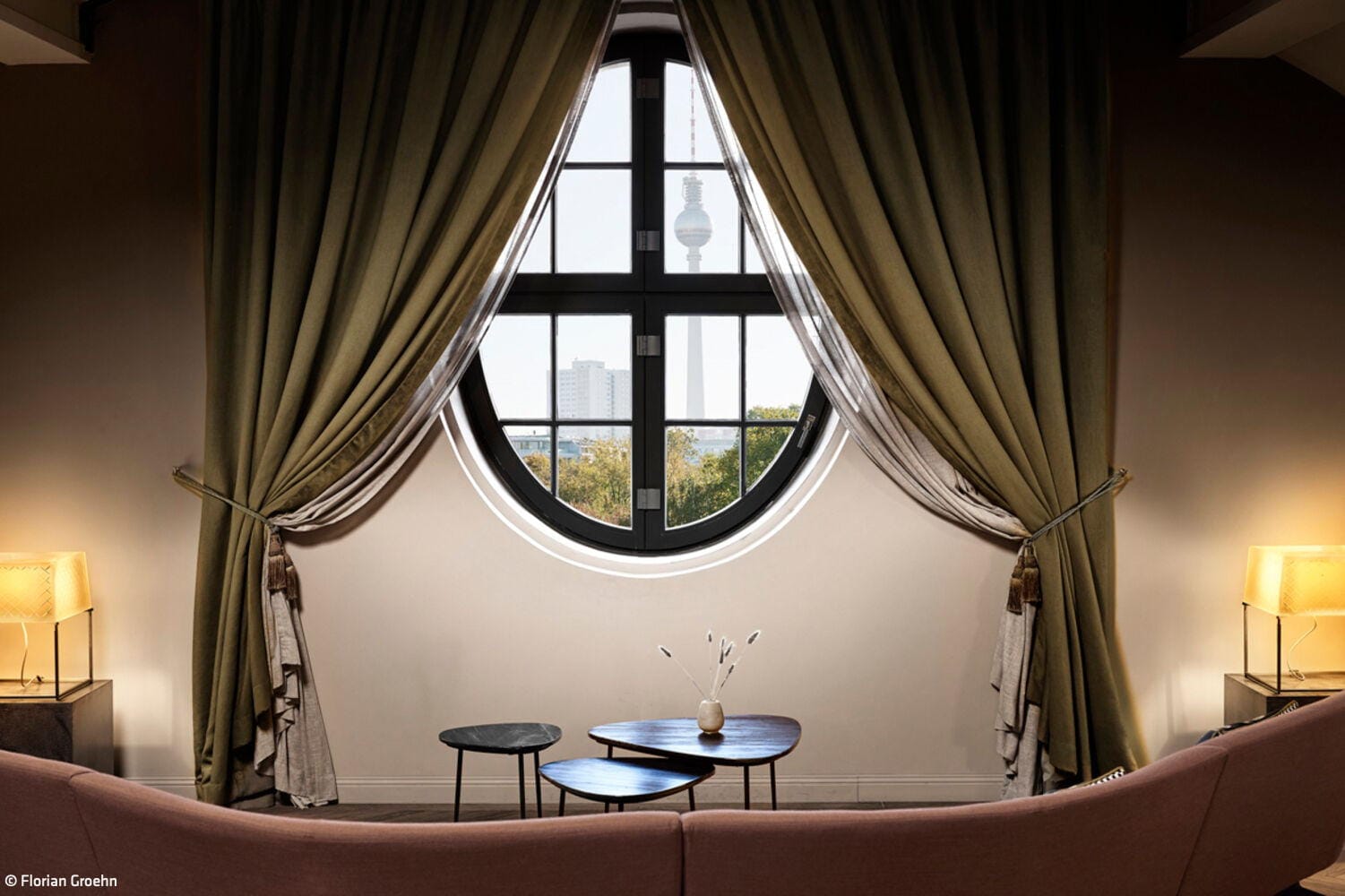
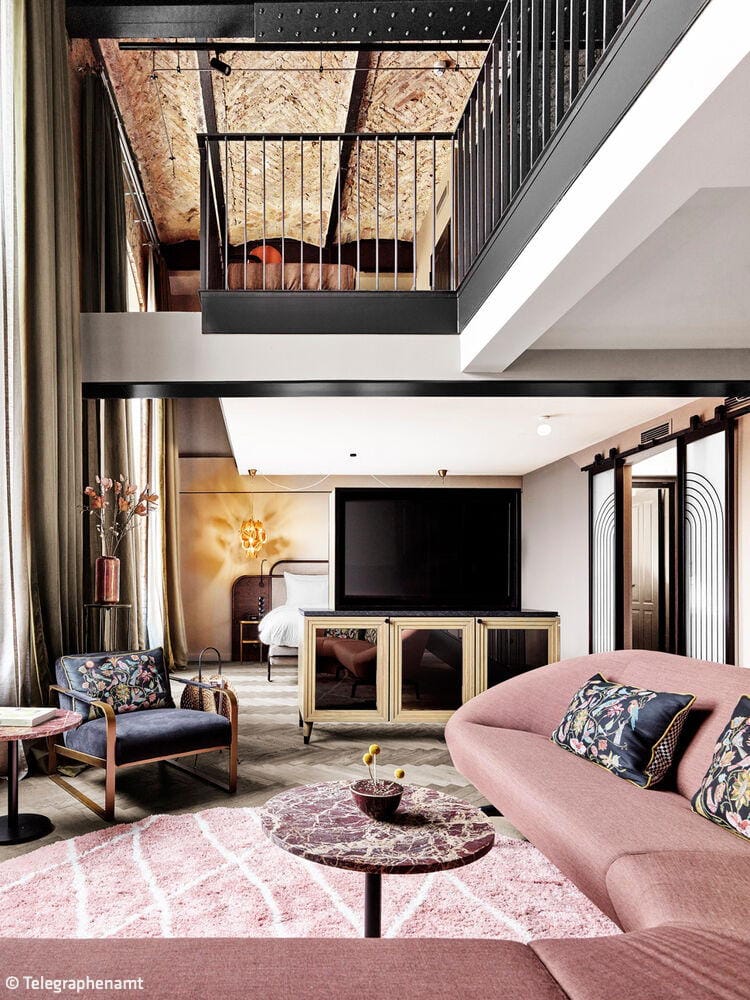
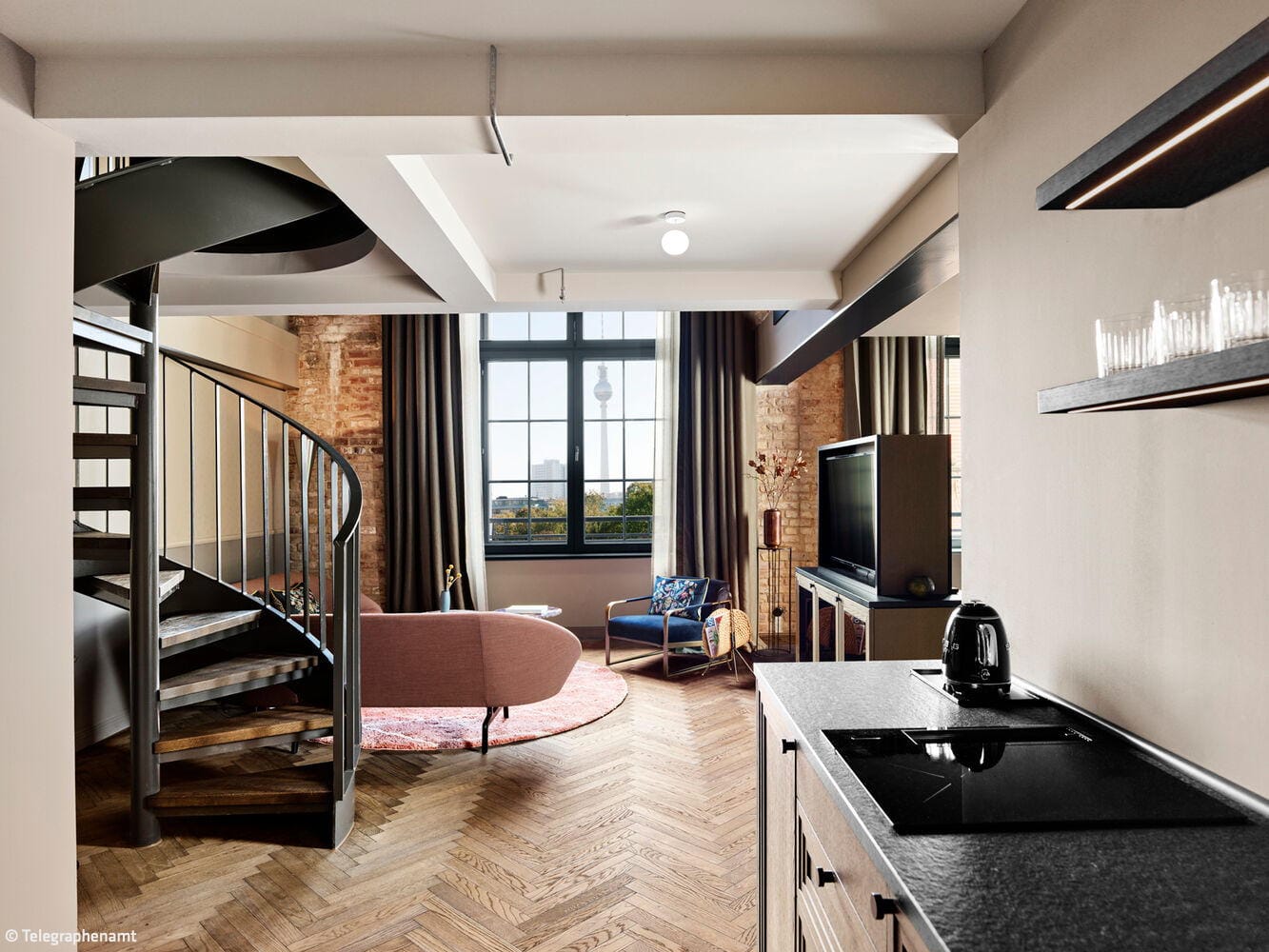
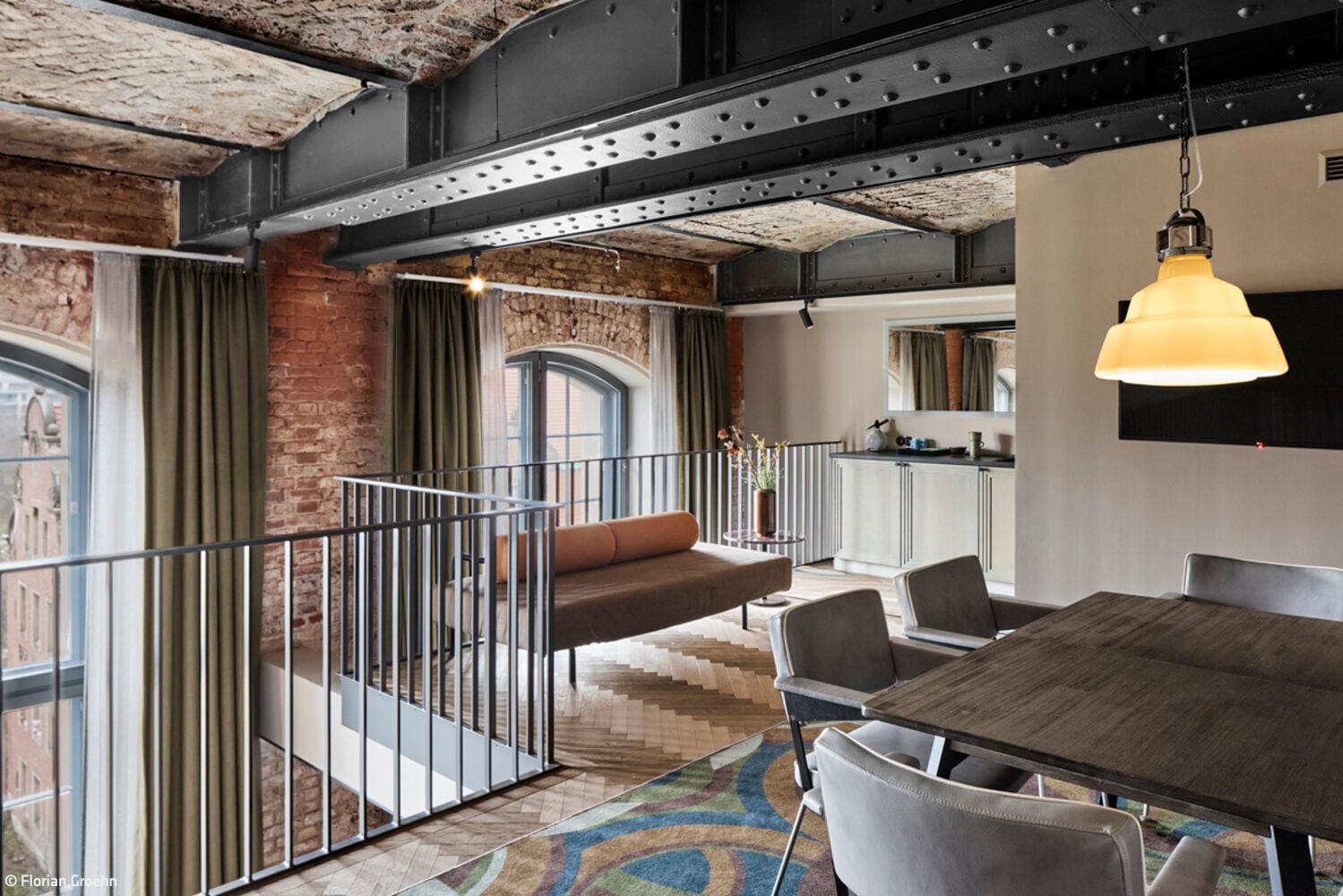
Standing among the most distinctive postal buildings of the early 20th century, Berlin's former Imperial Telegraph Office in Mitte was an architectural statement. Designed by Max Lehmann and completed between 1910 and 1916, this neo-baroque masterpiece was Germany's most expensive postal building when built. For decades starting in 1919, it served as a vital communications hub—a role made possible by a cutting-edge pneumatic tube system that remained operational until 1976, dispatching some 20,000 telegrams daily from its halls.
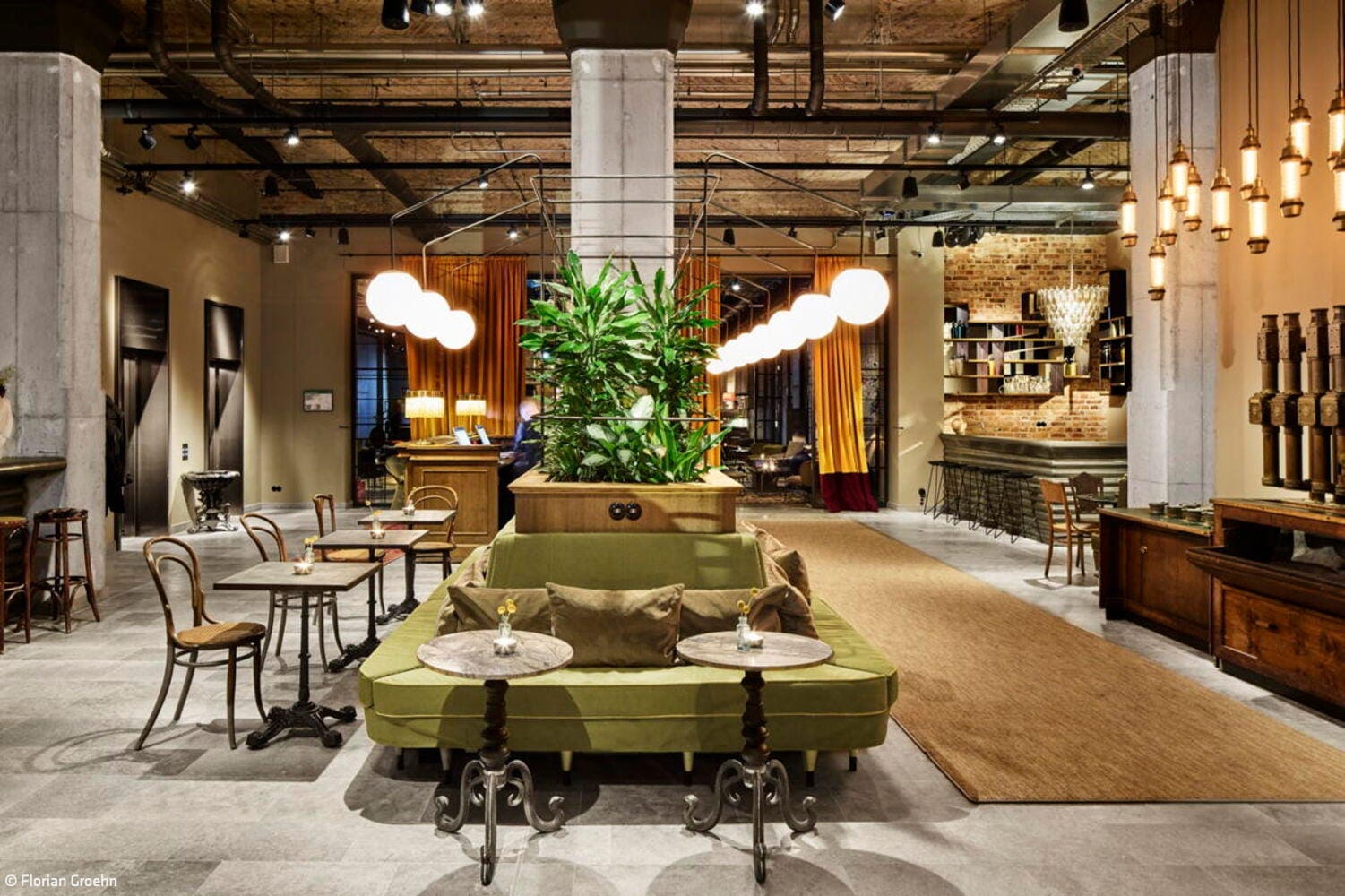
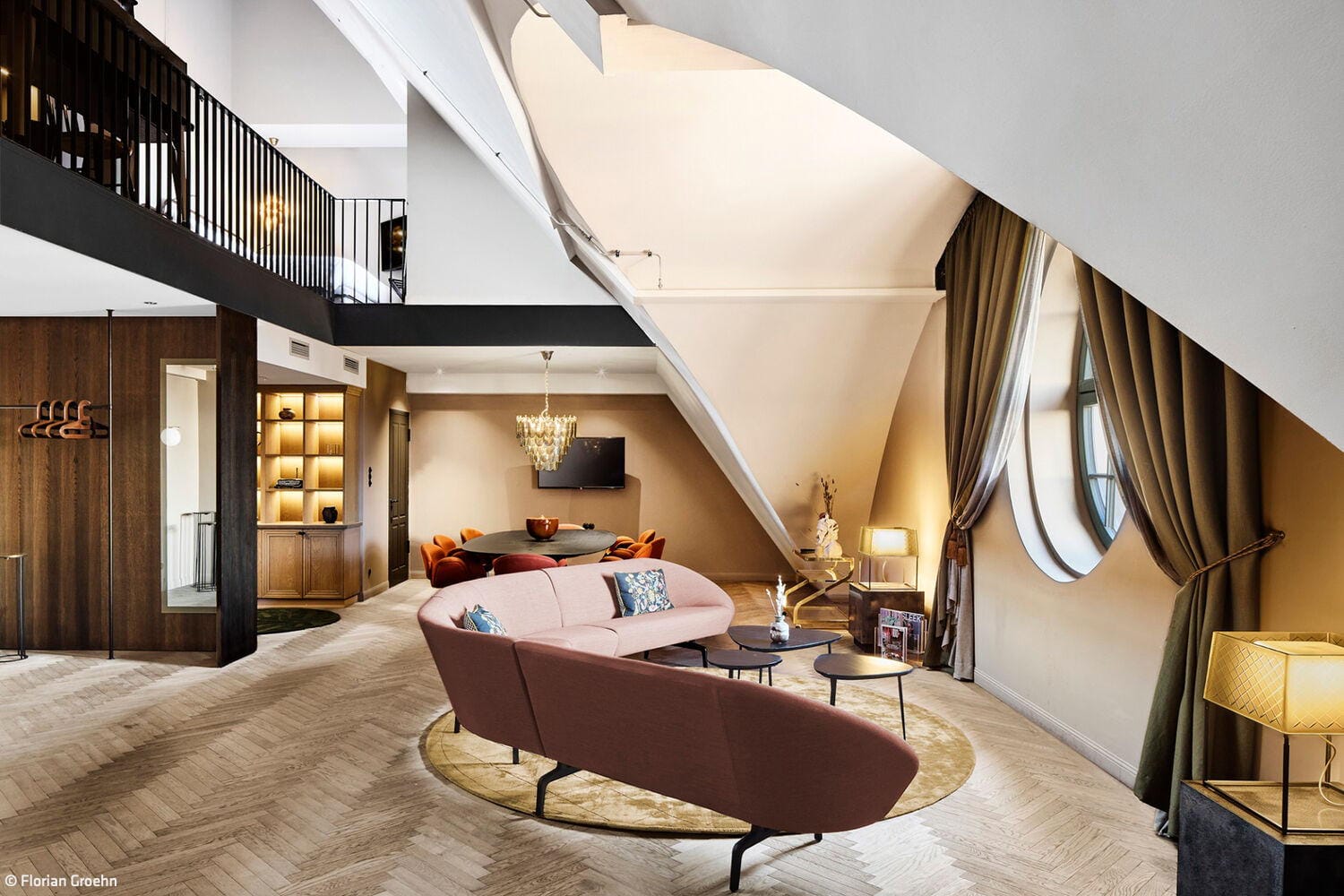
That chapter has long closed. Today, after meticulous restoration and thoughtful modernization, this protected landmark has been reborn as an intimate boutique hotel. Since its 2022 opening, it bridges two eras: the striking natural stone façade with its sweeping arched windows and generous entry court—overlooking Monbijoupark—remain visually commanding, while the interior marries history with contemporary hospitality. Exposed brick walls, heritage columns, mosaic flooring, and barrel vaults dialogue with sophisticated modern design by Dreimeta. The palette of warm beiges and grays, accented with bronze details, creates an inviting atmosphere throughout. Seven maisonette suites stand out, with soaring five-meter ceilings and floor-to-ceiling windows that celebrate the building's original proportions. Custom herringbone parquet and bespoke furnishings respectfully anchor the historic fabric in the present. The complex's multiple wings, tower staircases, courtyards, and grand halls now welcome events and gatherings. The former carriage house, topped with a glass pavilion, has transformed into a distinctive event venue. Breakfast is served in what were once busy work halls, while restaurants, a bar, and cafés round out the culinary experience.
Positioned near Museum Island, Hackesche Höfe, and the Fotografiska Museum, the Telegraph Office anchors the "Forum an der Museumsinsel"—a reimagined urban quarter where centuries of architectural heritage converge with contemporary city life. Here, a utilitarian infrastructure building has become a vibrant cultural destination, exemplifying how Berlin honors its architectural legacy while embracing new purpose.
www.patzschke-architektur.de
www.telegraphenamt.com
Photography:
Florian Groehn
www.floriangroehn.com
(Published in CUBE Berlin 04|25)
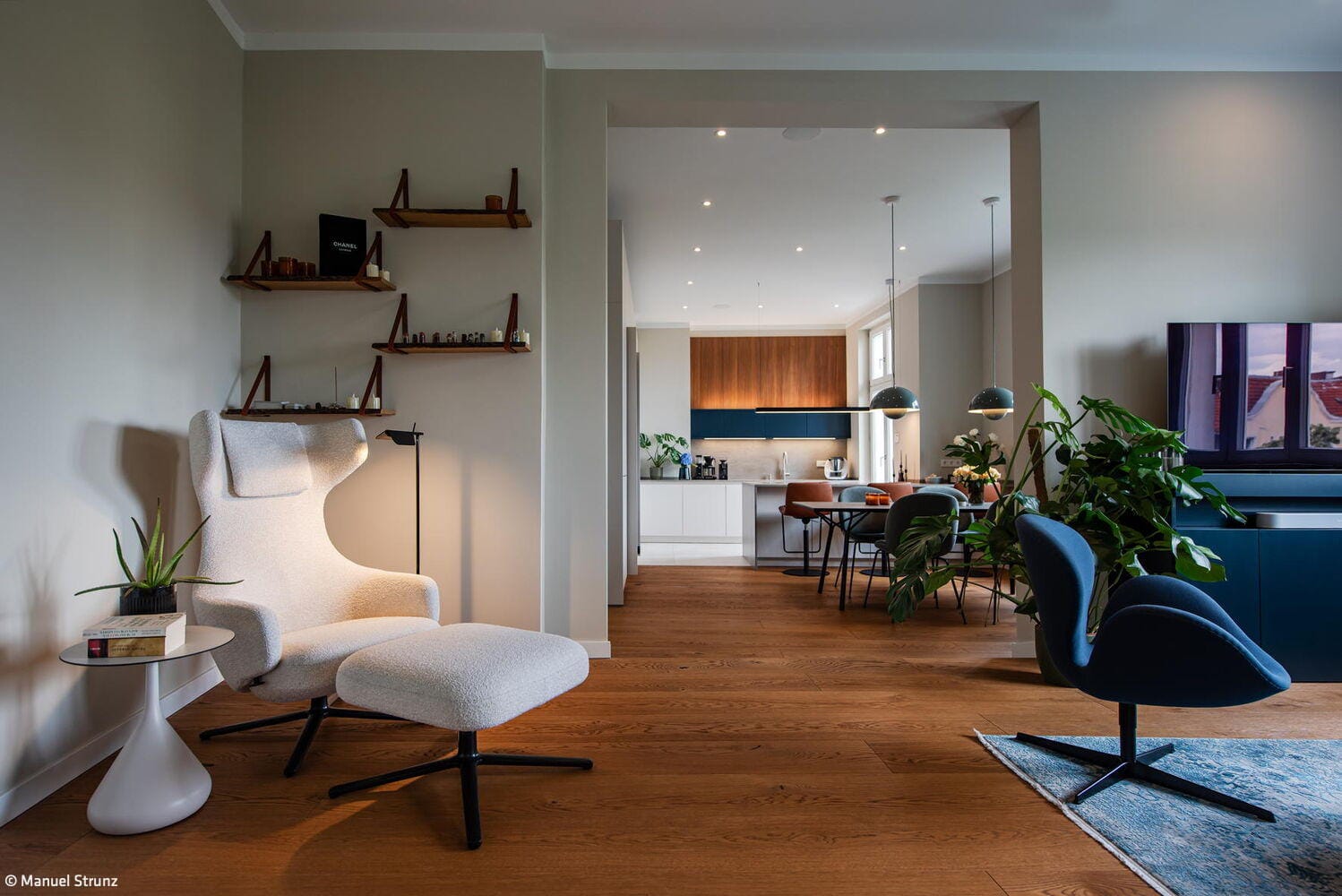
Exciting Transformation
Two Become One – Apartment Berlin X Unveils Expansive New Possibilities
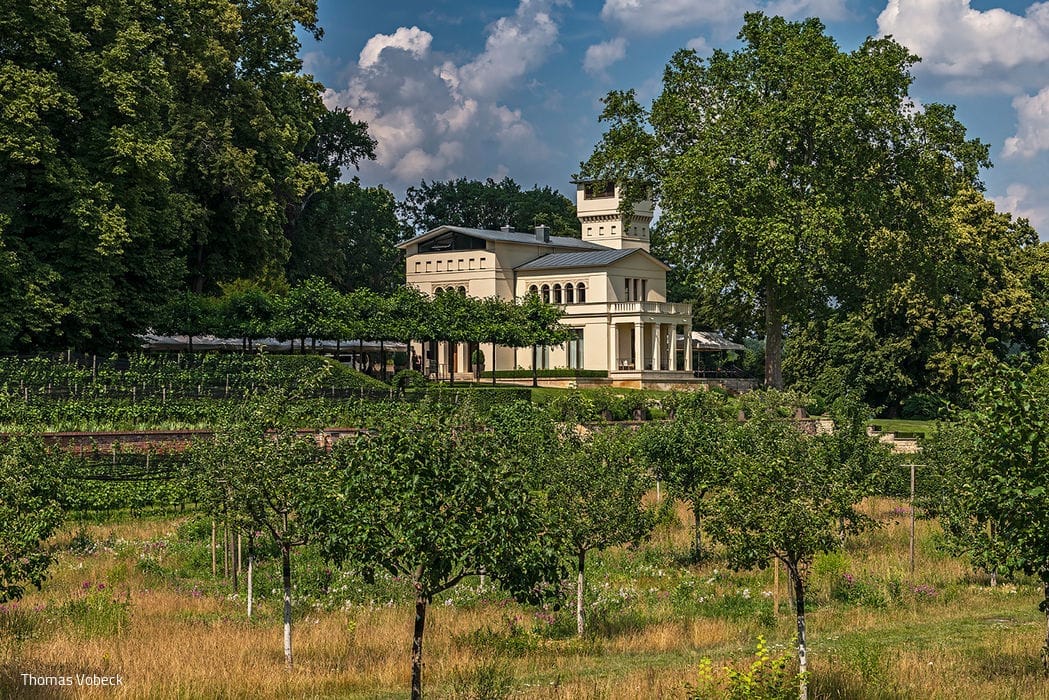
A Grand Garden Restored
The Ludes Foundation is transforming Villa Jacobs' historic grounds into a sculpture park.
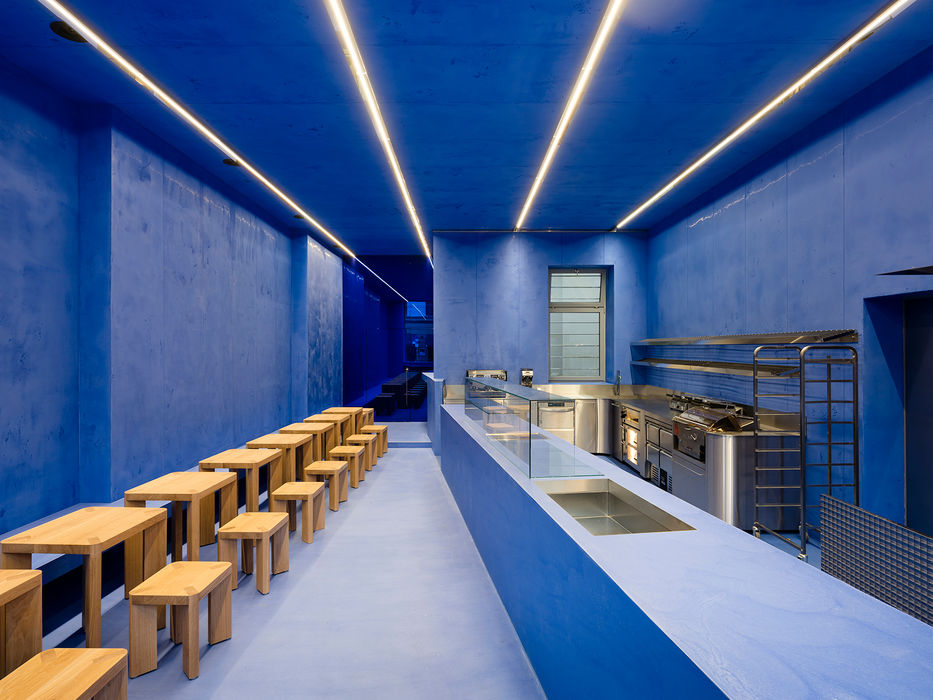
The blue miracle
A bread factory that draws customers in through the sheer power of colour.
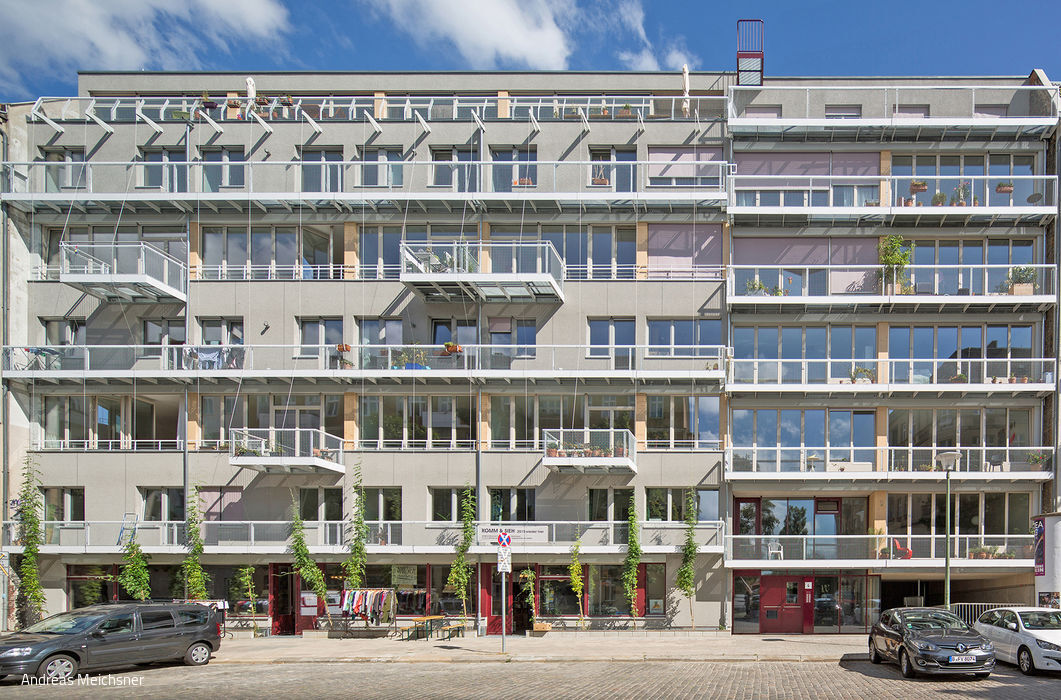
Unconventional and innovative
60 residents joined forces on this project, shaping 22 homes around their individual needs and aspirations...