


Unconventional solution
Wooden hybrid house combines good views with protective privacy
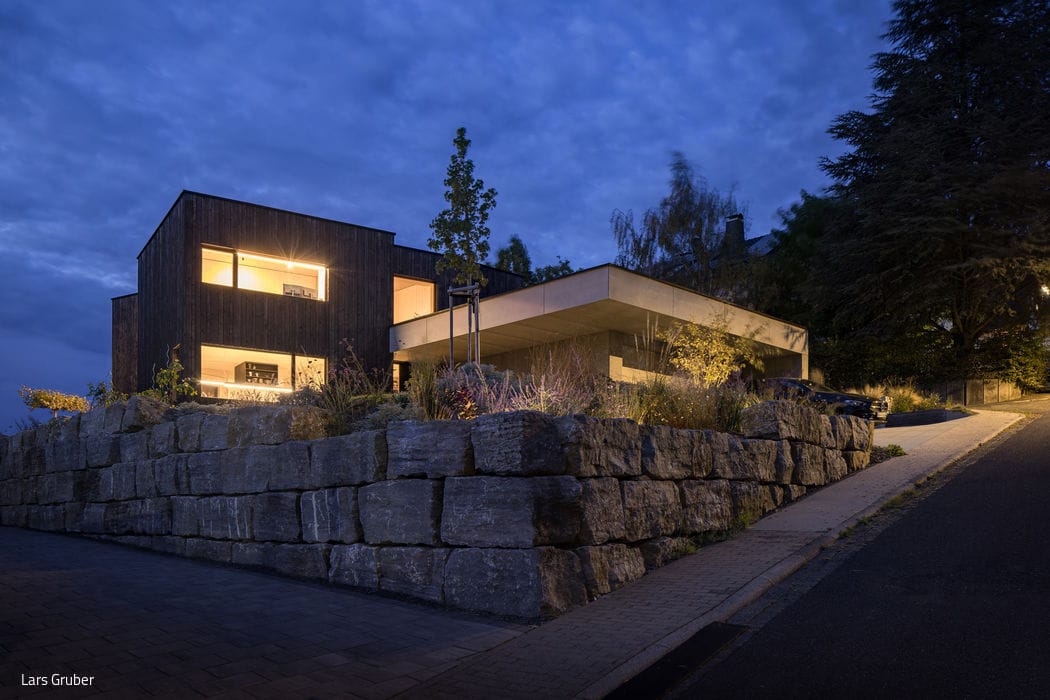
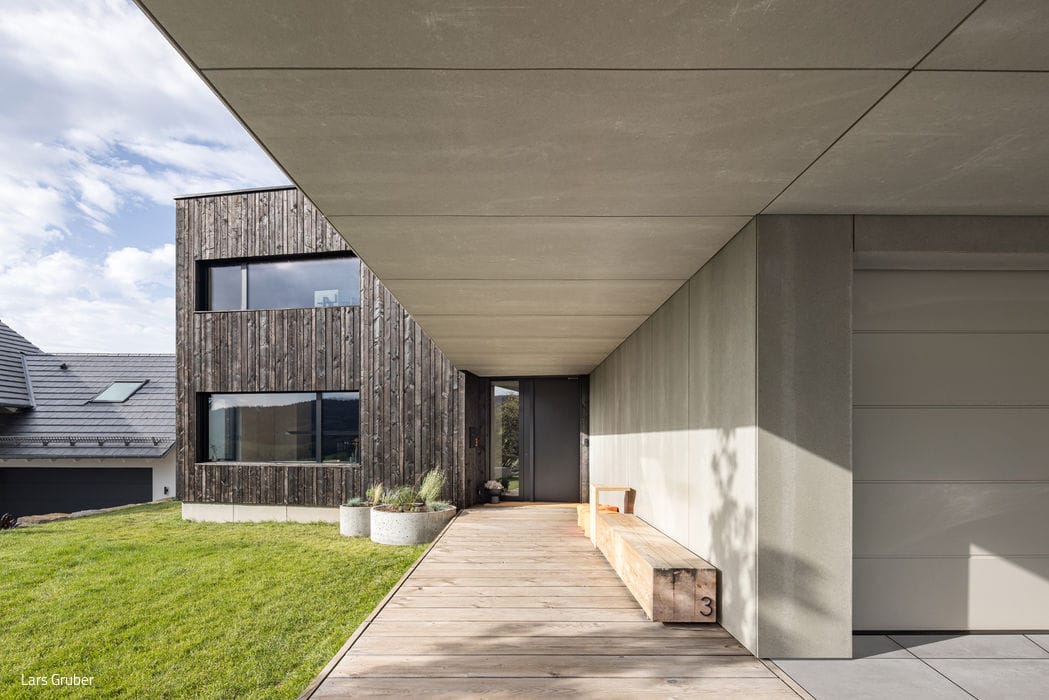
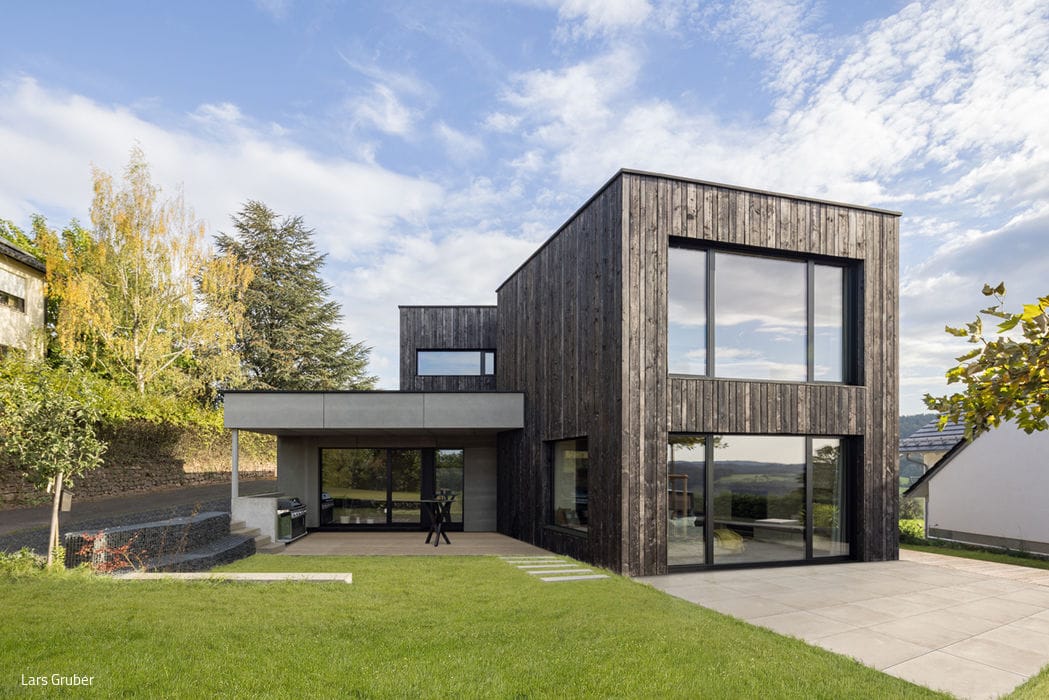
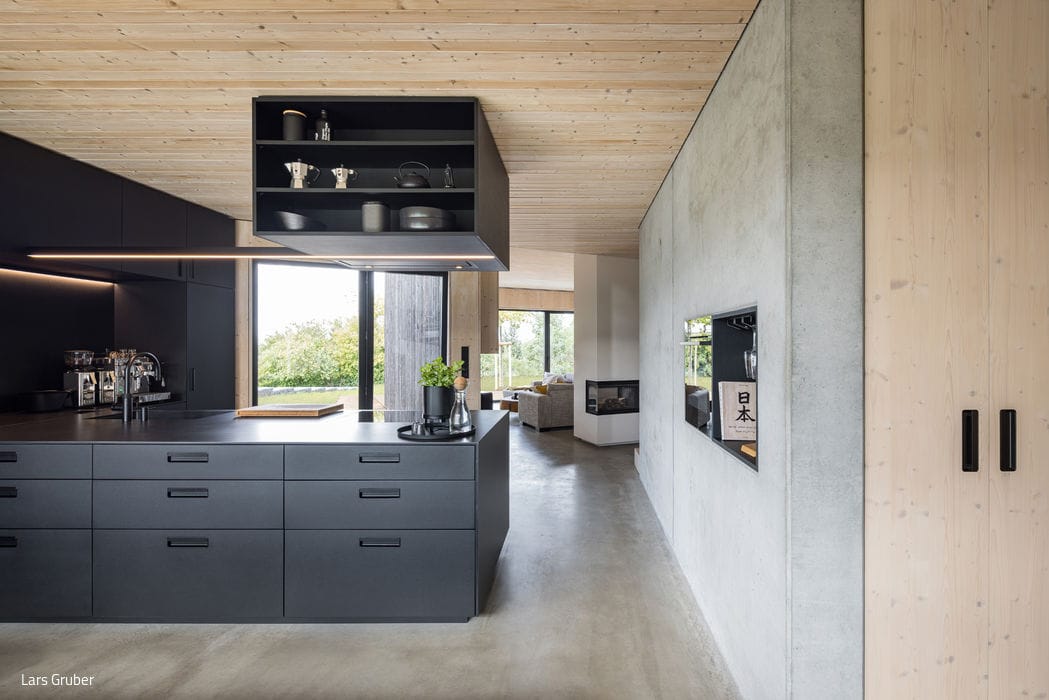
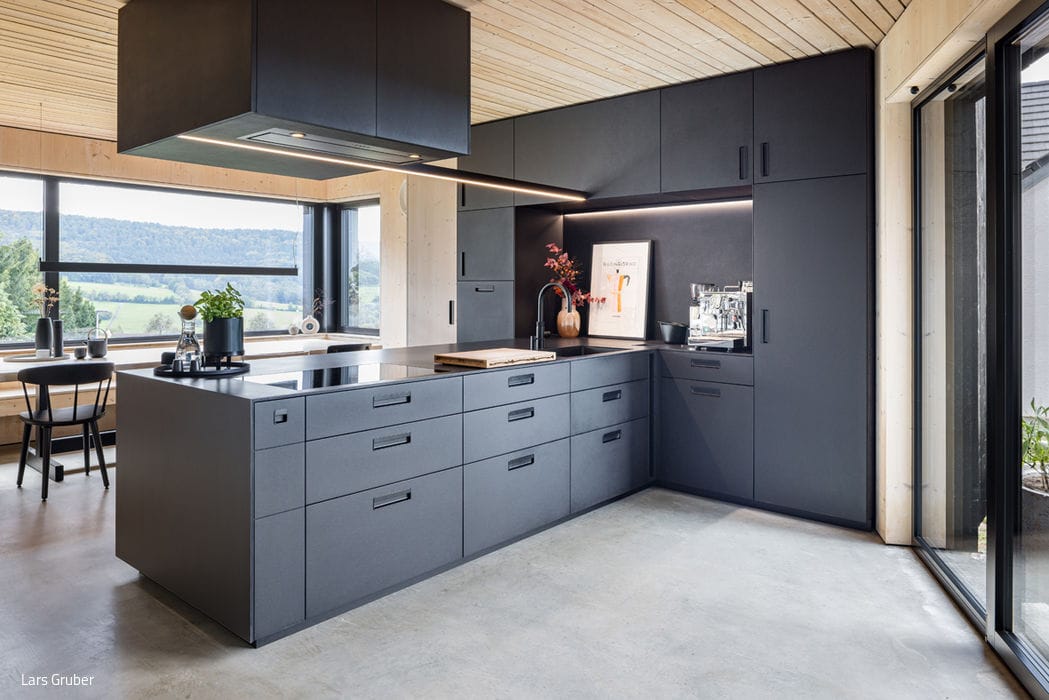
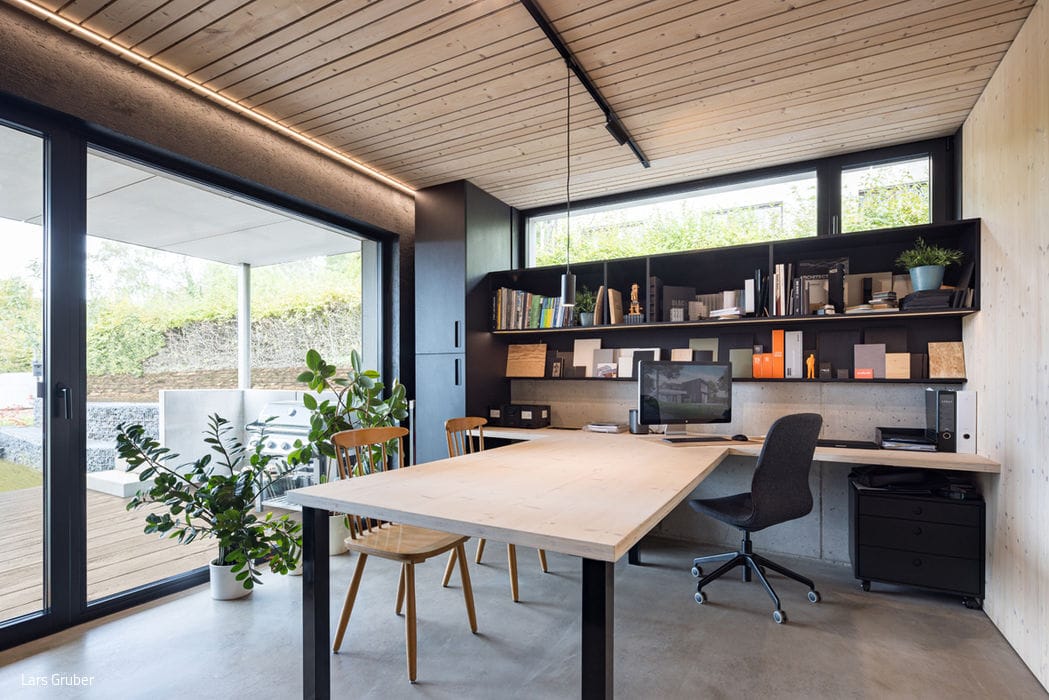
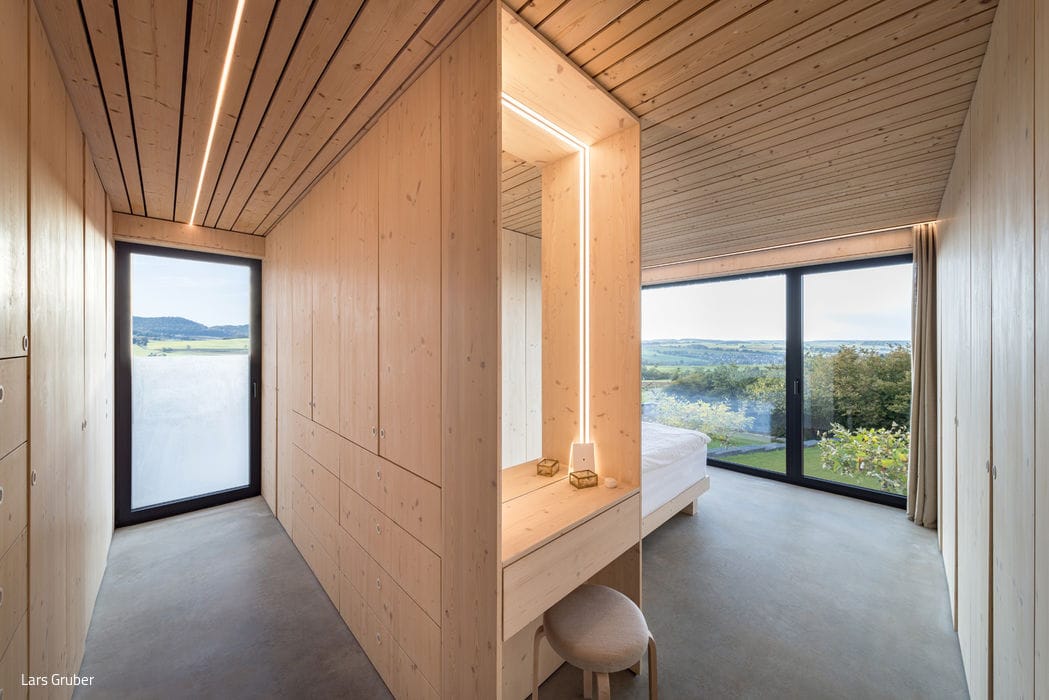
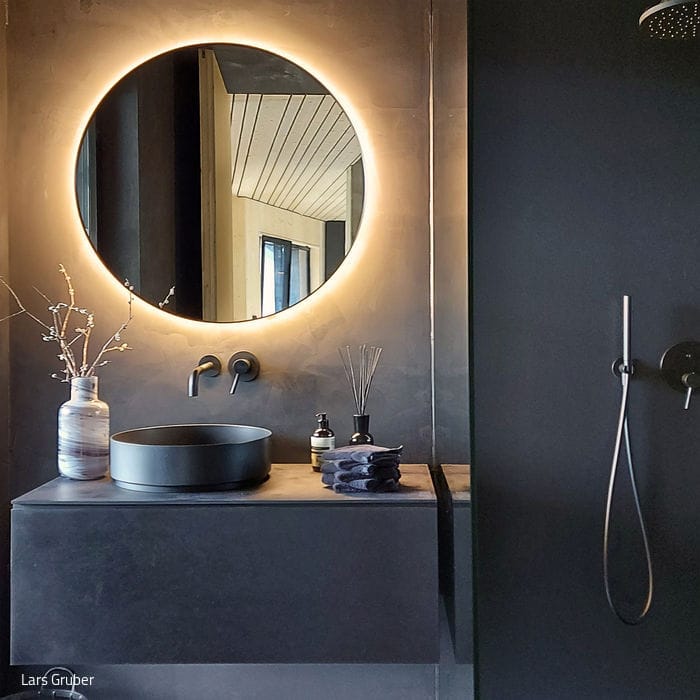
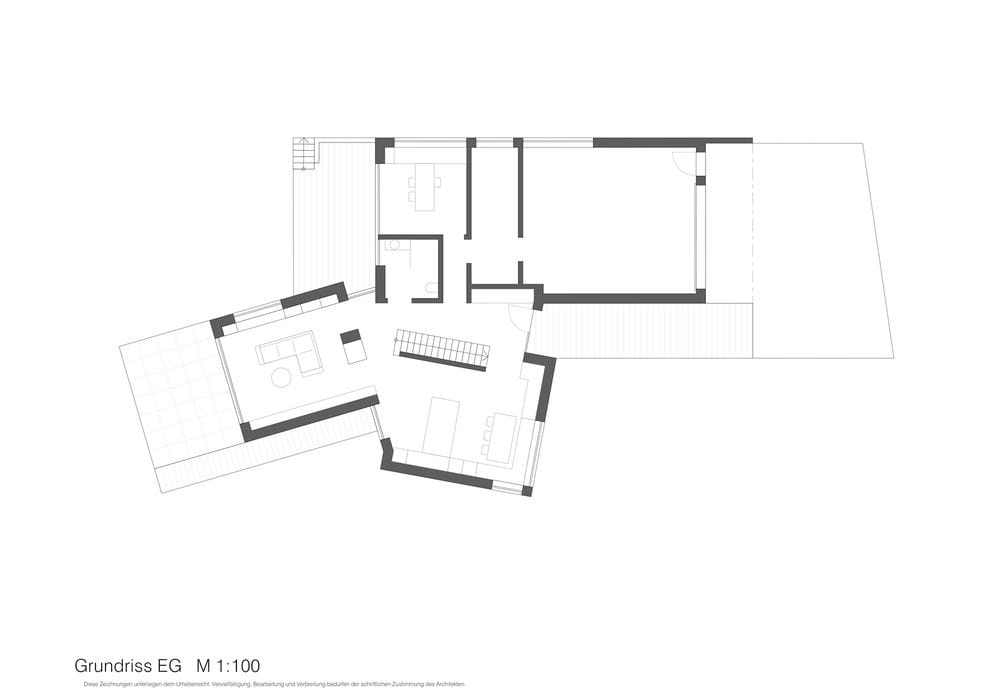
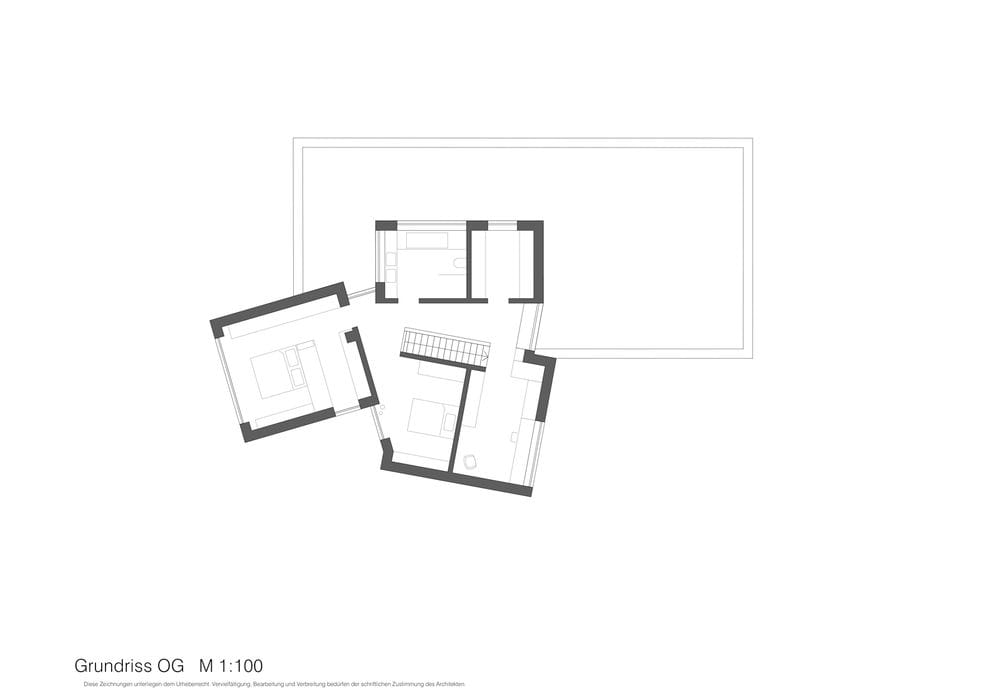
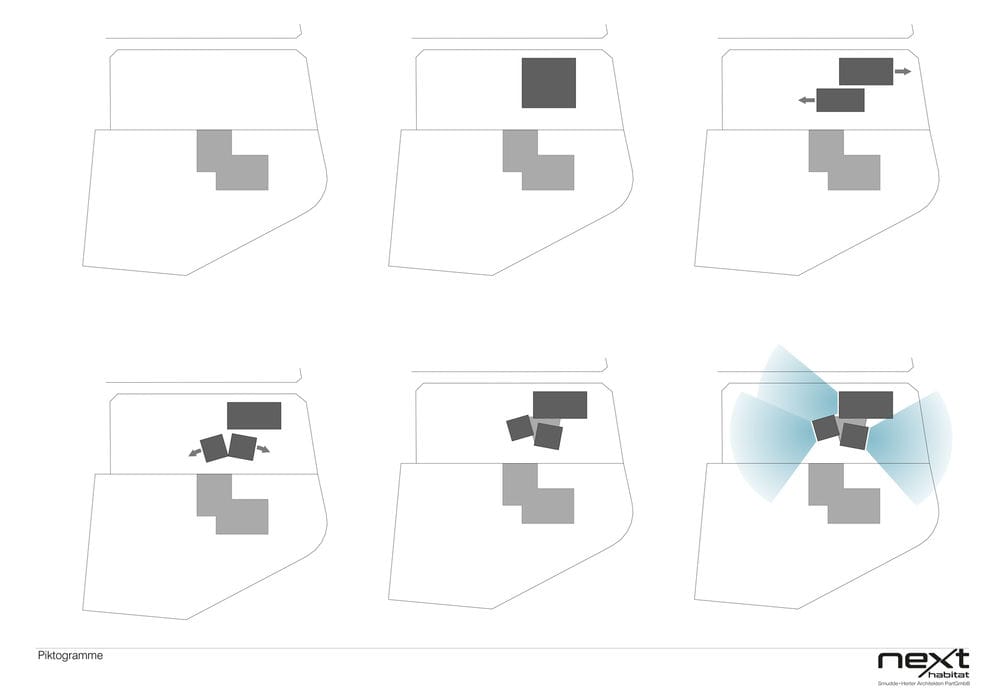
With this house in Spessart, the architects have succeeded in squaring the circle: a neighbouring building stands in the way of the magnificent view of the valley, which the owners naturally did not want to have in their line of sight all the time. In addition, the greatest possible view should be in the direction in which the owners wanted the greatest possible privacy. To achieve this, a new, unconventional orientation was created that simply blocks out the neighbouring house from everyday life at home: The architectural firm Next Habitat from Flörsbach designed a single-family home consisting of three cubes rotated in relation to each other, whose individual living and utility areas are connected in a shared, open access core, which also perfectly matches the builders' desire for a young, dynamic, lively and somewhat special house.
The floor plan is divided into several functional areas: living, cooking, dining and ancillary rooms on the ground floor, parents' bedroom, children's bedrooms and other ancillary rooms on the upper floor. These functional areas were in turn distributed across the three building cubes and rotated in relation to each other depending on their function and the desired viewing axis. In addition to the shape, the black façade catches the eye, yet remains discreetly understated. To make the wooden exterior façade more durable, the builders and architects opted for this black charred wood façade, based on the traditional Japanese technique of Yakisugi (also known as Shou sugi ban).
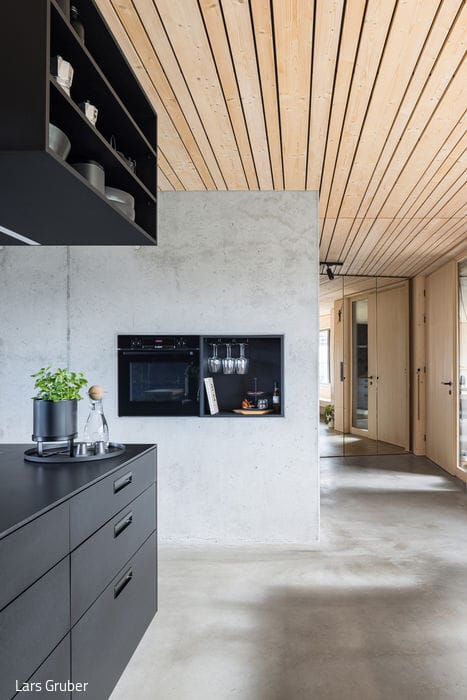
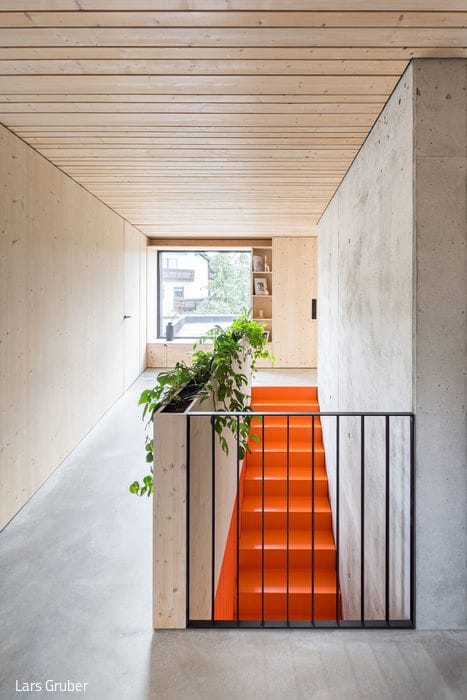
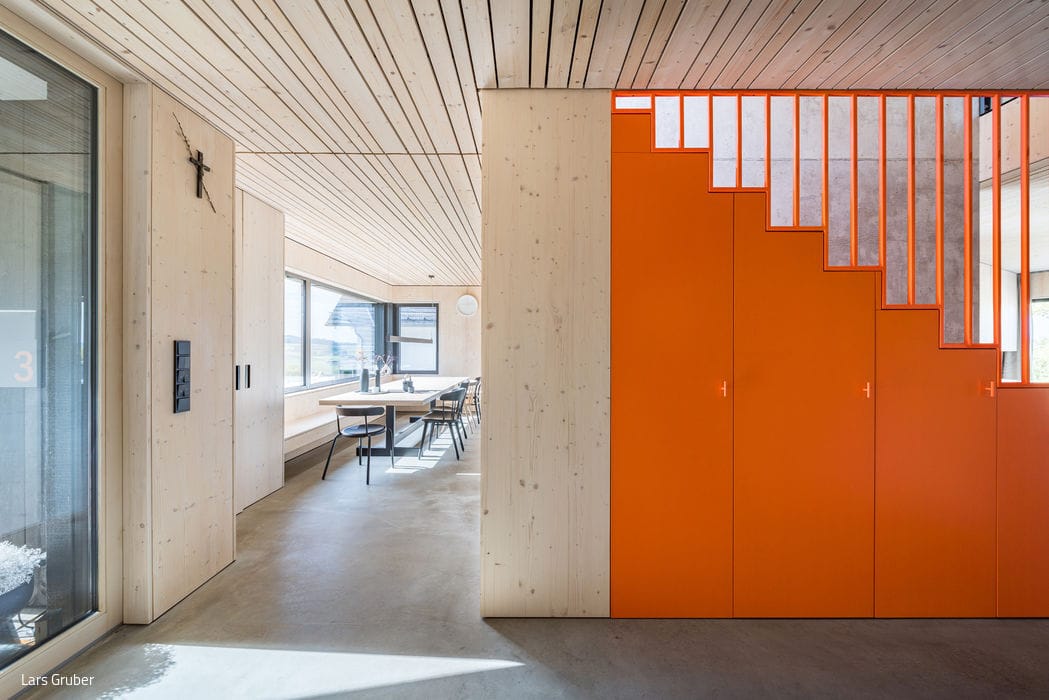
The architects did not just use wood for the façade: the combination of solid wood elements, exposed concrete and glass, as well as wood panelling on the exterior façade and in the interior, combines to create an economical hybrid solution with maximum design freedom. Some of the furniture pieces are also developed from the interior wall cladding. Wood is a central theme that not only supports the clear and minimalist impression, but also contributes to a positive indoor climate and regulates humidity.
The building was constructed on a load-bearing, wing-smoothed floor slab with concrete core activation, which could already be used as a finished exposed concrete floor without any further covering. A two-storey timber frame structure was erected on top of this, which is highlighted in the development core by an exposed concrete wall panel and a colour-accentuated staircase as a special eye-catcher. The façade work, interior wall cladding and complete interior fittings were carried out by the client himself (a master carpenter with his own business).
Living space: 200 m²
Plot size: 1,091 m²
Construction period: 26 months
Construction method: Timber construction
Energy concept: Ice storage heat pump and wood-burning stove
Photography Credits:
Lars Gruber
www.larsgruber.de
(Published in CUBE Frankfurt 01|24)

Elegant & Lasting
A 1970s terraced bungalow transformed: architectural and energy-efficient renewal
Masterfully Connected
A wooden extension gives new life to a 1950s family home.
Crafted with Precision
Residential buildings with individual character in a sought-after residential area of Frankfurt

Serene Spatial Flow
Modernizing a Taunus split-level home brings together