


Rescued opulence
The Belgian House was renovated in accordance with conservation guidelines and converted into the Roman-Germanic Museum.
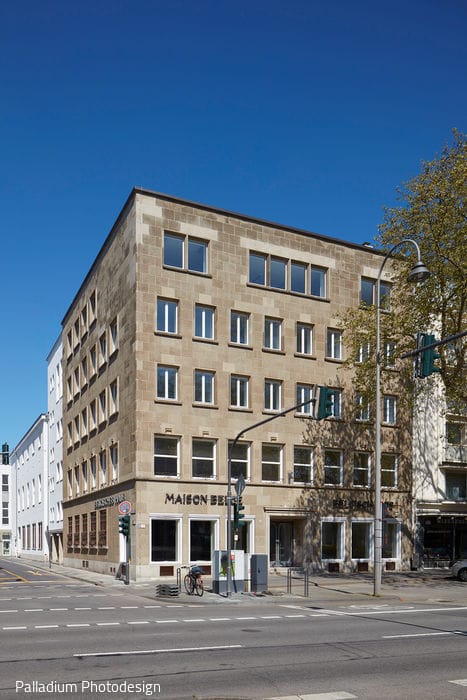
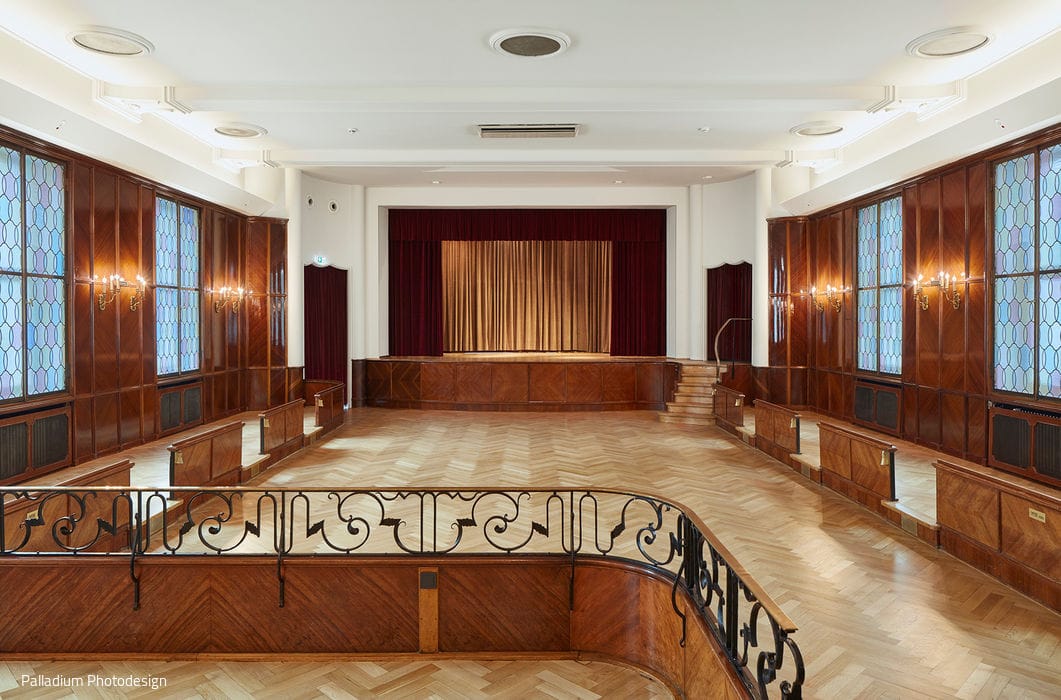
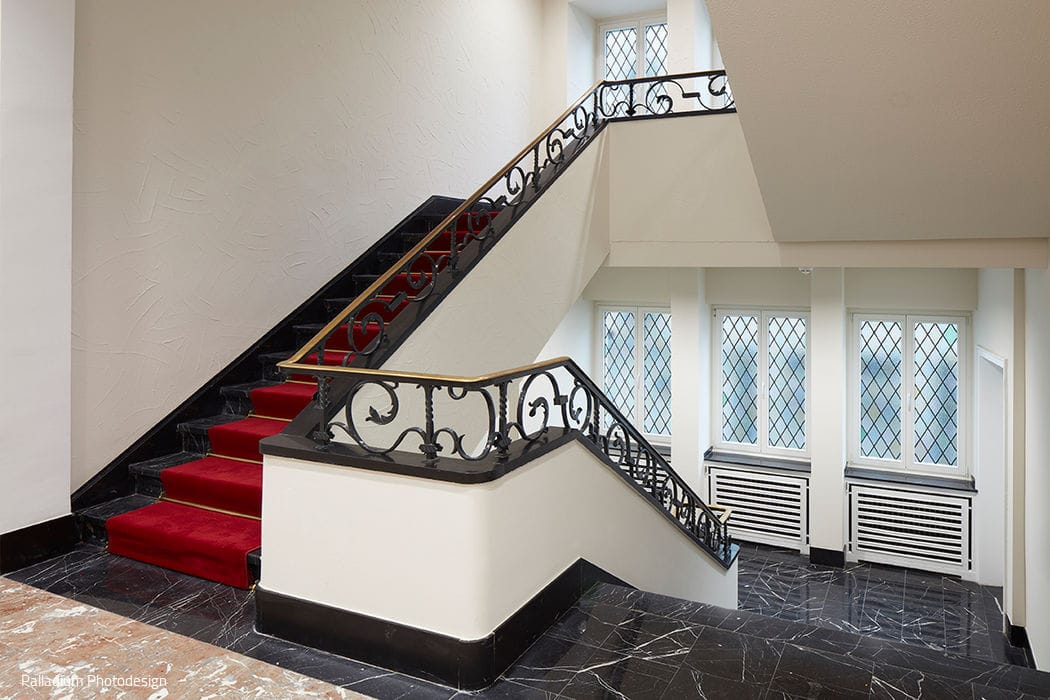
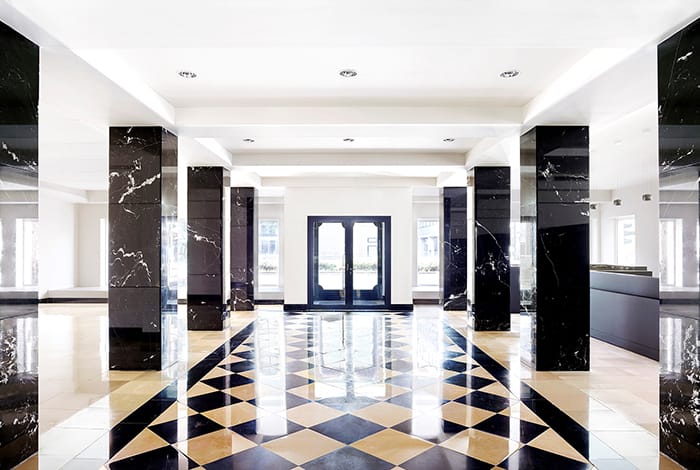
Als erstes ausländisches Kulturinstitut in Köln wurde nach dem 2. Weltkrieg 1950 das Belgische Haus eröffnet. Bis zu seiner Schließung im Jahr 2015 war die Adresse an der Cäcilienstraße 46 ein repräsentativer Ort des Austauschs von Wirtschaft und Kultur: Nicht nur die Verwaltung des belgischen Generalkonsulats war in der „Maison Belge“ untergebracht – über sechs Dekaden wurden hier auch inspirierende Ausstellungen und Veranstaltungen organisiert, Traditionsmarken wie Citroën, die belgische Fluggesellschaft Sabena und die nationalen Tourismuszentralen unterhielten kleine Repräsentanzen und zwei von den belgischen Streitkräften betriebene Restaurants zählten mit zu den kulinarischen Geheimtipps der Domstadt. Auf Jahre des Leerstands und der Diskussion folgte ein Eigentümerwechsel und das Bekenntnis der Kölner Unternehmerfamilie Reissdorf, das Haus als kulturellen Treffpunkt zu erhalten: Nach einem umfassenden Umbau und der Restaurierung des denkmalgeschützten Bestands durch Trübenbach Architekten aus Köln wurde es 2020 als neuer Interimsstandort des Römisch-Germanischen Museums wiedereröffnet.
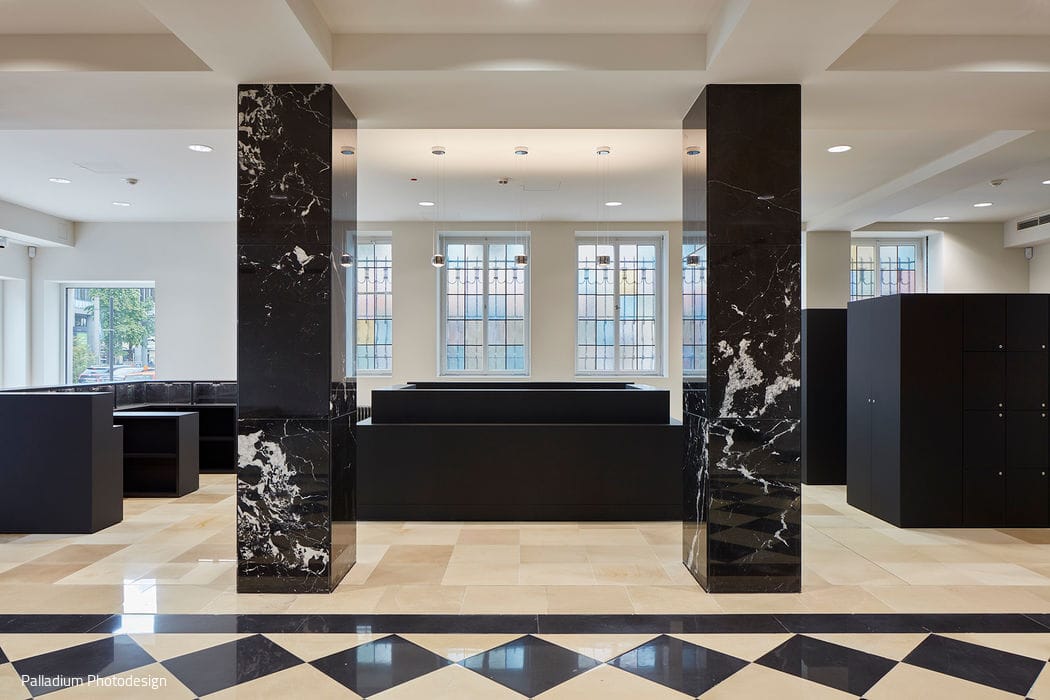
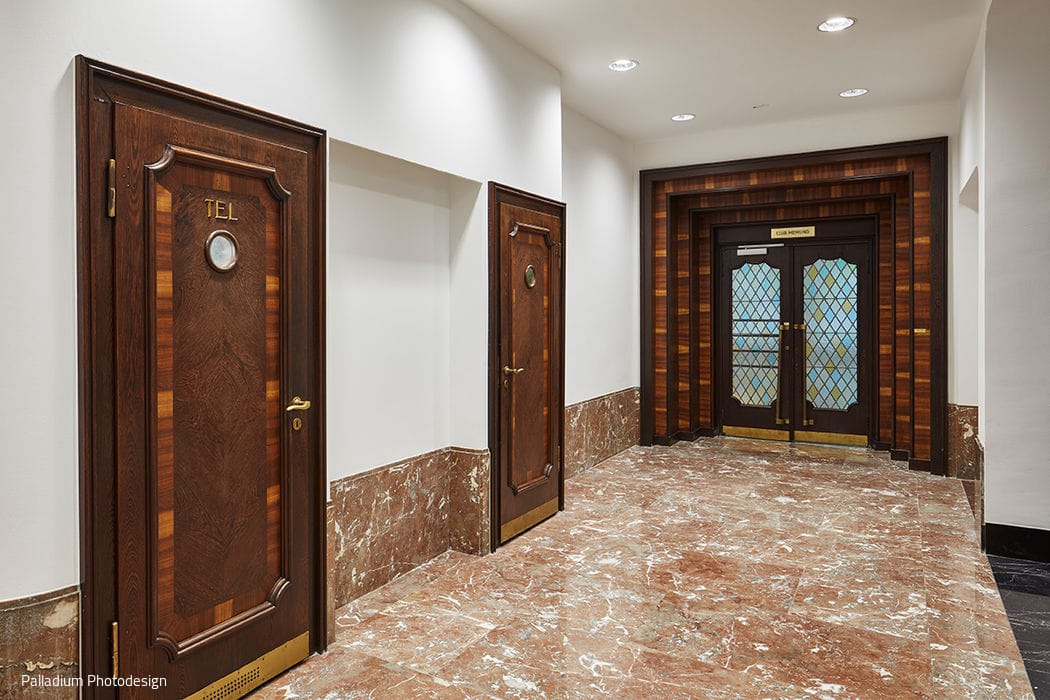
Das fünfgeschossige Eckhaus mit der reduzierten Fassade aus Tuffstein wurde 1949/50 von Johannes Schüller in der eher konservativen Haltung der Stuttgarter Schule entworfen. Der Kölner Architekt, der schon während des 1. Weltkriegs am Wiederaufbau in den Besatzungsgebieten in Belgien beteiligt war und die NS-Zeit mit seiner belgischen Ehefrau in Brüssel verlebte, war bestens mit dem Nachbarland vernetzt. Die opulente Innenausstattung, die mit Fußböden aus schwarzem und rotem Marmor aus Belgien, Edelhölzern aus dem Kongo und einer formvollendeten Mischung unterschiedlicher Stileinflüsse aufwartete, stammte von dem Kölner Innenarchitekten Hans Hansen. Der eklektizistische Stilmix war dabei auch bedingt durch die Schwierigkeiten, die sich beim Import der Baumaterialien ergaben. Erst nach Fertigstellung des Gebäudes wurde öffentlich, dass der Bauherr keine Importzölle auf die Materialien bezahlt hatte. Und auch die Gelder für das Projekt stammten – wie mittlerweile die Forschung weiß – größtenteils aus dem illegalen Schwarzmarkthandel mit Kaffee und Zigaretten, wie er in der Mangelwirtschaft vor der Währungsreform gang und gäbe war.
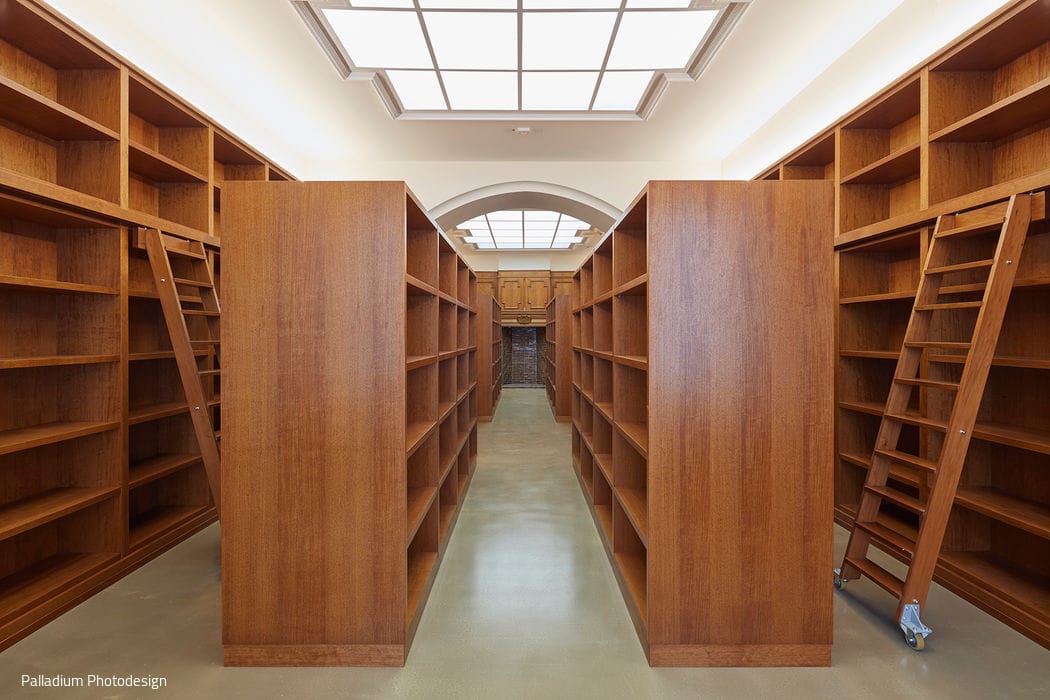
Im Zuge der Umbau- und Sanierungsmaßnahmen wurden sämtliche Geschosse von den nichttragenden Innenwänden befreit, sodass das Betonskelett wieder vollständig zutage trat. Nach der Einbringung der neuen Haustechnik – Klimatisierung, Brandmelde-, Alarm- sowie Elektroanlagen – wurde eine komplett neue Raumaufteilung geschaffen, wobei der historische Festsaal und die Bibliothek in ihrer Funktion erhalten blieben. Ein kompletter moderner Museumsbetrieb mit Museumsshop, Ausstellungsflächen, Büros und Archiv konnte auf 2.900 m² integriert werden. Der Bestand an Innenausbauten wurde so weit wie möglich erhalten und denkmalgerecht bis in die Details aufgearbeitet. Wer sich von dem Resultat überzeugen möchte, dem sei (neben dem Museumsbesuch) auch das Buch „Belgisches Haus“ aus dem Verlag der Buchhandlung Walther und Franz König empfohlen: Fotografien der Fotokünstlerin Candida Höfer aus den Jahren 1989 und 2019 laden darin zum vergleichenden Sehen ein.
www.truebenbach-architekten.de
www.roemisch-germanisches-museum.de
Fotos:
Palladium Photodesign
Barbara Burg & Oliver Schuh
www.palladium.de
(Erschienen in CUBE Köln 03|21)
Suspended on the Hillside
A 1964 Bungalow Renewed: This Bad Honnef Home Feels as Fresh as New Construction
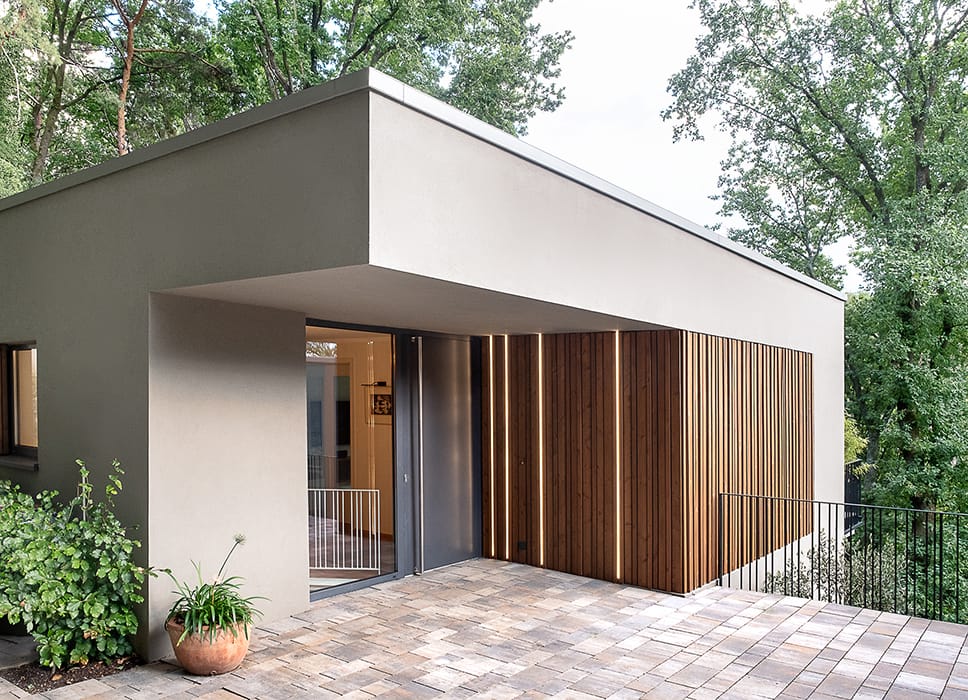
Transformation Into the Modern Era
A 1960s hillside residence fully restored while honoring its original design vision
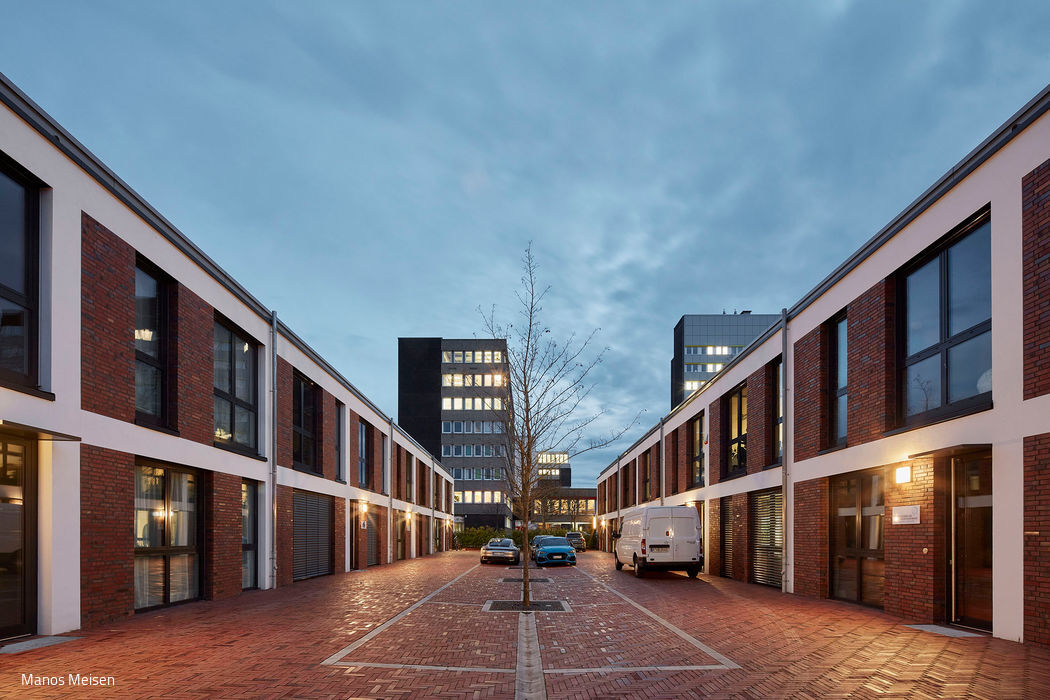
Office Lofts in Braunsfeld
Twin Buildings Create a Calm Haven for Creative Work
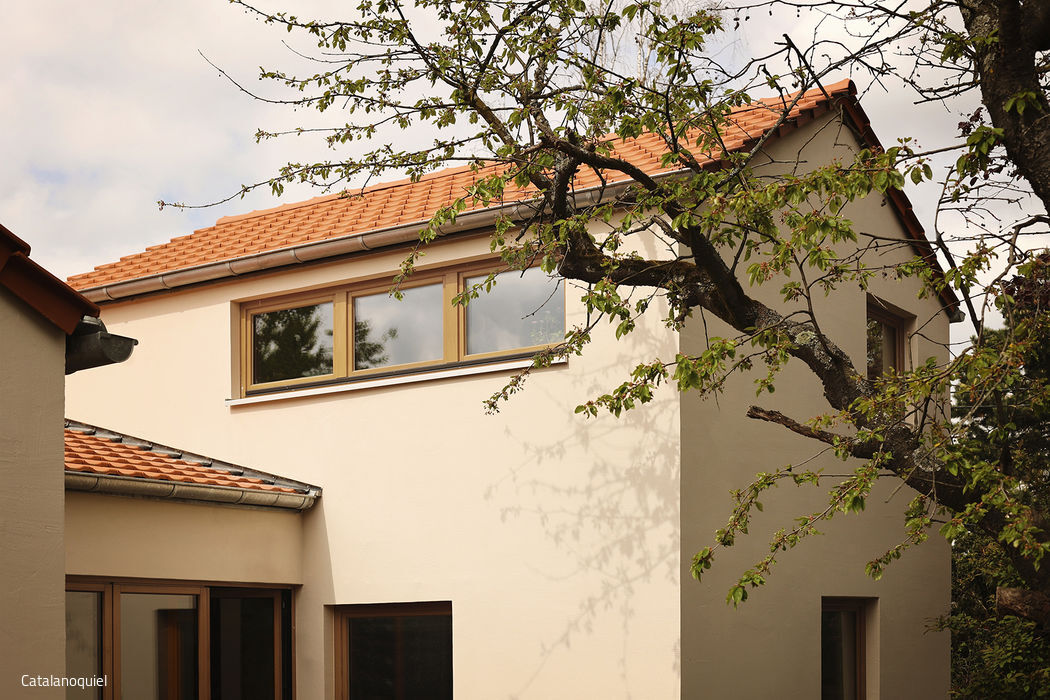
Simply Inviting
Sensitive renewal of an artist's courtyard home speaks through restrained design