


Transformation with Soul
A sensitively restored turn-of-the-century villa becomes a showcase for contemporary living
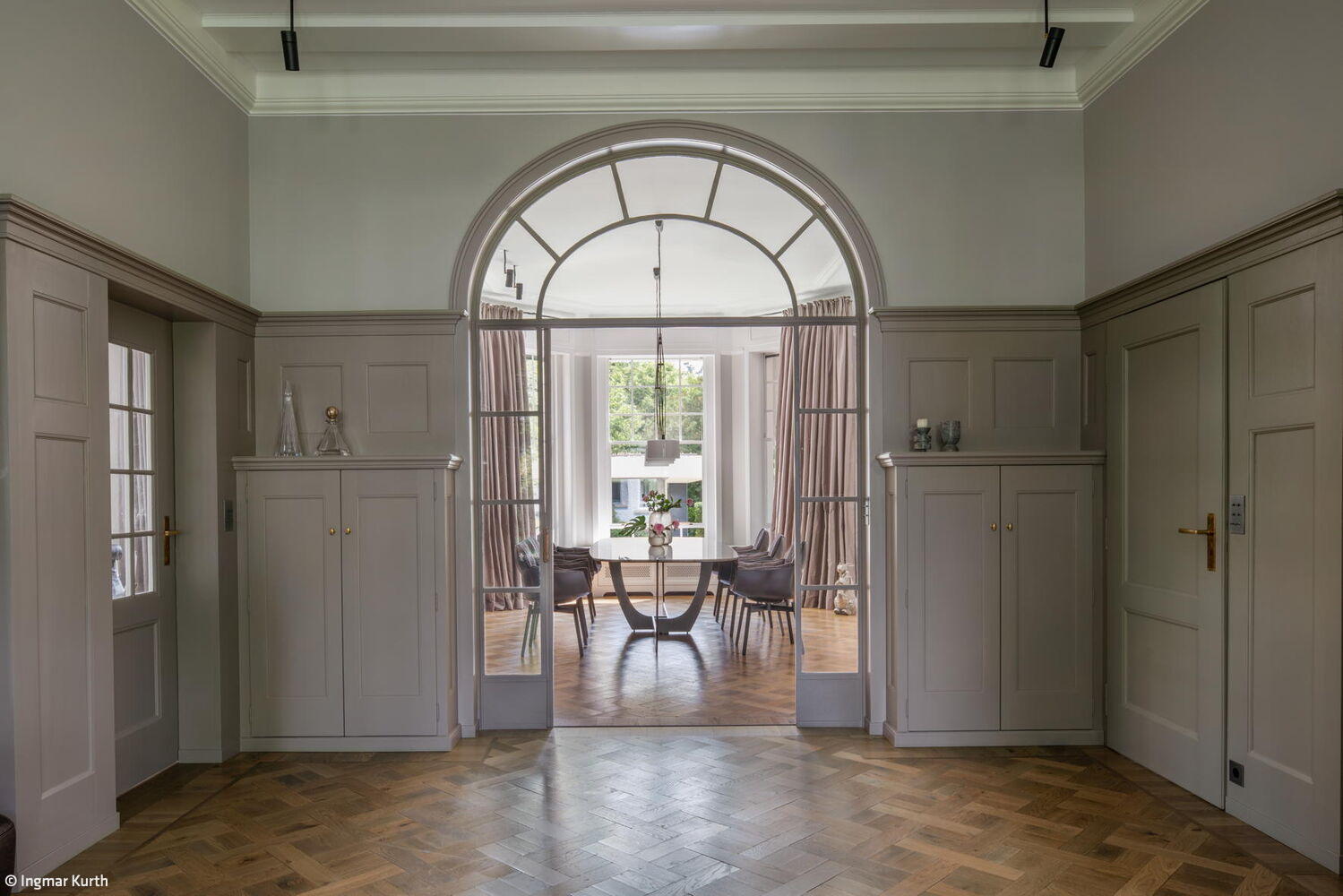
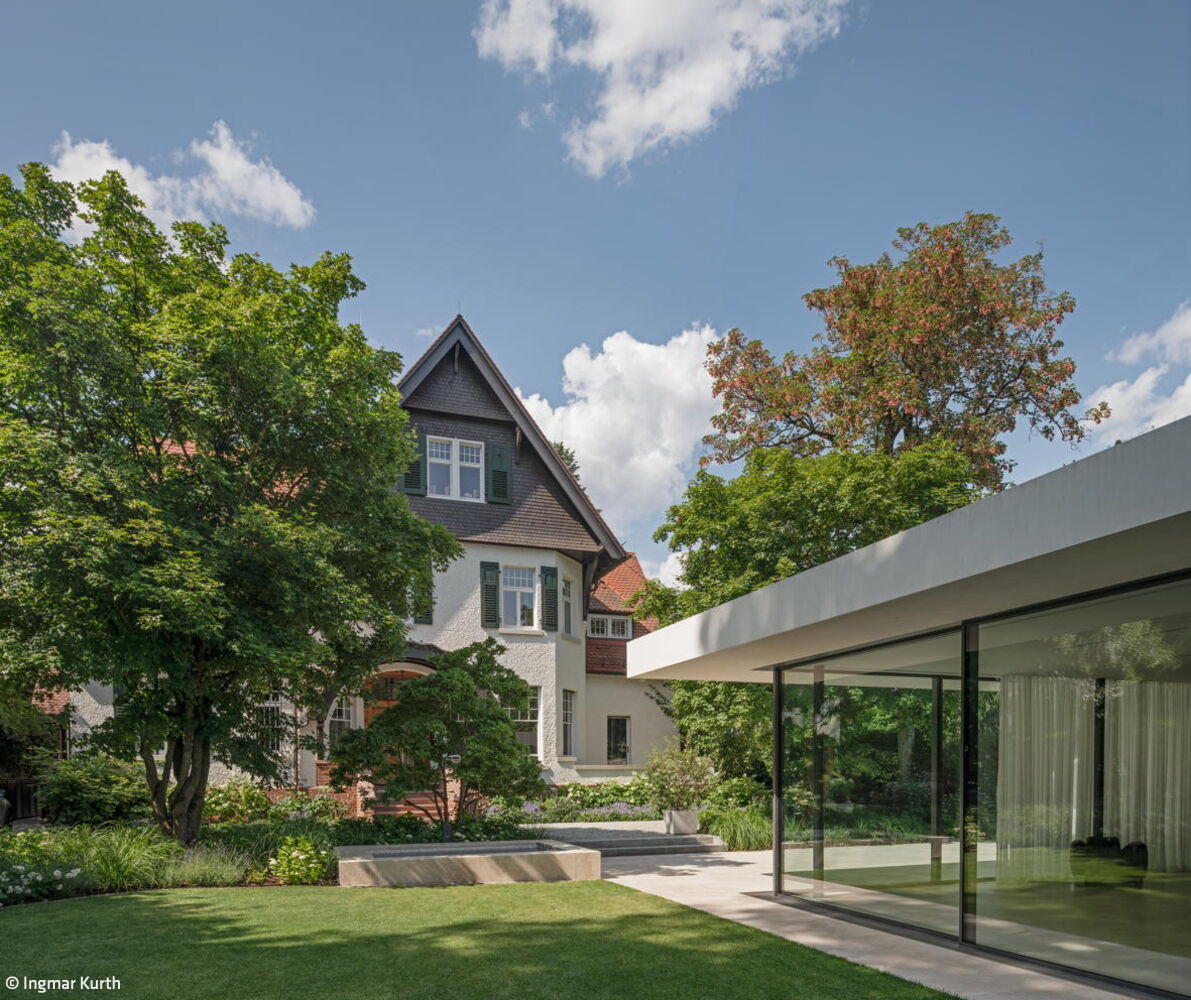
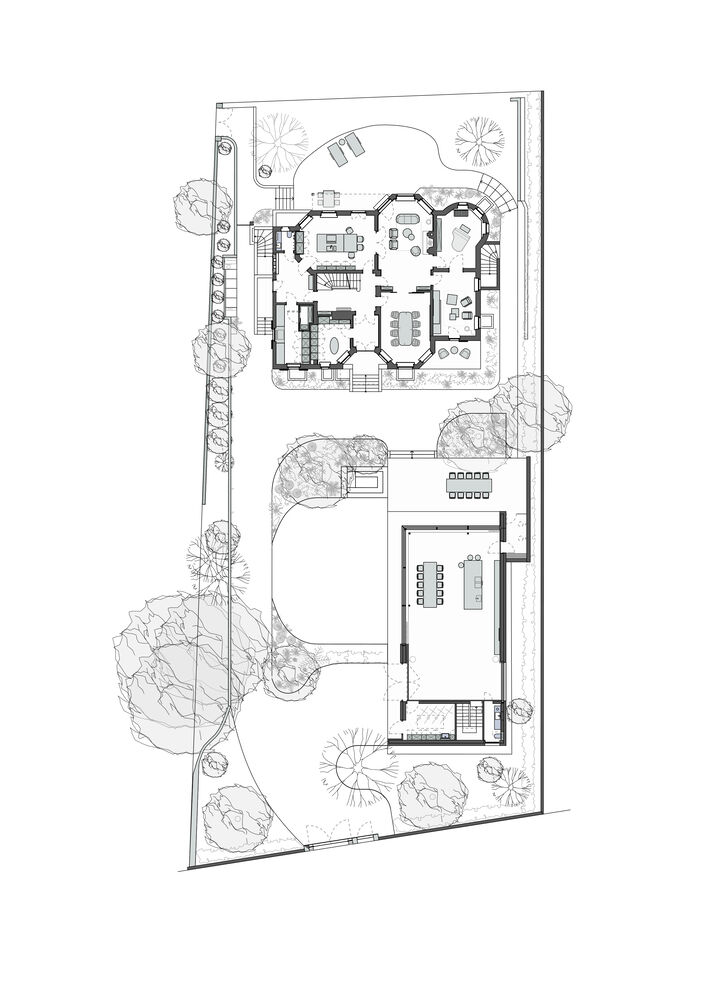
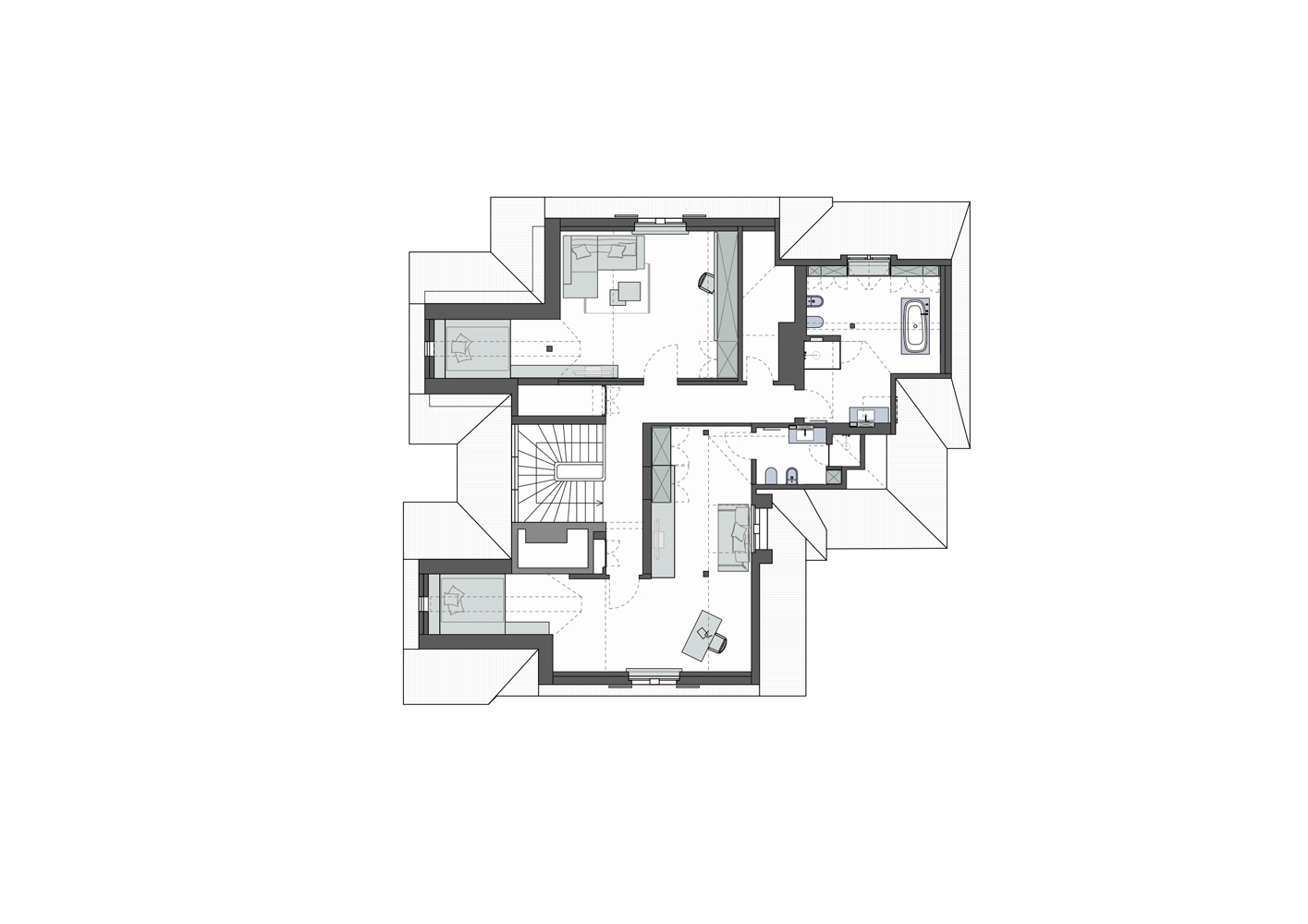
Birdsong, the gentle rustling of treetops and Belle Époque charm. Stroll through this villa district today, and you'll understand why the affluent bourgeoisie settled here around 1900. A former hunting lodge stands as a testament to that era. Schmidt Holzinger Interior Designers took on the challenge of preserving the house's patrician heritage while creating a contemporary home for a family of four. The owners—passionate collectors of grand villas and classic automobiles—envisioned a house that honors tradition while embracing the design quality and comfort of today.
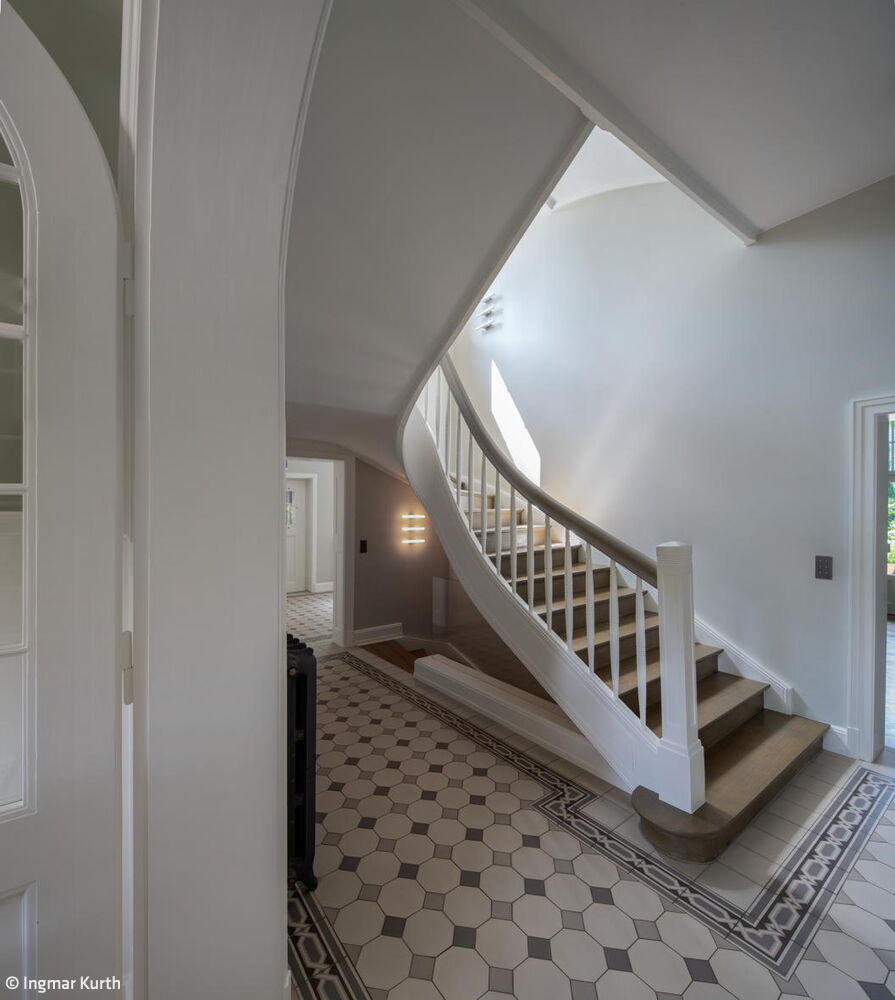
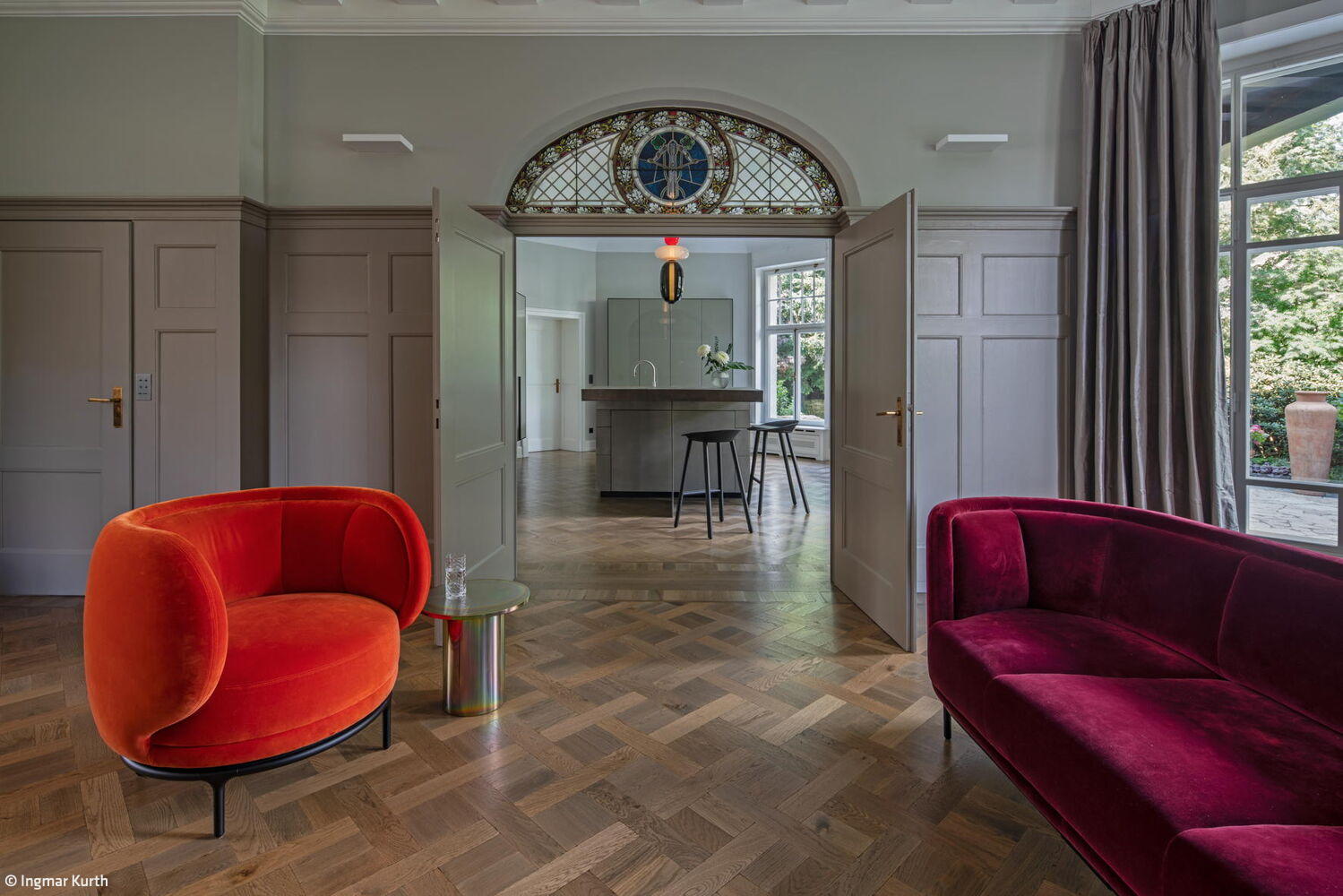
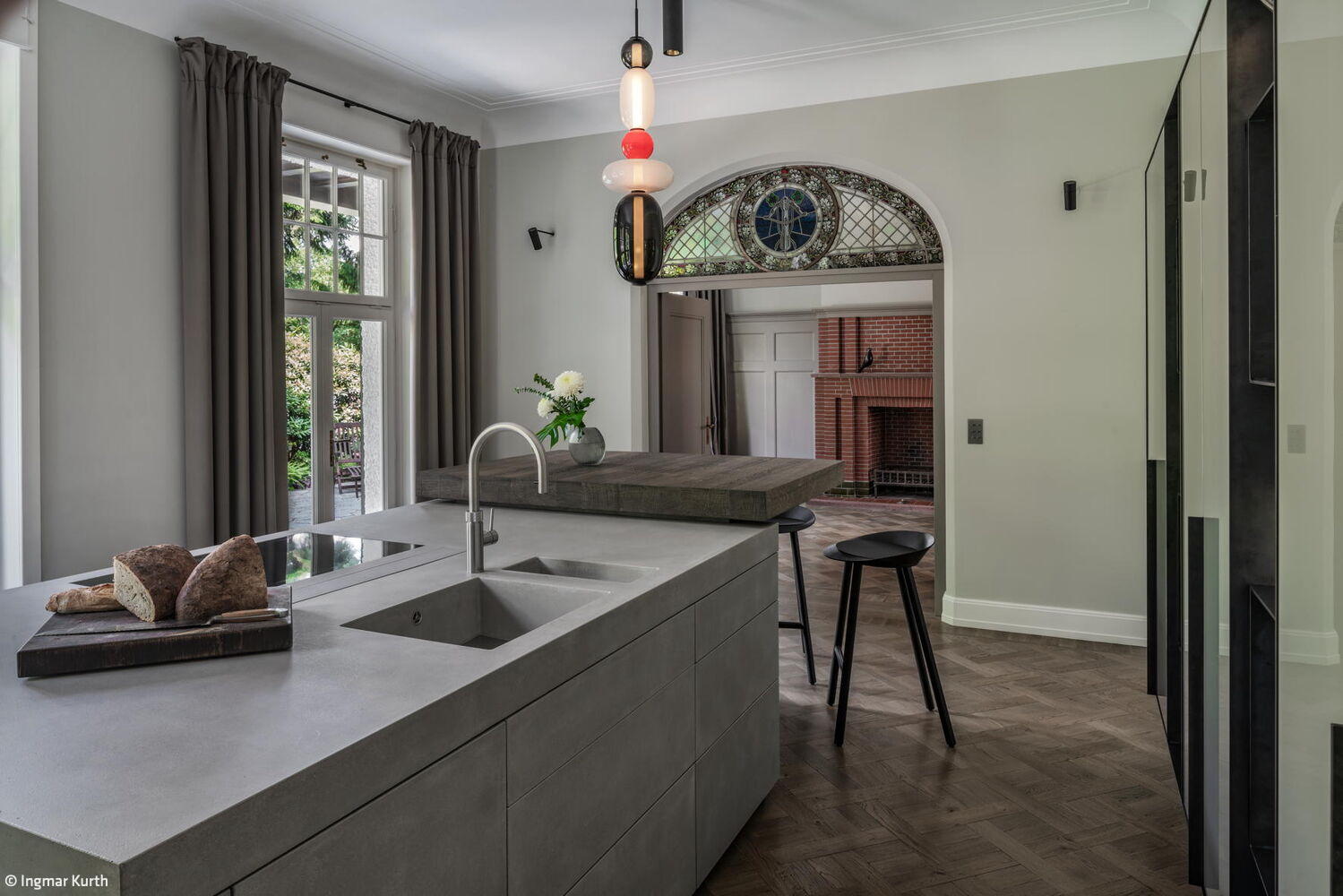
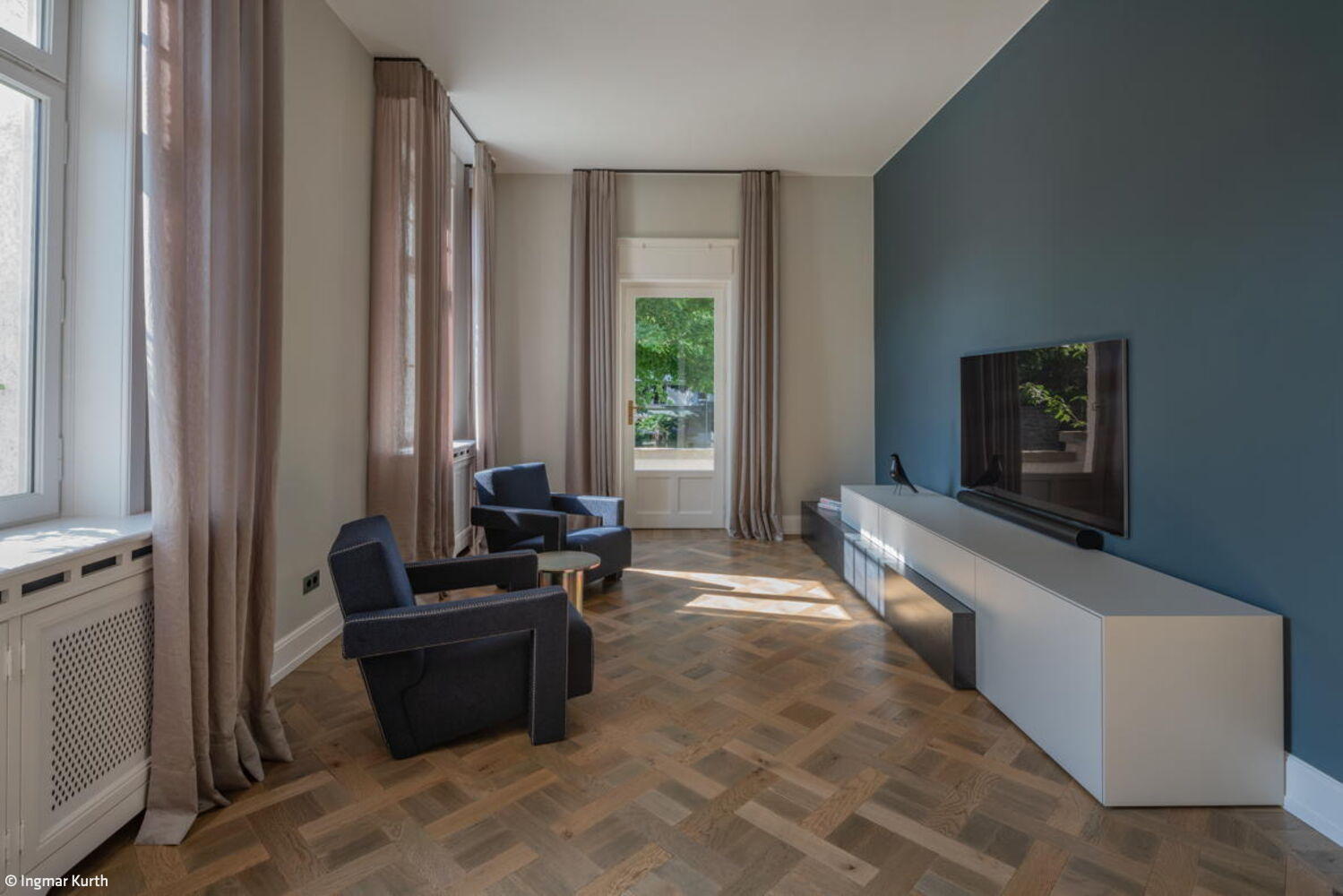
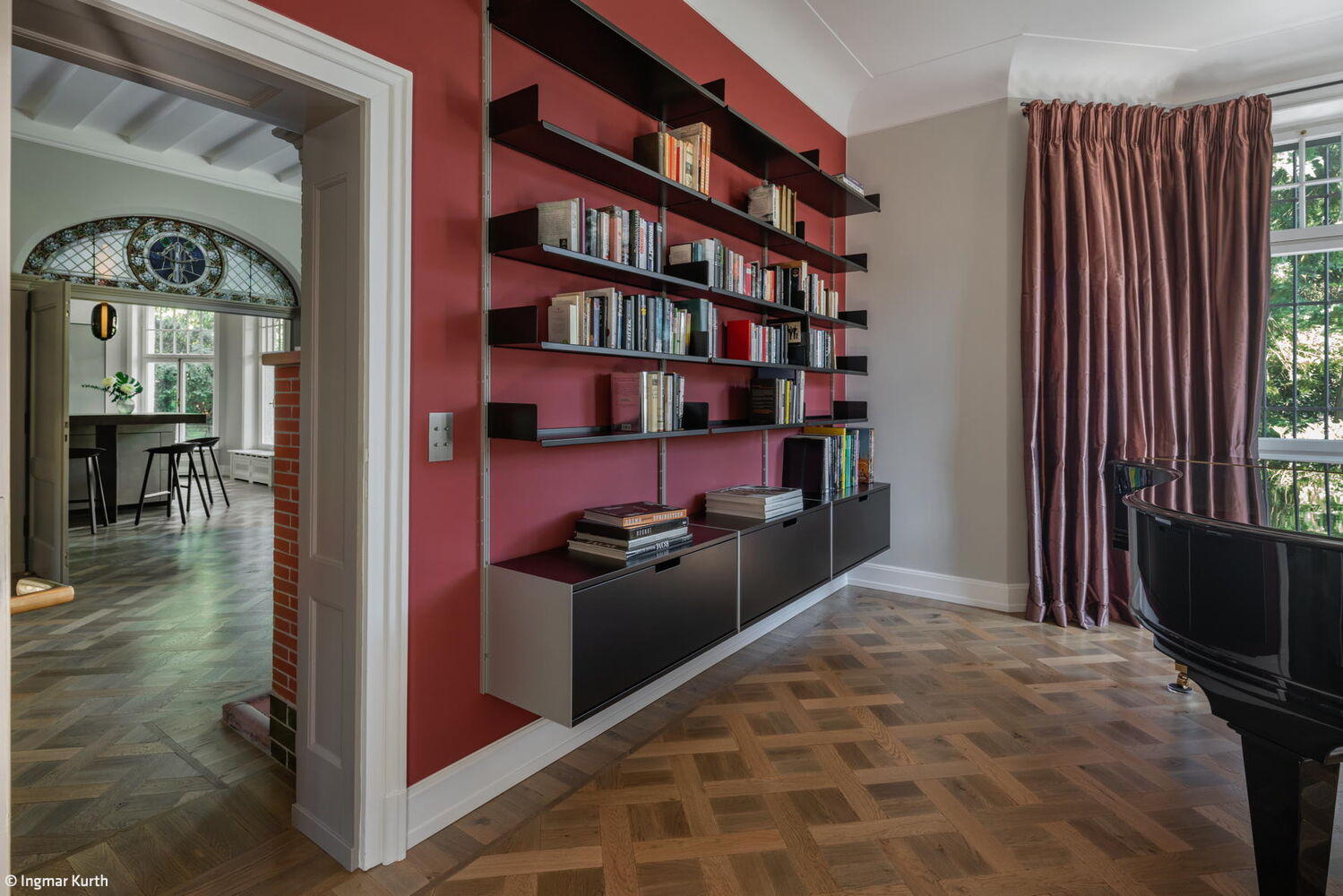
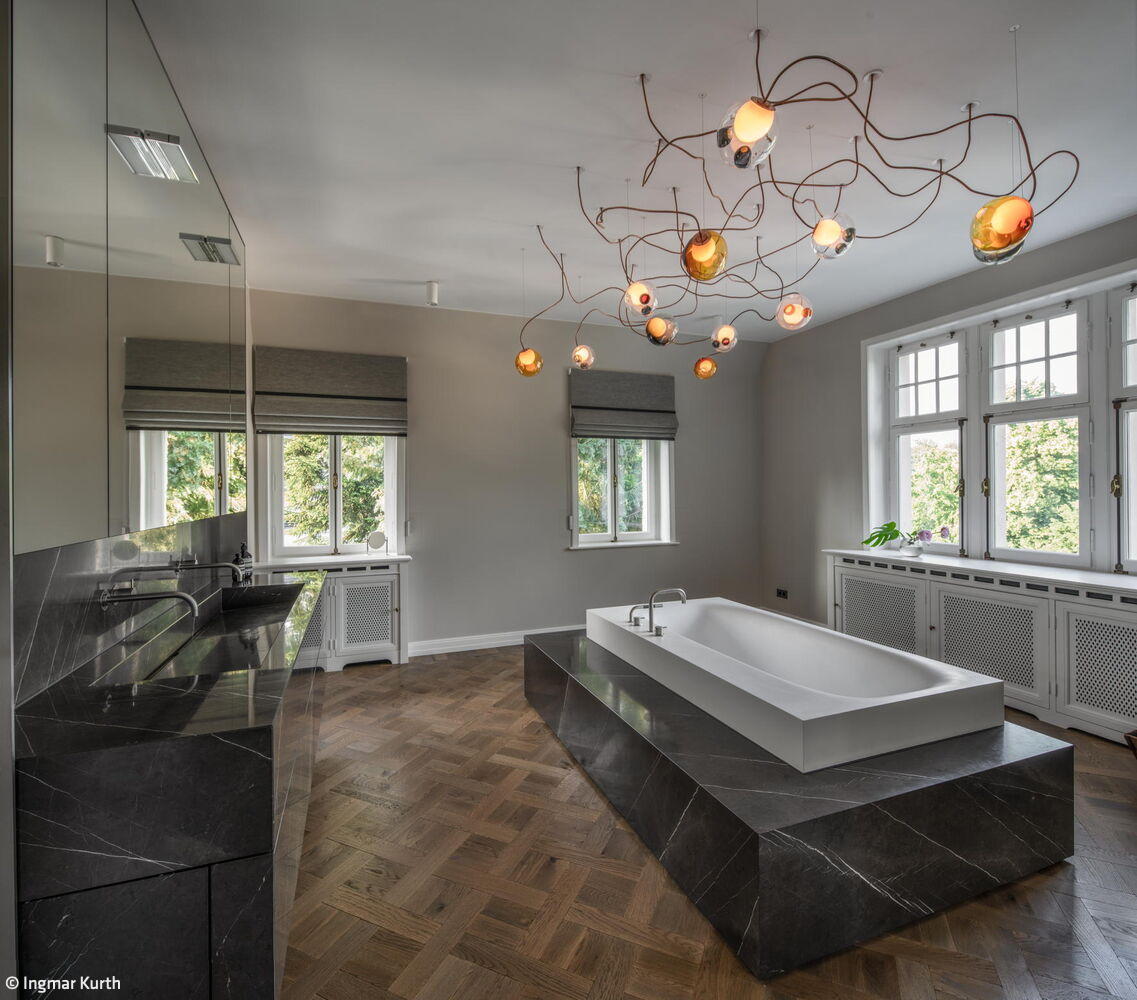
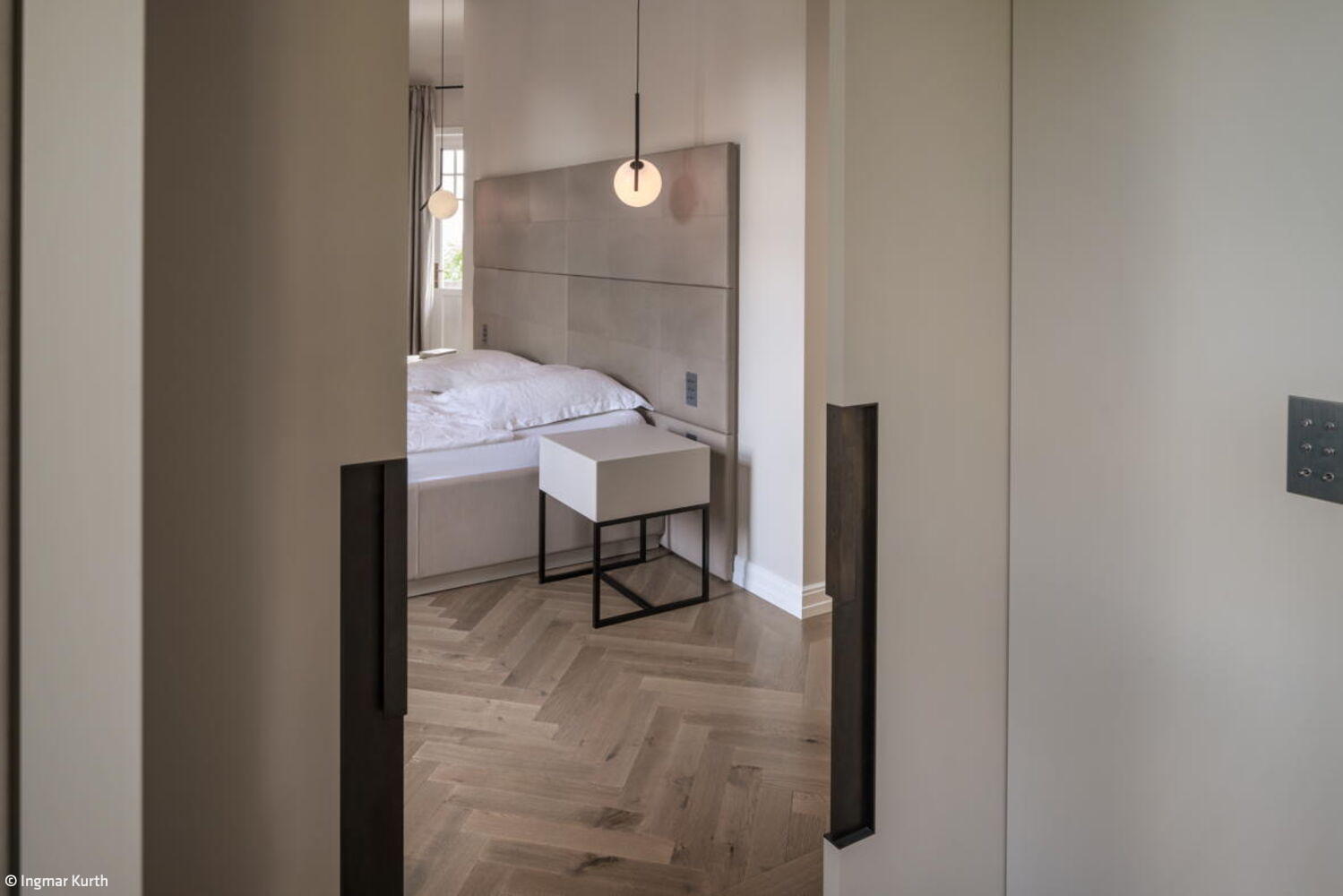
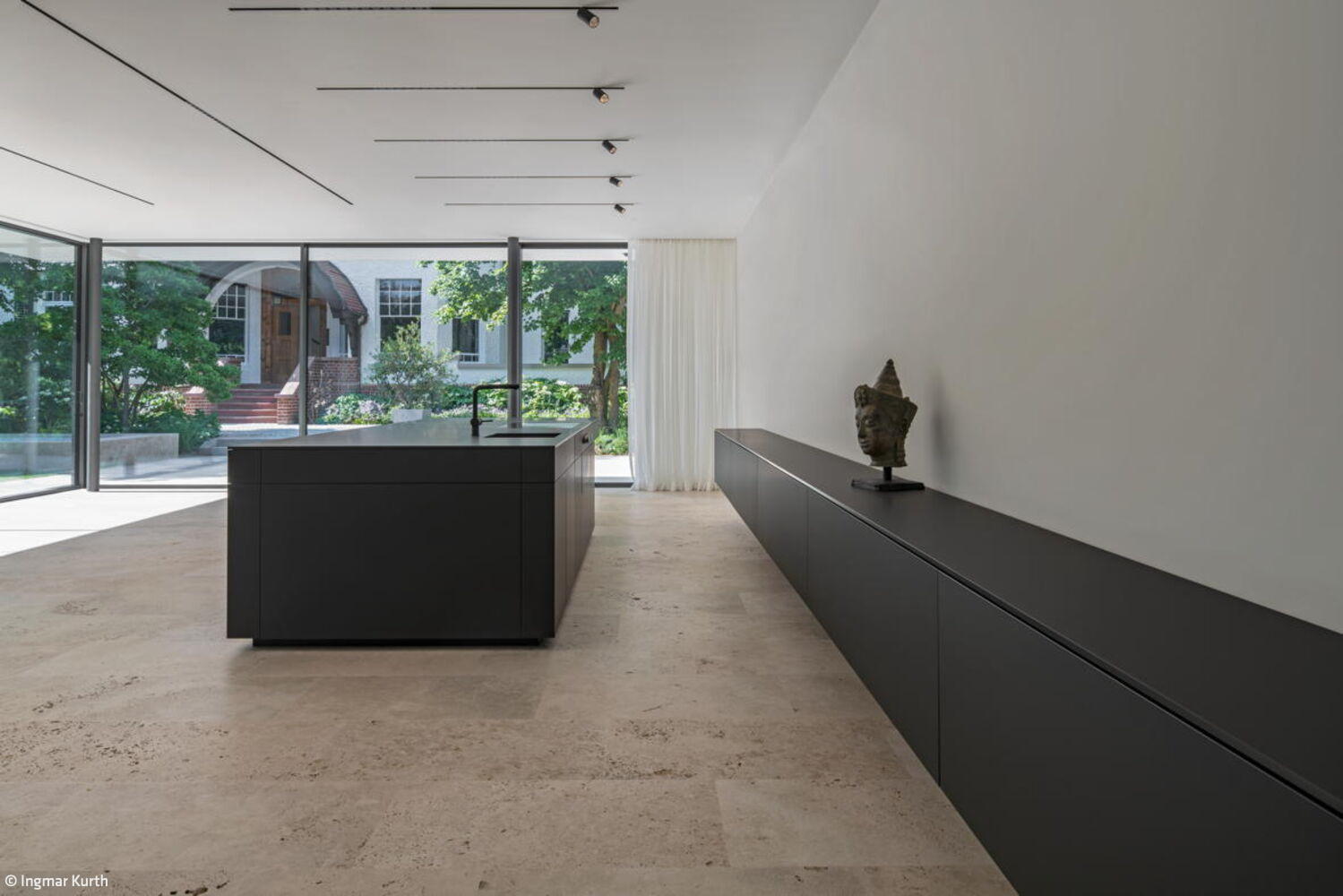
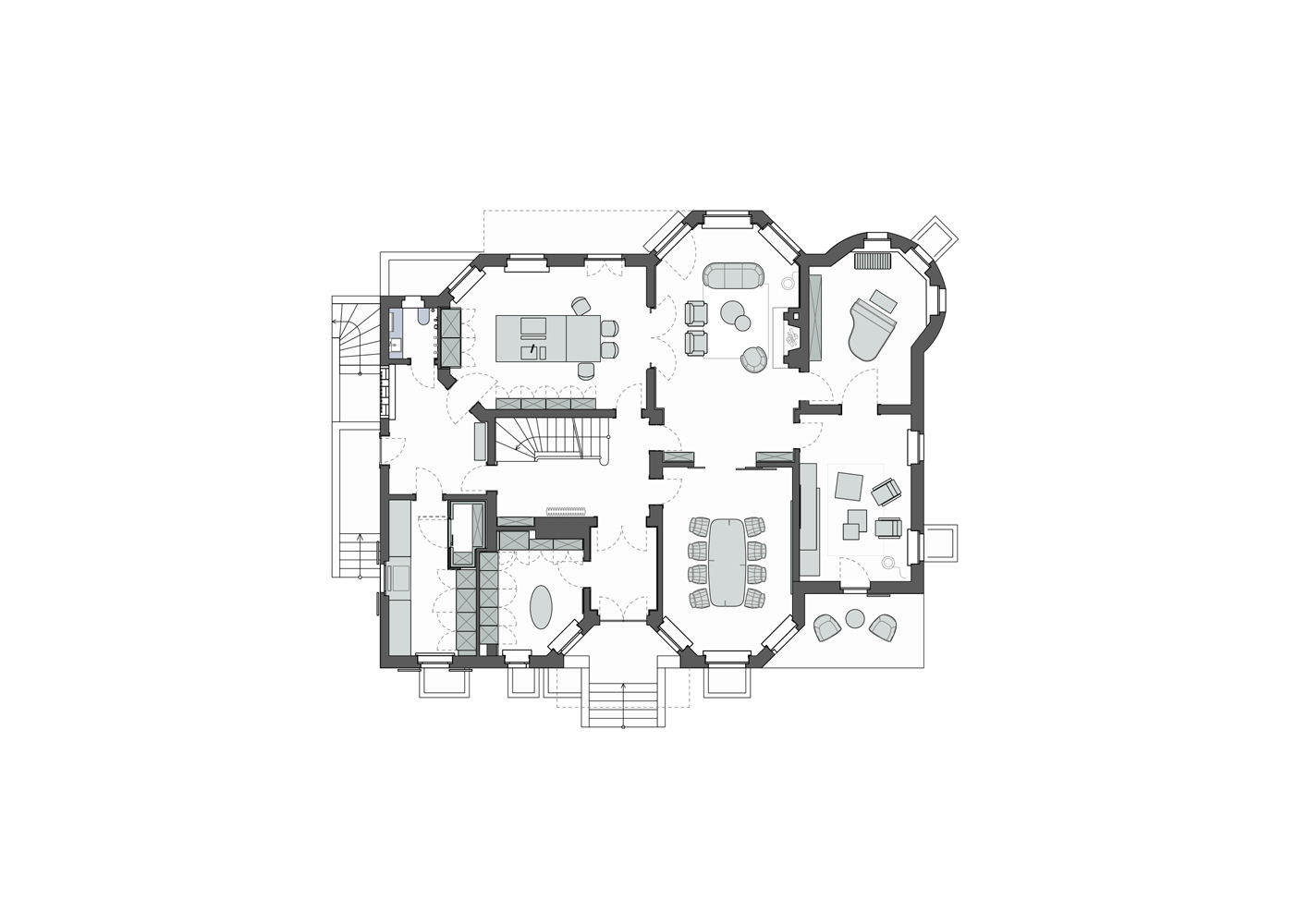
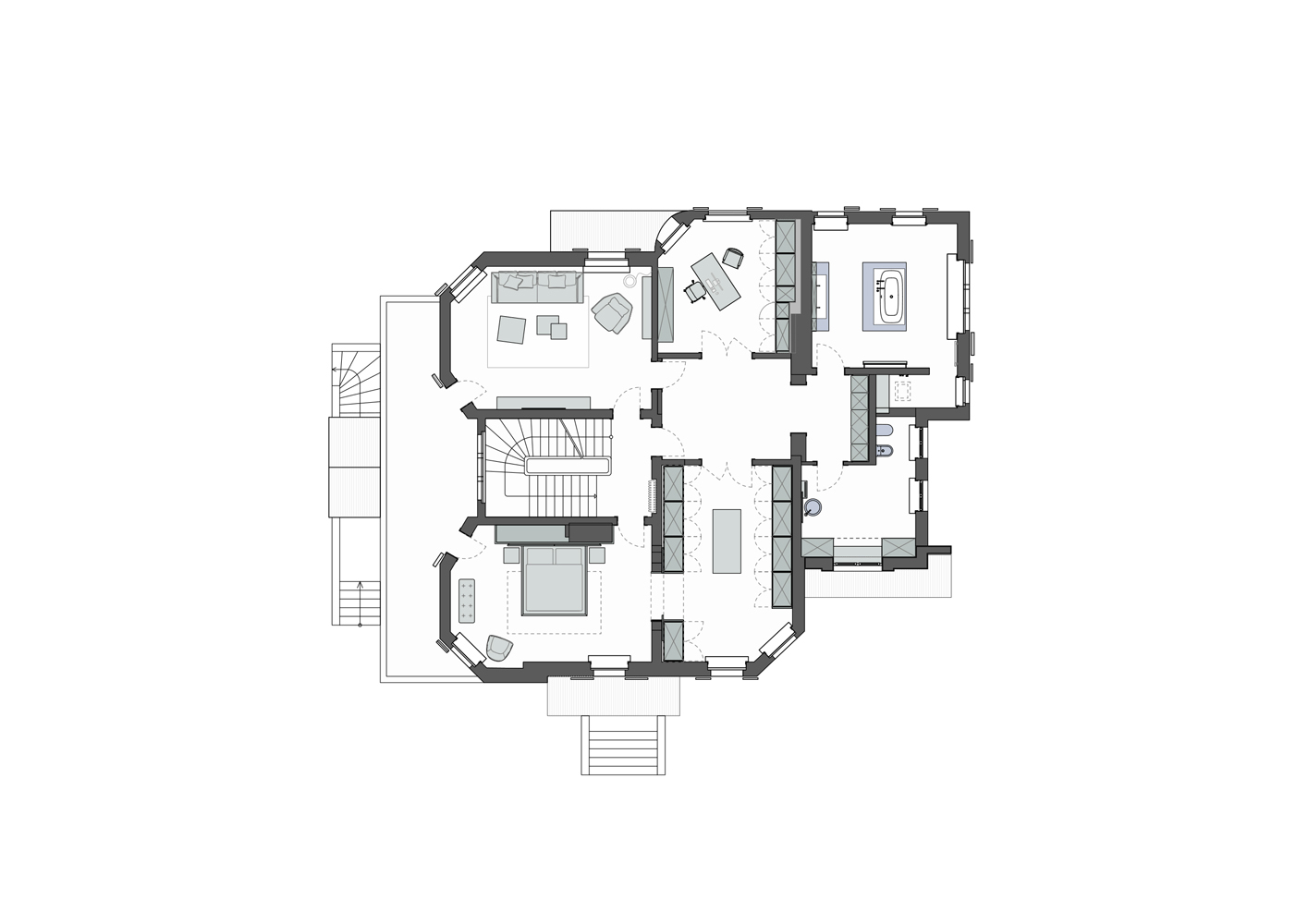
The interior designers' vision was clear: preserve the house's soul while thoughtfully reimagining its spatial flow. Doors, windows, stucco details, and the historic staircase were meticulously restored or faithfully reconstructed. The entrance hall now reveals red brickwork—exposed for the first time in decades—with its newly uncovered fireplace as the focal point. What follows is a carefully composed sequence of spaces: library, dining room, fireplace room, and kitchen connect seamlessly, linked by precisely calibrated sight lines. The central living area showcases a kitchen island on the right, framed by historic imagery; to the left, an open passage invites you into the dining room, where a substantial table anchors the space.The greatest challenge lay in weaving cutting-edge technology into the home in ways that remain invisible yet tangible. The bedroom's climate control, for instance, discreetly tucks behind a leather-upholstered headboard with removable padded panels. Thoughtful lighting design, custom built-ins from Studio Holzinger, and a carefully orchestrated color palette merge historical references and contemporary aesthetics into a cohesive whole. Material choices reinforce this dialogue: oak parquet meets natural stone with its sedimentary striations boldly visible, while strategic color accents—ink blue in the library, fuchsia behind shelving, deep red in the pendant above the kitchen island—inject a distinctly modern sensibility. Even the bathroom exemplifies this balance: a mineral composite bathtub is partially recessed into a dark grey stone platform, its white calcite veins creating the illusion of a monolithic stone block.
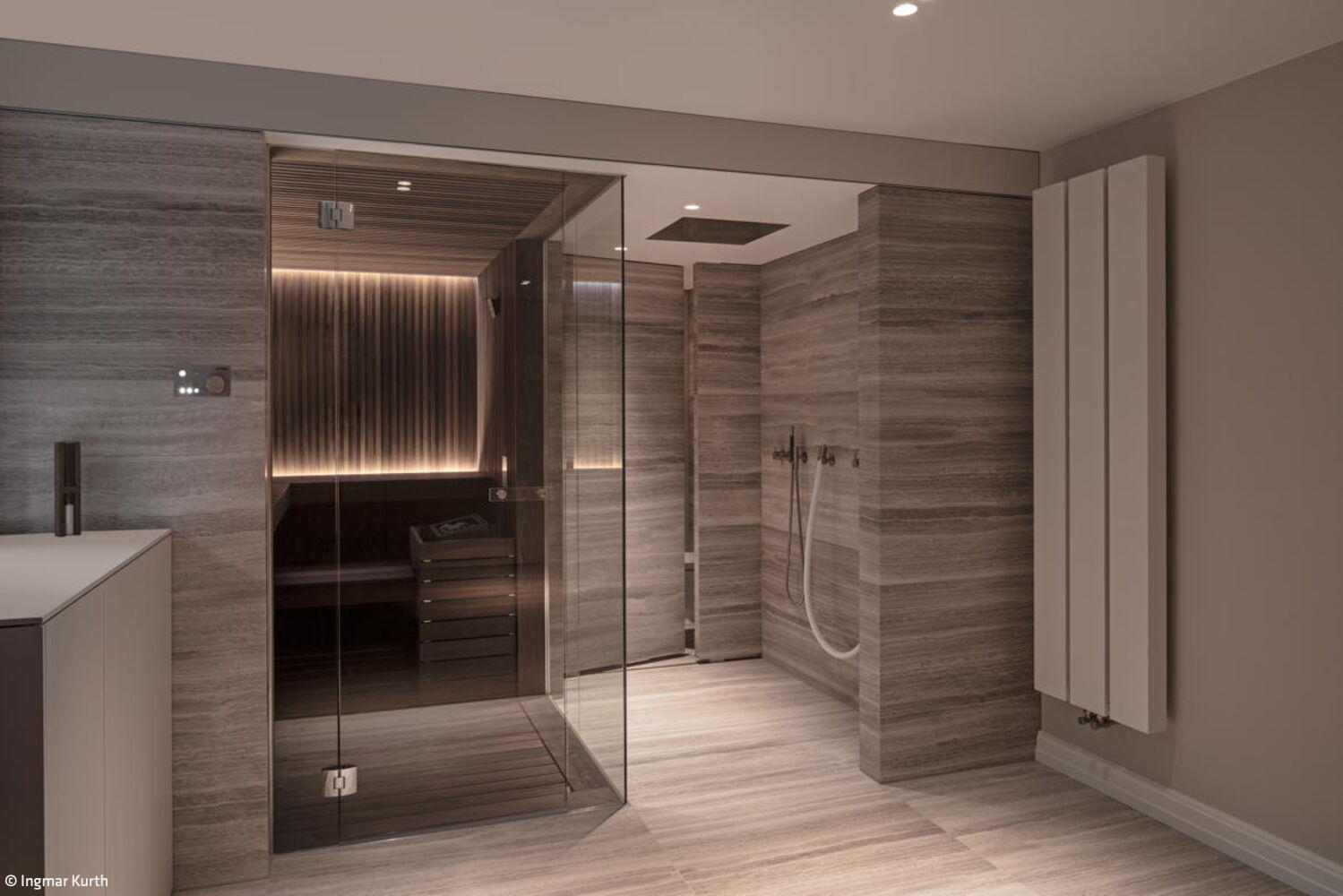
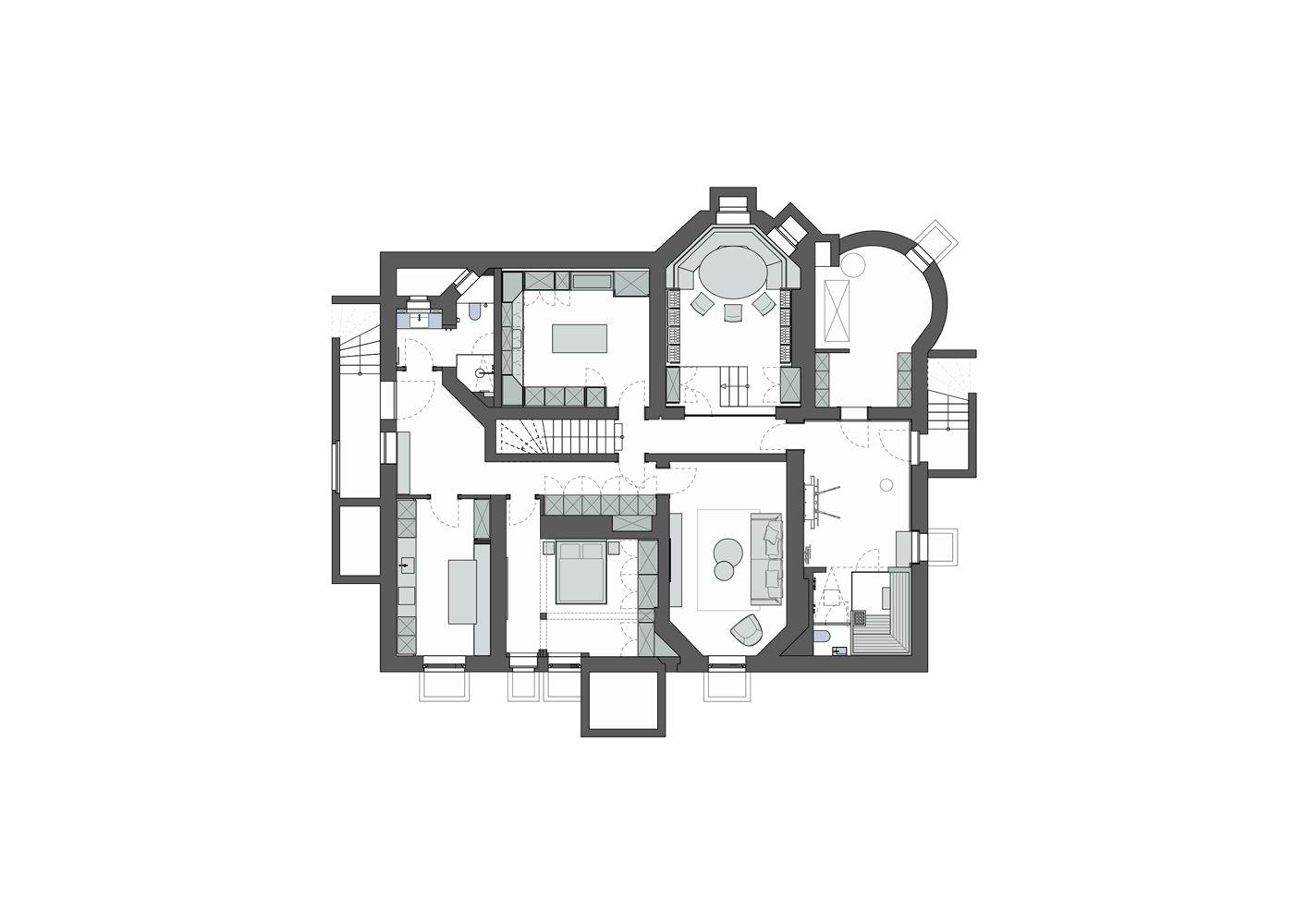
Perhaps the most transformative intervention happened in an unexpected place: underground. Originally cramped and underutilized, the basement floor was lowered by 30 centimeters, converting storage rooms into livable space. Today, this level houses a wellness sanctuary where natural stone walls and cleverly integrated doors evoke a timeless retreat. For the family, this translates to additional square footage, a dedicated sanctuary for privacy, and a new sense of spaciousness in daily life.
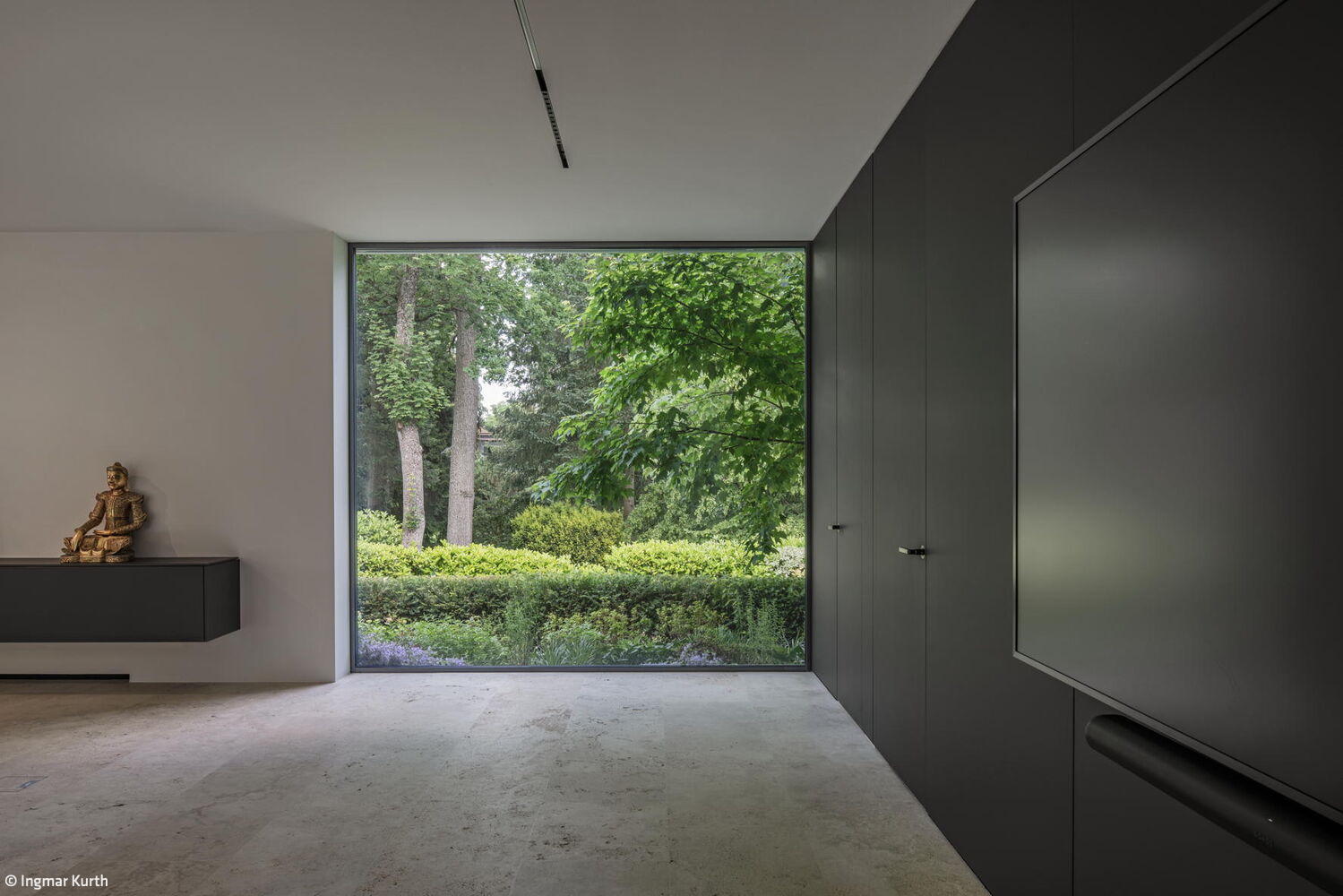
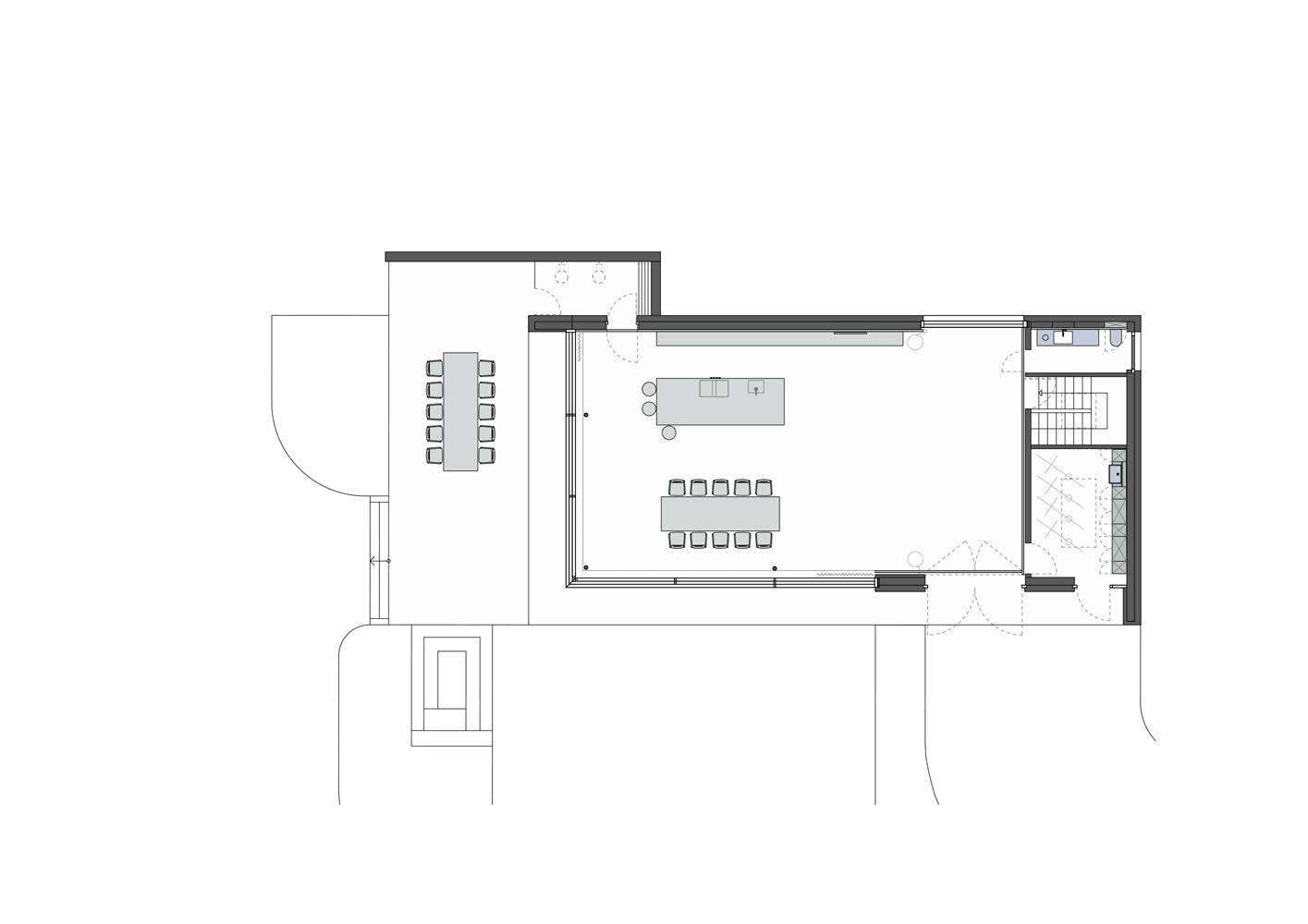
The garden, too, was reinvented. A double-glazed pavilion with a flat roof—purist, almost sculptural—extends the home's footprint (again under the direction of architect Joachim Strauss, Dreieich). The owners use it to exhibit their vintage vehicles, though it also serves as an event space. Sleek graphite surfaces create a striking contrast with the open-pore travertine flooring, installed seamlessly without mortar joints. It's a quiet conversation between nature and construction, past and future. At 685 m² of living space within a total area of 1,142 m², the result is a family home that balances generosity with intimacy. Historic charm lingers throughout, yet the design speaks unambiguously to the present. The house exemplifies how thoughtful restoration can transform architecture into the stage for a modern way of living—while honoring its own history.
Photos:
Ingmar Kurth
www.ingmarkurth.com
(Featured in CUBE Frankfurt 03|25)


California Summer Day
California Spirit in the Rhine-Main: How One Villa Brings West Coast Living Home

Home and Heritage
Refined residential ensemble providing space for two families
Structure and Vision
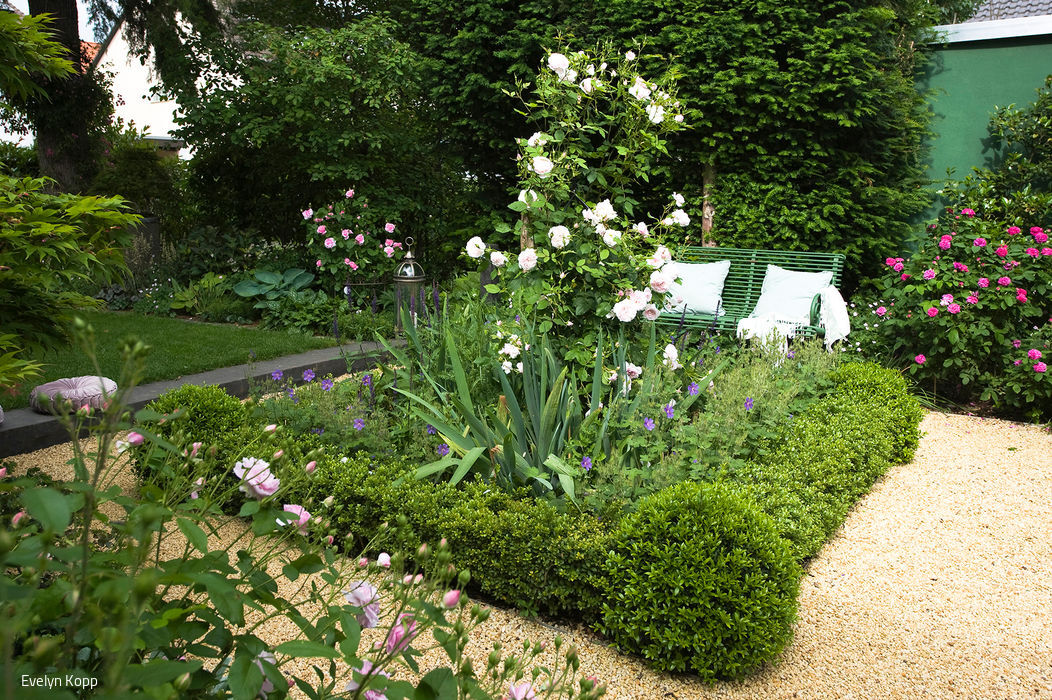
From shadowed grounds to thriving sanctuary – how a formless garden was reimagined as a vibrant habitat for people, wildlife, and nature.
Fraternal Twin
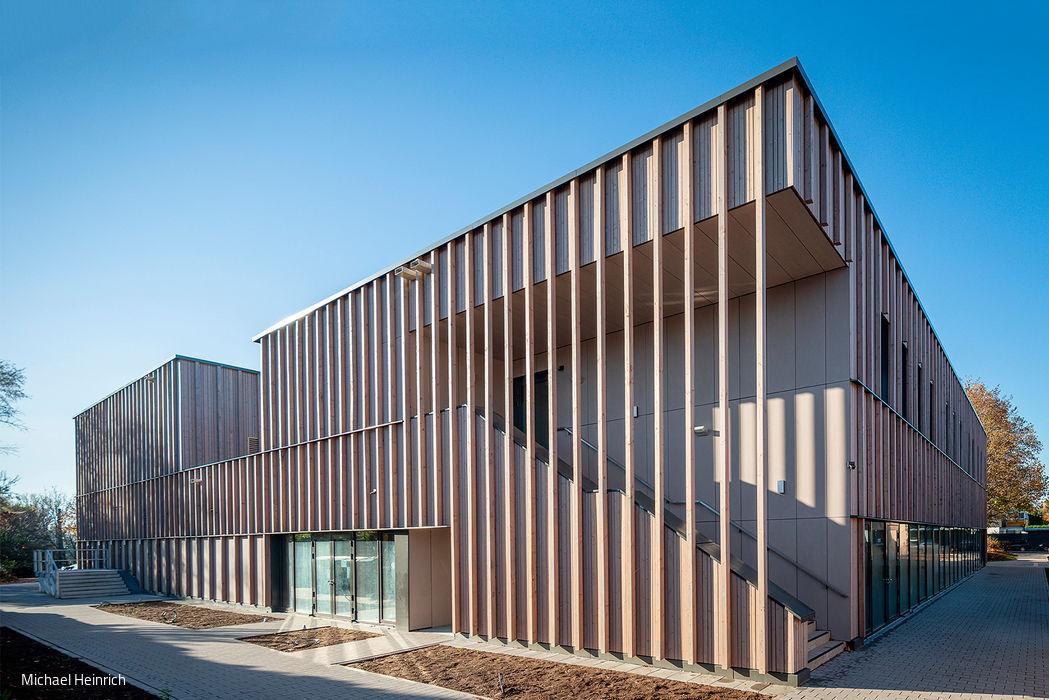
A community gathering place for residents and organizations in Mainz-Hechtsheim