


Tradition as Compass
...yet it can also stand in the way. The key is finding ways to work with it.

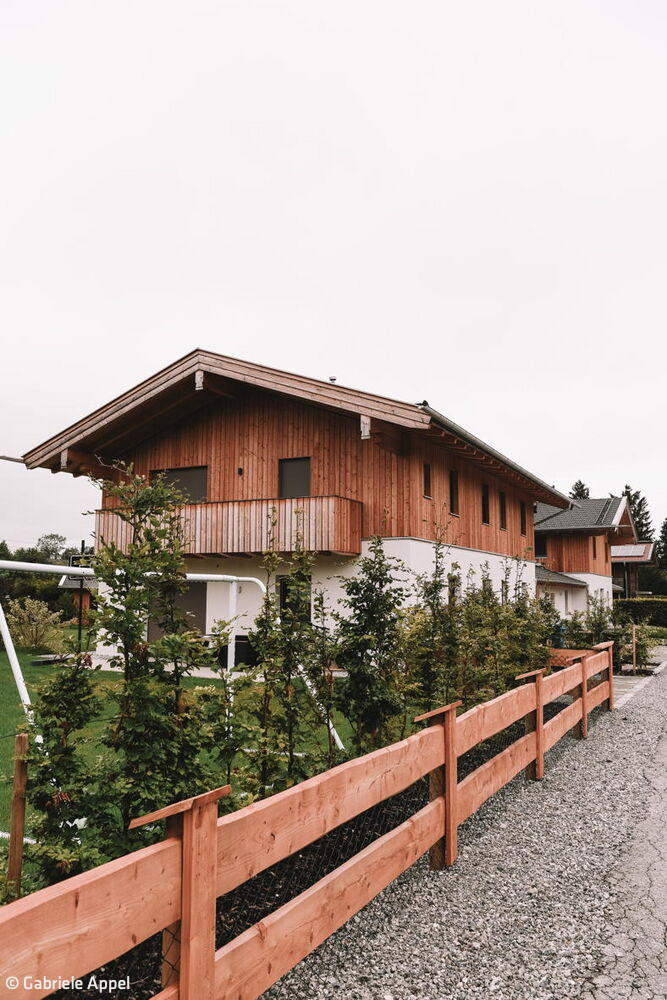

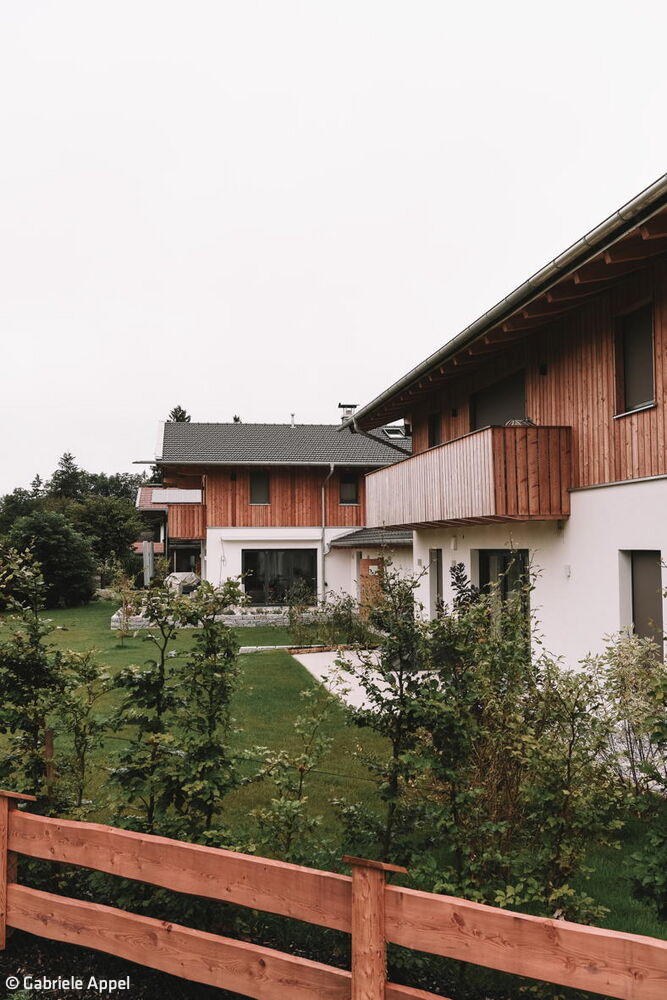

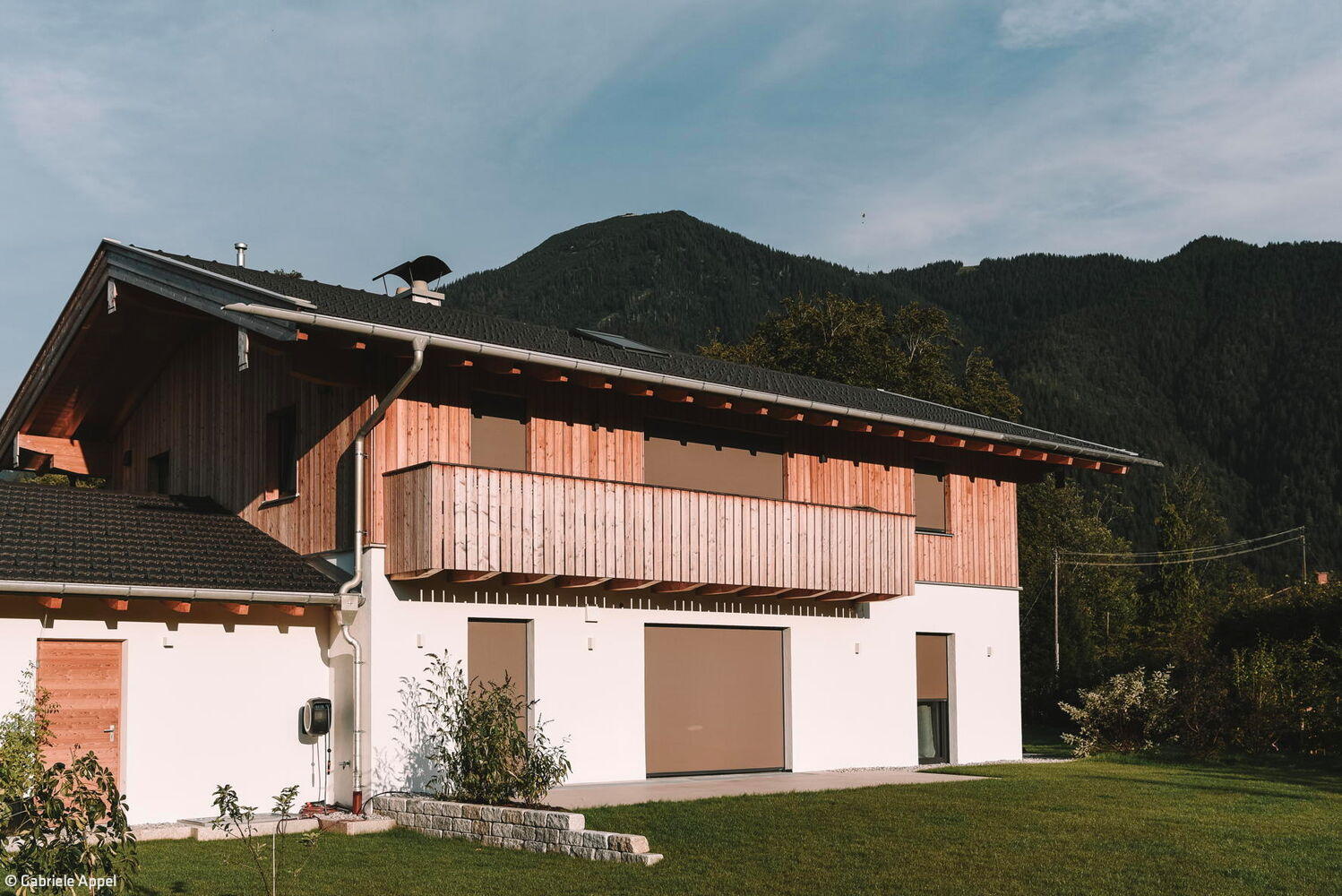


How do you design freely when building codes and design guidelines leave virtually no flexibility? Two young architects working in the rural area near Munich faced exactly this challenge. The strict regulations stem partly from tourism considerations, but they're also rooted in a deep commitment to preserving tradition. Even the most accomplished contemporary architecture stands little chance of approval here.
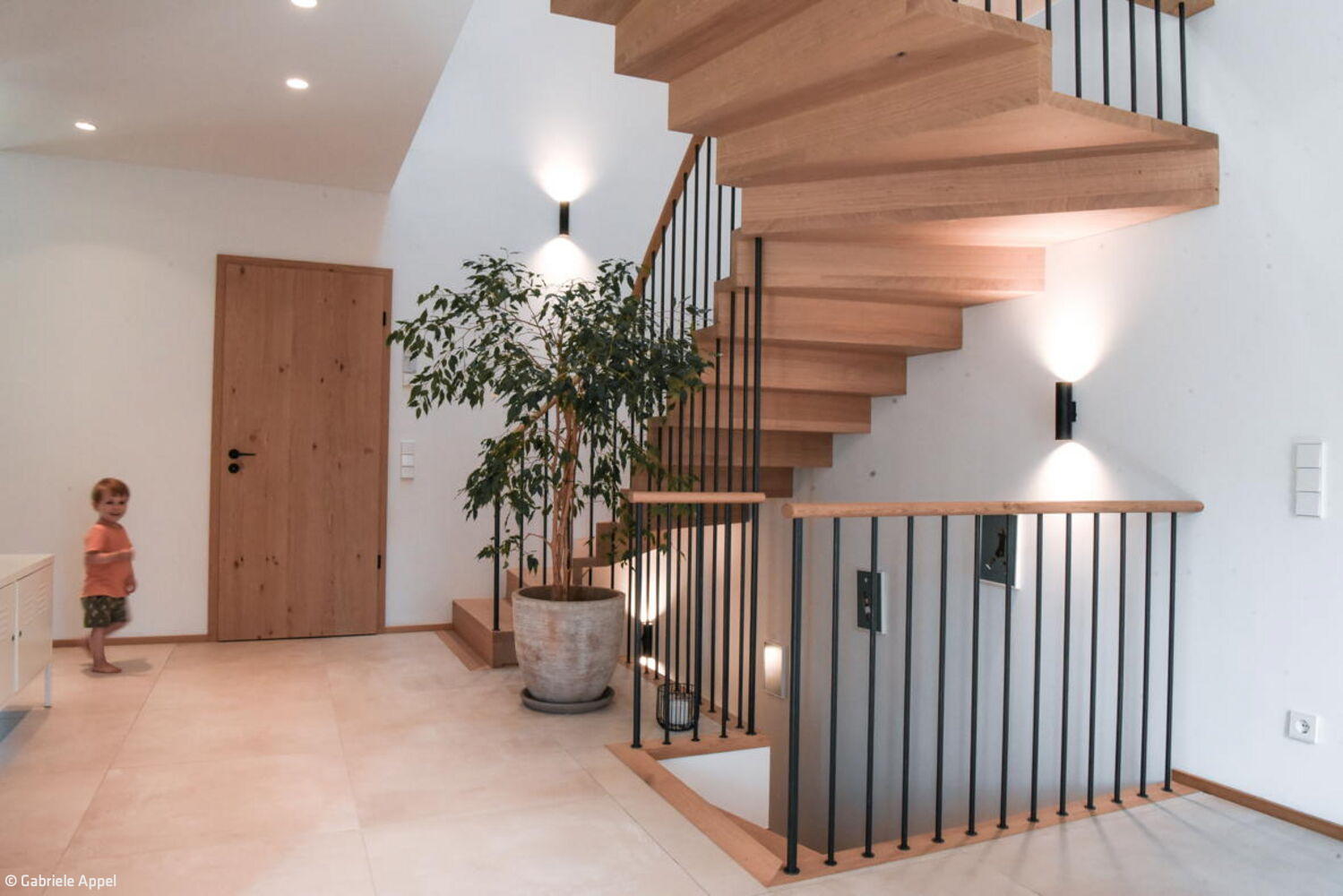
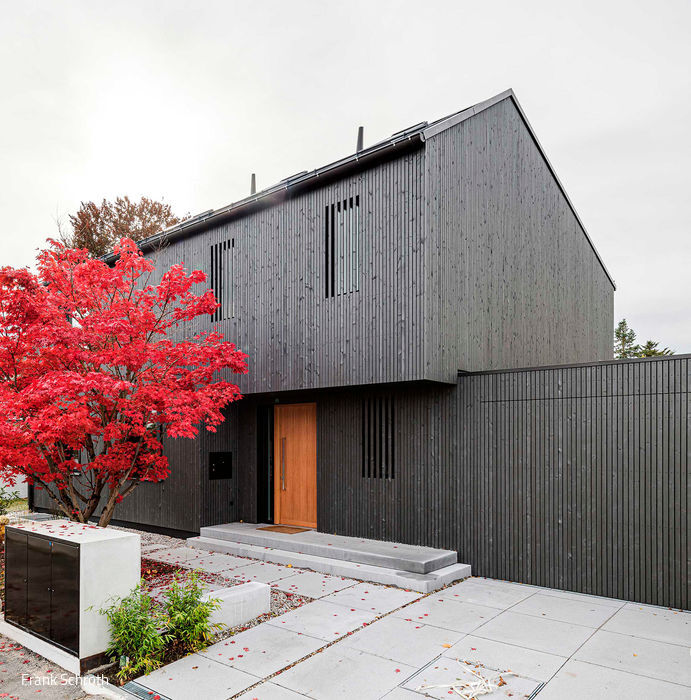
Sabrina Bongartz and her brother Maximilian Appel have found an elegant solution to the "traditional versus modern" dilemma that defines regional construction projects: they reinterpret rural architectural styles while honoring their essence. This project called for a new ensemble comprising a single-family home with office space and a two-family residence designed for multigenerational living over the long term. The challenge was clear—the design needed to accommodate future uses beyond what was initially planned, all while preserving the distinctive character of Bavarian farmhouses. The result: two residences oriented toward each other, connected by a shared structure that seamlessly weaves together communal spaces and privacy, work and home, all within reach of up to three families. This flexible approach proved essential for securing multi-generational viability. The site's north-south orientation predetermined the building arrangement. "House North" serves as the single-family residence paired with a spacious shared office—convertible into an accessory dwelling when needed. "House South" currently accommodates two households. Its ground floor features a fully accessible, wheelchair-ready apartment alongside a living-dining area belonging to the second unit, which extends across the entire upper level. Should circumstances change, the house can be unified into a single dwelling. A pellet heating system in House North supplies warmth to both structures. Entrances face east, while a generous communal garden unfolds to the west. Throughout the meticulous planning and execution, the architects remained committed to time-honored materials—brick and solid wood. The distinctive move here: the upper floor employs exposed solid wood construction, left intentionally visible from within—a contemporary twist on the region's traditional timber-and-cladding approach. Thorough preliminary site analysis revealed early on that high groundwater levels would demand a complex, costly, and time-intensive excavation strategy.
www.sabrinabongartzarchitektur.de
Photography:
Gabriele Appel
(Published in CUBE Munich 04|24)
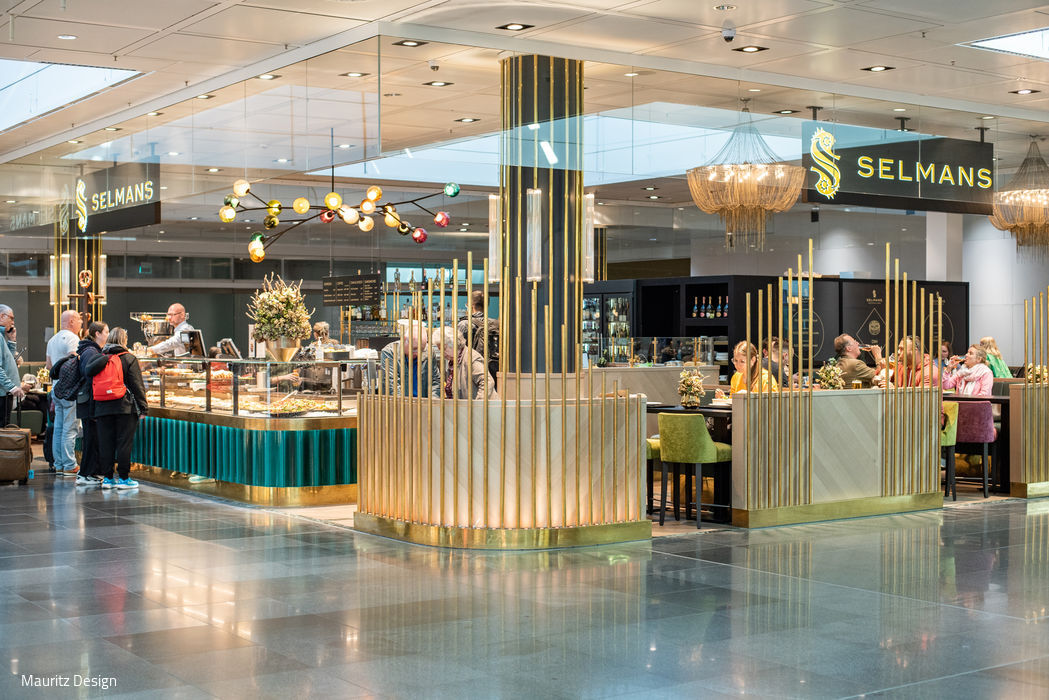
Fine Dining at the Airport
A new restaurant in Terminal 2 sets a fresh standard for airport dining
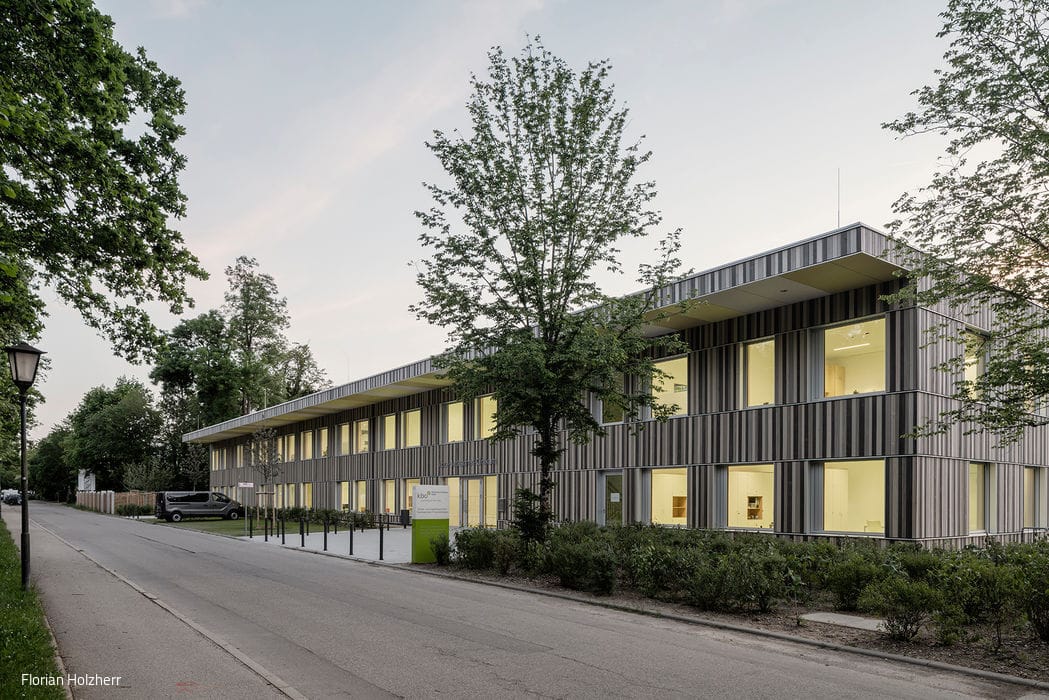
Safeguarding & Sheltering
"Green Hospital" Specialty Clinic Designed as a Healing Environment
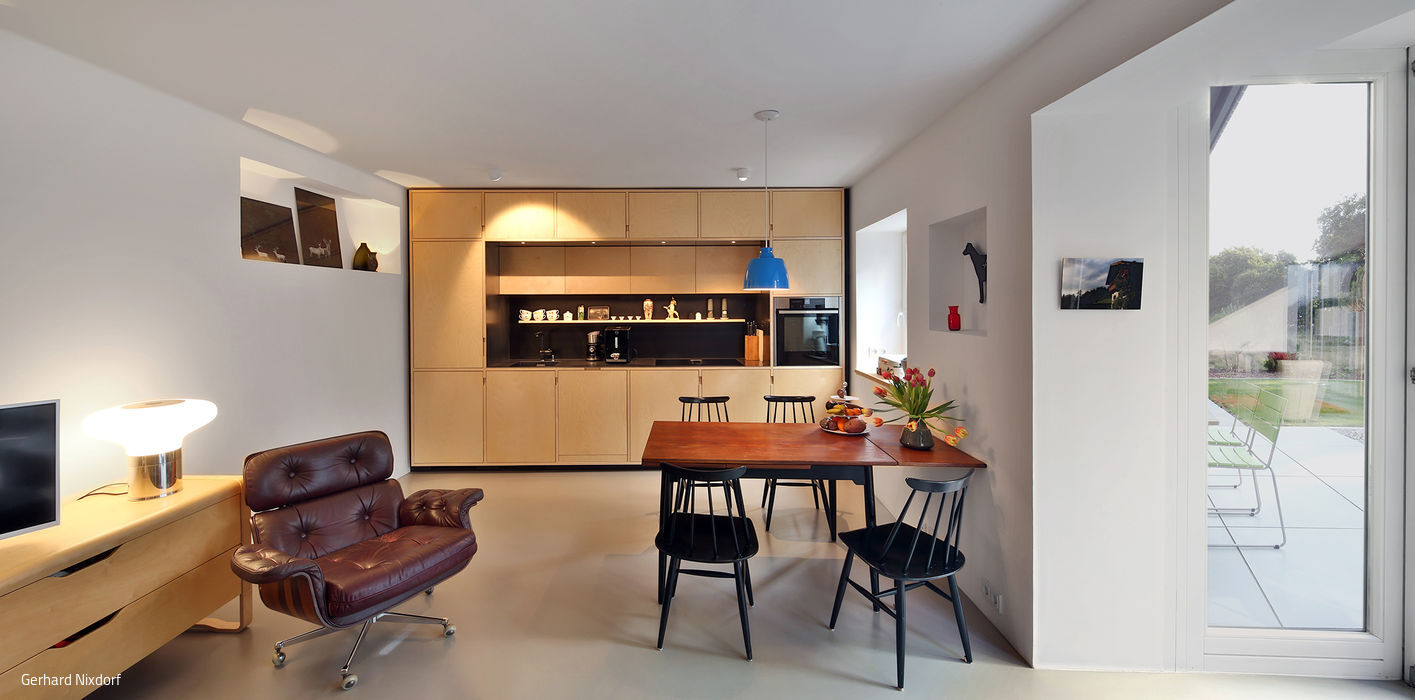
Built for Tomorrow
A 1888 Rear Courtyard Building Restored with Thoughtful Care
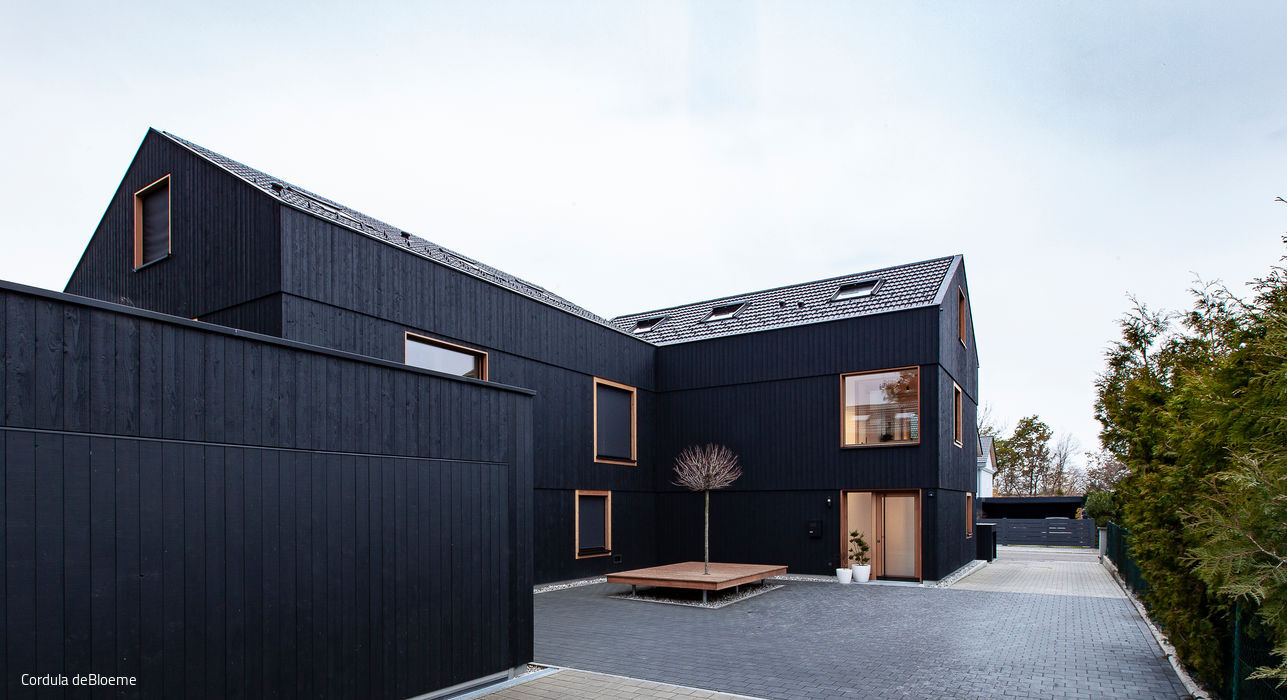
Triplets on the Rise
Thoughtful Infill Development in a Residential Community