


Where Tradition Meets Modern Design
New Building on a Vineyard Estate – Designed in Regional Architectural Tradition
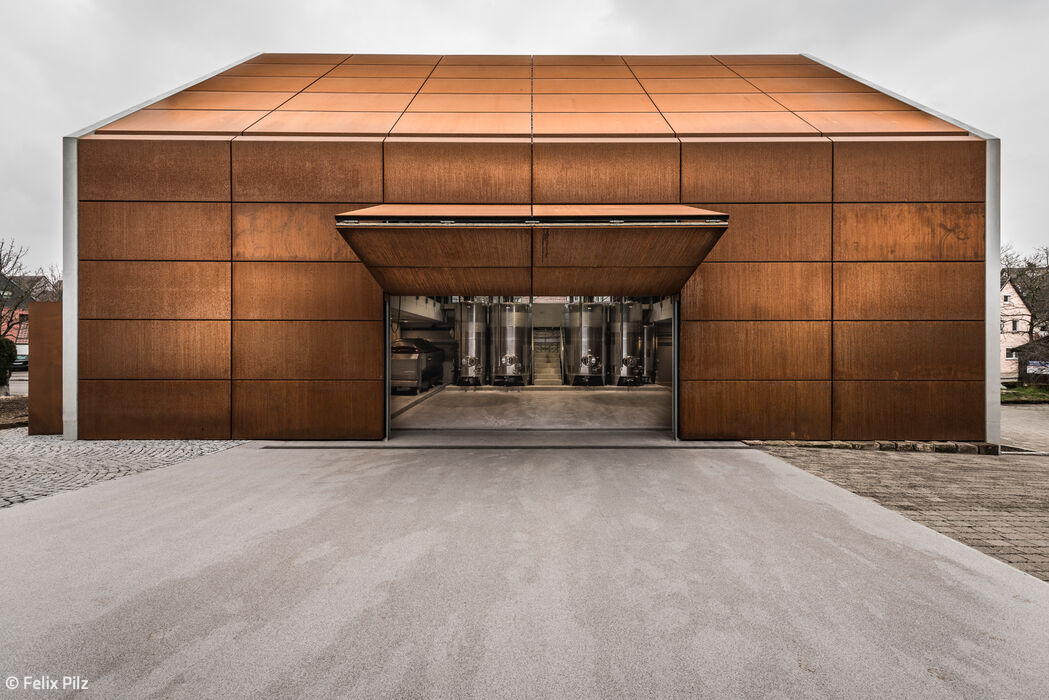
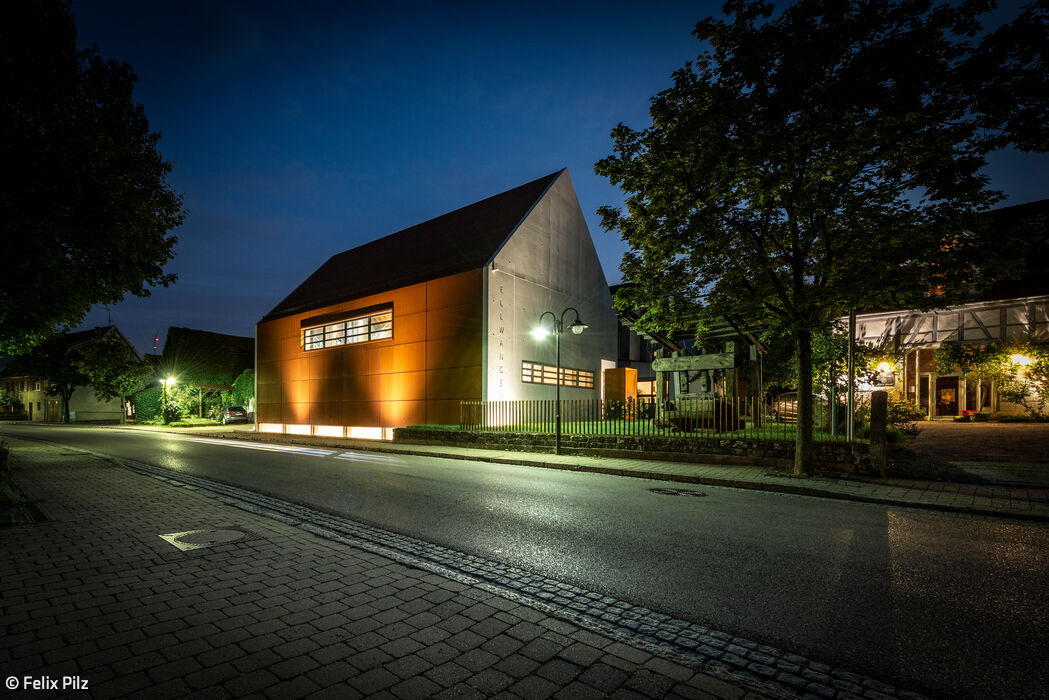
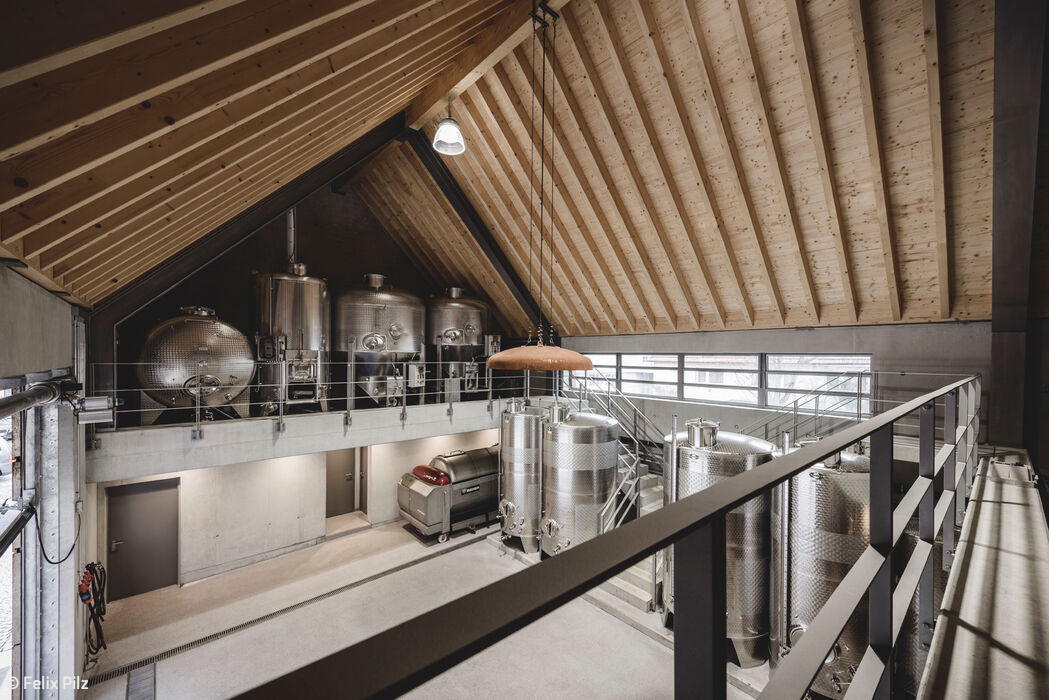
A striking new structure clad in Corten steel marks the entrance to Winterbach along the main thoroughfare. It houses both the wine press and customer presentation spaces for Jürgen Ellwanger's winery—replacing an aging double-family residence that once stood here. This new building speaks to the vision of a younger generation of winemakers, seamlessly blending time-honored tradition with contemporary design while making a clear statement: this is where exceptional wine is made and shared.
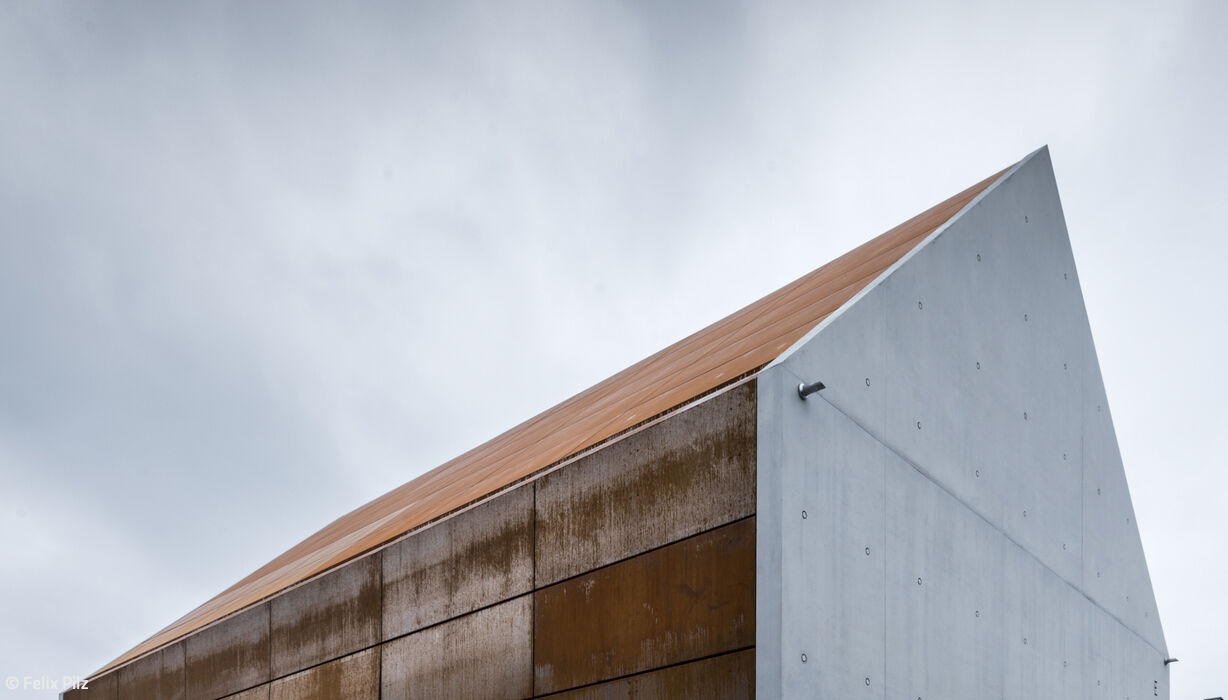
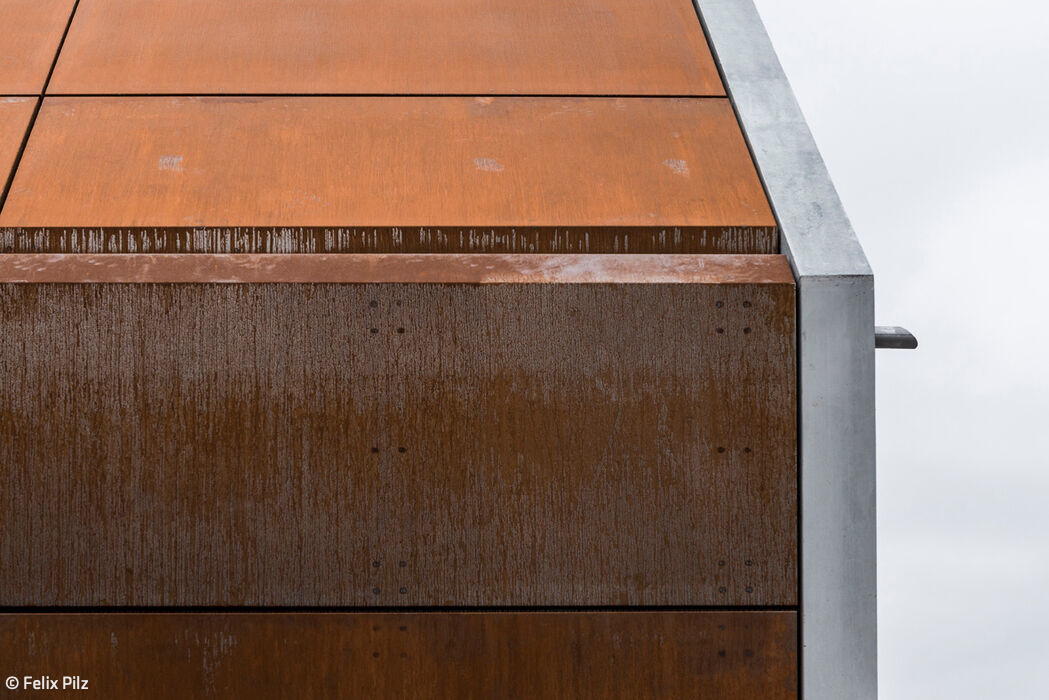
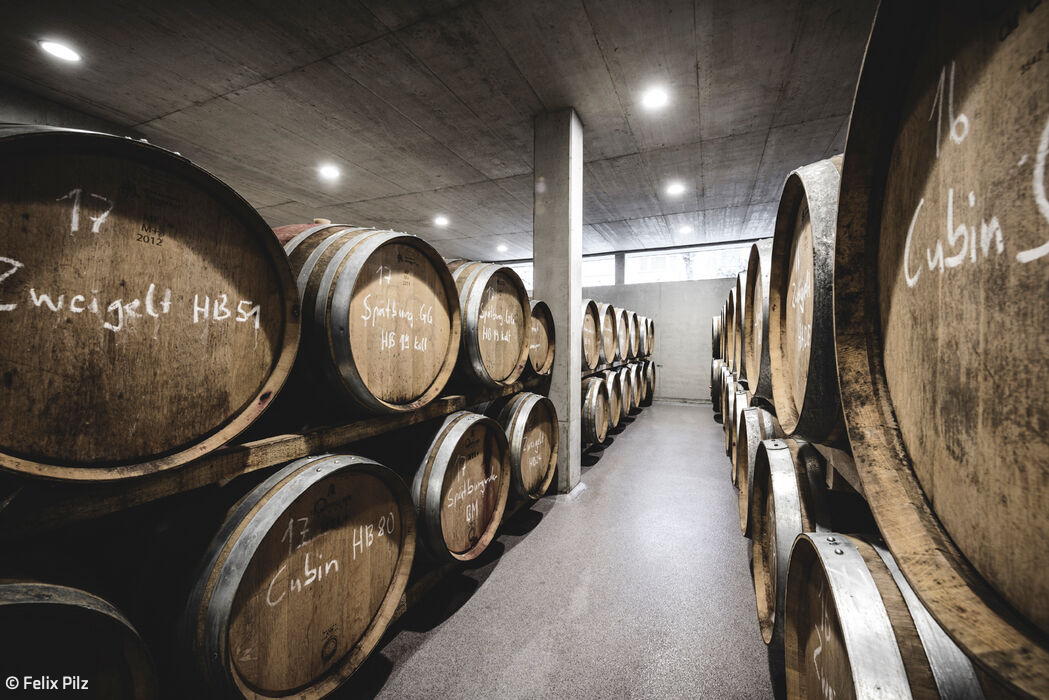
The building respects local architectural vernacular with its characteristic gabled roof, connecting to the existing production facilities below ground. The wine press—constructed from in-situ concrete with a wooden roof structure—sits anchored by exposed concrete gable walls that frame the folded Corten steel facade. Both materials age gracefully, their surfaces transforming over time with the same quiet dignity as the wine maturing within. A panoramic window on Bachstraße invites passersby to glimpse the barrel cellar and catch sight of the winemaking process in action. The innovative lift-and-fold door doubles as a weather canopy during harvest deliveries and courtyard celebrations, then disappears seamlessly into the Corten facade when closed. Even the details carry meaning: the entrance door crafted from reclaimed barrel wood, and the dramatic pendant lamp fashioned from the bottom of a white wine cask.
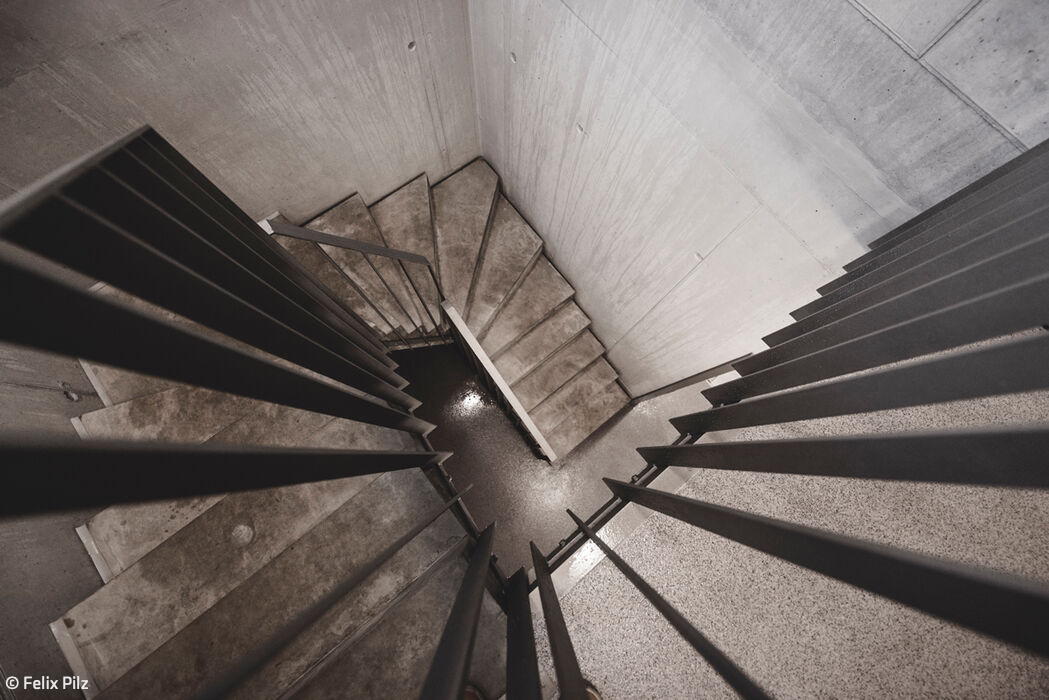
The structural design of this 17 x 10 metre building—spanning 500 m² across multiple levels—demanded innovative engineering solutions. The primary challenge lay in balancing waterproof concrete requirements for the Rems floodplain zone with exposed concrete finishes. Every detail matters here: the flush integration of the Corten steel façade with the exposed concrete gables, and the seamlessly integrated gate in the Corten façade, define the building's distinctive character. Achieving this demanded meticulous execution and close coordination among all trades. The 800 m² pressing area allows grapes to be processed gently through gravity-fed systems, then stored in either the white wine cellar or the striking glass-enclosed wooden barrel cellar. The cellar maintains naturally consistent climate conditions through its robust, solid construction and intentionally minimal mechanical systems. Strategic window placement and natural ventilation via louvre windows—monitored by CO₂ sensors and exhaust fans—further stabilize the interior environment. The stairwell doubles as a ventilation shaft for the basement, completing a carefully orchestrated passive design strategy.
www.weingut-ellwanger.de
www.bk2h.de
Photography:
Felix Pilz
www.felixpilz.de
(Published in CUBE Stuttgart 02|24)
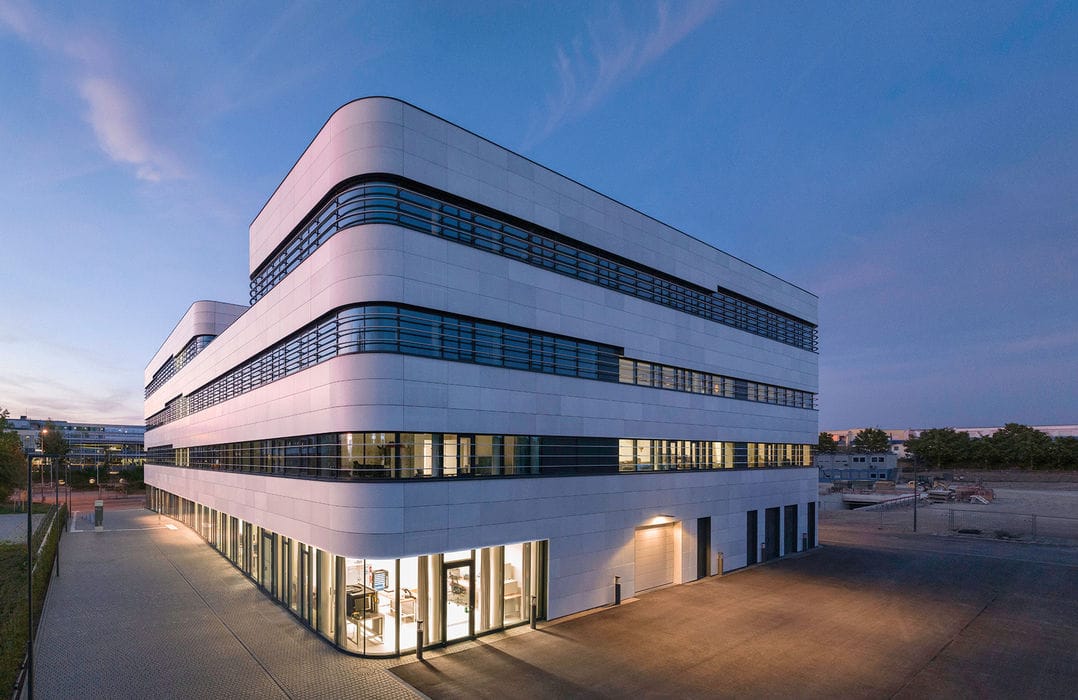
Recycled Glass as Façade
A New Institute Building: Offices, Laboratories, and Technical Spaces in Compact, Dynamic Harmony
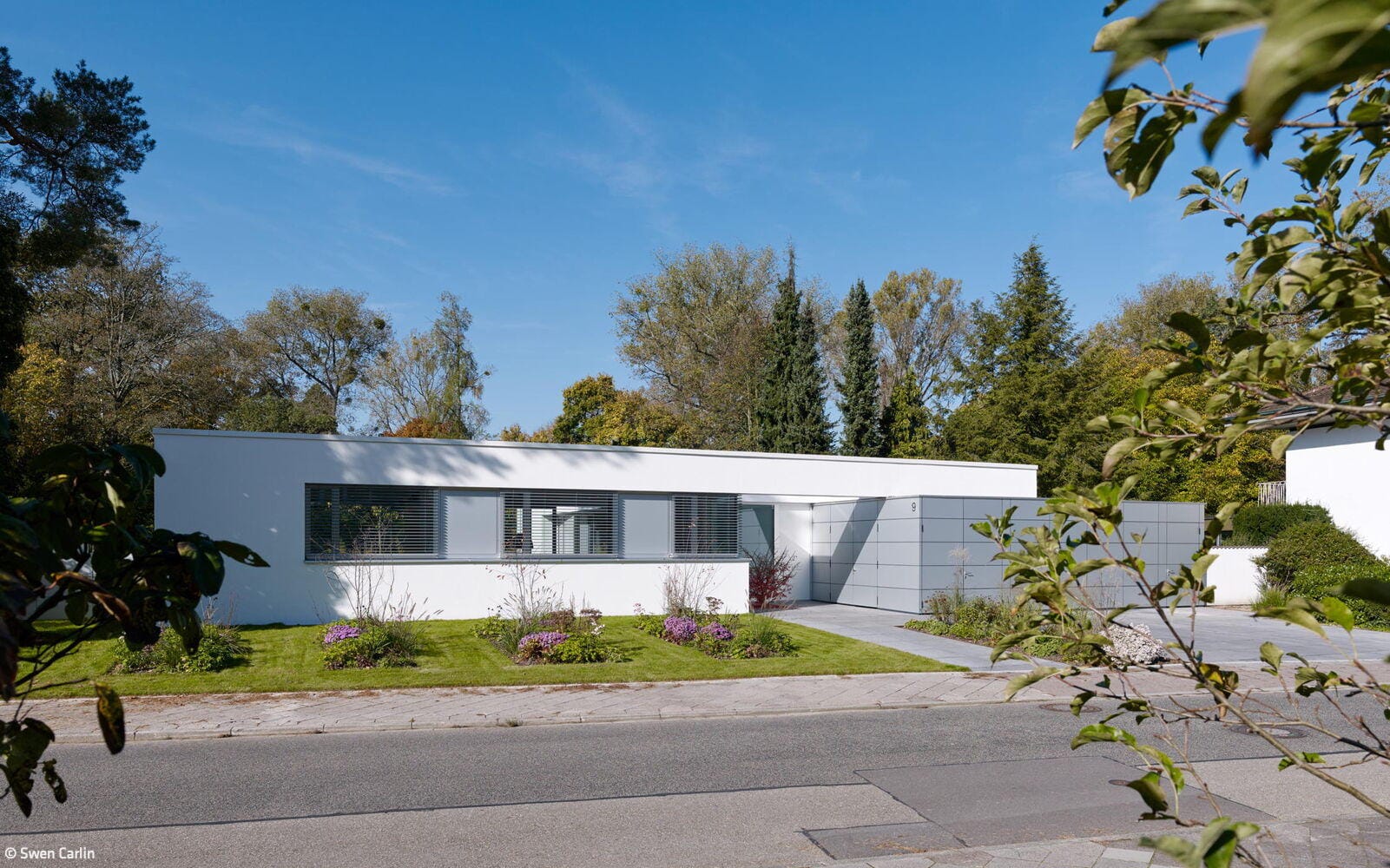
Grounded Elegance
Angular bungalow anchored on a plinth with courtyards that define a protected garden sanctuary
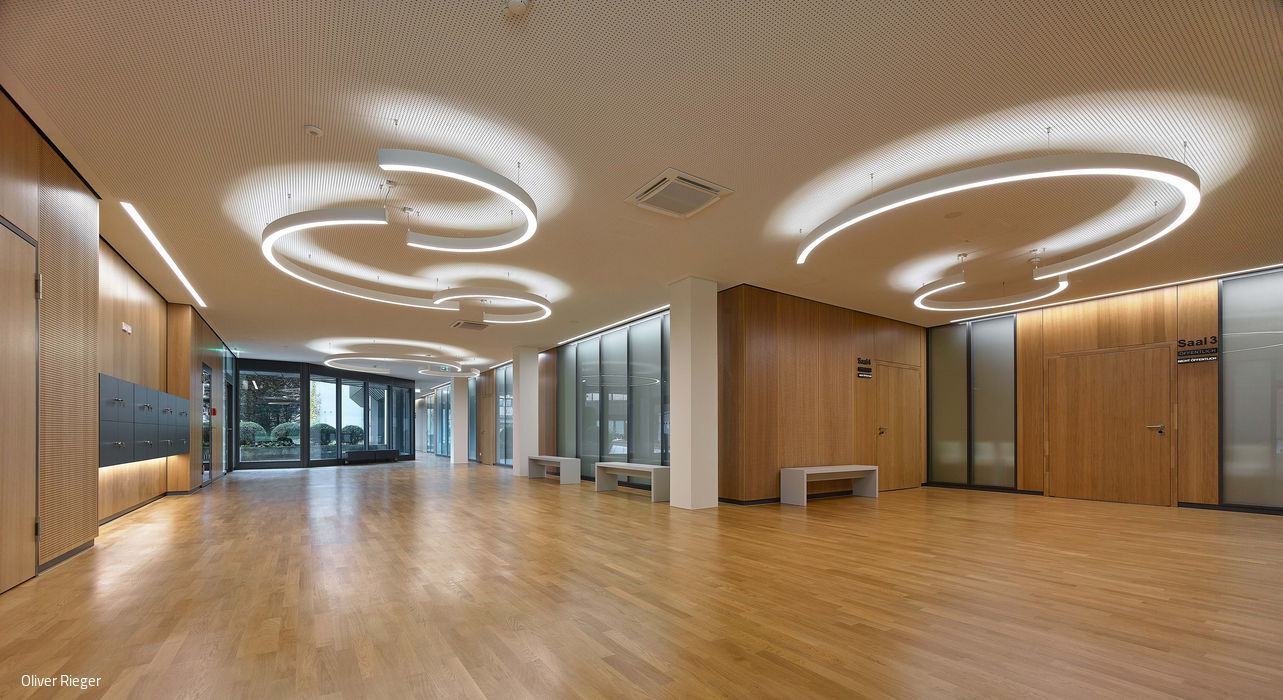
Warmly welcomed
Family court moves into newly designed, bright, and fully accessible spaces featuring an innovative lighting design
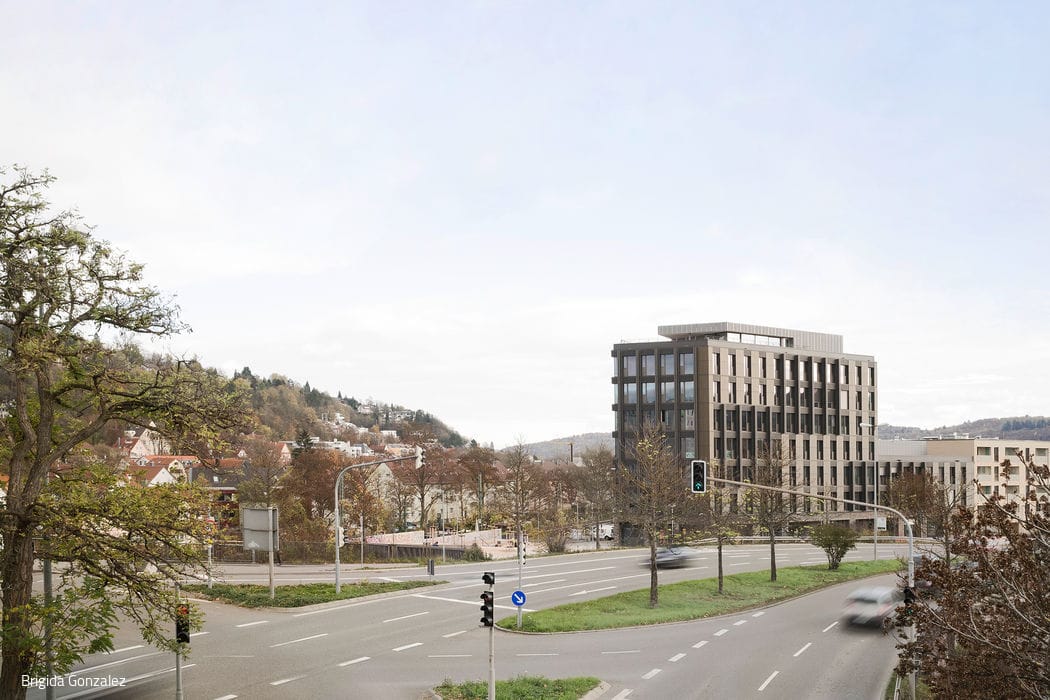
Exemplary
Seven-Story Office and Commercial Building in Hybrid Timber Construction