


Nature – By Design?
Master of Paradise
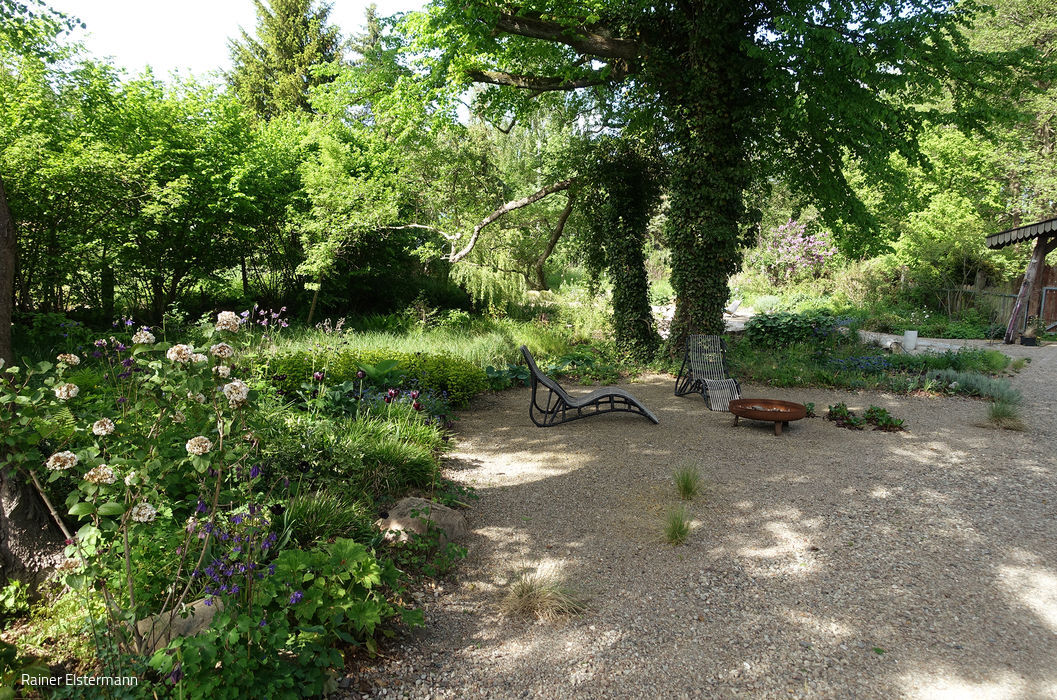
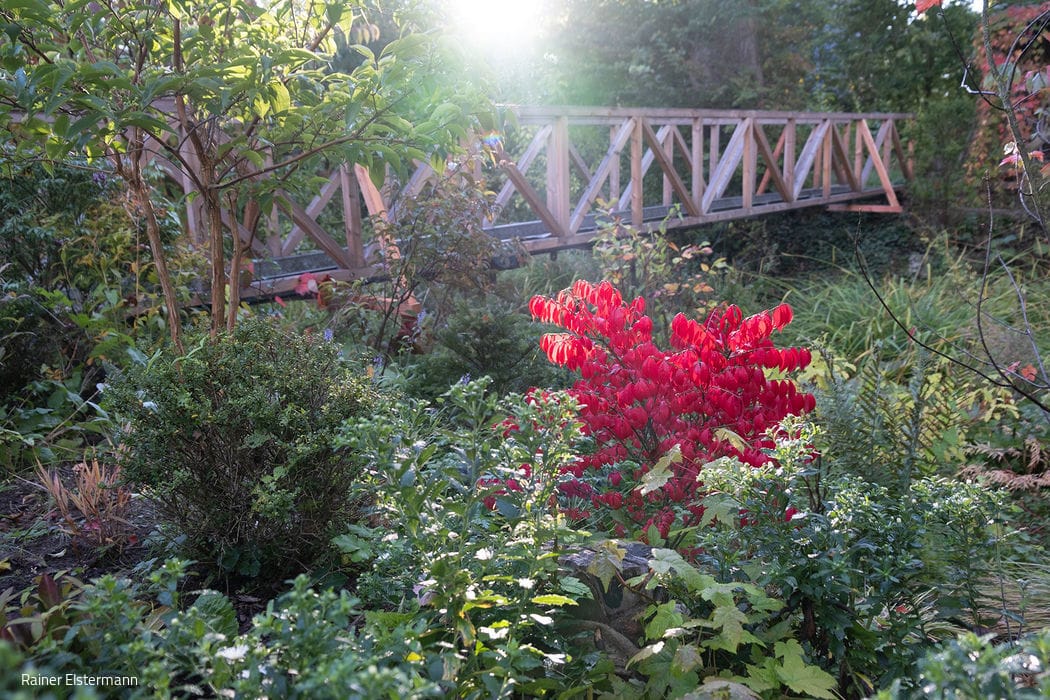
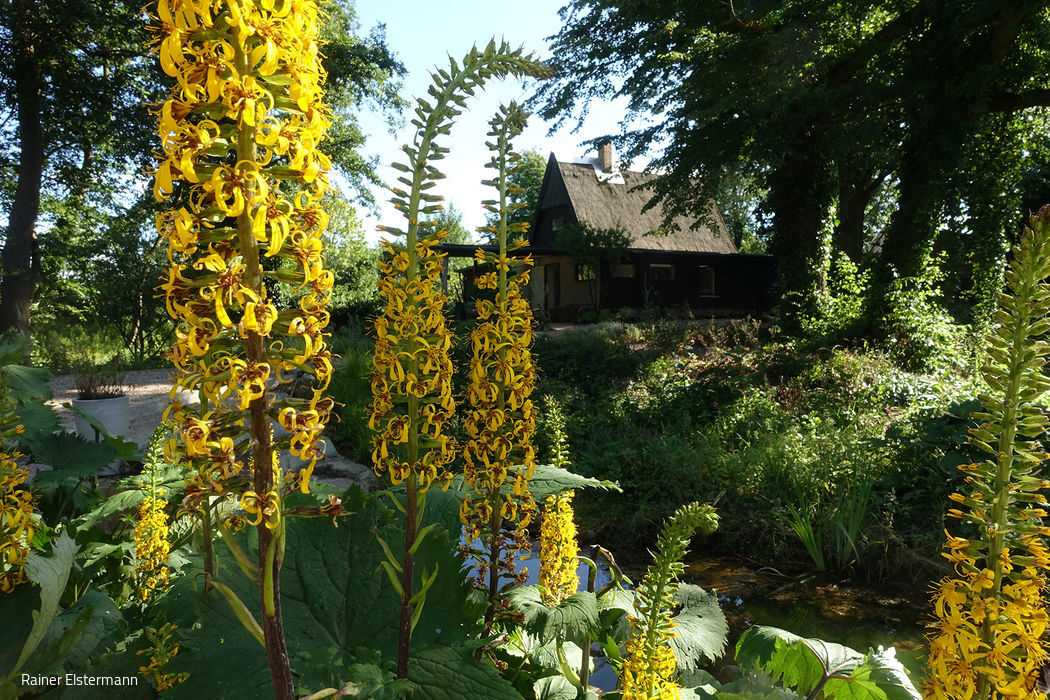
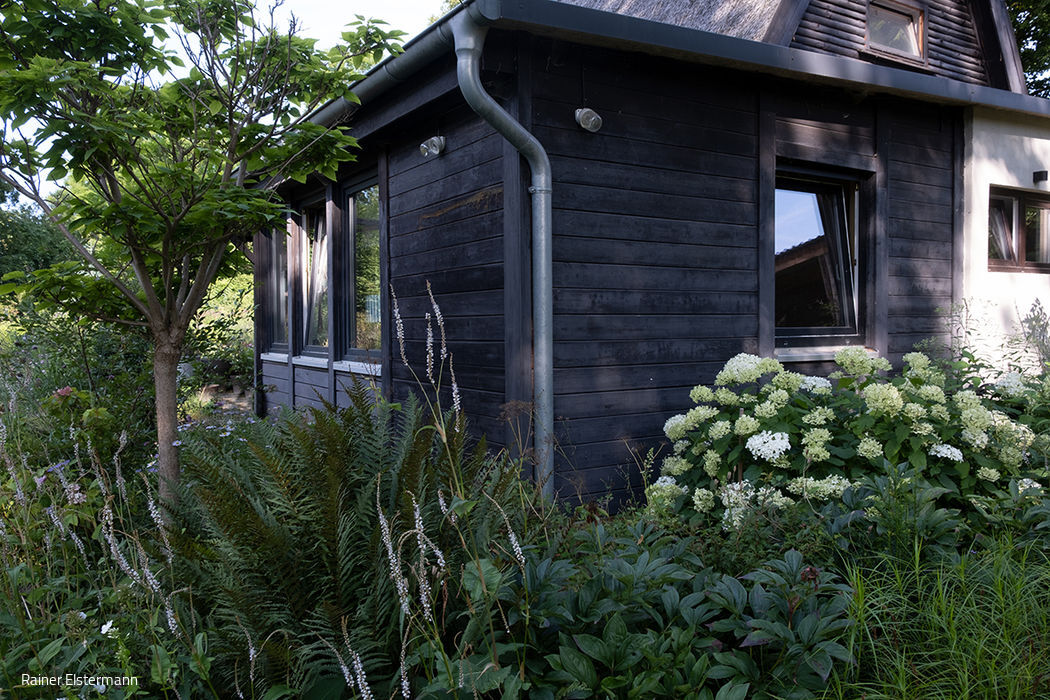
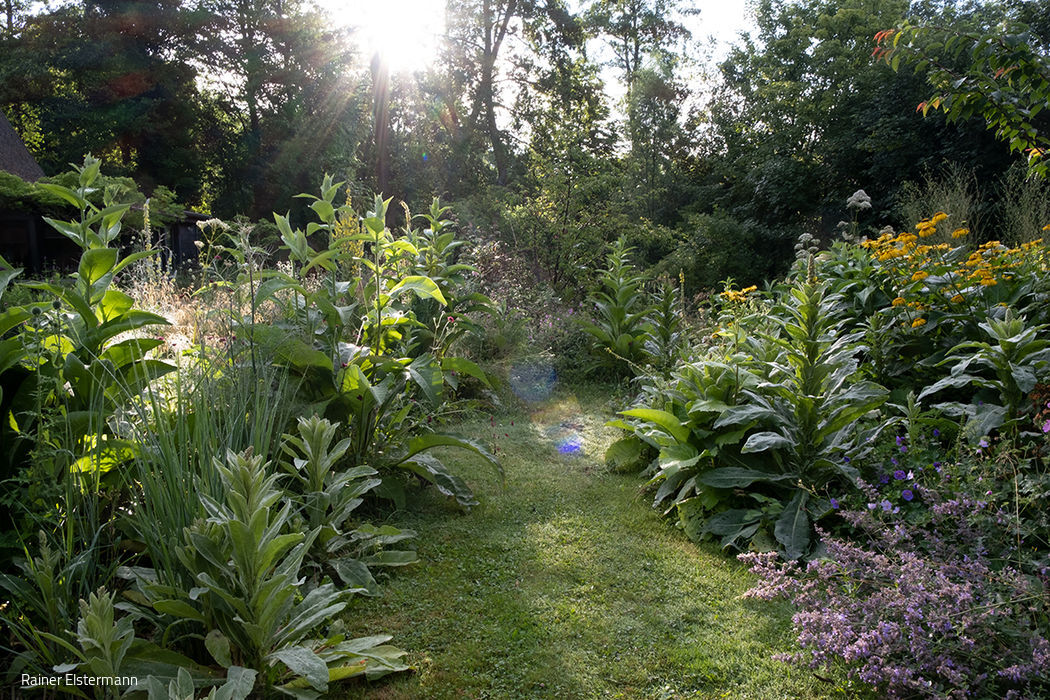
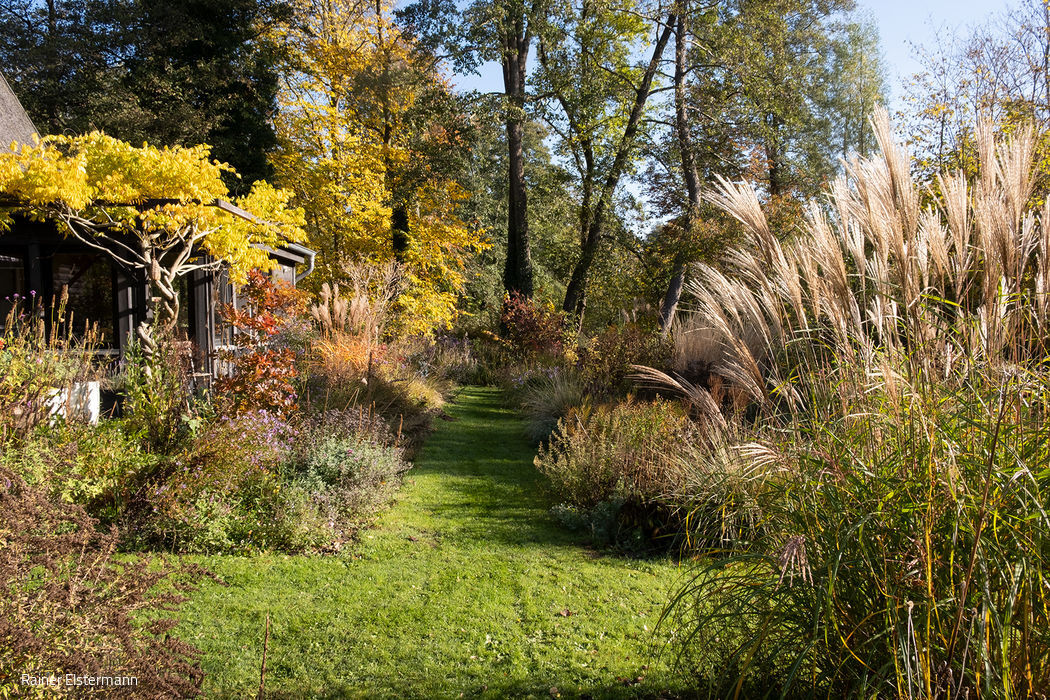
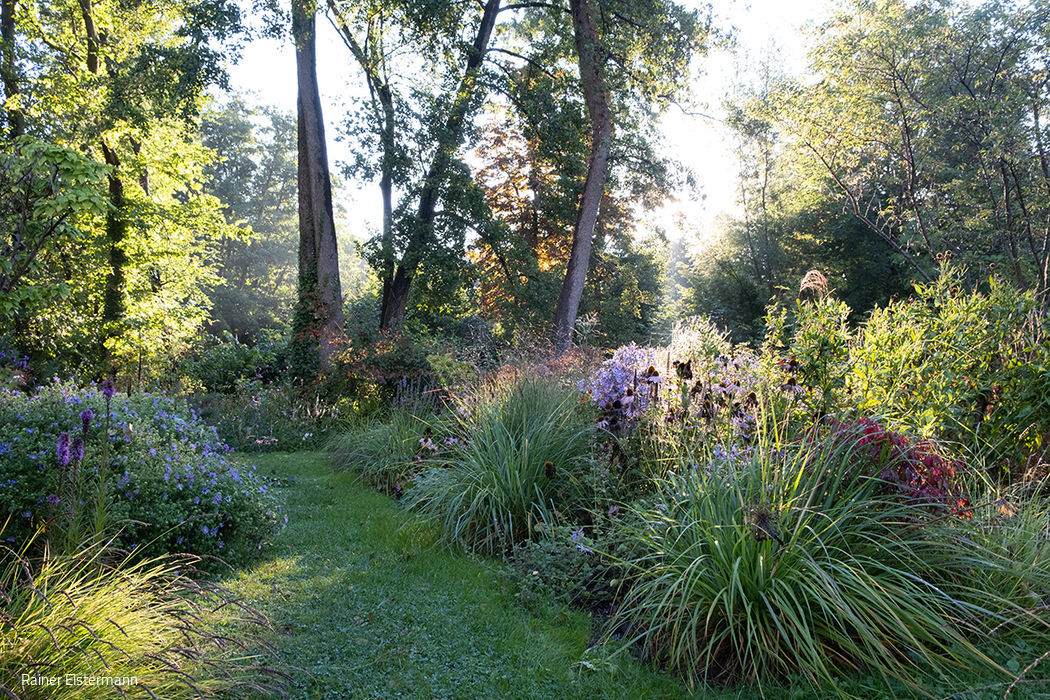
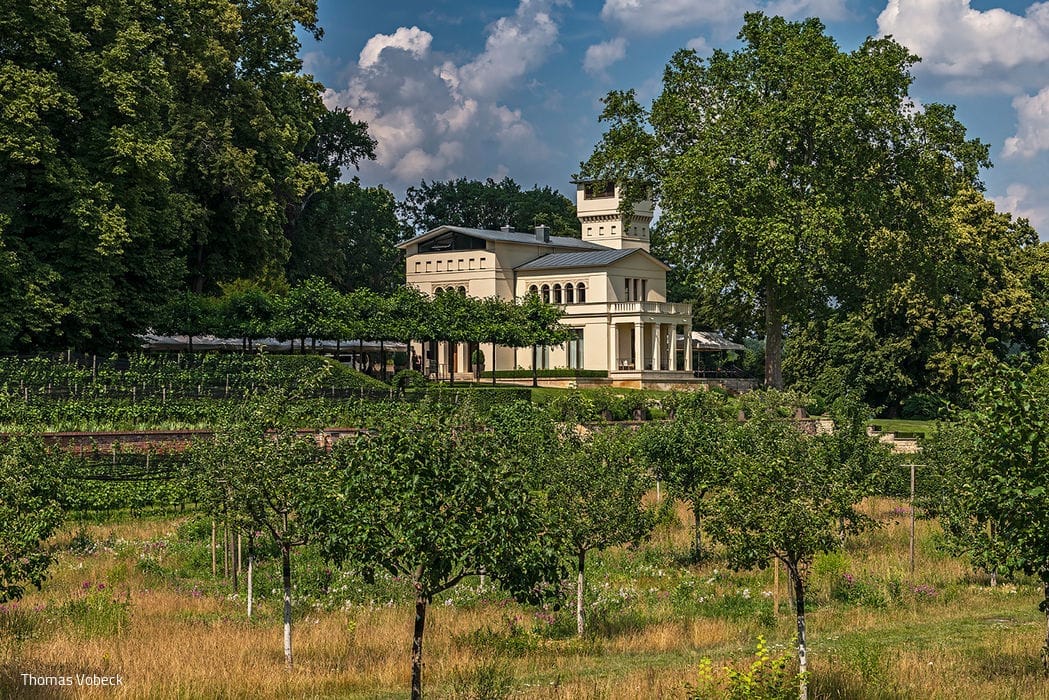
Landscape gardener Rainer Elstermann is passionate about gardens that feel untamed. Artificial nature holds no appeal for him. Yet creating a garden that looks genuinely wild and natural is an art form in itself. Elstermann frequently collaborates with architect Thomas Kröger, whose acclaimed residential designs have become landmarks throughout the Berlin region. Elstermann calls his own home, nestled within its verdant surroundings, an island garden. The challenge, he notes, is that true "wildness" resists the camera's lens—the human eye, by contrast, naturally contextualizes and makes sense of such complexity.
Entry comes through a monumental archaic wooden gate. The first thing you notice is the gentle sound of a waterfall, where pond water cascades into a small stream below. The triangular plot is enveloped by towering trees, with the house positioned on a clearing in the center—just 200 meters from a larger lake. Each season brings a complete transformation. Every plant has been carefully selected to ensure successive blooms throughout the year. For Elstermann, gardens represent more than aesthetics; they are healing spaces. He embraces a philosophy from Oliver Sacks: "In over 40 years of medical practice, I have found only two non-pharmaceutical therapies vital to patients: music and gardens." Through gardens, he believes, we reclaim something of paradise lost.
A harmonious palette of blooms offers more than visual beauty—it's sustenance for the soul. These plantings represent an ongoing experiment, evolving year to year. Beyond flowers, the composition brings together shrubs, thistles, grasses, hedges, and trees into a unified whole. In this way, people craft nature as they envision it.
Rainer Elstermann divides his time between the Uckermark region and Berlin, working as a landscape architect, photographer, and columnist. His gardens are philosophical explorations of nature—designed to offer people moments of authenticity and slowness amid modern life's demands. His forthcoming book, "Gärten der Gegenwart" (Gardens of the Present), showcases compelling contemporary gardens through realized and planned projects, enriched by cultural and philosophical essays alongside botanical photography and reflections on 21st-century plant culture. His own island garden exemplifies this approach: a successful design that responds to the land's existing character rather than imposing an artificial vision upon it.
Photography Credits:
Rainer Elstermann
(Published in CUBE Berlin 02|22)
Passenger Ship in Pankow
How Architects Unlocked a Buildable Site and Created Housing for Charité Staff
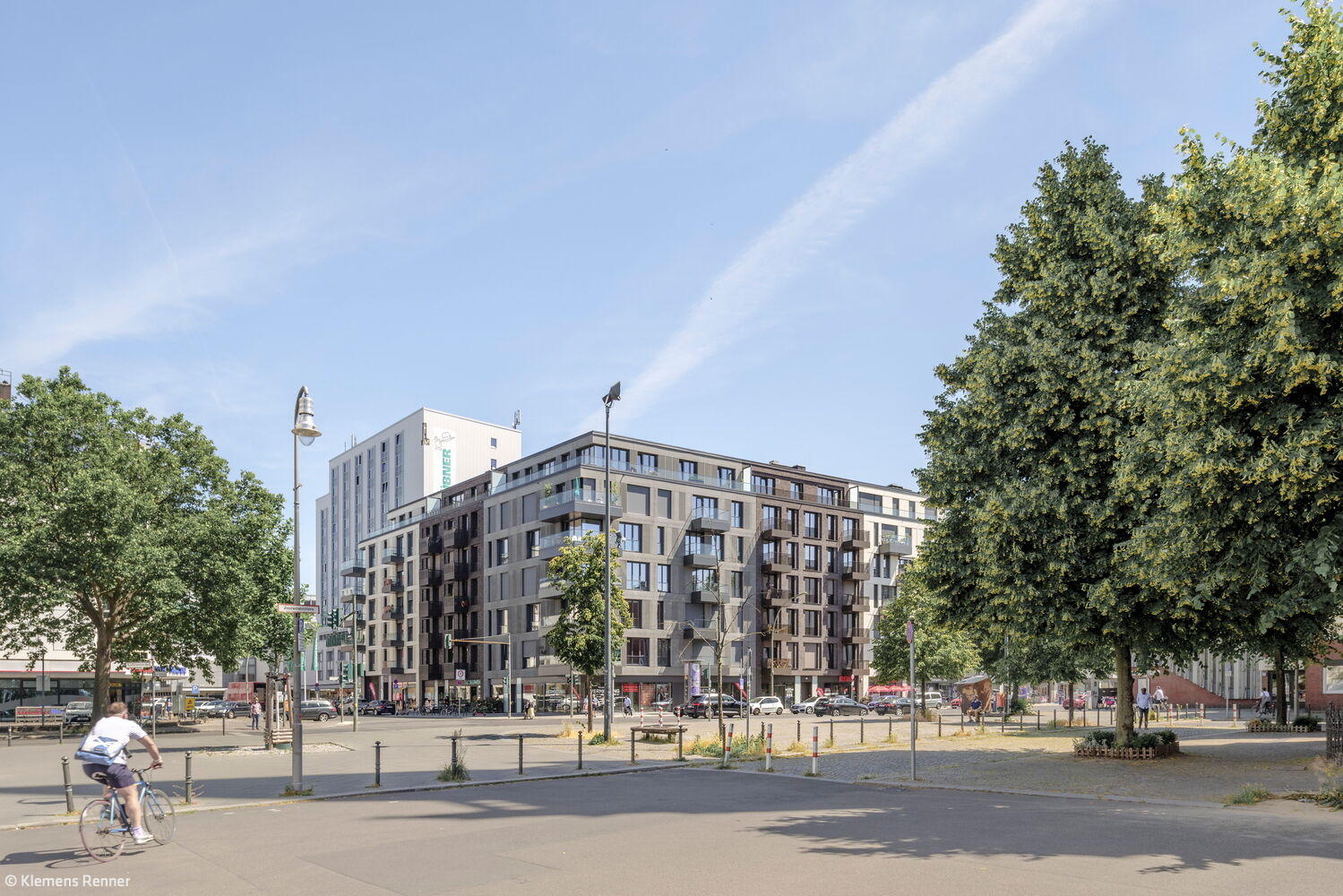
Small Town in the Big City
Schoenegarten: A Housing Project That Excels Through Thoughtful Design
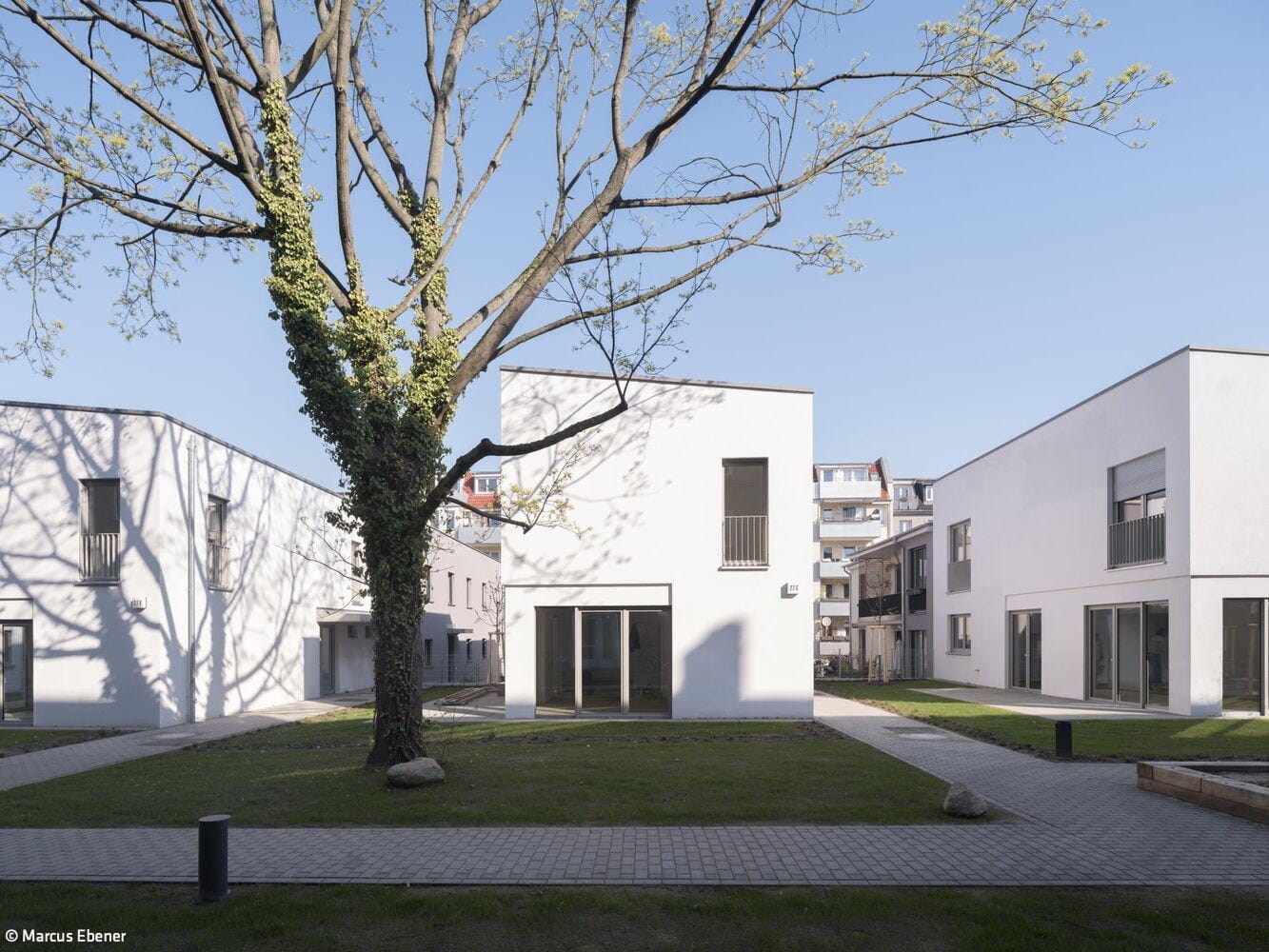
Living in the Composers' Quarter
A new residential area in an established neighbourhood in Weissensee

Vital Spatial Reorganization
Modern Workplace Design for an International Law Firm at Potsdamer Platz