


Sheltered atmosphere
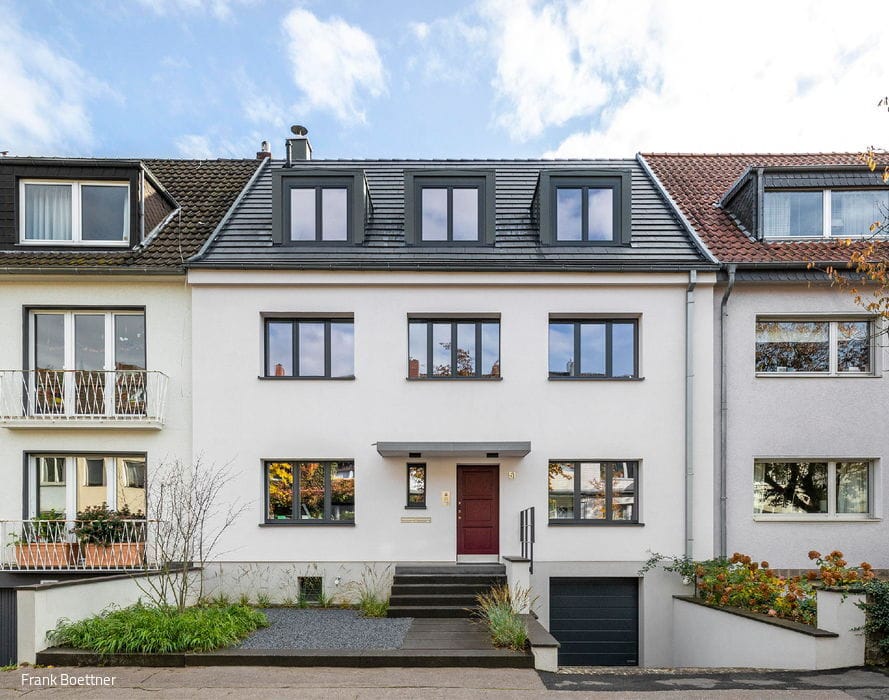
An old townhouse was sustainably converted and extended for a family.
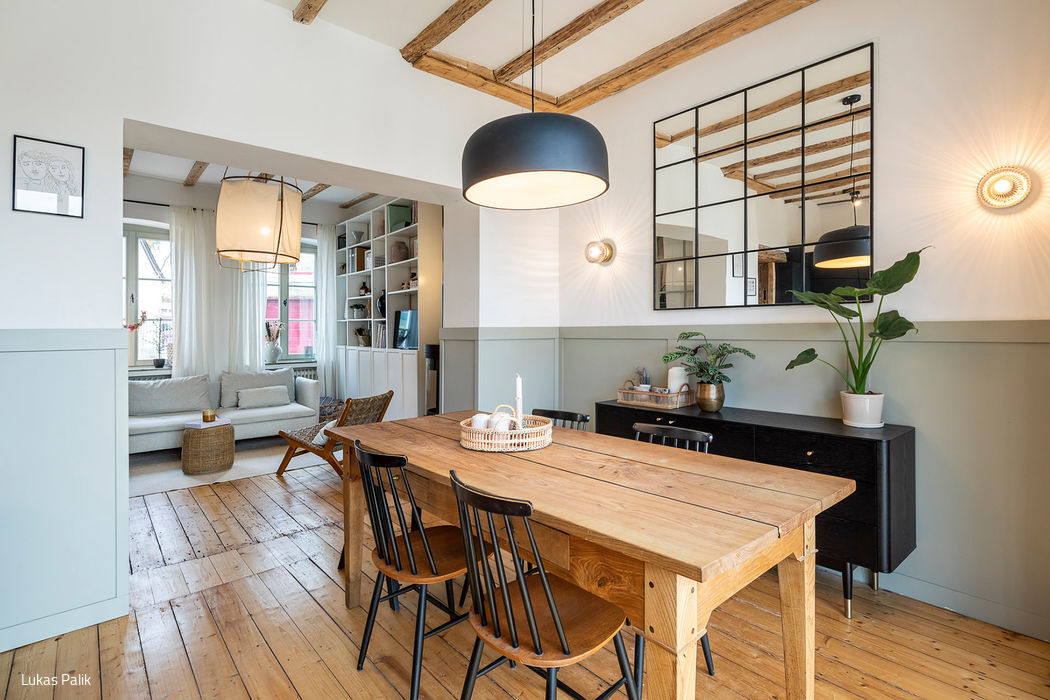
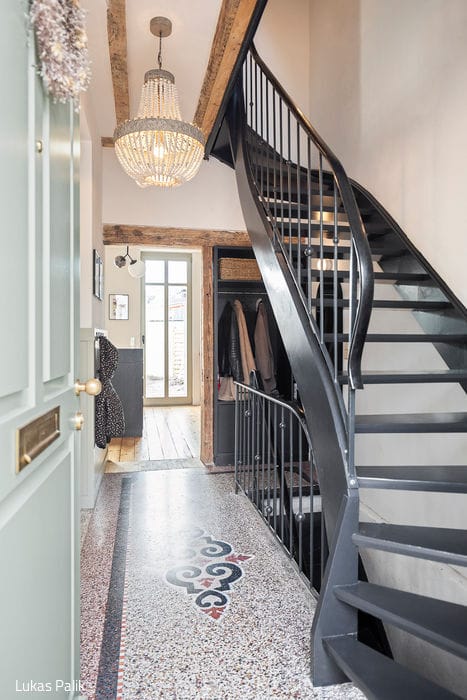


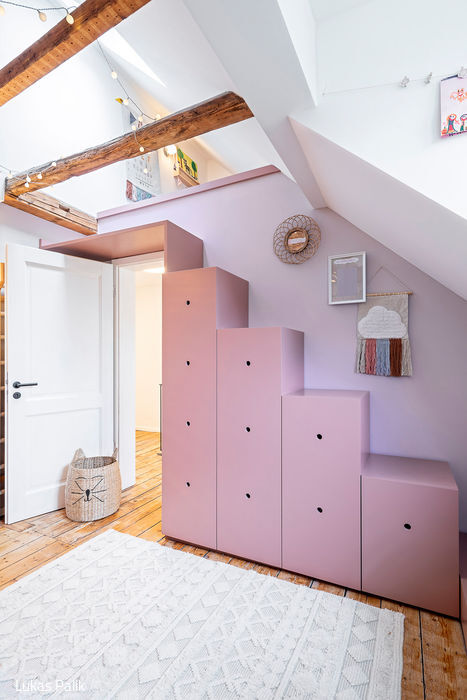
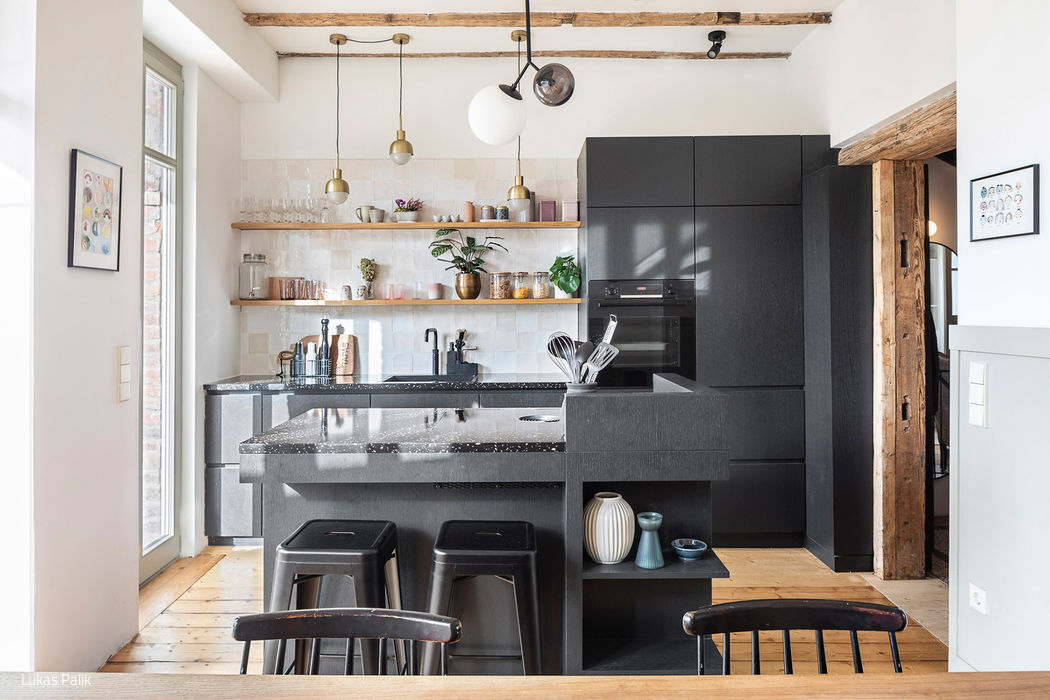
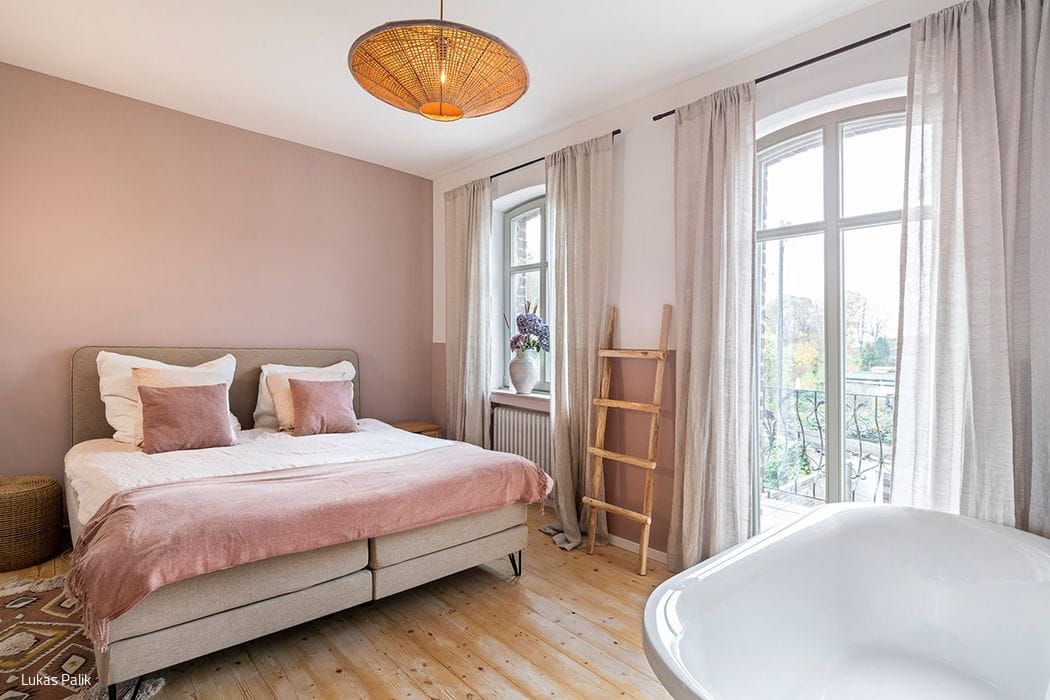


Dealing with existing buildings is considered key to resource-efficient, sustainable construction. The more existing old building fabric is used in the interior areas of buildings, the more sustainably the use of grey "building material energy" is reduced and, at the same time, there is an increase in golden, architectural energy: when old structures are exposed, reinterpreted, supplemented and further developed, the atmospheric layers of a building are enriched – and the result is what every builder ultimately desires: the building becomes a truly original and distinctive one-of-a-kind structure.
This was also the case with a rather unspectacular townhouse built in 1938 in a neighbourhood in the west of Cologne: Cologne-based architect and interior designer Angelika van Putten developed a renovation and conversion plan for the house, which had last been renovated in the 1960s and was completely dilapidated when the project began. This plan is not only aesthetically appealing, but also functional for the everyday life of the young family. The interior design was intended to create a harmonious atmosphere for relaxed family life – a holistic approach that was carried through to the exterior façade and garden design, which were also redesigned. Under the design motto "holistic – sustainable – atmospheric", the potential of the house that had been lost over the decades was first uncovered: original materials, such as the old floorboards, ceiling beams and the original terrazzo, were freed from the layers and fixtures above them and then refurbished in such a way that the original character of the house became visible again. This is complemented by interior fittings designed specifically for the project by an architectural firm and carried out by a local carpentry workshop, which deliberately create a cosy living atmosphere: Robust wall panelling, built-in cupboards, multifunctional "climbing cupboards" for the children's rooms and a custom-made kitchen that fits into the room situation – in muted, individual colours – create an intimate connection with the rooms. A change in the floor plan also allowed for clear zoning to be implemented in the limited living space: the hallway with guest WC, living and dining room with open kitchen and wood-burning stove are followed on the first floor by a bedroom with dressing room, en-suite bathroom and guest room. The children's rooms are on the second floor, where there was also space for a small home office. Ultimately, the renovation reflects a cheerful, young family for whom the multifaceted overall atmosphere of the space is important.
Photography Credits:
Lukas Palik
www.lukaspalik.de
(Published in CUBE Cologne Bonn 03|23)
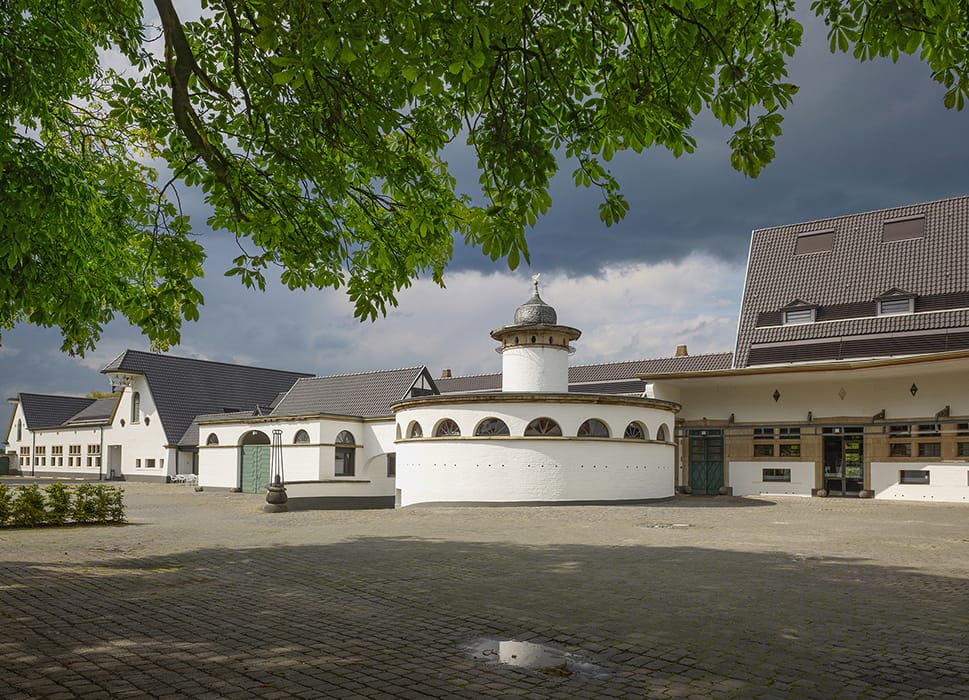
Thoughtfully Repurposed
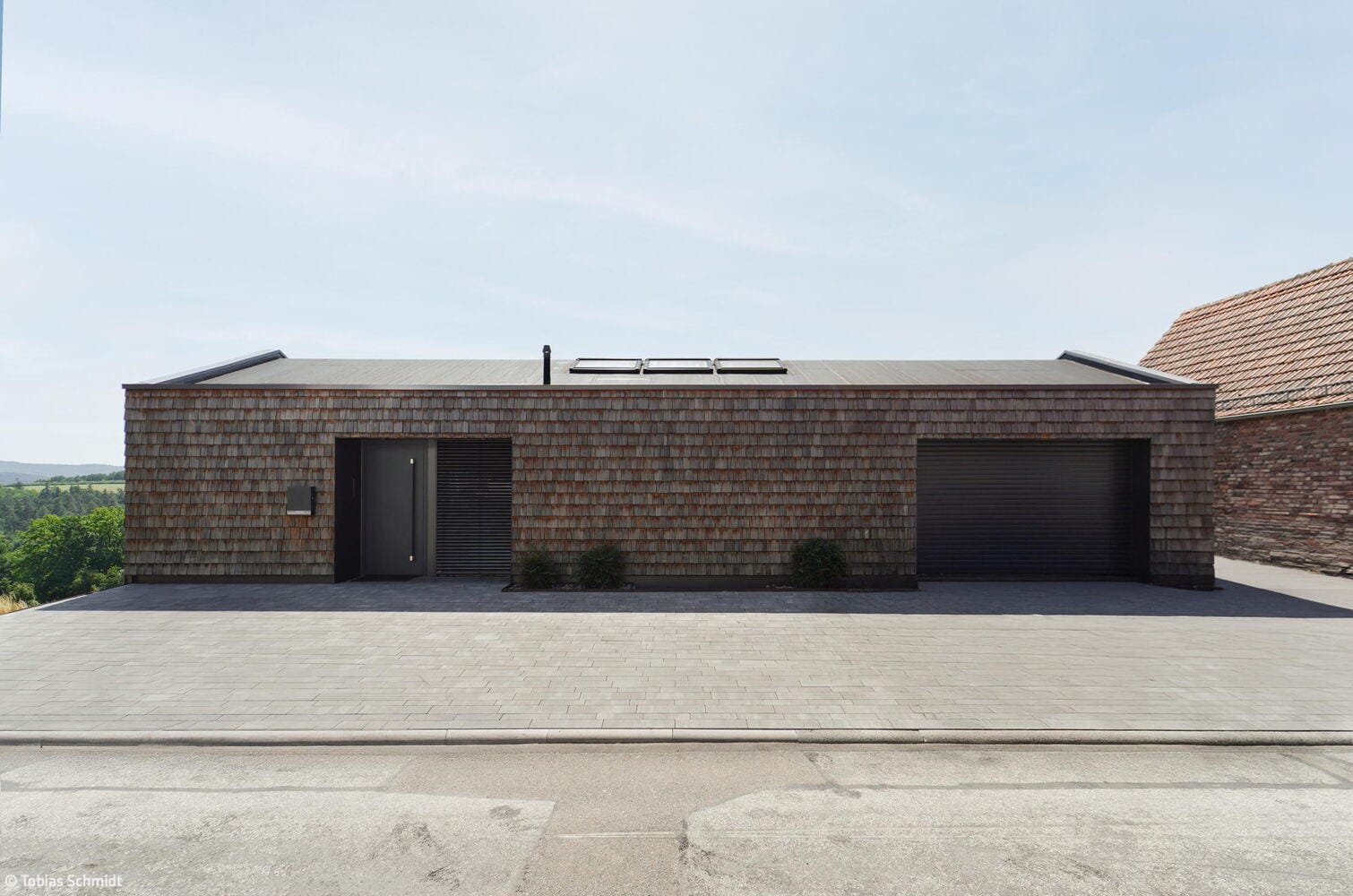
Today, the historic Maarhausen estate near Heumar stands as a thriving business address.
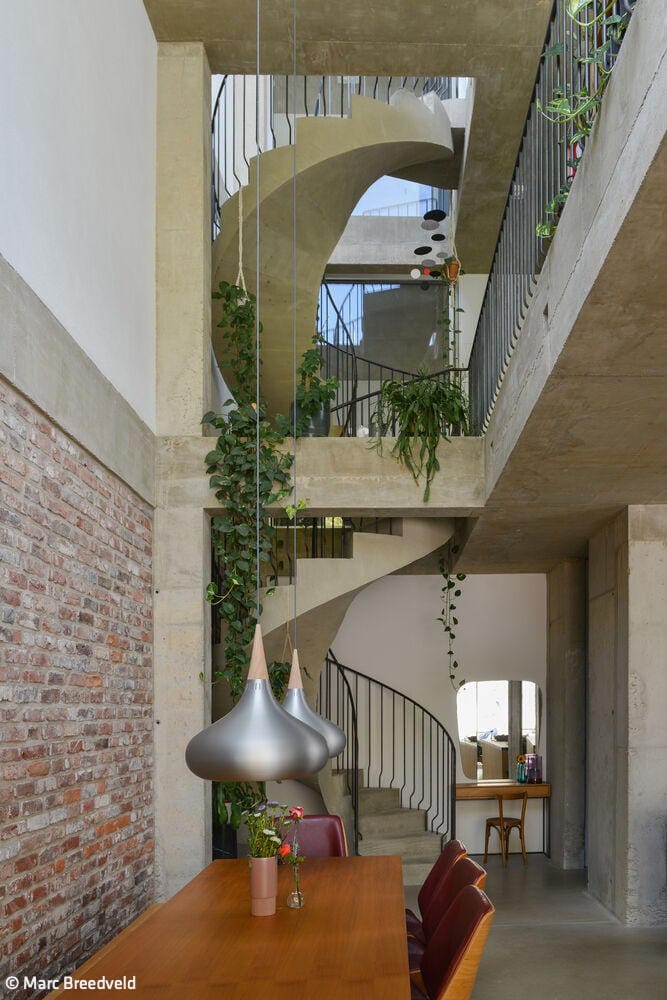
Open and Interactive
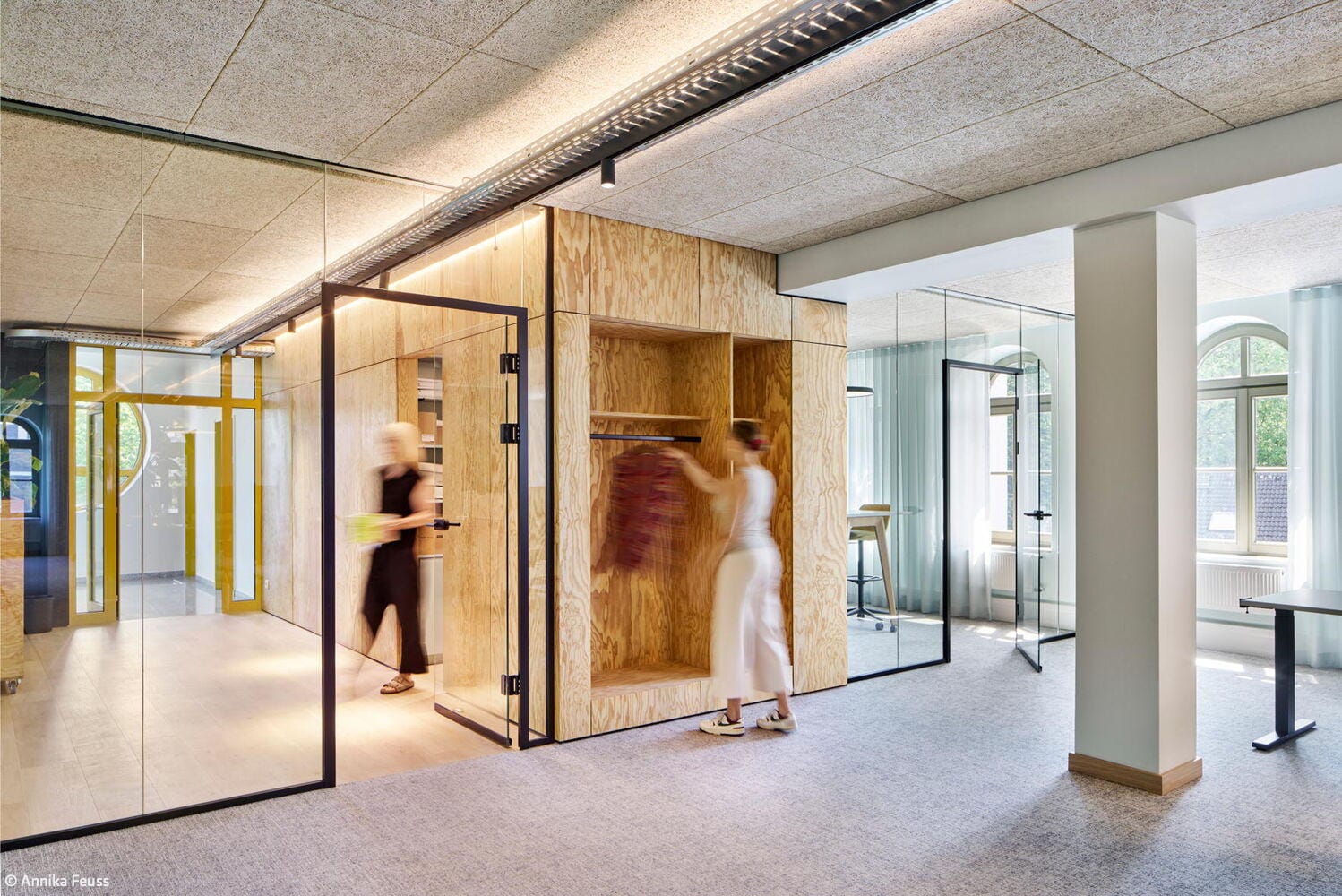
An Ehrenfeld extension creates an urban retreat with abundant shared spaces

Furniture with a History
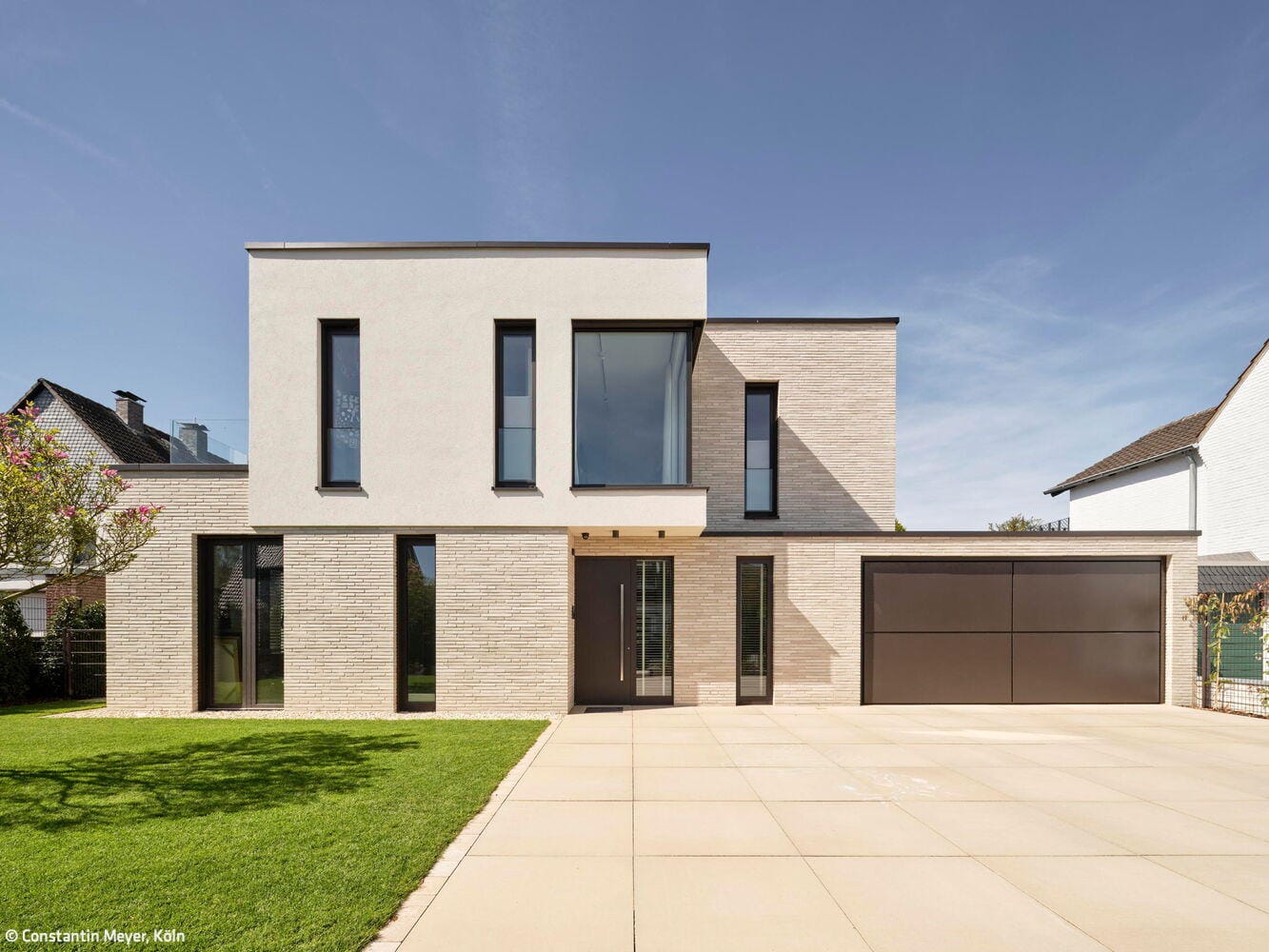
Where Sustainability, Design, and Function Converge
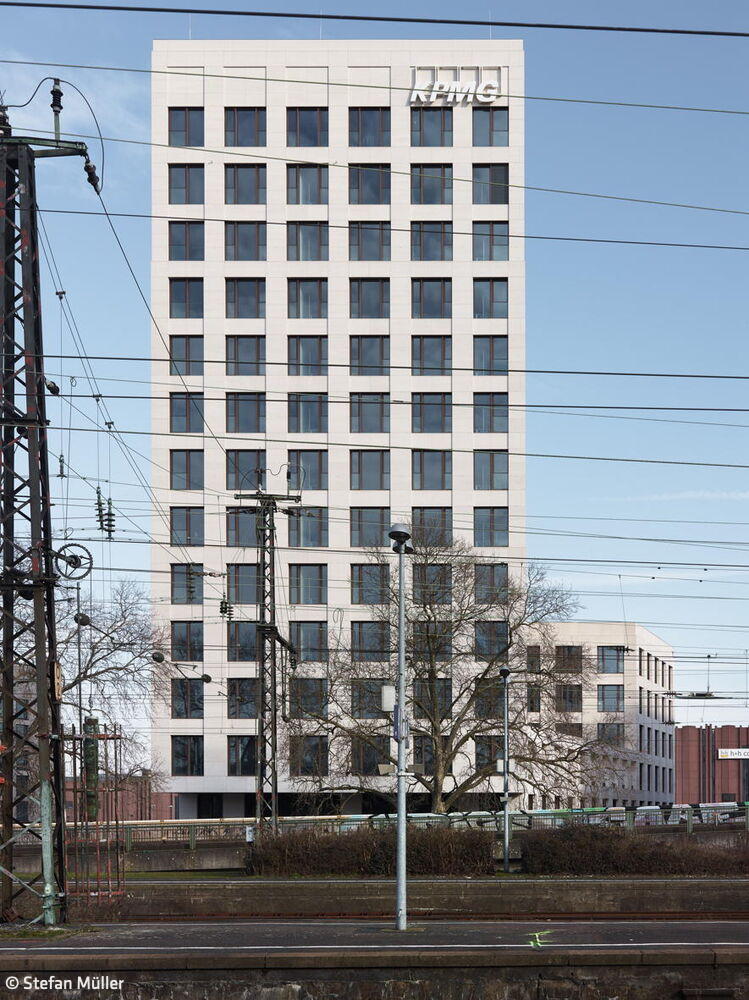
Radiant Landmark
The Centraal: a sculptural icon defining MesseCity's skyline