


A Green Zest for Life
In a tight urban space with minimal light, a truly remarkable city garden takes shape.
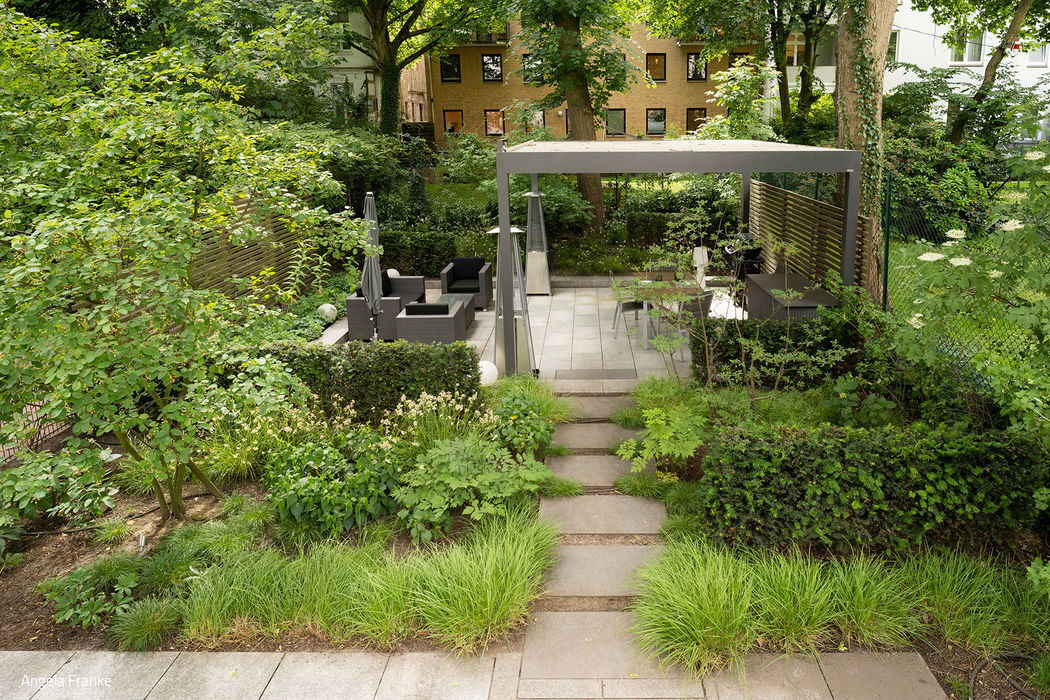
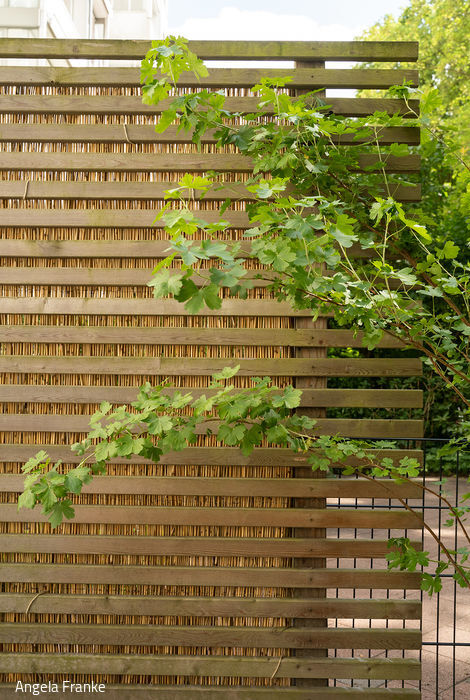
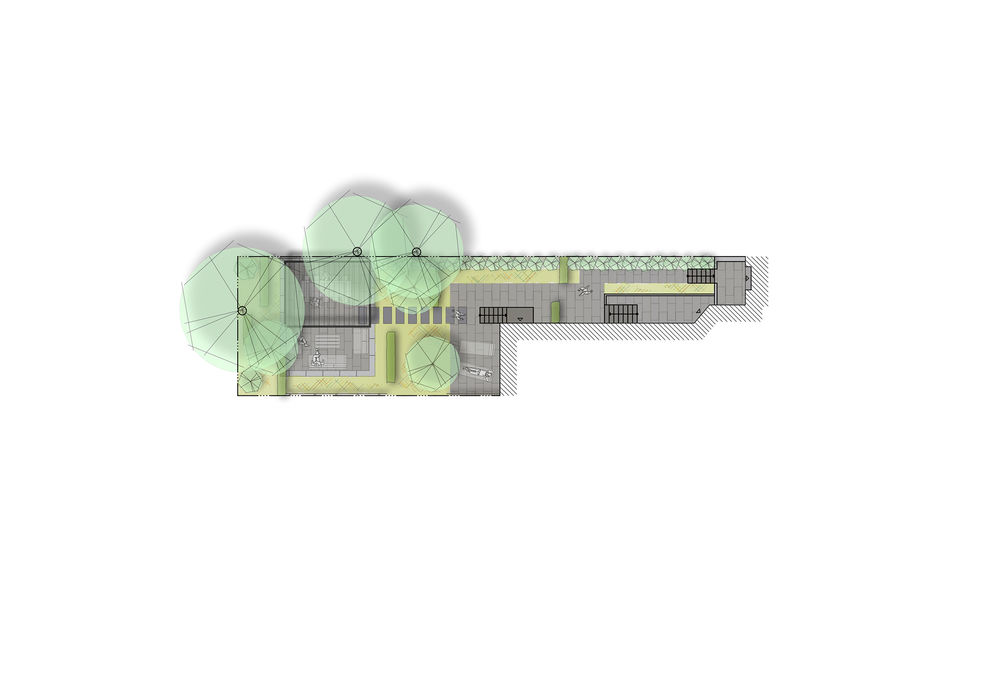
Hamburg's Wilhelmine-era neighbourhoods are coveted addresses. Characteristically, they feature densely built perimeter blocks with private courtyards—quiet enclaves defined by mature trees and a succession of adjoining gardens. This 171 m² garden, nestled on the ground floor of such a building, is no exception. The owners turned to landscape architect and gardener Soeren von Hoerschelmann with a clear vision: a garden that remains usable even during inclement weather, while offering genuine privacy. The obstacles were formidable—the entire space was sealed in concrete paving, and towering neighbours and trees cast deep shadows across the plot.
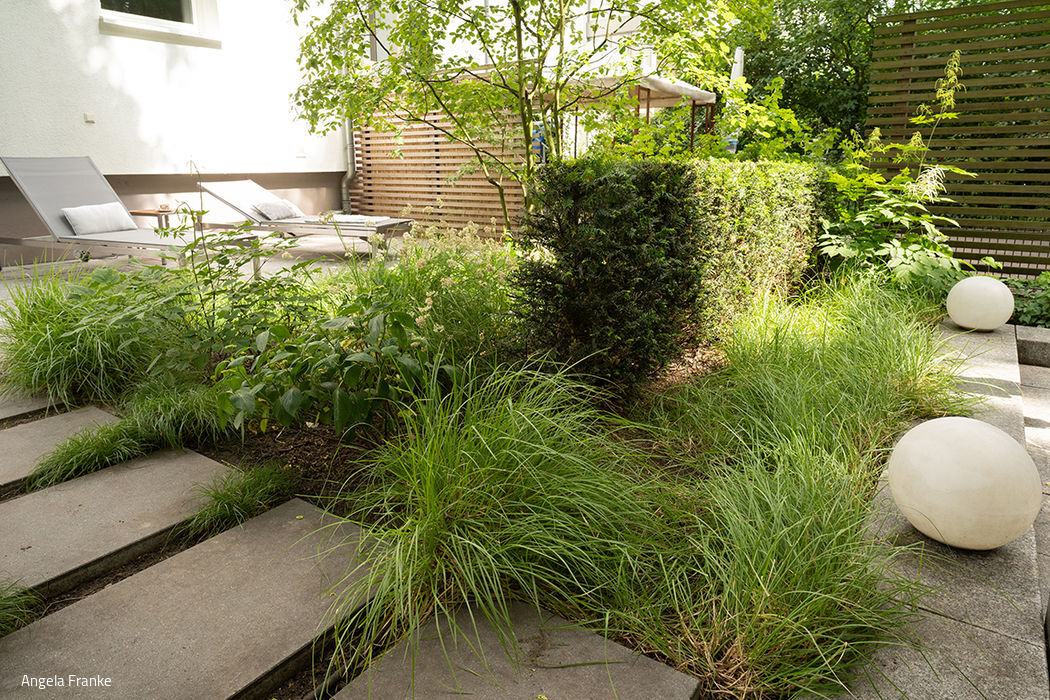
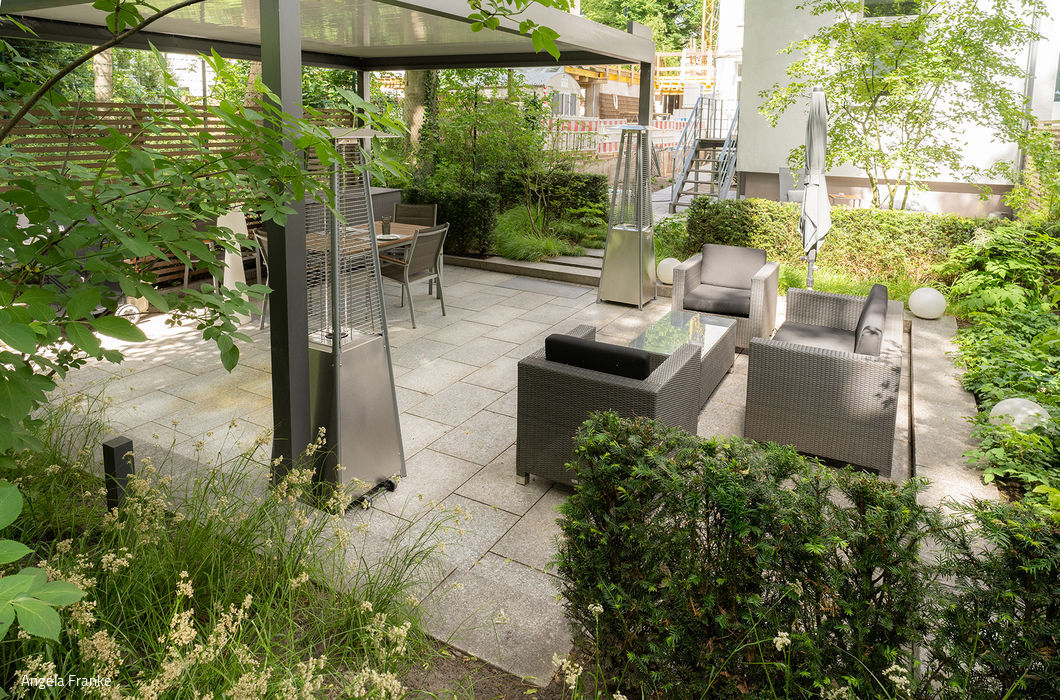
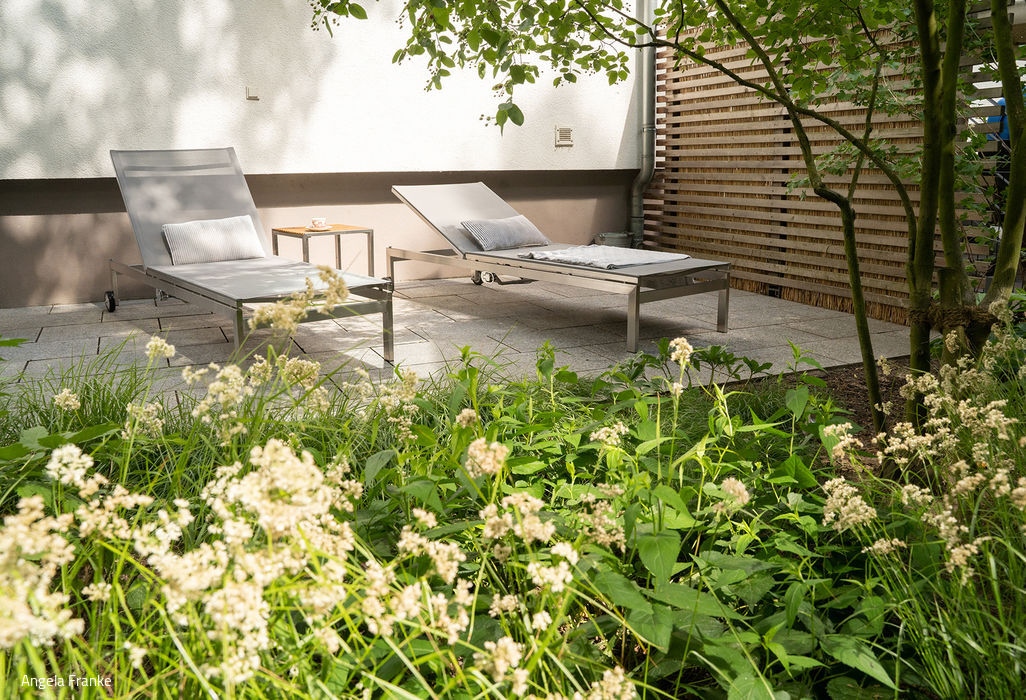
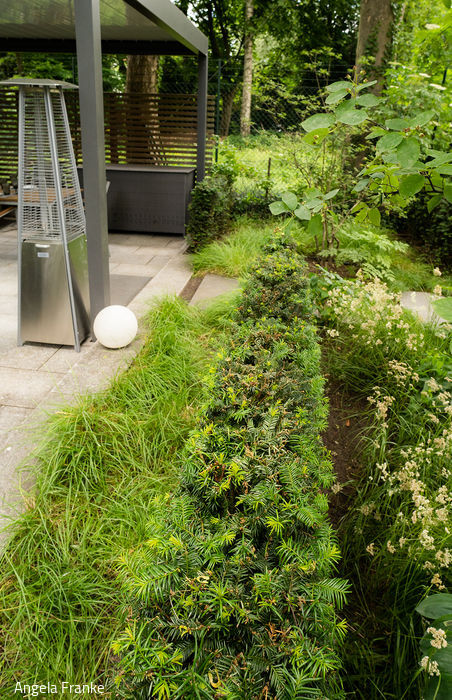
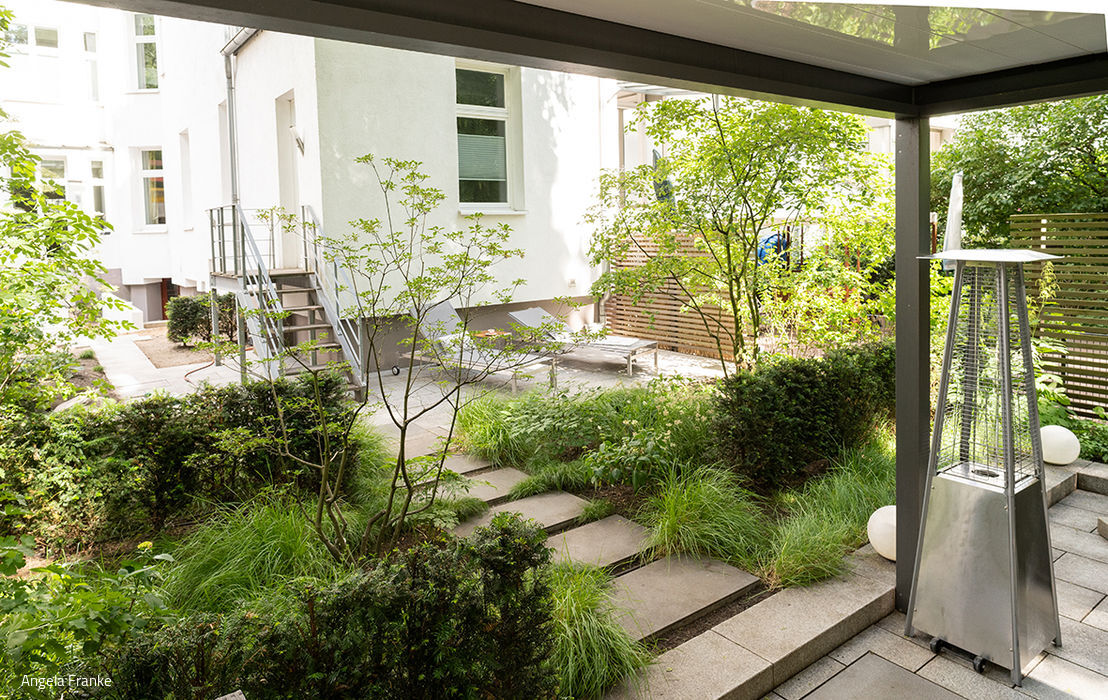
Drawing on the English sunken garden tradition of the early 1900s, Hoerschelmann created a contemporary interpretation that feels neither nostalgic nor contrived. Bordered by granite steps, the sunken garden itself becomes a tangible experience—a distinct spatial layer that enriches the otherwise flat terrain. Long hedges divide the space into progressively deeper zones, each inviting movement and growth. The result: a garden that reads far larger than its footprint. Like rooms in a home, each area flows naturally into the next, beginning with a narrow "hallway" that orients visitors toward how the space should be inhabited. The planting scheme adapts thoughtfully to shade and root competition from the surrounding trees, featuring plate hydrangeas, black cohosh, autumn sedge, woodland sedges, epimedium, oriental lilies, golden currants, European yew, Japanese weigela, and copper rock pear. Existing rhododendrons were carefully repositioned to integrate with the new design.
The louvre roof works overtime—shielding the garden from unwanted views, rain, and debris from overhead branches, while remaining operable for open-air enjoyment. The result: outdoor living for nearly twelve months. Louvre roofs are architecturally assertive elements that can easily dominate a space. Here, Hoerschelmann achieved something subtler: the structure commands attention without stealing the show. Positioned within the garden's green surroundings, it assumes its proper role. Light-coloured granite paving amplifies the limited natural light, transforming this challenging microclimate into a warm, inviting environment. The garden has earned recognition as one of the "50 Most Beautiful Gardens of 2023," featured in the acclaimed publication by Callwey Verlag.
www.gaertenvonhoerschelmann.de
Photography Credits:
Angela Franke
www.angelafranke.de
(Published in CUBE Hamburg 01|23)
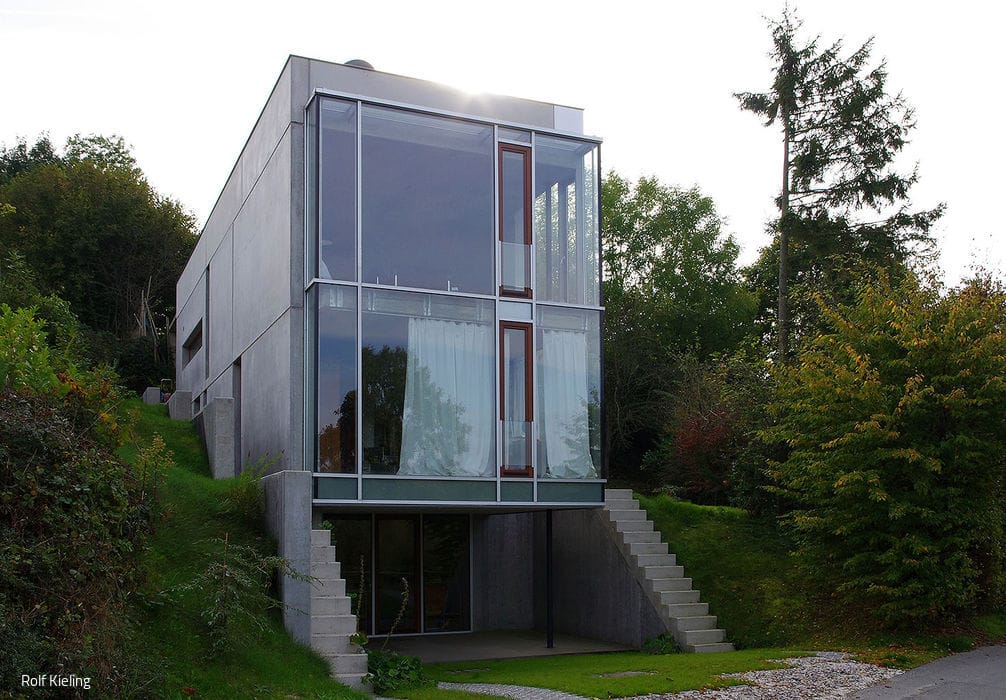
In dialogue with the environment
Generously Flowing Spaces on a Narrow Sloping Plot
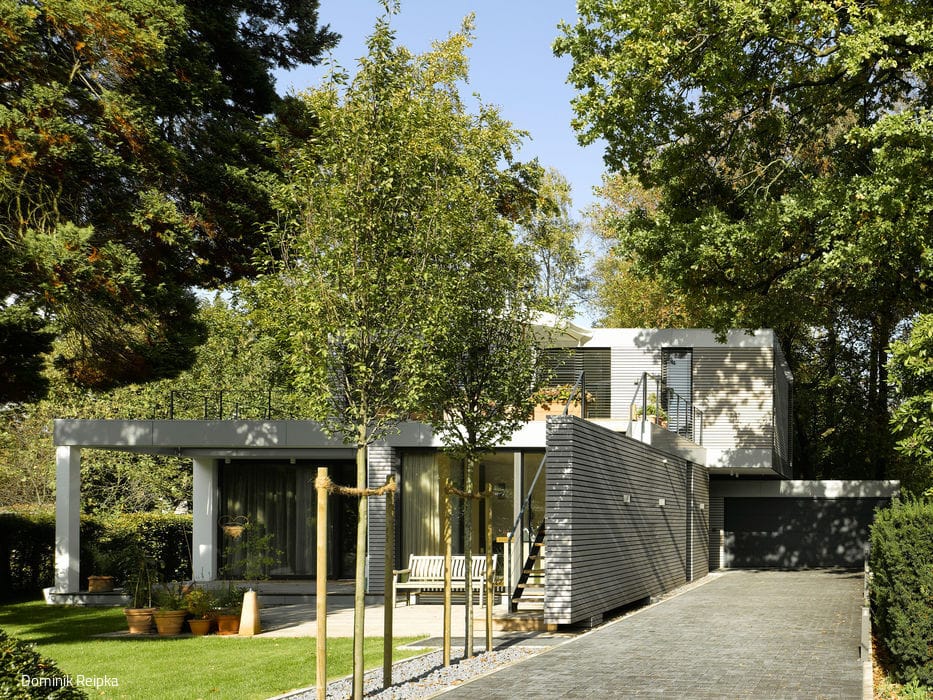
Future retirement home
How do you reinvent home when the nest empties?
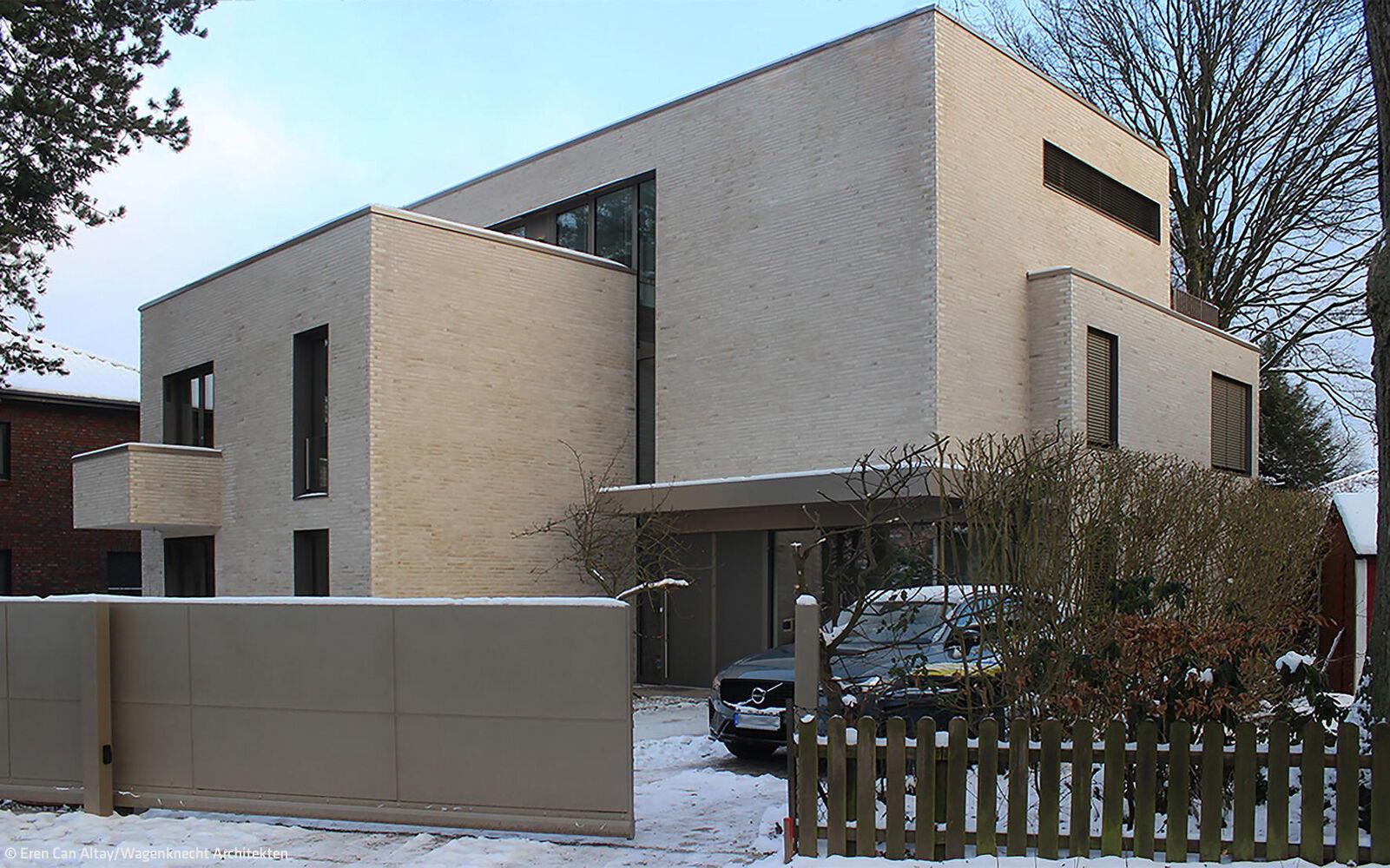
More substance than appearance
Three Apartments, One Building, Three Separate Entrances
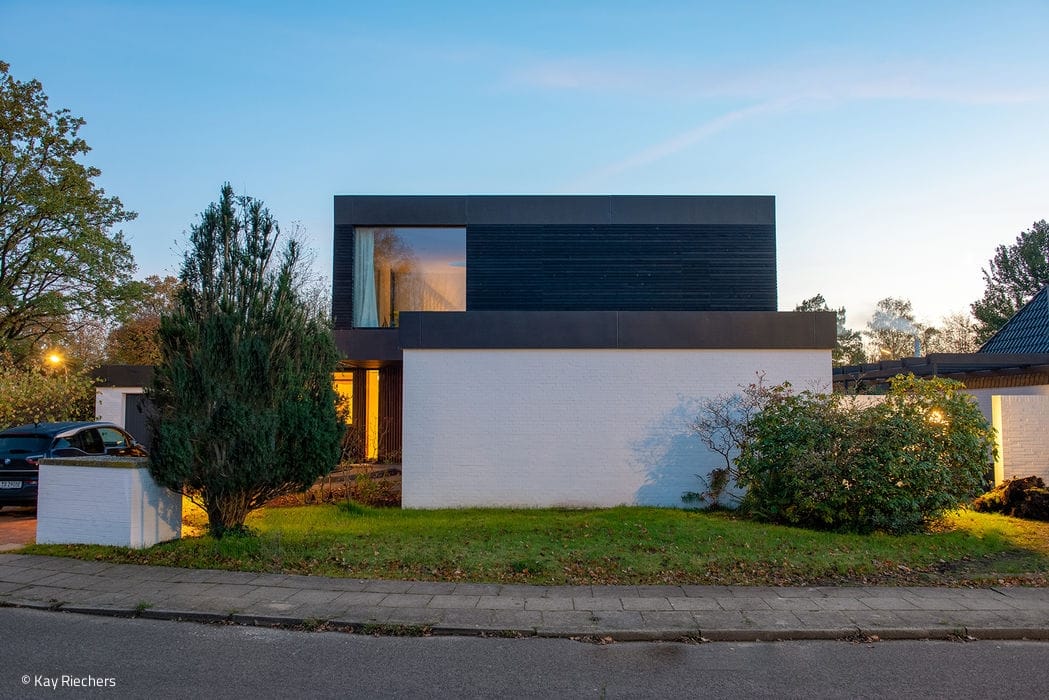
A Real Treasure
Revitalizing a 1960s bungalow: uncovering architectural potential