


A Different Approach to Integration
A former institutional campus transforms into a flexible, inclusive neighbourhood where all are welcome
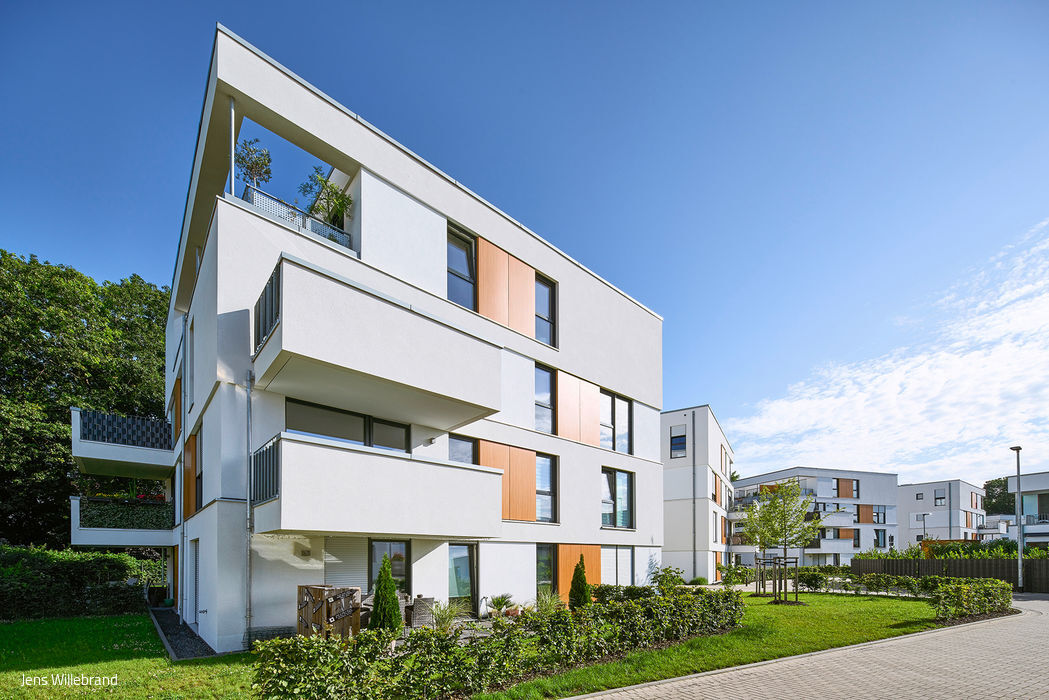
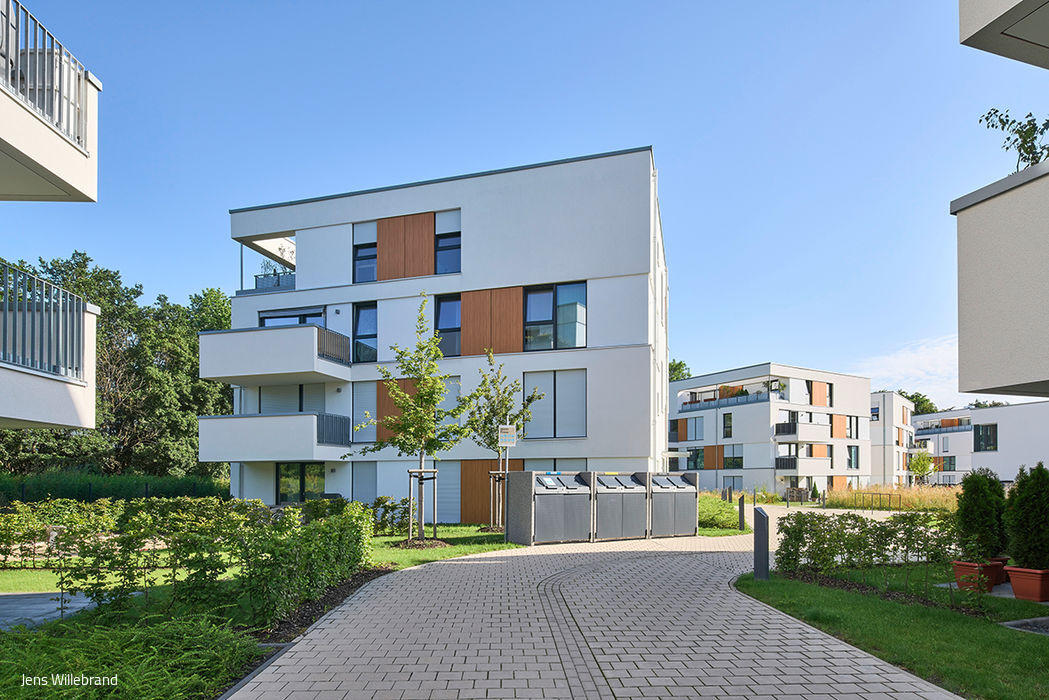
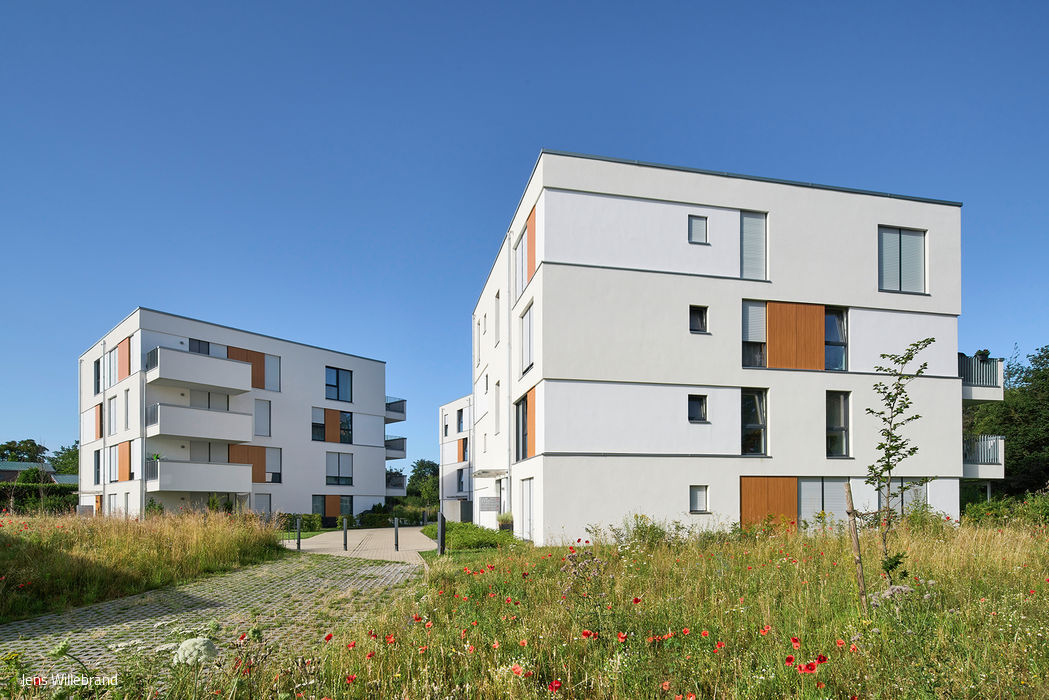
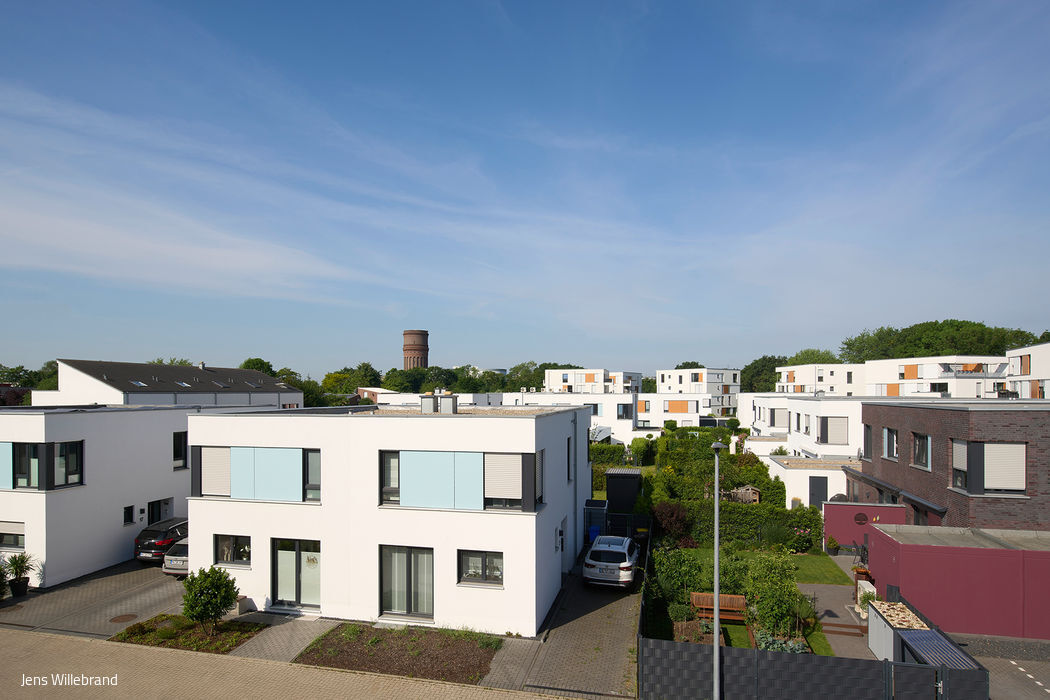
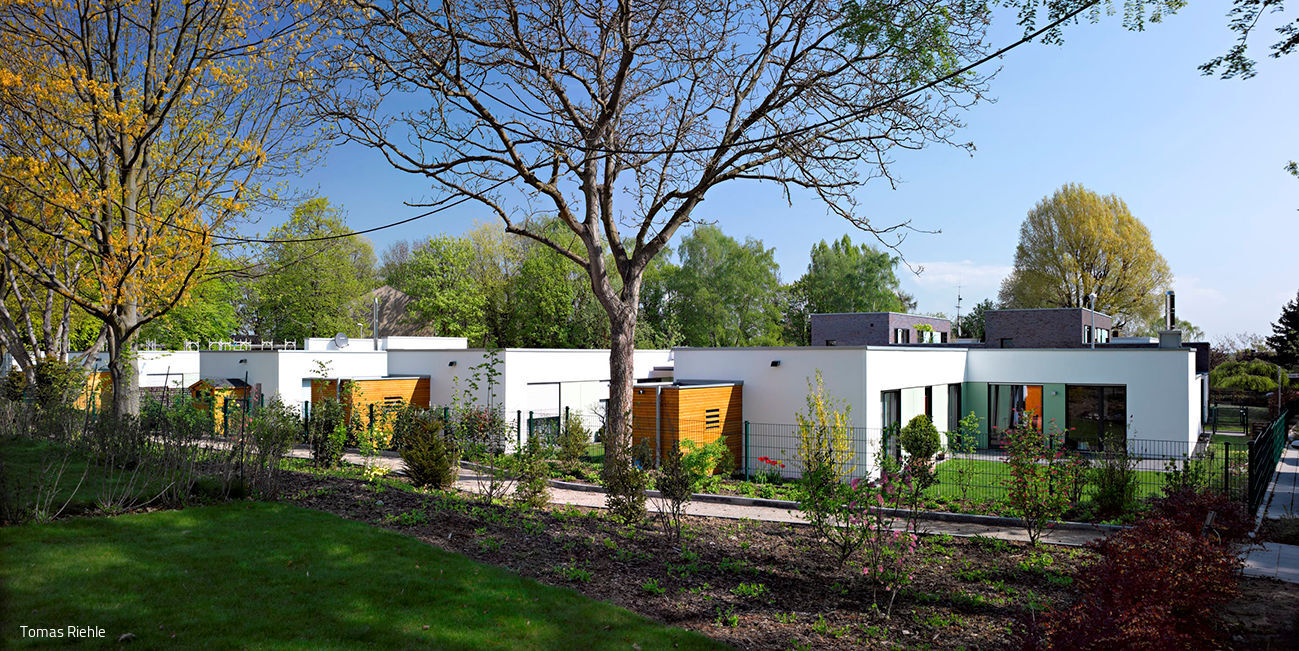
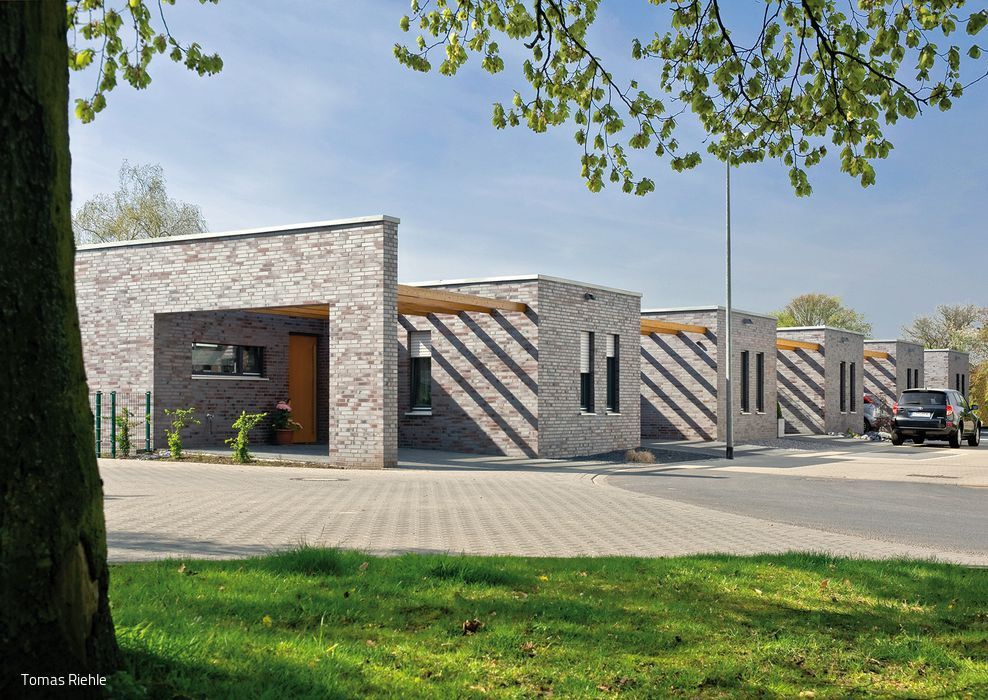
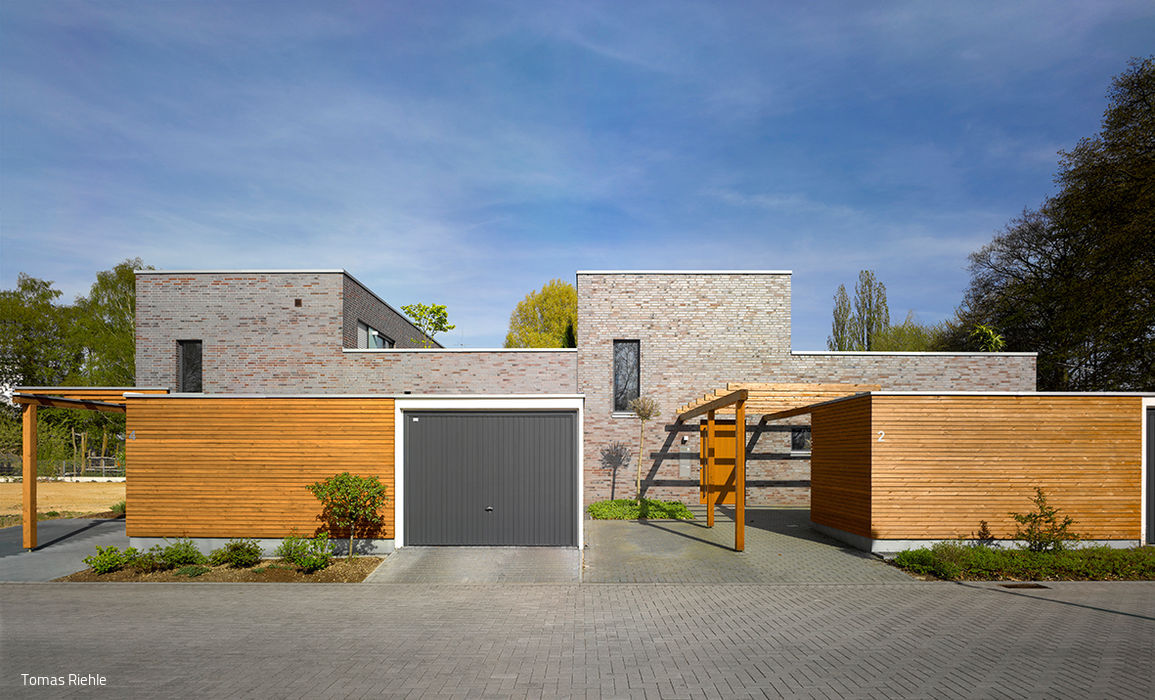
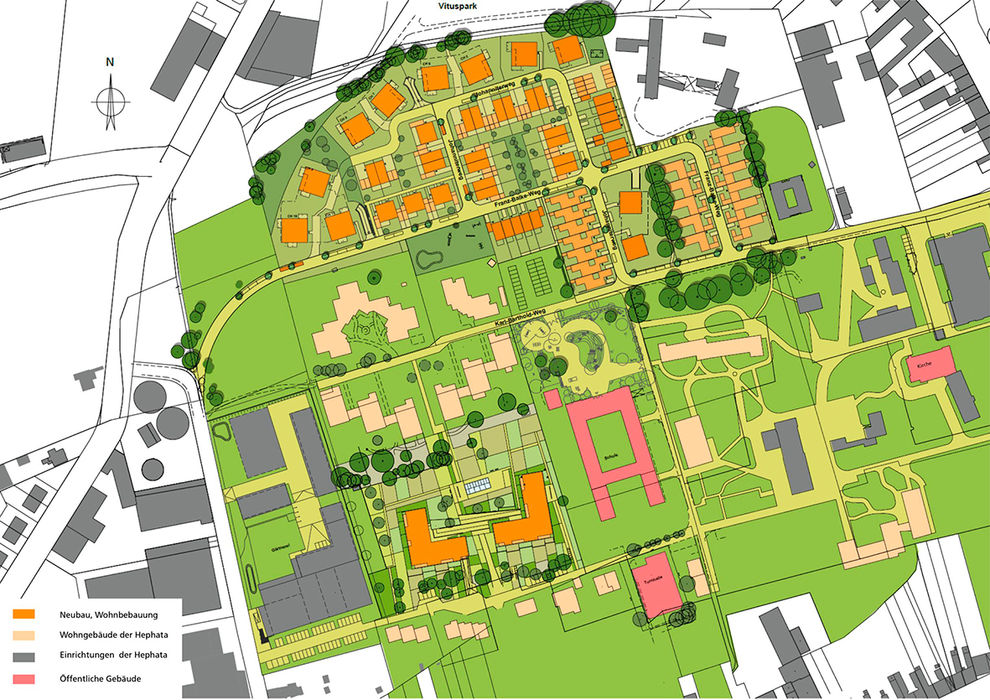
The Vituspark neighbourhood in Mönchengladbach carries a complex social legacy. Situated almost exactly where the city centres of Rheydt and Gladbach meet, this 3.6-hectare site once served as an isolated residential and work community for people with disabilities, managed by the Protestant Hephata Foundation. Severed from the surrounding neighbourhood, it operated largely disconnected from city life. That began to change only with the inclusion movement that gained momentum from the turn of the millennium onwards. Tellingly, it was Hephata itself that spearheaded this transformation—initiating a shift toward decentralization and greater integration both in care provision and community interaction. Between 1995 and 2015 alone, the foundation established inclusive housing projects across 36 locations throughout North Rhine-Westphalia and at over 170 addresses, each embedded in genuine neighbourhoods. Eventually, a pivotal question emerged: what future could the increasingly vacant core campus site at Vituspark have?
In 2007, Hephata partnered with Mönchengladbach architects Schrammen to establish projektentwickler wohnen 2030, a project development company with an ambitious goal: reintegrate the artificially isolated institutional grounds back into the urban fabric and restore a genuine sense of community. This vision encompassed both coexistence with remaining Hephata facilities and thoughtful internal organization of the residential quarter itself. The Vituspark neighbourhood was deliberately designed to accommodate evolving lifestyles—couples, families, and individuals of all generations. Housing diversity was prioritized from the outset: beyond conventional market-rate homes like garden courtyard houses, semi-detached and patio homes, the development introduced "campus houses"—adaptable three-storey rental units that can house multigenerational families or combine work and residential spaces. Over more than a decade, this park-like setting with established trees evolved into an accessible, vibrant residential community offering urban amenities, proximity to the city centre, and easy access to care facilities, a special school with sports fields, and workshops for people with disabilities. Seven construction phases yielded 138 residential units total. The final chapter unfolds with the "Alte Gärtnerei" (historic nursery site): approximately 50 additional rental apartments across two residential buildings, thoughtfully designed with flexible home office spaces, individually managed garden plots, and a shared greenhouse. At Vituspark, urban transformation has become tangible—a genuine structural shift within the city's fabric achieved in less than a decade.
Photography Credits:
Jens Willebrand
www.willebrand.com
Tomas Riehle
www.tomas-riehle.de
(Published in CUBE Düsseldorf 03|22)



Transparent and Respectful
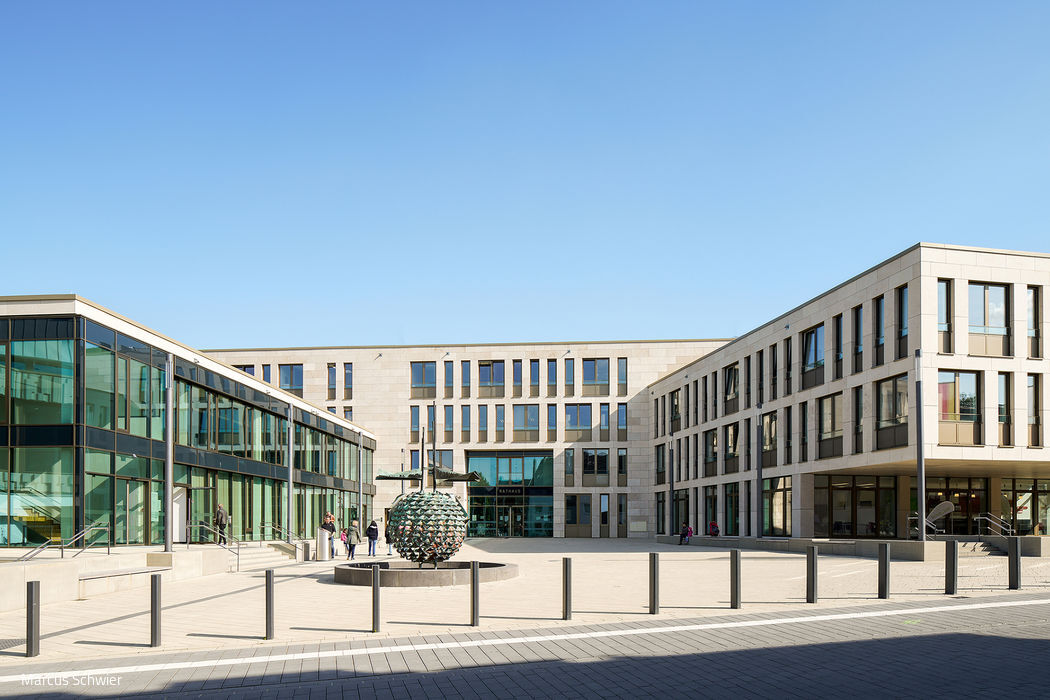
Ratingen's new town hall sensitively weaves together past and present, creating a sustainable architectural dialogue.
Setting sail for a different life
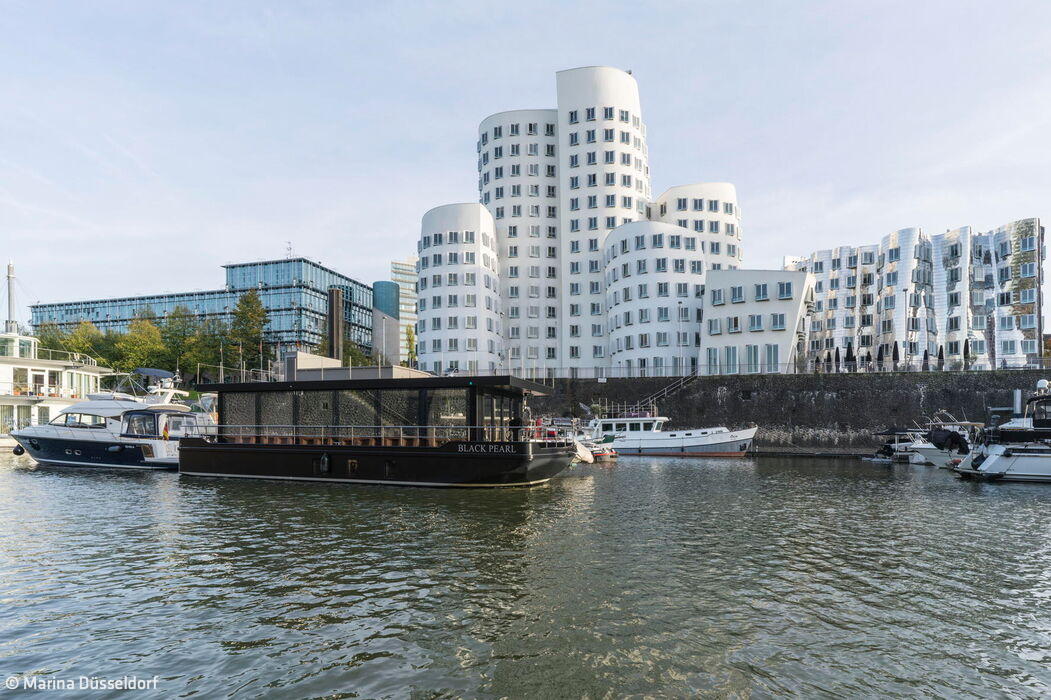
The pandemic gave us working from home. Before that came New Work. Now, perhaps, New Living?

Commanding presence
Where tradition and modernity converge—a thoughtfully designed family residence
Sustainable and Restrained
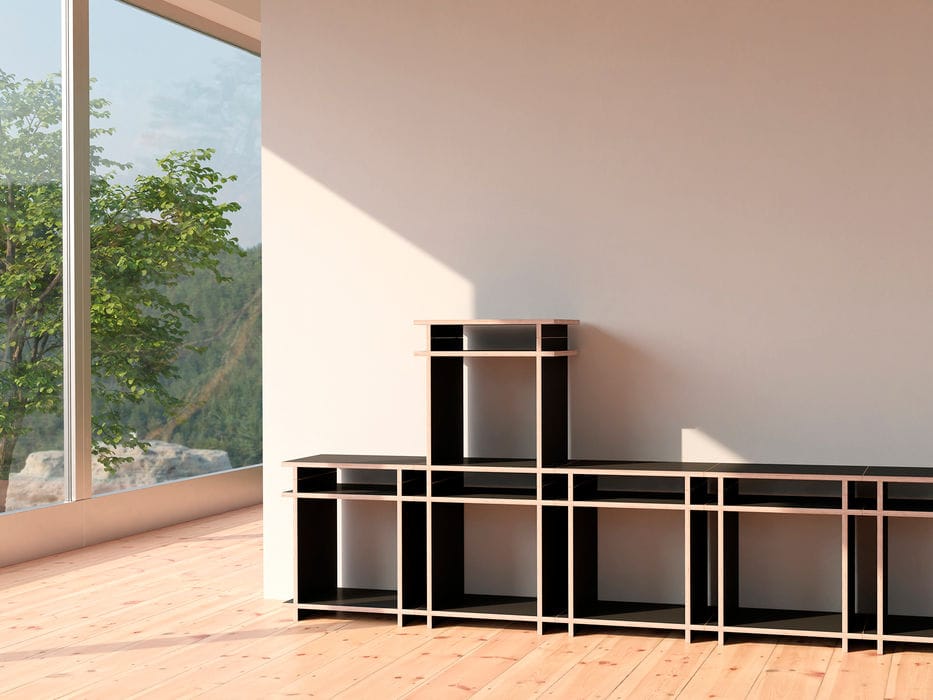
"Less is Future"—this principle shapes every aspect of KIYO's design and production.