


Breathing New Life into Historic Structures
A former consumer cooperative reimagined as offices and beyond
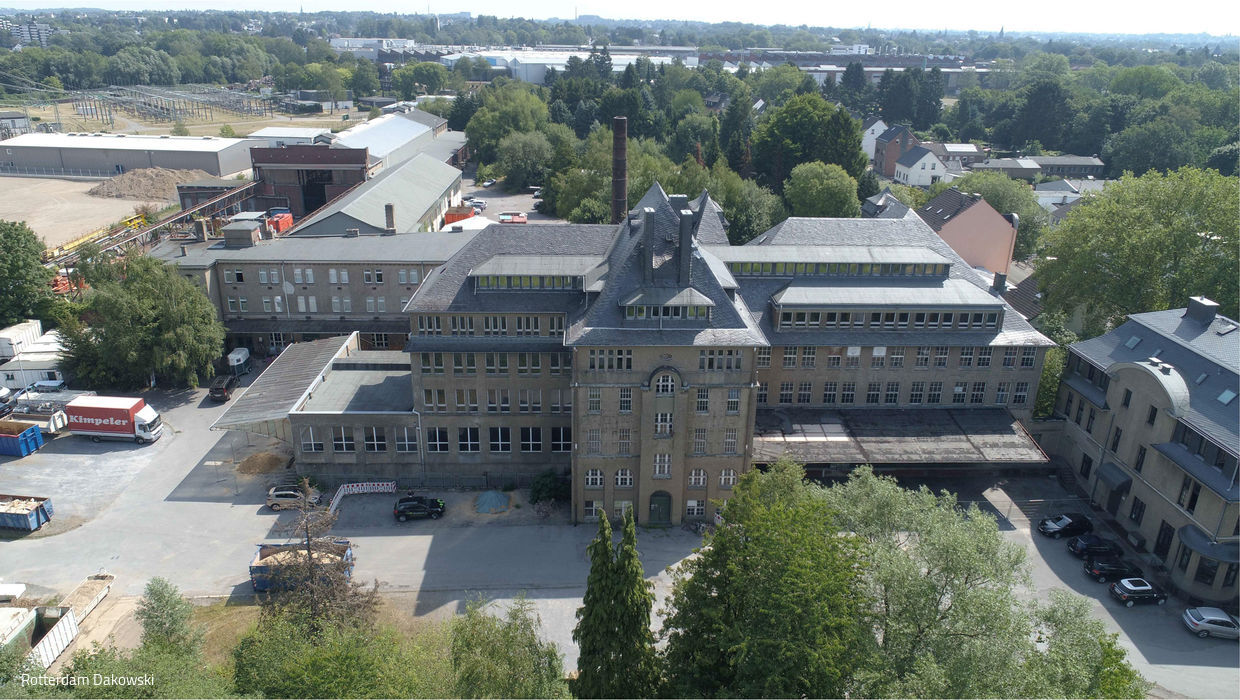
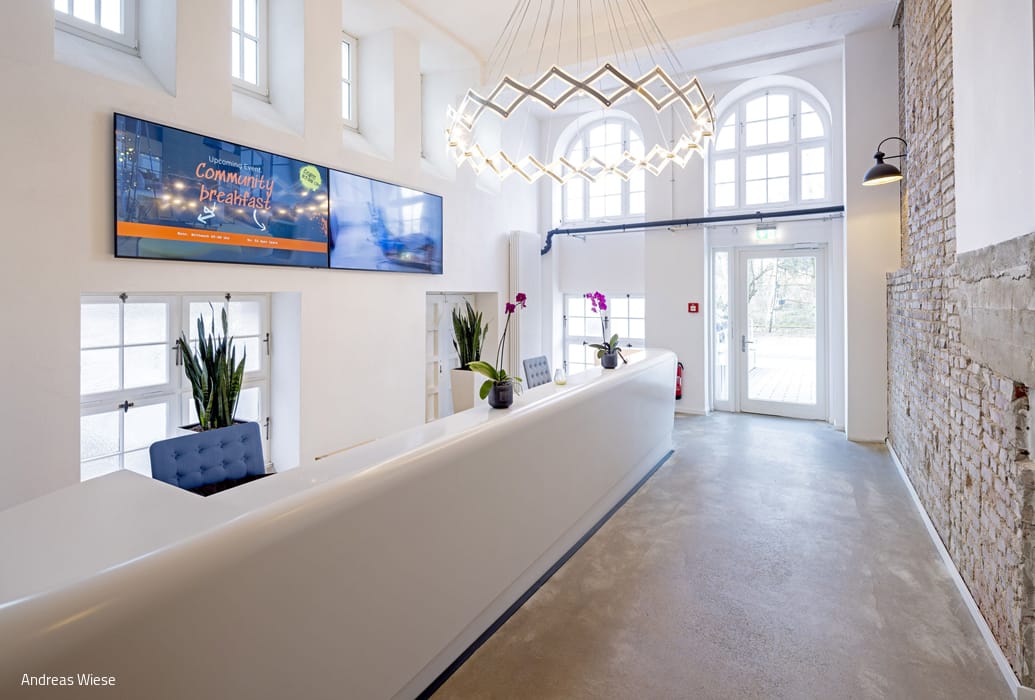
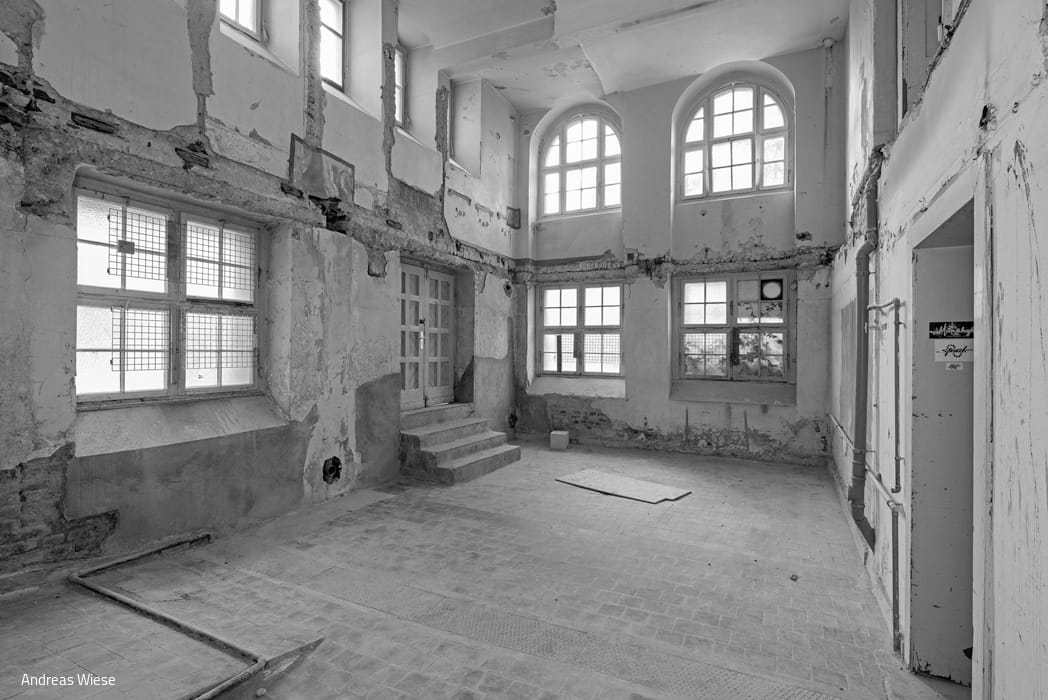
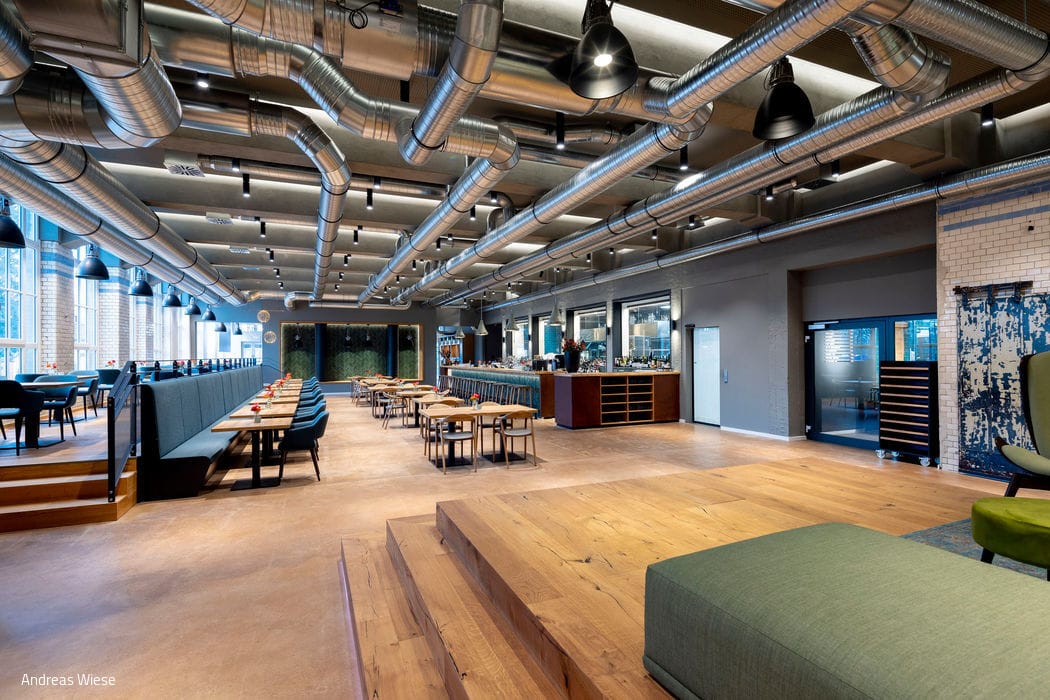
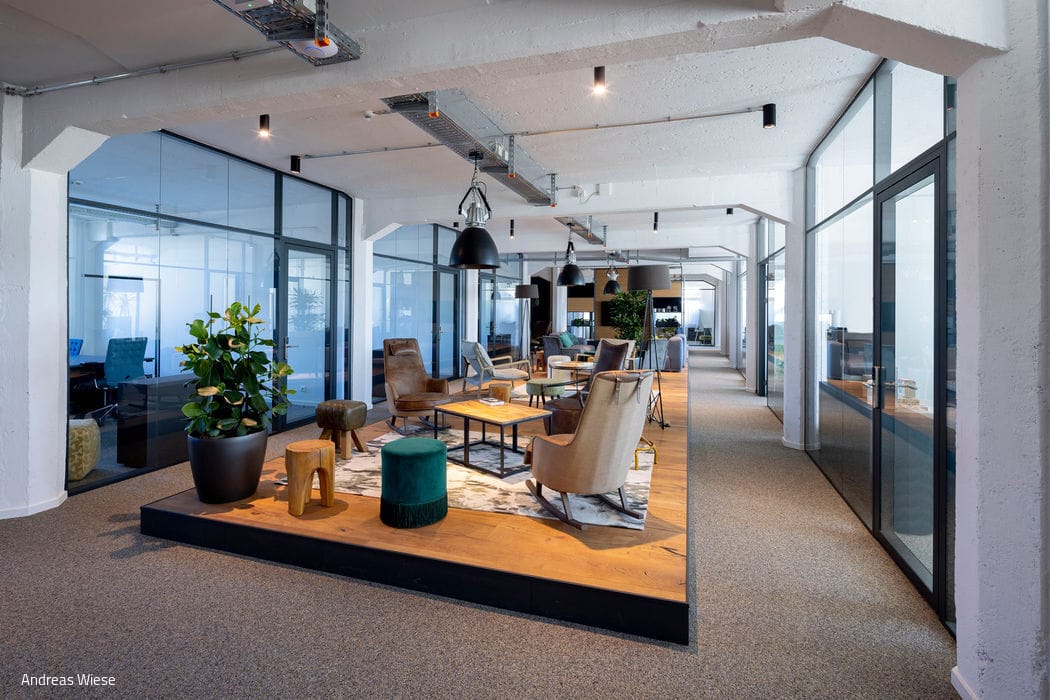
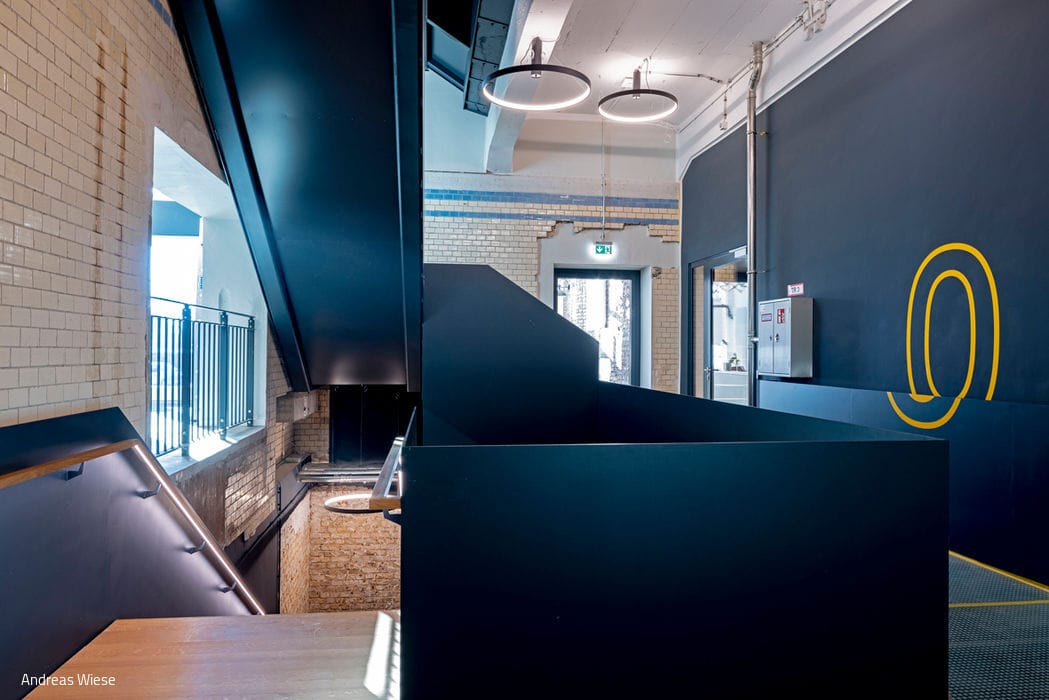
Starting in 1915, the "Solidarity Consumer Cooperative" operated from a substantial building complex on Prinzenstraße in Ohligs—a hub for food warehouses, large-scale bakery operations, and periodically, beer and soft drink bottling. Through the 1960s, members enjoyed the advantage of purchasing groceries at cooperative rates. Today, the 8,800 m² site of this former central warehouse has been thoughtfully revitalized, preserving the flexible industrial architecture while introducing contemporary office spaces, collaborative work areas, upscale dining, and fitness facilities. The Leverkusen-based architectural practice Rotterdam Dakowski led this sensitive transformation, ensuring that the building's historic character remained visible throughout the meticulous renovation process.
The project prioritized optimal use of the existing footprint while integrating modern technical infrastructure and new utility systems—all without compromising the buildings' original structural identity. The primary obstacles were significant: years of vacancy had taken their toll, and deferred maintenance created substantial challenges. Corroded reinforced concrete elements in the main structure required careful removal and restoration. The team successfully preserved and restored the historic wooden windows, recreated the distinctive English dash plaster façade, and maintained the intricate slate roof and historic stairways—now repurposed as emergency exits. In close coordination with heritage authorities, each element was restored to ensure that portions of the building could be designated as protected monuments upon completion. A new generously proportioned staircase featuring oak treads and steel stringers was seamlessly integrated into the design. The restaurant showcases refined interior architecture that honors the building's past—incorporating historic wall and floor treatments while accommodating state-of-the-art kitchen technology. This required comprehensive fire safety upgrades and structural reinforcement. The office spaces, meanwhile, offer flexibility: open-plan layouts with steel support columns defining the central zones, individual offices, and inviting roof terrace workspaces all coexist. Today, tech startups, marketing agencies, the City of Solingen's economic development office, and technical firms call this place home. Positioned at the intersection of a commercial zone and residential neighborhood, this once-overlooked industrial site has evolved into a vibrant urban destination—a place where work, dining, and community naturally converge.
Photography Credits:
Andreas Wiese
www.fotografie-wiese.de
(Published in CUBE Düsseldorf 04|23)



Riverfront Living
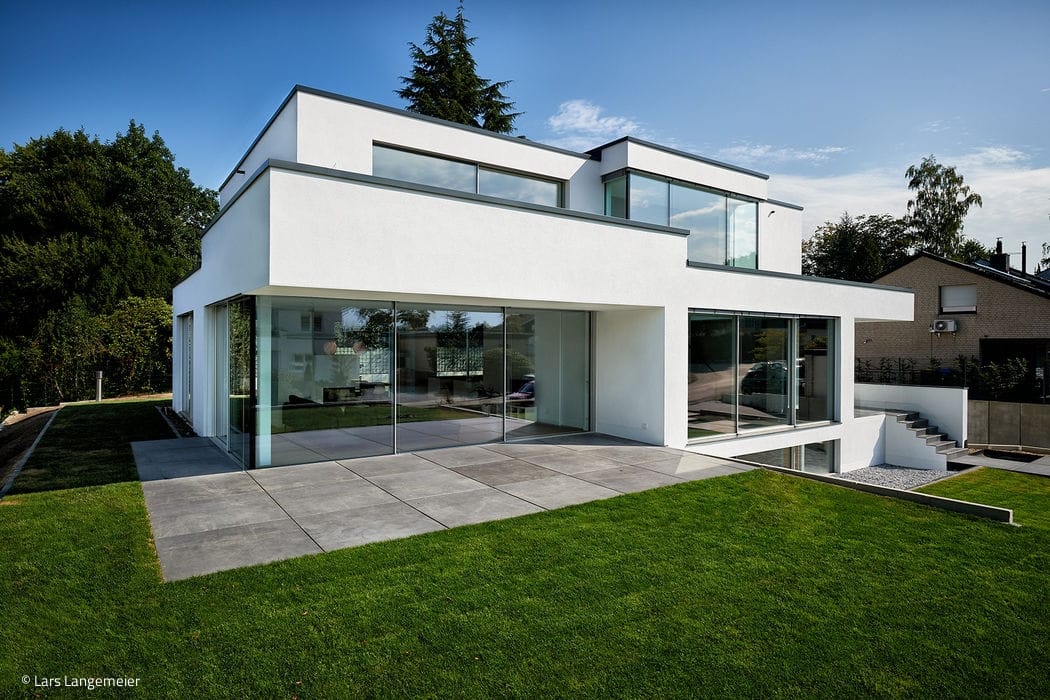
A generously proportioned residence that captures the river in all its dimensions

Modern Learning Environment
A Secondary School Extension in Ratingen Designed Around Educational Innovation
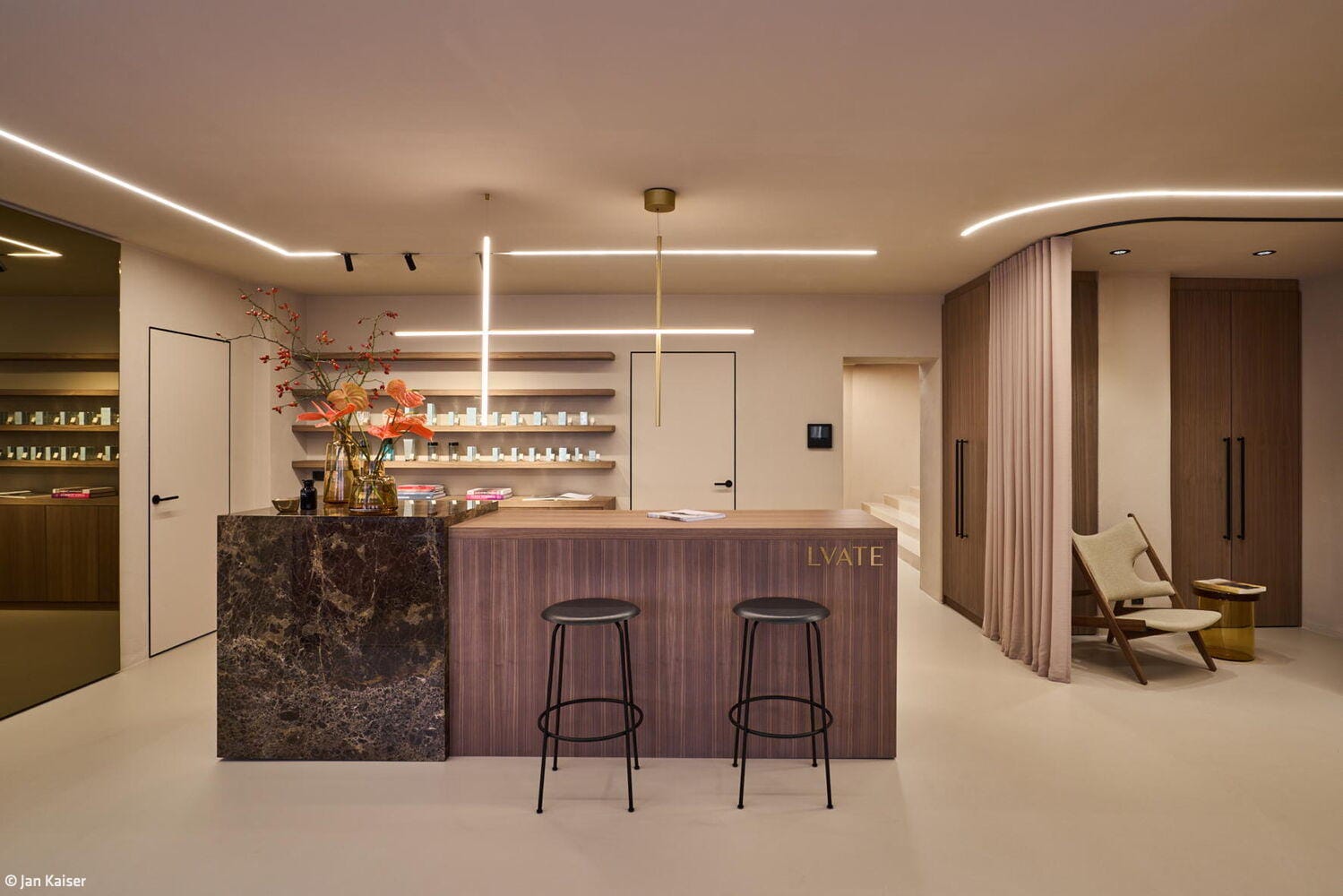
Practice at Ground Level
A Complex Renovation: Navigating Unexpected Obstacles
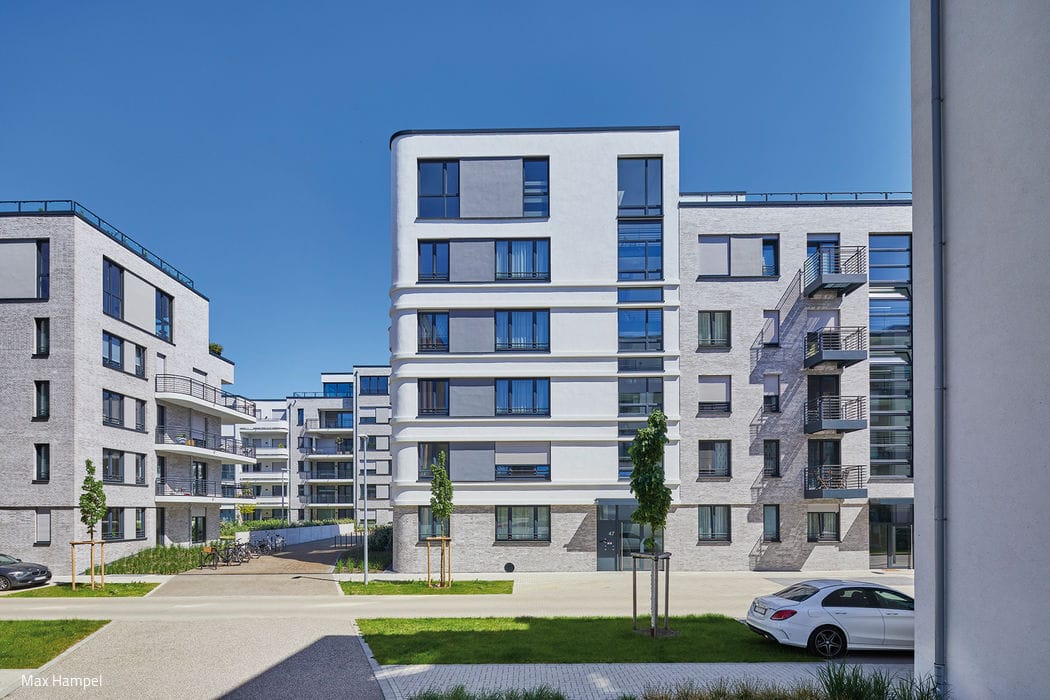
Grafental Meets White City
The result is a richly textured urban fabric—one where each building possesses its own distinctive presence.