


A Striking Contrast
Where historic grandeur meets contemporary design at the University of Applied Sciences for Finance in Nordkirchen
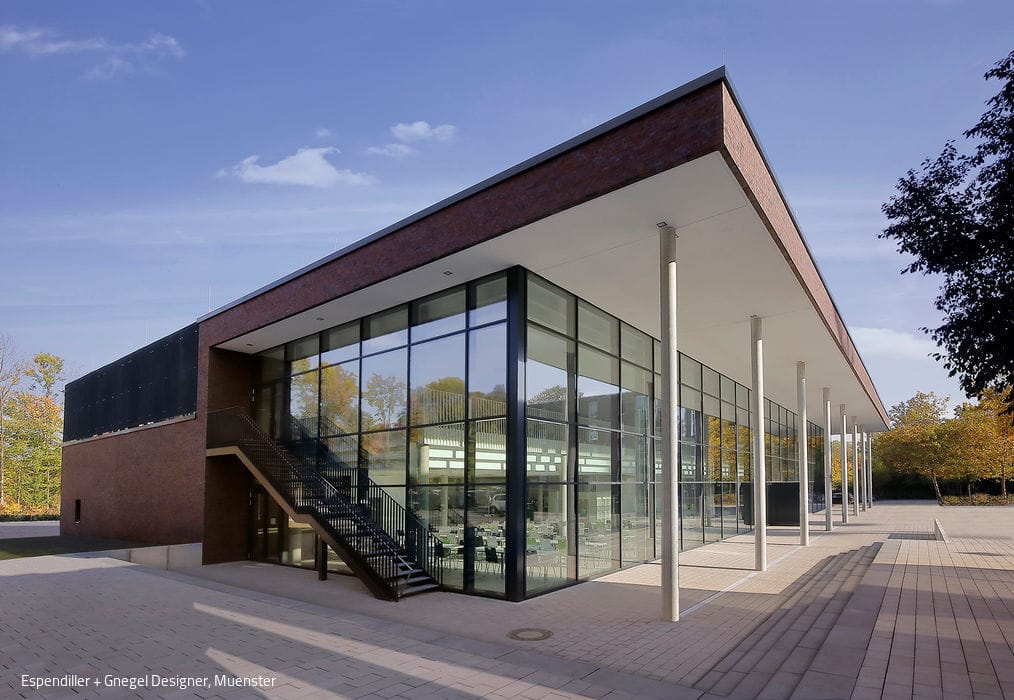
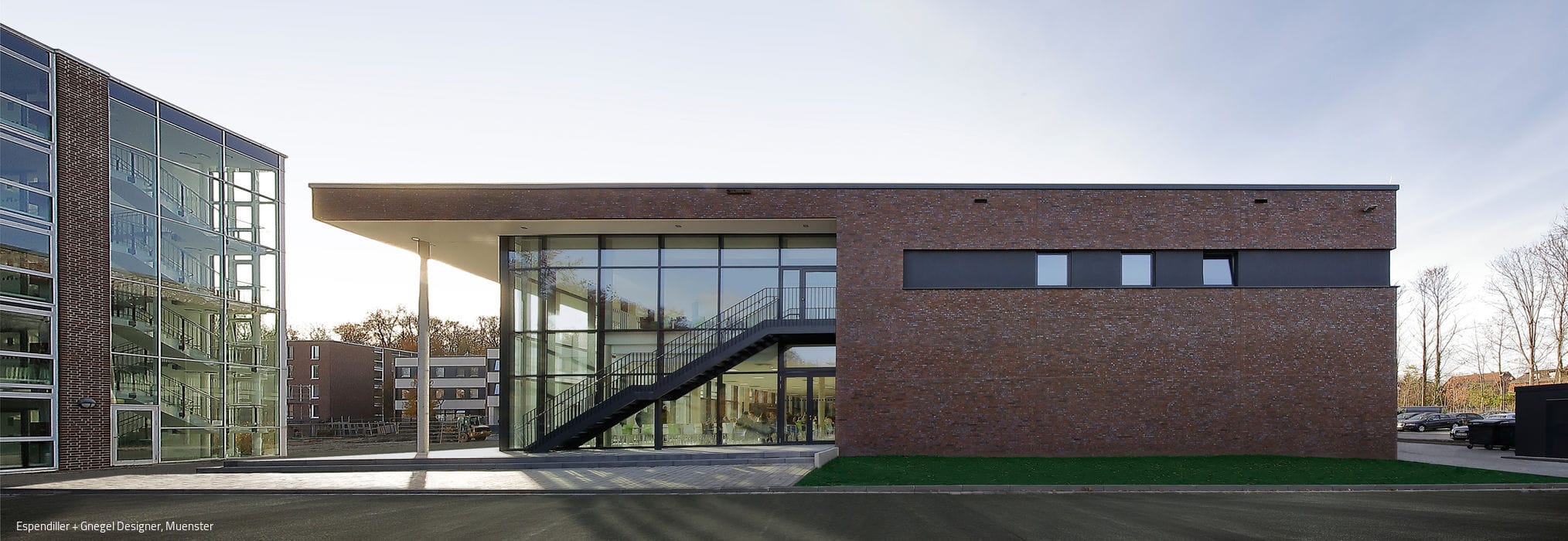
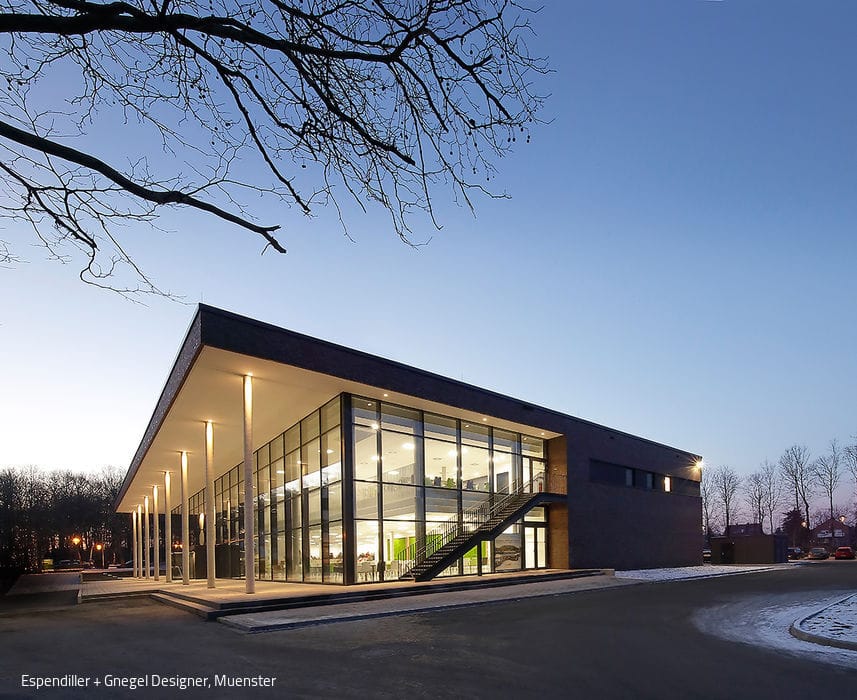
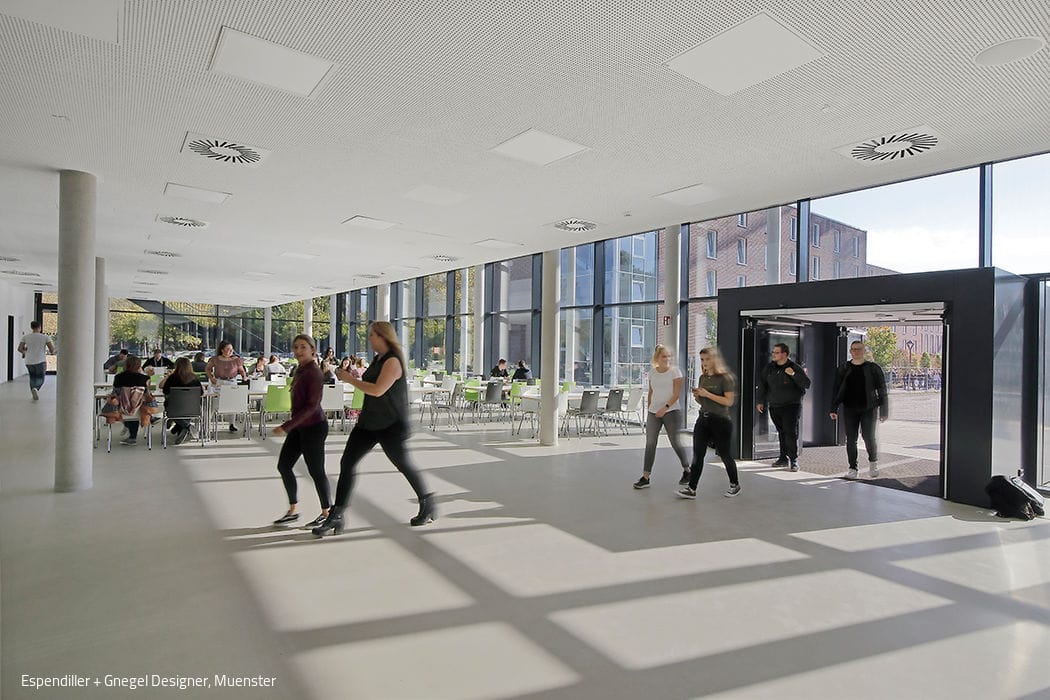
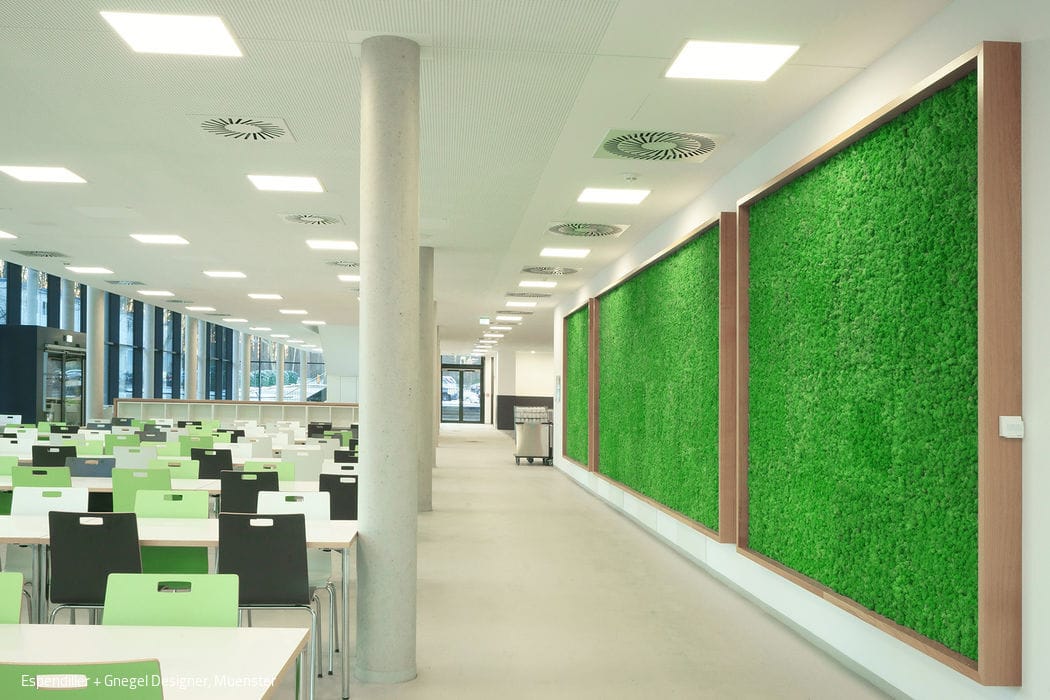
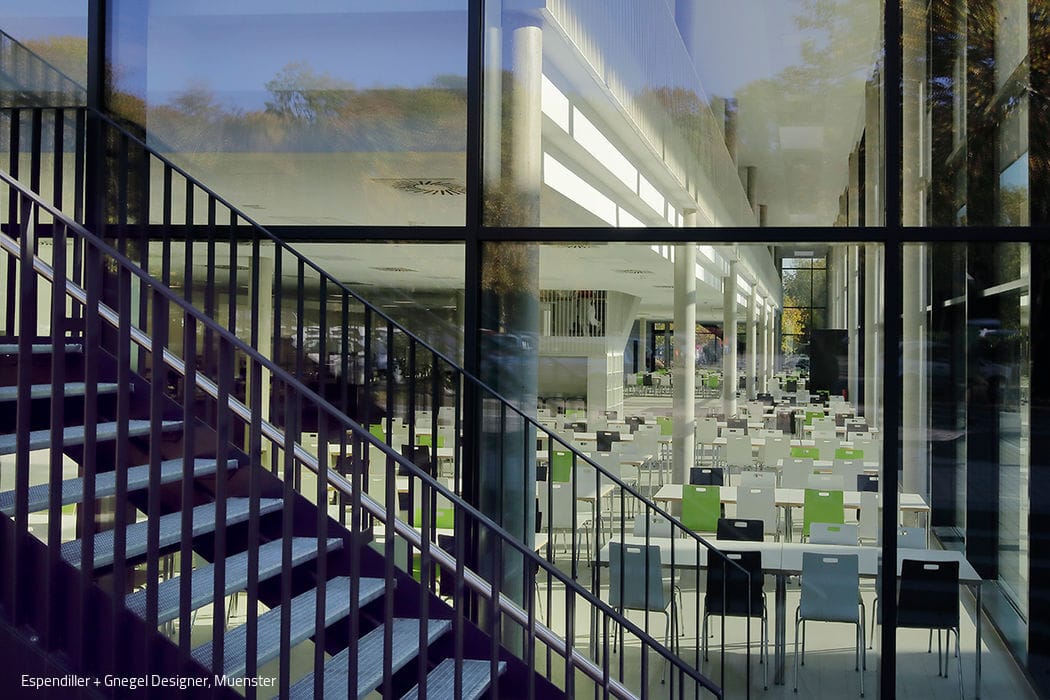
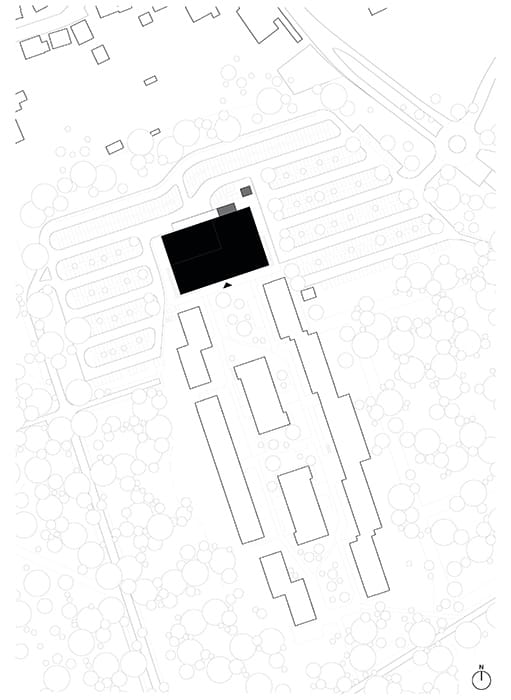
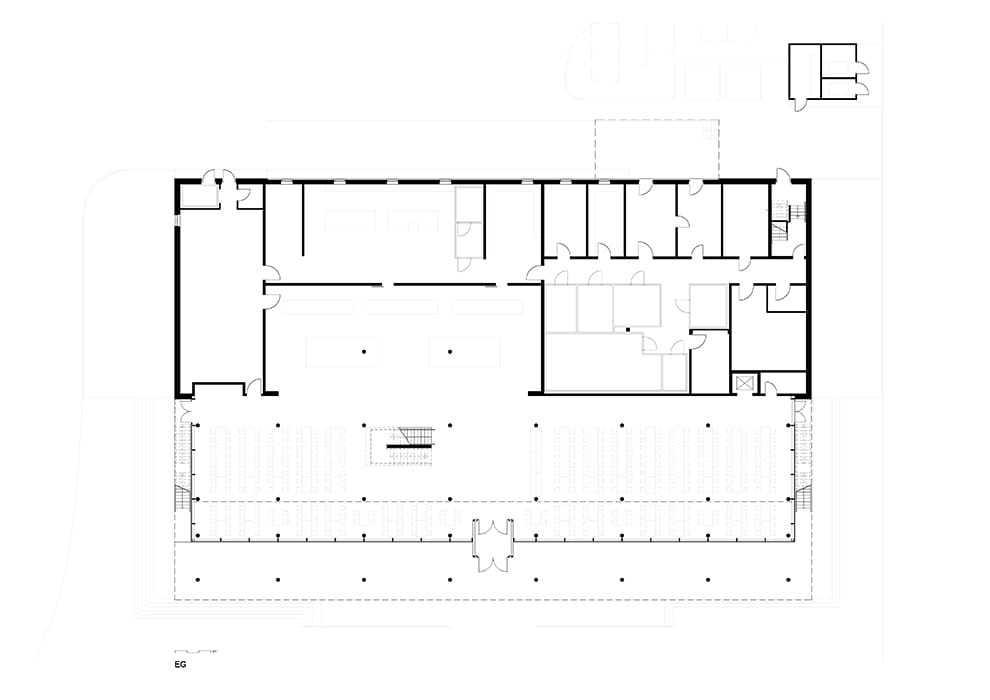
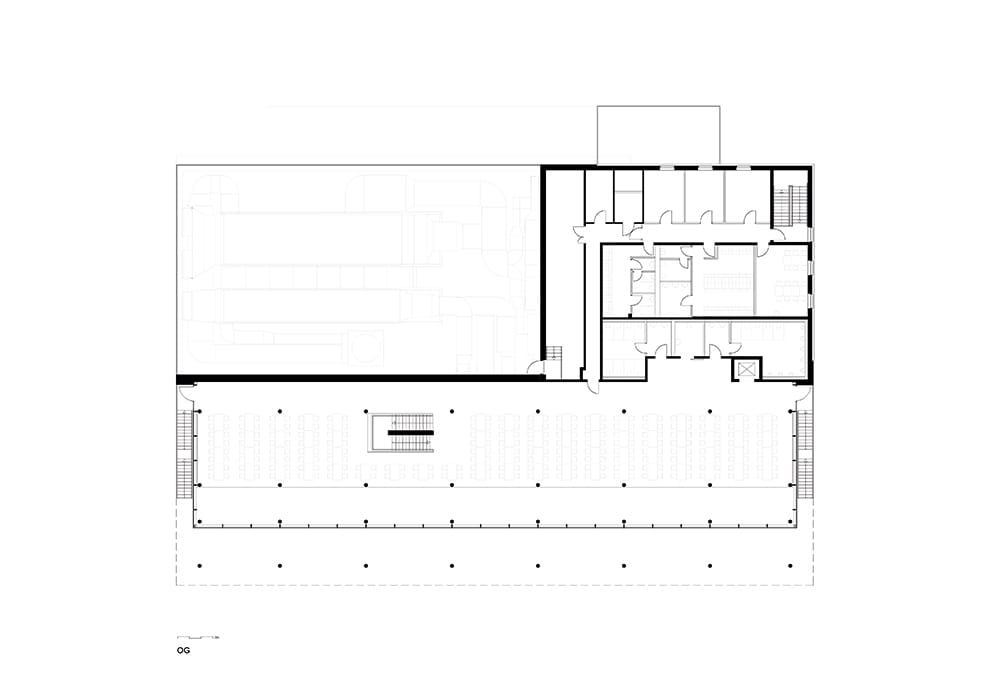
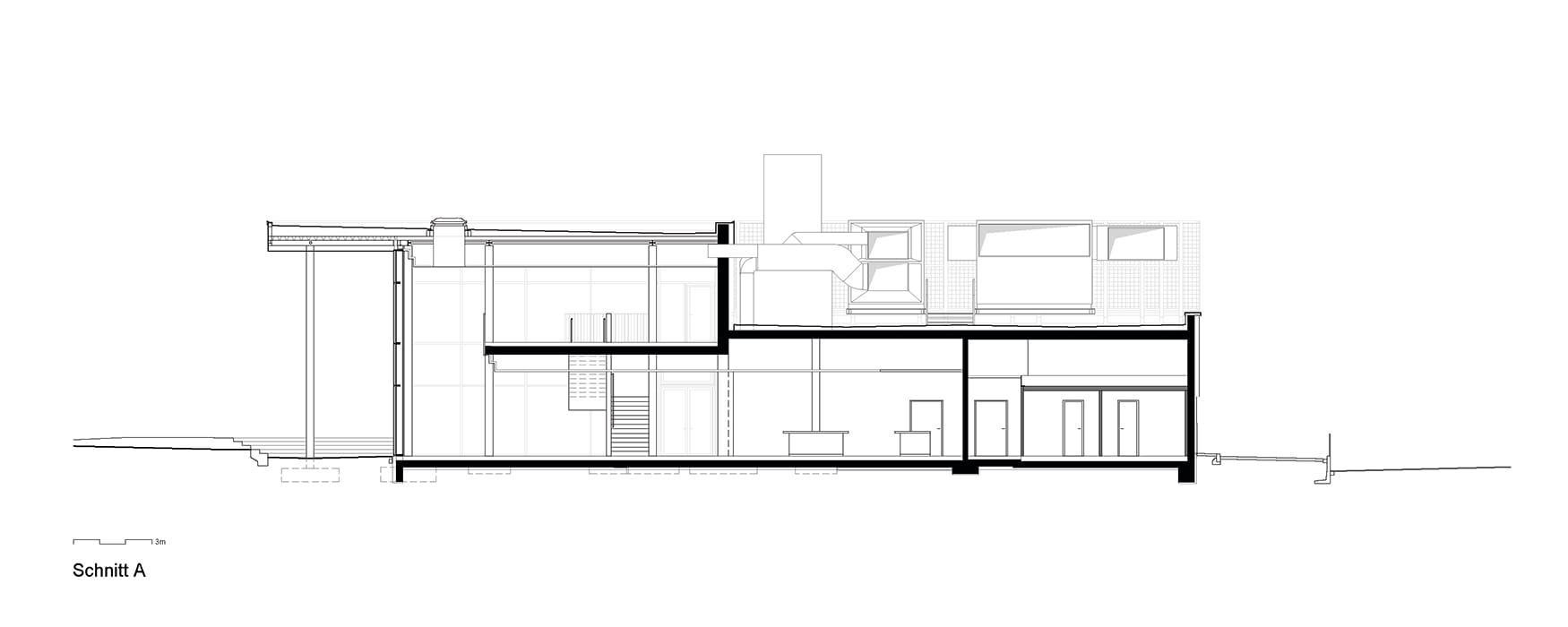
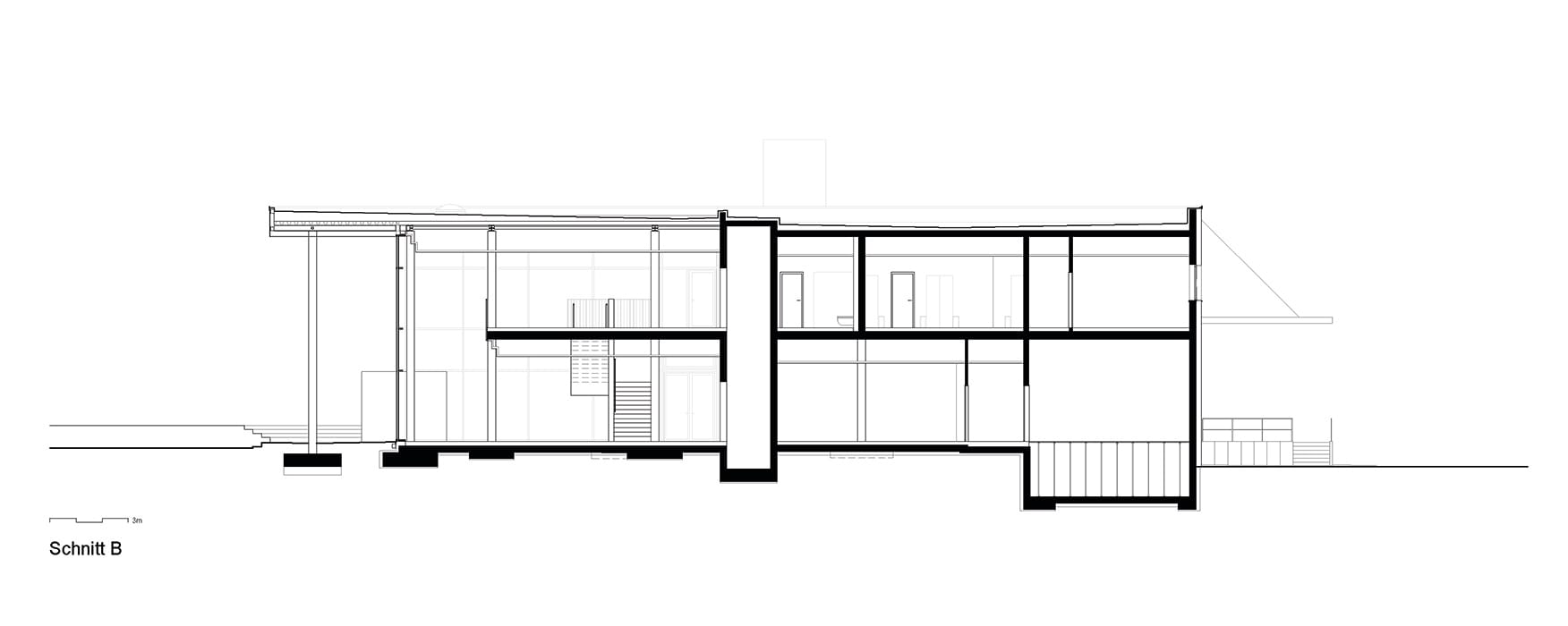
Nordkirchen, a small town in North Rhine-Westphalia, is home to the state's University of Applied Sciences for Finance, housed within the elegant Nordkirchen Water Castle. The castle building, its surrounding park, and a canteen constructed in the 1970s are all protected monuments. The nearby "Sundern Complex," built during the same era, supplies teaching and residential spaces for approximately 1,000 students. As enrollment numbers climbed, the institution faced an urgent need for a new, high-performance cafeteria with significantly enhanced capacity. RKW Architektur +'s Münster office was selected to lead the project.
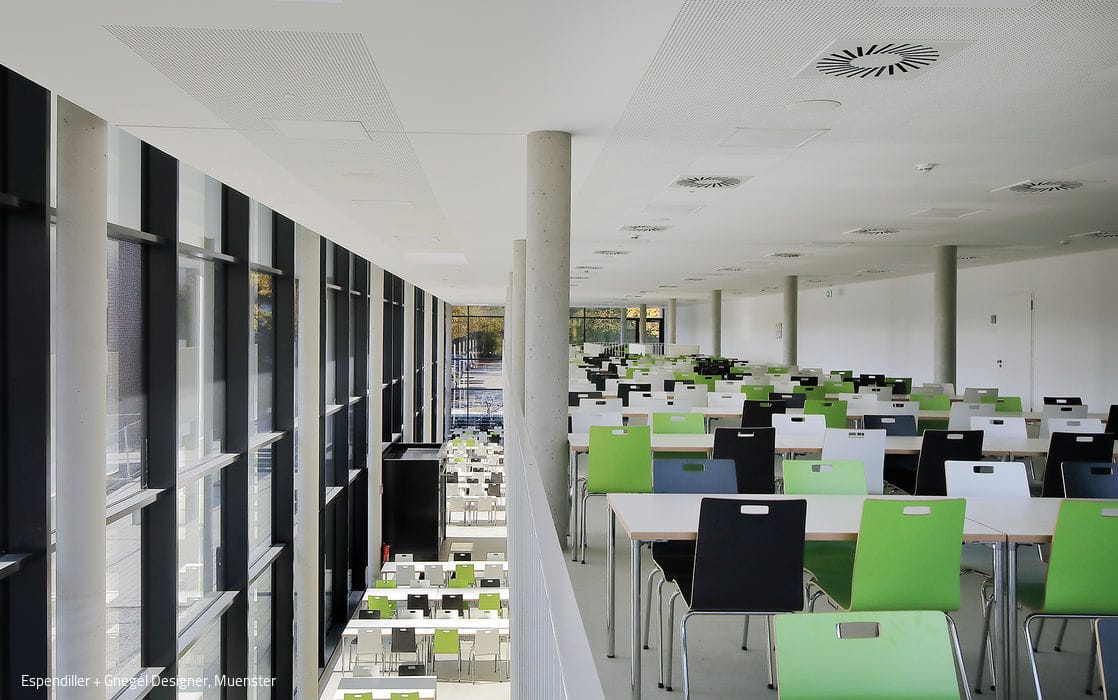
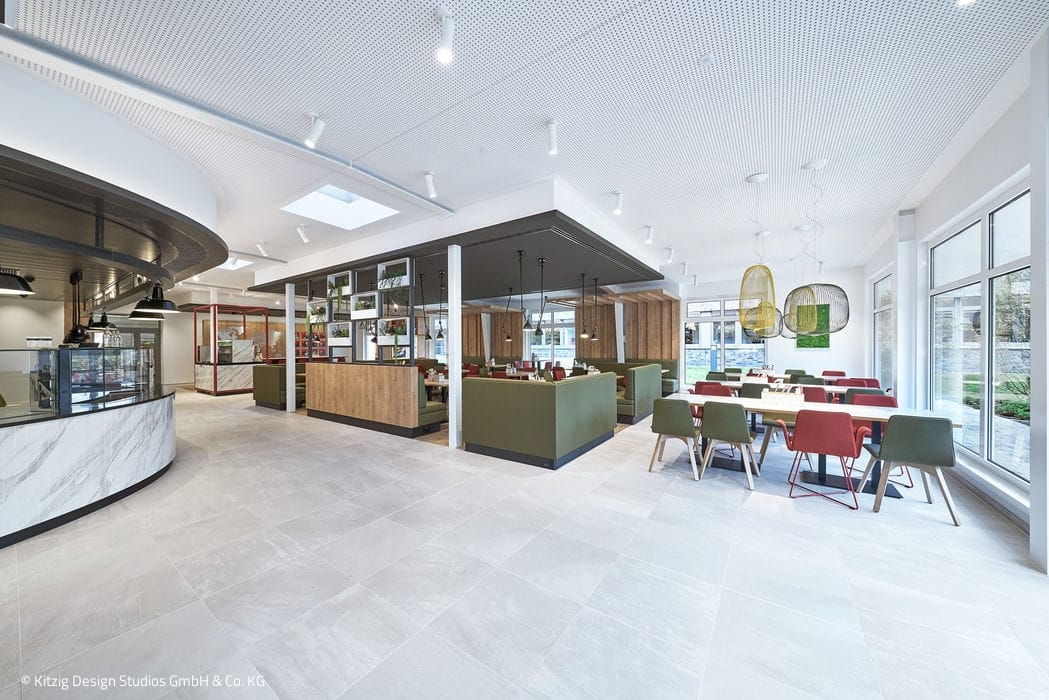
Approaching from Nordkirchen, the new cafeteria presents itself as the site's most prominent first impression. This boldly designed structure—defined by clean lines and a distinctive two-part façade—creates a captivating dialogue between contemporary architecture and baroque heritage. To the north, it anchors the student housing complex while serving as a welcoming threshold to the campus. The two-story dining hall features expansive glazing on three sides, opening southward toward the verdant plaza nestled among the surrounding buildings. Supported by slender circular columns, the roof extends dramatically along its entire length, transforming into a covered terrace when the glass walls fold back. Behind closed façades lies the infrastructure—kitchen, storage, sanitary facilities, technical systems, and administrative offices—distributed across 2,500 m² of usable space. The project's greatest technical hurdle was the kitchen and MEP systems, which consumed nearly half the budget and demanded rigorous coordination, extensive documentation, and a meticulously choreographed construction timeline. With 1,500 daily meals served, the design needed to function as both an efficient operation and a welcoming social hub for hundreds of simultaneous diners. Acoustic comfort became paramount. A specialized ceiling system—featuring acoustic fleece and engineered for optimal sound absorption in the human speech frequency range—works in concert with large wall panels of preserved Icelandic moss to create an inherently quiet environment. The design team extended their attention throughout the interior, too. Seating in anthracite, white, and green injects vitality, while oak furnishings echo the castle park beyond. Monument protection principles guided every decision—from clinker brick selection and mortar joint proportions to the carefully curated landscaping for exterior areas.
(Featured in CUBE Ruhrgebiet 04|20)
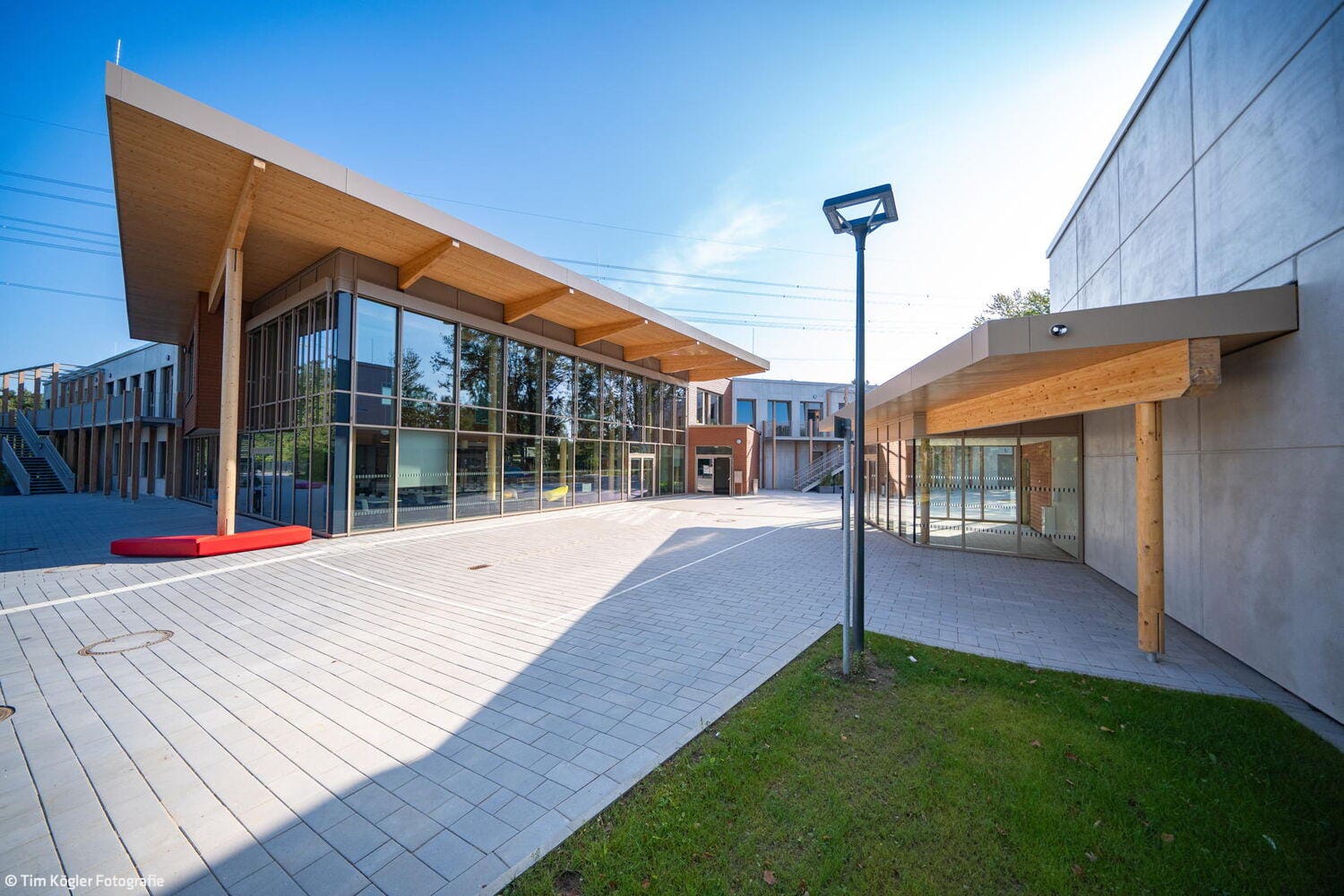
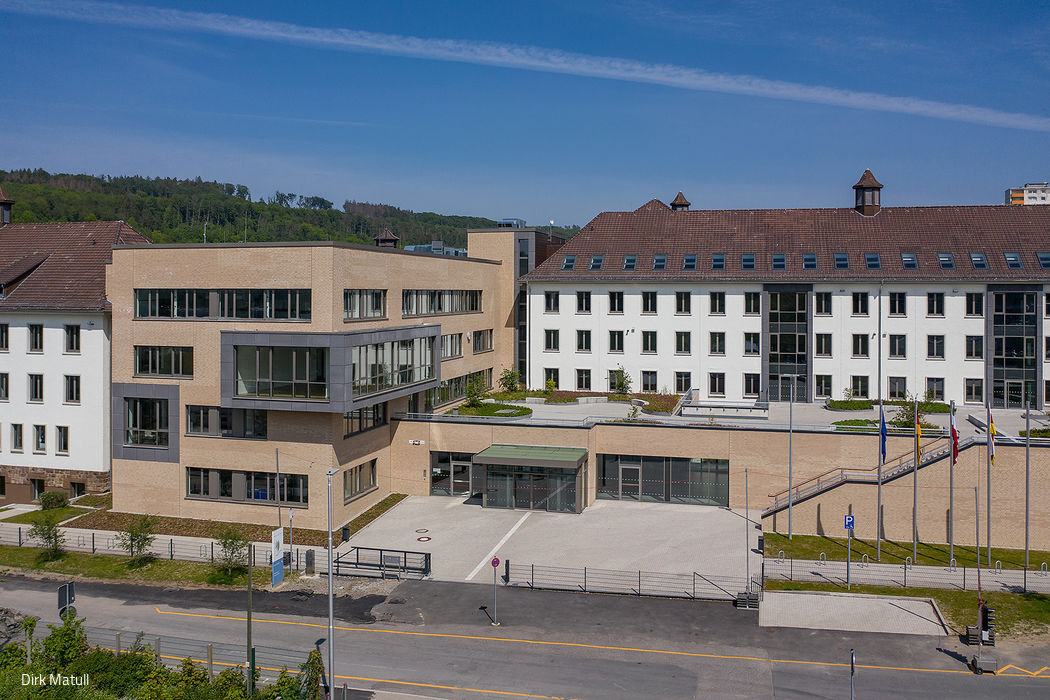
Modern school campus
Where Old Meets New: A School Extension Grounded in Ecological Responsibility
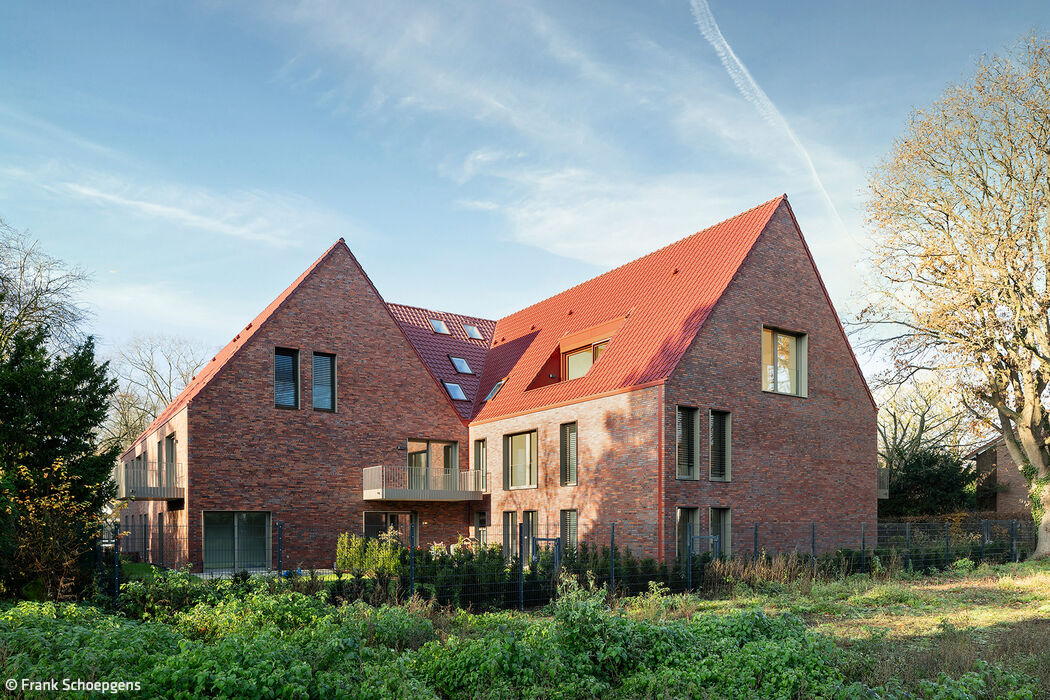
Through and Through Red
Two volumes. One stairwell. A unified whole.
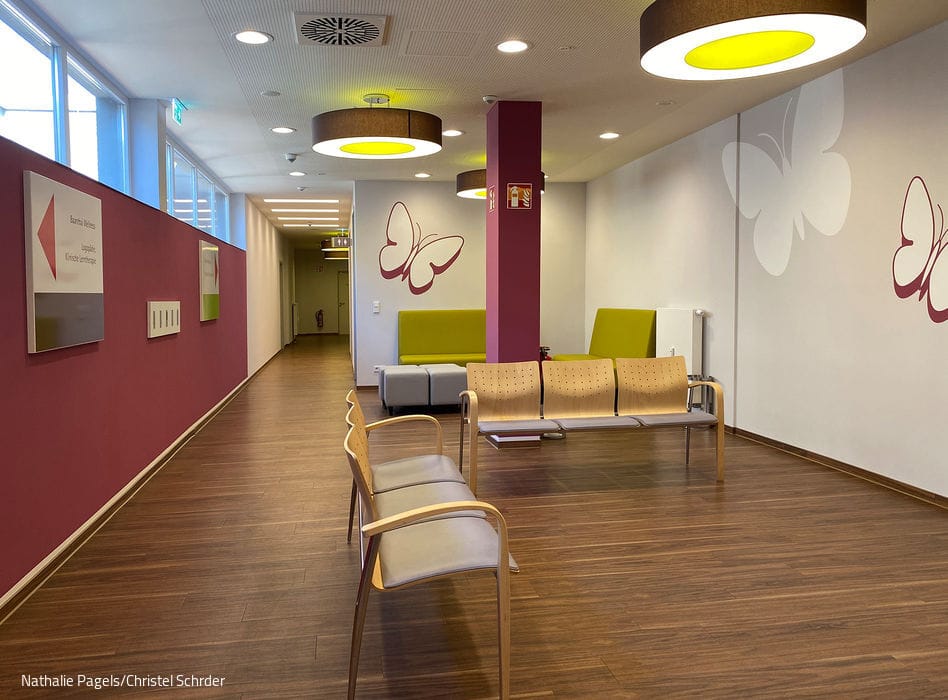
Color as a wayfinding tool
A health centre in Duisburg has gained structure