


Innovative, Modern, Sustainable
CUBE Talks with Rimadesio About Italian Design and Environmental Responsibility
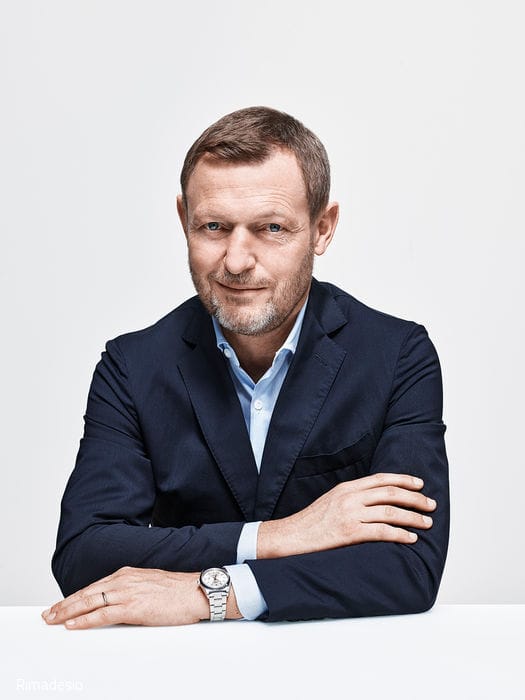
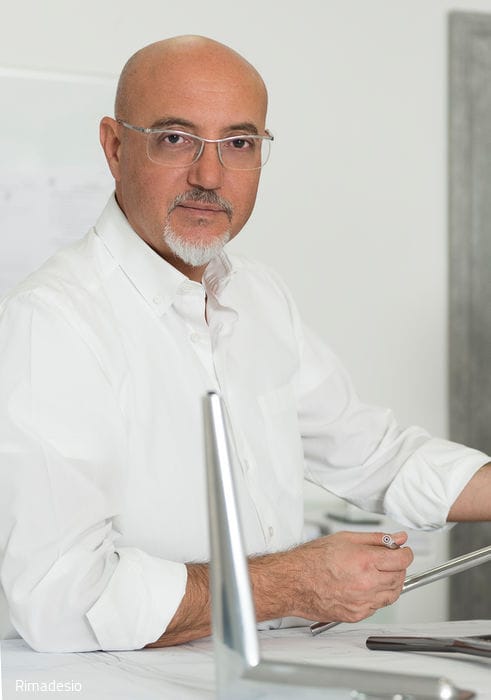
CUBE: Mr. Bavuso, you've been with Rimadesio for over 30 years now. How would you characterize Rimadesio's design philosophy?
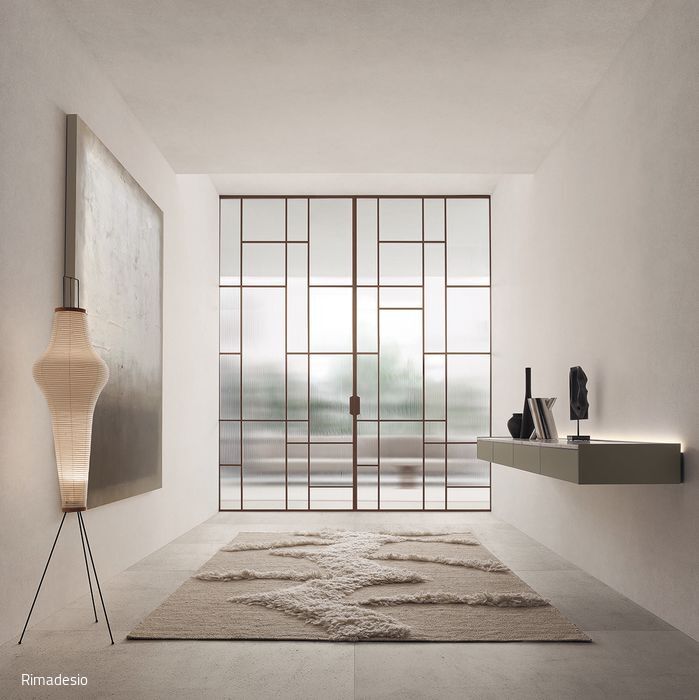
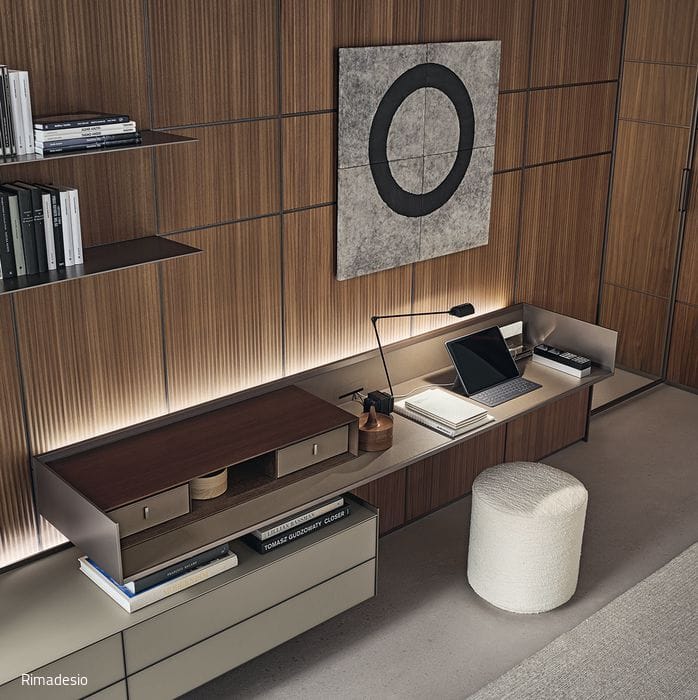
Giuseppe Bavuso: Rimadesio's style is distinctly modern and minimalist—but never austere. Minimalism often conjures images of starkness and emptiness, yet ours is a refined minimalism grounded in exceptional, understated technology where every detail serves a purpose.
What sets Rimadesio's furniture apart, Davide?
Davide Malberti: What truly distinguishes us is having built a timeless collection over three decades—one where every piece, from our first design in 1992 to this year's collaboration with New Interiors, is part of a continuous creative narrative.
When did your partnership with Rimadesio begin, Mr. Bavuso?
Bavuso: Our partnership began 34 years ago, when we were both in our twenties. Davide reminds me that we first met in Germany—at the Cologne furniture fair in 1988.
Malberti: From the start, our vision was simple: create something the furniture industry had never seen before. We drew on technologies from entirely different sectors—approaches that Rimadesio has refined and perfected over 35 years, establishing our market leadership in this space.
Bavuso: We also selected materials considered unconventional in furniture design—aluminum and glass. We developed an entire collection around these two materials. Our approach is deliberately minimal: neutrality is one of our defining characteristics.
How central is sustainability to your collection?
Malberti: Sustainability is essential. We live in a world of nearly 8 billion people, yet the planet's resources remain finite. For designers and manufacturers, this means one thing: we must create responsibly. For us, sustainable production means designing products that consume minimal resources—or ideally, none at all.
Bavuso: We've identified three core principles. First, we use recyclable, environmentally responsible materials—aluminum and glass. Second, our products aren't disposable consumer goods. When we design, we think in decades. A product built to last 30 years consumes far less over its lifetime than one lasting just five years—it's manufactured only once. Third, we've engineered every aspect of our production process with sustainability in mind. That's why Davide's decades of investment with his family have created a model company: one that rethinks production methods and machinery selection through an environmental lens.
Malberti: This values-based culture isn't new to us—we inherited it from our father and have carried it forward ever since. Beyond our tradition of craftsmanship and meticulous design, we're committed to understanding and improving the sustainability of every production step. We manufacture everything in-house. Over the past 20 years especially, we've pursued continuous improvement across the entire production cycle. Being environmentally responsible also means energy independence. Our facilities include a substantial energy generation system with photovoltaic installations.
Do you design specific products for the German market?
Bavuso: No. The internet has largely dissolved cultural boundaries and lifestyle differences globally. Since "Made in Italy" resonates across the world, we chose a different path: to remain authentically ourselves and design unapologetically Italian—with a distinctly Italian sensibility.
Where does your creative inspiration come from, Mr. Bavuso?
Bavuso: Inspiration begins with observation—watching people and society evolve, understanding both their practical and psychological needs. I have a personal philosophy of the home as an open, flowing space. You'll notice this in everything we create: our products engage with openness and spatial fluidity. Doors become design elements that suggest separation without fragmentation. We believe in homes flooded with light—a principle the company has championed for decades. And glass furniture: transparency is inherent to our vision. Our designs are dematerialized, almost weightless. We've made lightness a defining philosophy.
What vision drives the new Frankfurt flagship store, Davide?
Malberti: A flagship store is our chance to present Rimadesio's vision, philosophy, and collection in its truest form—in this case, in Germany. Our partnership with Leptien3 is remarkable precisely because they bring local expertise we lack. A dedicated boutique allows us to fully articulate our design philosophy. What we create is inseparable from architecture. These aren't pieces you place and forget—they're integrated architectural elements. That's why they deserve a thoughtfully designed setting that communicates design thinking and reveals the product's true character.
Mr. Bavuso, Mr. Malberti, thank you for your time.
(Featured in CUBE Frankfurt 02|22)
Giuseppe Bavuso
Born in 1959, Bavuso lives and works in Seregno. His early career spanned architecture, public space design, and automotive engineering. In furniture, he collaborates with international houses—Rimadesio and Ernestomeda among them—as designer and art director, shepherding projects from concept through technology to visual communication.
Davide Malberti
Born in 1963, Malberti co-owns the family business Rimadesio with his brother Luigi; their father Francesco founded the company in 1956. Davide joined in 1983, beginning in research and development before transitioning to marketing and sales. He has served as CEO since 2009, steering Rimadesio toward international prominence and establishing showrooms worldwide.

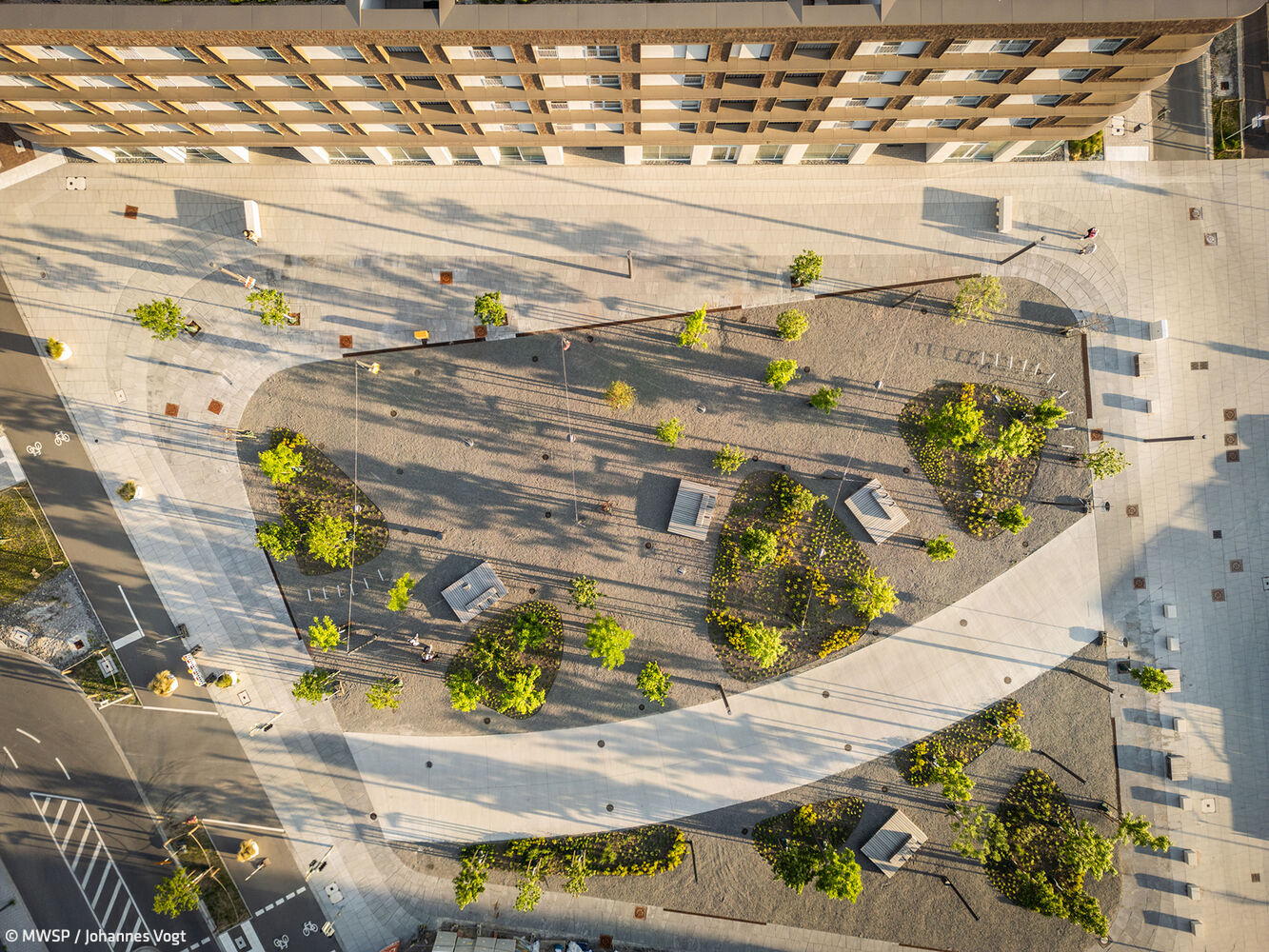

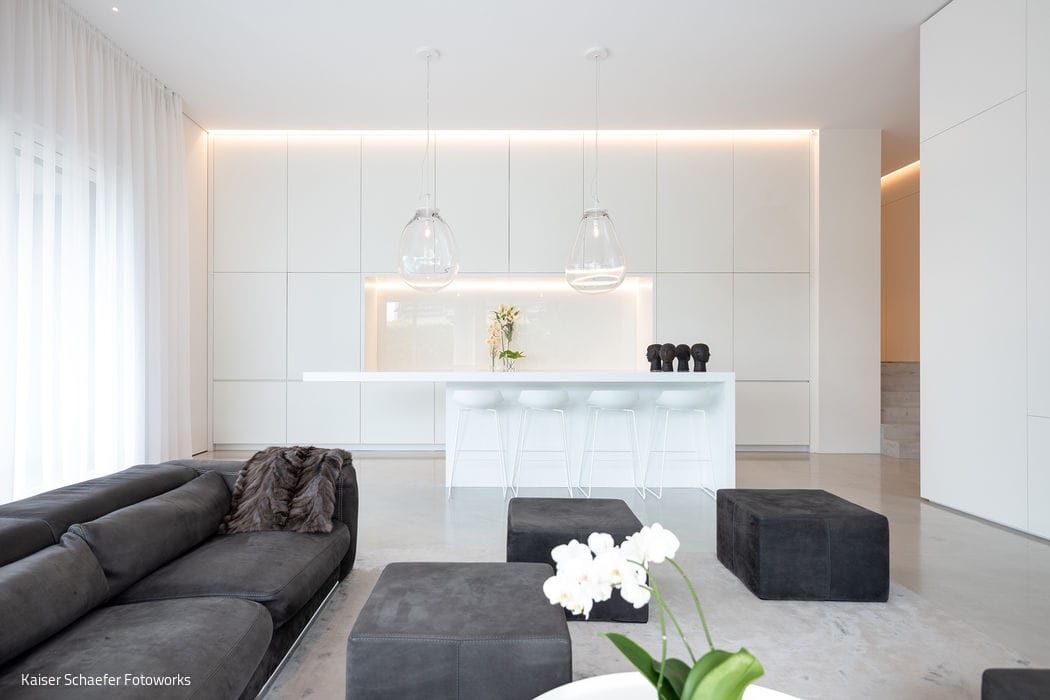
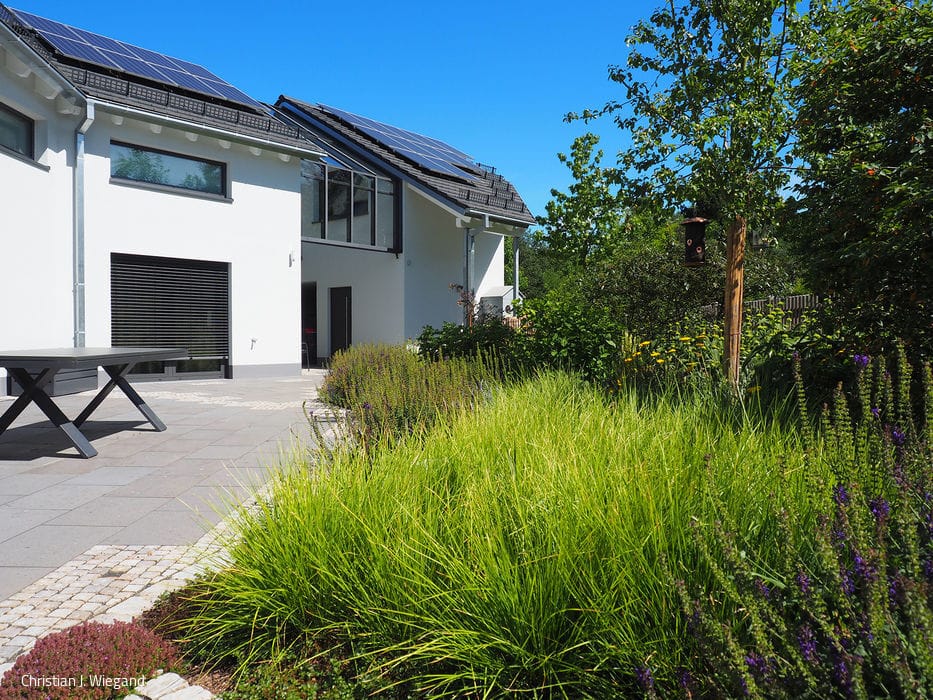
Low-maintenance sanctuary
A Climate-Smart Garden on Sloping Ground
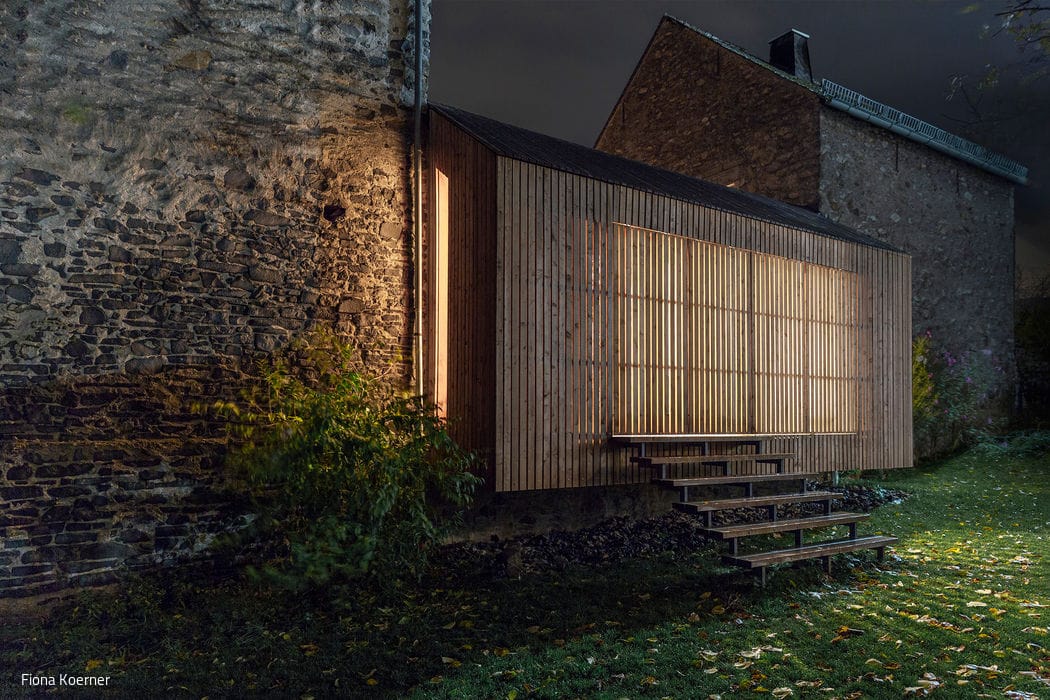
Where Design Meets Purpose
Timber extension complements stone farmhouse and barn
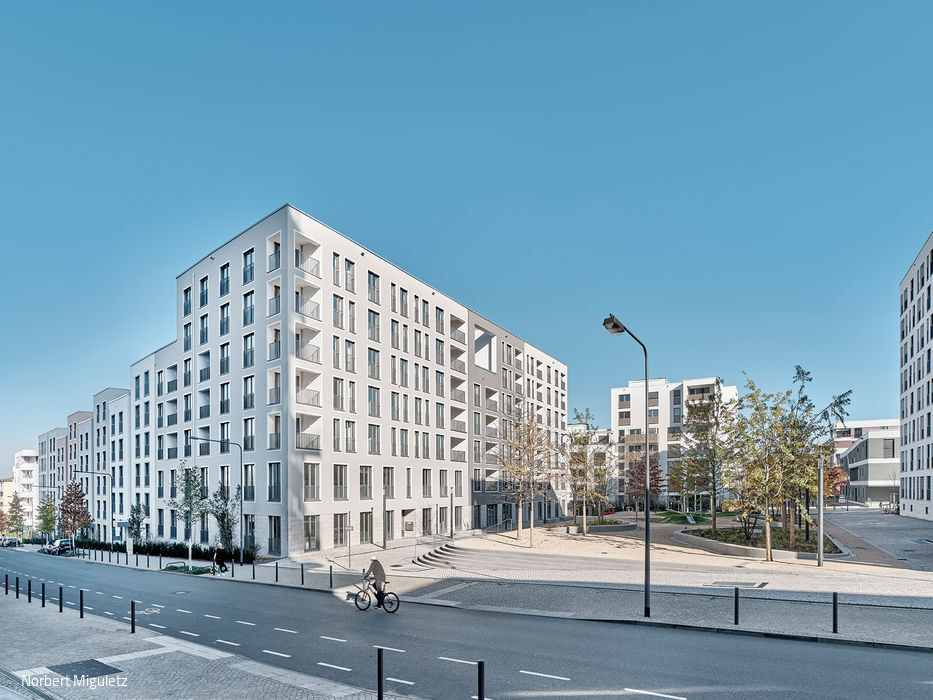
Central & Green
247 rental units with diverse floor plans on Construction Phase 2 at Henninger Tower
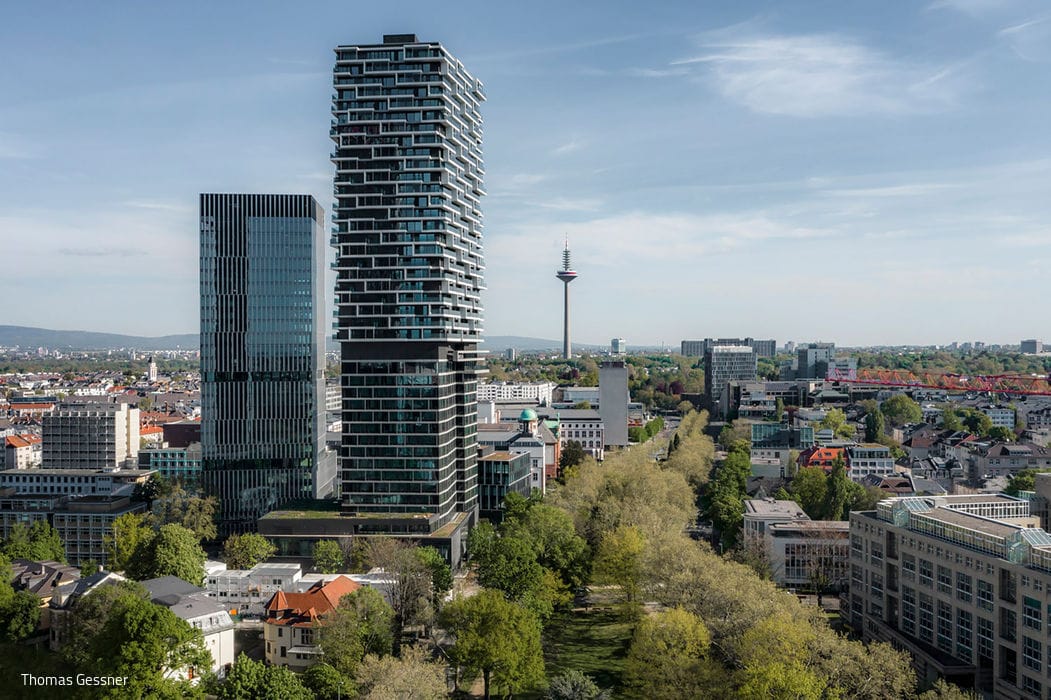
Vertical City
Hybrid High-Rise on the Cultural Campus: Part of a Larger Vision