


Sustainability Made Whole
Where architecture, building systems, and residents unite in perfect harmony
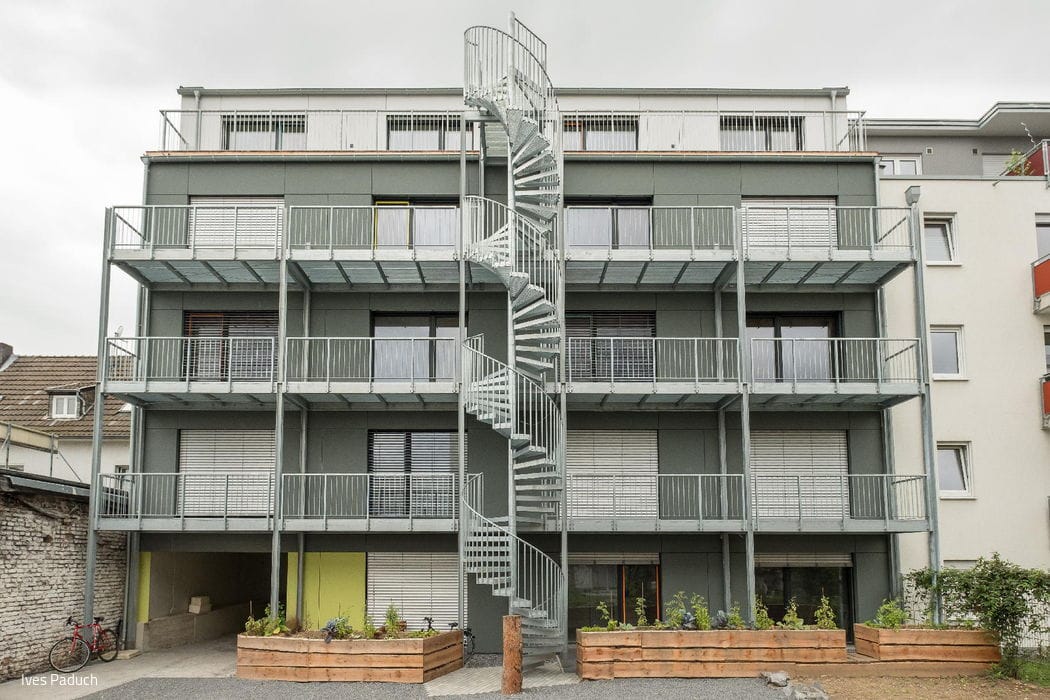
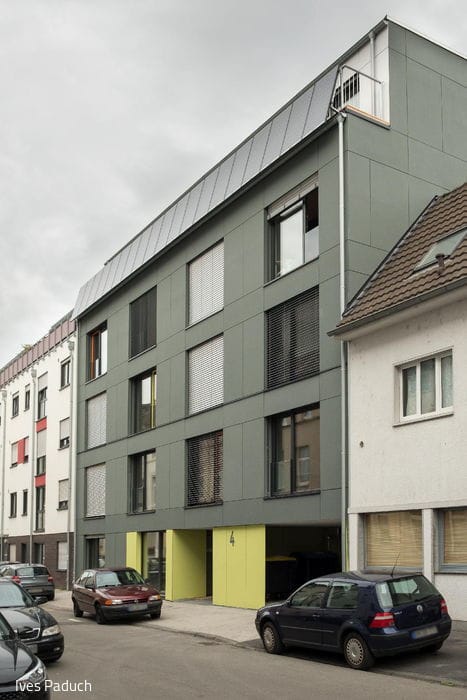
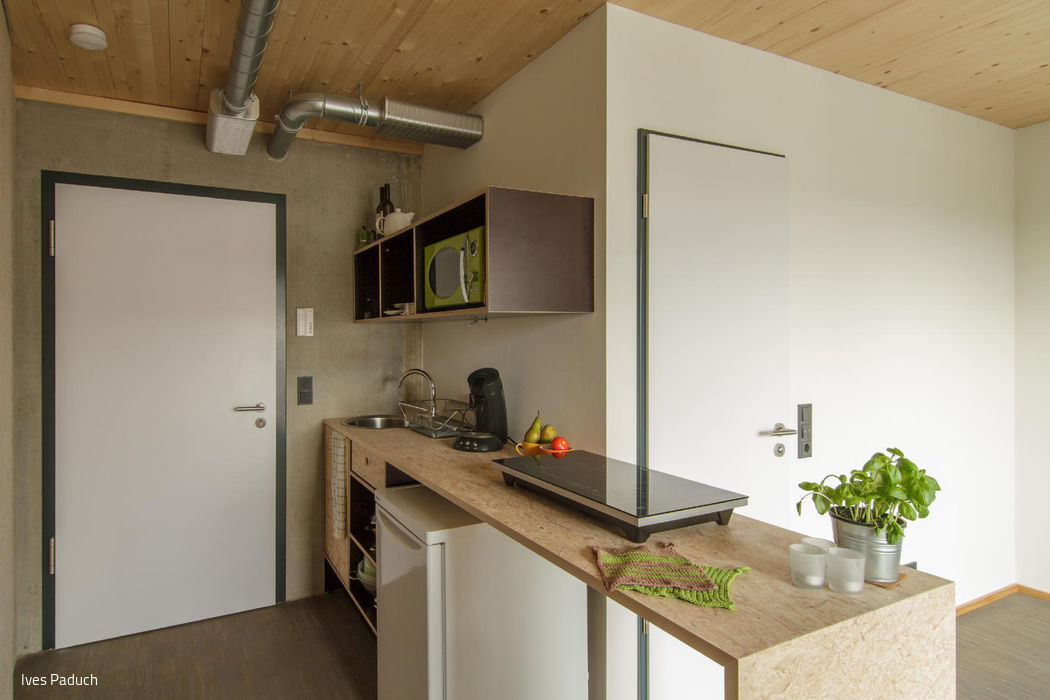
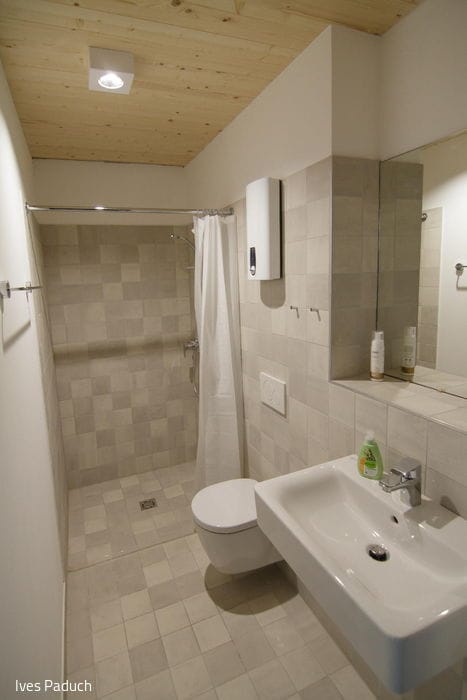
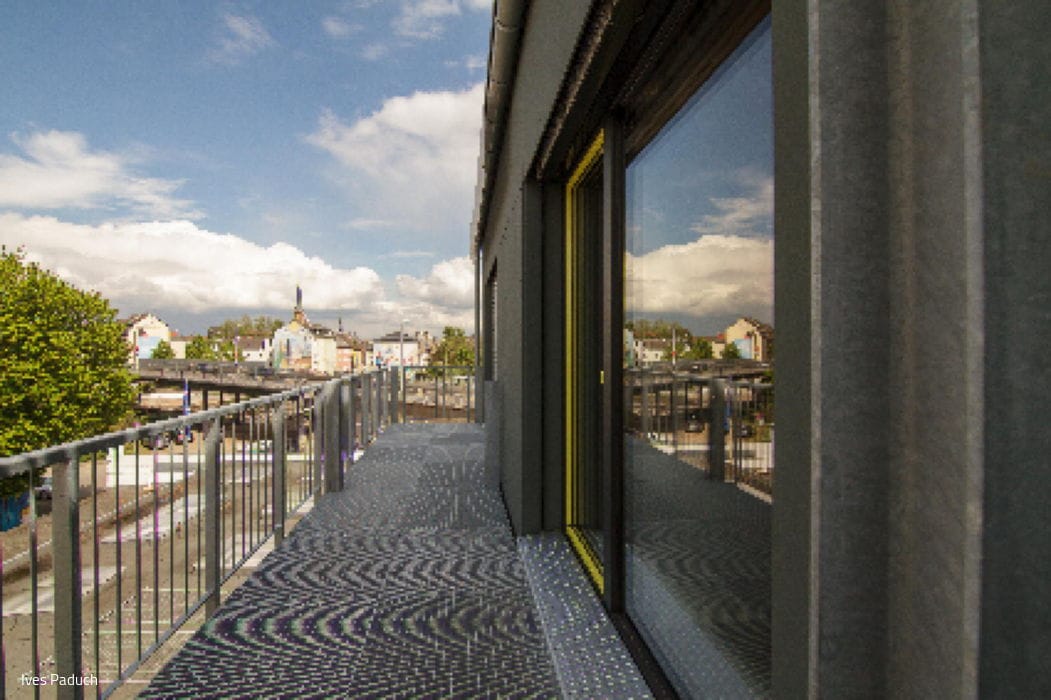
Truly sustainable building – where ecological principles integrate seamlessly across every design decision – represents the future of construction. Project 42! in Bonn's Weststadt proves this doesn't require astronomical budgets. This student residence, designed and completed by Wachtberg-based raum für architektur for a private developer, achieved its goals on a lean budget of under €1,500/m². The approach was distinctly holistic: an optimized building envelope alone minimizes mechanical systems for heating, ventilation, and cooling to what's truly necessary. Building materials were carefully chosen to separate cleanly at end-of-life and return seamlessly to circular production cycles.
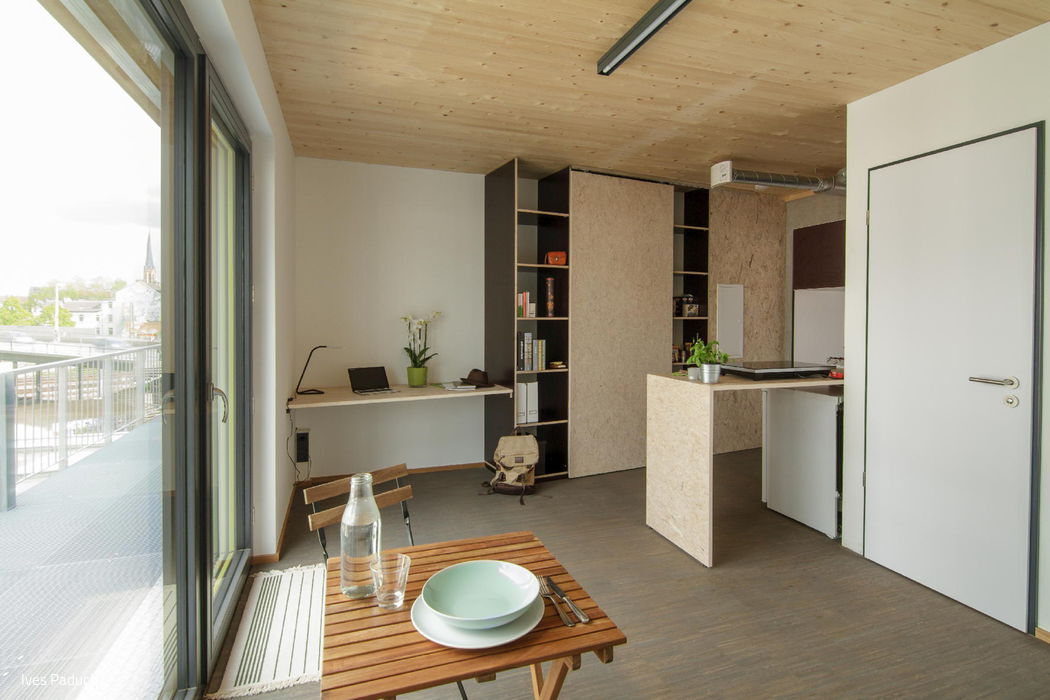
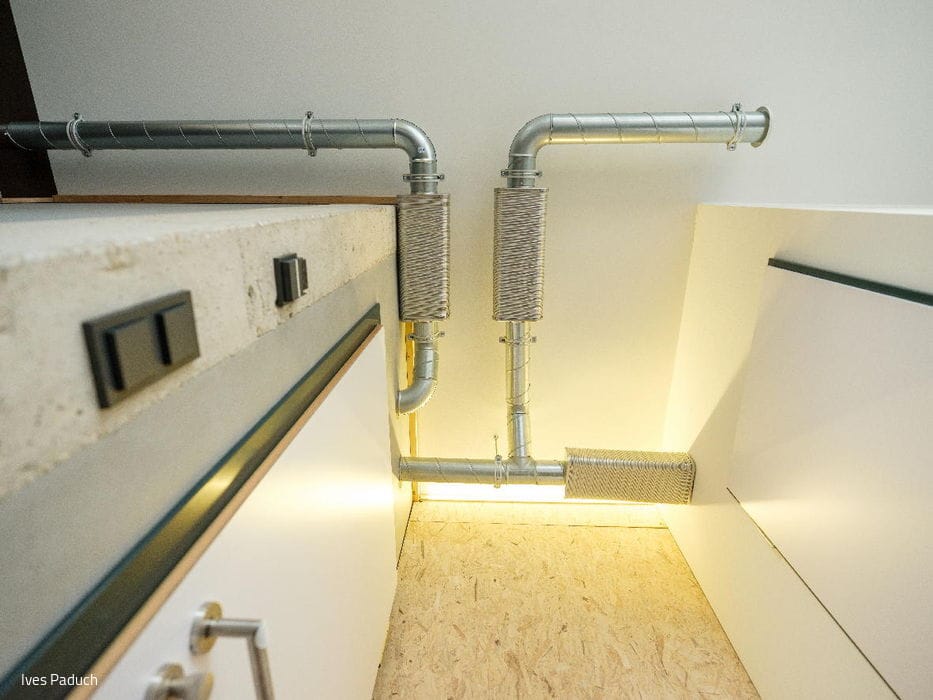
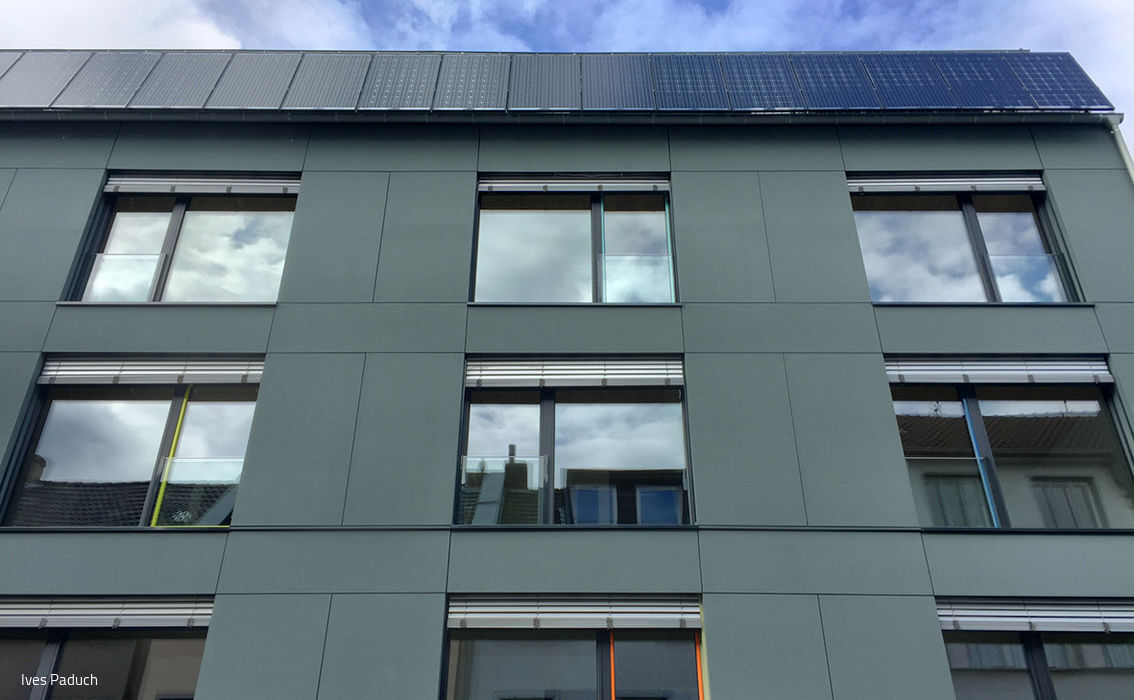
The five-story structure houses 32 studio and one-bedroom apartments, filling a long-vacant urban gap. Except for the central stairwell, all exterior and interior walls employ ecological timber-frame construction using sustainably harvested regional timber. A groundbreaking achievement: the side fire walls to neighboring structures are solid timber – a German first. Recycled newspaper cellulose insulation blankets the entire frame and roof assembly. Timber-concrete composite floors provide acoustic optimization. The façade features self-cleaning photocatalytic wood-fiber panels with integrated photovoltaic cells. Even interior finishes met dual criteria: aesthetic quality and recyclability. The mechanical systems are remarkably compact – a 2.3 kW micro heat pump (equivalent to a hair dryer's power!) paired with a central ventilation system recovering up to 84% of heat energy. The photovoltaic array and battery storage supply all electricity year-round. Rainwater harvesting feeds toilet flushing. Smart home controls monitor occupant ventilation patterns and suggest real-time optimization opportunities. The result: an intelligent ecosystem where efficiency and sustainability work together in practical, measurable ways.
Photography Credits:
Ives Paduch
(Published in CUBE Cologne Bonn 03|21)

Modular and Sensory
A primary school in the east of Cologne combines efficient construction with a sense of space
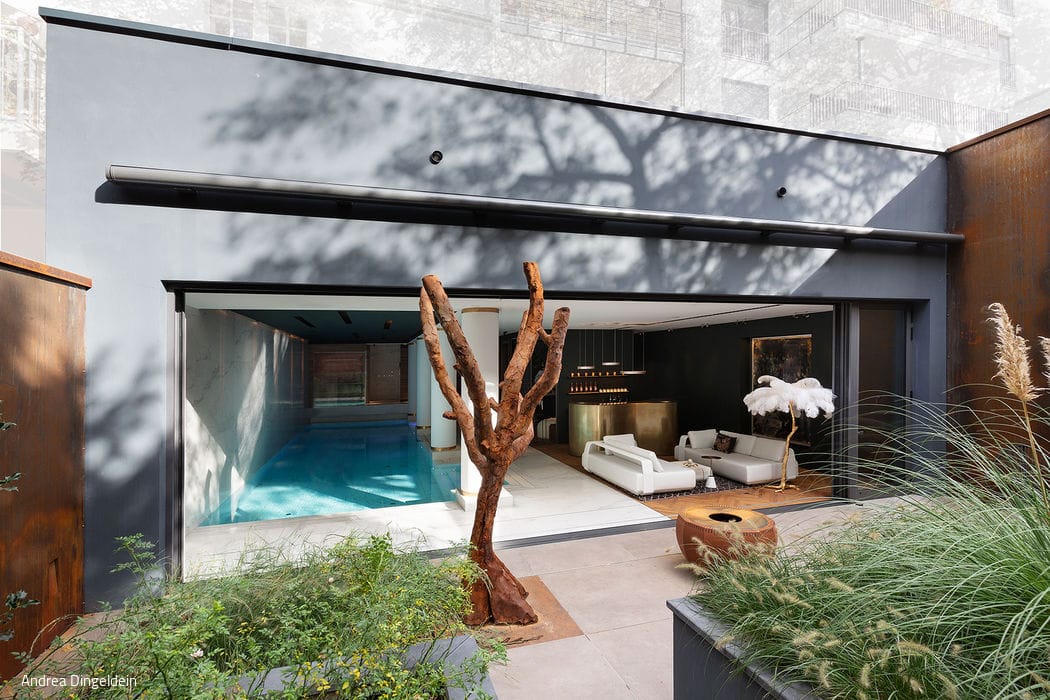
Urban Refuge
A private spa with its own garden hides beneath an apartment building.
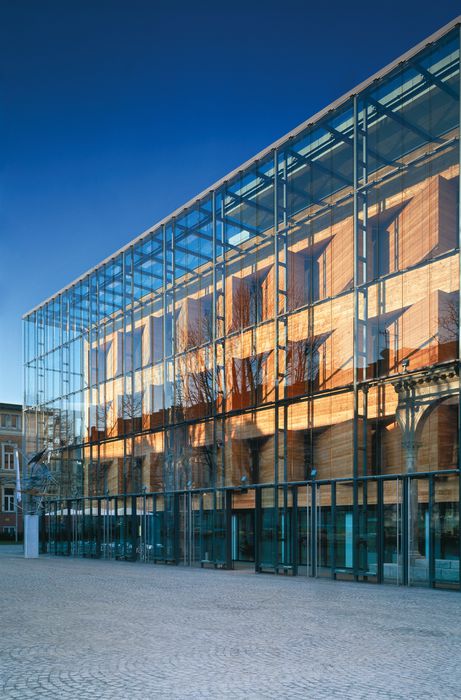
Thoughtfully Inclusive
The LVR-LandesMuseum Bonn has been reimagined as a fully accessible space.
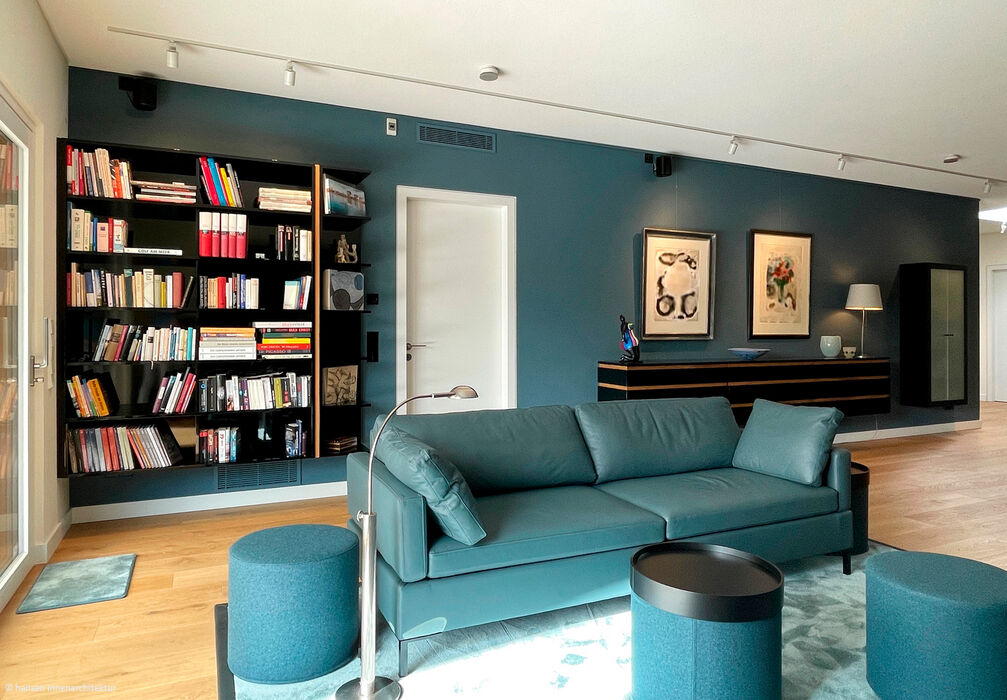
Teal Accents
Penthouse with refined colour and material design