


A Refined Residential Mix
In Groß Flottbek, elderly residents, singles, couples, and families all call this house home
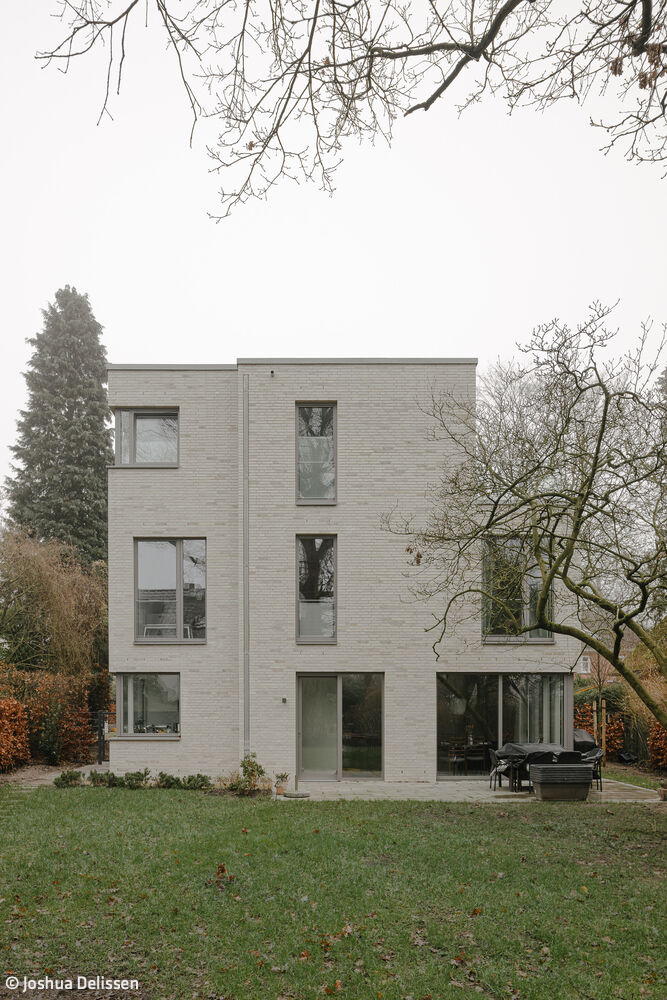
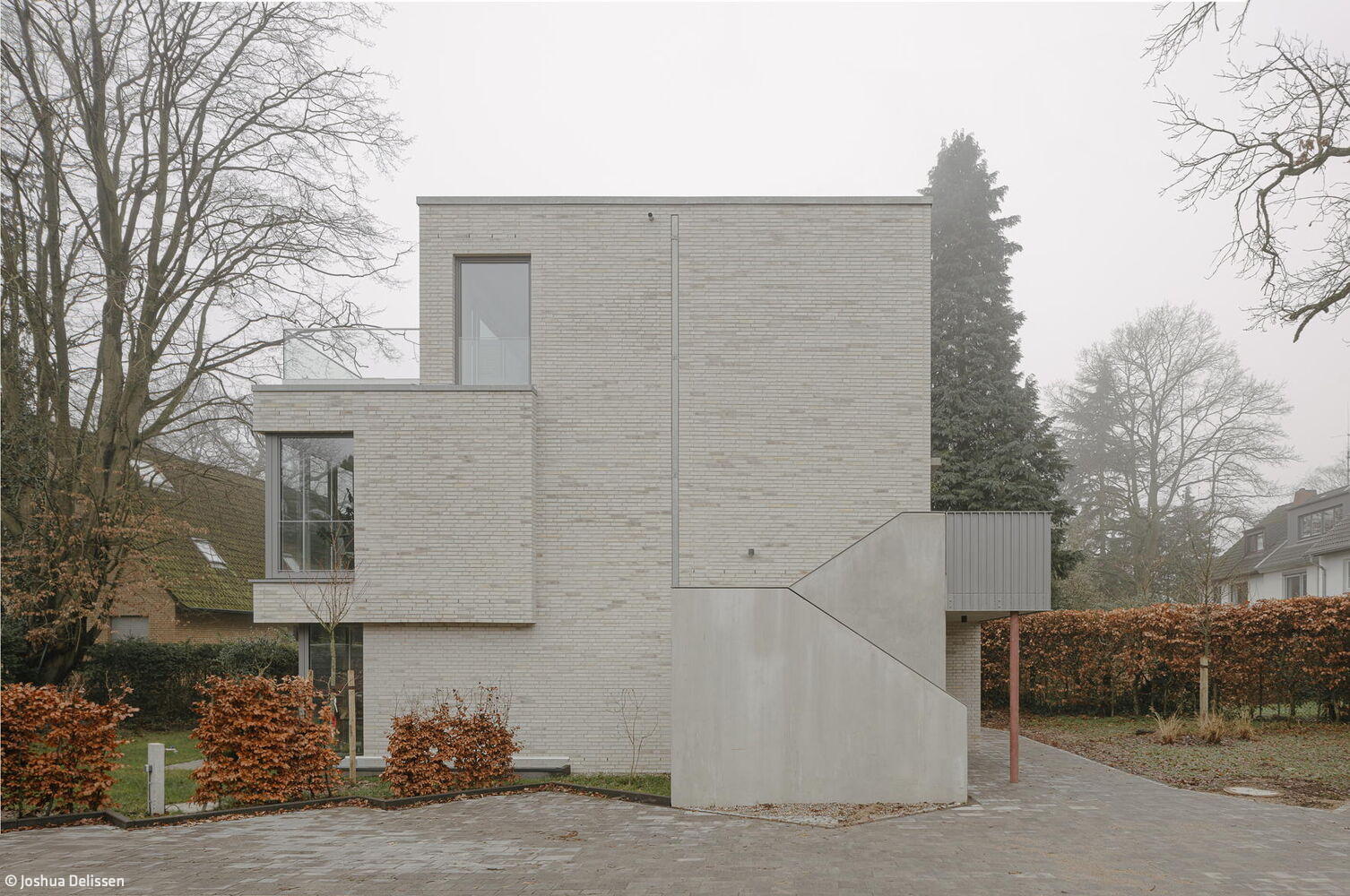

The village of Groß Flottbek first appears in historical records in 1305. Several thatched cottages and farmhouses—remnants of its rural past—still stand around the Flottbek church. After the Blankenese railway opened in 1867, wealthy Hamburg families discovered the area's appeal and began moving out to the countryside. The district was systematically developed with country estates and villas, many designed by renowned architects of the Gründerzeit and 1920s and now protected as heritage buildings. Combined with their characteristically expansive, park-like gardens and magnificent trees, these features continue to define Groß Flottbek's unique character. Today, the neighborhood ranks among Hamburg's most affluent residential addresses.
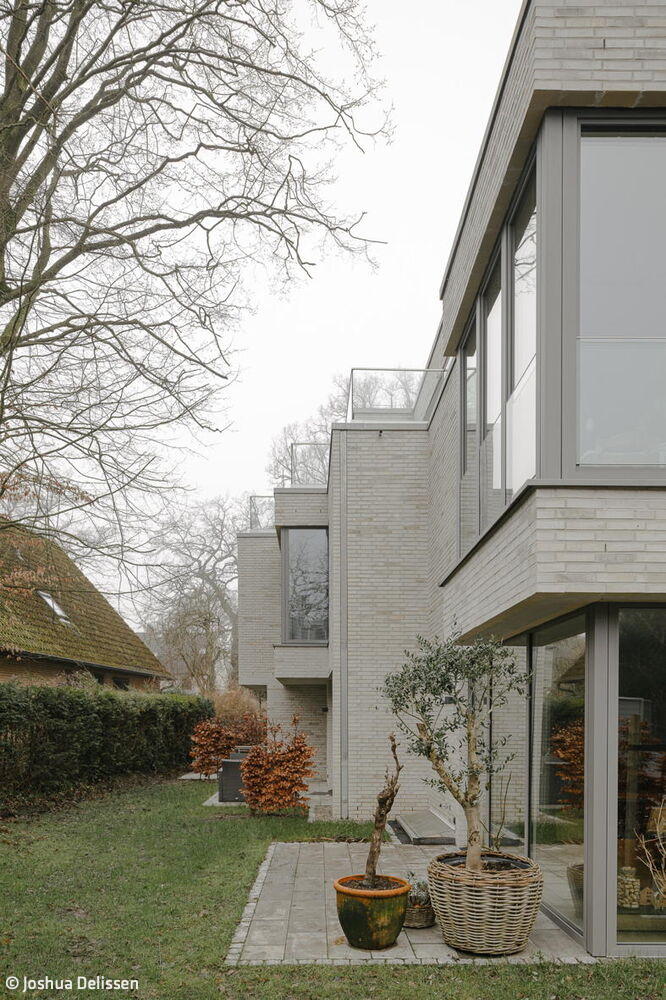
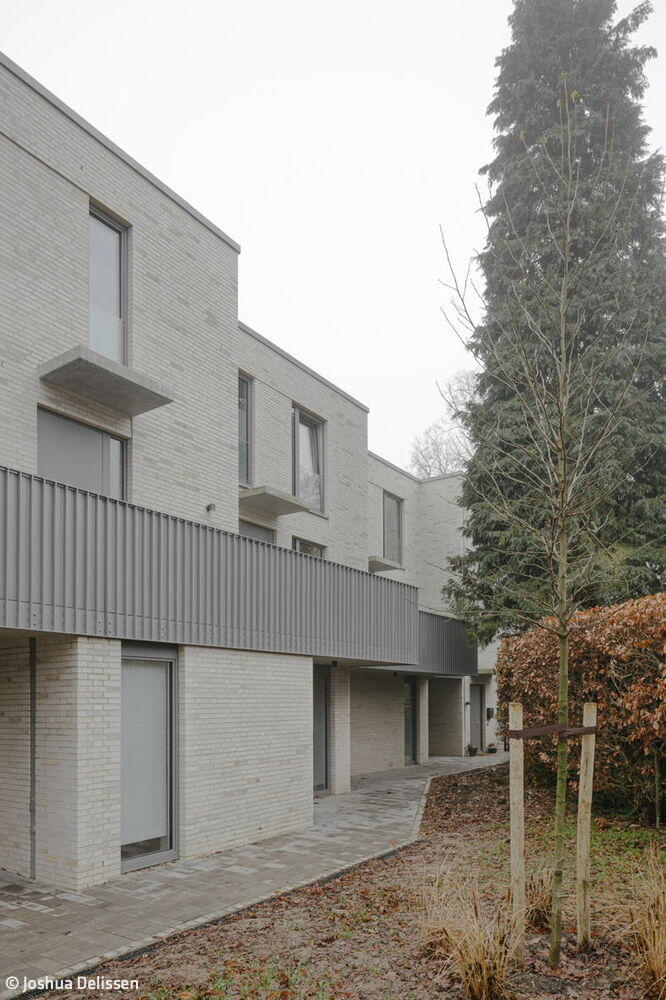
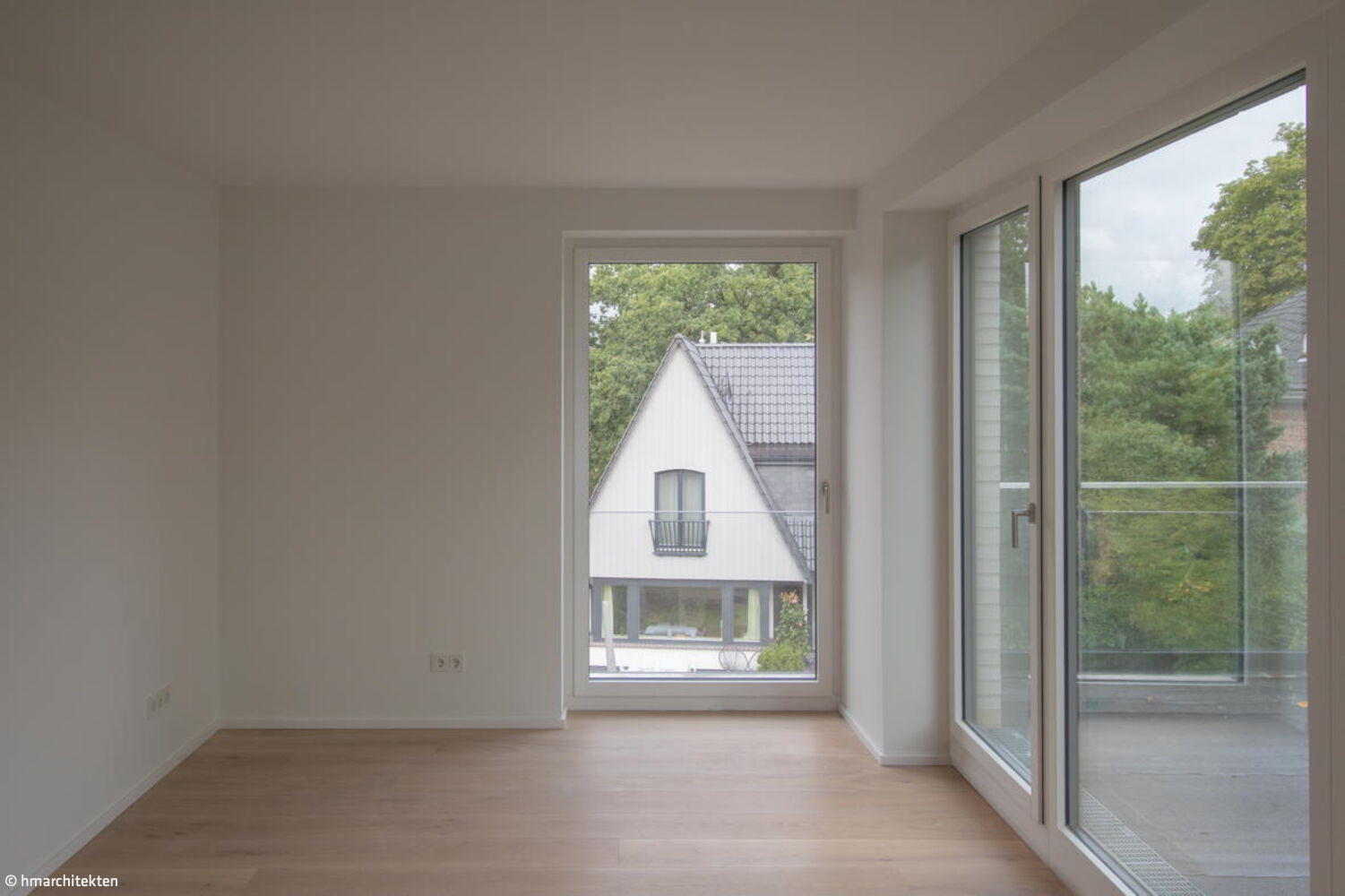
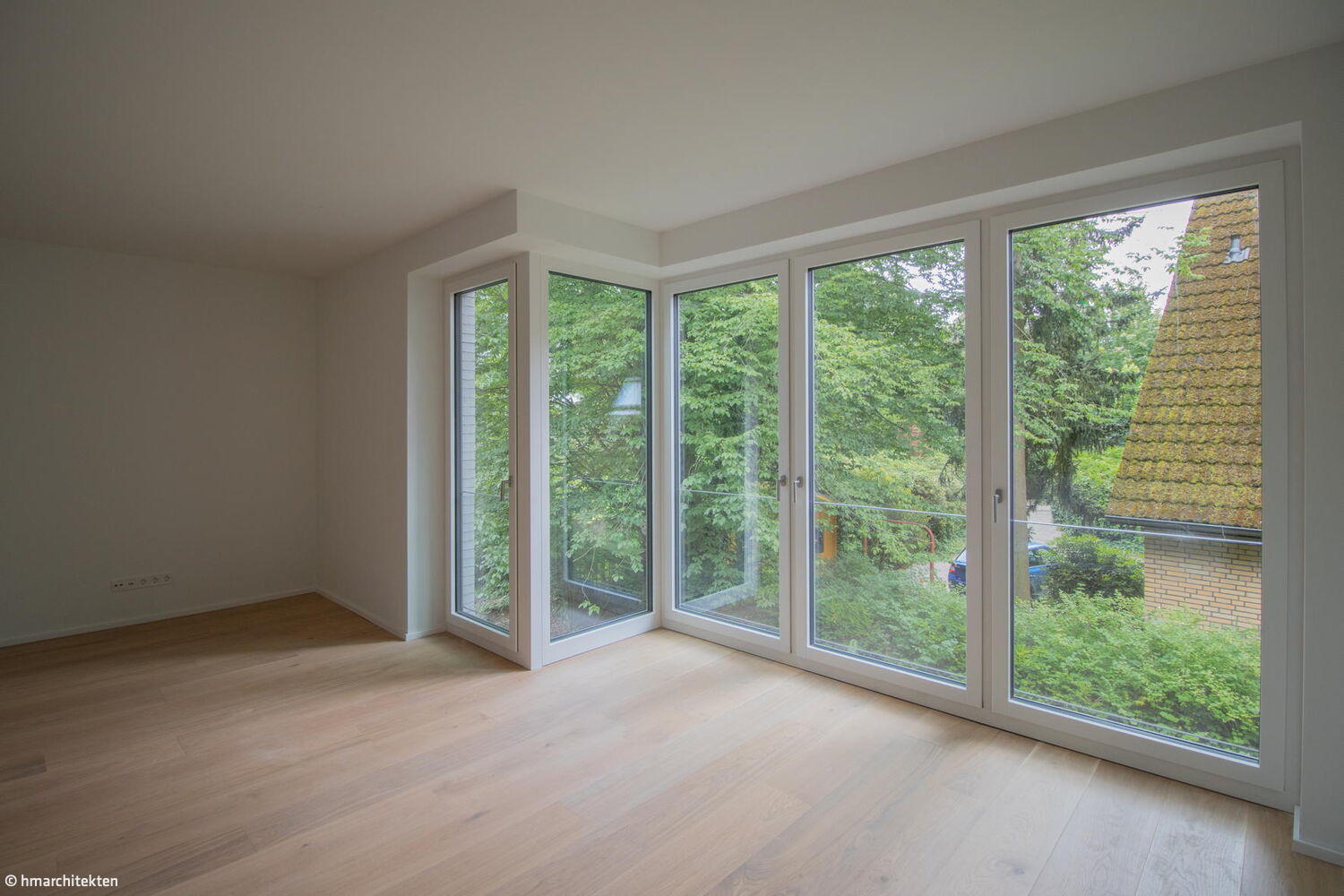
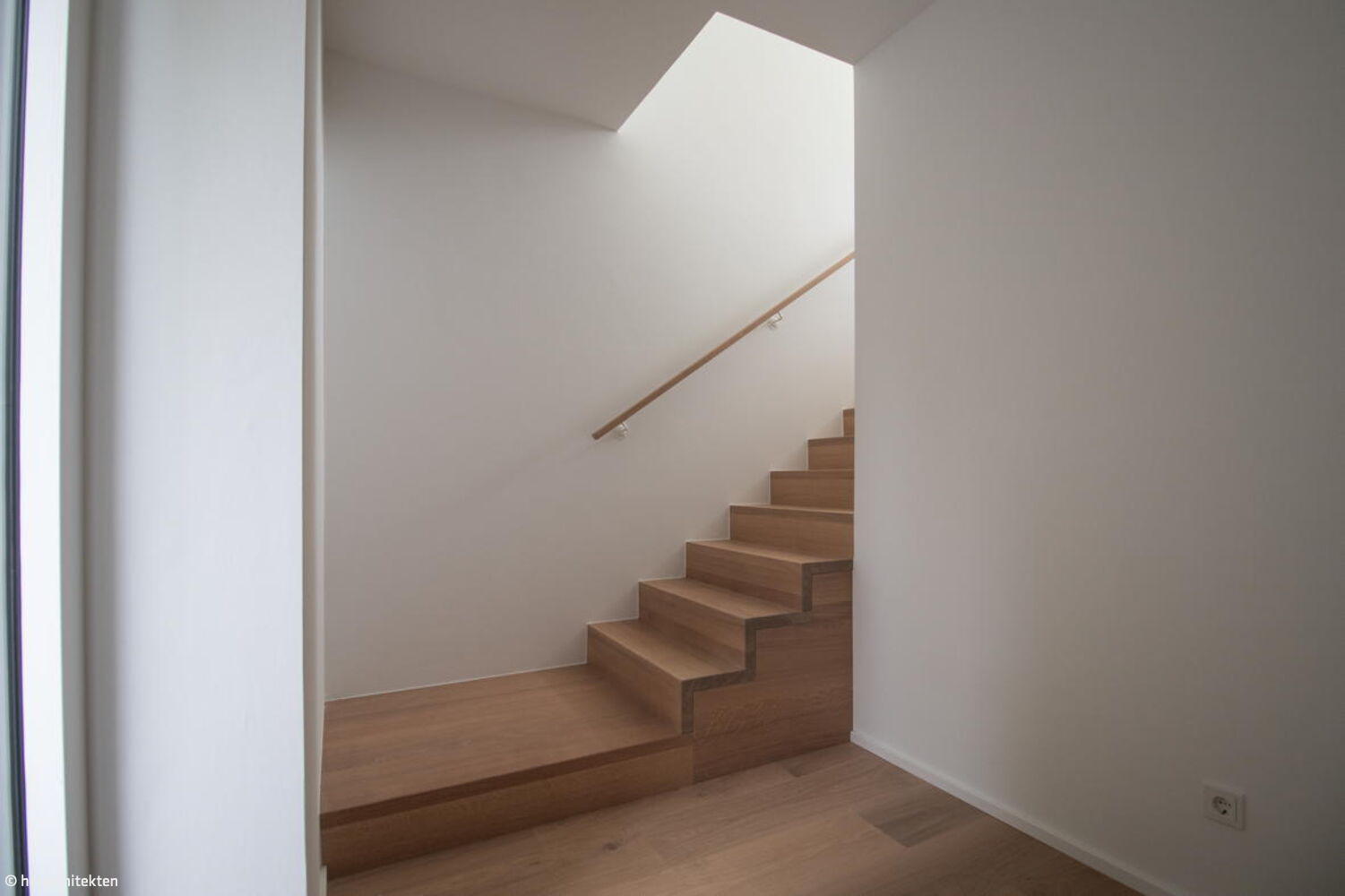
The architectural firm HMA was commissioned to design a multi-generational house positioned discreetly behind a listed villa. The design strategically serves diverse users across different age groups through its carefully considered mix of three apartment typologies. Forward-thinking in its approach, the building features three age-appropriate units on the ground floor—each 68 m²—designed for accessibility and independent living. Above these sit three maisonettes (105 m² each) and a townhouse (167 m² across three floors), occupied by couples and families. As a distinctive design feature, the structure steps back toward the north, establishing visual contrast while remaining harmoniously integrated with its surroundings. Every unit showcases floor-to-ceiling windows and wooden flooring; the maisonettes and townhouse feature wooden staircases throughout. The staggered arrangement of building volumes and the northward stepping creates breathing room for the neighboring protected villas, allowing them proper spatial context. The design carefully preserves the garden landscape and the area's characteristic, almost rural character.
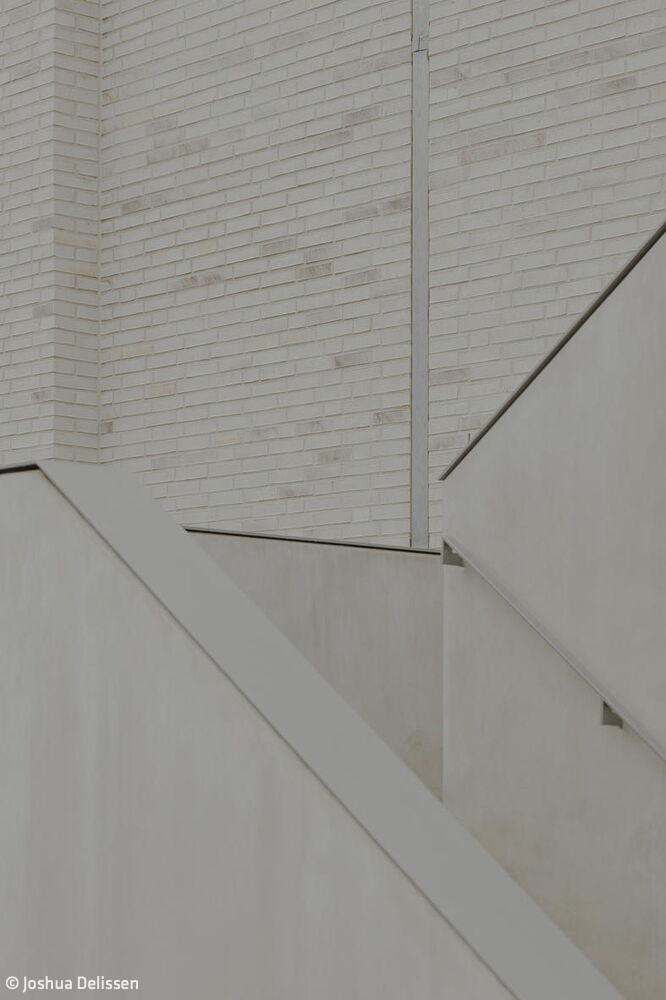
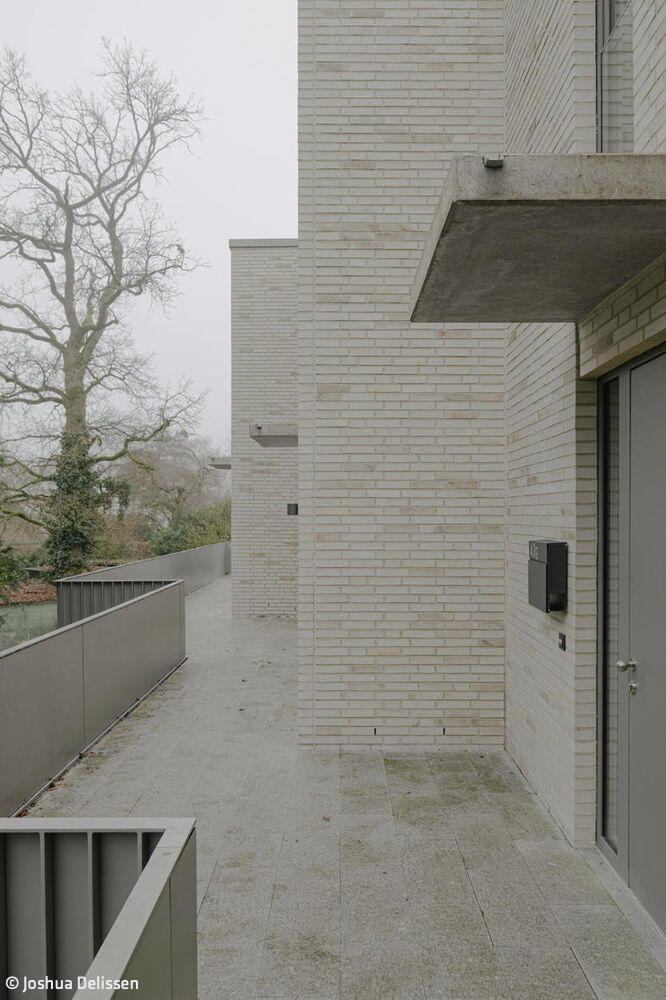
The new building integrates seamlessly into the existing fabric through its carefully composed articulation, strategic height transitions, and restrained, light-colored clinker brick façade. Sculptural concrete elements—including the external staircase and entrance canopies—provide accent points that enliven specific sections of the house. Stone-gray window frames and steel details reinforce the building's understated aesthetic. The maisonettes access via semi-public galleries, each with an external sculptural staircase. The building's projections and recesses create generous semi-public spaces along these galleries—some extending three meters deep—that enhance everyday living. A private south-facing terrace adjoins each maisonette on the upper floor, while the townhouse opens onto a private garden.
Photography:
Joshua Delissen
www.joshuadelissen.de
hmarchitekten
(Published in CUBE Hamburg 02|25)


Atelier Loidl
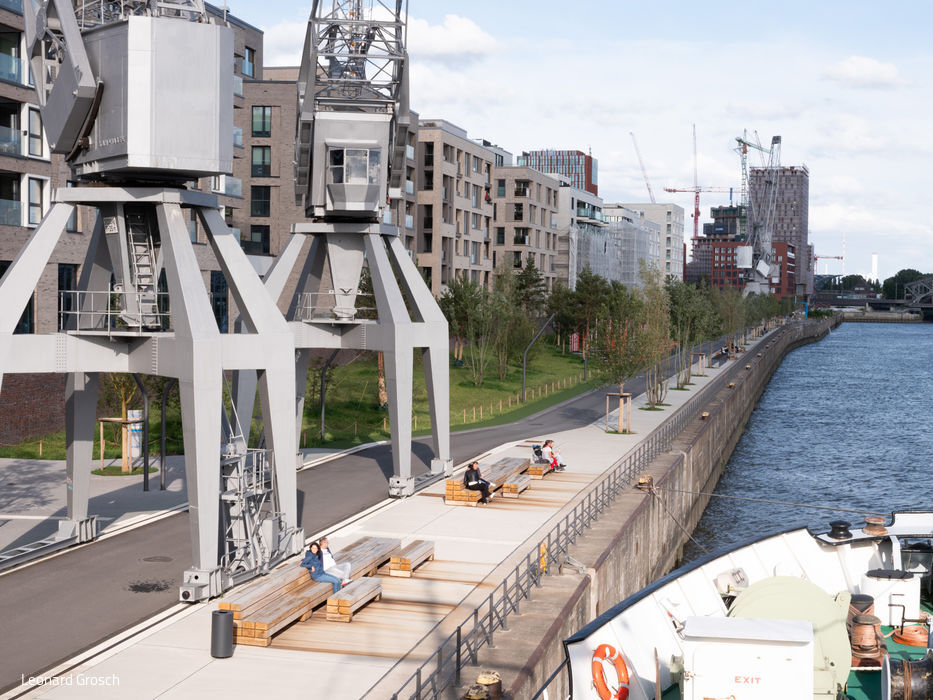
Kirchenpauerkai on the Elbe: A waterfront destination for play, sport, community, and renewal.
A Vibrant Civic Hub
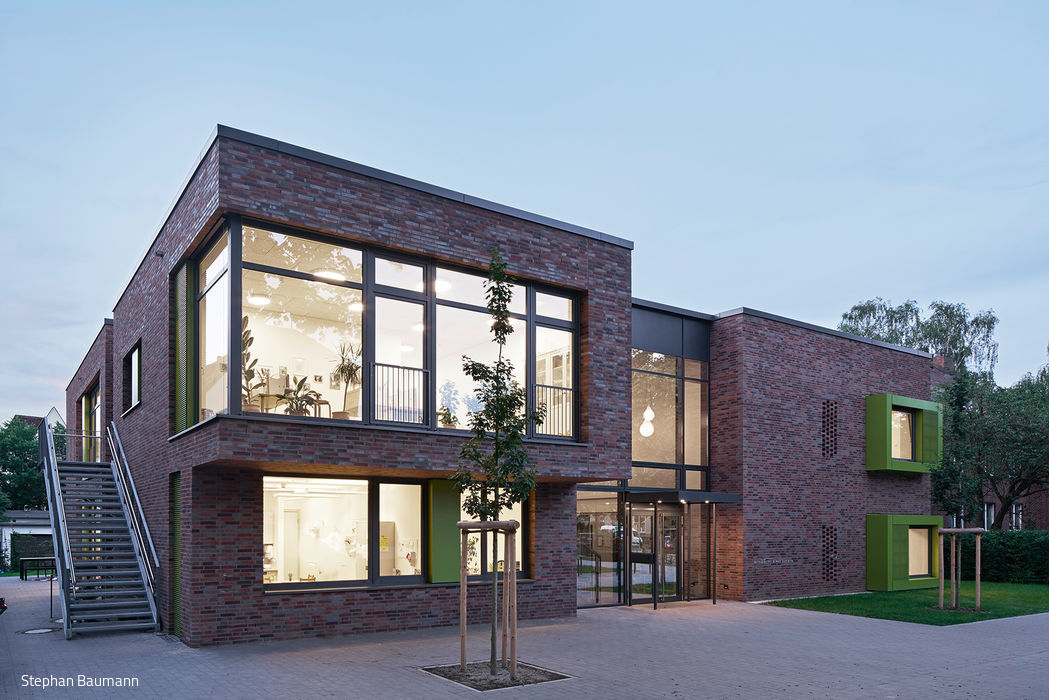
The reimagined Emmaus Church precinct in Wilhelmsburg secures the community's future
A Sanctuary in Nature
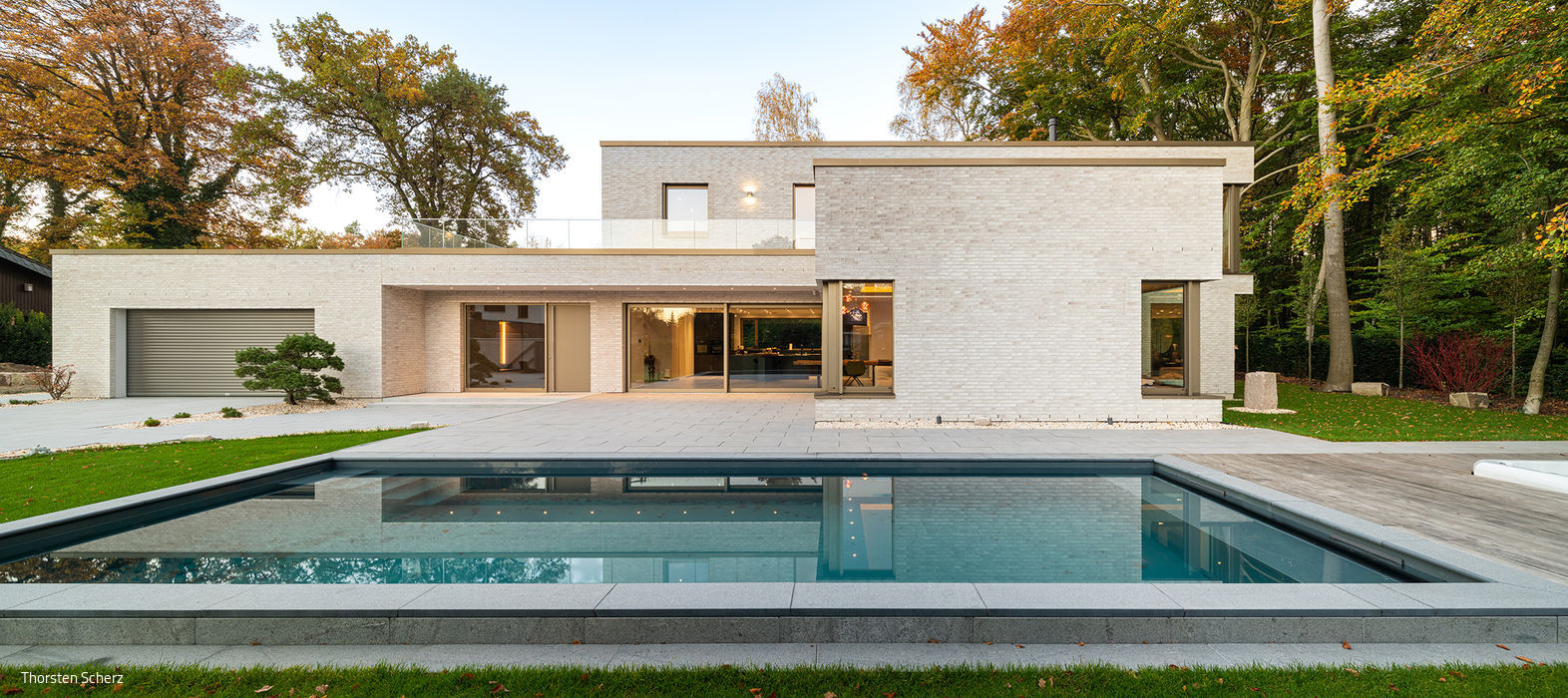
A Spacious Villa that Embraces Its Woodland Setting
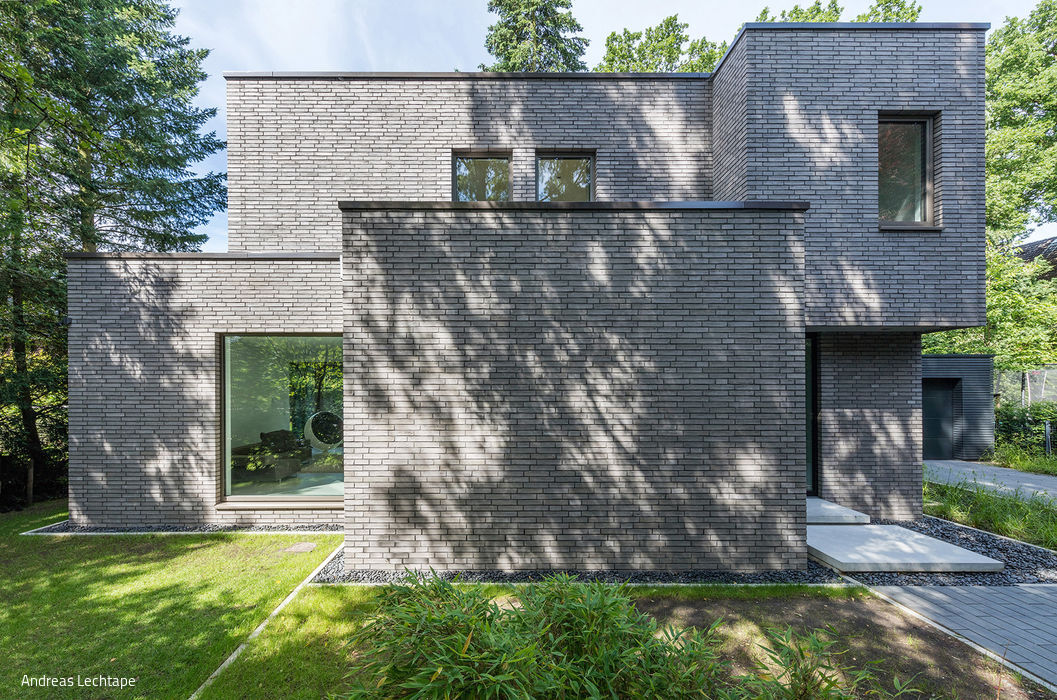
Worth the effort
A bespoke home emerged—filled with light and expansive views, realized in the perfect location.