


Inspiring Openness
Campus architecture that fosters collaboration and learning
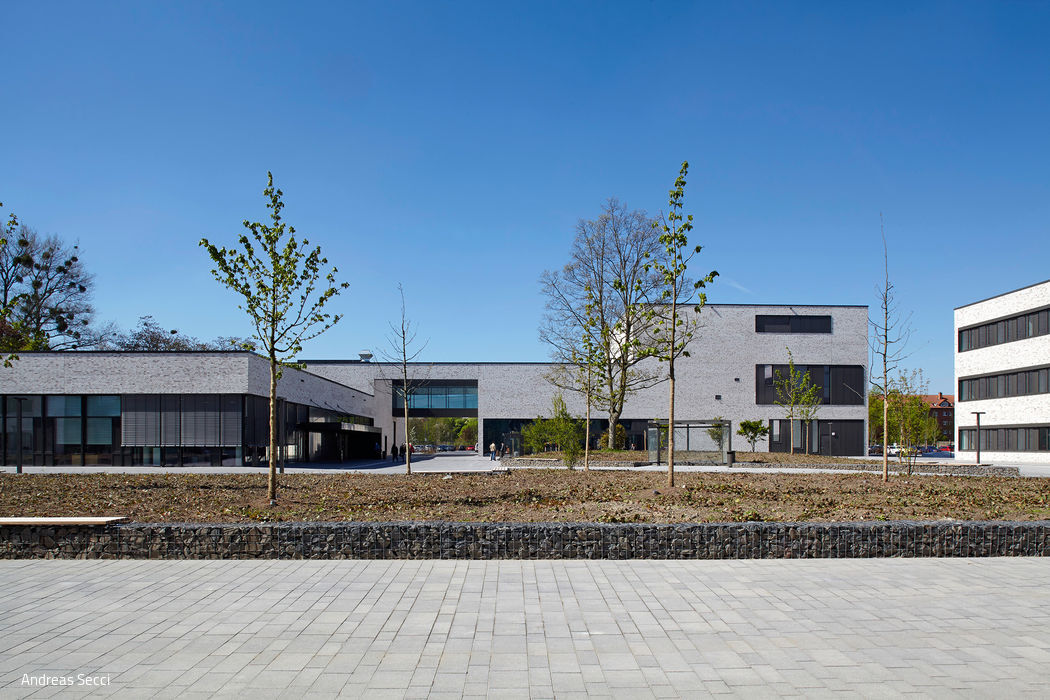




Hamm-Lippstadt University of Applied Sciences is one of four universities established by North Rhine-Westphalia in 2009. Built on the grounds of a former military hospital, the new campus in Hamm was designed by architecture and engineering firm pbr Planungsbüro Rohling as a dedicated facility for MINT education. Three light-hued clinker brick complexes cluster around a central plaza, unified by their refined aesthetic and functional transparency. The design earned first prize in a Europe-wide competition.
The two main structures, H1 and H2, house the lecture hall centre, dining hall, campus office, media centre, and administration. The integrated H3/H4 complex, with its distinctive comb-like structure, is the campus's largest building and accommodates offices and laboratories tailored to varied research needs. The heart of the campus—a central plaza—anchors the entire design. Every building entrance faces this gathering space, which serves as the academic hub where students and faculty naturally convene and exchange ideas. Entry from the surrounding city occurs via a forecourt on Marker Allee, welcomed by a public art installation. Everything is within a short walk. The H3/H4 building's comb structure, punctuated by green courtyards, bridges campus and city, creating a seamless urban dialogue.
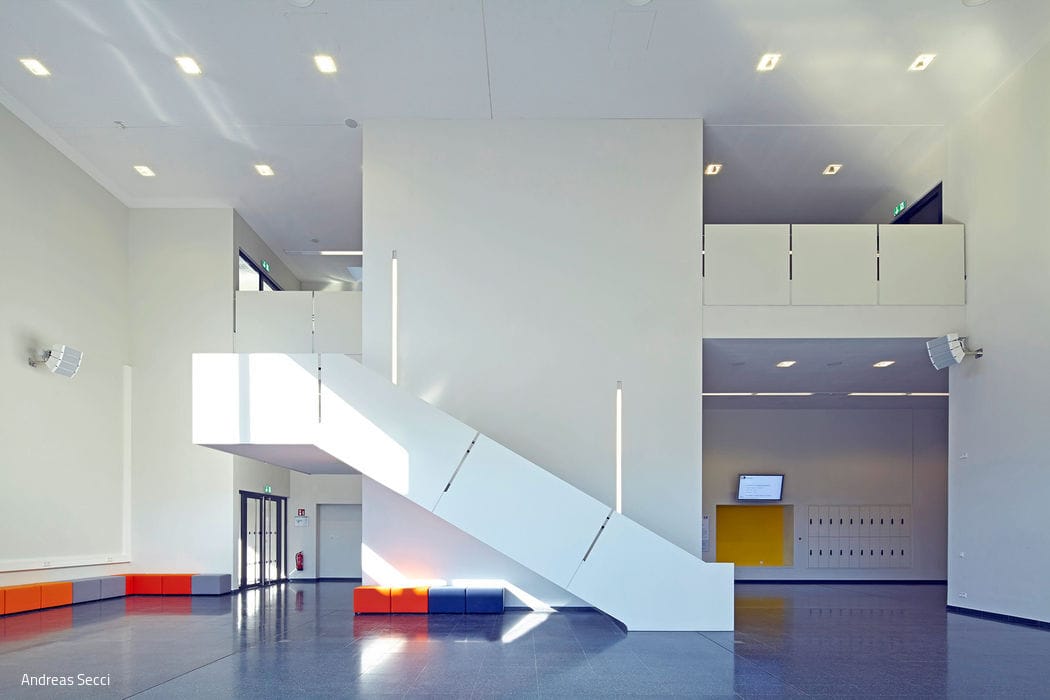
The angular H1 complex spans one to four storeys and comprises two connected sections: the lecture hall centre and dining hall, linked by a bridge on the first floor. This creates direct access from the car park to the campus heart at ground level. The lecture hall centre features seven lecture halls of varying capacities with tiered seating and nine seminar rooms providing 1,150 seats across three levels. A welcoming vestibule opens into a generous two-storey entrance foyer with an open main staircase—a versatile space equally suited for lectures, seminars, and cultural events.
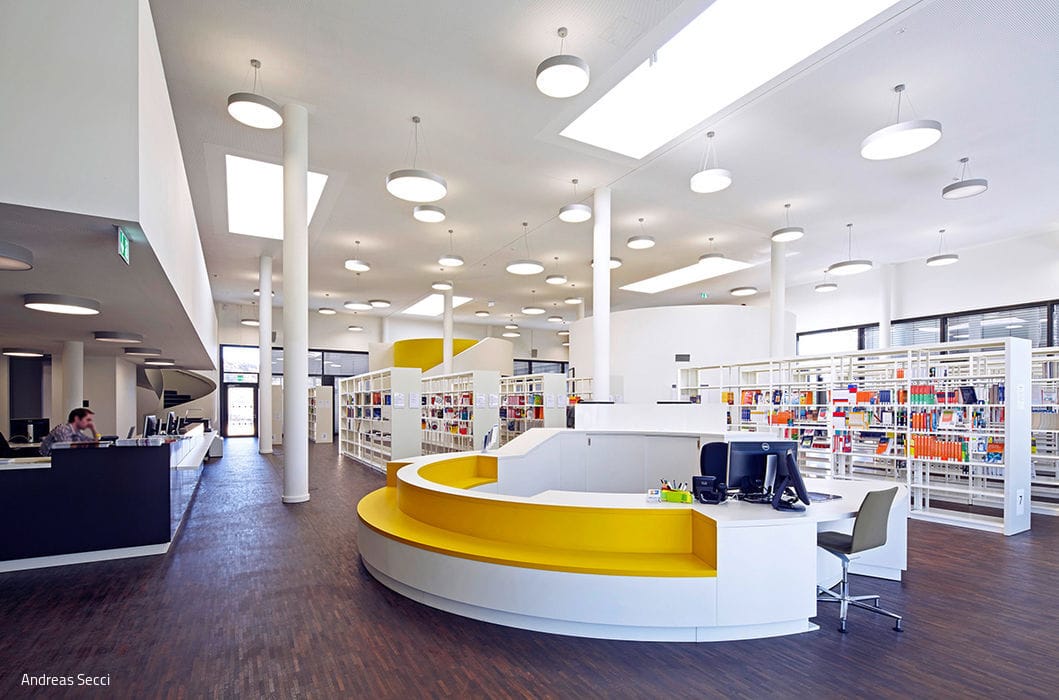
The design prioritizes collaboration through thoughtfully placed seating alcoves and informal gathering spaces. Student workstations are distributed throughout the campus in open, accessible locations. At the lecture hall building's entrance, these workspaces are prominently visible through the "window to the city," offering passers-by a glimpse into the vibrant academic life within.
The distinctive light-hued water-struck clinker bricks from Hebrok were custom-developed for the campus, establishing a cohesive, contemporary aesthetic throughout.
Photography Credits:
Andreas Secci
www.andreas-secci.de
(Published in CUBE Ruhrgebiet
Defying Uniformity
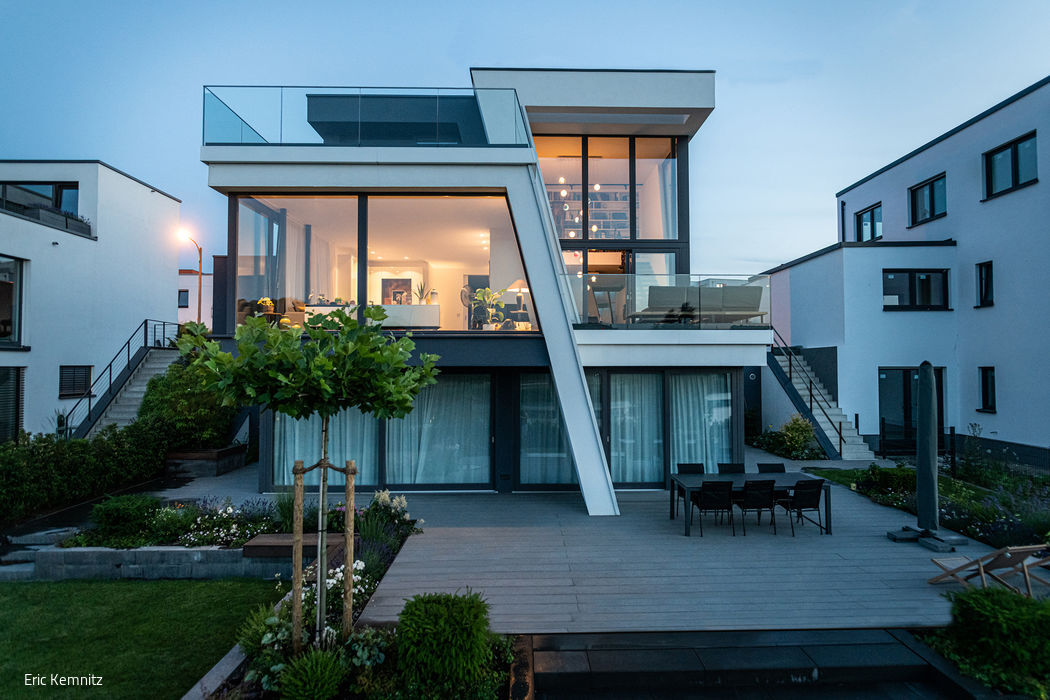
A lakeside house defined by dramatic angular lines
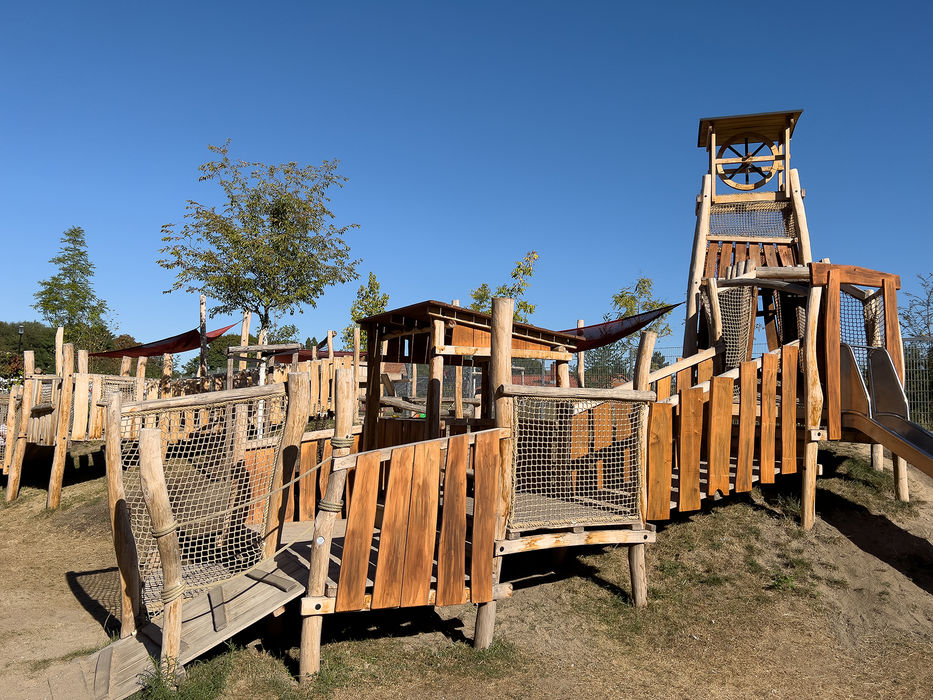
Creative Play Paradise
The "Kleiner Pütt" daycare, nestled at the edge of the Zollverein Coal Mine Industrial Complex, now boasts a spacious and inventively designed outdoor playground.
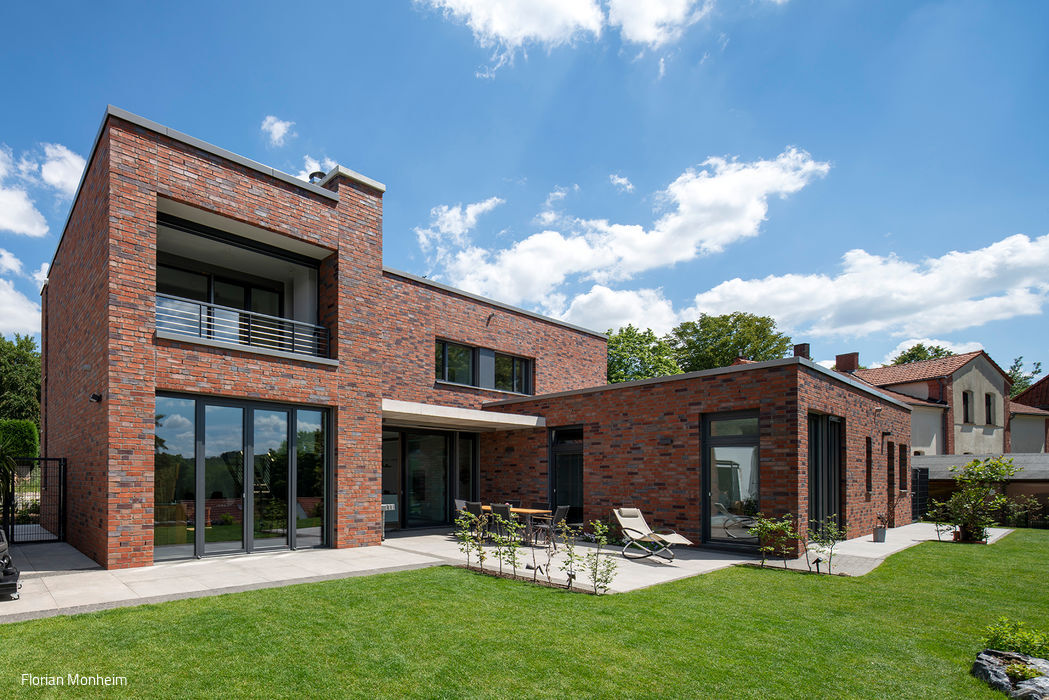
Charming Living with Lake Views
Clear design principles create exceptional quality of life in one of the region's most desirable neighborhoods
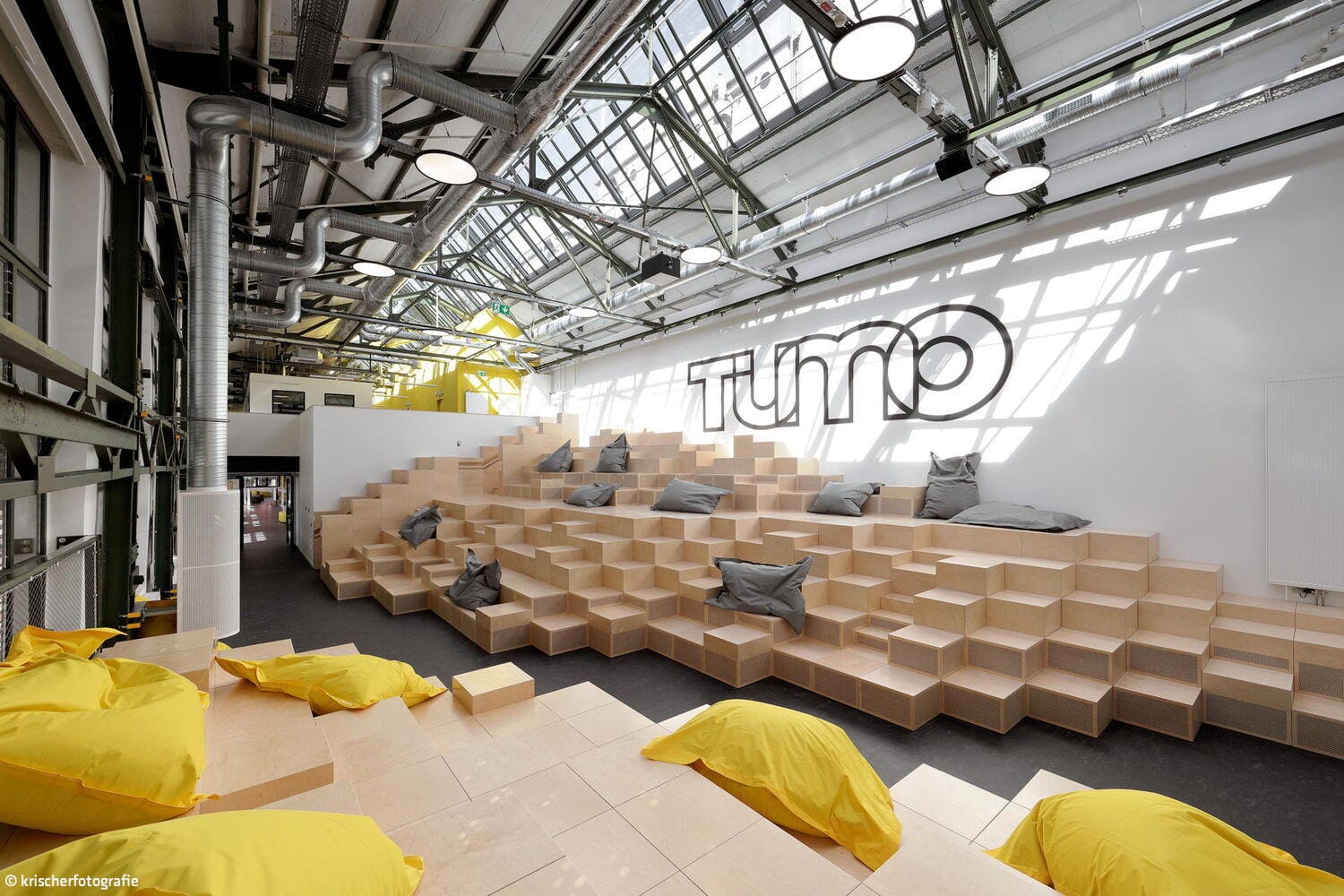
Heritage with Potential
Transforming Essen's Colosseum into a modern, forward-thinking destination