


A Vibrant Mix
The Architecture of a Comprehensive School in Dortmund Inspires Learning
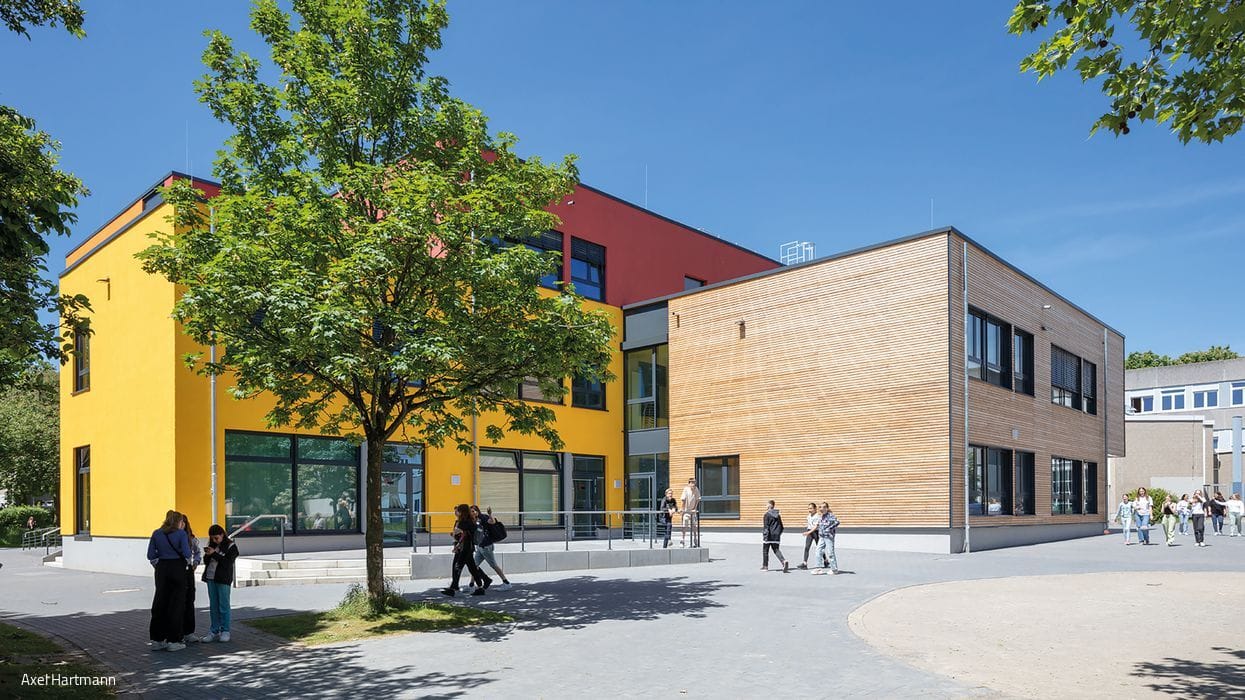
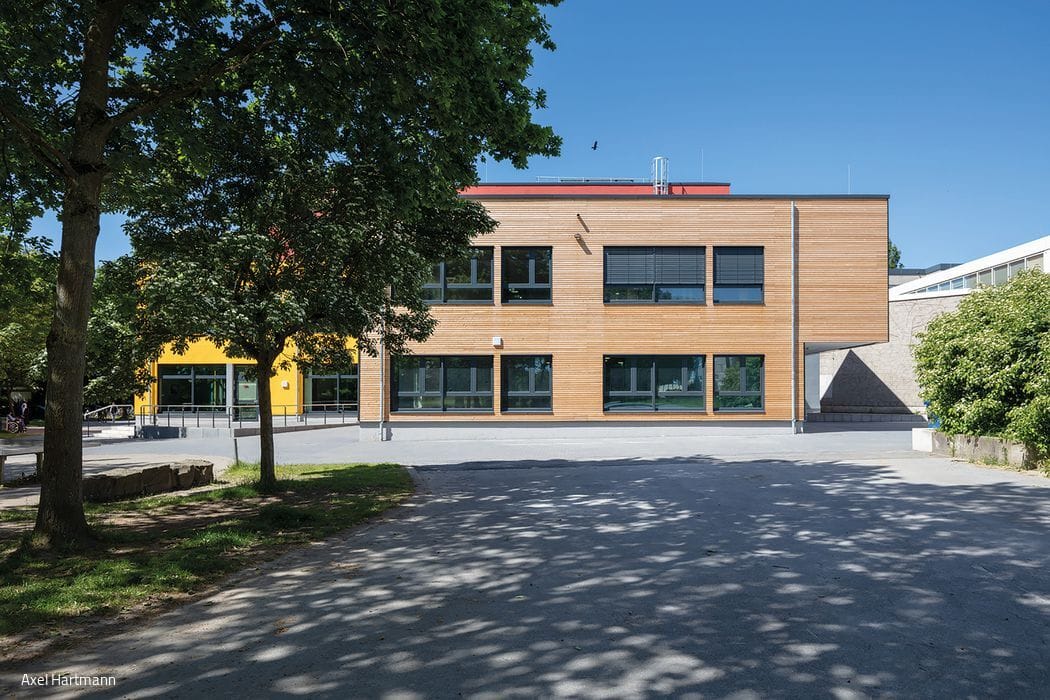
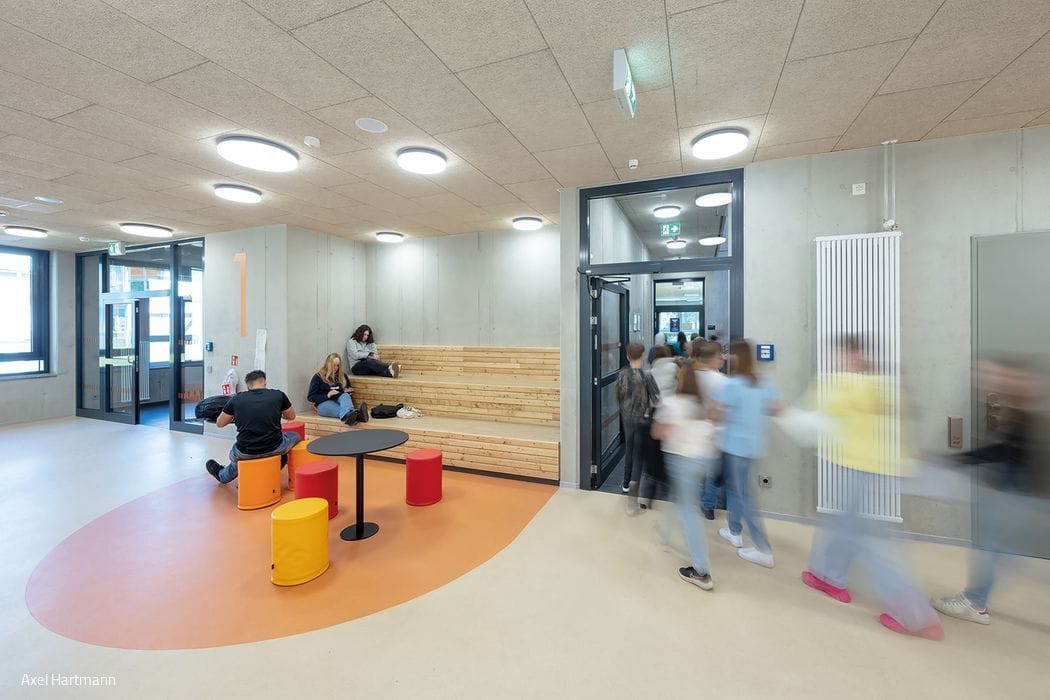
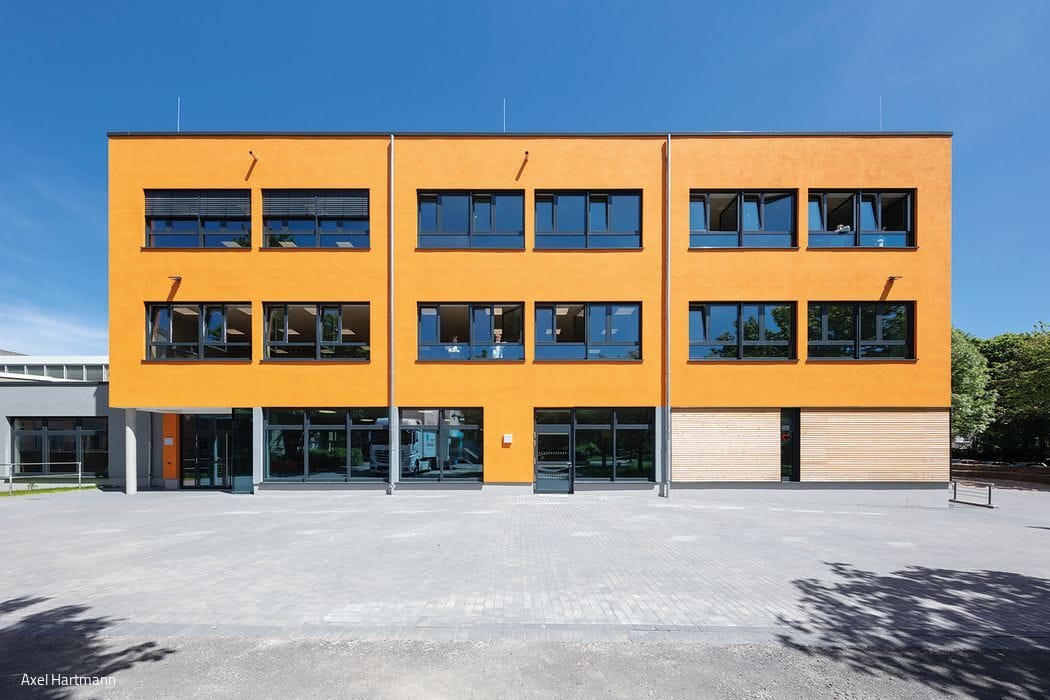
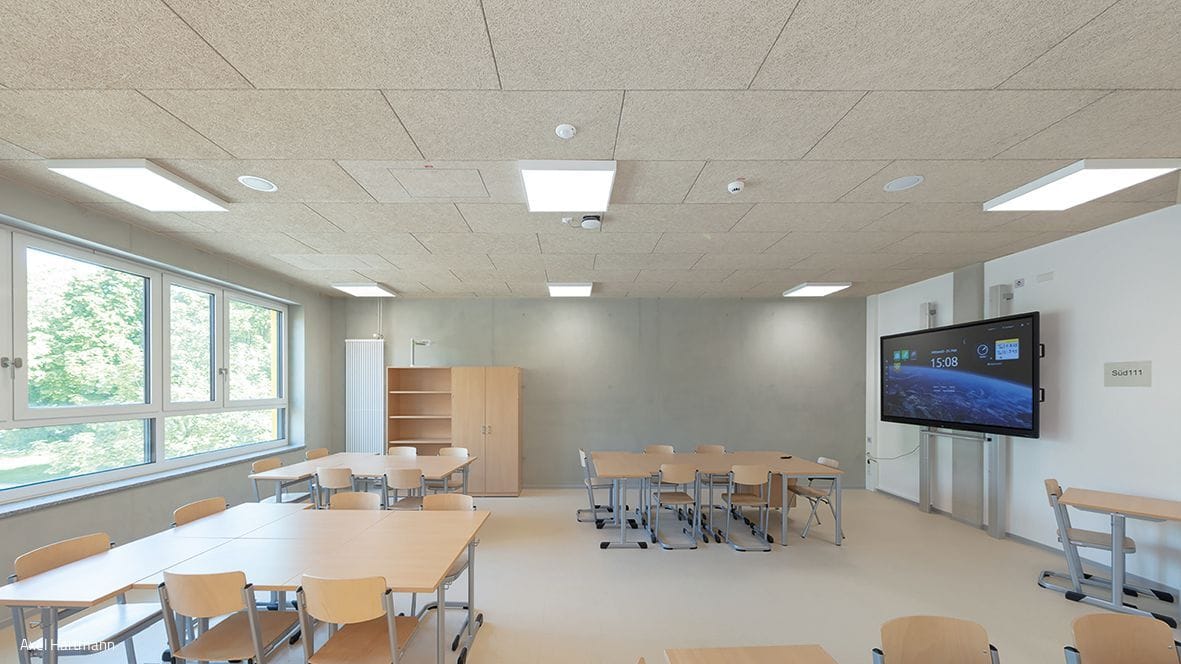
Geschwister Scholl Comprehensive School in Dortmund welcomes around 1,400 students. To serve them—along with teaching and support staff—the existing campus needed expansion. Nattler Architekten from Essen rose to the challenge: bridging old and new with a connecting structure while capturing the unbridled energy and enthusiasm of the student body through architecture. Their solution? Bold, strategic use of colour throughout the design.
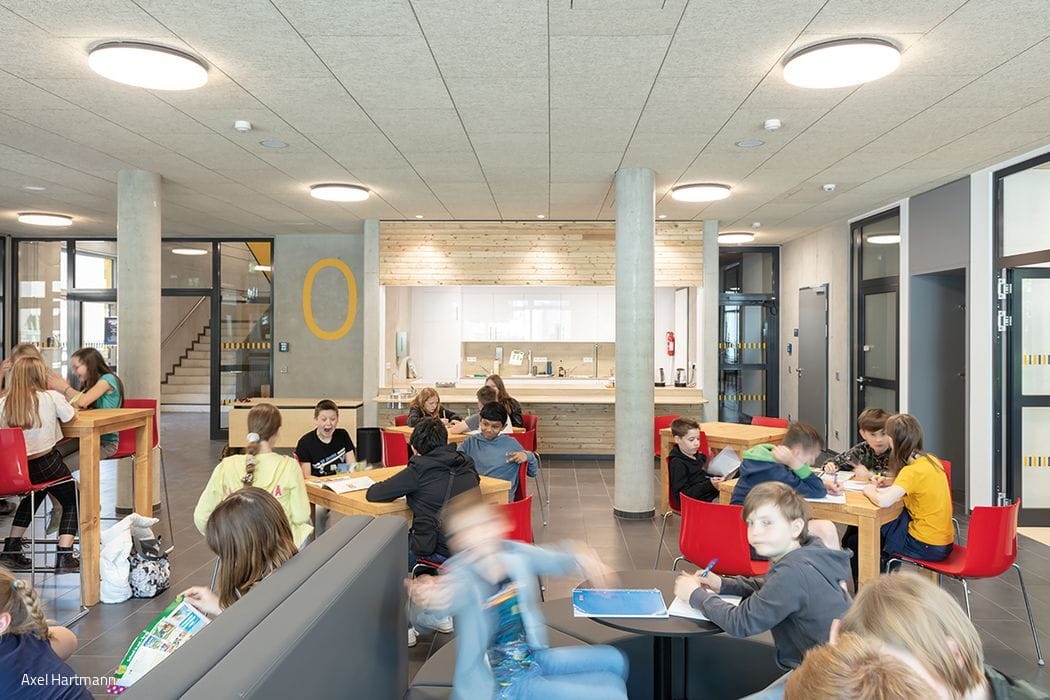
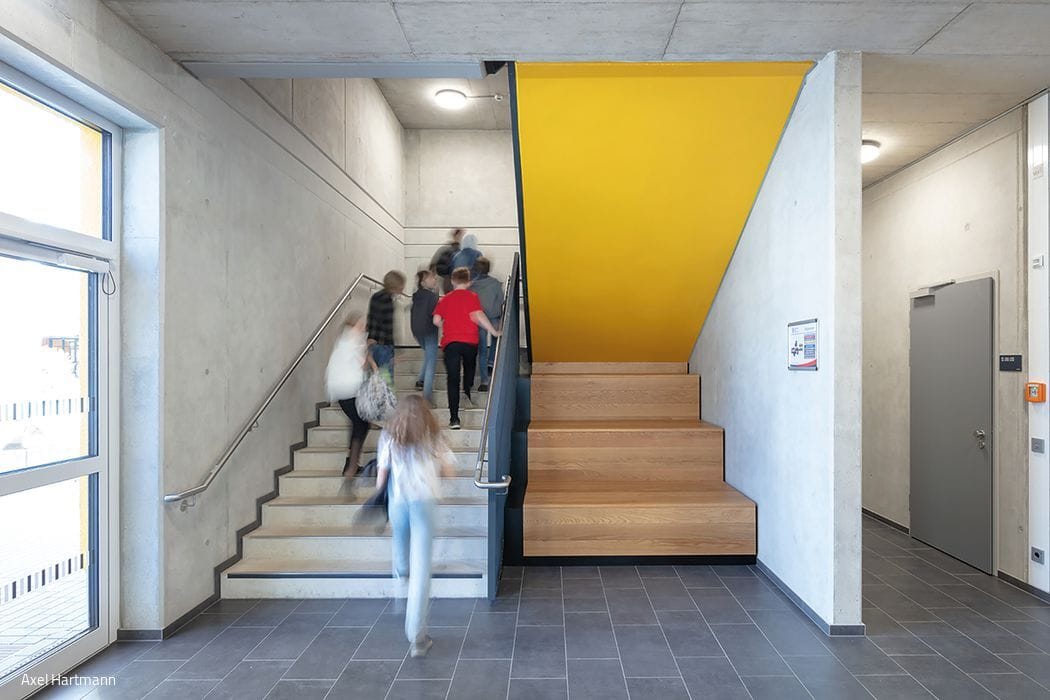
Completed in two and a half years, this new three-storey building occupies a 1,000 m² section of the schoolyard. While the extension itself was designed with full accessibility in mind, the existing building's varying floor levels made universal design impractical there. What immediately captivates is the bold colour palette both outside and in—a deliberate choice that fosters a welcoming, inspiring learning environment. Classrooms are clearly identifiable as a continuous band of windows along the façade. The larch wood cladding covering the building's exterior was left unfinished, allowing it to develop a natural, silvery patina over time. This commitment to natural materials extends throughout: mineral insulation replaces polyurethane, and cement-bonded HWL panels retain their authentic wood tone. The expansion provides five additional classrooms and four specialist rooms, accommodating class sizes of up to 30 students. Beyond the staircase—equipped with dual handrails and tactile step markings—a lift ensures accessibility to all floors. Each level features a colour-accented "learning corridor" that's integral to the school's pedagogical approach, seamlessly connecting individual classrooms. These informal gathering spaces naturally encourage interaction and collaborative work among students. Larch wood appears again in the interior furnishings, creating visual continuity throughout the building.
The new building taps into the existing district heating network for warmth. Flat roofs feature extensive green coverage. The existing photovoltaic installation has been expanded by approximately 15 megawatts peak (MWp). From the outset, Nattler Architekten employed BIM—a comprehensive 3D planning platform with IFC interfaces—to guide the project. While this approach represents current best practice, it still encounters practical limitations. Data exchange with contractors and authorities therefore relied partly on conventional methods due to compatibility constraints.
Photography Credits:
Axel Hartmann
www.ah-fotografie.de
(Published in CUBE Ruhrgebiet 03|23)

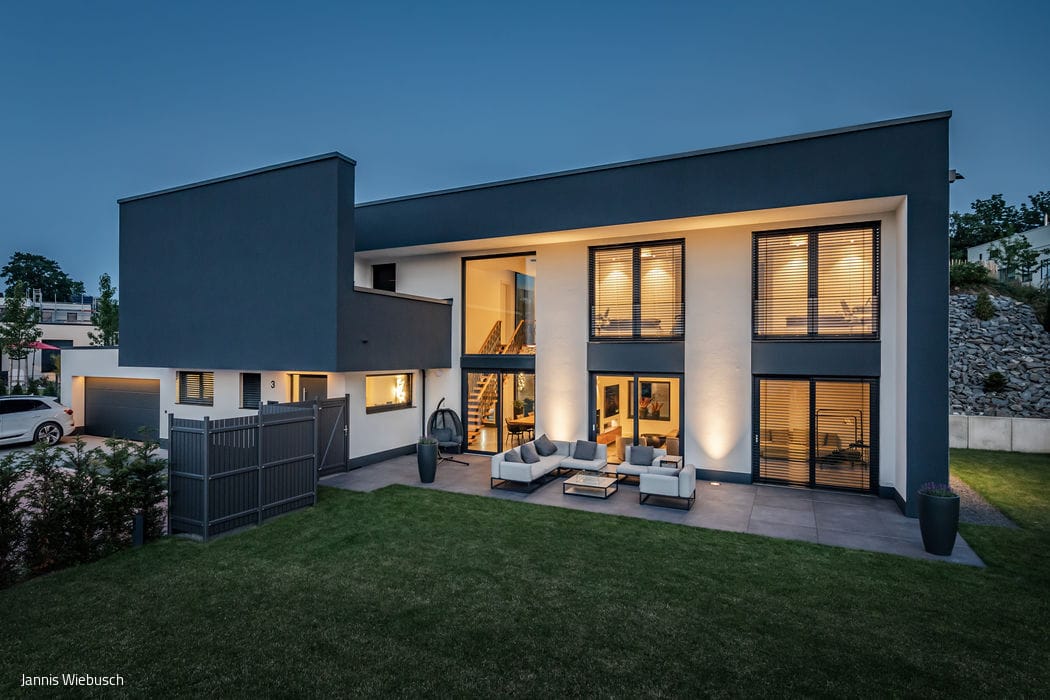
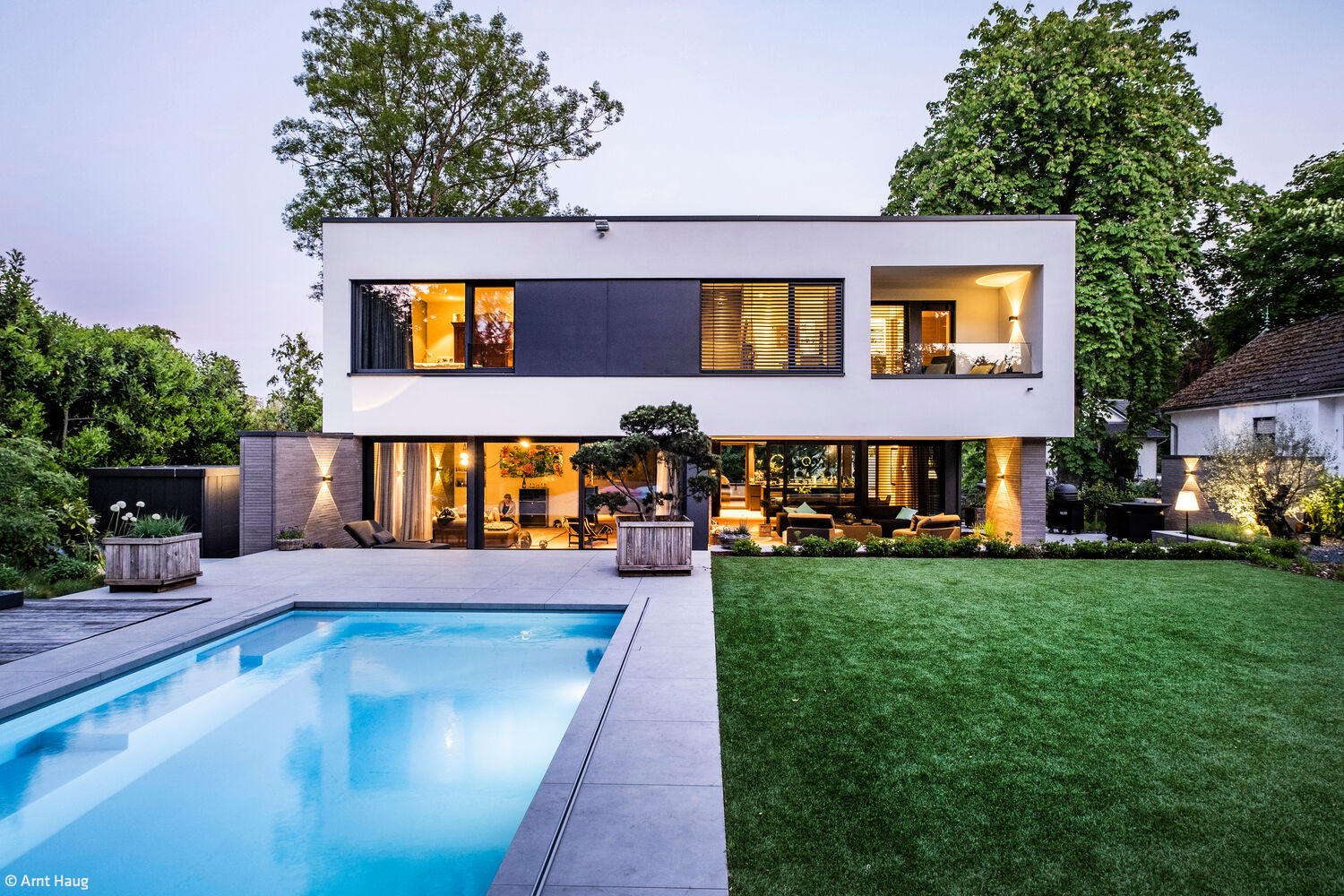
Dream home with potential
Forward-thinking design that creates space for family living
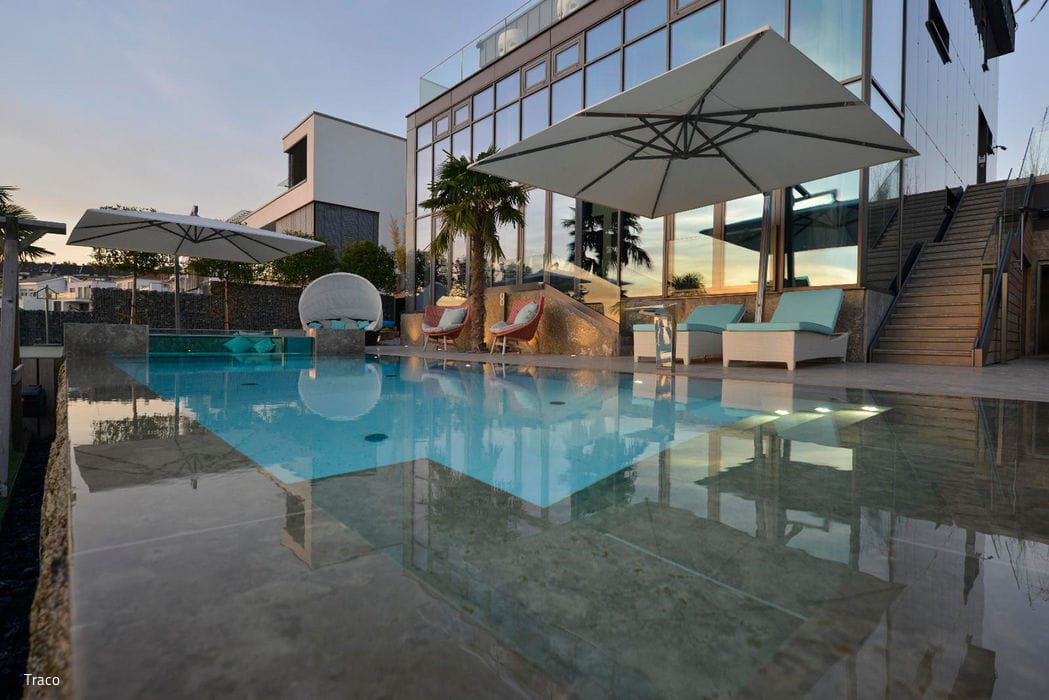
Maximum potential realised
Every square inch of the completed project fulfils the client's vision: a serene Mediterranean haven that invites you to slow down and breathe...

Dynamic Lightness
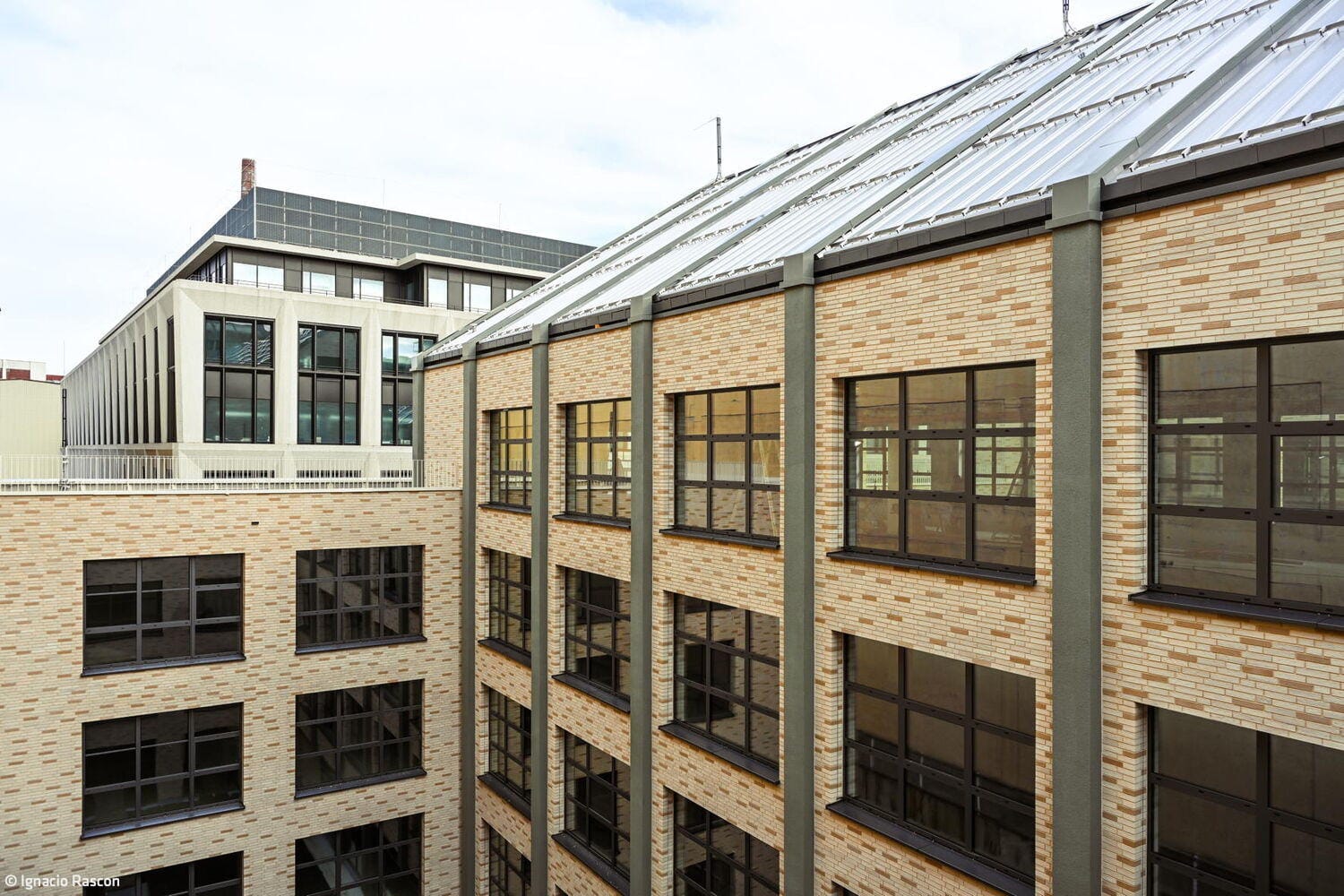
Office building at Stadtkrone Ost in Dortmund featuring an extraordinary façade