


Daring Design: Filling the Gap
Two Homes in One Impossibly Narrow Townhouse


A dilapidated building that had plagued the entrance to Bad Tölz's old town for decades had only one fate: demolition. When the site went to tender, an enterprising developer stepped forward with an ambitious vision for this narrow gap. At just under seven meters wide, the plot demanded something more creative than a conventional townhouse. Developer Roman Gabriel approached architects Michaela and Hans Eizenberger – a father-and-daughter team based in Bad Tölz – to help him transform his initial concept of a semi-detached house into reality. What emerged was their shared vision: "make two out of one."Their ingenious answer: divide the narrow plot vertically instead of horizontally, creating two distinct residential buildings rather than one. This approach solved two critical challenges. First, the total living area of 230 m² exceeded what the client and his small family needed. Second, a conventional stacked design – with one unit on floors one and two, another on floors three and four – would inevitably create one dark apartment and one flooded with light.The split-level solution proved brilliant: five staggered half-floors allow the space to soar vertically while maintaining a narrow footprint. The partition wall between the two halves shifts left and right across different levels, creating subtle expansions and contractions that maximize every square meter. The result? Two airy 115 m² units (plus 15 m² of basement space each) – more living space than the unassuming exterior suggests possible.Aesthetic constraints shaped the design as well. One neighboring house carries listed status, requiring the new structure to harmonize stylistically rather than contrast. The ground floor entrance, set slightly back, features a fully mirrored wall that amplifies the sense of spaciousness. Above it, a split-level arrangement unfolds: the kitchen at mid-stair height, living areas one level up, bedrooms and bathrooms beneath an open gable roof with skylights at the top.The client occupies the left half with his family. The basement holds a utility room, study, and guest bath – zones that can function as a separate guest suite. All main rooms flow openly into one another without doors, except for bedrooms and bathrooms. A generous roof terrace crowns the composition at level 2.5.Light floods the home from multiple sources: the street-facing facade with its traditional character, a fully glazed post-and-beam composition on the north side (softened by wooden slat screening for privacy), and that dramatic skylighted roof truss. An innovative perforated metal staircase adds visual lightness while integral built-in furniture eliminates bulky storage.The project achieves something remarkable: it demonstrates that thoughtful design can yield significantly more living space than conventionally possible on a tight urban plot – a model for inner-city densification that never compromises on quality.
www.eizenberger-architekten.de
Photography:
Adrienne-Sophie Hoffer
www.adriennehoffer.com
(Published in CUBE Munich 04|24)


Nestled Among Ancient Oaks
A Minimalist Home Composed Around the Trees
Less is More
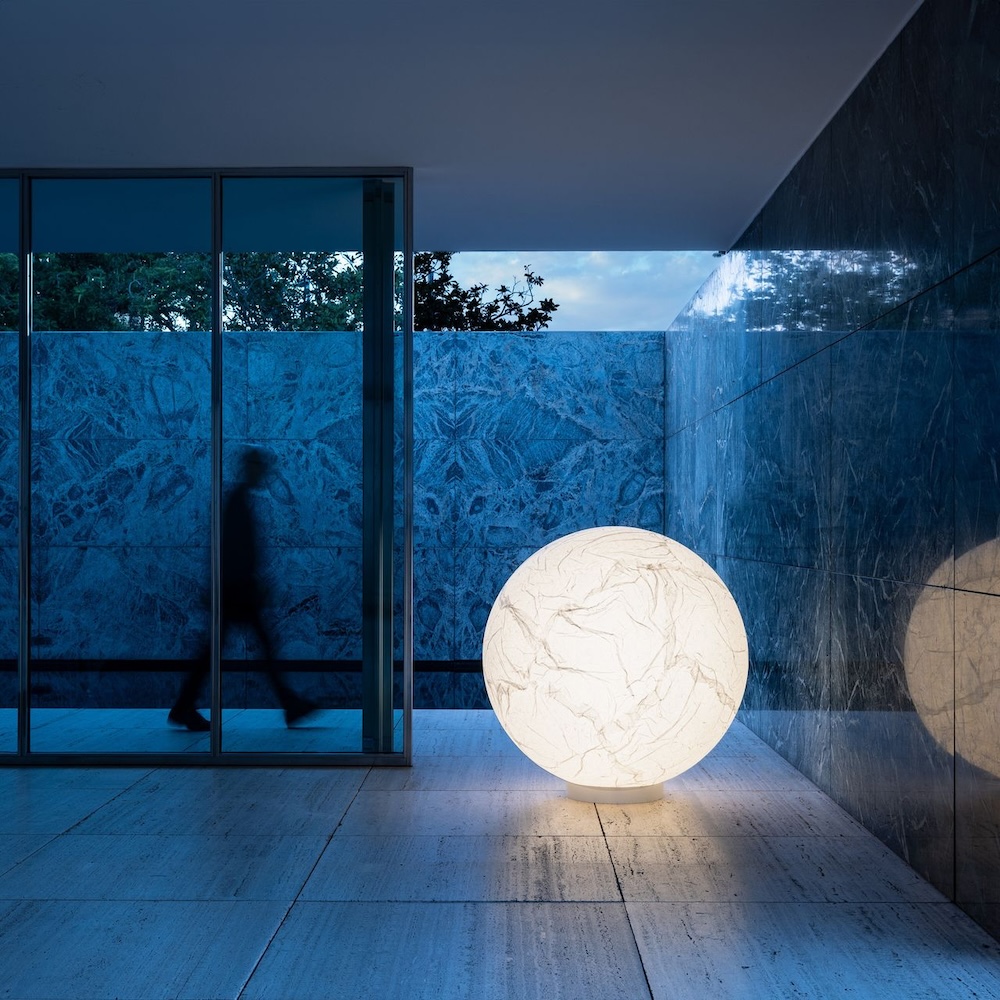
Lighting designer Davide Groppi captivates with minimalist luminaires of technical brilliance.
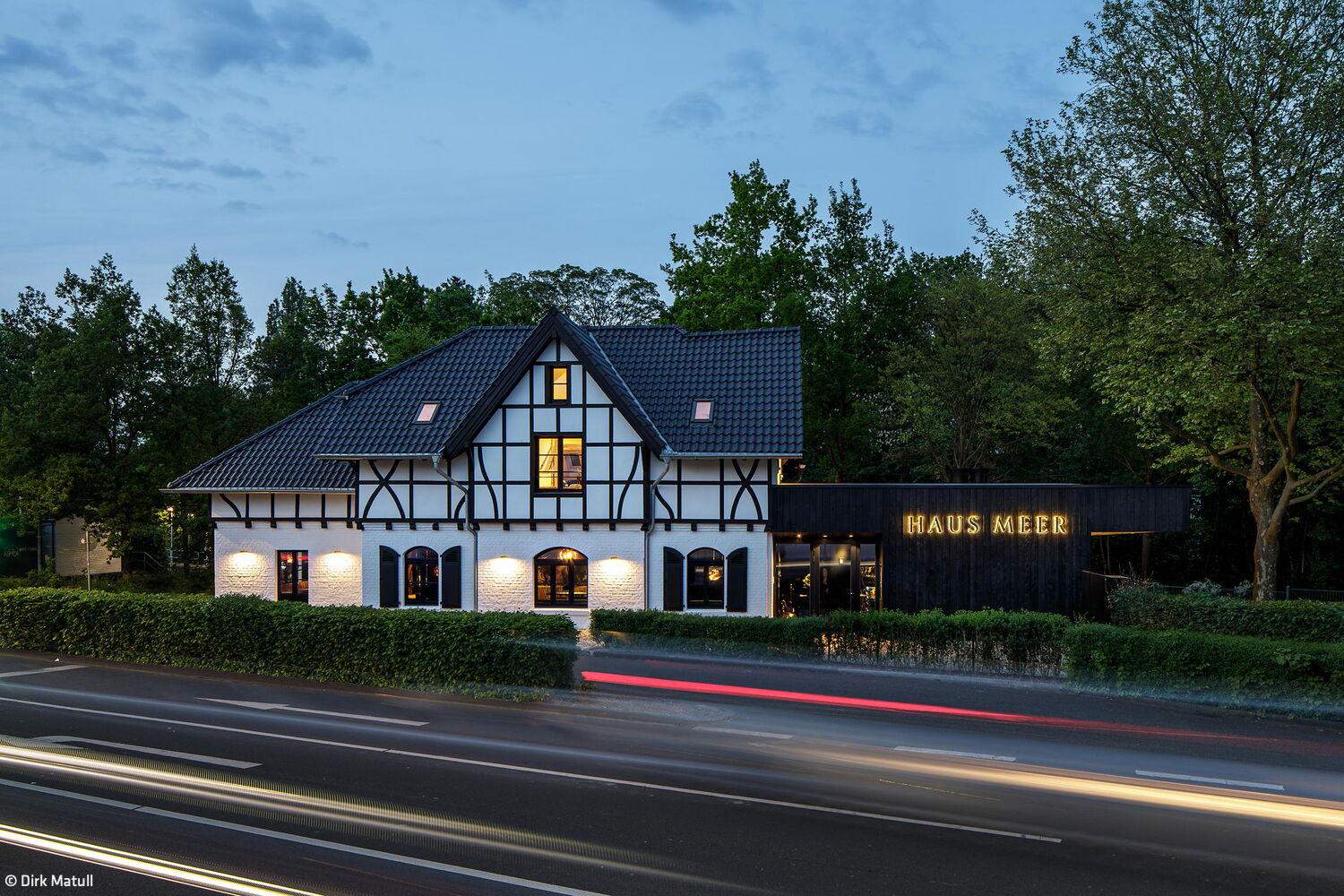
Restored Dignity
Haus Meer in Meerbusch radiates its former splendor while embracing a distinctly Japanese aesthetic.
Carports: Premium or Basic? What Sets Them Apart
Learn what distinguishes a premium carport from a standard model – from materials and finishes to design and performance. Read more...