


The Rise of Electric Mobility
The Growing Role of Private Users
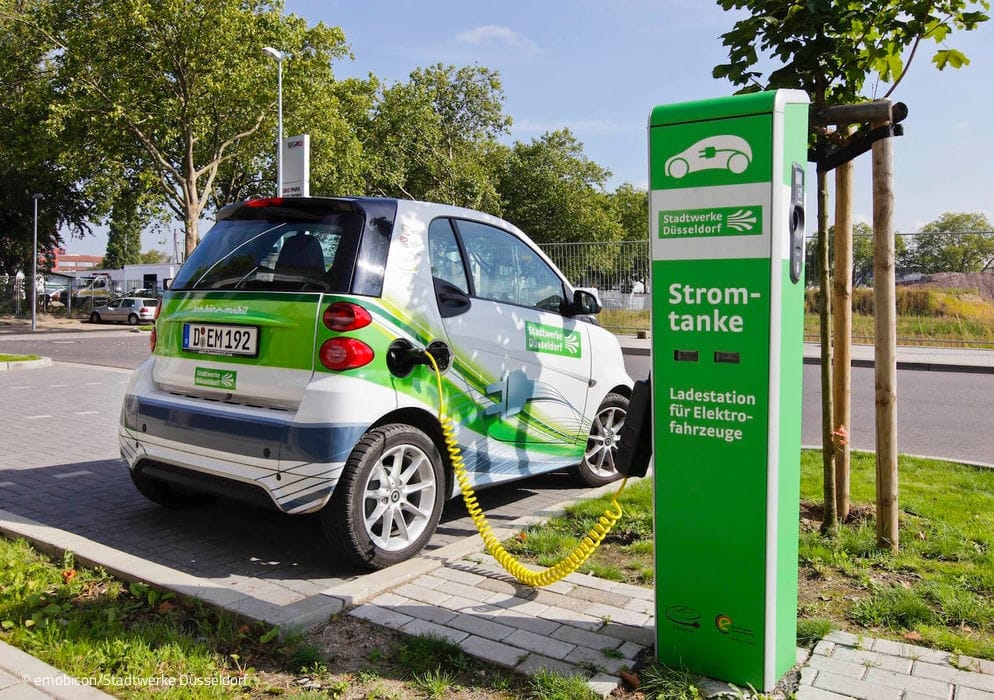
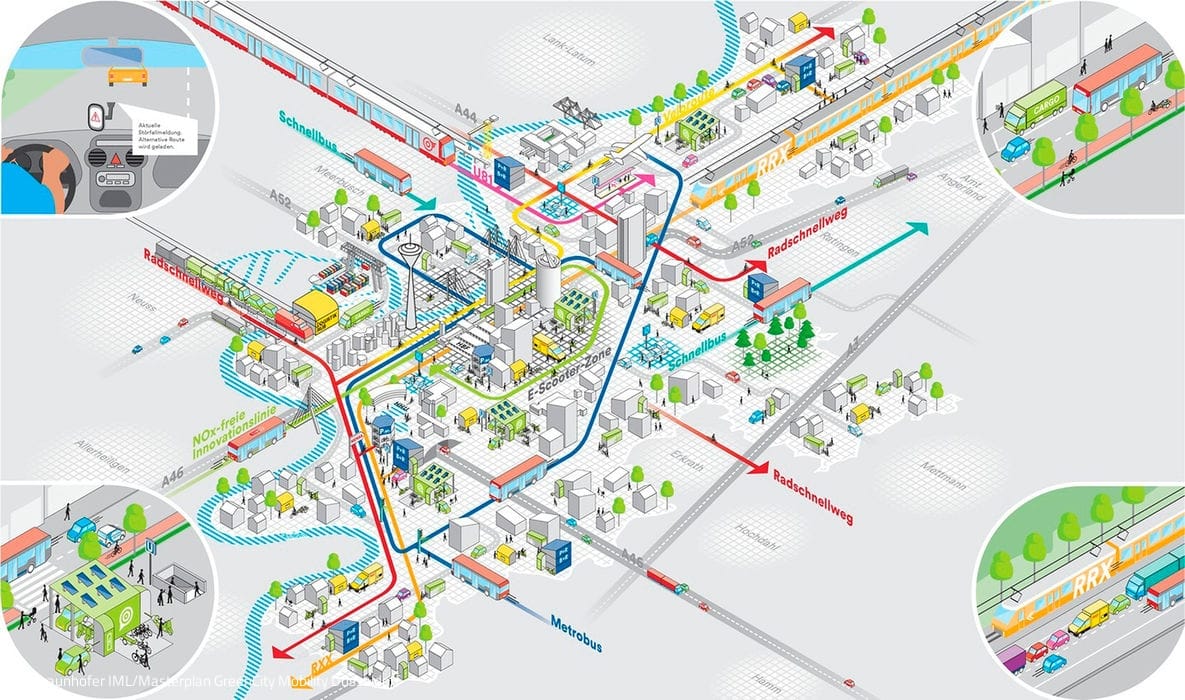
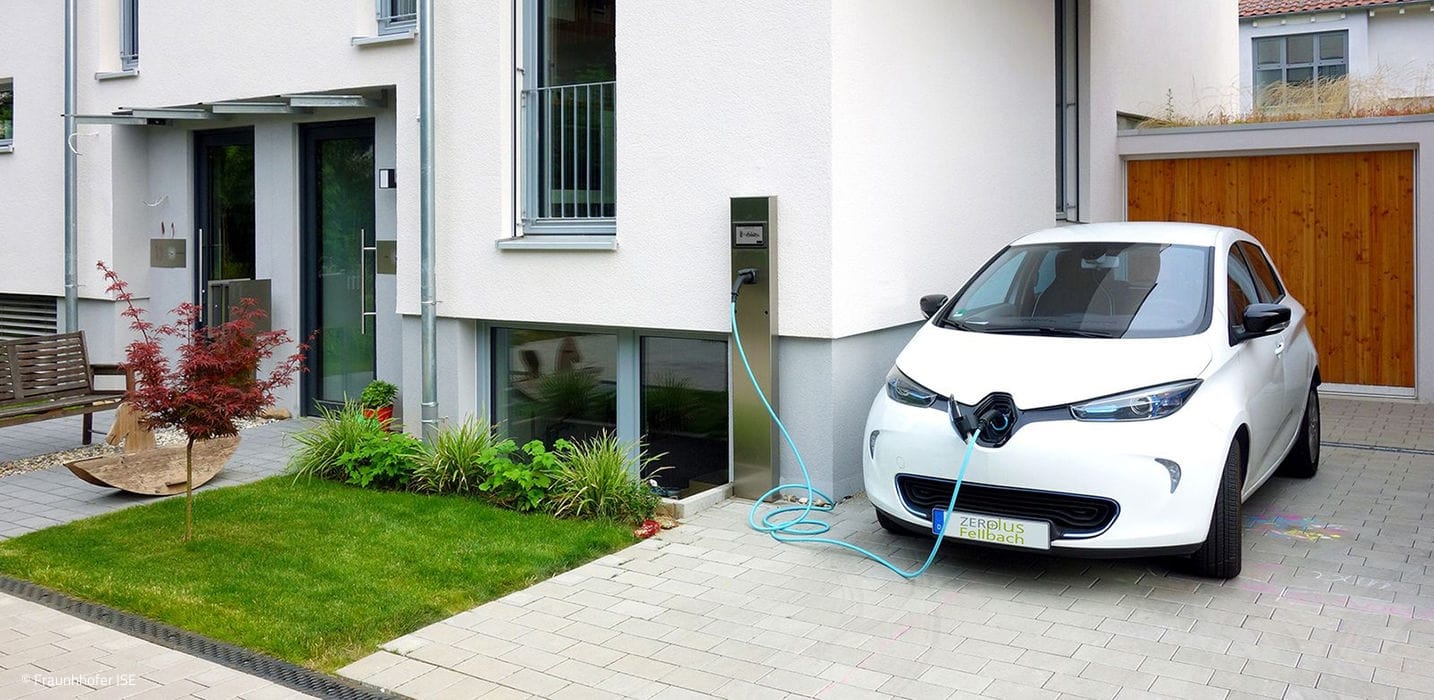
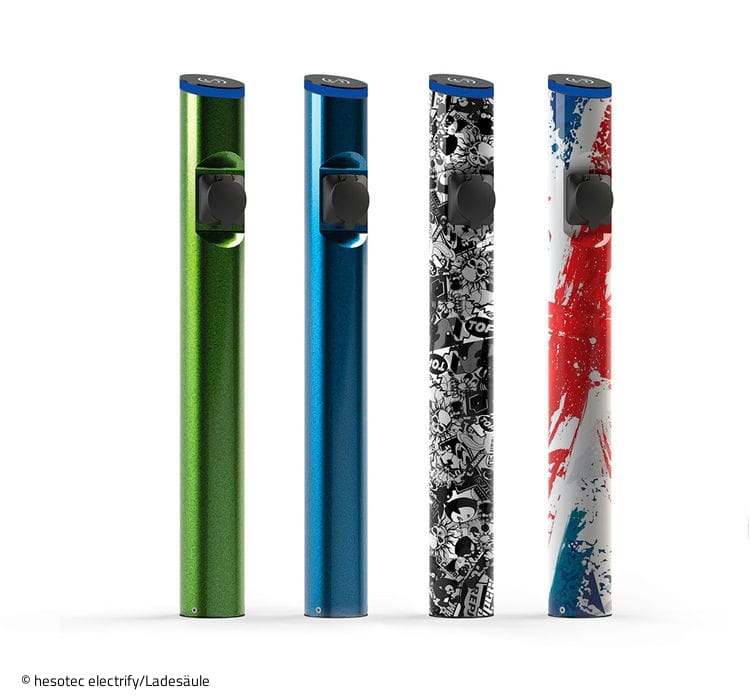
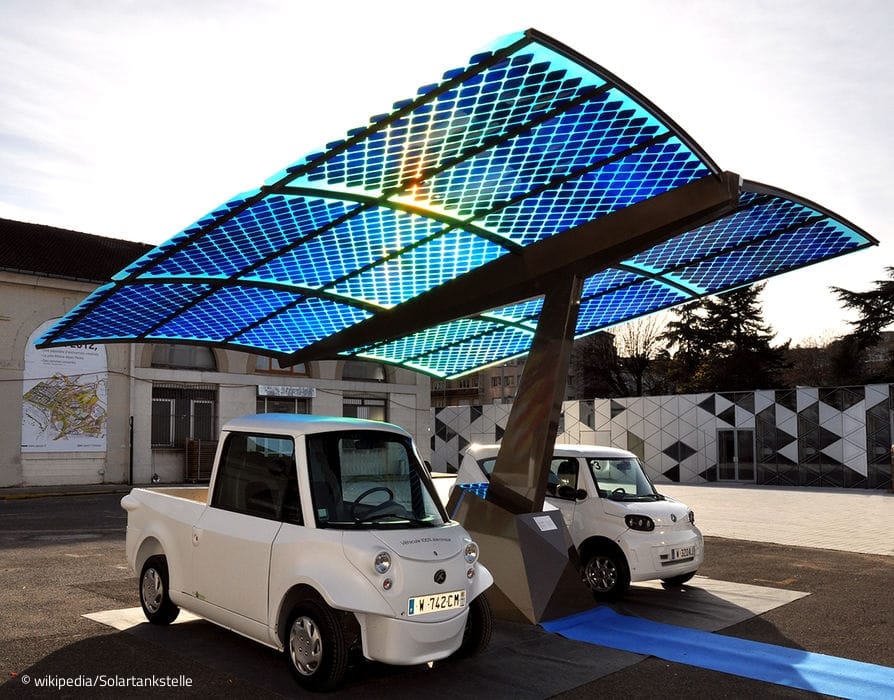
Electric mobility represents the future of transportation—and for good reason. It advances climate protection while opening new possibilities for vibrant urban neighborhoods, all provided the energy comes from renewable sources. Major cities are embracing this vision: Paris, London, Copenhagen, Rome, and Heidelberg—members of the C40 Cities Climate Leadership Group—aim to complete their fuel transition by 2030. Düsseldorf echoes this ambition with its goal of becoming a "climate-neutral city by 2050." The city's "Electric Mobility Action Plan" outlines concrete steps: increasing electric vehicles in the municipal fleet by 20% next year and accelerating photovoltaic installations for charging. The numbers justify the urgency: roughly 220,000 petrol and diesel vehicles traverse the city center daily. Beyond expanding public charging infrastructure, Düsseldorf is driving private electric mobility forward through targeted incentives—including subsidies for home wall boxes—and through smart neighborhood design. This holistic approach integrates shorter distances, reduced traffic, shared mobility services, and amenities like carports with charging capabilities. From the start, planners must account for technical requirements: cables, transformers, and pre-installed infrastructure. For homeowners, a charging station is equally essential, serving to convert household alternating current into the direct current batteries need. At its simplest, this means a socket where vehicles charge via cable and charger. Most private charging happens at wall boxes, though some use dedicated charging poles. Nearly every household has 400V access, but this standard outlet takes up to twelve hours to fully charge—impractical for regular use. CEE connectors deliver significantly faster charging, though older vehicles may need adapters. Higher voltages and currents command higher prices. Type 2 AC charging stations with 11 or 22 kW start around €700 installed. Today's charging stations operate digitally through apps developed by 48 manufacturers across 96 models, allowing users to monitor charging, optimize energy costs through intelligent scheduling, and set preferred times. Night charging emerges as the savviest choice: demand is lowest, costs are reduced, and batteries are ready by morning. The "ElektroMobilität NRW" competence center offers a practical guide—"Weg zur eigenen Ladestation"—with a comprehensive checklist answering questions about charging options, providers, costs, and technical specifications.
Regional Snapshot: Düsseldorf
– Private car owners in Düsseldorf: 71.5% of 224,060 cars run on petrol; 60,000 diesel vehicles, of which roughly 90% fail to meet current emissions standards
– 1.8% (1,200) use alternative powertrains; of these, 326 are battery-electric (as of December 2017)
– Battery-electric vehicle registrations in North Rhine-Westphalia: January–May 2019: 4,551
– Public charging stations nationwide: 17,400 (as of March 2019)
– Public charging stations in Düsseldorf: 90 spread across 52 locations with approximately 200 charging points (5th-ranked nationwide per the charging station register)
– At least 180 charging stations planned by 2020
– Approximately 50 electric models across all vehicle classes; longest range in the compact segment: Kia e-Soul with 462 km; luxury class leader: Tesla with up to 610 km
– Vehicle-to-Grid: E-cars as power sources—excess electricity feeds back into the public grid
– Incentives: free parking and charging, 10-year motor vehicle tax exemption, purchase subsidies (€4,000 for battery-electric vehicles; vehicles over €60,000 excluded), wall box subsidies up to €500 maximum, plus programs like "progres.nrw – Low-Emission Mobility" and "Climate-Friendly Living and Working"
Standard Charging Connectors
– German standard: various CEE Type 2 plugs for AC charging stations delivering 3, 7, 11, or 22 kW
– CCS Combo plug (Combined Charging System): extends Type 2 functionality for fast charging stations, supporting both AC and DC charging up to 170 kW
– CHAdeMO plug: developed in Japan; compatible with Citroën, Honda, Kia, Mazda, Mitsubishi, Nissan, Peugeot, Subaru, Tesla (via adapter), and Toyota
– Tesla Supercharger: a proprietary variant of the Mennekes Type 2 plug that achieves 80% charge on the Model S in 30 minutes at up to 120 kW (direct current); currently not compatible with other manufacturers
Charging Cables
– Mode 2: connects to a standard household outlet via an in-cable control box (ICCB) that manages communication between the vehicle and charger
– Mode 3: dedicated charging cable between the station and vehicle, typically using a Type 2 plug (EU standard)
(Published in CUBE Düsseldorf 03|19)
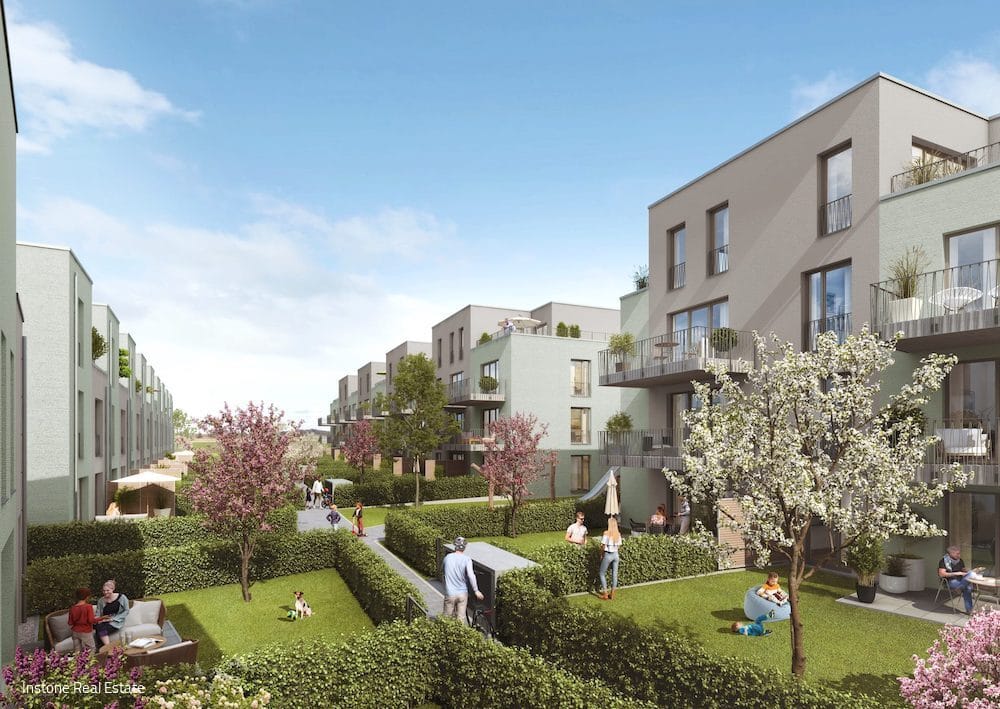
Living in Hochfeld
Scholle 3 Show House Grand Opening
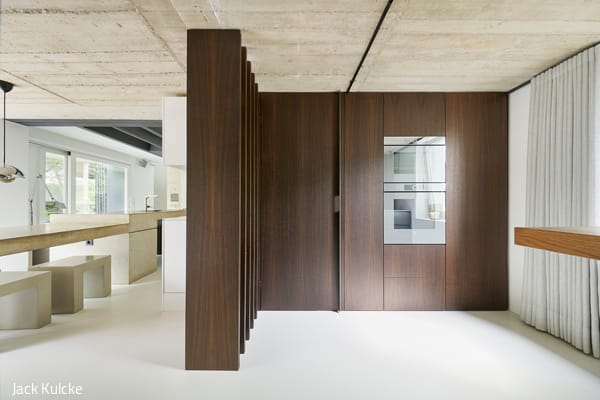
Harmoniously refined
Kitchen Expansion Done Right: Achieving Function and Flow
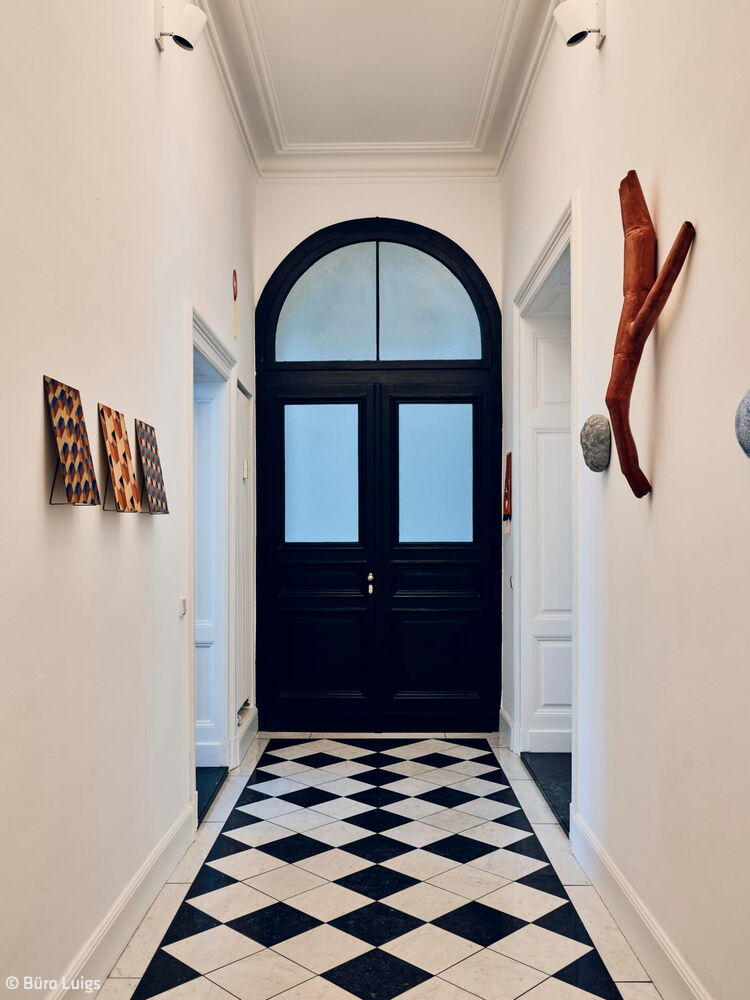
Sensitively modernised
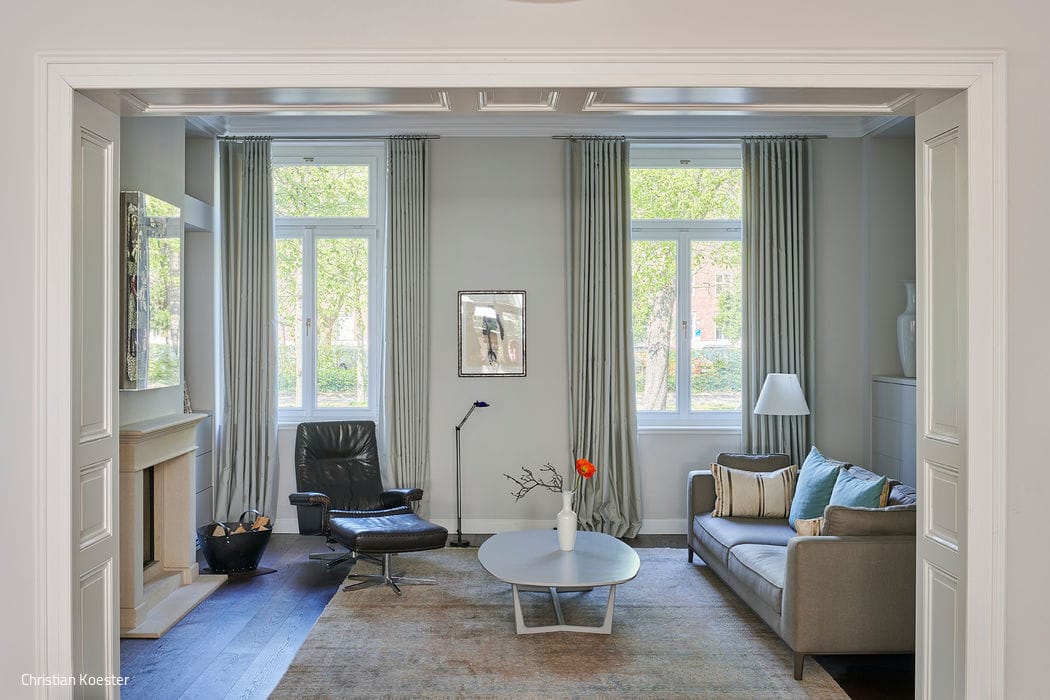
A heritage townhouse in Unterbilk reimagined as a bespoke living and working environment.
Heritage reimagined
A Düsseldorf townhouse thoughtfully restored and reimagined