


Liberated building fabric
An industrial monument was renovated and revitalised with a keen eye for what had been preserved.
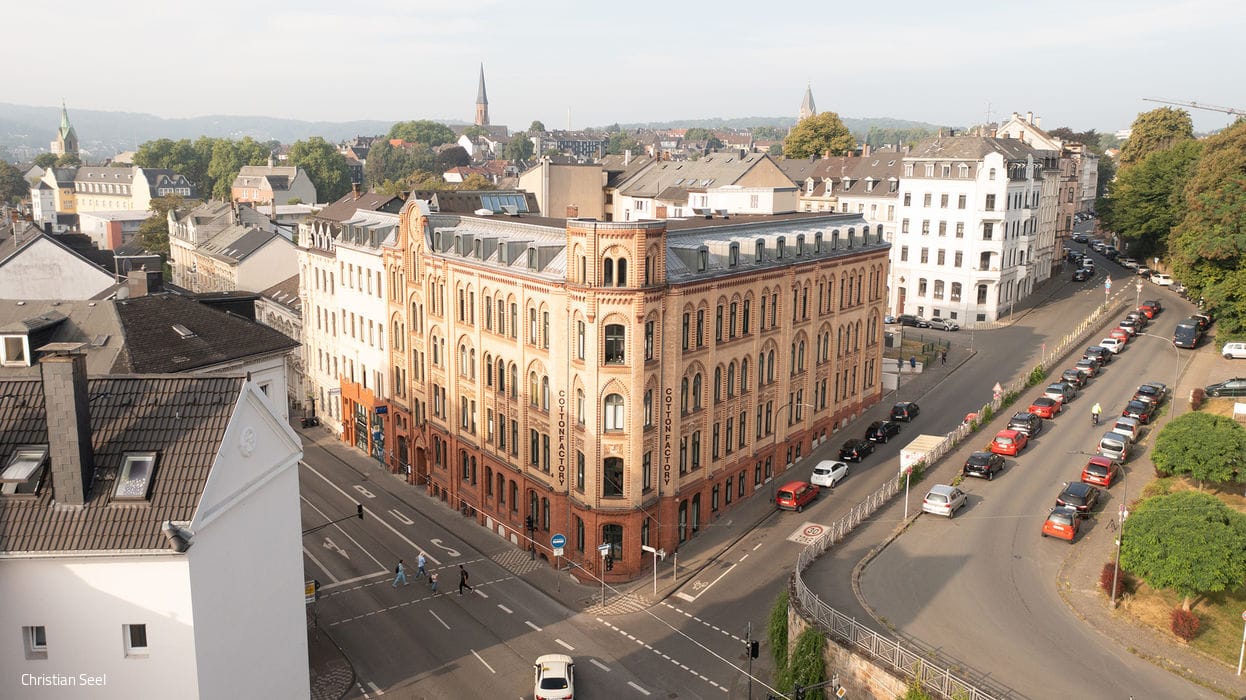
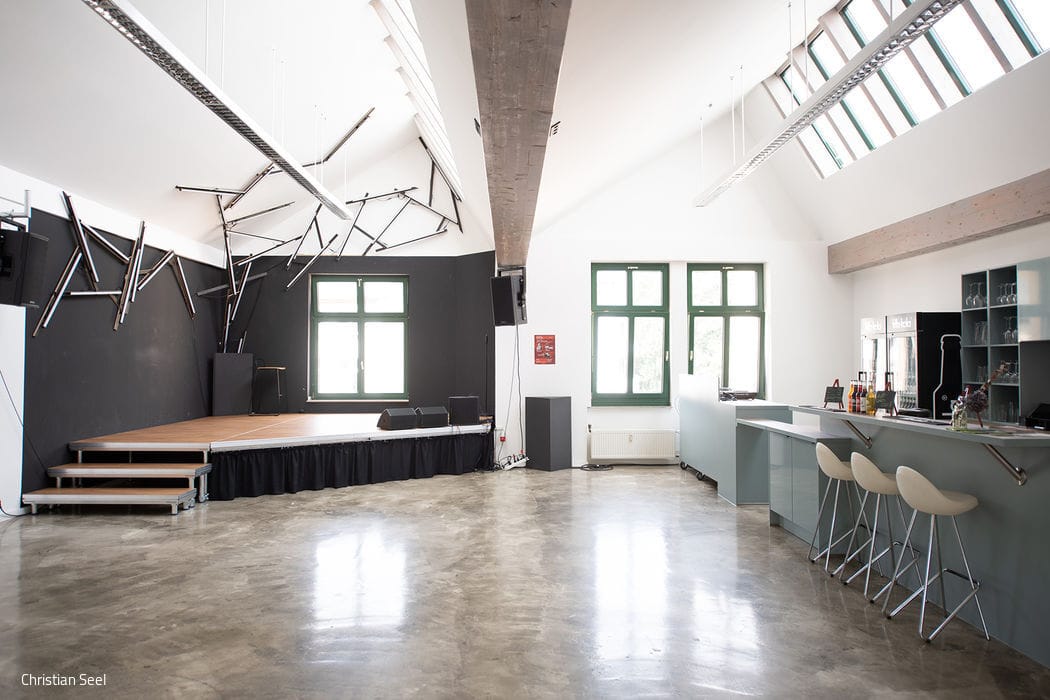
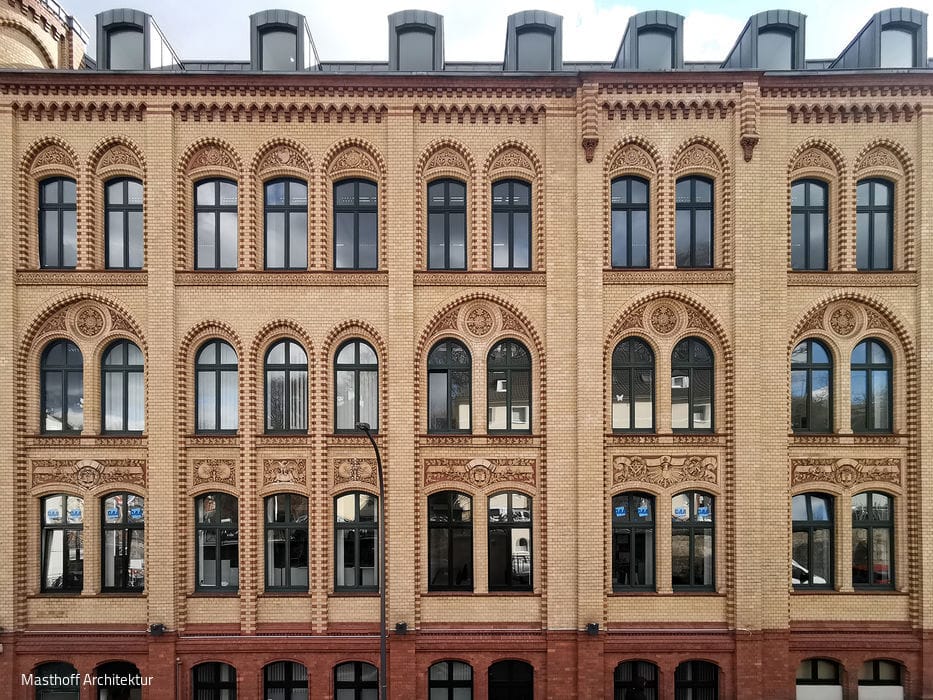
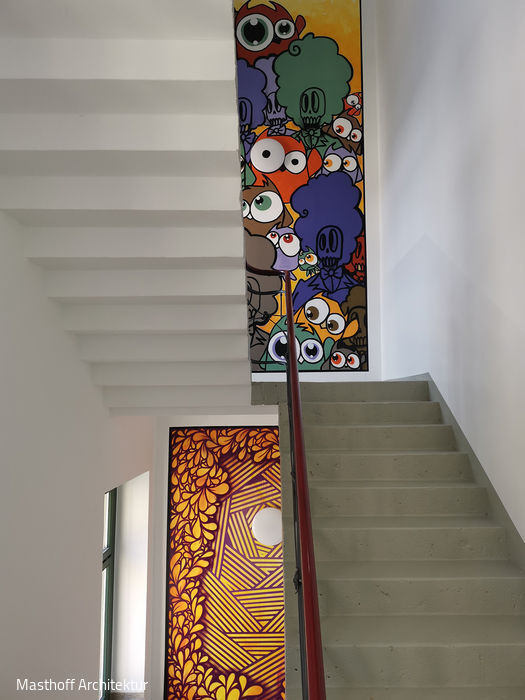
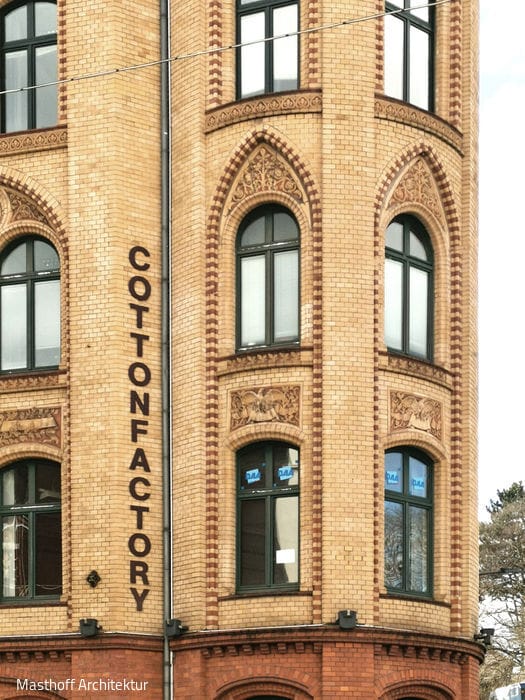
Just a short distance from Mirker railway station in Wuppertal-Elberfeld stands the striking industrial complex that once housed the Hebebrandt cotton mill. Built in 1888 on Uellendahler Straße, the building showcases the intricate detailing characteristic of its era, with ornamental brickwork throughout. As a protected monument and one of the Rhineland's most significant textile industry landmarks, it has served as office space since the 1980s. Now, under a revitalization concept called "Cotton Factory" developed by Masthoff Architektur and realized for project developer K1877, the building reveals its original character both inside and out. The modernized floors have been transformed into a vibrant, mixed-use space—home to traditional offices alongside a co-working space, recording studio, medical practice, and café.
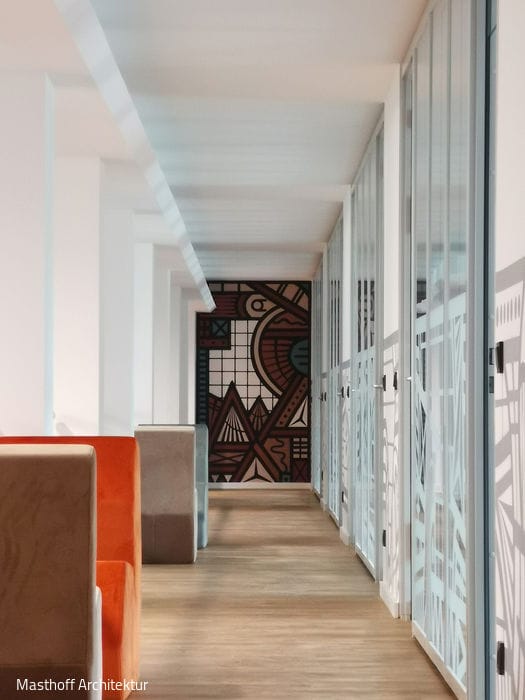
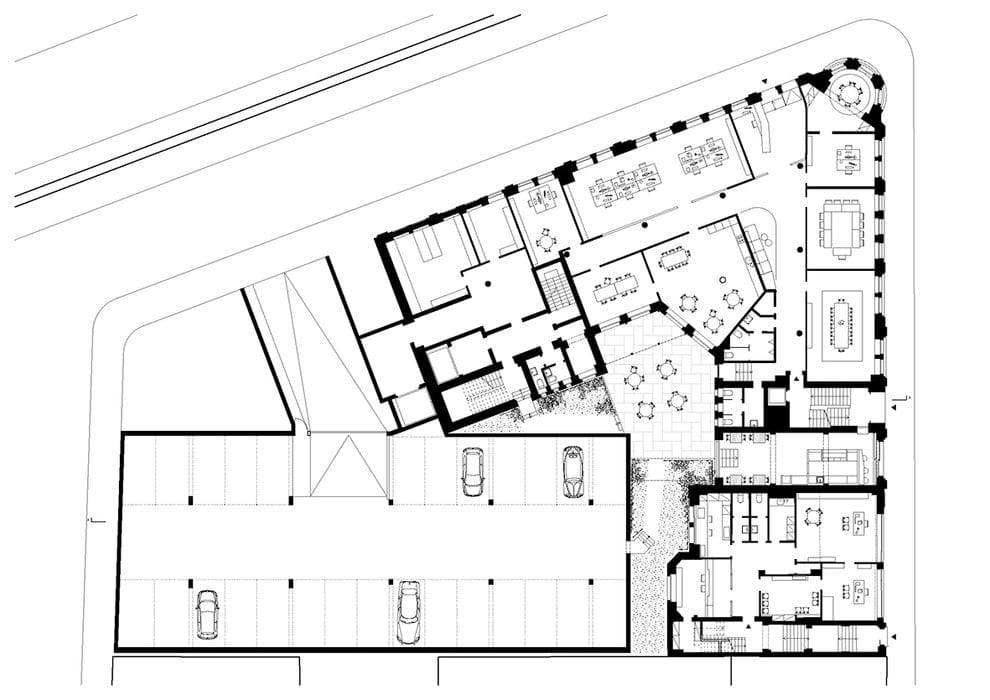
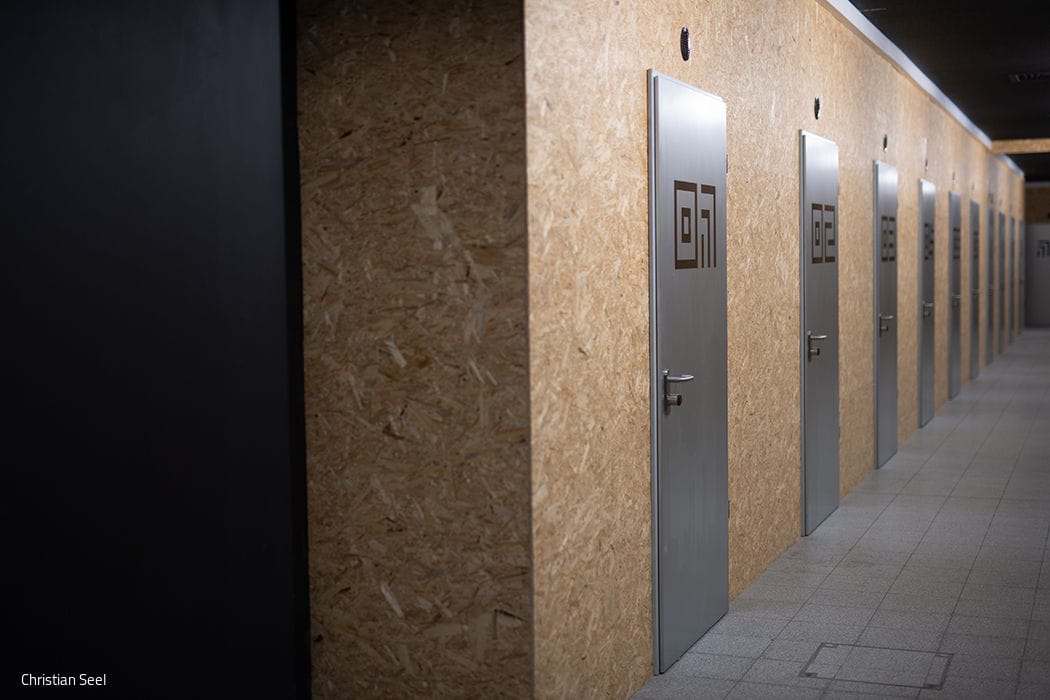
The exposed building, situated at the foot of the slope, forms the corner of the block in terms of urban planning. It consists of two four-storey wings with a basement, which are connected by a raised, round corner tower. A war-damaged gap in the block is used by tenants as a parking area. In order to make access between the car park and the building more barrier-free, a bridge connecting the upper parking deck to the main staircase and the existing lift was planned. While the façade work focused primarily on designing the windows in close consultation with the monument preservation authorities, the interior of the building underwent extensive renovation and modernisation – with a special eye for what already existed and what needed to be exposed. The old building fabric was freed from its faded "80s charm" with textured wallpaper, blue carpets, stainless steel and beech wood elements. With light, natural wood floors in the rental units and stone staircases in the stairwells that had been carefully restored and freed of vinyl, the planners pursued the idea of showing only the "real" material. Thanks to the generous distribution of columns in the building, the layout of the rental units could be arranged extremely flexibly across the four or five floors, ultimately creating around 5,600 m² of usable space. The new café, which was to be located in the former courtyard entrance characterised by many beautiful brick ornaments and stucco rosettes, presented a somewhat tricky challenge. However, this "trapped space" at the rear, surrounded by courtyard-side conversions and extensions, would not have been economically viable on its own. The problem was solved in close cooperation with the client. A connection was created to the basement, where all ancillary and storage rooms could now be accommodated.
Photography Credits:
Masthoff Architecture
Christian Seel
www.seelphotodesign.de
(Published in CUBE Düsseldorf 03|23)
Living Diversity in Nature
Three residential buildings in Stockum offer a maximum mix of apartments and yet form an ensemble.
Elegance at Luxury Level
The "Henge Suite by Treutlein" at the Breidenbacher Hof captivates with its seamless marriage of exclusive living and curated design worlds.
Dynamic Forms
Paula Ellert designs custom furniture—from one-of-a-kind pieces to limited series

Dialogue of Façades
New residential development completes a fragmented urban edge in Pempelfort