


A Monument Reimagined
The Luther Tower in Mülheim has been transformed into a vibrant mixed-use complex
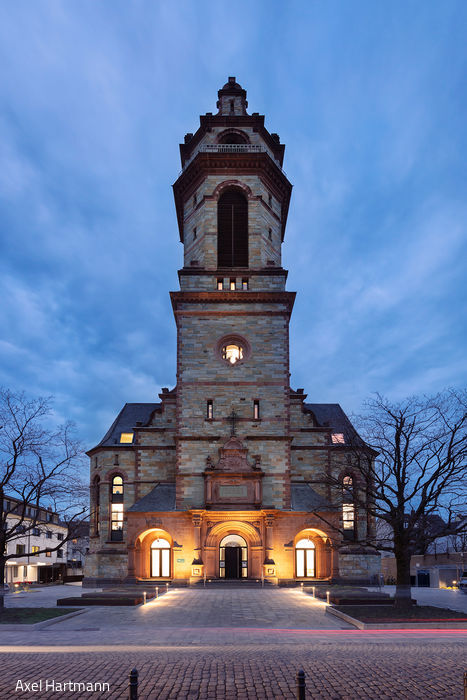
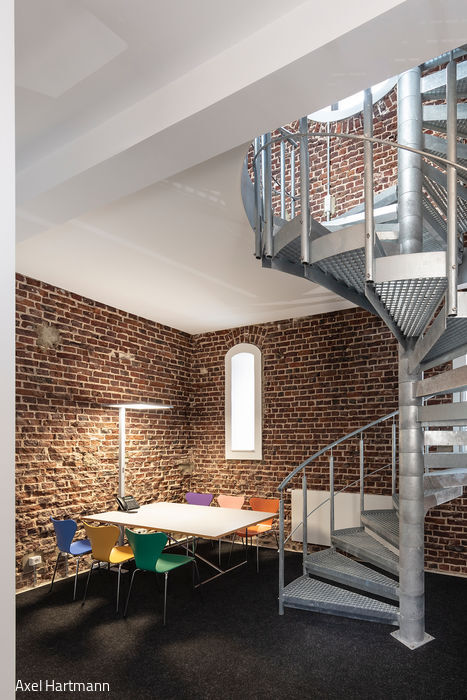
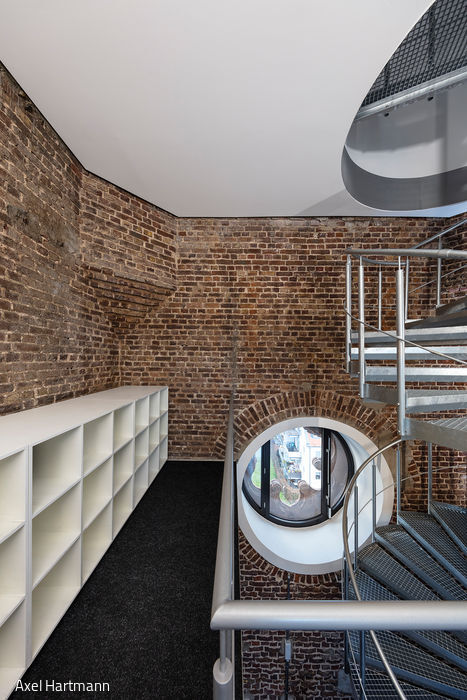
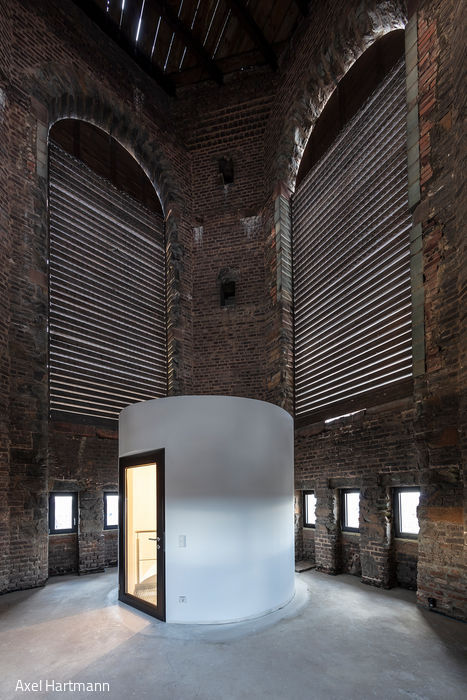
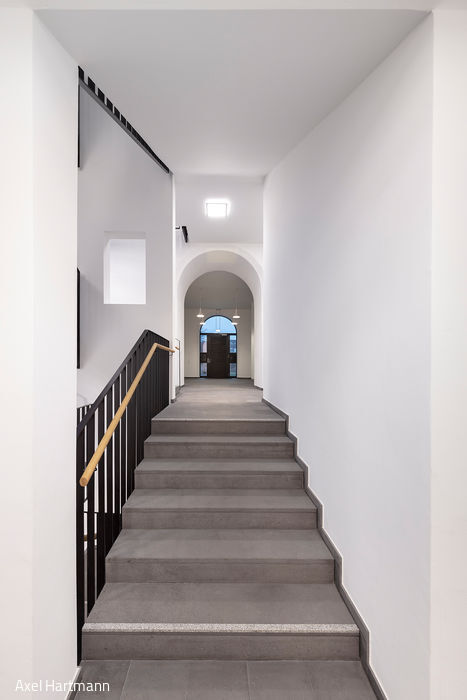
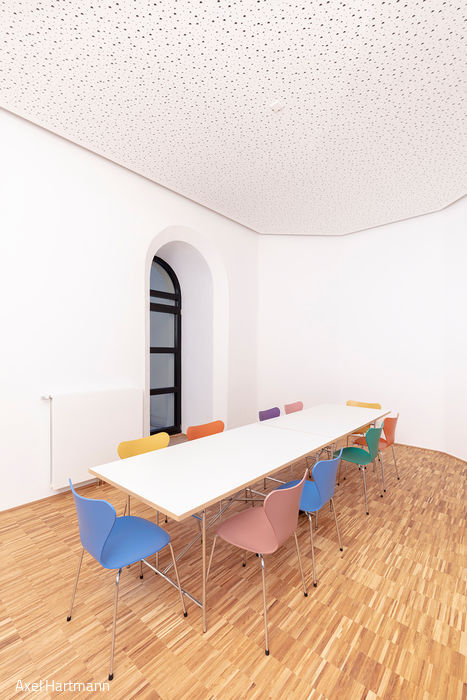
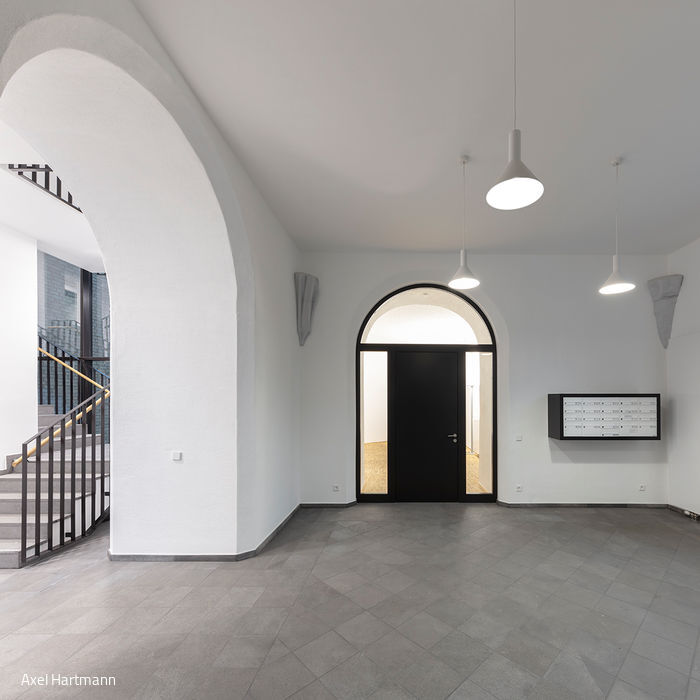
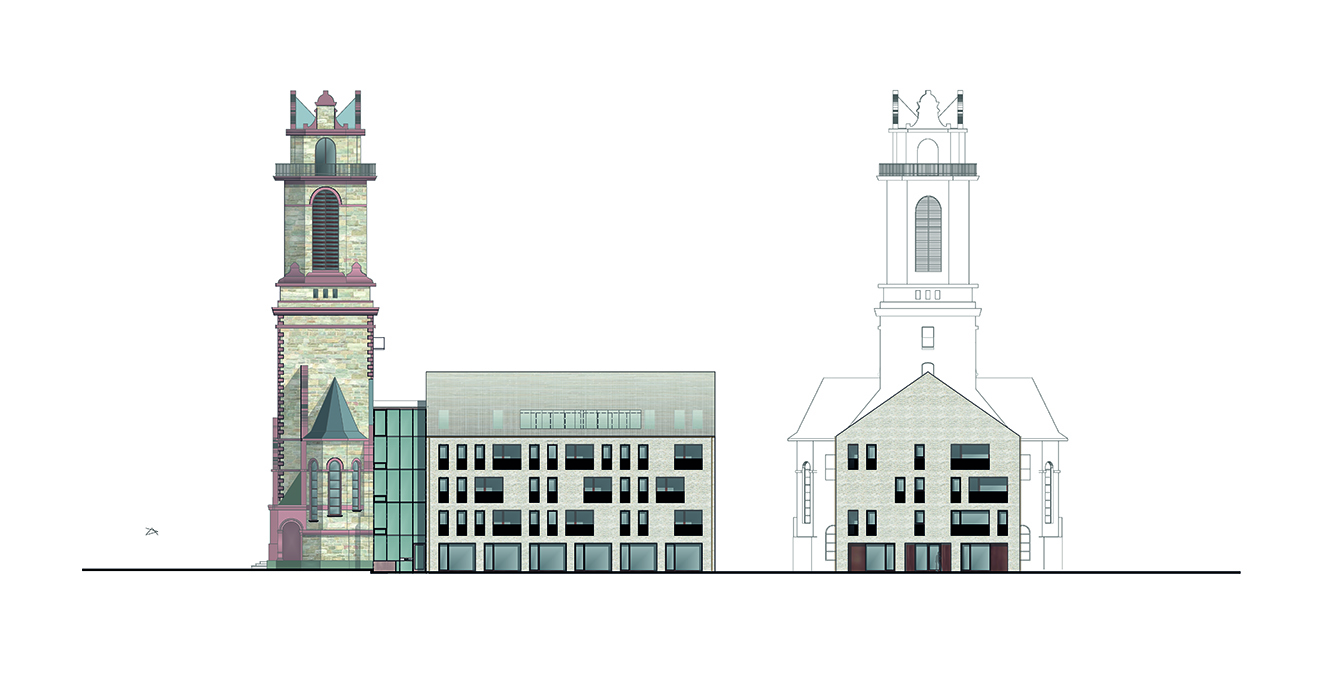
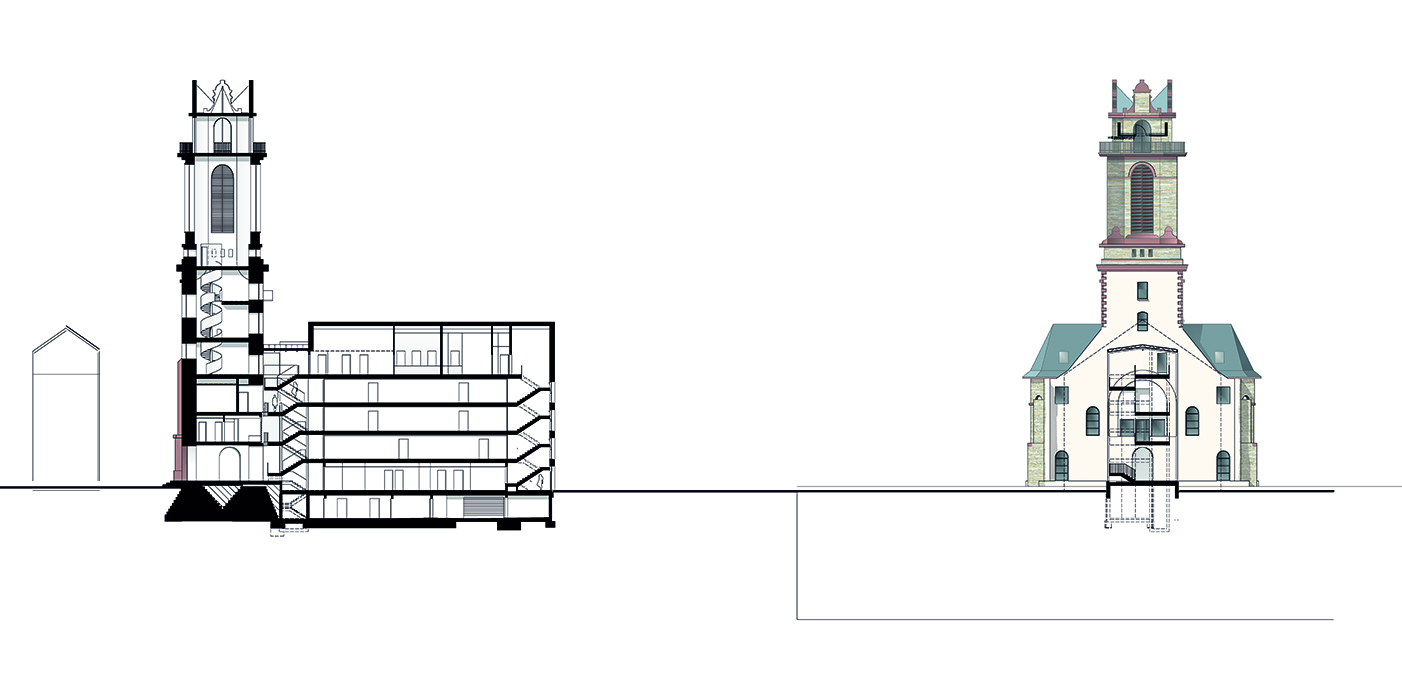
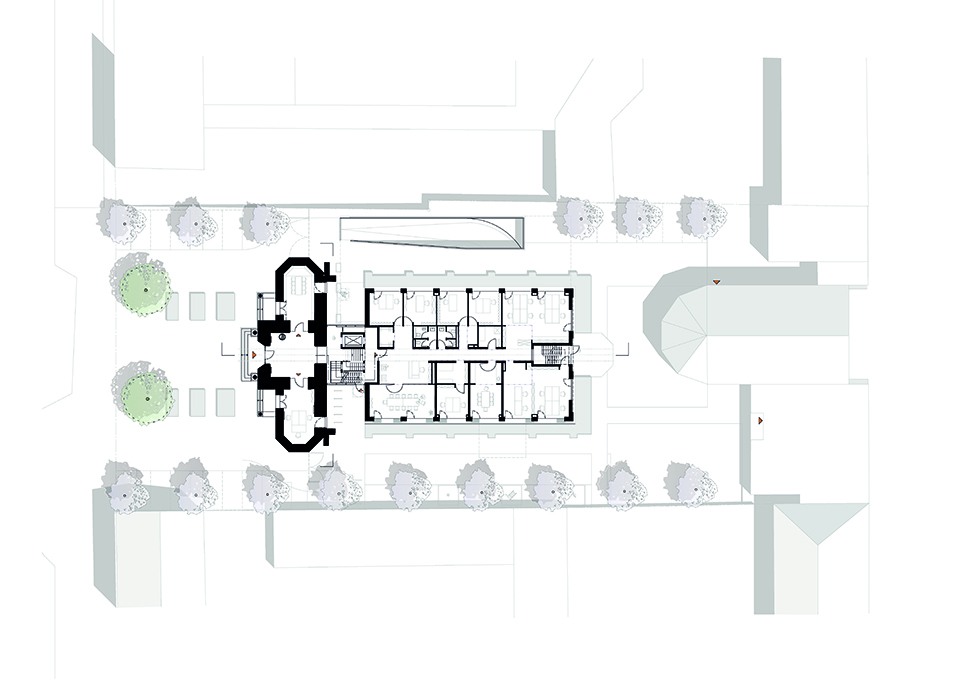
In 1895, the Lutherkirche was erected in the centre of Mülheim, then an independent town, directly across from the town hall. The church's nave was destroyed by the end of the Second World War, leaving only the tower standing. For decades, the parish used it for youth activities. After a lengthy planning process, the Protestant Church of Mülheim am Rhein made a bold decision: the tower would be given new purpose. A new building would rise on the former nave's site, creating a mixed-use complex that would provide the neighbourhood with much-needed apartments and office space. Over more than a decade, the parish collaborated closely with Cologne-based Maier Architekten to realize this vision. The eventual transformation of the tower and its architectural expansion succeeded only through the architect and client's genuine, intensive partnership—a collaboration so successful that the architectural firm ultimately established its office within the revitalized Lutherkirche.
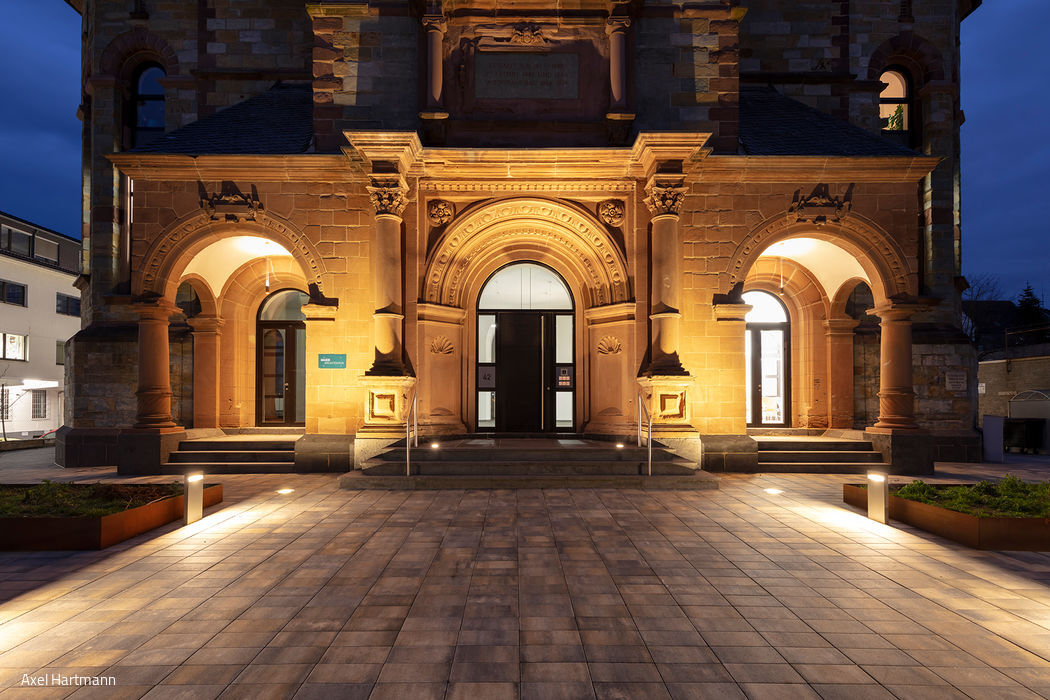
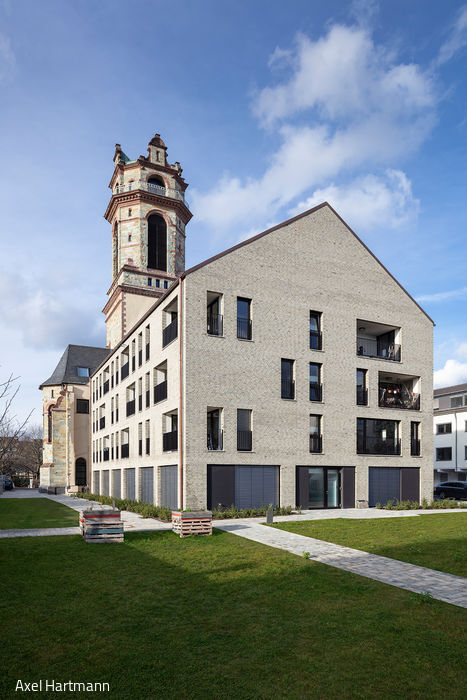
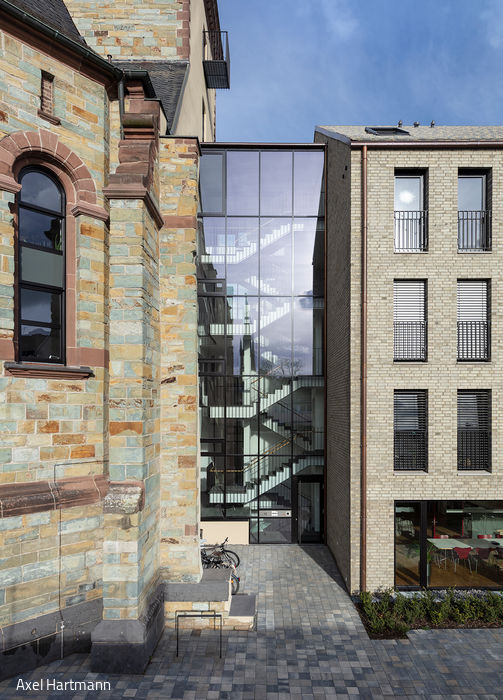
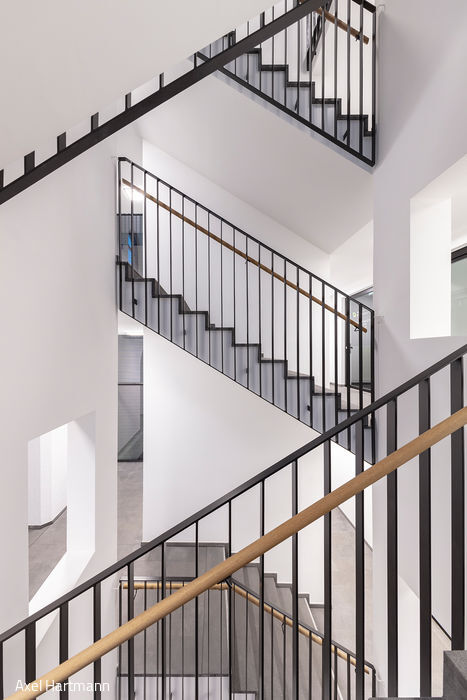
Maier Architekten designed a monolithic extension that provides visual balance to the tower's solid presence. The clinker brick façade and tile roof harmonize with the historic sandstone tones. Particular sensitivity informed the transition between old and new: the glass stairwell, conceived as a dynamic joint, simultaneously separates and connects the two structures while leaving the "scar" of the destruction's edge deliberately visible—a powerful reminder of the site's history. The original street-facing elevation, forecourt, and tower are preserved, maintaining the architecture's historic character. The new wing responds thoughtfully to both the Luther Tower and the surrounding buildings, creating a cohesive ensemble. The redesigned grounds remain deliberately unfenced and public—just as the original nave once was. The restored, heritage-protected façade now features a new entrance area dramatically illuminated at night, allowing Mülheim's iconic landmark to shine with renewed purpose. Combined with the adjacent Kleiner Park on Ratsstraße, the project has significantly enhanced the public realm and vitality of the neighbourhood.
www.maier-architekten-koeln.de
Photography Credits:
Axel Hartmann
www.ah-fotografie.de
(Published in CUBE Cologne Bonn 03|22)



Suspended Monolith
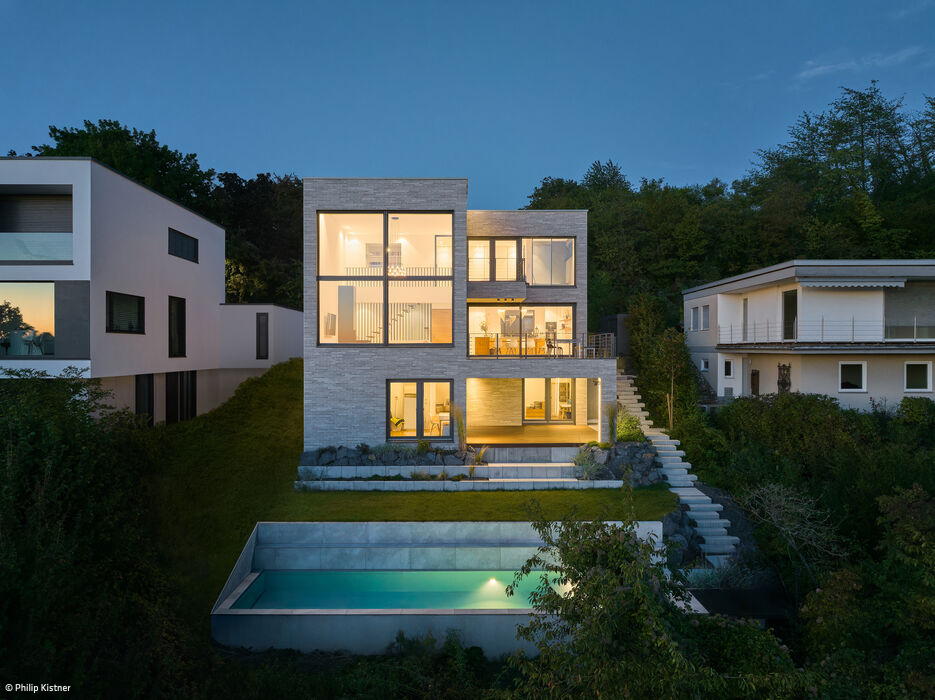
A hillside cube that frames a spectacular valley outlook

Thoughtful Transformation
A historic protected residence in Ehrenfeld demonstrates the power of renewable energy integration
A Princely Vantage Point
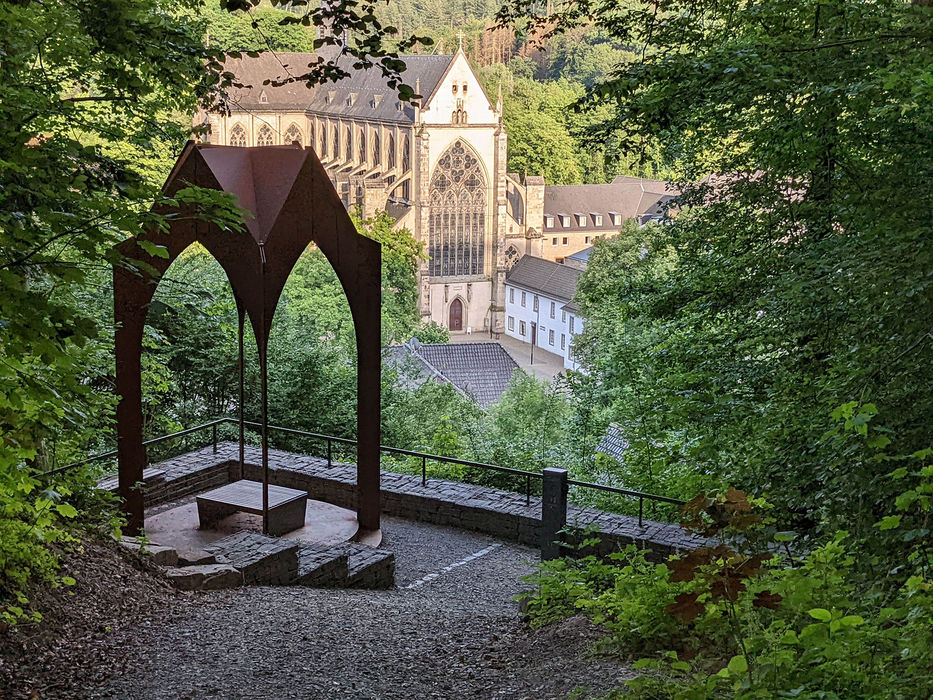
Prinzenplatz at Altenberg Cathedral reimagined as a sheltered landscape balcony
Compact and flowing
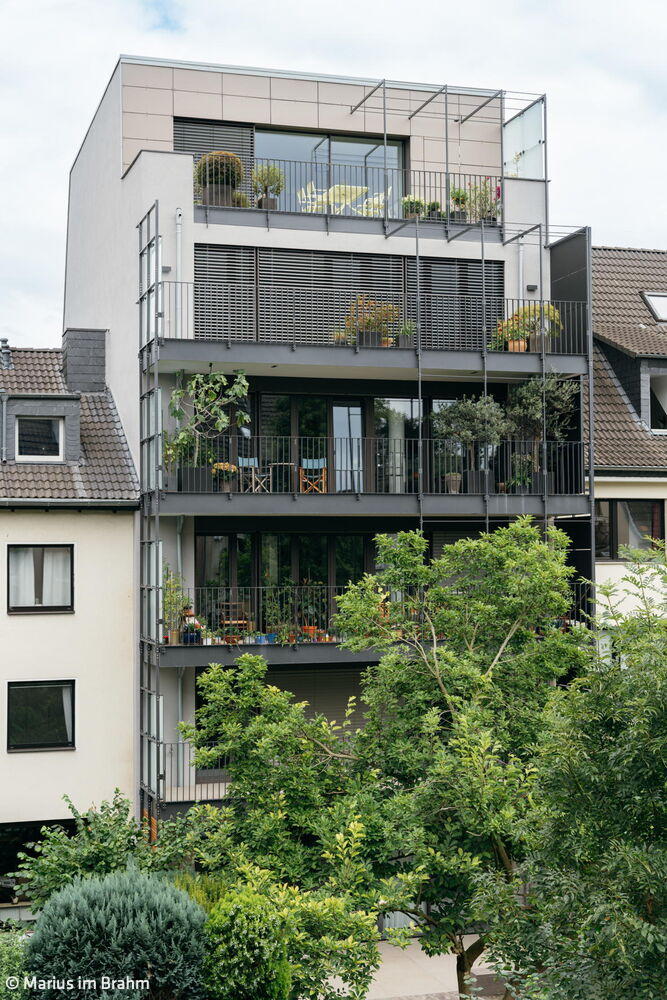
A Cologne apartment building that transforms a tight site into generous living space