


A sense of community
A sense of community
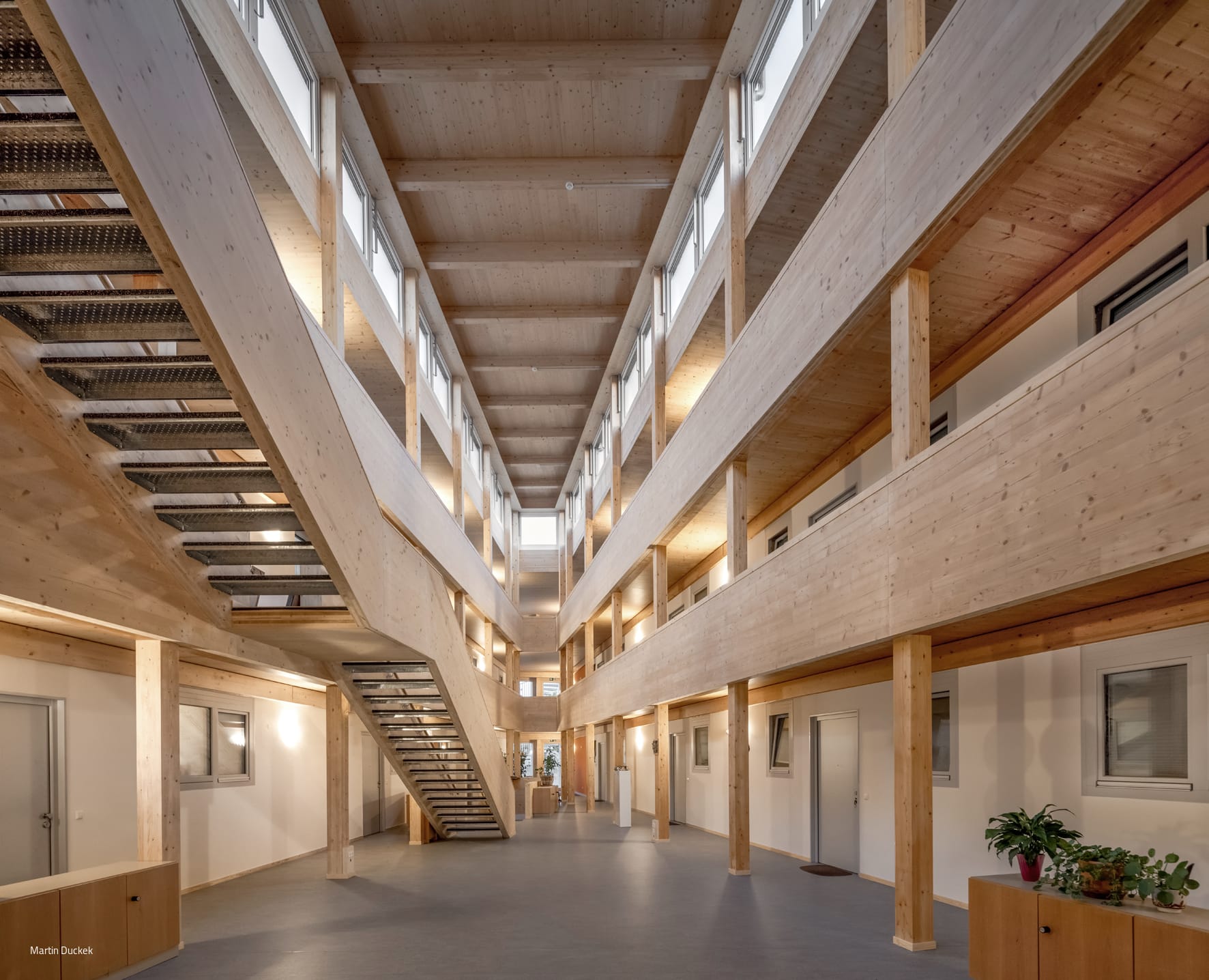
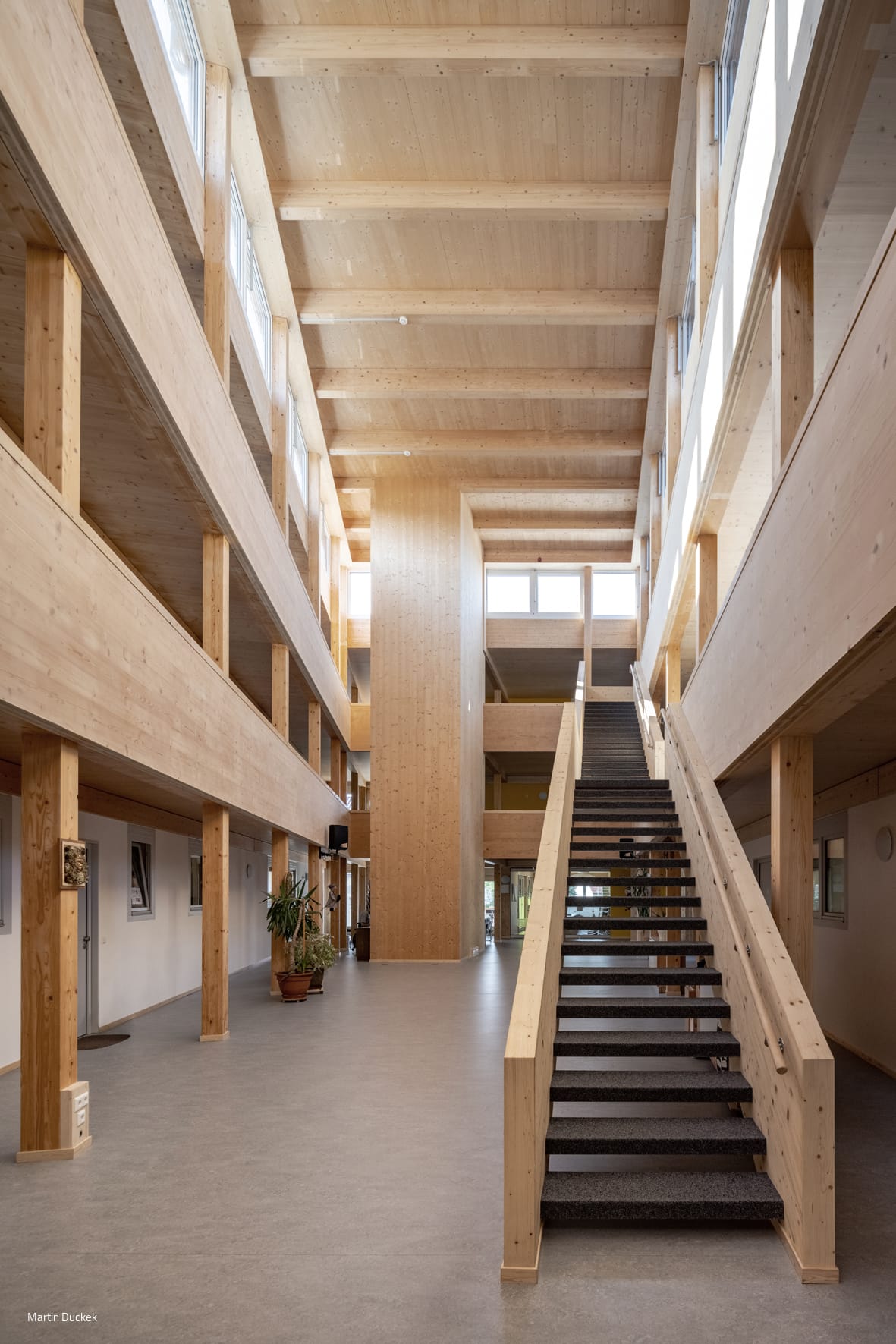
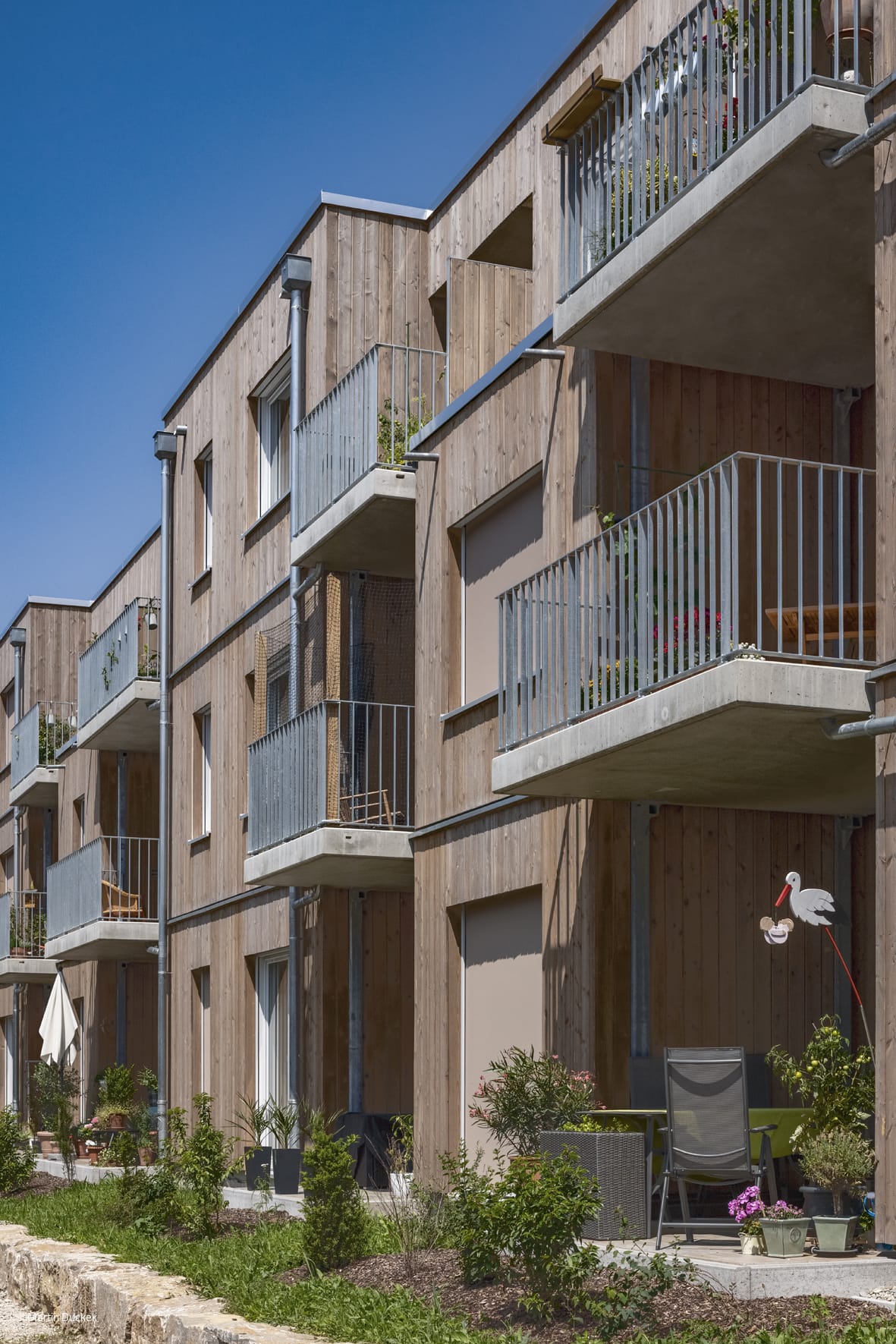
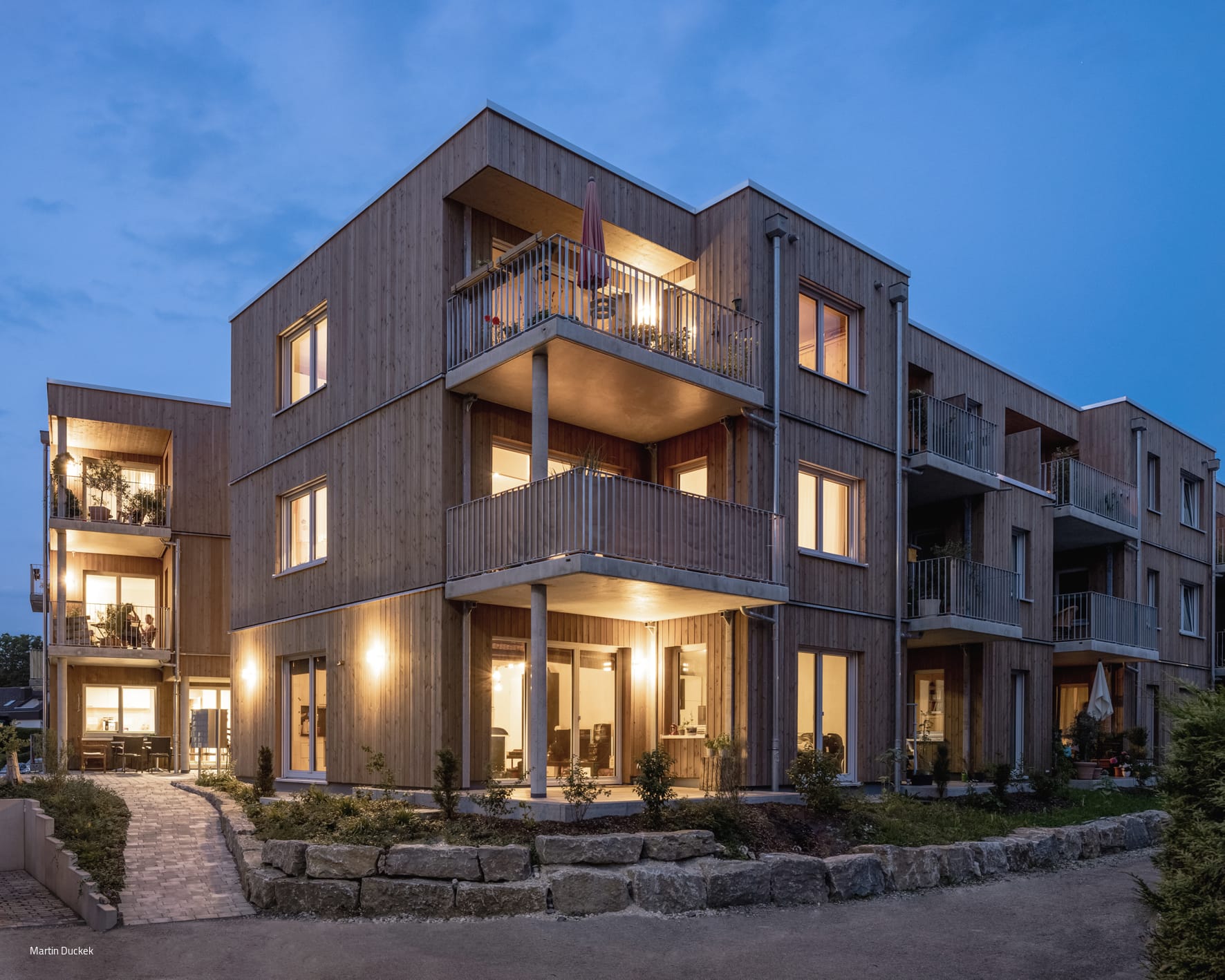
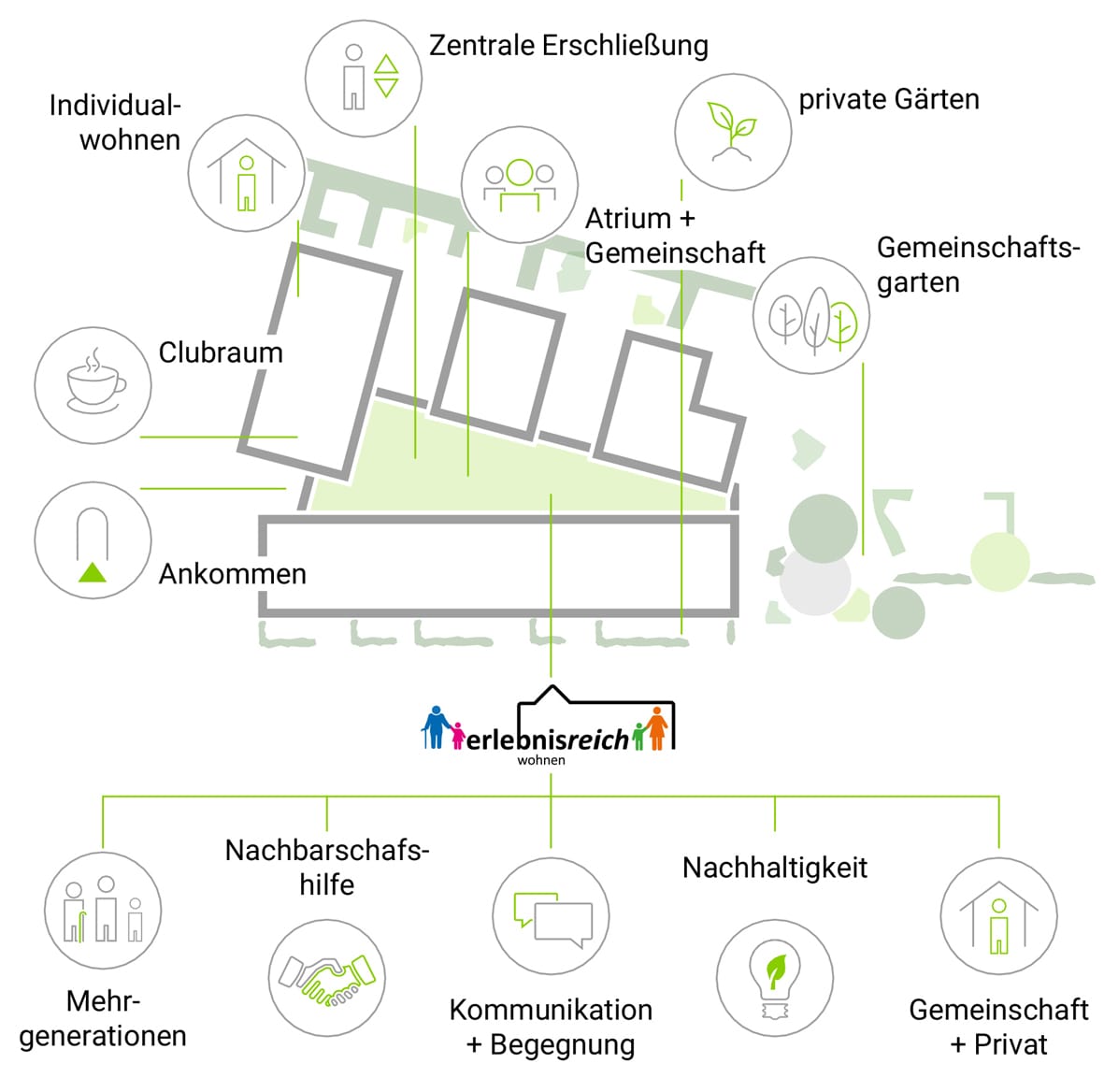
This residential project by Löffler Schmeling Architects stands out for several compelling reasons. Affordable and speculation-free housing here thrives on community spirit, mutual support, and environmentally conscious living. The building cooperative operates as a GmbH & Co. KG: residents lease their homes and secure occupancy rights through limited partnership shares. This structure ensures stable, long-term rents independent of individual ownership changes. A foundation serves as the "guardian" of the project's social mission. These guiding principles are woven throughout the architecture—nowhere more evident than in the atrium, the building's beating heart. This gathering space features open galleries that serve a dual purpose: they connect residents to their homes while transforming into vibrant communal areas where everyday encounters naturally unfold.
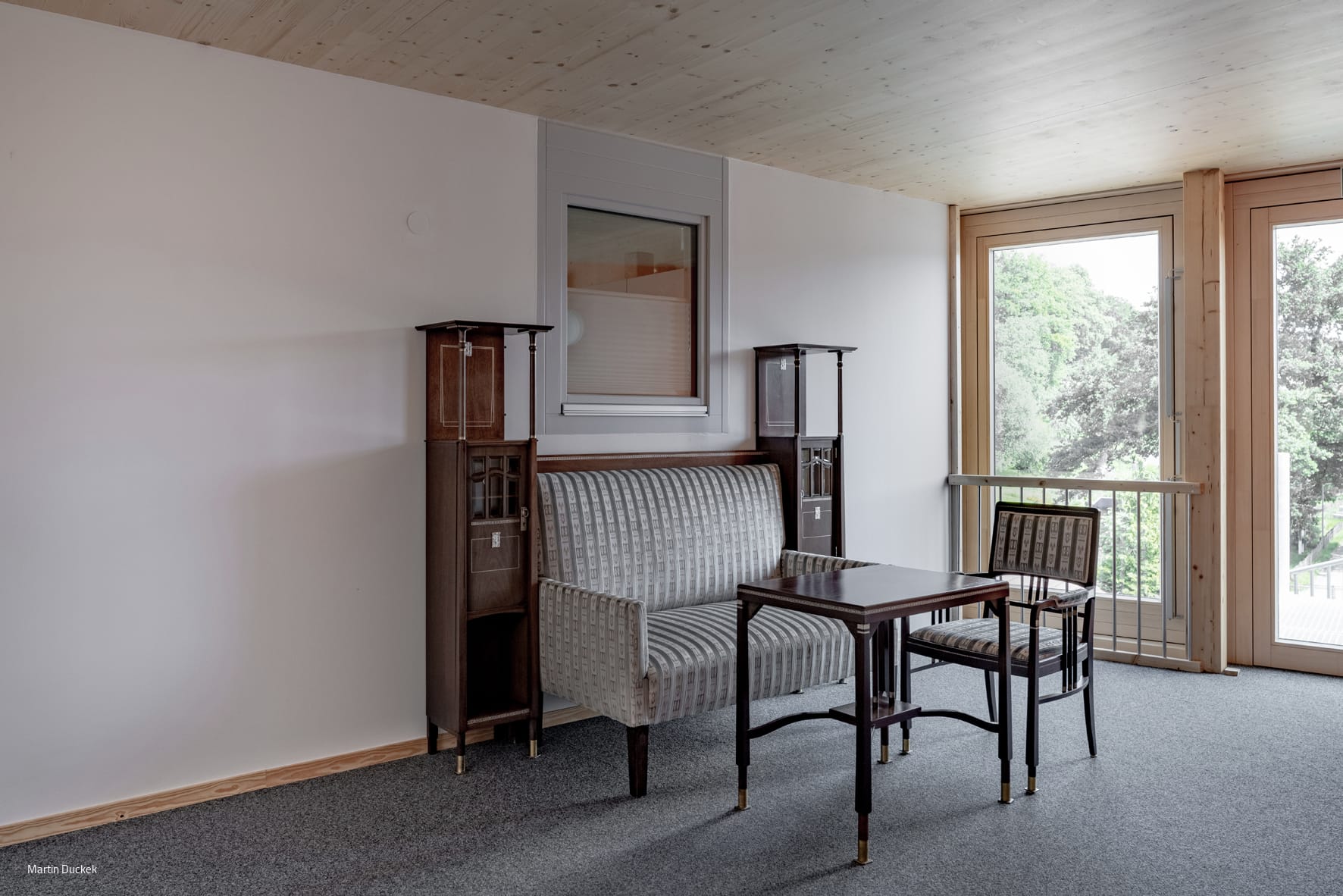
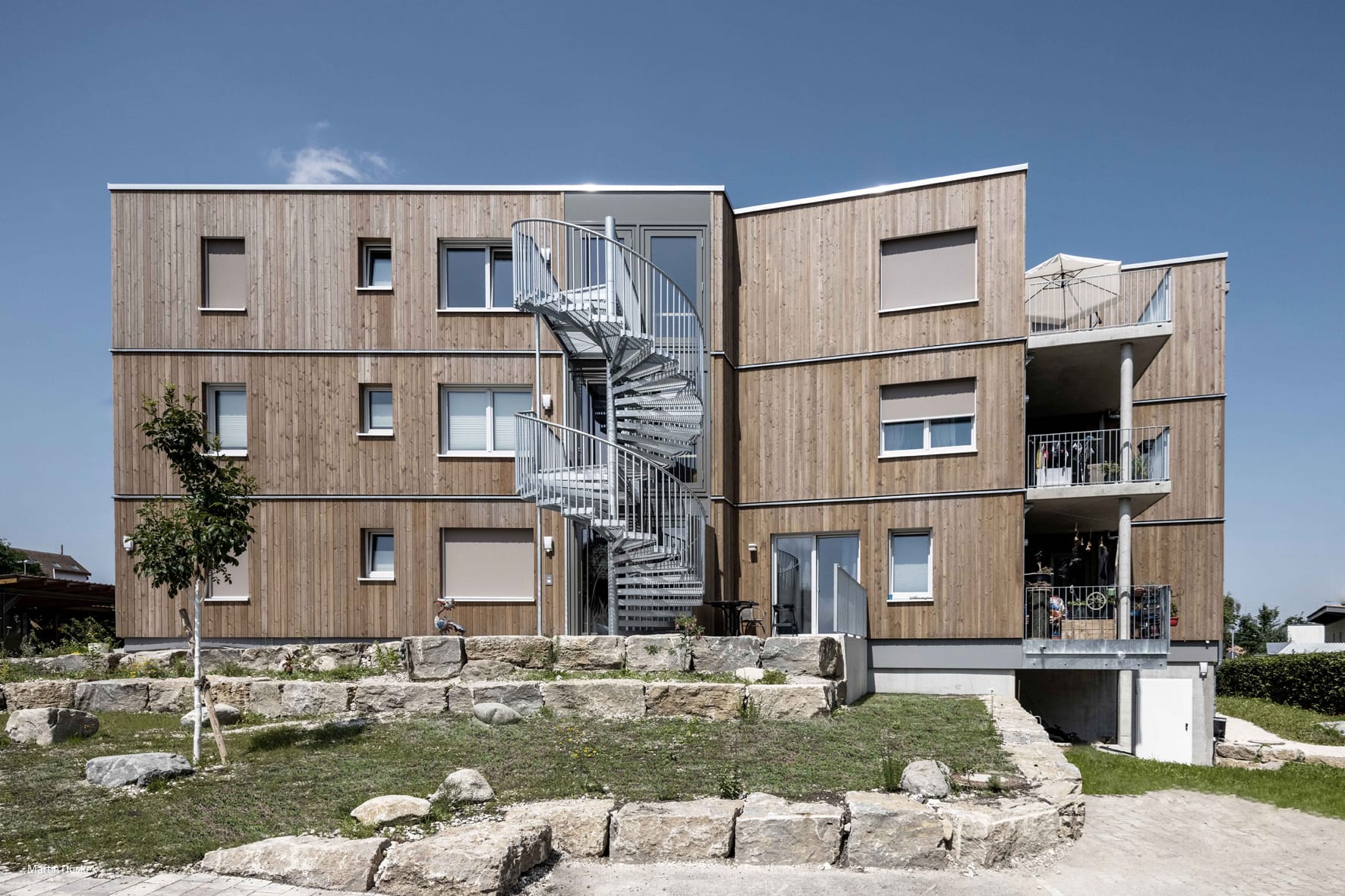
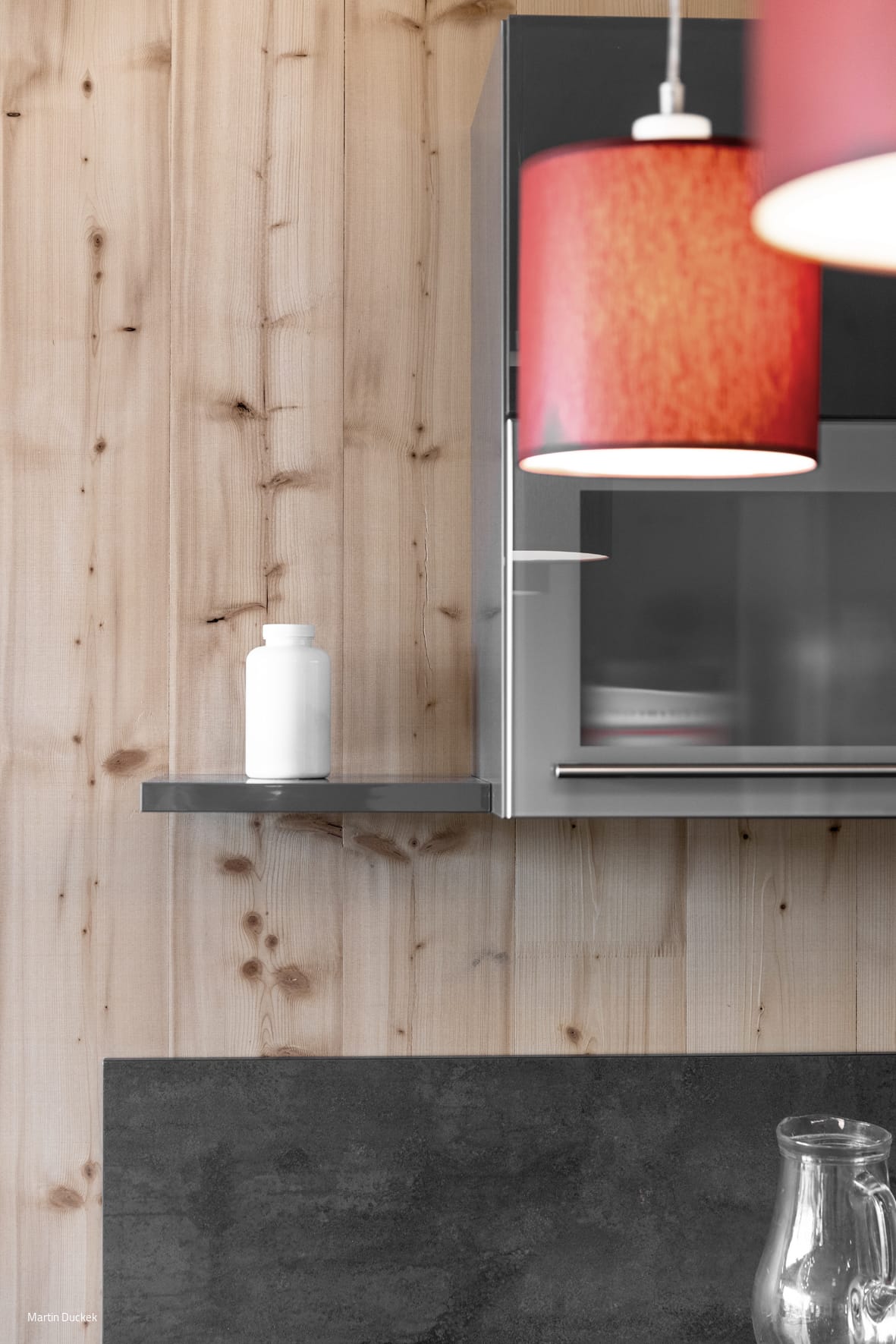
Durch die Vor- und Rücksprünge in der Fassade und die Untergliederung in mehrere Häuser fügt sich der Massivholzbau stimmig in die Umgebungsbebauung aus Einzel-, Doppel und Reihenhäusern ein. Aufgrund des hohen Anteils an sichtbarem Holz sind die positiven Eigenschaften des natürlichen Materials sowohl im Atrium als auch in den Wohnungen spürbar. Die Entwicklung und Ausbildung additiv gefügter Details erlaubt einen späteren Rückbau des Gebäudes. Die Wirtschaftlichkeit, inklusive der Reduzierung von Bauzeit und -kosten, wurde vor allem durch den hohen Vorfertigungsgrad, wie beispielsweise bei den Fassadenwänden aus Brettsperrholz oder den vorgefertigten Badmodulen, erreicht. Die Holzwände und -decken sind sichtbar gelassen. Das Prinzip „Rohbau gleich Ausbau“ senkt sowohl die Kosten als auch fehleranfällige Schnittstellen. Die Montage der Wände durch Schwellen ermöglichte eine geringere Anzahl an Vollgewindeschrauben an der Schnittstelle Wand-Decke. Lediglich die Atrium- und Badwände sind mit Installations- und Vorsatzwänden ausgebildet, um einen höheren Schallschutz zu gewährleisten und das Holz vor Nässe zu schützen. Die Wärmeversorgung wird über eine Sole-Wasser-Wärmepumpe und 16 Energiepfähle gewährleistet, ergänzt durch PV-Module. Durch eine wohnungsweise Unterverteilung werden Zirkulationsleitungen und somit die Wärmeverluste reduziert.
To maintain cost control while maximizing resident input and individuality, the architects partnered with an experienced timber construction firm from the planning phase onward. Specialist engineers and contractors joined the design process early, bringing their expertise to bear. This collaborative approach enabled details to be refined and optimized while still on the drawing board.
www.klimagerechte-architektur.de
Photography:
Martin Duckek
www.martinduckek.de
(Erschienen in CUBE Stuttgart 04|23)

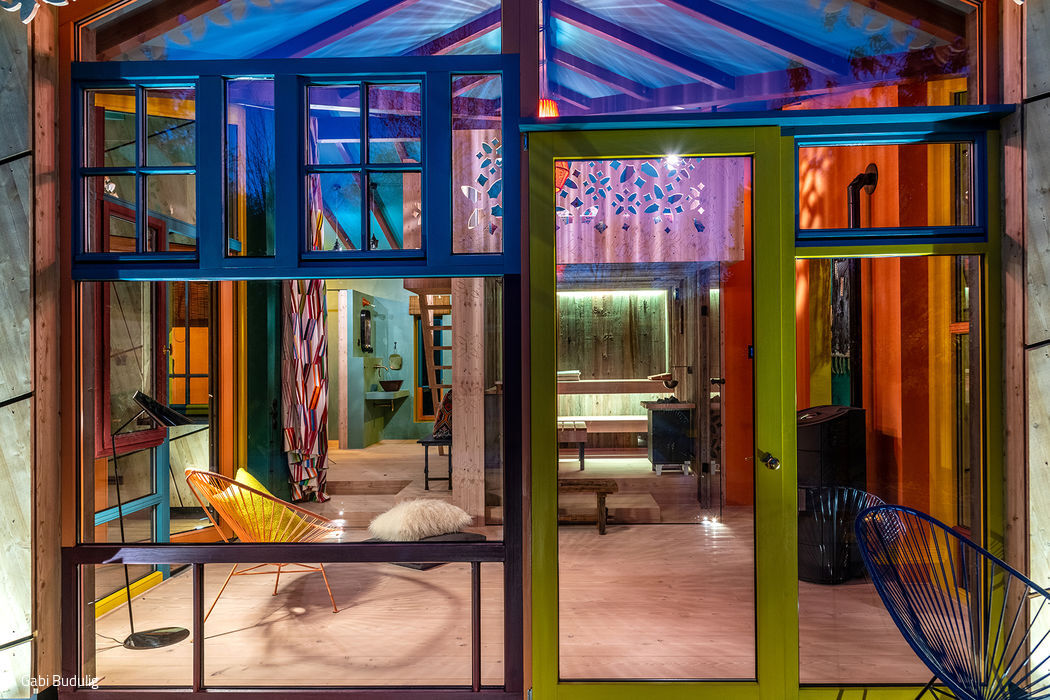
Homes That Inspire
Reimagining a Workshop: Wellness Retreat and Swimming Pond in a Spacious Garden Setting
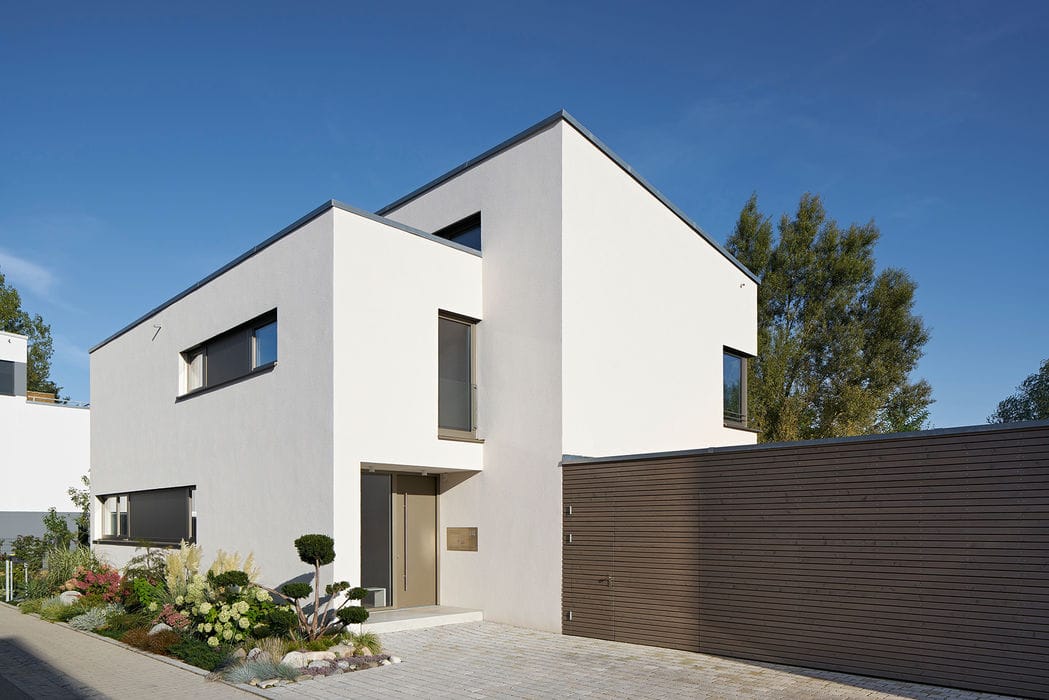
The art of detail
A Refined Detached Home: Clean Geometry, Living Roofs, and Thoughtful Spatial Design
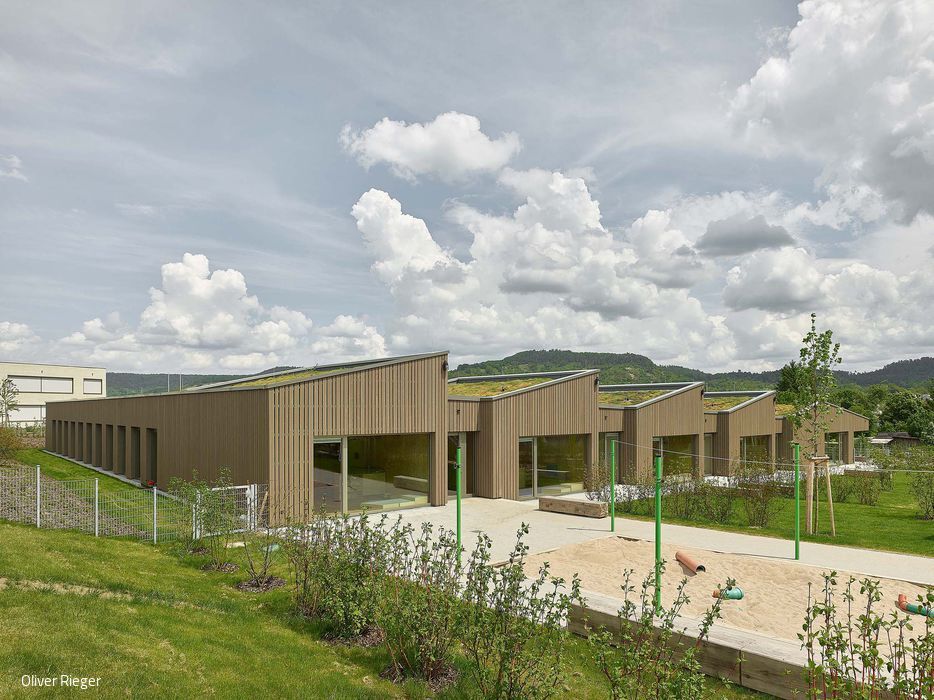
Nature's playground
Sustainable kindergarten as terraced atrium house—topography becomes experience