


Light, Air and Sun
Building Up – How Roof Extensions Create New Living Space
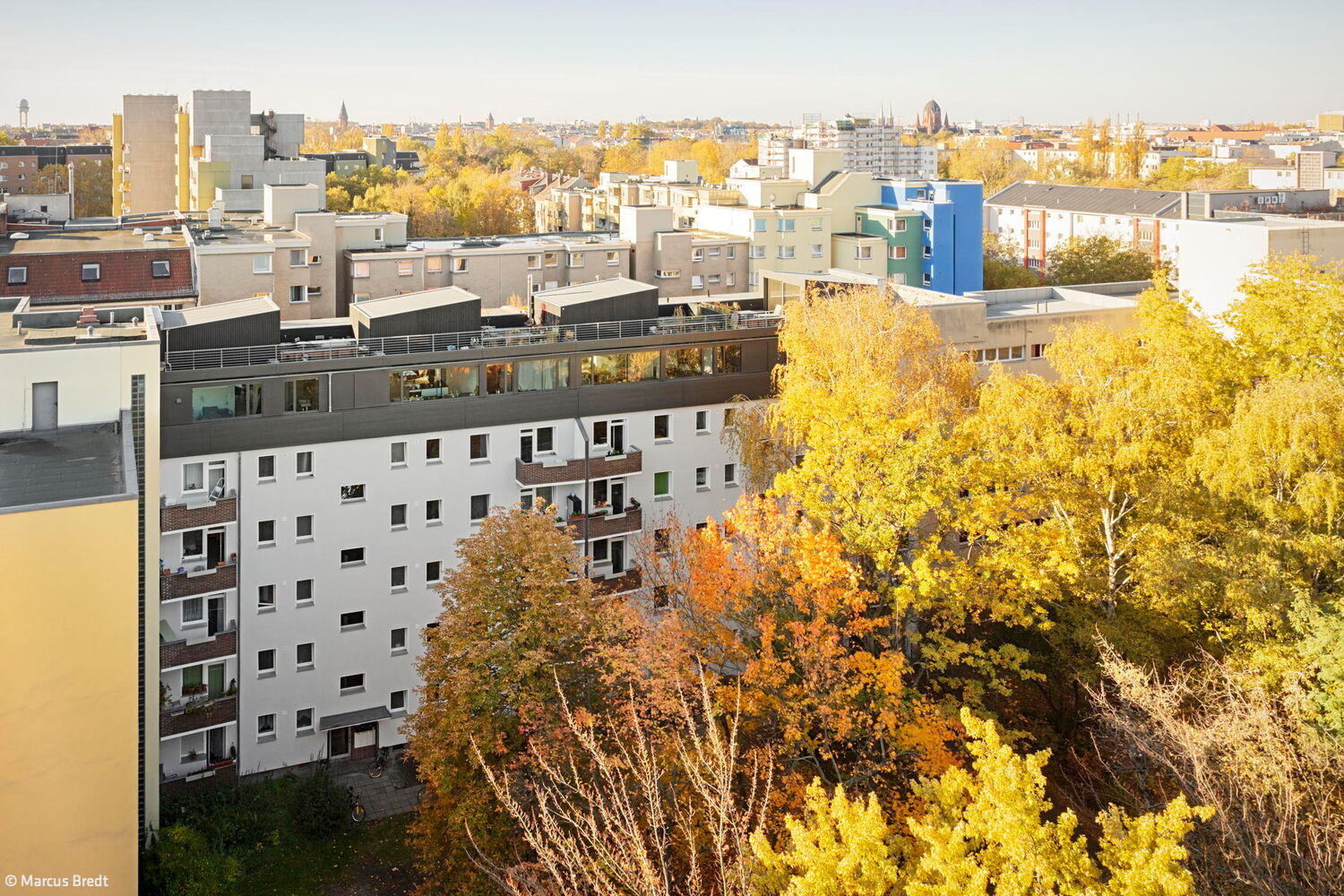
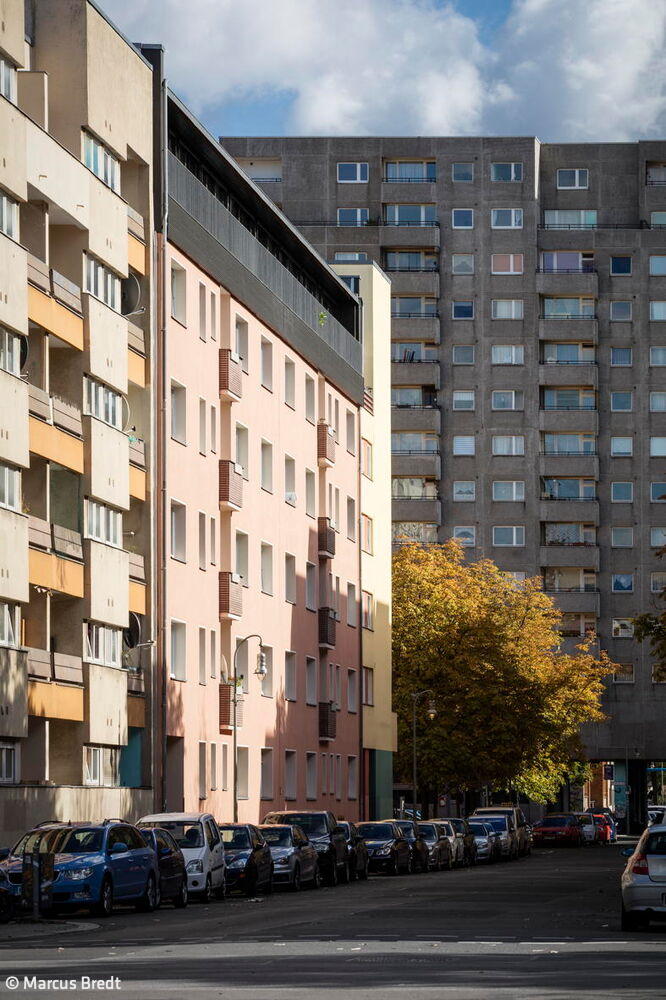
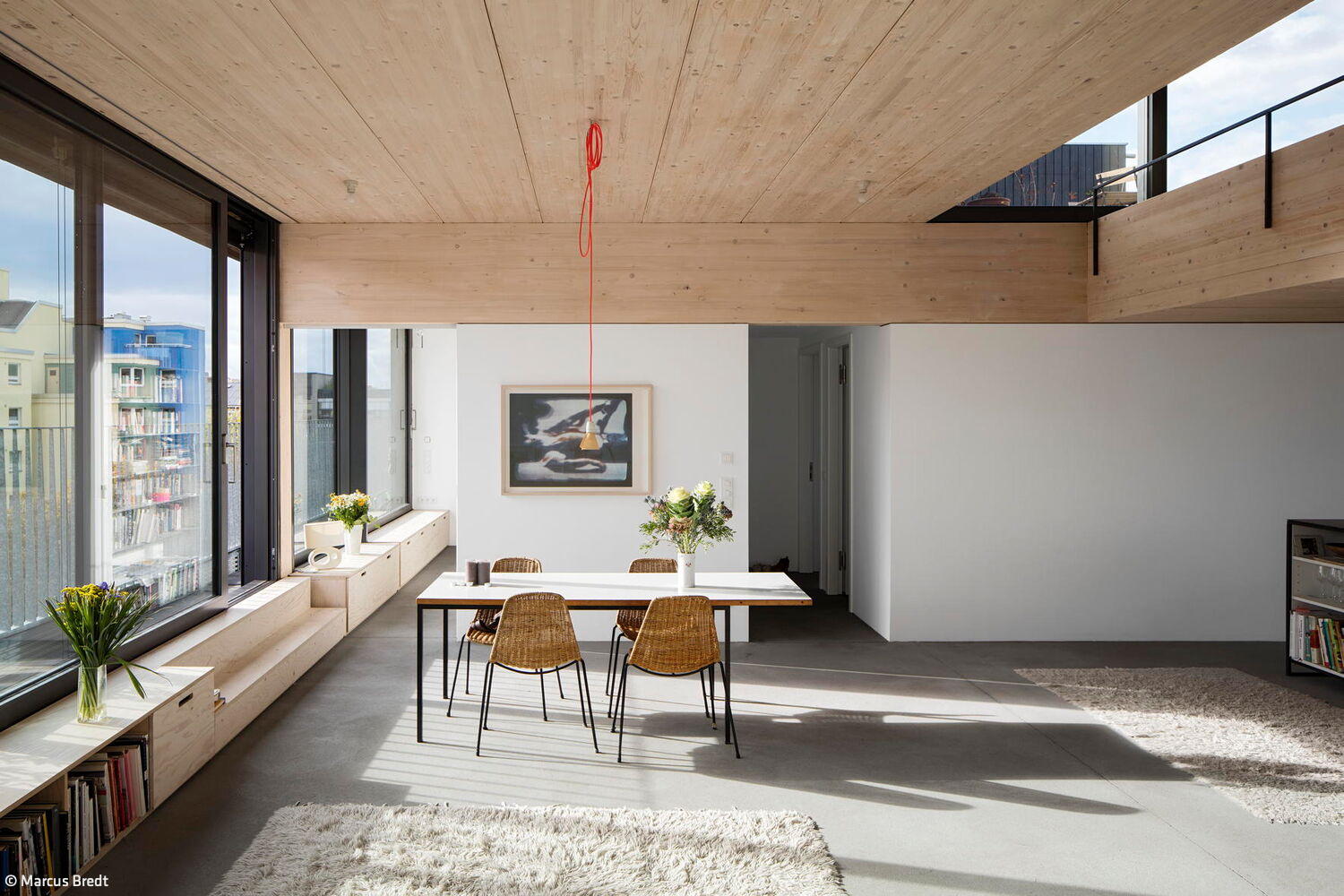
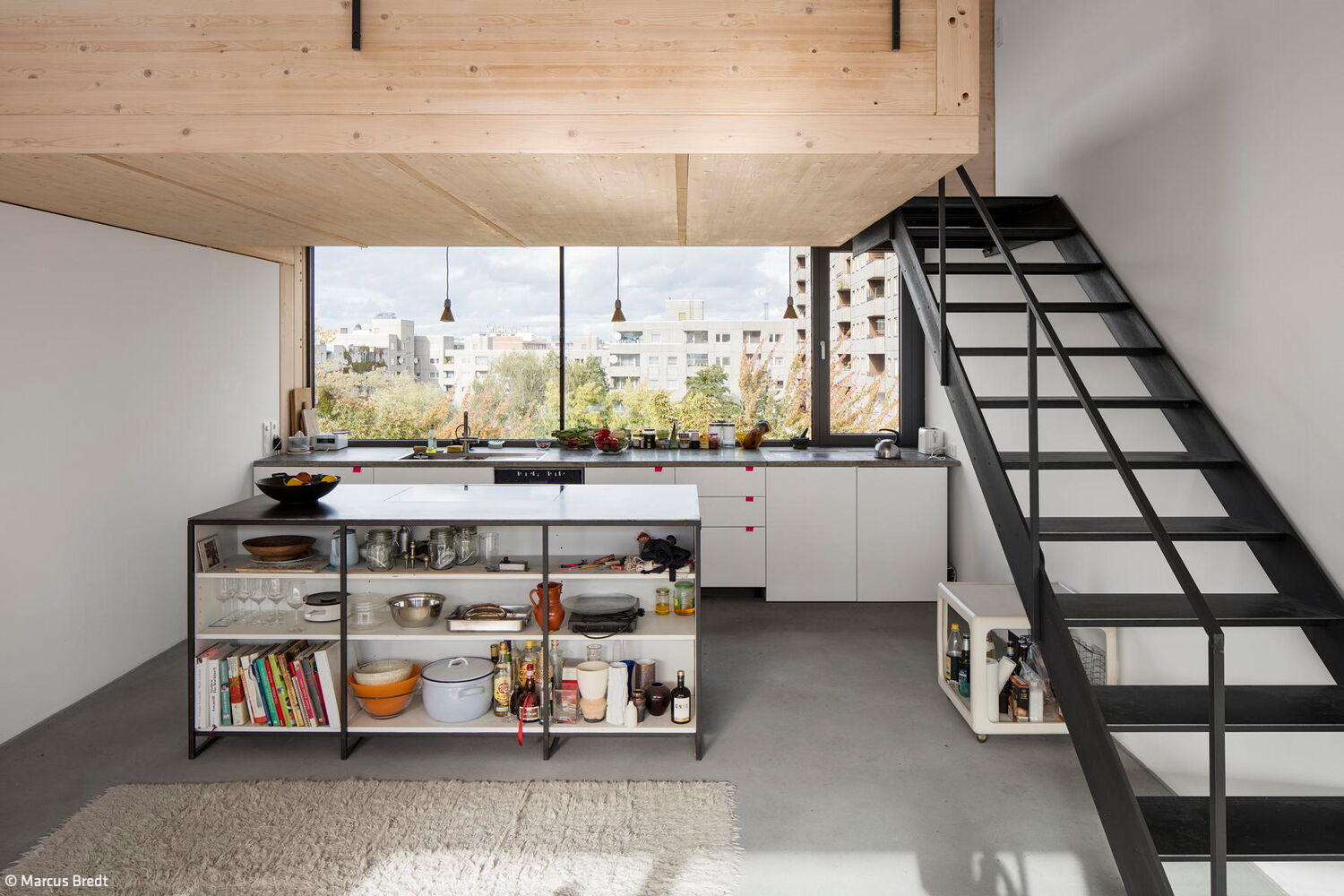
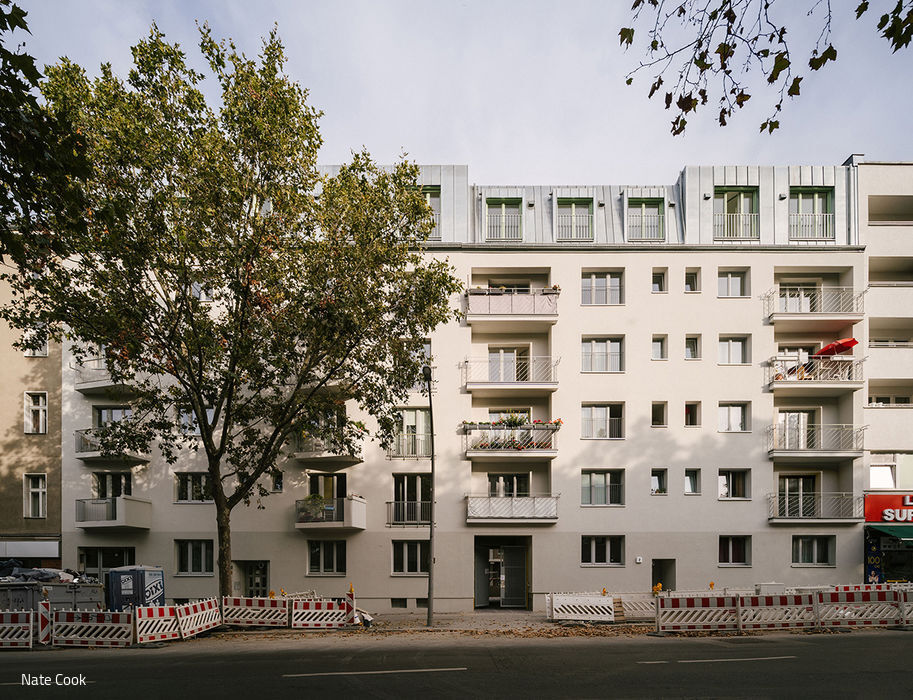
A five-storey residential building from the 1960s gained an additional floor—a transformation barely visible from the street. The surrounding area is defined by 1970s residential blocks that tower well above Berlin's traditional cornice line. The Wassertorstraße building collective came together with a shared vision: to create new homes through a roof extension while avoiding unnecessary land consumption and soil sealing. Light, air, and sun—these were the guiding principles of modern architecture in the 1960s and 1970s. These very qualities, combined with the urban character of the location and the abundance of mature trees in the courtyard, convinced the community they had found their place.
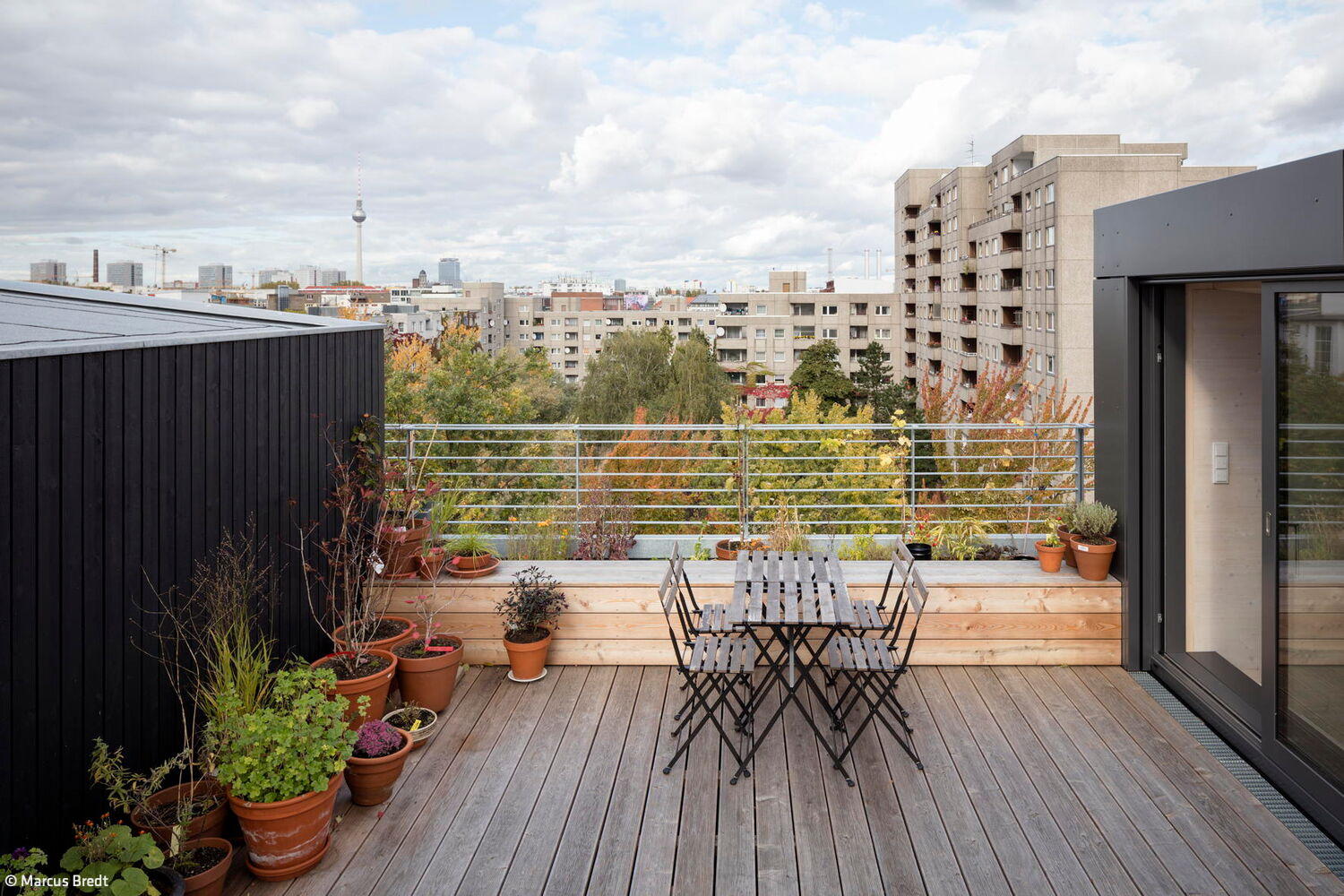
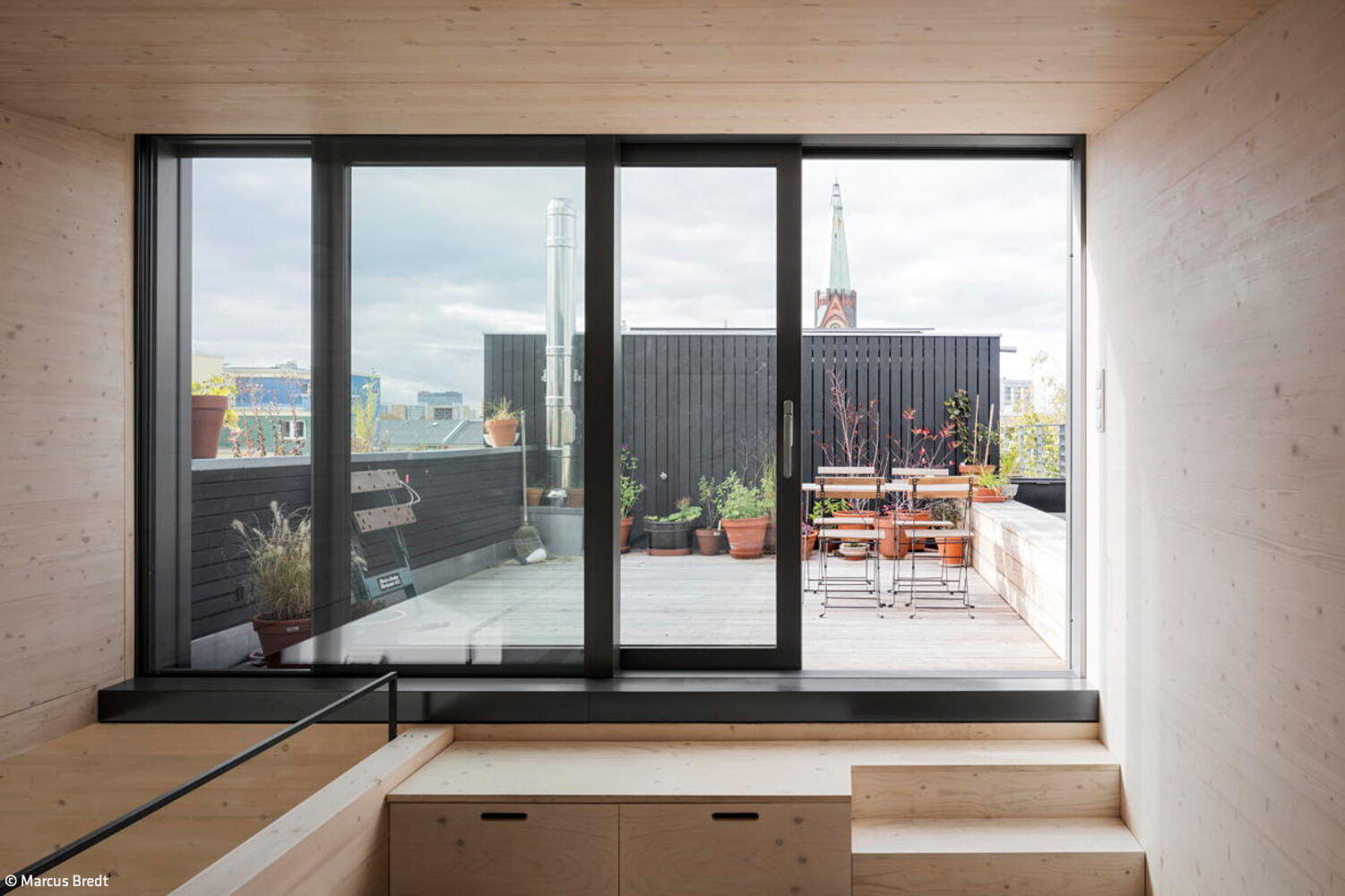
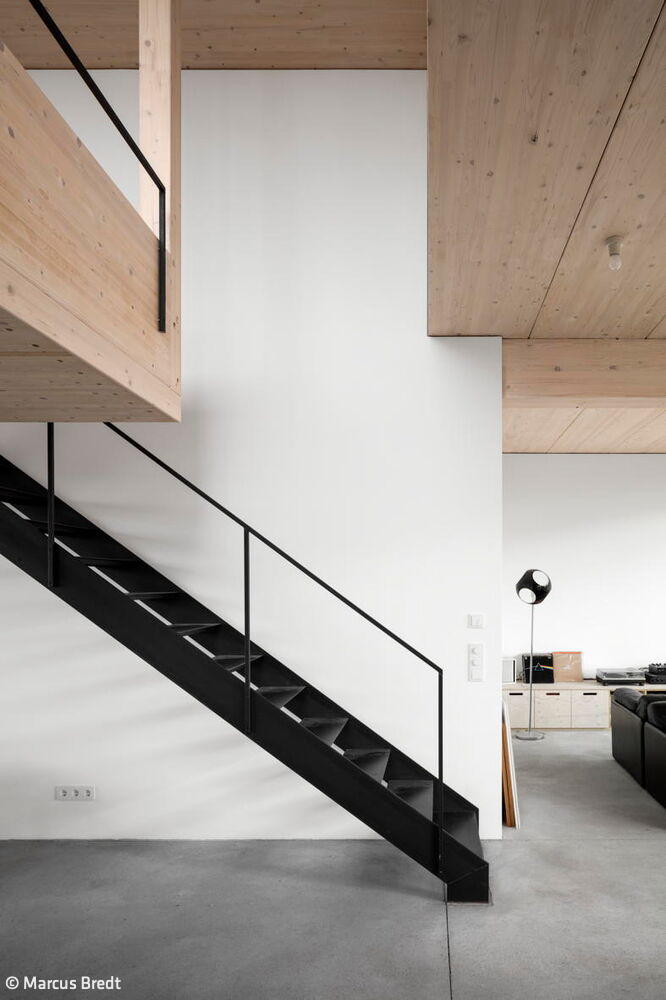
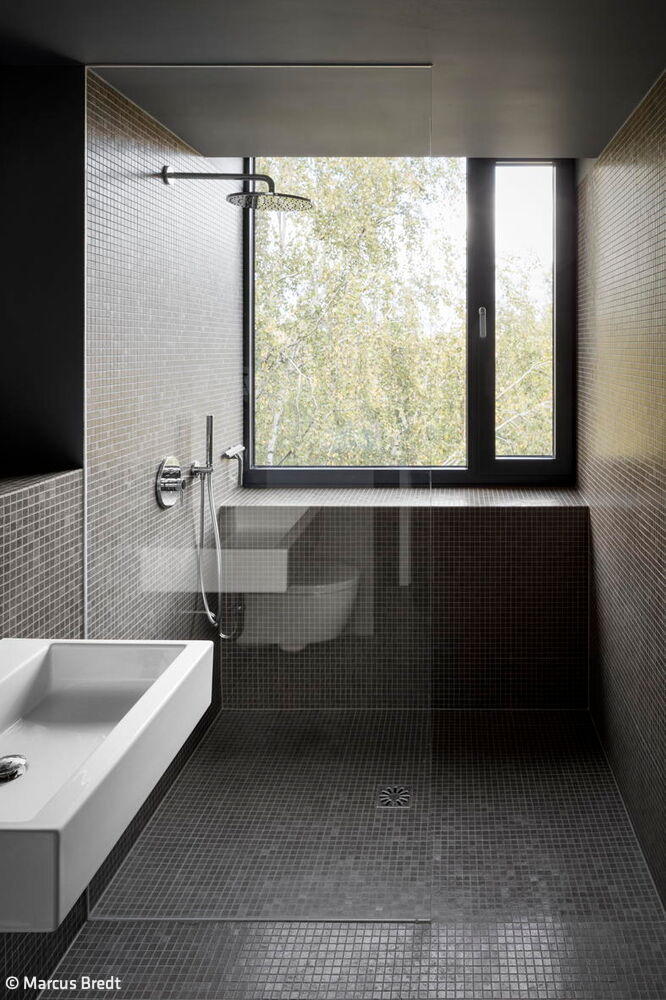
The unfinished attic was completely stripped back to the partition ceiling above the fifth floor, yielding five apartments across 400 m² of living space. The roof extension was designed by Berlin-based buchner + wienke architekten in partnership with architect Martina Trixner. Sustainability was paramount for the building collective, making wood the natural choice as the primary building material. The load-bearing structure combines glued laminated timber and solid wood elements with lightweight partition walls, minimizing the use of traditional dividing walls. Instead, interconnected rooms of varying heights define the spatial character. Sliding doors provide flexible zoning, while suspended galleries create living spaces on multiple levels. A staircase from the generous main living area leads up through the gallery level to the roof terrace. The timber construction's standardized modular dimensions enabled prefabrication of all components, allowing for efficient on-site assembly and significantly shorter construction schedules. This efficiency extends to the floor systems—executed as exposed concrete screed throughout the living areas, except in bathrooms, eliminating additional surface finishes and conserving resources. Every material remains visible in its natural state. Wooden elements receive only a light UV-protective panel seal and matte glaze to prevent darkening. The result is both resource-conscious and elegant. A Stirling-based micro combined heat and power system provides heating and electricity—a fascinating, cost-efficient technology. These qualities earned the project 3rd place in the 2021 BDA Berlin public vote and first prize in the 2019 Berlin Timber Construction Award for renovations.
www.buchnerundwienke.de
www.martina-trixner.de
Photography:
Marcus Bredt
www.marcusbredt.de
(Published in CUBE Berlin 02|25)


Sustainable & Circular
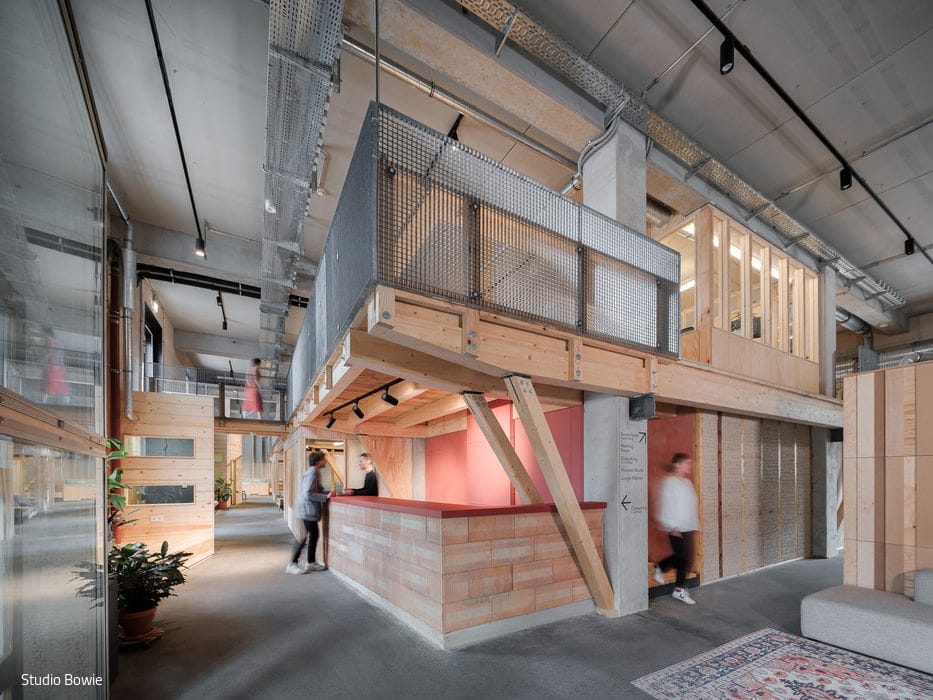
From Surplus Materials to Extraordinary Coworking
Harmonious Composition
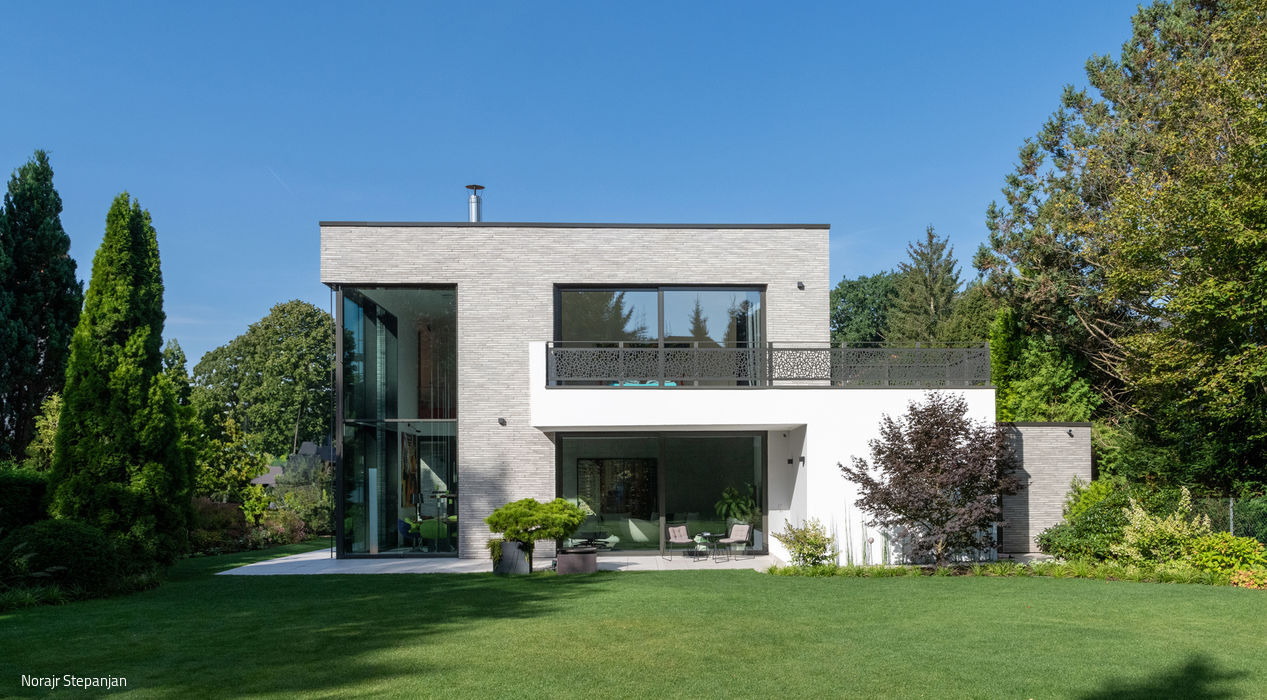
A Detached Home with Clean Lines and Thoughtful Design in the Garden City of Frohnau
Beyond disposable architecture
"Element & Lingot" – visionary infill development in Moabit
Collectors and hunters
A bold young chef's experimental kitchen opens in an award-winning architectural landmark